
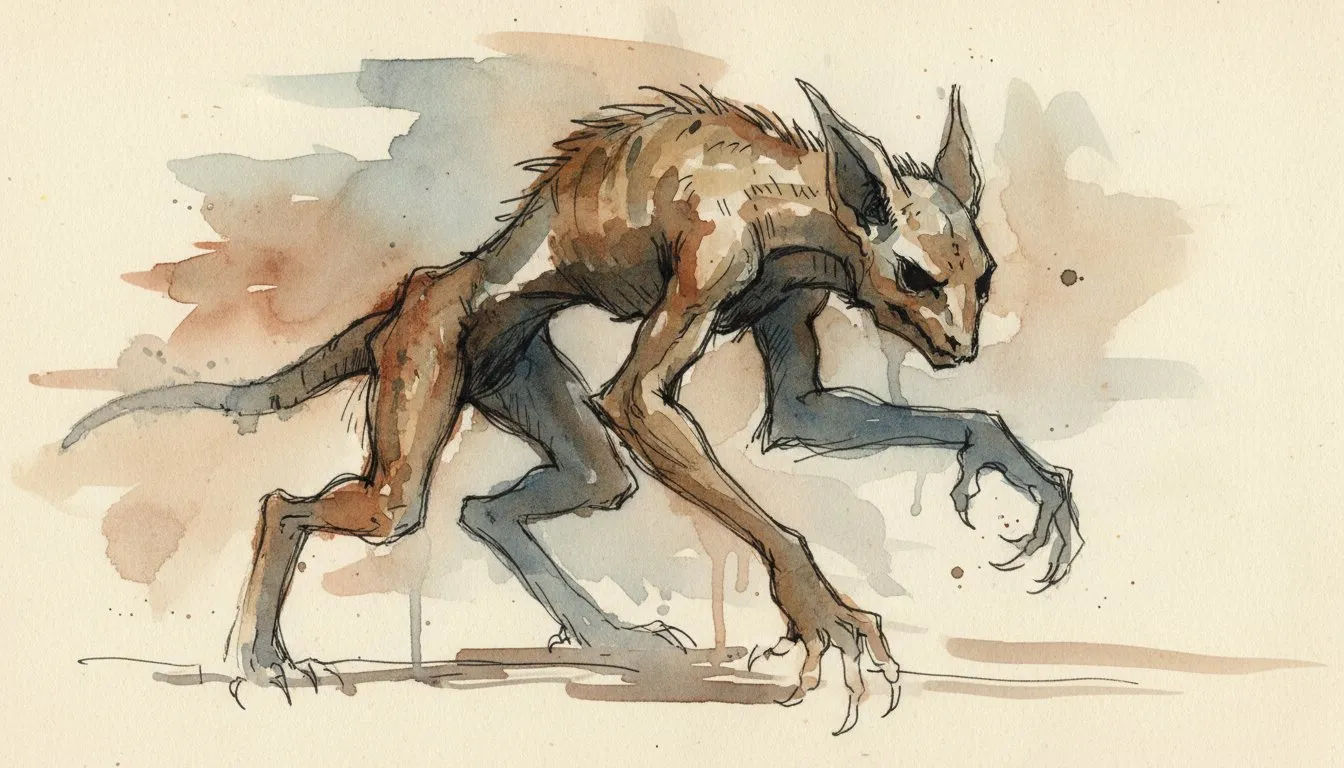
Chupacabra
Also known as: Goat Sucker, El Chupacabras
The blood-draining predator that left livestock drained across Latin America.
March 1995
Moca, Puerto Rico
3-4 ft tall (bipedal form)
Predatory, nocturnal
Ongoing reports
The Lore
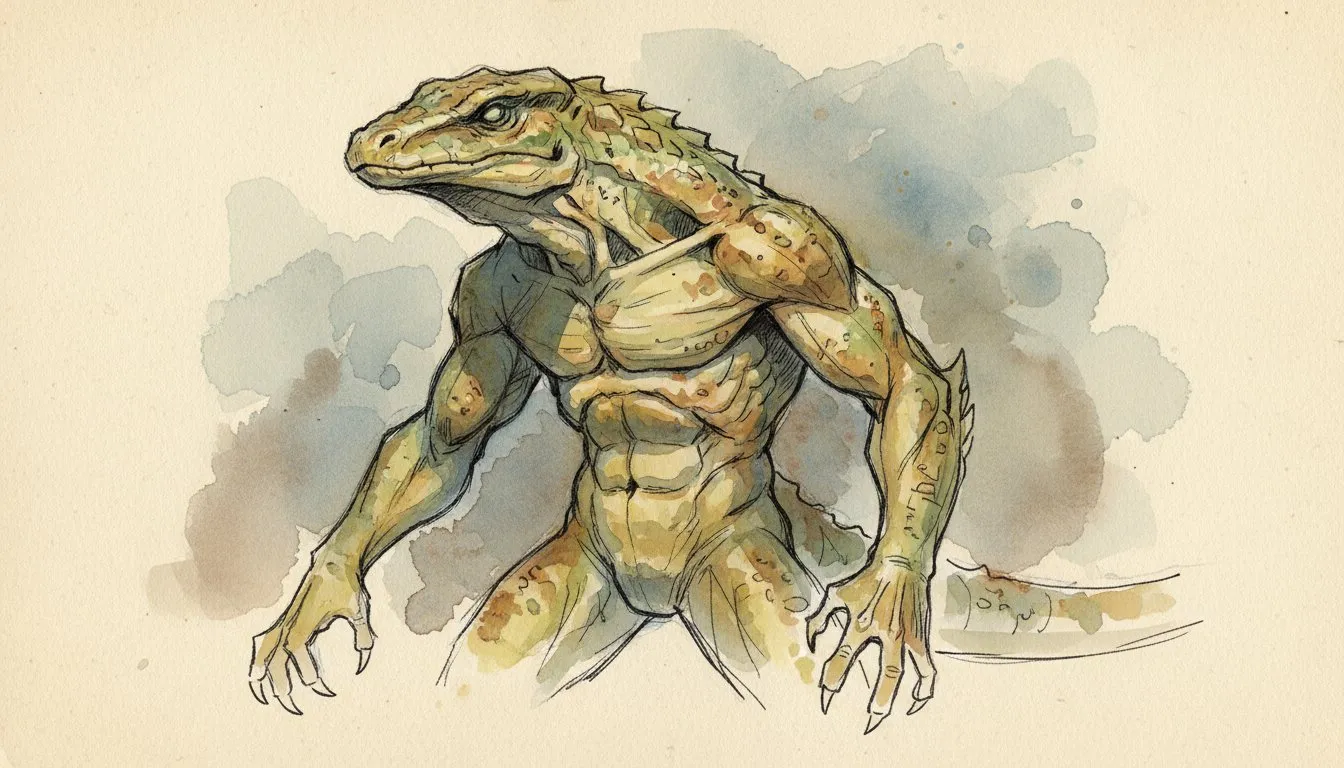
First reported in Puerto Rico in 1995, the Chupacabra allegedly attacked livestock and drained their blood through small puncture wounds. Original descriptions depicted a reptilian biped with spines. Later Texas sightings described mangy canines. The split identity makes this one of cryptozoology's most debated creatures.
The Chupacabra, or "goat-sucker," burst into public awareness in 1995 in Puerto Rico. In March of that year, eight sheep were found dead in the town of Orocovis, each drained of blood through small circular wounds. Over the following months, similar attacks were reported across the island. Chickens, goats, rabbits, and other livestock turned up dead with puncture wounds and no blood remaining in their bodies.
The name and the legend crystallized around the testimony of Madelyne Tolentino of Canovanas, Puerto Rico. In August 1995, Tolentino described seeing a creature approximately 4 to 5 feet tall, with large wraparound eyes, gray skin, spines running down its back, and thin, clawed arms. Her description became the template for the "classic" Chupacabra, and it spread rapidly through Puerto Rican and Latin American media.
The panic spread quickly beyond Puerto Rico. By 1996, Chupacabra reports were appearing in Mexico, Brazil, Chile, and the Dominican Republic. Livestock deaths attributed to the creature were reported throughout Latin America and eventually in the southern United States, particularly Texas and Florida.
Around 2000, a second version of the Chupacabra emerged in the American Southwest. Ranchers in Texas began finding strange-looking canine carcasses, hairless and blue-gray with prominent spines along their backs. Several of these animals were recovered and tested. In every case, DNA analysis identified them as coyotes, domestic dogs, or coyote-dog hybrids suffering from severe sarcoptic mange, a parasitic skin disease that causes hair loss, thickened skin, and a generally monstrous appearance.
Skeptical investigator Benjamin Radford spent five years researching the Chupacabra for his 2011 book "Tracking the Chupacabra." He noted that Tolentino's original description closely matched the alien-like creature from the 1995 science fiction film "Species," which she had seen shortly before her sighting. Radford argued that the original Chupacabra was a product of pop-culture influence and mass hysteria, while the Texas variant was simply misidentified sick canines.
Despite these explanations, the Chupacabra remains one of the most widely reported cryptids in the Americas. It occupies a unique space as a modern cryptid, having emerged entirely within the era of mass media and 24-hour news cycles. Its rapid spread across Latin America reflects both real anxieties about unexplained livestock deaths and the power of sensational storytelling in the information age.
Notable Witnesses
- Madelyne Tolentino (Canovanas, Puerto Rico, 1995)
- Silverio Perez (comedian and early reporter of incidents)
- Phylis Canion (recovered canine specimen in Texas, 2007)
Media Appearances
- Tracking the Chupacabra by Benjamin Radford (book, 2011)
- Chupacabra Terror (film, 2005)
- The X-Files (TV, referenced)
- Scooby-Doo! and the Monster of Mexico (2003)
- Grimm (TV, referenced)
- Species (film, 1995, possible inspiration for original description)
Further Reading
The chupacabra is one of the few creatures here whose story can be dated almost to the week. The reports begin in Puerto Rico in 1995, and one book has done the work of finding out where the description came from.
- Tracking the Chupacabra: The Vampire Beast in Fact, Fiction, and Folklore by Benjamin Radford (2011)
University of New Mexico Press, and the product of a five-year investigation. Radford traced the original description to an eyewitness who had recently seen the 1995 film Species, and the later Texas carcasses to coyotes with sarcoptic mange.
- Mysterious Creatures: A Guide to Cryptozoology by George M. Eberhart (2002)
Useful for placing the chupacabra against older livestock-predator legends rather than reading it on its own.
Search Amazon for Chupacabra books
As an Amazon Associate, Cryptid Vault earns from qualifying purchases. Links open Amazon in a new tab.
Get the Field Notes.
Field notes from the Vault, when there is something worth sending. No spam.
No spam. Unsubscribe anytime.
You might also like
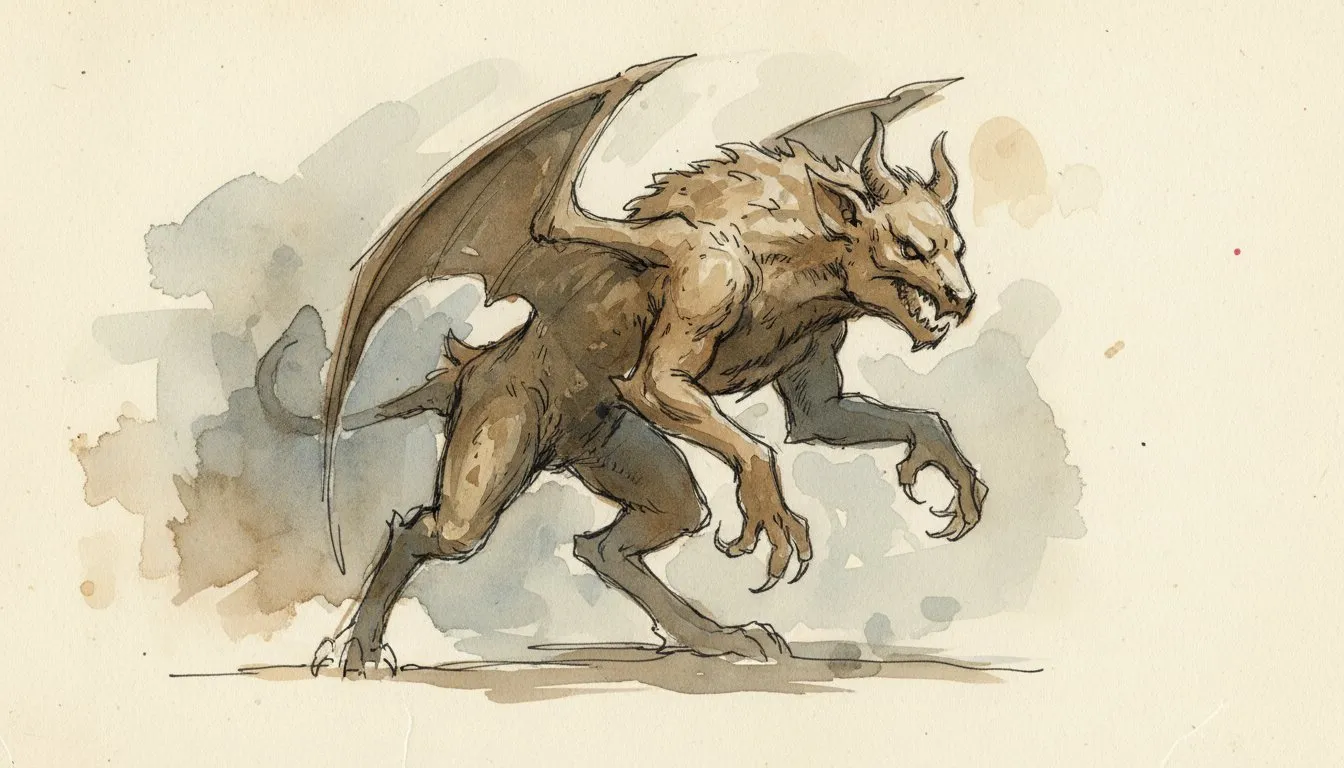
Jersey Devil
A bat-winged, hoofed terror born from a colonial curse in the Pine Barrens.
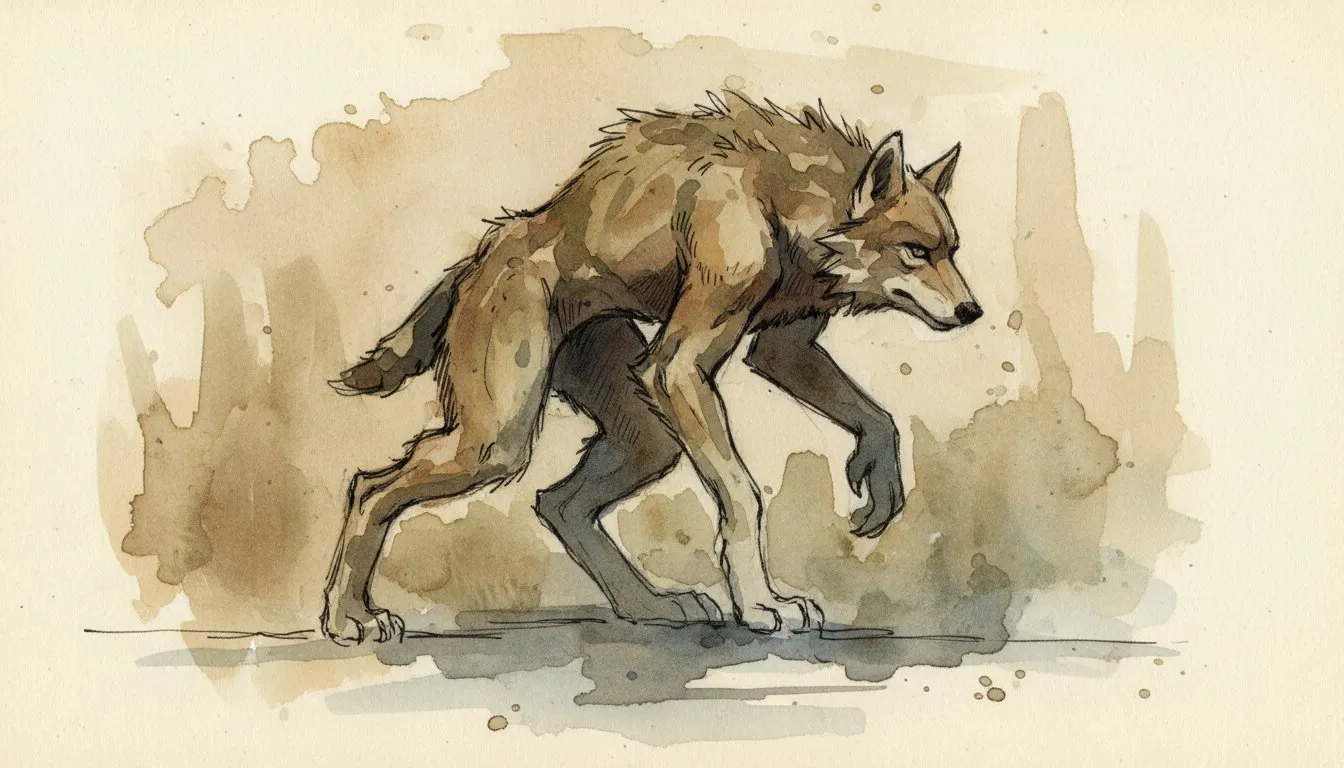
Beast of Bray Road
A shaggy, upright canine prowling a rural Wisconsin road since the 1980s.
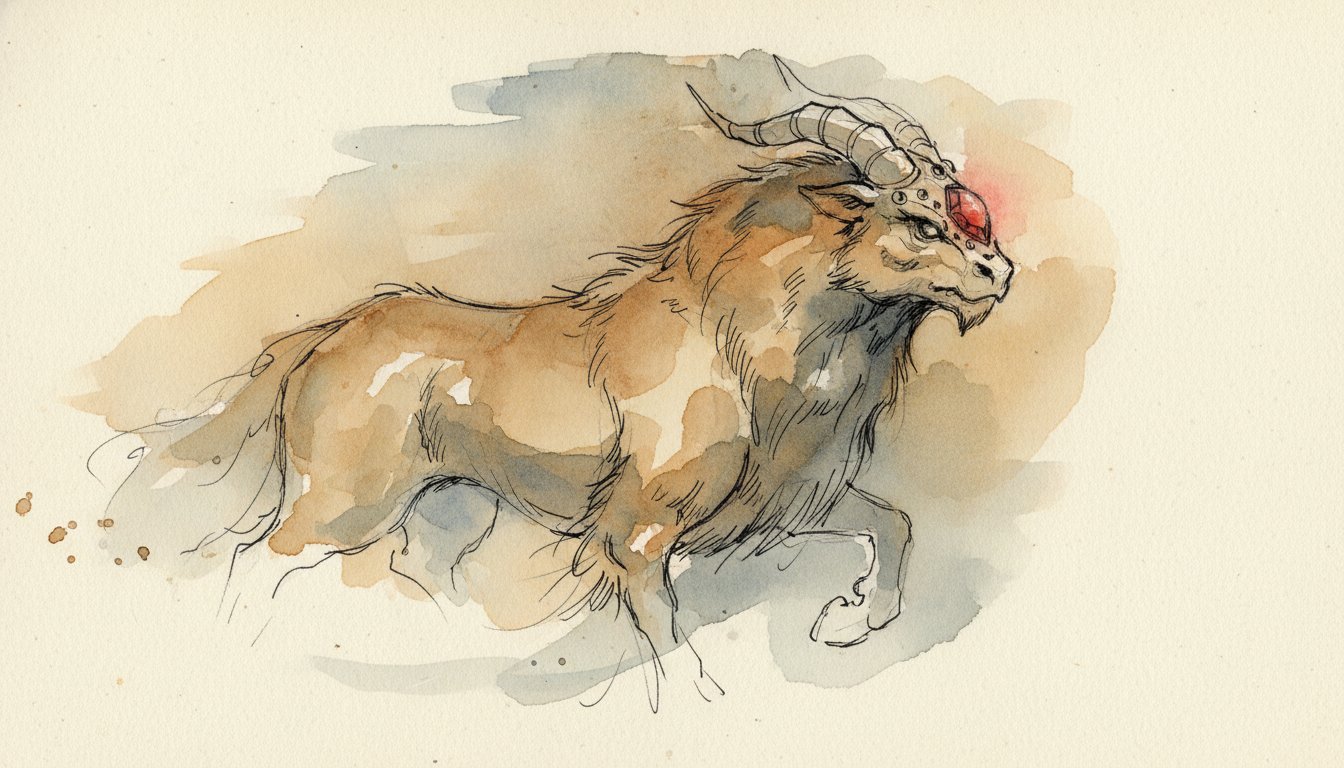
Carbunclo
A small, armored creature with a glowing gemstone embedded in its head, spotted in the Andes at twilight.
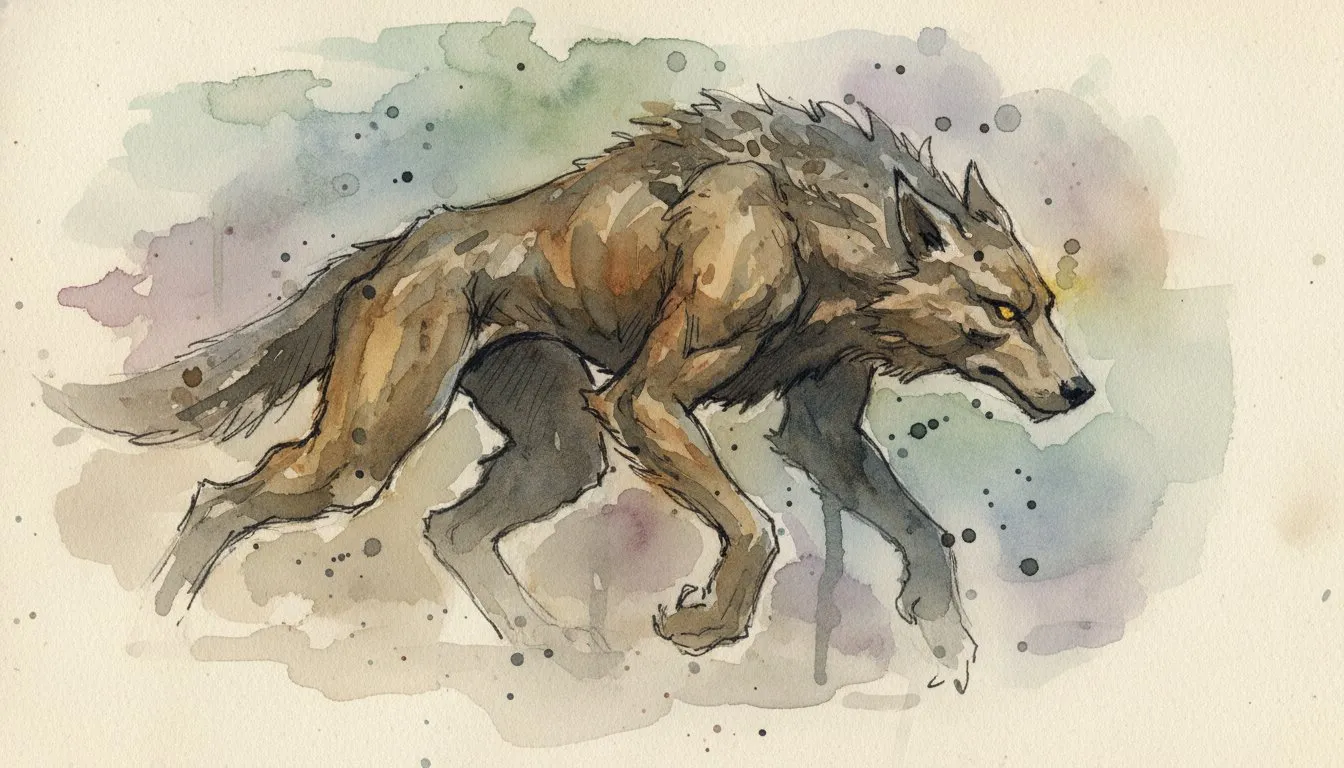
Michigan Dogman
An upright canine terror first reported in 1887, stalking Michigan's north woods ever since.
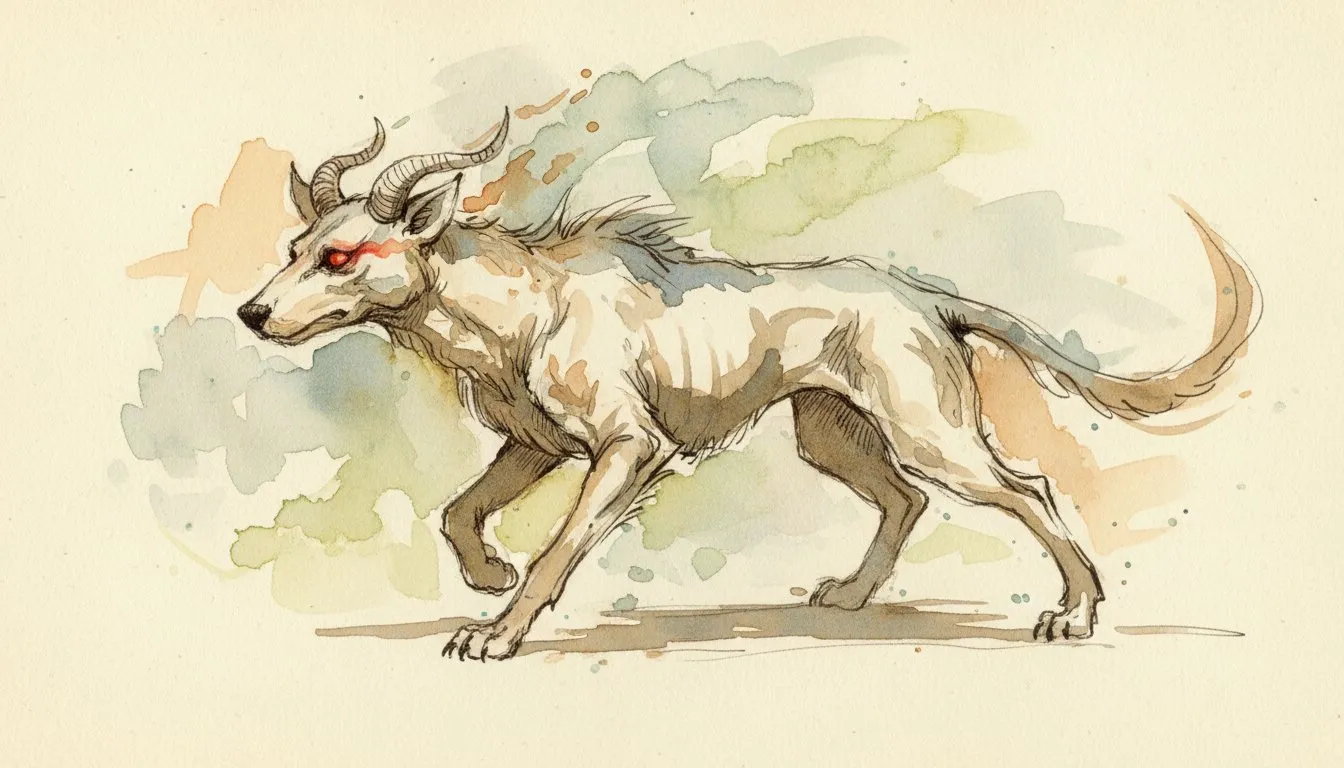
El Cadejo
In Central America, a glowing-eyed dog follows you home at night, but its color decides your fate.
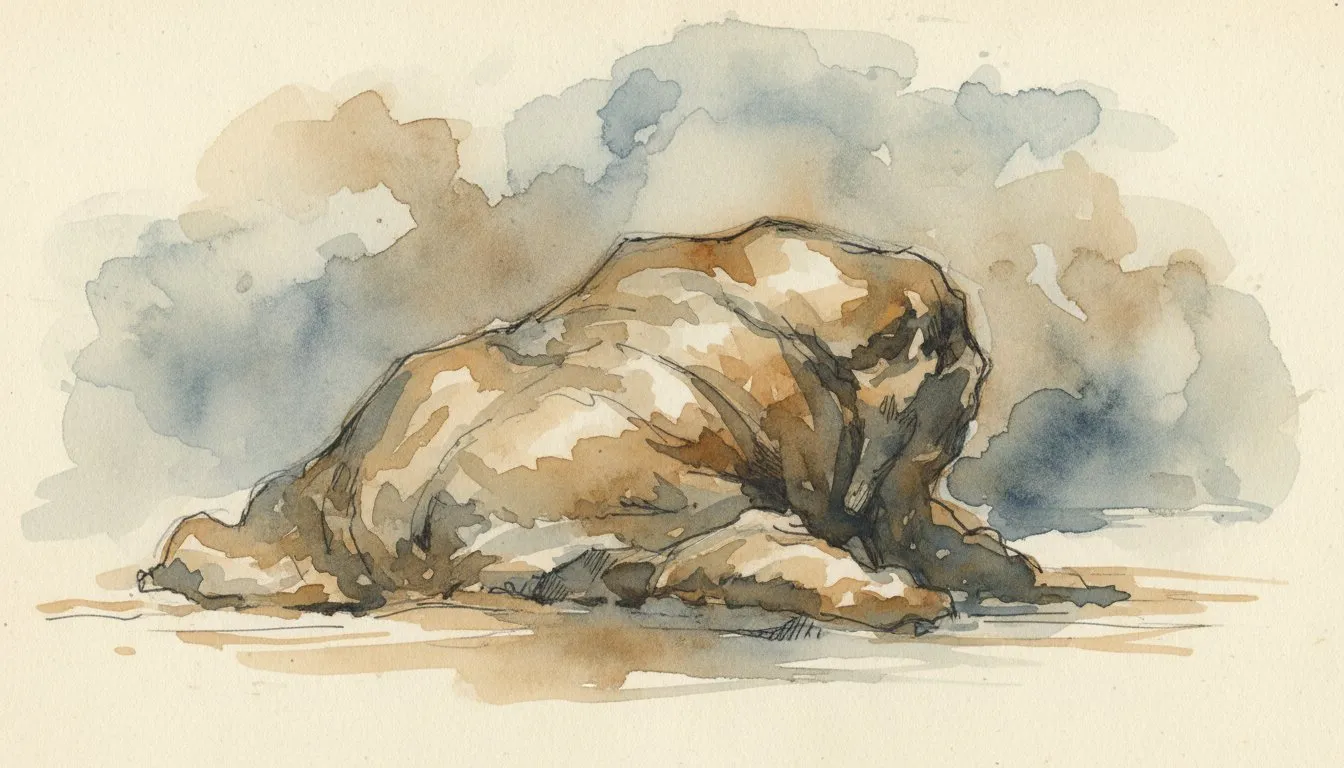
Globster
Massive, fleshy, unidentifiable masses that wash ashore worldwide, defying easy explanation until the lab results come in.
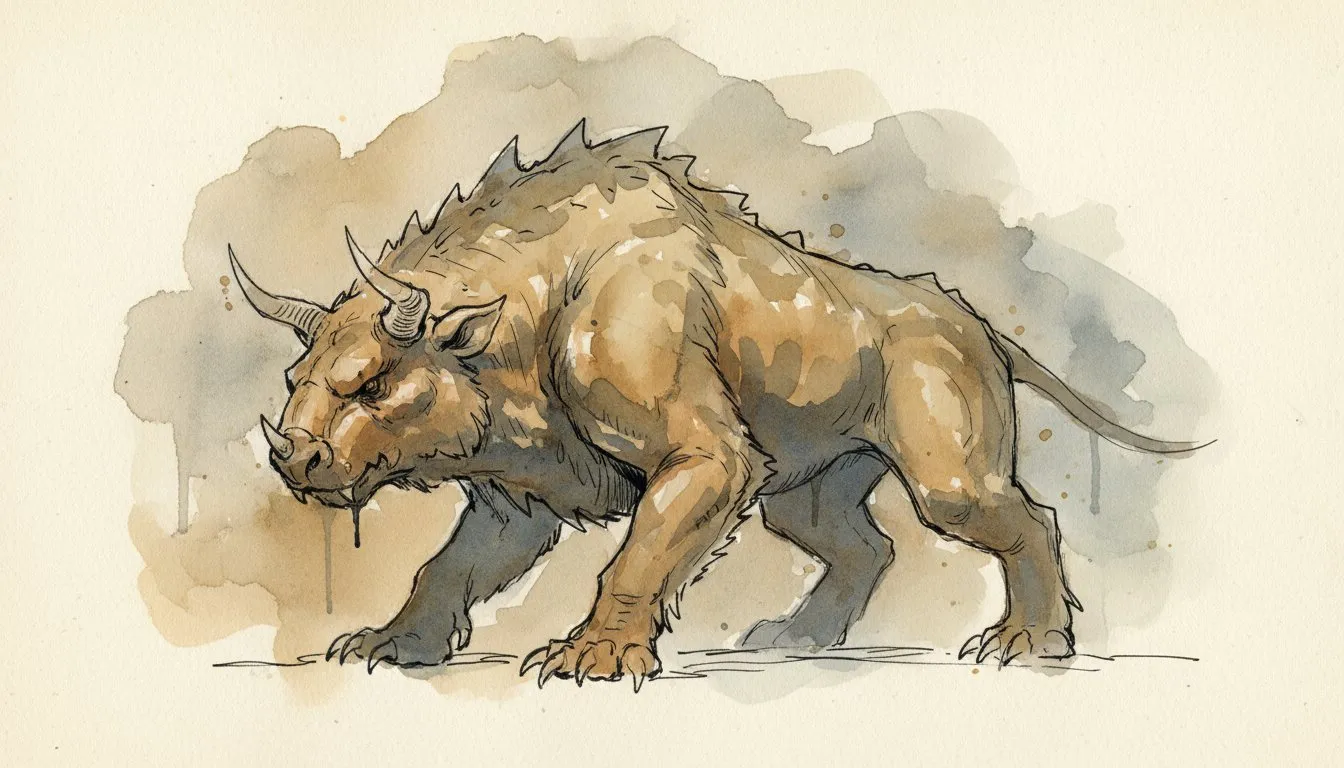
Hodag
A spiny, fire-born beast from the Wisconsin woods with a taste for white bulldogs.
Lizard Man of Scape Ore Swamp
A 7-foot reptilian biped that attacked a teen's car in a South Carolina swamp.