
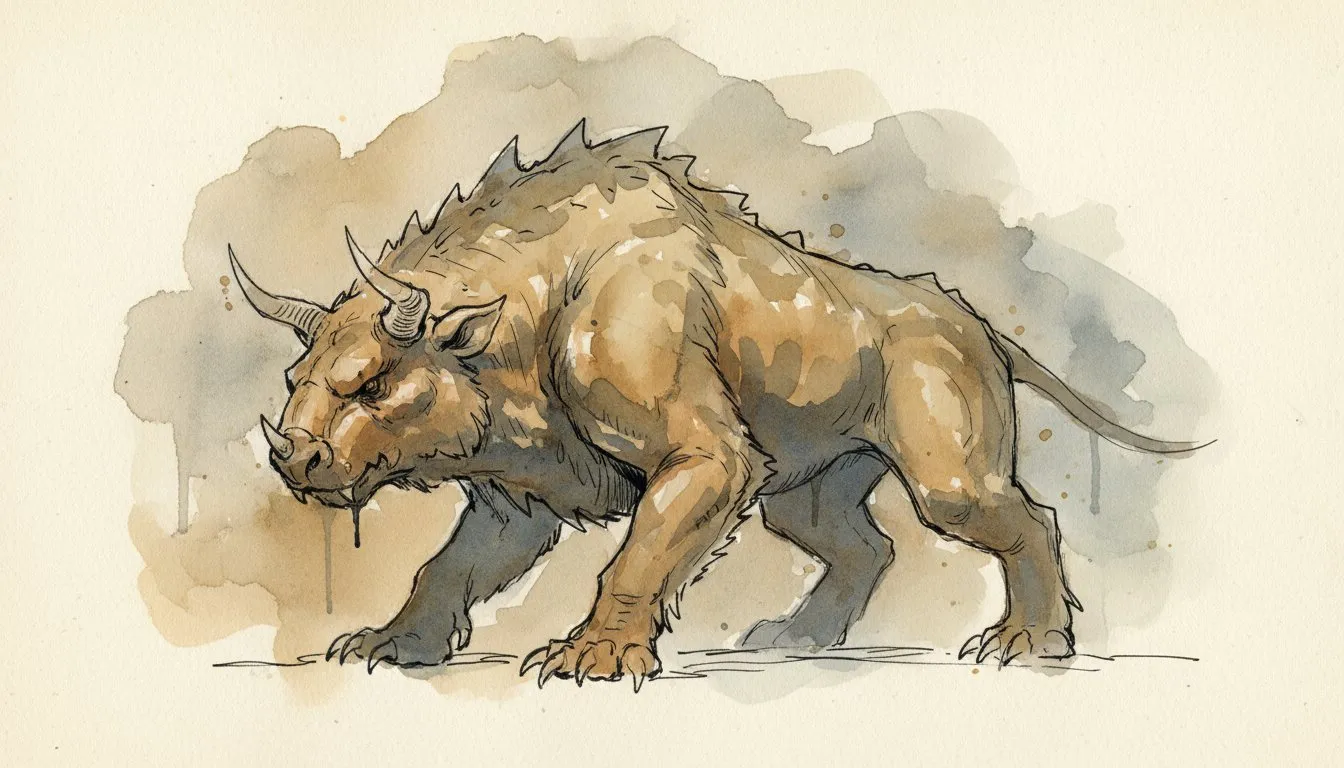
Hodag
A spiny, fire-born beast from the Wisconsin woods with a taste for white bulldogs.
1893
Rhinelander, Wisconsin, USA
7 ft long, 30 inches tall
Aggressive (in legend)
Confirmed hoax, cultural icon
The Lore
The Hodag is a fearsome creature from Rhinelander, Wisconsin, allegedly discovered by Eugene Shepard in 1893. Described as having the head of a frog, the face of an elephant, thick short legs with claws, the back of a dinosaur with stout spines, and a long tail with spears on the end. Shepard initially claimed he had to use dynamite to kill it. He later exhibited a convincing hoax Hodag at the 1896 Oneida County Fair. Rhinelander adopted it as the city mascot.
Rhinelander, Wisconsin is the only city in America whose official mascot is a confessed nineteenth-century hoax. The Hodag, described as a ferocious creature with the body of a bull, the legs of an ox, the tail of a dinosaur, curved horns, enormous claws, and a row of sharp spines along its back, was first introduced to the world in 1893 by a Rhinelander lumberman, trickster, and land surveyor named Eugene Shepard. According to Shepard, a group of local woodsmen had cornered and killed the beast in a swamp near Rhinelander, finding it to be a fire-breathing nightmare that emitted, in his memorable phrase, the most God-awful smell ever produced.
Shepard published photographs of the supposed carcass and, several years later, announced that a live Hodag had been captured and could be viewed for a modest admission fee at the 1896 Oneida County Fair. Fairgoers in a dimly lit tent saw the creature growling, twitching, and occasionally lunging. It was, in fact, a carved wooden frame draped in ox hides and studded with real horns, manipulated by Shepard's sons through a system of hidden wires while Shepard himself produced the growls from offstage. The hoax was so successful that the Smithsonian Institution dispatched investigators to examine the specimen, at which point Shepard cheerfully admitted the whole thing.
The exposure did nothing to kill the Hodag. Rhinelander embraced the creature almost immediately, and over the following century it became embedded in civic life to a degree few folkloric creatures anywhere can match. The Hodag is the mascot of Rhinelander High School, appears on the city's welcome signs and police patches, lends its name to the Hodag Country Festival, which draws tens of thousands of visitors each summer, and is depicted in statues, murals, and gift shops throughout the community. The city's tourism board cheerfully acknowledges the original hoax while maintaining the Hodag as a genuine element of regional identity.
What makes the Hodag culturally significant is its demonstration that a cryptid does not need to be believed to function as folklore. Eugene Shepard was operating within an established tradition of nineteenth-century logging-camp tall tales, the same oral culture that produced Paul Bunyan, the hidebehind, and the splinter cat. The Hodag is that tradition's most enduring mascot, a reminder that American cryptozoology has its roots not only in wilderness encounters but in the bunkhouse humor of men who spent long winters in Wisconsin snow with time on their hands and stories to improve.
Notable Witnesses
- Eugene Shepard (creator/hoaxer)
Media Appearances
- Fearsome Creatures of the Lumberwoods (1910 book)
Further Reading
No book is devoted to this creature. These are the general references that cover the field, plus a direct search if you want to dig further.
- Cryptozoology A to Z by Loren Coleman and Jerome Clark (1999)
The standard one-volume encyclopedia, roughly two hundred entries covering creatures, investigators, and hoaxes.
- Mysterious Creatures: A Guide to Cryptozoology by George M. Eberhart (2002)
The larger reference guide, stronger on sourcing and on creatures that never reached the popular books.
As an Amazon Associate, Cryptid Vault earns from qualifying purchases. Links open Amazon in a new tab.
Get the Field Notes.
Field notes from the Vault, when there is something worth sending. No spam.
No spam. Unsubscribe anytime.
You might also like
Jackalope
The antlered rabbit of the American West, born from taxidermy humor and frontier tall tales.
Slide-Rock Bolter
A whale-shaped mountain predator that slides down Colorado slopes to swallow hikers whole.
Beast of Busco
A giant snapping turtle the size of a dining table, spotted in an Indiana farm pond.
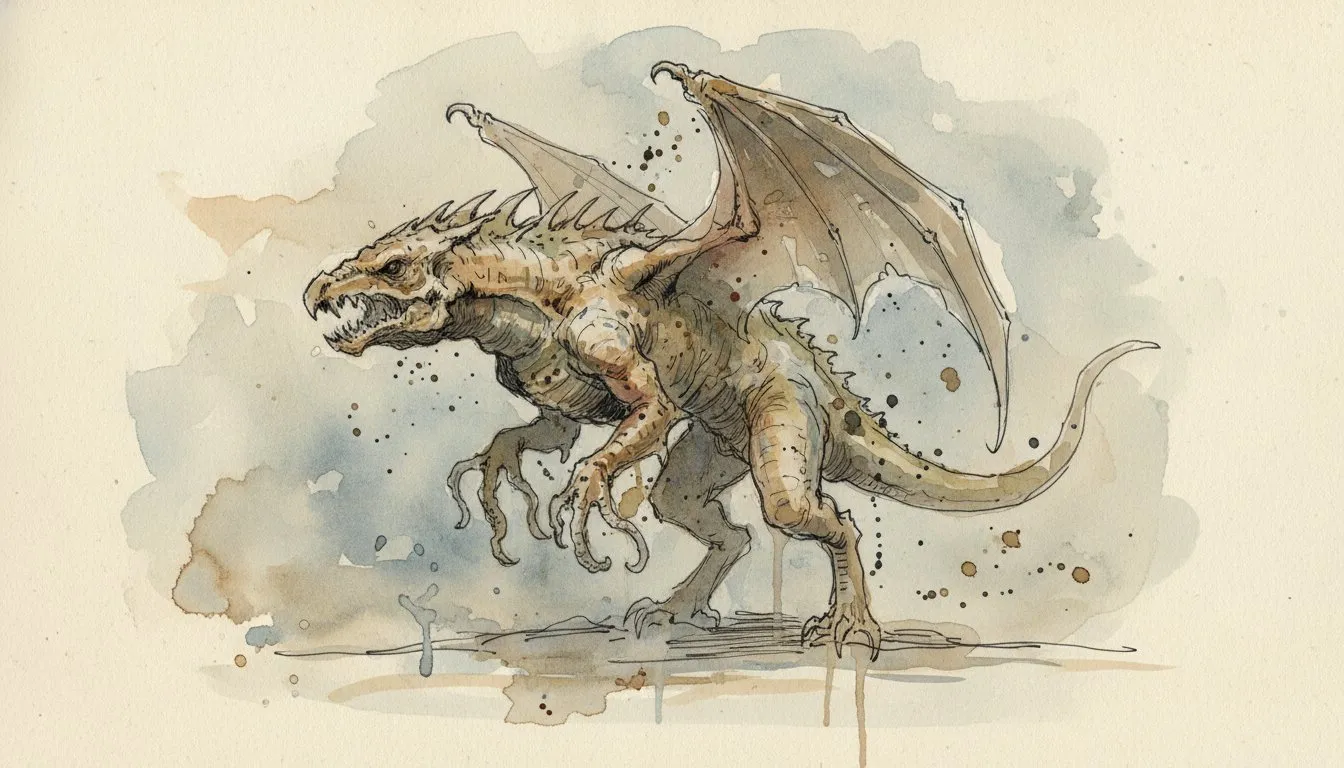
Snallygaster
A half-bird, half-reptile terror from Maryland with a taste for livestock and legend.
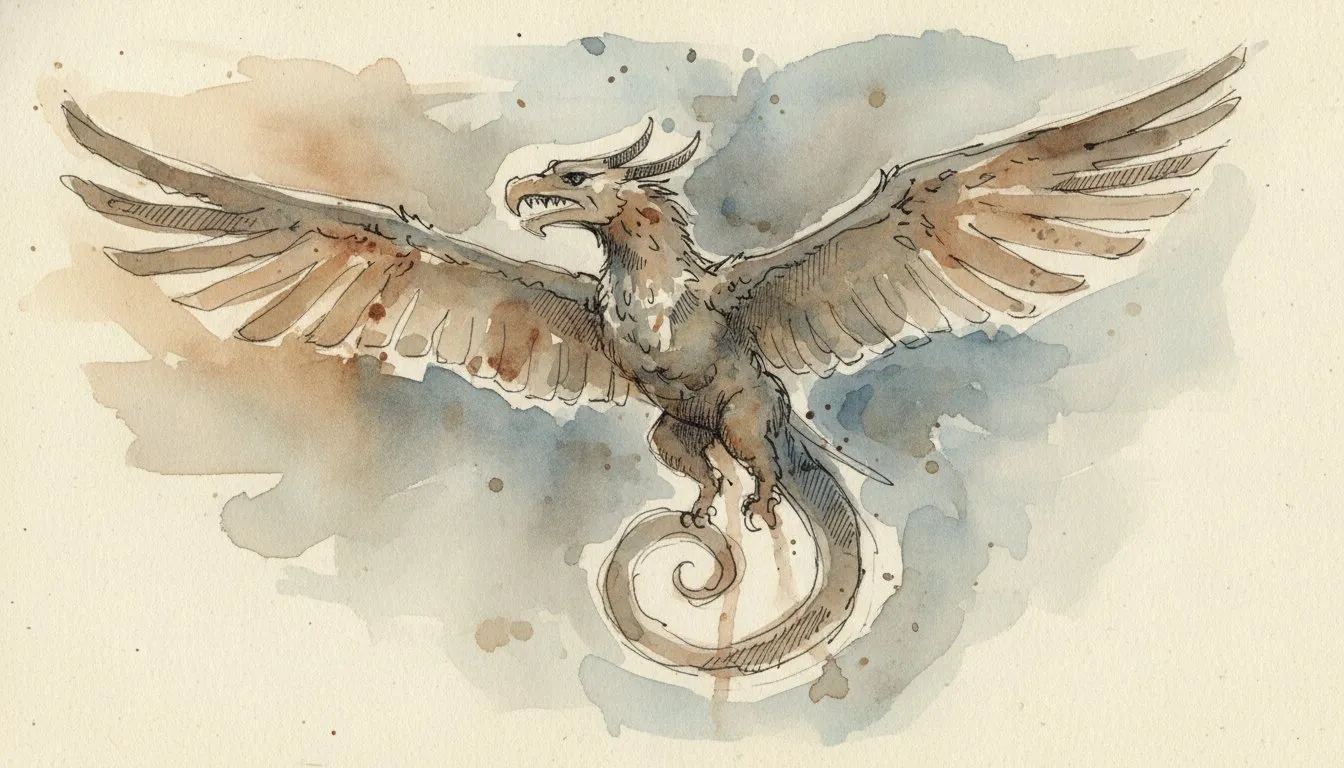
Piasa Bird
A dragon-bird painted on Mississippi River bluffs by the Illini, feared as a man-eater.
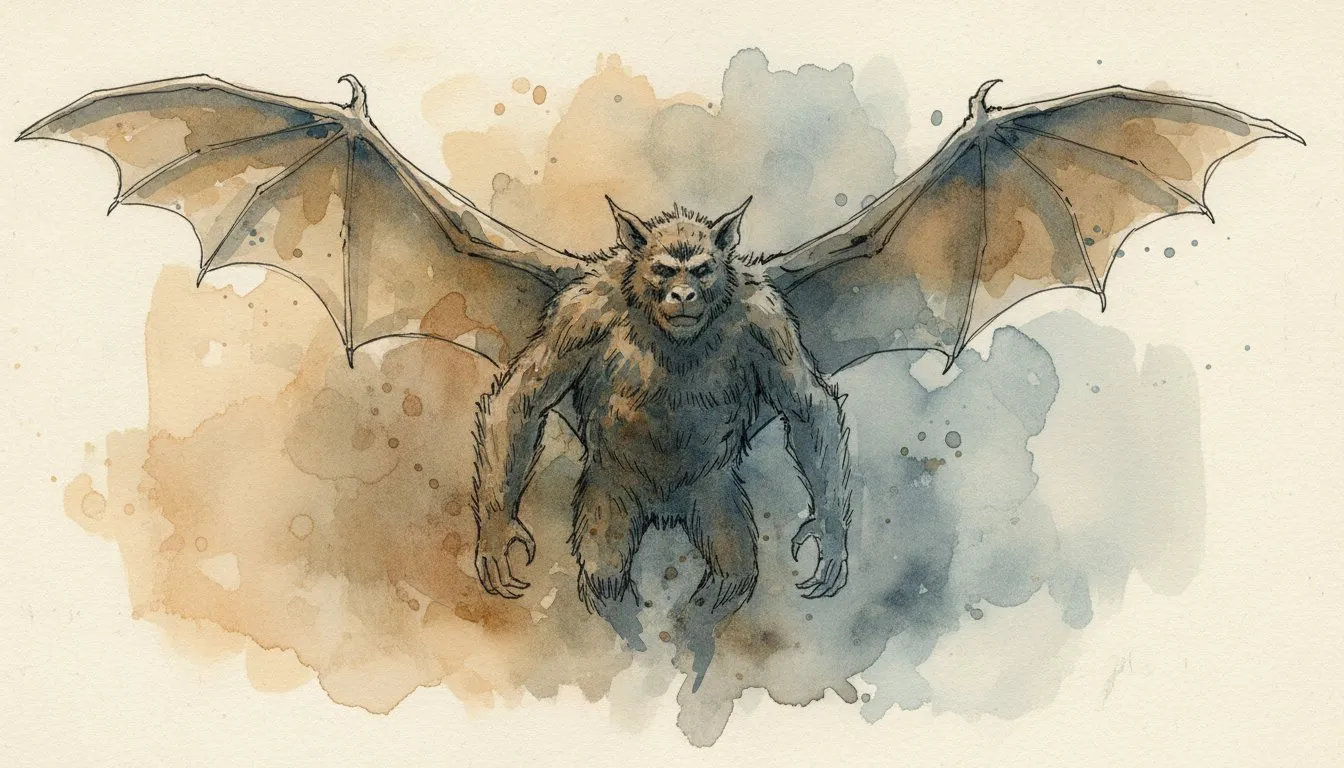
Batsquatch
A purple-skinned, bat-winged ape seen near Mount St. Helens after the eruption.
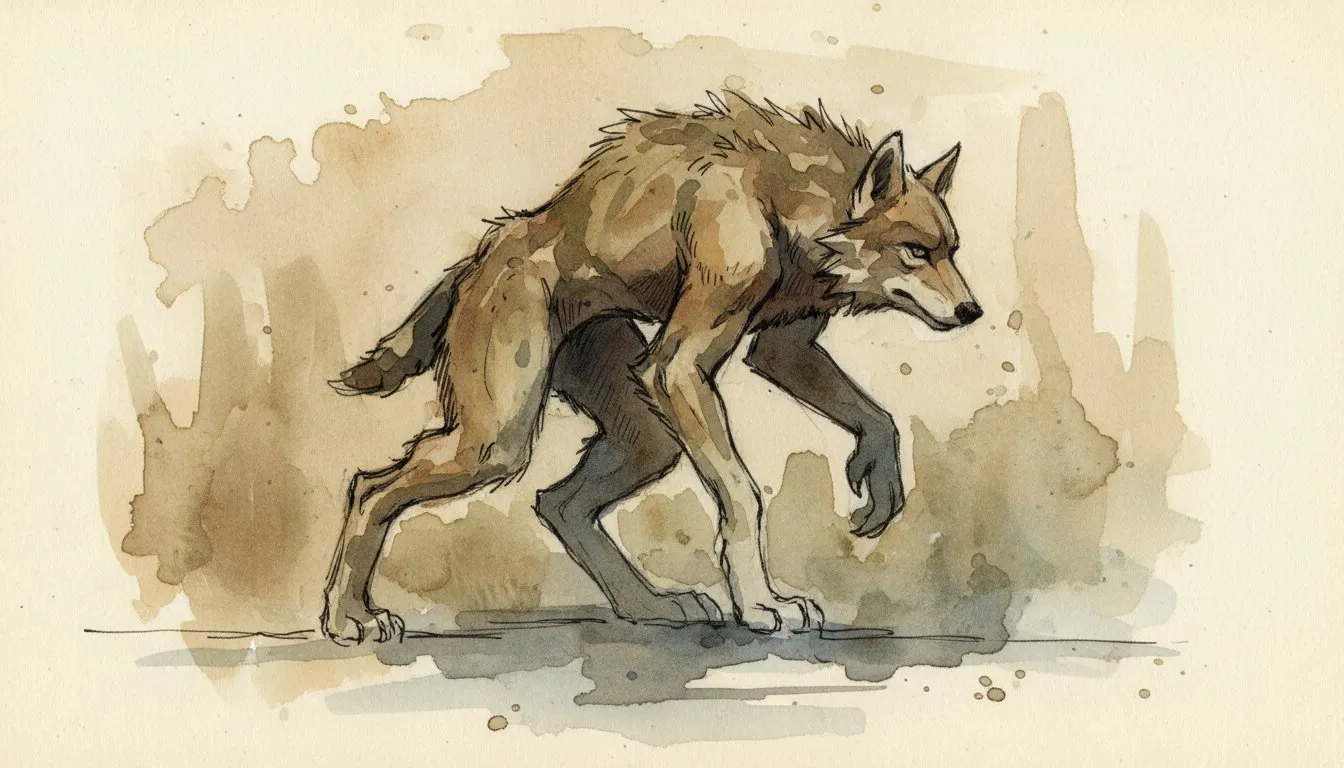
Beast of Bray Road
A shaggy, upright canine prowling a rural Wisconsin road since the 1980s.
Bigfoot
The towering ape-man of the Pacific Northwest, glimpsed in fog and legend for centuries.