
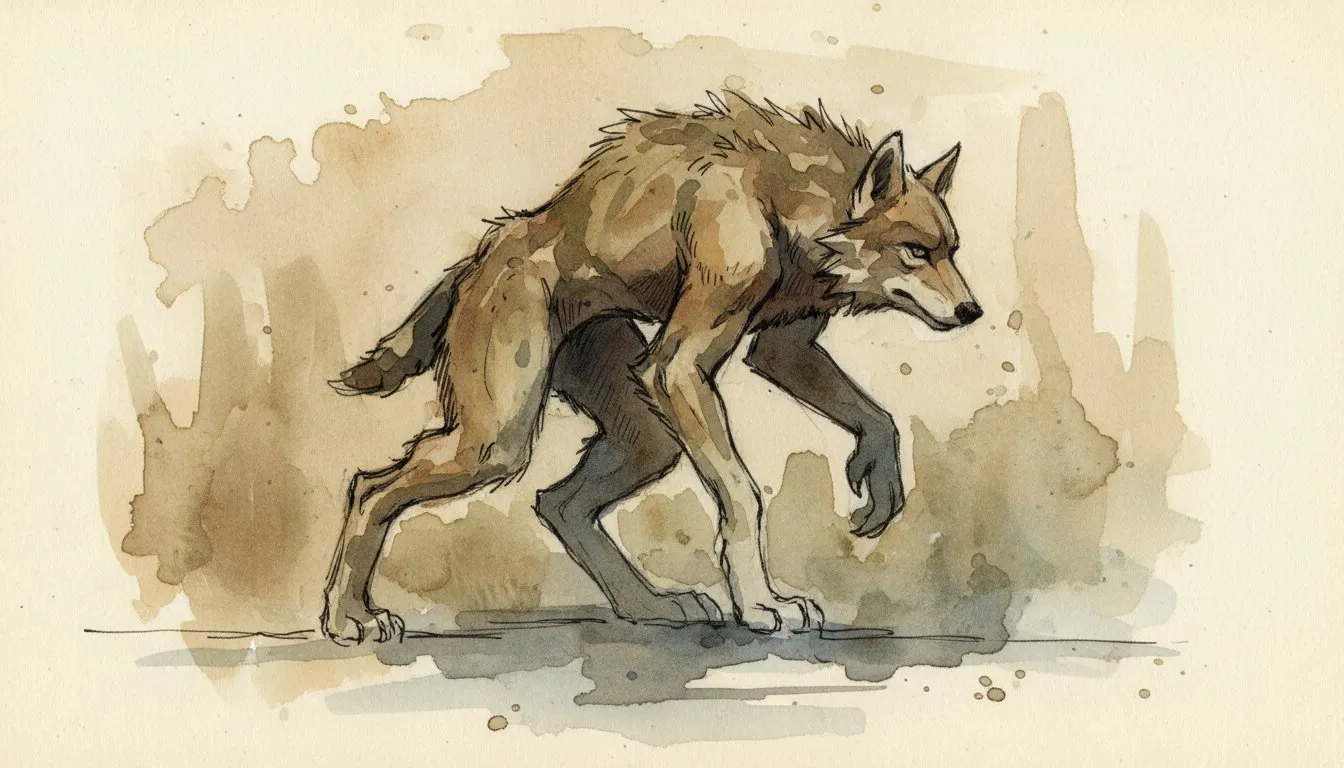
Beast of Bray Road
Also known as: Wisconsin Werewolf, Bear-Wolf
A shaggy, upright canine prowling a rural Wisconsin road since the 1980s.
1989
Elkhorn, Wisconsin
6-7 ft tall (upright)
Bold, unfazed by humans
Sporadic sightings continue
The Lore
First reported near Elkhorn, Wisconsin in 1989, the Beast of Bray Road is described as a large, muscular creature resembling a werewolf. Standing 6-7 feet tall on hind legs, covered in gray-brown fur, it was spotted feeding on roadkill. Investigative journalist Linda Godfrey documented dozens of witness accounts, making this America's most documented modern werewolf case.
Along a stretch of rural blacktop just outside Elkhorn, Wisconsin, in the rolling farmland of Walworth County, motorists began reporting something in the late 1980s that did not belong in any field guide. The Beast of Bray Road, as it came to be known, was described as an enormously muscular canine roughly six to seven feet tall when upright, with a wolf-like face, pointed ears, and hands with three long claws, often spotted hunched over roadkill or standing upright on the shoulder watching cars pass. Witnesses consistently reported an unsettling intelligence behind its yellow eyes.
Scattered accounts trace back as far as 1936, when a night watchman named Mark Schackelman said he encountered a digging creature in an old Indian mound near Jefferson, Wisconsin, but the modern flap began around 1989 and peaked in 1991 and 1992. Reporter Linda Godfrey, working for the Walworth County Week, was assigned what her editors expected to be a lighthearted piece about local legend. Instead she found serious witnesses, including a bus driver, a bartender, and several farm residents, whose independent descriptions lined up with uncomfortable precision. Godfrey's subsequent books, beginning with The Beast of Bray Road in 2003, turned the case into one of the most widely discussed werewolf-type phenomena in North America.
Part of what distinguishes the Beast from older werewolf folklore is the absence of lunar or supernatural framing. Witnesses described an animal, strange and disturbing but corporeal, that fed, walked, and fled like something biologically real. The creature also appears across a surprisingly wide range of the upper Midwest, with similar dogman sightings reported in Michigan, Minnesota, and Ohio, suggesting either a regional oral tradition migrating along rural corridors or, for believers, a broader undocumented population.
Theories range from a surviving dire wolf variant to an escaped hybrid canid, from misidentified bears standing upright to a purely cultural phenomenon amplified by small-town media. What is harder to dismiss is the cluster of independent testimony, often from people with no prior interest in cryptids and considerable social cost for speaking up. Bray Road itself remains an unremarkable stretch of rural Wisconsin asphalt, lined with cornfields and second-growth woods, that has somehow become one of the most famous haunted roads in the country.
Further Reading
No book is devoted to this creature. These are the general references that cover the field, plus a direct search if you want to dig further.
- Cryptozoology A to Z by Loren Coleman and Jerome Clark (1999)
The standard one-volume encyclopedia, roughly two hundred entries covering creatures, investigators, and hoaxes.
- Mysterious Creatures: A Guide to Cryptozoology by George M. Eberhart (2002)
The larger reference guide, stronger on sourcing and on creatures that never reached the popular books.
Search Amazon for Beast of Bray Road books
As an Amazon Associate, Cryptid Vault earns from qualifying purchases. Links open Amazon in a new tab.
Get the Field Notes.
Field notes from the Vault, when there is something worth sending. No spam.
No spam. Unsubscribe anytime.
You might also like
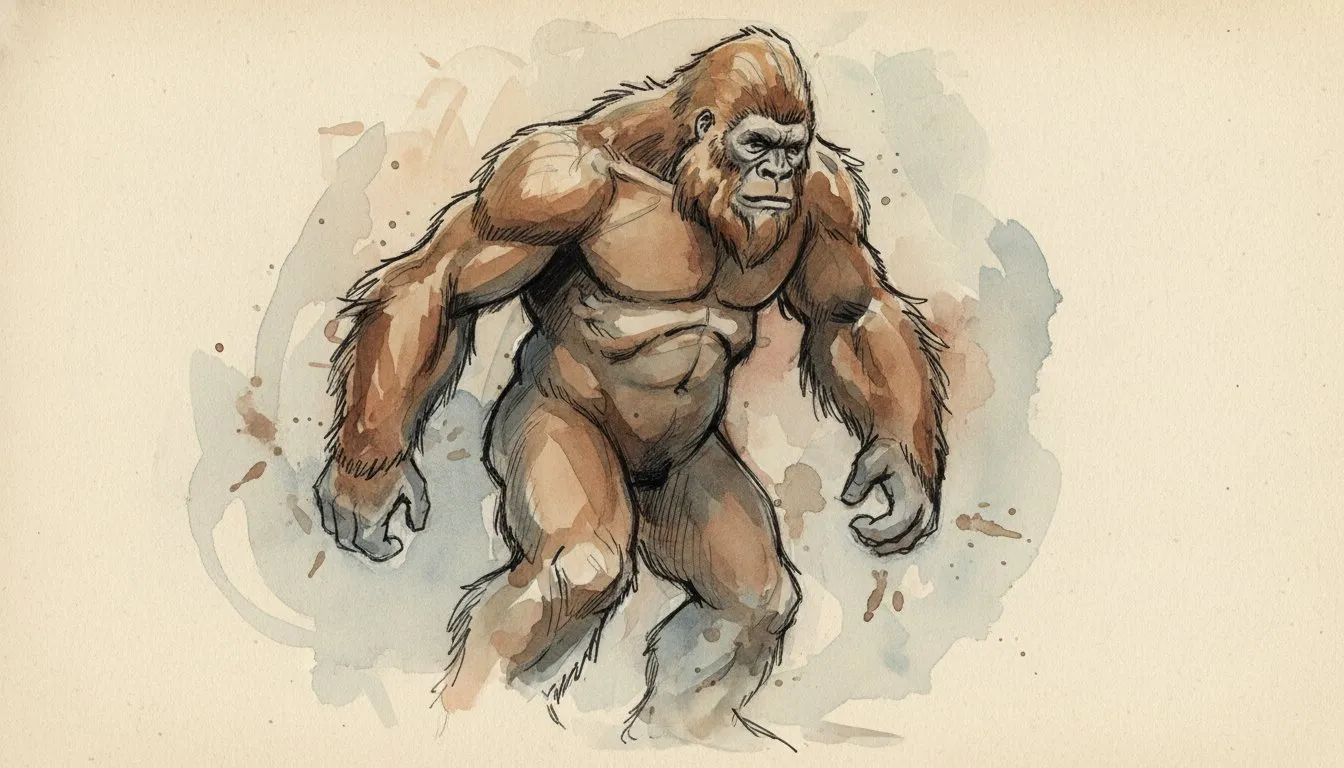
Bigfoot
The towering ape-man of the Pacific Northwest, glimpsed in fog and legend for centuries.
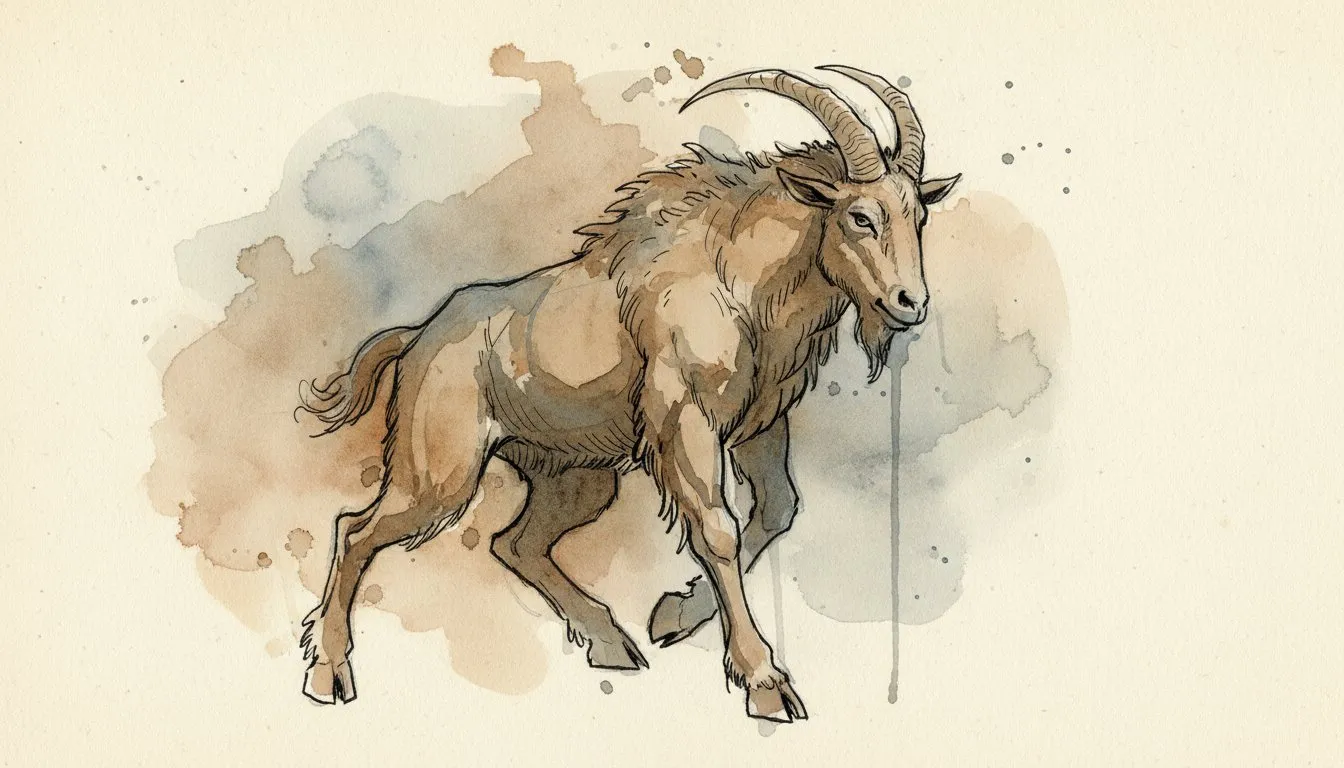
Goatman
A half-man, half-goat said to roam the back roads of Maryland with an axe.
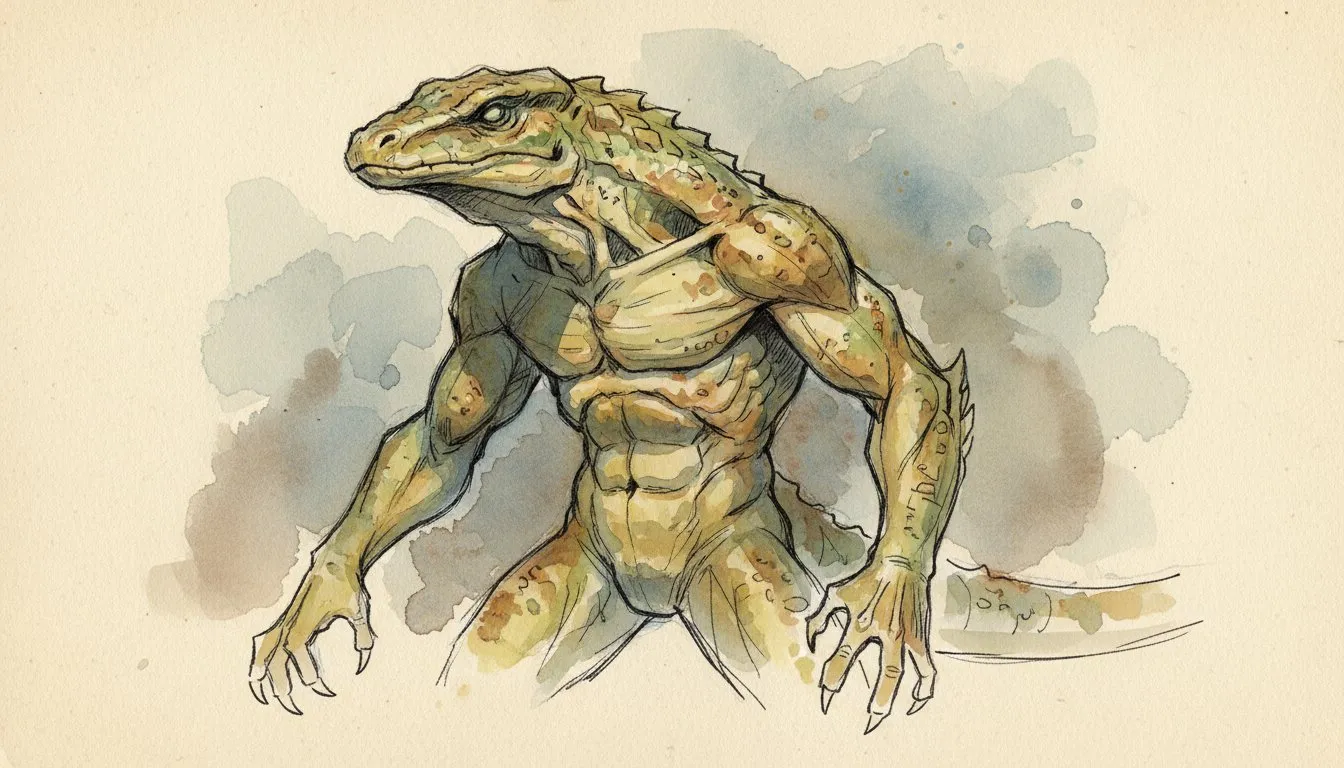
Lizard Man of Scape Ore Swamp
A 7-foot reptilian biped that attacked a teen's car in a South Carolina swamp.
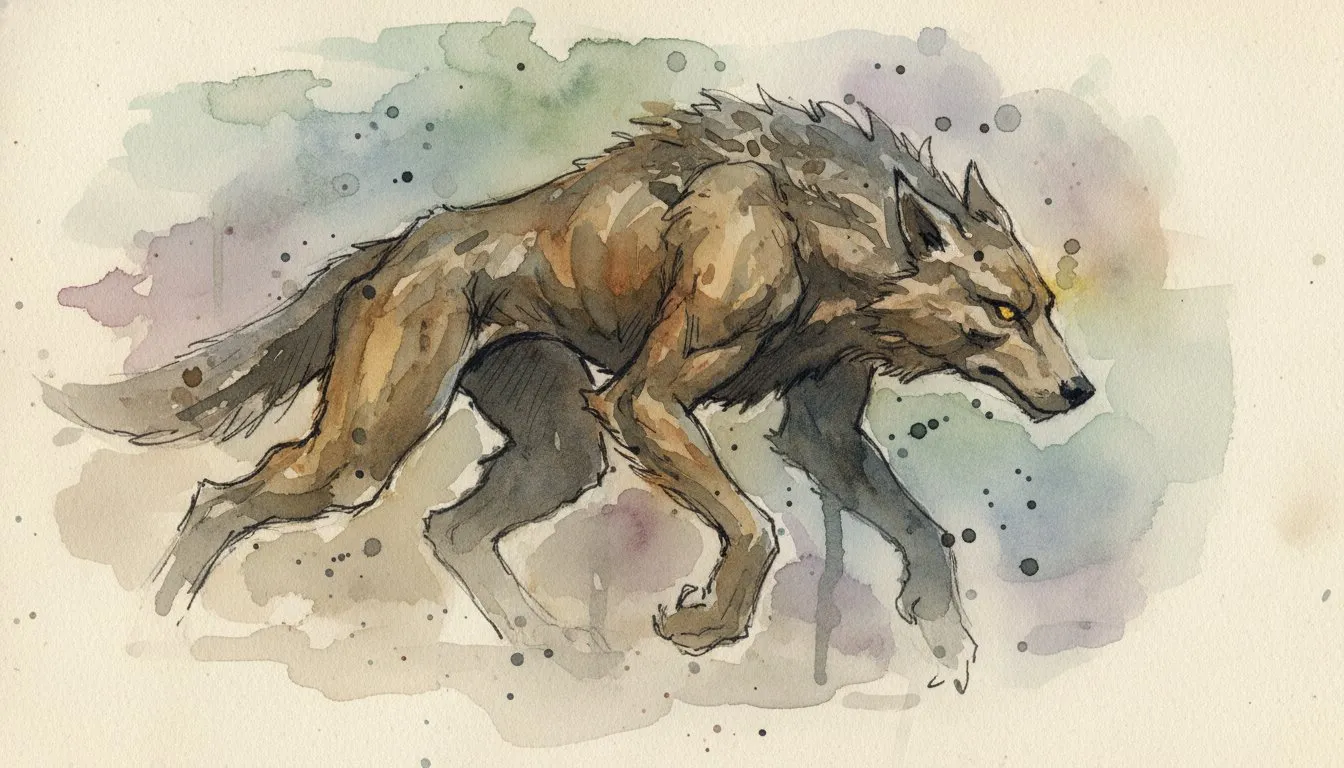
Michigan Dogman
An upright canine terror first reported in 1887, stalking Michigan's north woods ever since.

Rougarou
Louisiana's Cajun werewolf stalks the bayou, cursing the sinful and haunting those who break Lent.
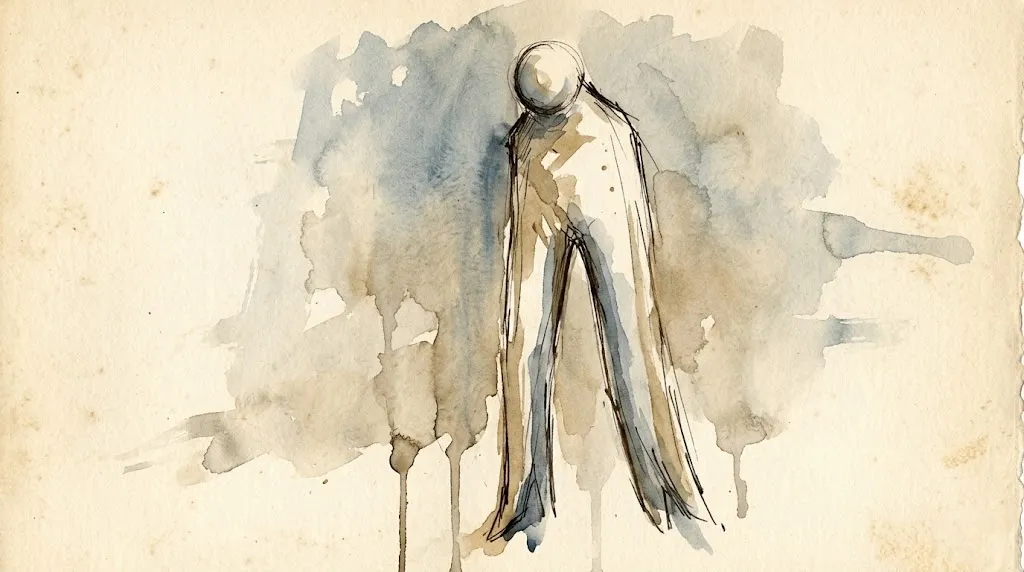
Fresno Nightcrawler
A pair of impossibly long legs walking through the night, captured on security cameras.
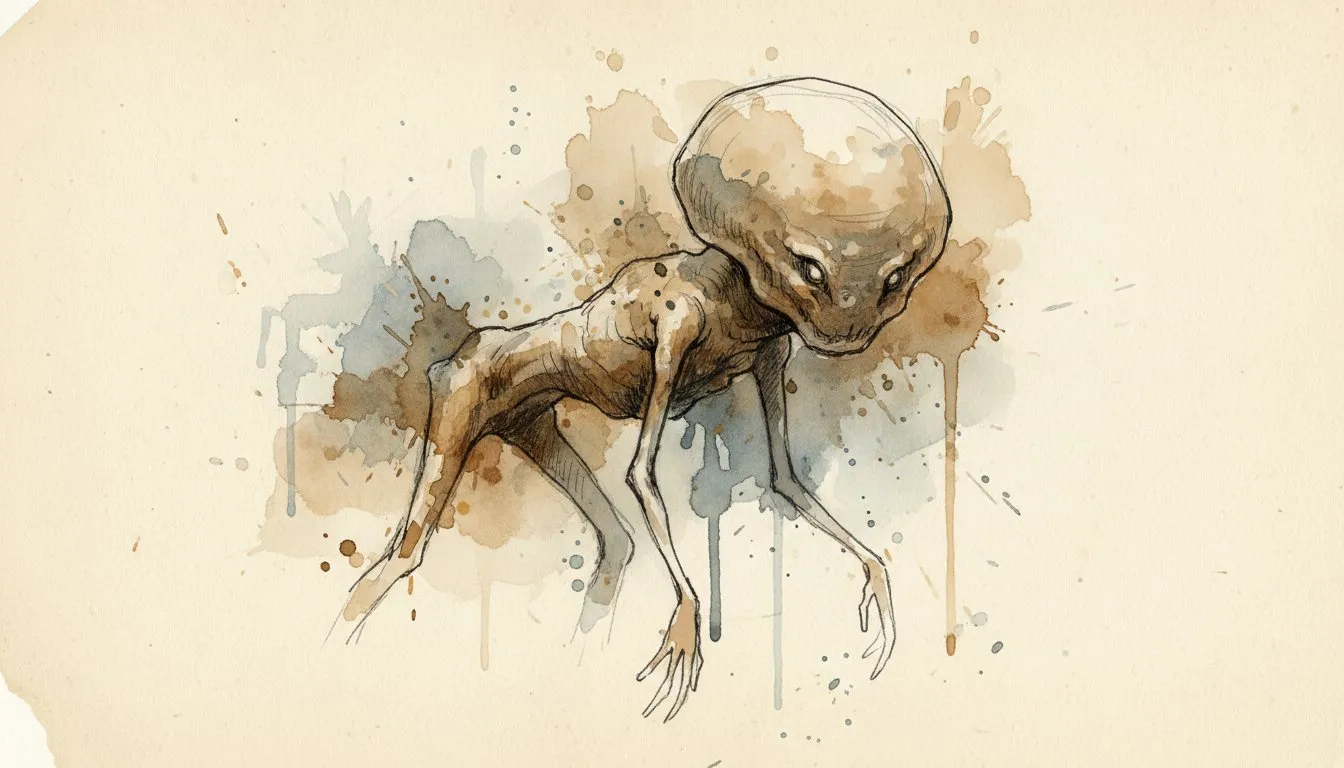
Dover Demon
A watermelon-headed creature spotted three times in two nights, then never again.
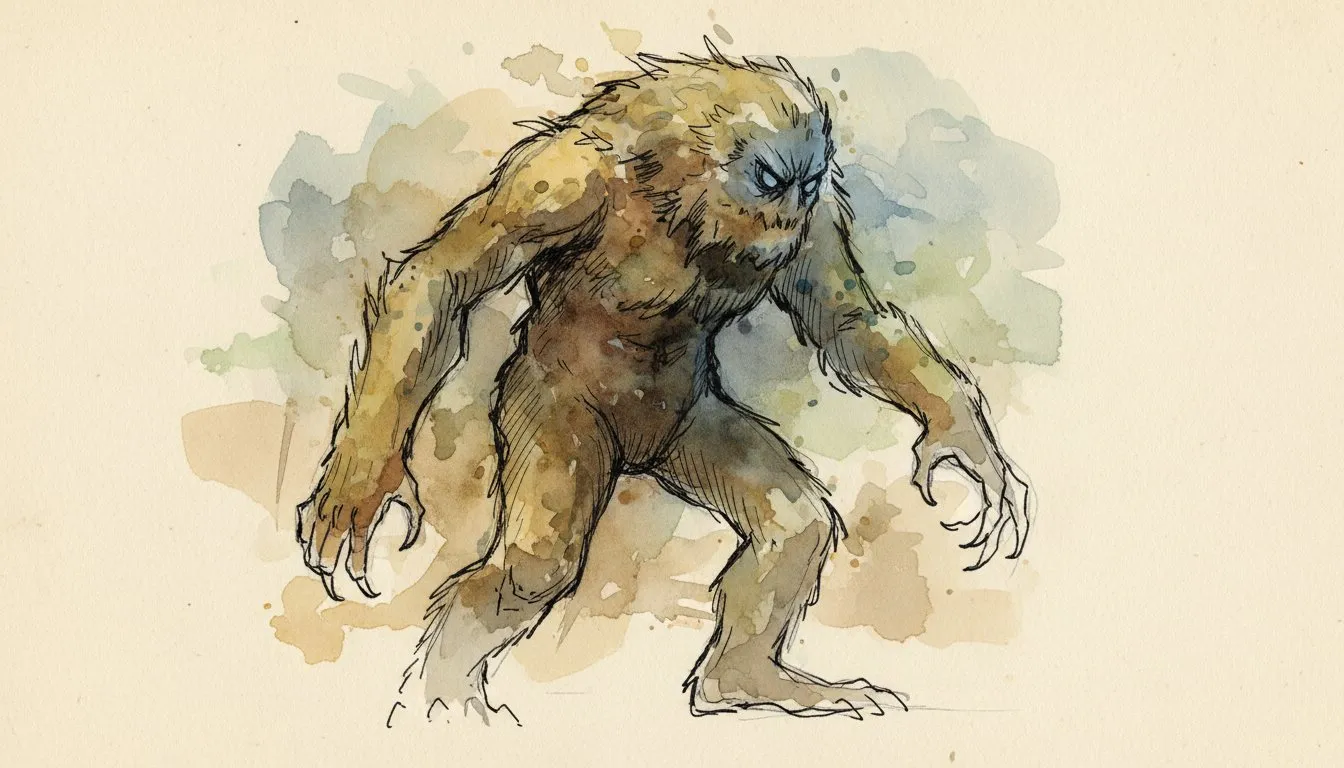
Fouke Monster
The hairy hominid of Boggy Creek, Arkansas, that inspired one of horror's first docudramas.