
Dover Demon
A watermelon-headed creature spotted three times in two nights, then never again.
April 21, 1977
Dover, Massachusetts
3-4 ft tall
Curious, non-aggressive
No sightings since 1977
The Lore
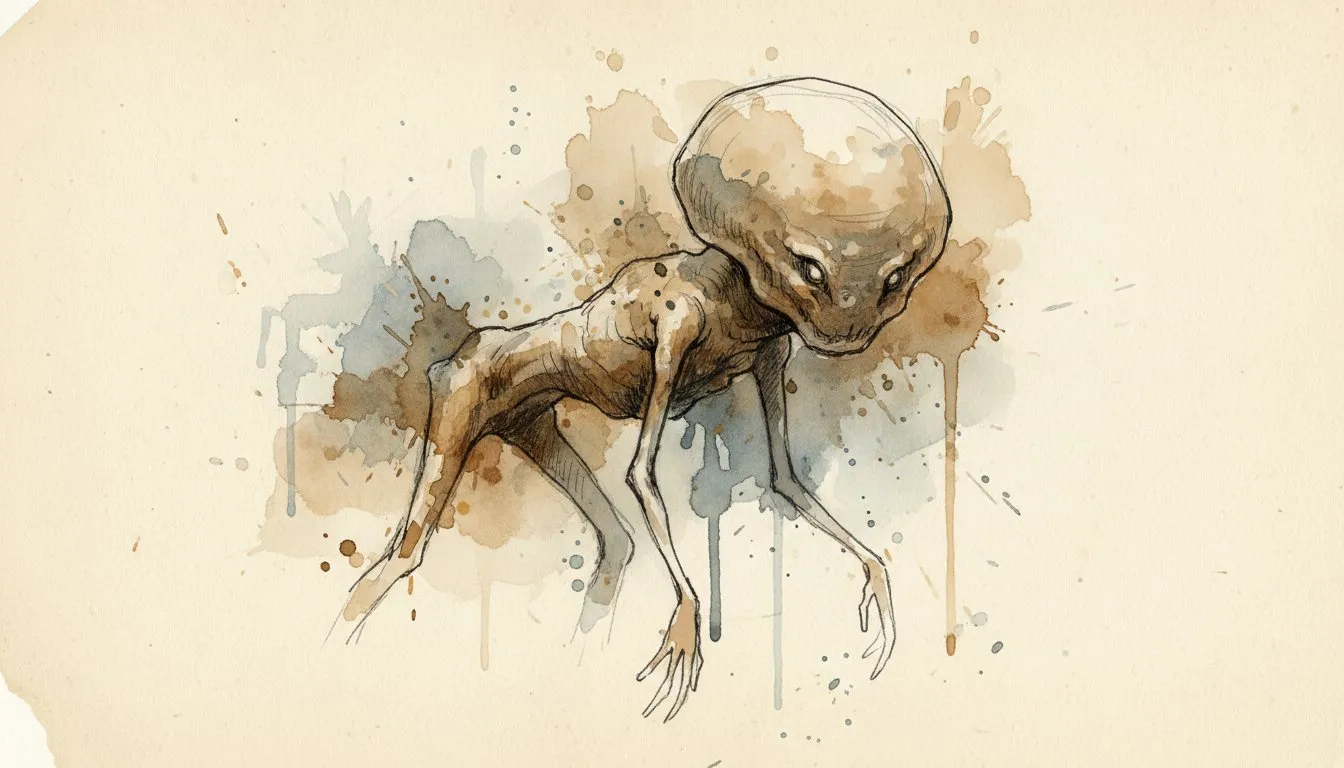
On April 21-22, 1977, three separate groups of teenagers in Dover, Massachusetts reported an identical creature: a small being with a large watermelon-shaped head, glowing orange eyes, and long spindly fingers. Cryptozoologist Loren Coleman coined its name. It was never seen again.
The Dover Demon case unfolded over roughly 25 hours in a quiet Massachusetts suburb and then vanished as completely as the creature itself. On the night of April 21, 1977, seventeen-year-old Bill Bartlett was driving with two friends along Farm Street in Dover when his headlights caught something crawling along a low stone wall. He described a small figure, roughly three and a half feet tall, with a disproportionately large oval head shaped like a watermelon, glowing orange eyes set in the sides rather than the front of the head, long spindly fingers gripping the wall, and pale pinkish skin with a rough sandpaper texture. Bartlett sketched the creature that same night and wrote below the drawing, I, Bill Bartlett, swear on a stack of Bibles that I saw this creature.
Later that night, fifteen-year-old John Baxter was walking home after visiting his girlfriend when he encountered a similar figure on Miller Hill Road, about a mile from the Bartlett sighting. Baxter said the creature stood on its hind legs gripping a tree, watched him for several seconds, and then moved away. He independently produced a sketch matching Bartlett's in every significant detail, despite the two teenagers not having spoken. The following evening, April 22, fifteen-year-old Abby Brabham and her friend Will Taintor reported seeing the same creature on Springdale Avenue, the third location in the triangle. Brabham's description matched the earlier two, with one addition: she insisted the eyes were green, not orange.
Loren Coleman, the cryptozoologist who investigated the case within days of the sightings, interviewed each witness separately and found their accounts internally consistent and free of the usual tells of hoax or collaboration. He coined the name Dover Demon and brought the case to national attention. The witnesses were studied by police, by local journalists, and eventually by skeptics, and none of them ever recanted or substantially changed their stories. Bartlett, who went on to become a respected professional artist, has repeated the account consistently for nearly five decades and still stands by his sketch.
What makes the Dover Demon unusual among cryptid cases is the completeness of its disappearance. There was no prior folklore, no subsequent sightings in Dover or anywhere else, no physical traces, no pattern of reports building over years. Three groups of teenagers saw something in two nights, and then whatever it was was gone. Proposed explanations range from an escaped exotic pet to a misidentified moose calf to a hallucination shared through suggestion, but none account for the specific independent agreement on details that the witnesses had no clear way to coordinate.
Further Reading
No book is devoted to this creature. These are the general references that cover the field, plus a direct search if you want to dig further.
- Cryptozoology A to Z by Loren Coleman and Jerome Clark (1999)
The standard one-volume encyclopedia, roughly two hundred entries covering creatures, investigators, and hoaxes.
- Mysterious Creatures: A Guide to Cryptozoology by George M. Eberhart (2002)
The larger reference guide, stronger on sourcing and on creatures that never reached the popular books.
Search Amazon for Dover Demon books
As an Amazon Associate, Cryptid Vault earns from qualifying purchases. Links open Amazon in a new tab.
Get the Field Notes.
Field notes from the Vault, when there is something worth sending. No spam.
No spam. Unsubscribe anytime.
You might also like
Fresno Nightcrawler
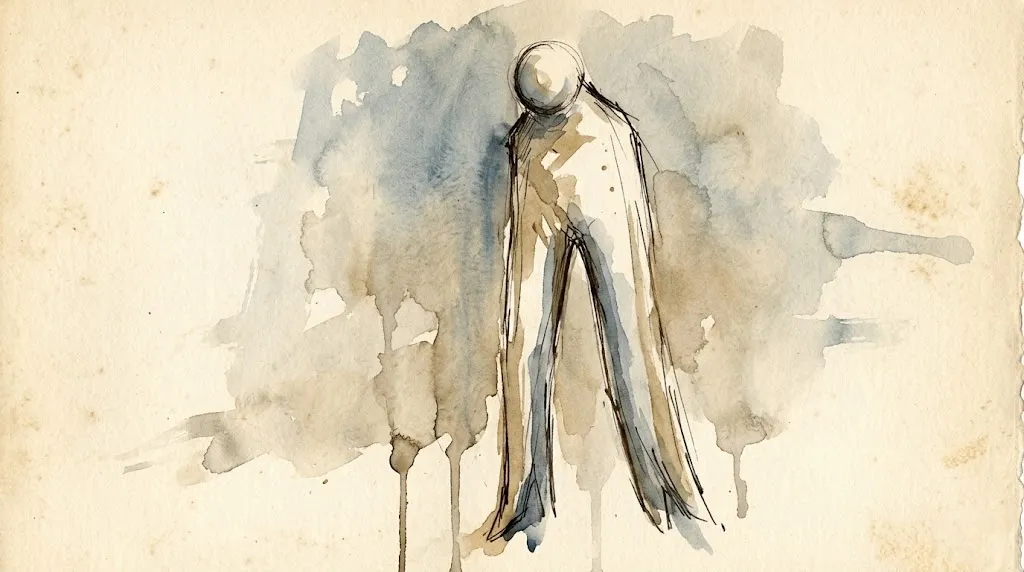
A pair of impossibly long legs walking through the night, captured on security cameras.
Hopkinsville Goblin
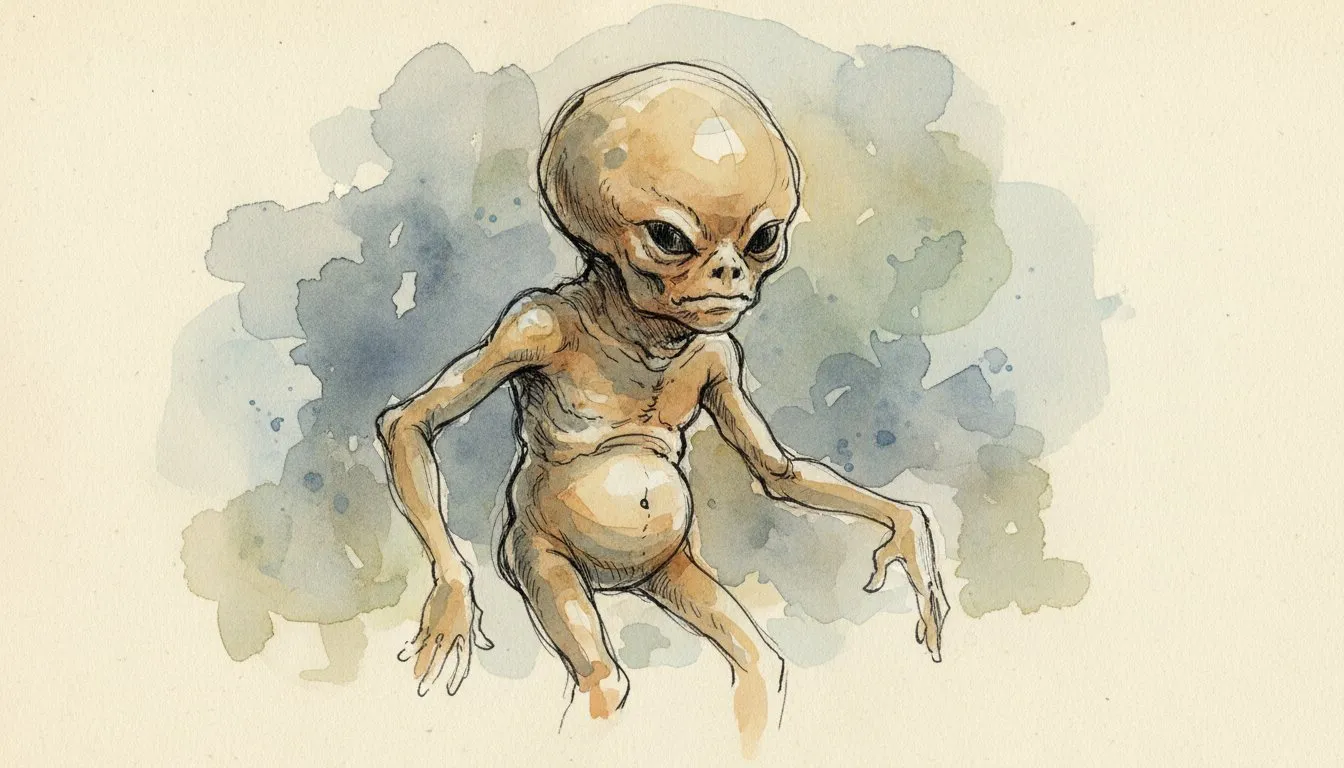
Small silver beings that besieged a Kentucky farmhouse for hours in 1955.
Flatwoods Monster
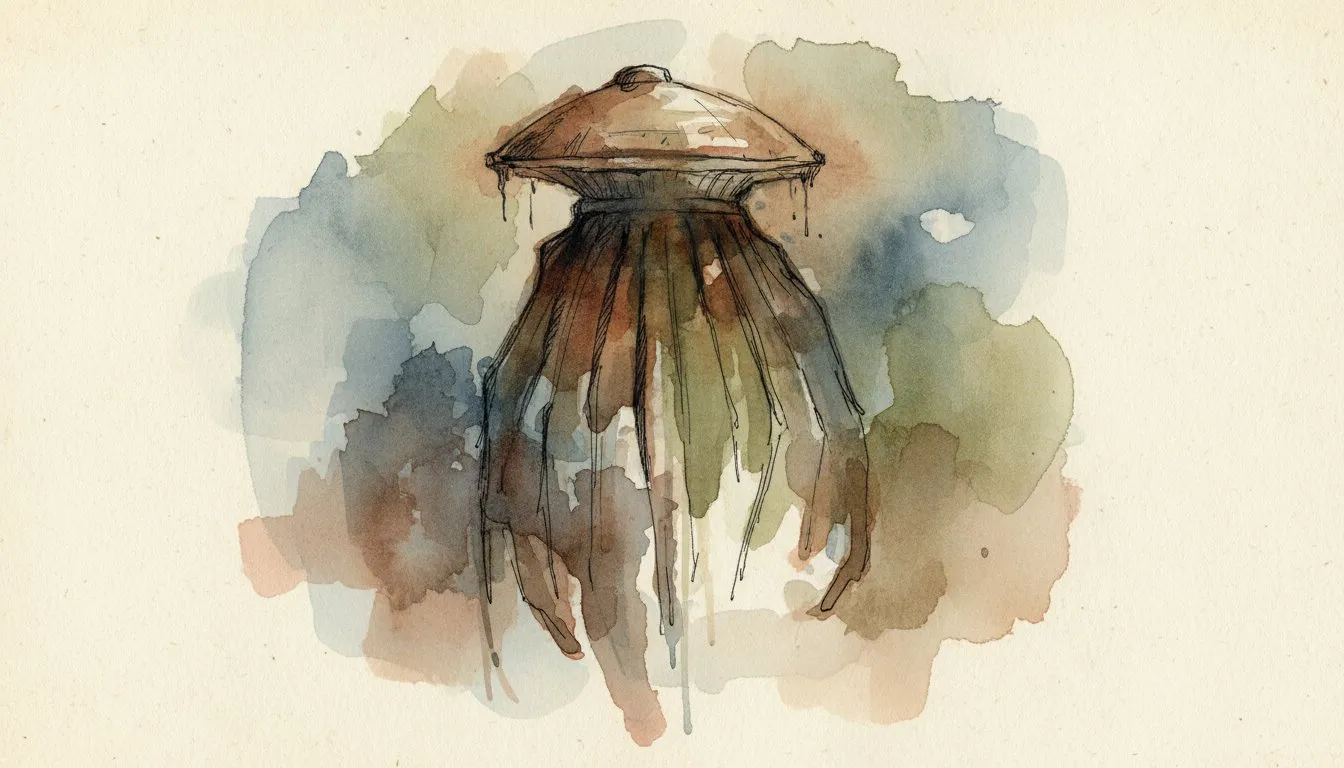
A towering, ace-of-spades-headed figure that appeared after a UFO streaked overhead.
Enfield Monster
A three-legged, gray-skinned creature that terrorized an Illinois town for three nights.
Pukwudgie
A small, troll-like trickster from Wampanoag legend that lures victims off cliffs.
Big Muddy Monster
A mud-caked, hair-covered giant that emerged from the Big Muddy River and made it into the local police log.
Goatman
A half-man, half-goat said to roam the back roads of Maryland with an axe.
Grafton Monster
A headless, pale giant spotted lumbering through a West Virginia town in 1964.