
Pukwudgie
Also known as: Puck-wudj-ininee, Puck Wudgie
A small, troll-like trickster from Wampanoag legend that lures victims off cliffs.
Pre-colonial Wampanoag tradition
Southeastern Massachusetts, USA
2-3 ft tall
Mischievous, occasionally deadly
Cultural tradition with modern sightings
The Lore
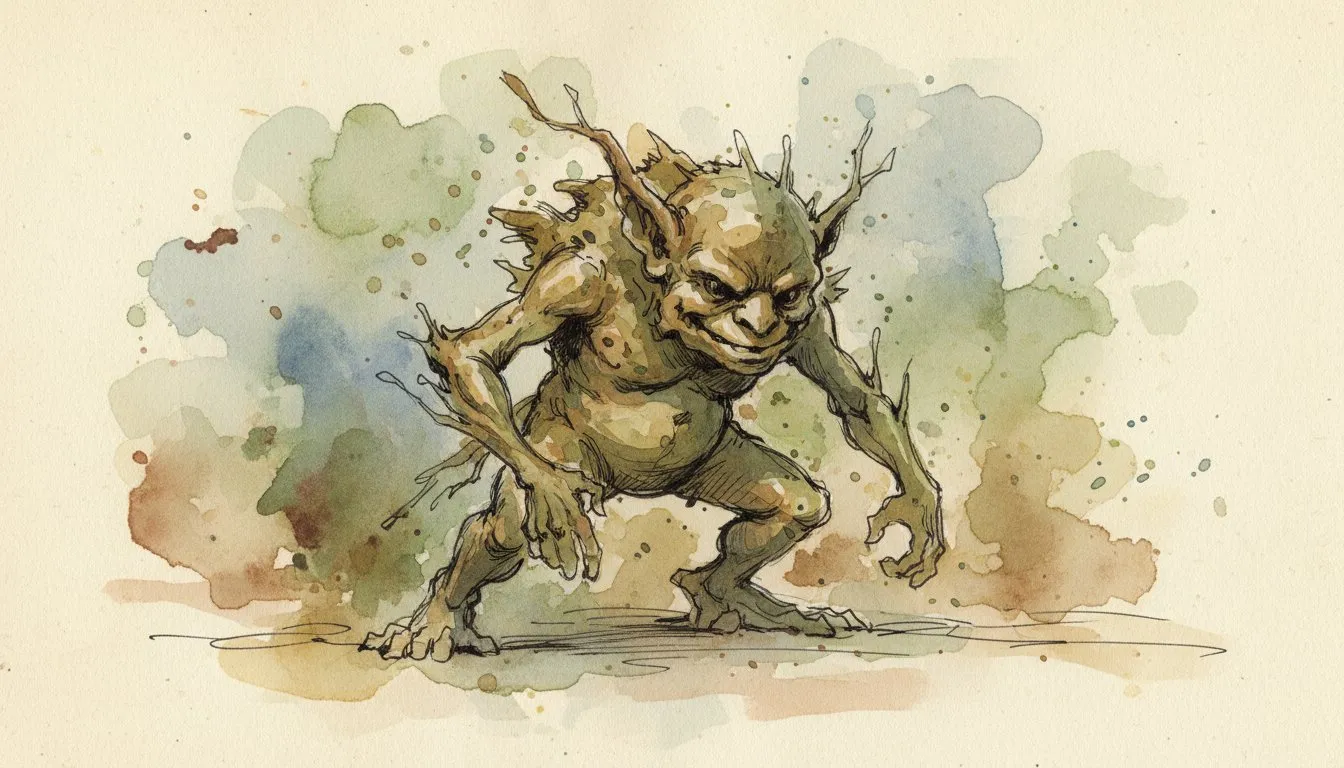
Pukwudgies are small, gray-skinned humanoids from Wampanoag and other northeastern Algonquian traditions. Standing 2-3 feet tall with oversized noses and ears, they are said to possess the ability to appear and vanish at will, create fire, and lure people to their deaths. The Freetown-Fall River State Forest in Massachusetts, part of the Bridgewater Triangle, is their most reported modern territory.
Pukwudgies occupy a significant place in the traditions of the Wampanoag, Ojibwe, and other Algonquian-speaking peoples of the northeastern United States and Canada. The Wampanoag word pukwudgie means roughly person of the wilderness, and in traditional accounts these beings are small humanoids, two to three feet tall, with smooth grey or grey-green skin, large noses and ears, and fingers that end in rough claws. They are not straightforwardly malevolent, but they are dangerous. Wampanoag tradition holds that Pukwudgies once coexisted peacefully with humans until a disagreement with the giant culture hero Maushop, after which they turned hostile toward the people who had sided with him.
Their reported abilities include the power to appear and disappear at will, to transform into porcupines or other animals, to manipulate fire, and to create and control glowing lights used to lure travelers off safe paths. They are particularly associated with a behavior called tei-pai-wankas, a phenomenon in which their floating lights draw hikers toward cliffs or into bogs where they fall or drown. This specific luring pattern has entered modern Bigfoot-adjacent folklore as one of the more unusual cryptid behaviors, and unlike many traditional beings, Pukwudgies continue to generate contemporary sighting reports that match traditional descriptions.
The epicenter of modern Pukwudgie activity is the Freetown-Fall River State Forest in Massachusetts, part of the roughly 200-square-mile area known as the Bridgewater Triangle. This region has produced a dense concentration of paranormal and cryptid reports since at least the 1970s, including UFO sightings, large cat encounters, thunderbird claims, and Pukwudgie sightings. The Wampanoag reservation at Watuppa Pond, within the forest, is traditionally associated with Pukwudgie activity, and local Wampanoag elders have repeatedly told investigators that non-native visitors should treat the area with appropriate respect. Reports include encounters with small grey humanoids beside Anawan Rock, where Wampanoag leader Anawan was captured during King Philip's War in 1676.
Pukwudgies entered mainstream popular culture when J.K. Rowling used the name for one of the four houses of Ilvermorny, the North American wizarding school, in her 2016 Harry Potter backstory. The decision drew criticism from Native American writers and scholars including Cherokee novelist Adrienne Keene, who argued that Rowling had extracted and flattened living Wampanoag tradition without meaningful engagement with the community it belonged to. That controversy highlighted what the folklore itself has always implied: these beings are not narrative decorations from a dead tradition but active figures in a continuous one, still encountered in specific places by people who know what they are seeing.
Media Appearances
- Harry Potter (Ilvermorny house name)
- Paranormal Witness (TV)
Further Reading
No book is devoted to this creature. These are the general references that cover the field, plus a direct search if you want to dig further.
- Cryptozoology A to Z by Loren Coleman and Jerome Clark (1999)
The standard one-volume encyclopedia, roughly two hundred entries covering creatures, investigators, and hoaxes.
- Mysterious Creatures: A Guide to Cryptozoology by George M. Eberhart (2002)
The larger reference guide, stronger on sourcing and on creatures that never reached the popular books.
Search Amazon for Pukwudgie books
As an Amazon Associate, Cryptid Vault earns from qualifying purchases. Links open Amazon in a new tab.
Get the Field Notes.
Field notes from the Vault, when there is something worth sending. No spam.
No spam. Unsubscribe anytime.
You might also like
Hopkinsville Goblin
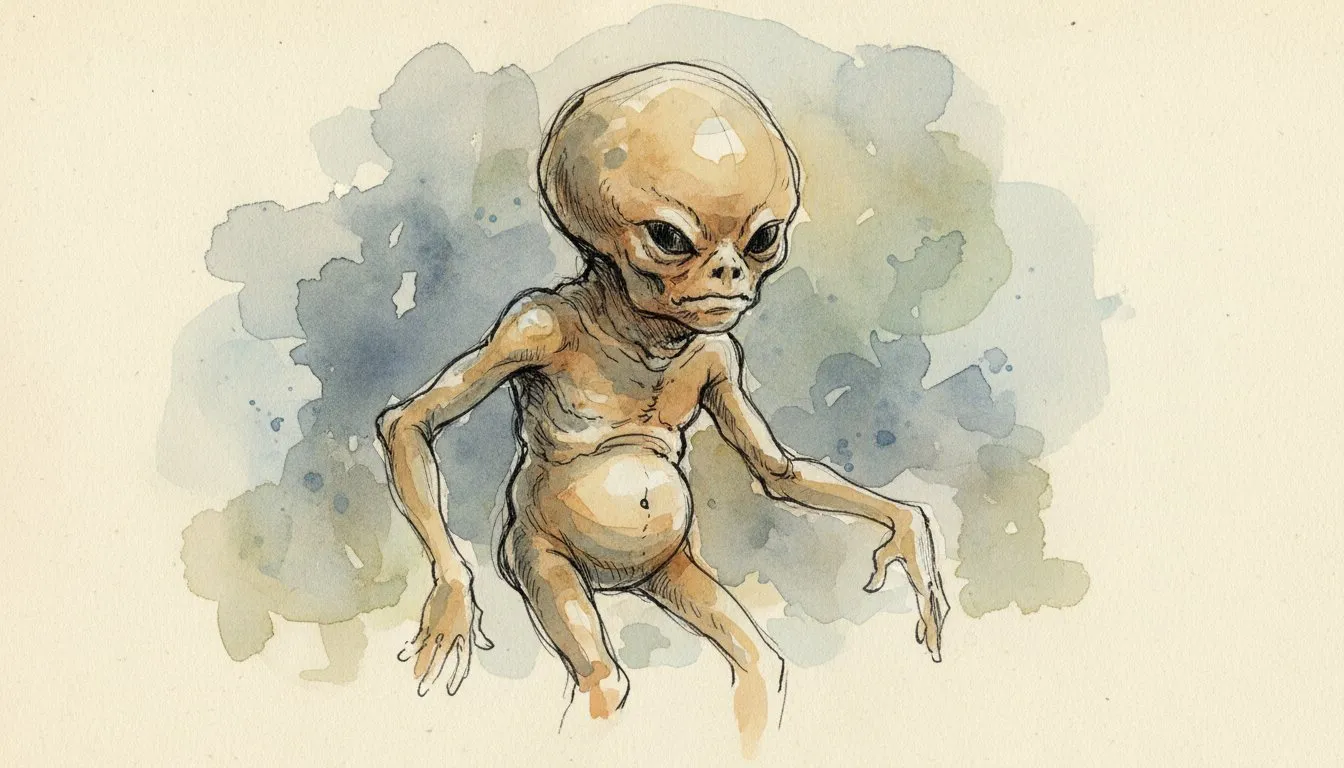
Small silver beings that besieged a Kentucky farmhouse for hours in 1955.
Dover Demon
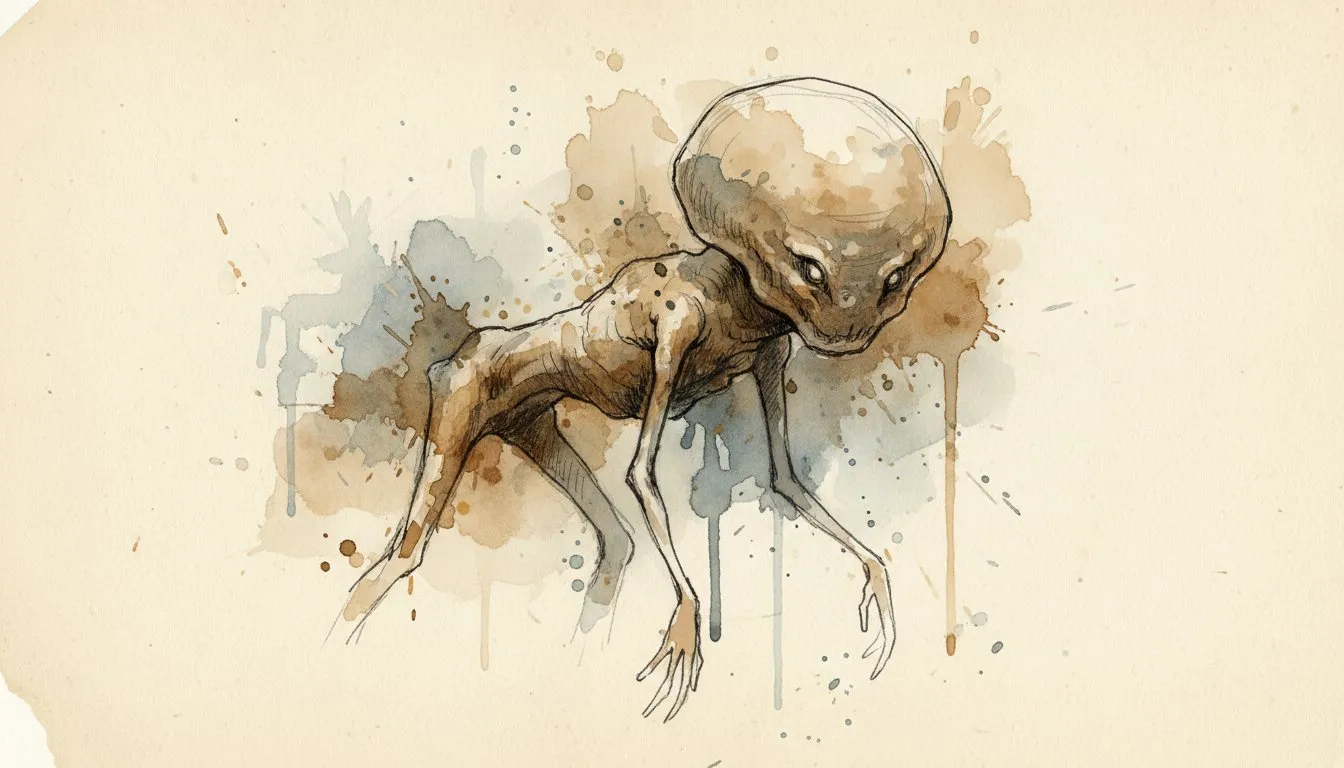
A watermelon-headed creature spotted three times in two nights, then never again.
Fresno Nightcrawler
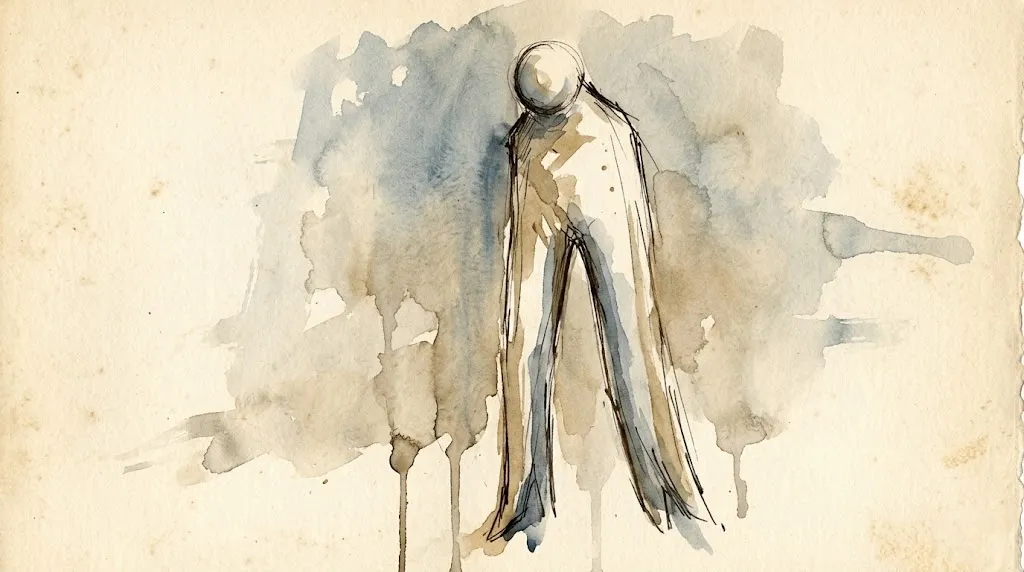
A pair of impossibly long legs walking through the night, captured on security cameras.
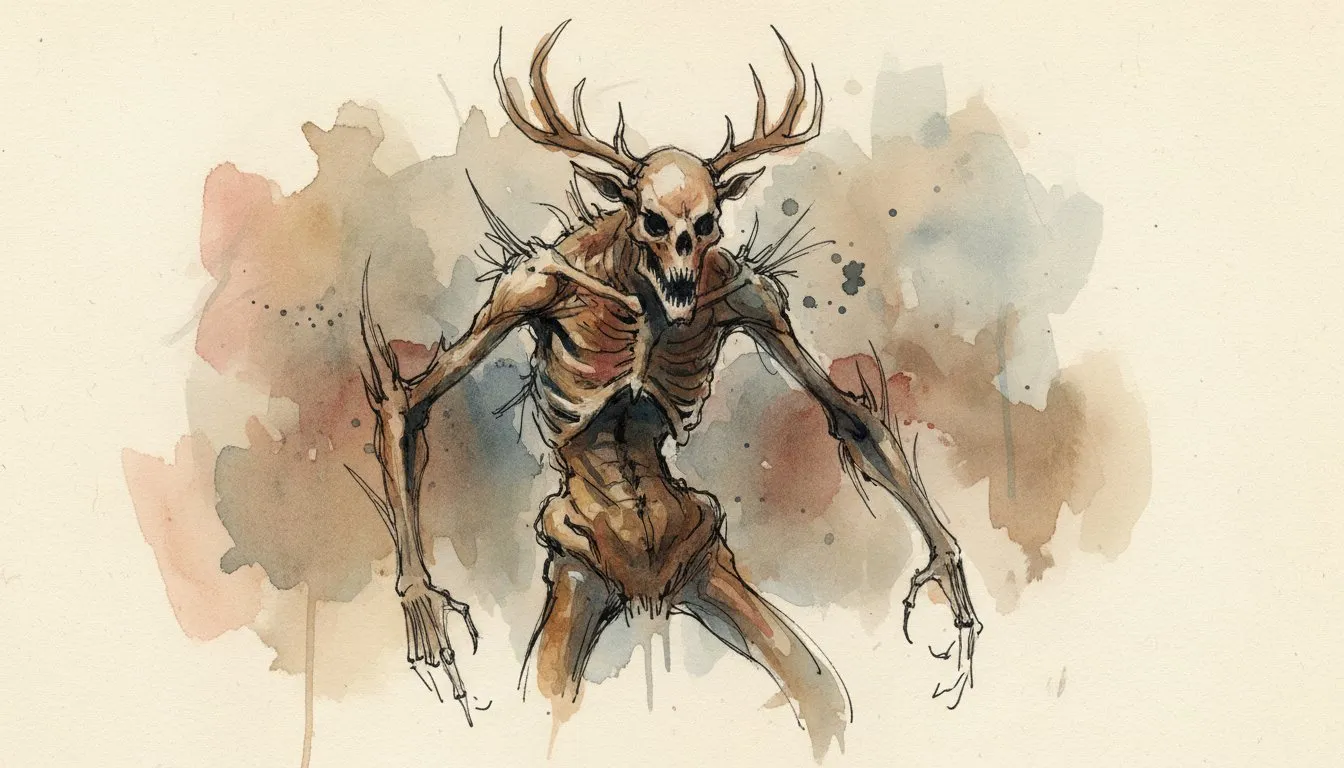
Wendigo
A gaunt, insatiable spirit of the frozen north that was once human.
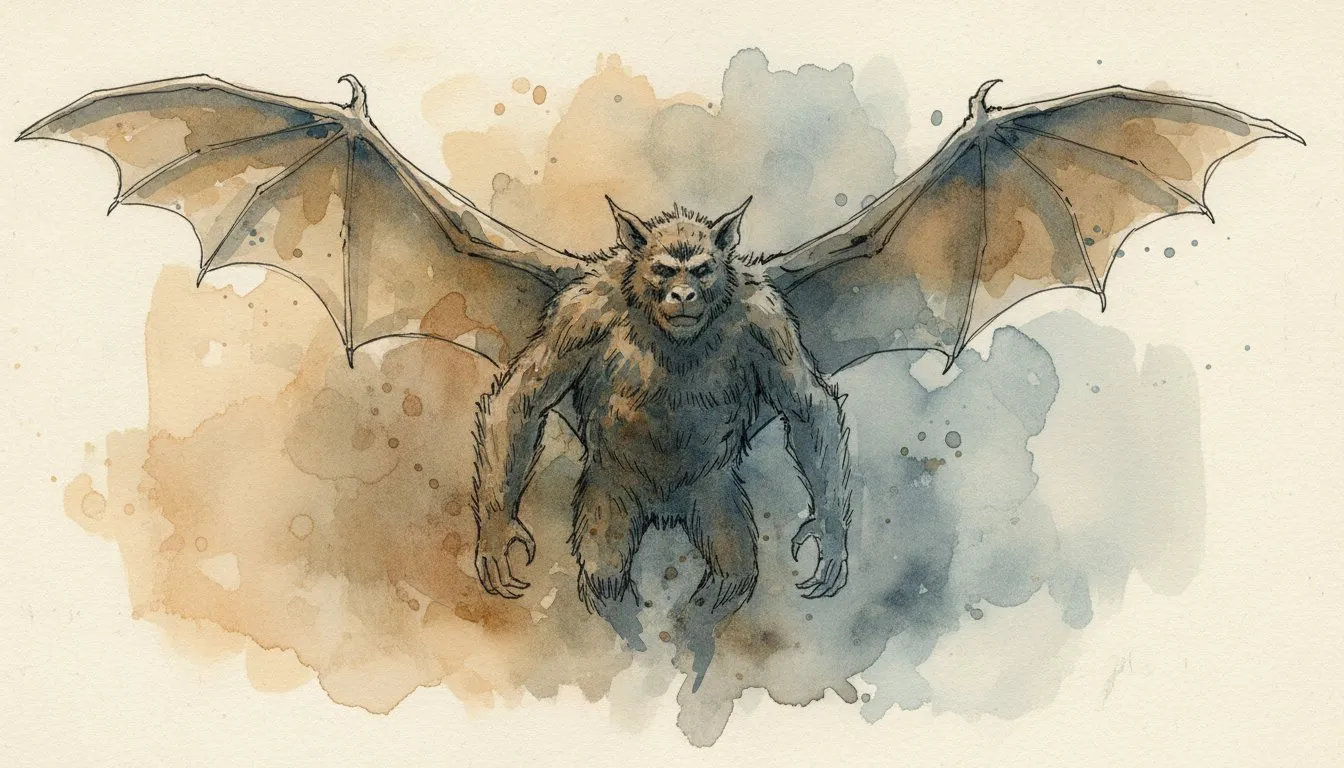
Batsquatch
A purple-skinned, bat-winged ape seen near Mount St. Helens after the eruption.
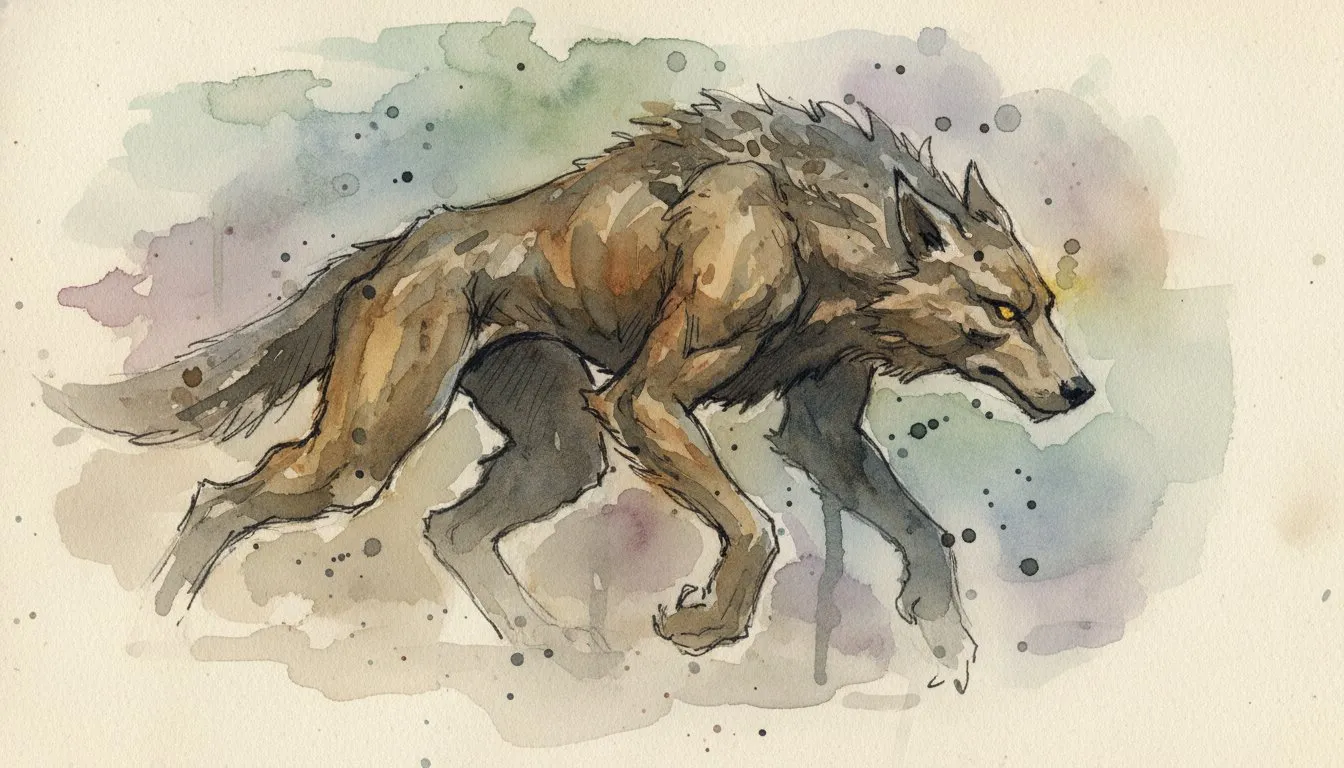
Michigan Dogman
An upright canine terror first reported in 1887, stalking Michigan's north woods ever since.
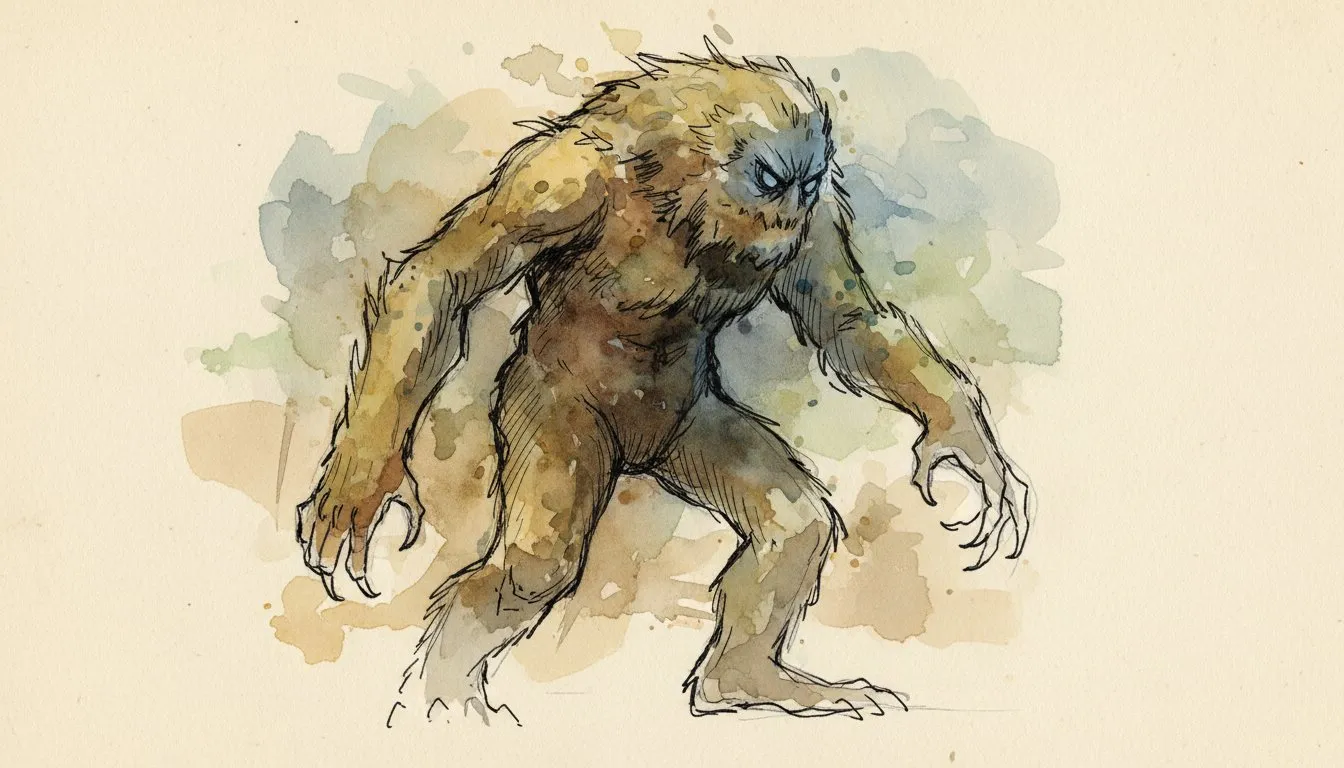
Fouke Monster
The hairy hominid of Boggy Creek, Arkansas, that inspired one of horror's first docudramas.
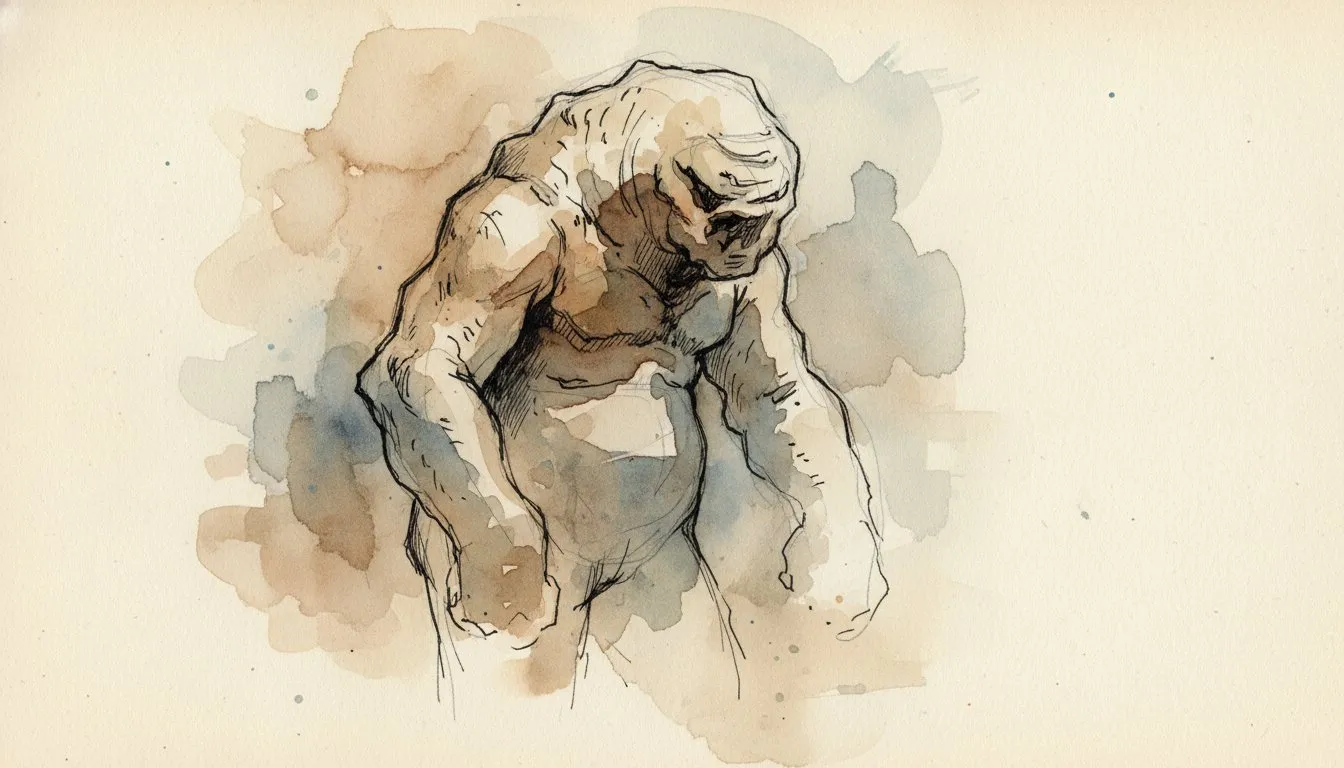
Grafton Monster
A headless, pale giant spotted lumbering through a West Virginia town in 1964.