
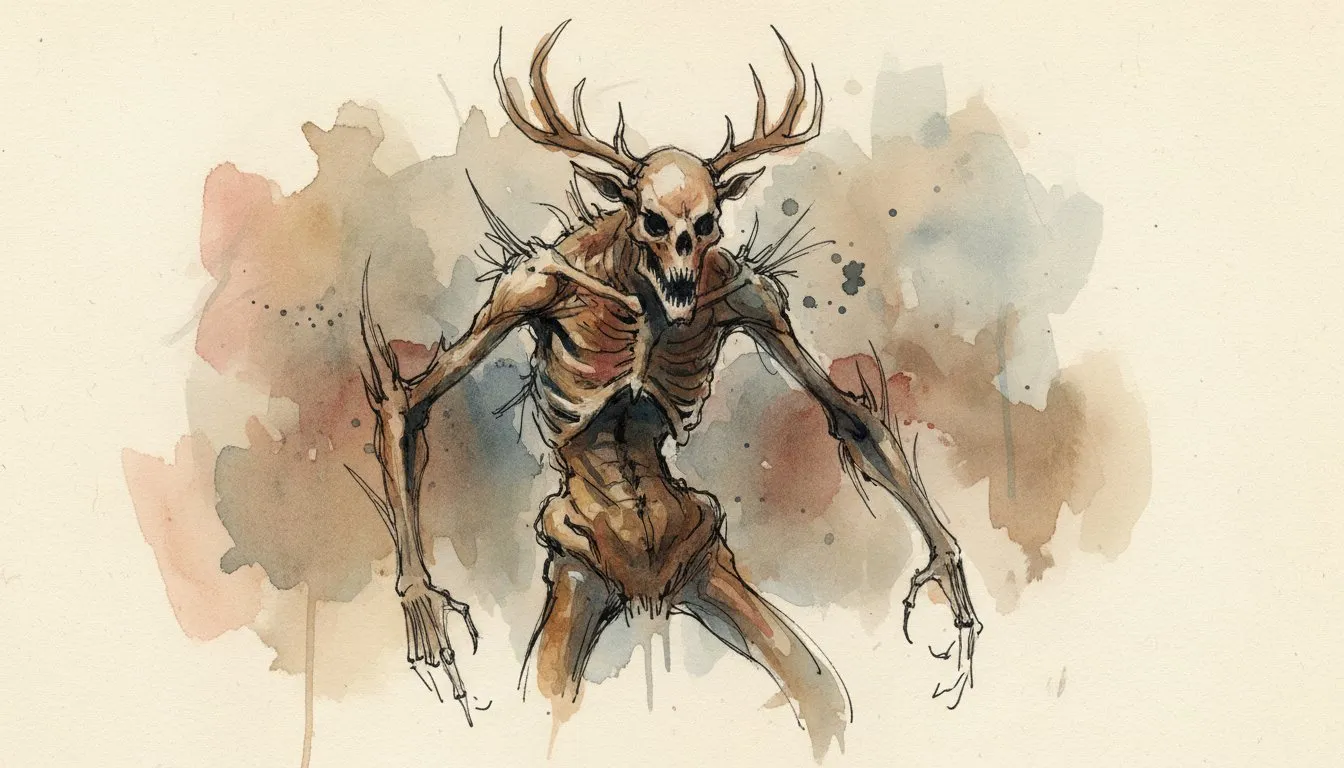
Wendigo
Also known as: Windigo, Witiko, Wihtikow
A gaunt, insatiable spirit of the frozen north that was once human.
Pre-colonial Algonquian oral tradition
Great Lakes region, Canada
7-15 ft tall (varies by account)
Predatory, insatiable
Cultural tradition
The Lore
The Wendigo is a malevolent entity from Algonquian tradition, said to possess people who resort to cannibalism during harsh winters. Descriptions vary from an emaciated giant with ash-gray skin to a deer-skulled specter trailing the scent of decay. Wendigo psychosis, a culture-bound syndrome involving cravings for human flesh, was documented by early missionaries and physicians across Canada and the northern United States.
The Wendigo comes from the oral traditions of Algonquian-speaking peoples across the northern forests of North America, including the Ojibwe, Cree, Saulteaux, and Innu. It is not merely a monster story. The Wendigo is a cautionary figure tied to the very real dangers of winter starvation and the moral corruption that can follow from desperation. In many tellings, the Wendigo is a person who has resorted to cannibalism and, as a result, has been transformed into something no longer human.
Traditional descriptions vary across communities, but common elements appear consistently. The Wendigo is described as emaciated to the point of skeletal thinness, with sunken eyes, ash-gray skin stretched tight over bones, and an overpowering stench of decay. Despite its gaunt appearance, it is enormous, sometimes described as growing larger with each person it consumes, so that its hunger can never be satisfied. It embodies insatiable greed. The more it eats, the hungrier it becomes.
Some of the most striking historical accounts come from fur traders and missionaries who documented Indigenous communities' encounters with what they understood as Wendigo possession. In 1878, a Plains Cree man named Swift Runner killed and ate his wife and five children during a winter in which food was available at a Hudson's Bay Company post just 25 miles away. He was tried, convicted, and executed. His case is one of several in which individuals claimed to be possessed by the Wendigo spirit.
The concept of "Wendigo psychosis" became a subject of academic debate in the 20th century. Some anthropologists, including Morton Teicher in 1960, described it as a culture-bound syndrome in which individuals developed an intense craving for human flesh and a fear of becoming a cannibal. Others have questioned whether Wendigo psychosis was a genuine psychological condition or a Western misinterpretation of Indigenous spiritual beliefs.
In modern popular culture, the Wendigo has been adopted by horror media, often reimagined as an antlered, deer-skulled monster. This depiction, while visually striking, bears little resemblance to the original Algonquian traditions. Many Indigenous scholars and community members have expressed concern about the appropriation and distortion of Wendigo stories, which hold deep spiritual significance. The Wendigo remains a powerful symbol of the dangers of greed, isolation, and the loss of one's humanity.
Notable Witnesses
- Swift Runner (1878 case, Plains Cree)
- Jack Fiddler (Oji-Cree chief, claimed to have killed 14 Wendigos)
- Morton Teicher (anthropologist, documented Wendigo psychosis cases)
Media Appearances
- Pet Sematary by Stephen King (1983, referenced)
- Ravenous (film, 1999)
- Until Dawn (video game, 2015)
- Supernatural (TV, Season 1 Episode 2)
- Hannibal (TV, Wendigo imagery)
- The Ritual (film, 2017, inspired by)
- Antlers (film, 2021)
Further Reading
The wendigo is a living tradition among Algonquian-speaking peoples, not a creature report, and it is the entry on this site most often flattened into a movie monster. The antlered, deer-skulled figure from film and game art is a recent invention with no basis in that tradition. Both books below are about the tradition itself. The spelling windigo is an equally standard transliteration.
- The Manitous: The Spiritual World of the Ojibway by Basil Johnston (1995)
Johnston was Anishinaabe and wrote from inside the tradition rather than about it. He places the weendigo among the other manitous, which is the context the horror version strips away.
- Dangerous Spirits: The Windigo in Myth and History by Shawn Smallman
The historical record: fur traders' journals, missionary accounts, trial transcripts and anthropologists' field notes. Traces how outsiders recorded, misread and prosecuted the windigo over three centuries.
As an Amazon Associate, Cryptid Vault earns from qualifying purchases. Links open Amazon in a new tab.
Get the Field Notes.
Field notes from the Vault, when there is something worth sending. No spam.
No spam. Unsubscribe anytime.
You might also like
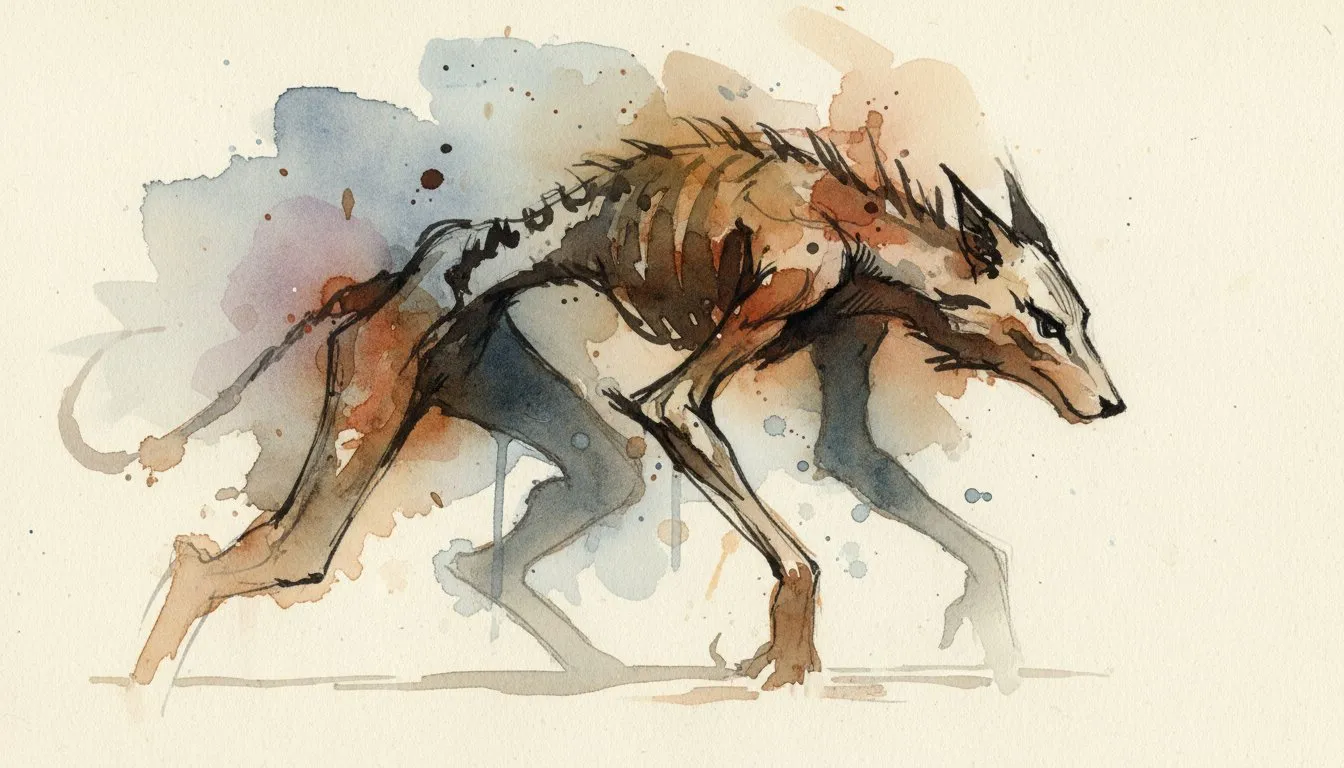
Skinwalker
A Navajo witch who wears the skins of animals and walks between worlds.
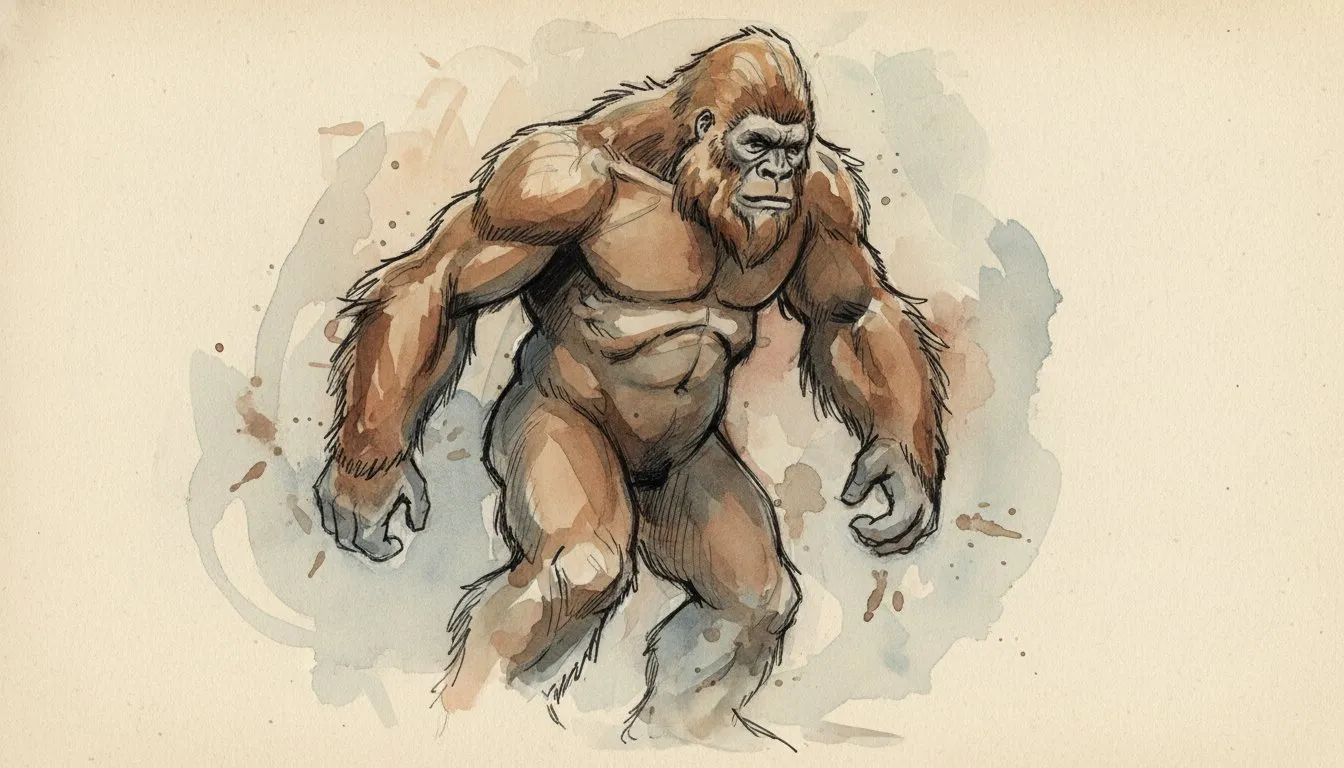
Bigfoot
The towering ape-man of the Pacific Northwest, glimpsed in fog and legend for centuries.
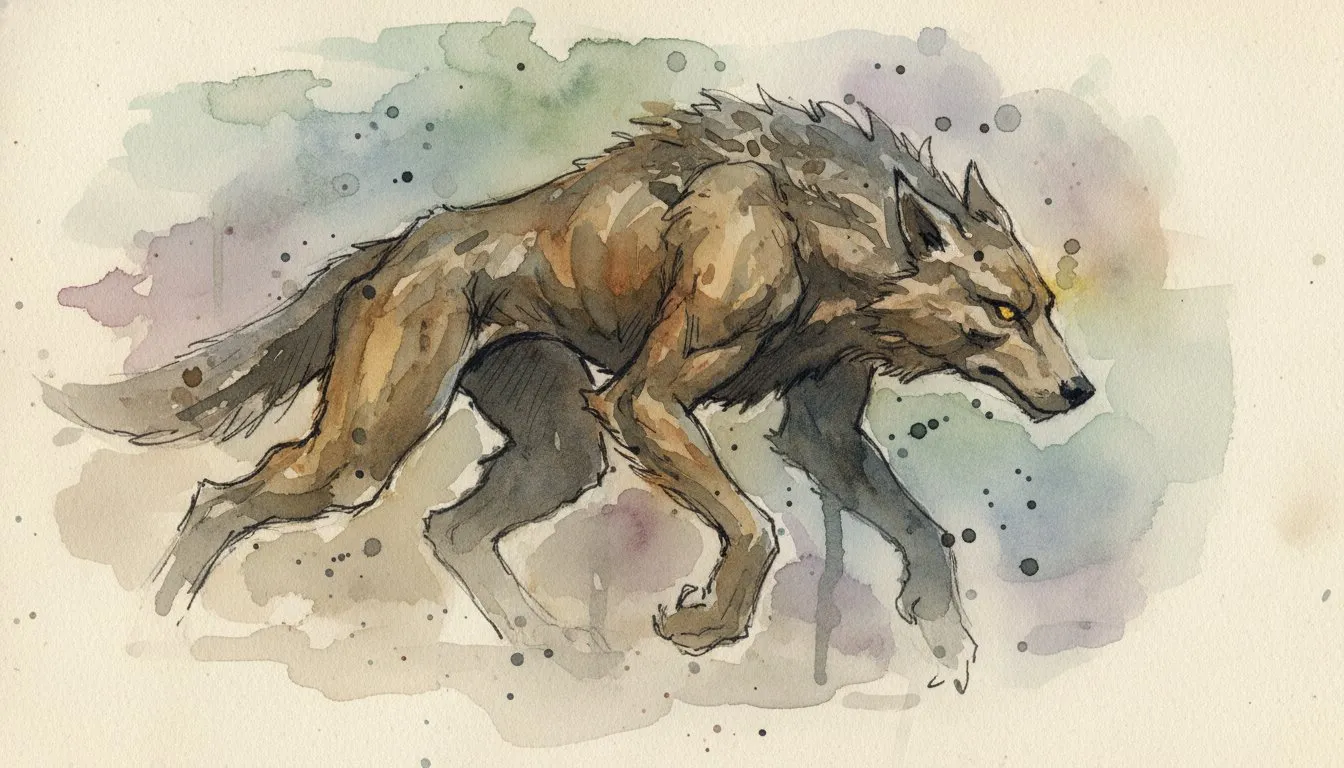
Michigan Dogman
An upright canine terror first reported in 1887, stalking Michigan's north woods ever since.
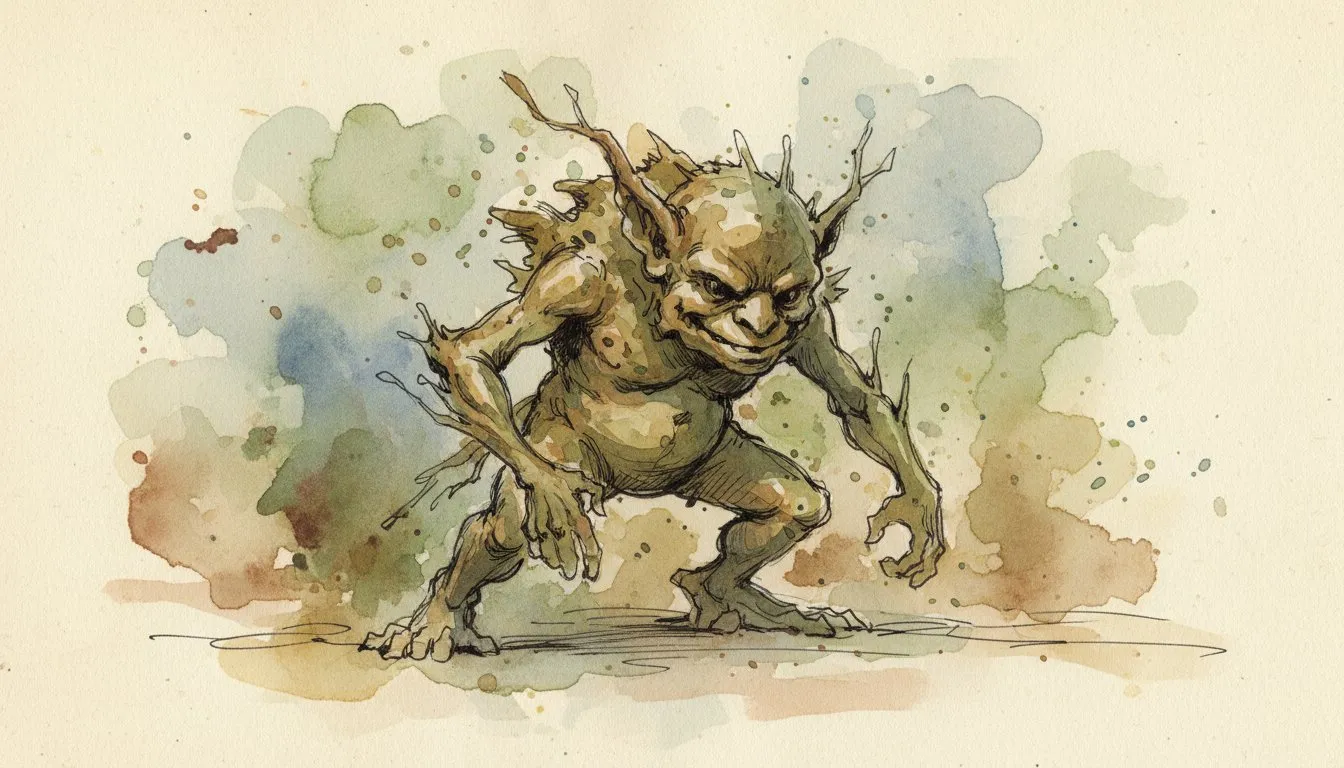
Pukwudgie
A small, troll-like trickster from Wampanoag legend that lures victims off cliffs.
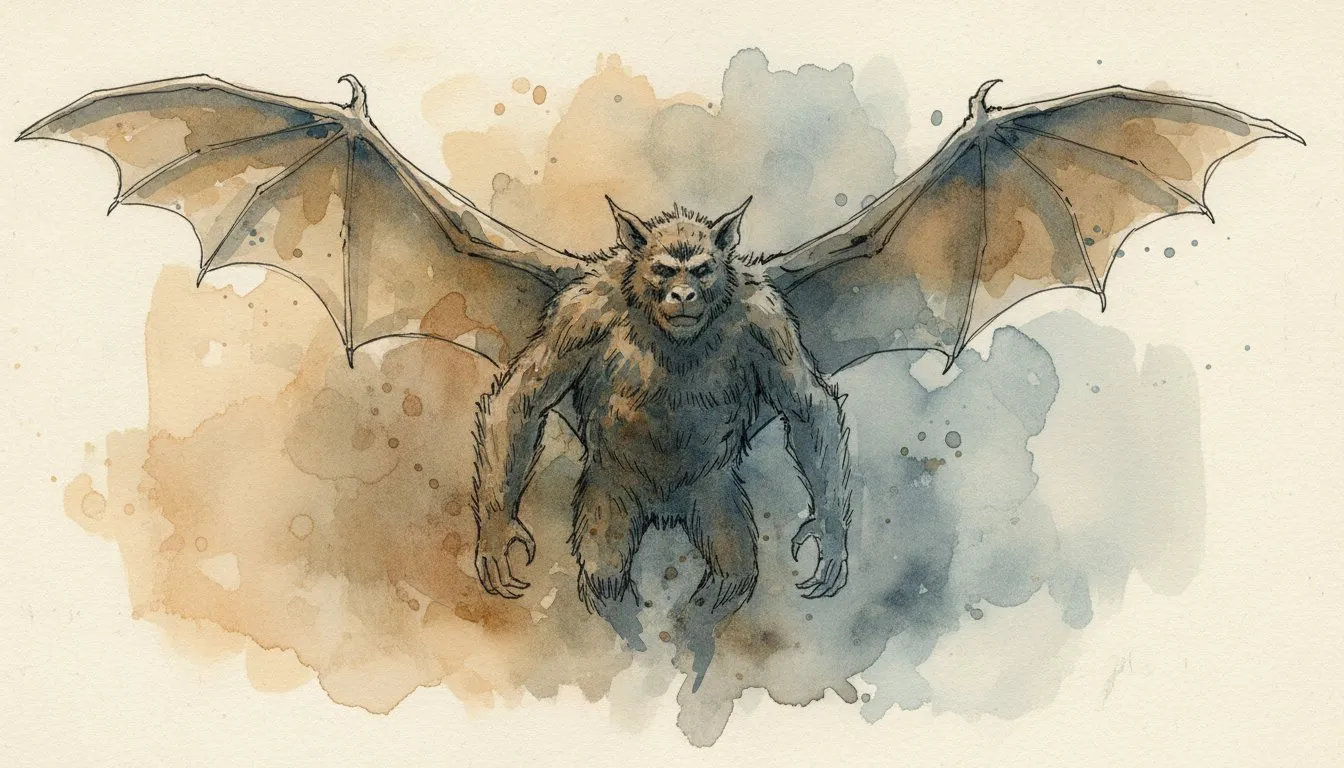
Batsquatch
A purple-skinned, bat-winged ape seen near Mount St. Helens after the eruption.
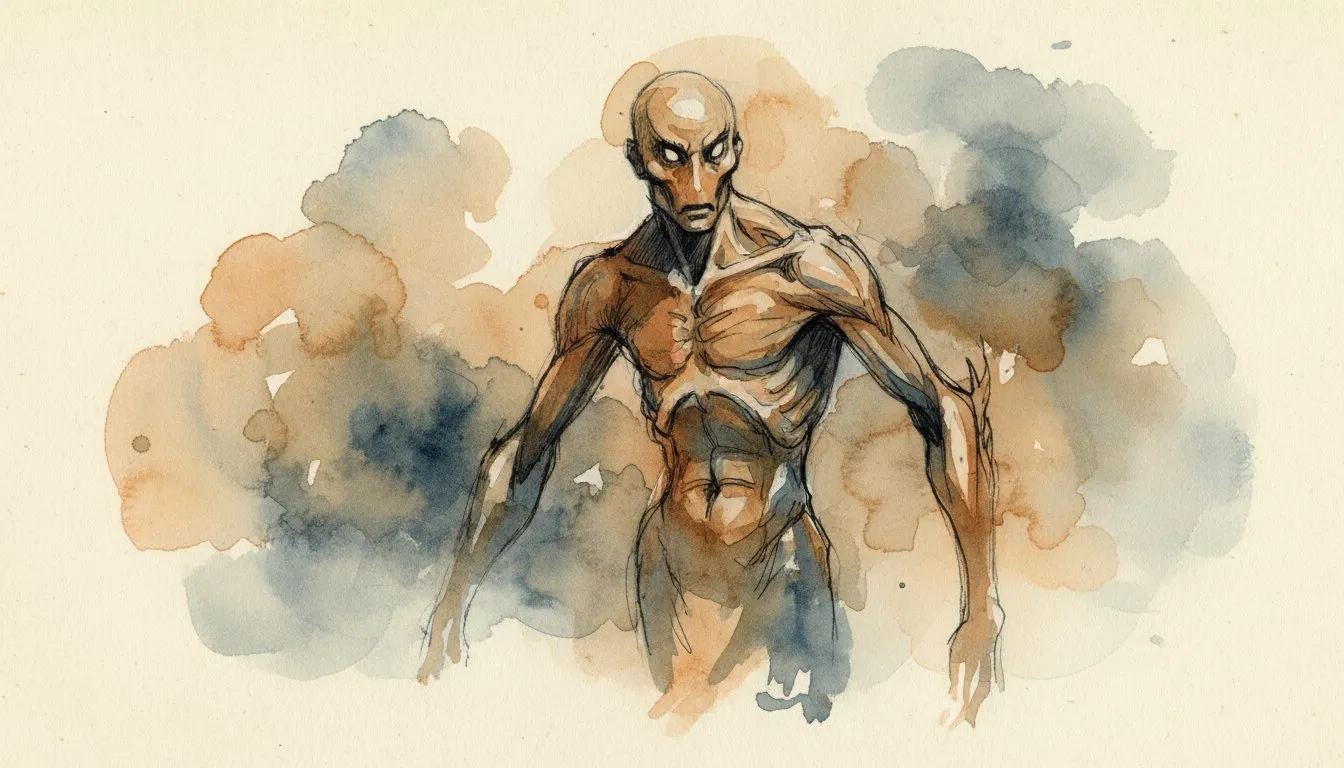
Mokoi
In the Australian outback, a malevolent spirit stalks those who practice sorcery and kills them in their sleep.
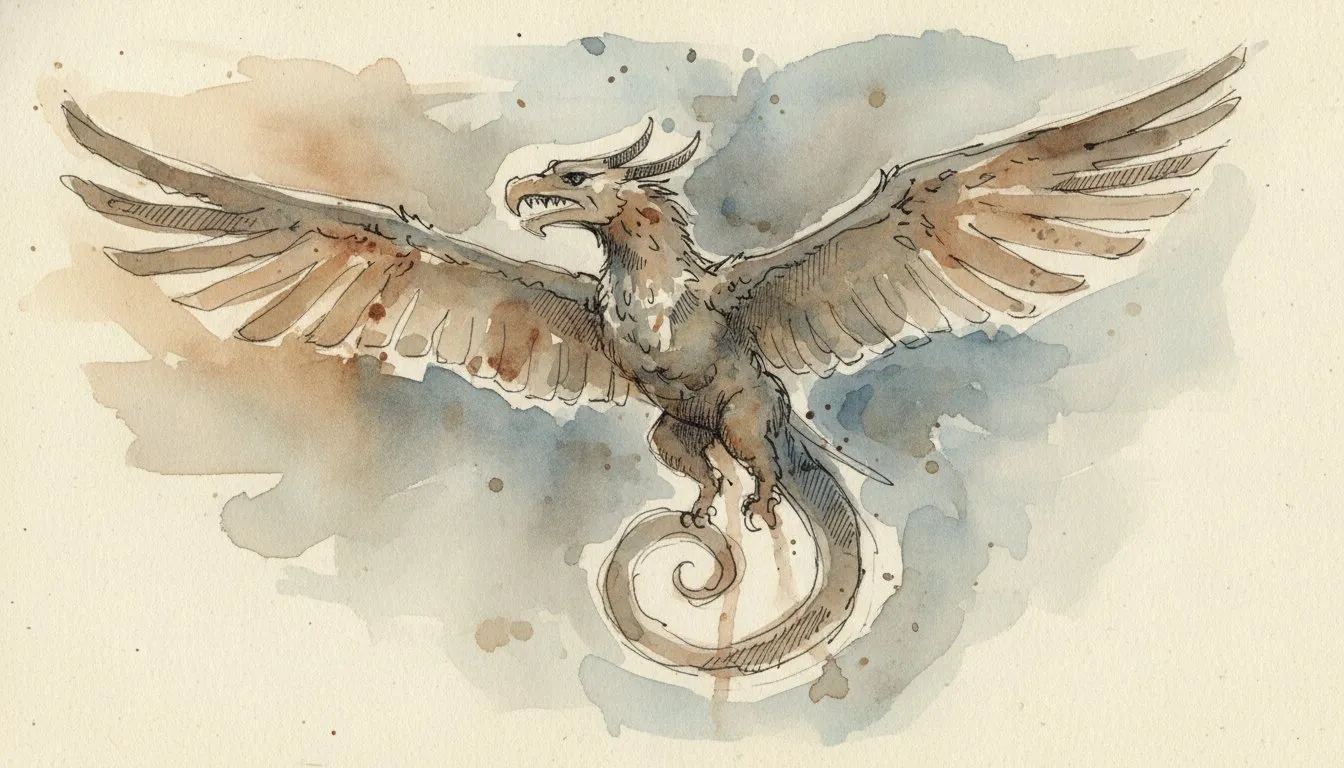
Piasa Bird
A dragon-bird painted on Mississippi River bluffs by the Illini, feared as a man-eater.
Fouke Monster
The hairy hominid of Boggy Creek, Arkansas, that inspired one of horror's first docudramas.