
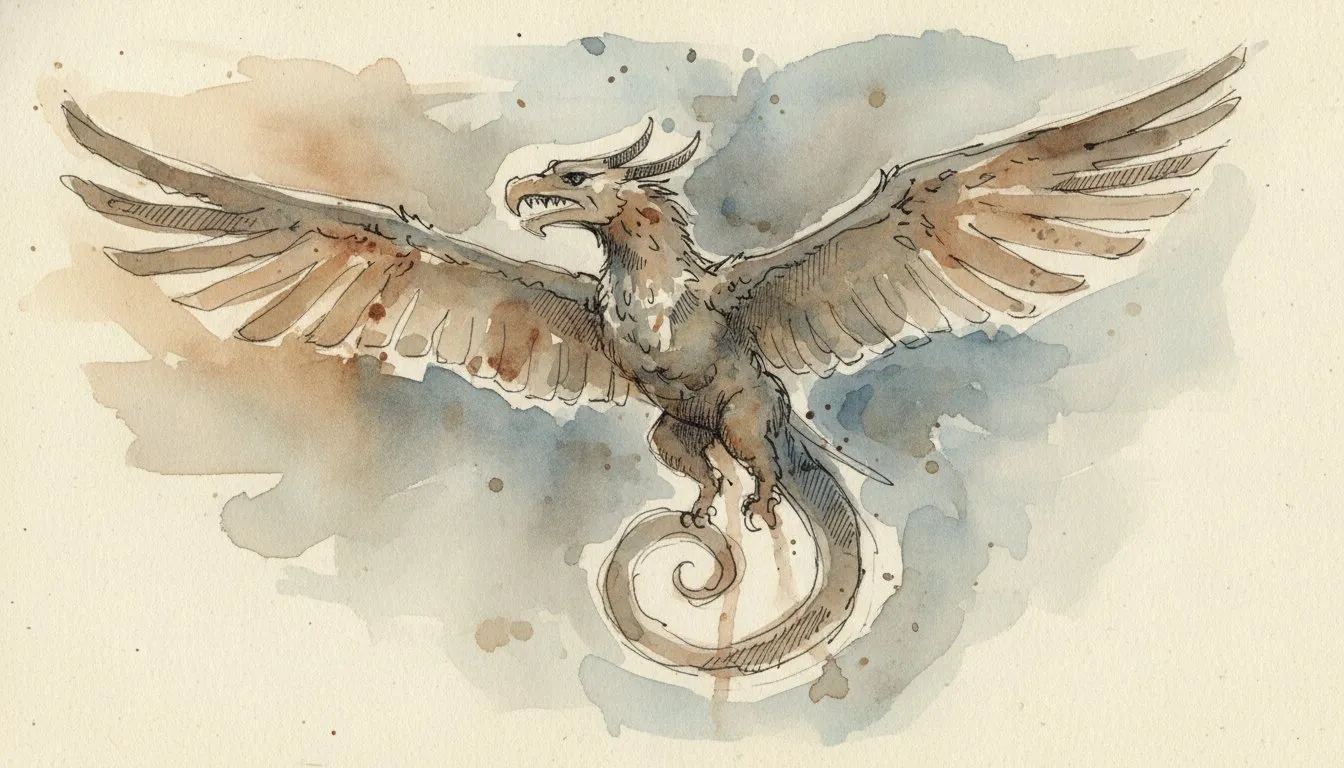
Piasa Bird
Also known as: Piasa, The Bird That Devours Men
A dragon-bird painted on Mississippi River bluffs by the Illini, feared as a man-eater.
1673 (documented by Marquette)
Alton, Illinois, USA
Large (deer-sized body with wings)
Predatory, man-eating (in legend)
Cultural tradition
The Lore
The Piasa Bird is a winged, antlered creature originally depicted in a large rock painting on limestone bluffs above the Mississippi River near present-day Alton, Illinois. French explorers Jacques Marquette and Louis Joliet documented the painting in 1673. Illini tradition described it as a fearsome predator that carried off humans until a chief named Ouatoga devised a plan to slay it. The original painting has been destroyed, but a recreation now marks the site.
High on the limestone bluffs above the Mississippi River near Alton, Illinois, French explorer Jacques Marquette recorded in 1673 one of the most striking encounters in the early European exploration of North America. Paddling downriver with Louis Jolliet, Marquette described two enormous rock paintings visible from the water, each depicting a monstrous creature with the face of a man, the horns of a deer, a beard like a tiger, scales, red eyes, and a long tail that wrapped around the body and ended in a fish-like fin. The image was so terrifying, he wrote, that his Illini guides would not look directly at it.
The Illini, or Illinois, peoples called the creature the Piasa, a name variously translated as the bird that devours men, though modern linguists have questioned whether the word is original to the Illini language or a later European corruption. Illini oral tradition preserved by nineteenth-century ethnographers described the Piasa as a great monster that had terrorized their people, picking off villagers from the bluffs, until the hero Ouatoga, after fasting and prayer for ten days, defeated it by offering himself as bait while warriors waited in ambush with poisoned arrows. The monster was slain, and the pictograph on the bluff commemorated the victory.
The original paintings were destroyed in the mid-nineteenth century when the bluffs were quarried for limestone, a loss that American folklorists still mourn. Several recreations have been painted on the cliffs above Alton over the following century and a half, the most recent a vivid 1998 version that has become a regional landmark. The imagery entered local culture thoroughly, influencing everything from riverboat iconography to high school team names. The creature's hybrid form, combining avian, reptilian, feline, and human features, suggests a complex ceremonial rather than naturalistic meaning, and some scholars have argued it may relate to the Underwater Panther traditions widespread across the Mississippian cultural sphere.
Whether the Piasa was a real cryptid, a mythological being representing spiritual danger, or a memorial of a specific historic threat such as thunderstorms over the river or attacks by raiding parties, the painting itself is the oldest documented large-scale cryptid image in what is now the United States. The Piasa marks the point where indigenous cosmology, European observation, and later American folklore intersect on a stretch of Mississippi limestone, and it remains one of the few cryptids whose first Western record is an eyewitness account of a painting rather than a creature.
Notable Witnesses
- Jacques Marquette
- Louis Joliet
Further Reading
No book is devoted to this creature. These are the general references that cover the field, plus a direct search if you want to dig further.
- Cryptozoology A to Z by Loren Coleman and Jerome Clark (1999)
The standard one-volume encyclopedia, roughly two hundred entries covering creatures, investigators, and hoaxes.
- Mysterious Creatures: A Guide to Cryptozoology by George M. Eberhart (2002)
The larger reference guide, stronger on sourcing and on creatures that never reached the popular books.
Search Amazon for Piasa Bird books
As an Amazon Associate, Cryptid Vault earns from qualifying purchases. Links open Amazon in a new tab.
Get the Field Notes.
Field notes from the Vault, when there is something worth sending. No spam.
No spam. Unsubscribe anytime.
You might also like
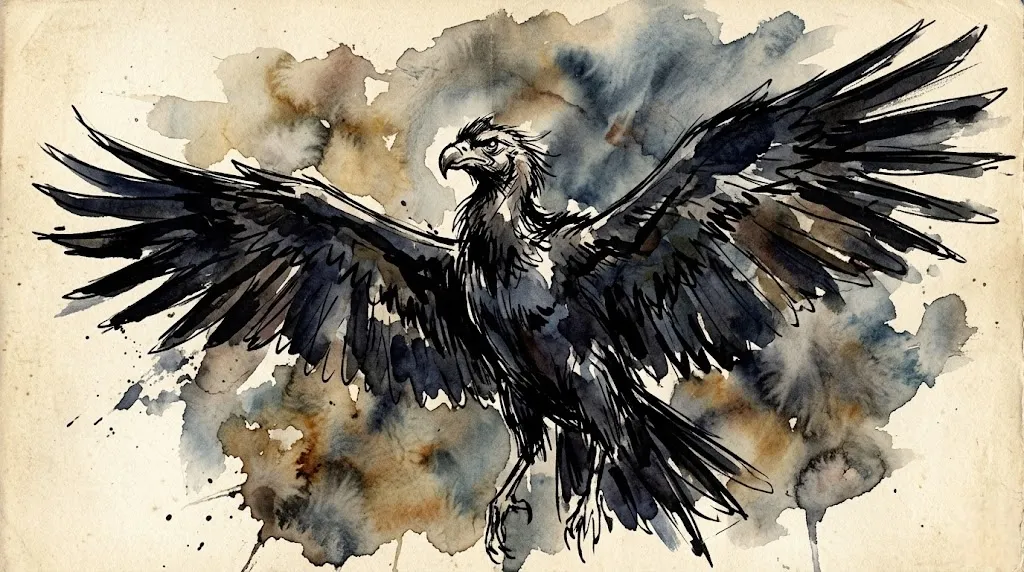
Thunderbird
A colossal bird from indigenous legend with a wingspan that blots out the sun.
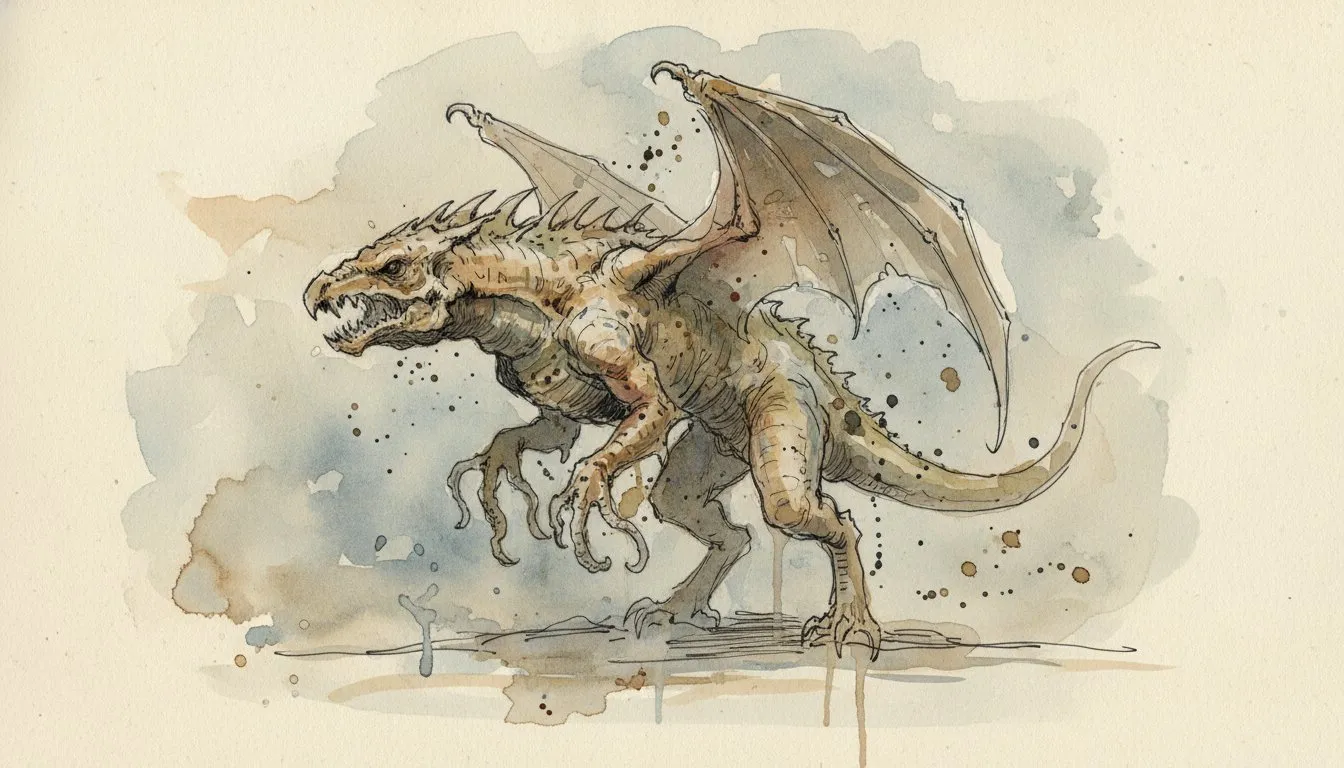
Snallygaster
A half-bird, half-reptile terror from Maryland with a taste for livestock and legend.
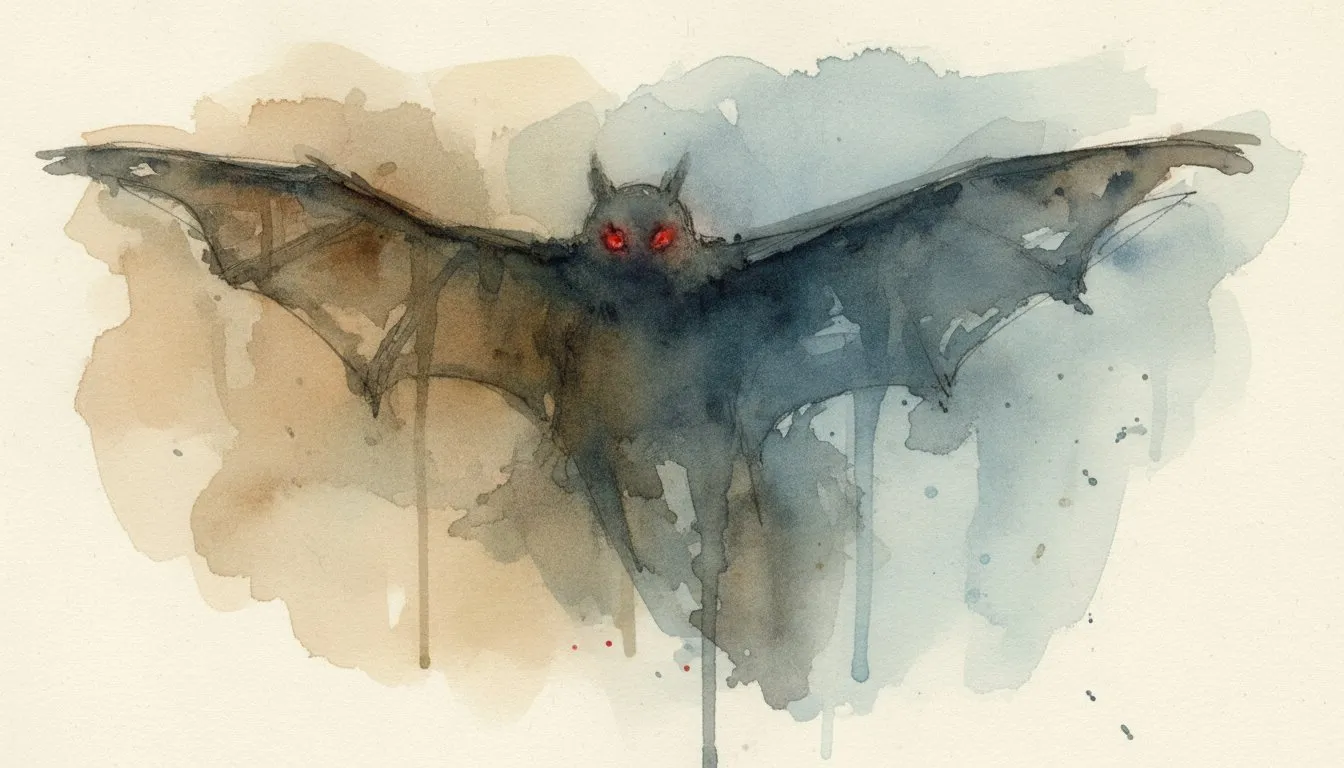
Mothman
A winged humanoid with blazing red eyes, haunting Point Pleasant before disaster struck.
Wendigo
A gaunt, insatiable spirit of the frozen north that was once human.
Batsquatch
A purple-skinned, bat-winged ape seen near Mount St. Helens after the eruption.
Iliamna Lake Monster
Something massive moves beneath Alaska's largest lake, and the locals know to stay clear.
Mothman of Chicago
A red-eyed winged humanoid haunting the skies above Chicago since 2011.
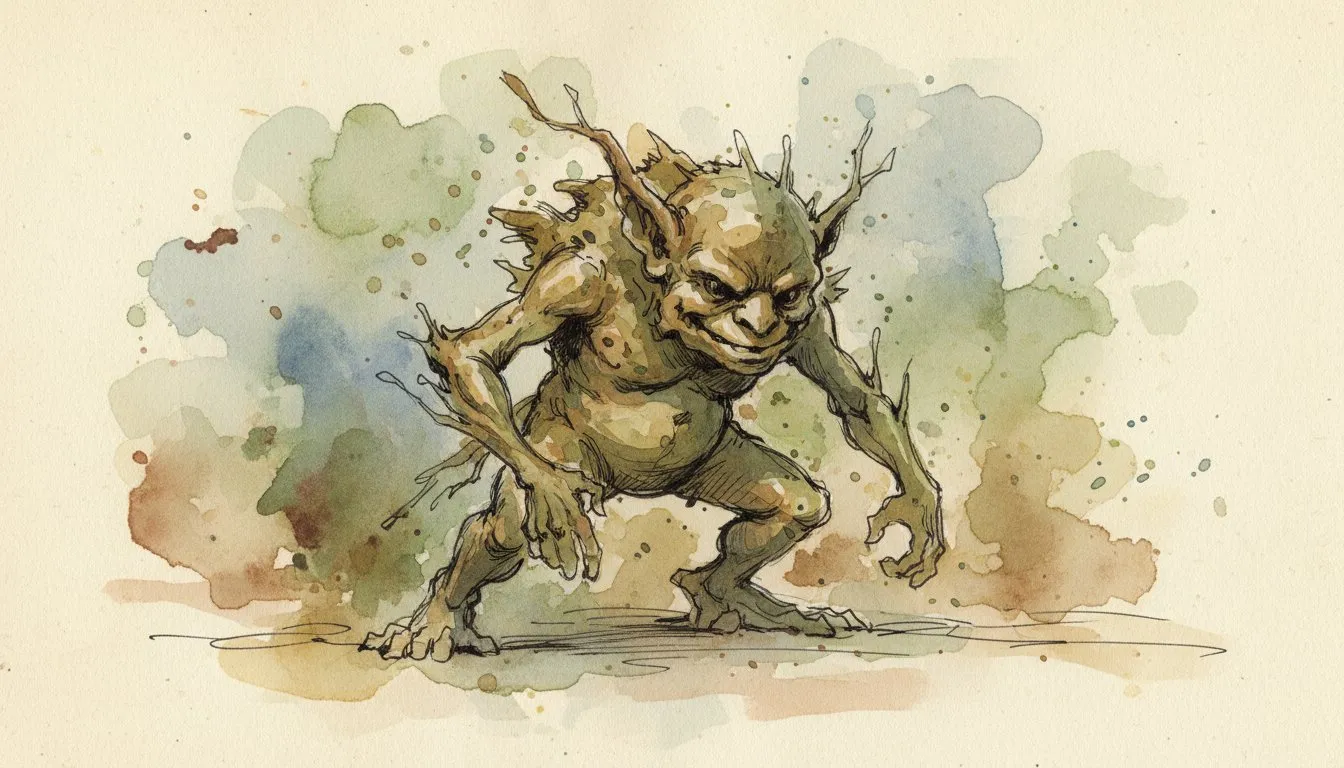
Pukwudgie
A small, troll-like trickster from Wampanoag legend that lures victims off cliffs.