
Bigfoot
Also known as: Sasquatch, Skunk Ape
The towering ape-man of the Pacific Northwest, glimpsed in fog and legend for centuries.
Pre-colonial (indigenous oral tradition)
Pacific Northwest, USA
7-10 ft tall, 500-800 lbs (est.)
Shy, avoidant
Unconfirmed
The Lore
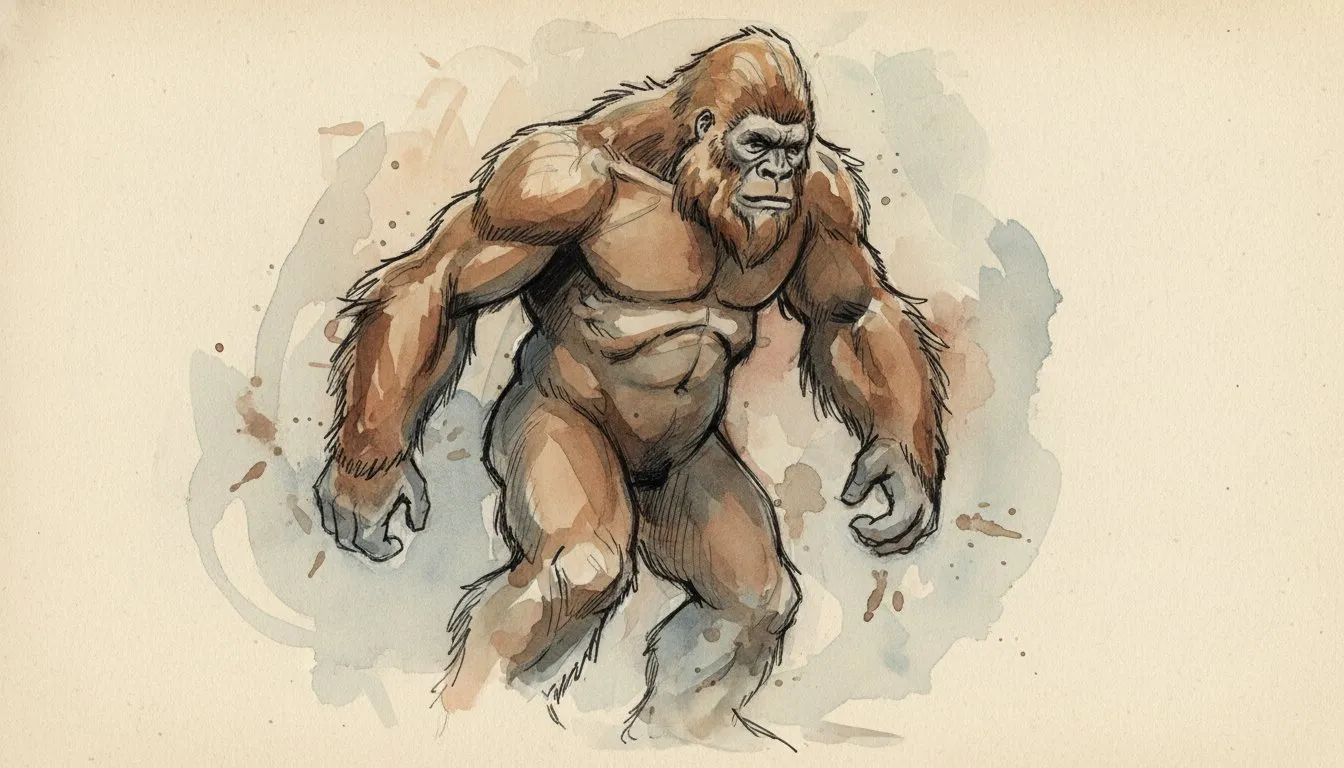
Bigfoot is North America's most famous cryptid. Standing 7-10 feet tall and covered in dark hair, this bipedal creature has been reported across forests and mountains throughout the Pacific Northwest since indigenous oral traditions. The Patterson-Gimlin film of 1967 remains the most debated piece of cryptid evidence ever captured.
The legend of Bigfoot stretches back centuries before European settlers arrived in North America. Indigenous peoples across the Pacific Northwest told stories of wild, hairy giants living deep in the forests. The Sts'ailes people of British Columbia called it Sasquatch, meaning "wild man" or "hairy man." The Lummi called it Ts'emekwes. These were not casual campfire tales. They were woven into spiritual traditions and treated with the same seriousness as any other part of the natural world.
Modern sightings began picking up in the early 20th century. In 1924, a group of miners near Mount St. Helens reported being attacked by rock-throwing ape-men in what became known as the Ape Canyon incident. Albert Ostman, a lumberjack, claimed he was kidnapped by a family of Sasquatch in 1924 near Toba Inlet, British Columbia, though he did not tell his story publicly until 1957. In 1958, construction worker Jerry Crew found massive footprints at a road-building site in Bluff Creek, California. A plaster cast of those prints made front-page news, and the name "Bigfoot" was born.
The most famous piece of evidence came on October 20, 1967. Roger Patterson and Bob Gimlin filmed a large, upright, hair-covered figure walking along a sandbar at Bluff Creek. The 59.5 seconds of 16mm footage show what appears to be a female hominid striding away from the camera and briefly turning to look back. Frame 352 of that film has become one of the most analyzed images in cryptozoology. Supporters point to the creature's muscle movement, proportions, and gait as proof that no human in a costume could replicate it. Skeptics counter that costume designer Philip Morris claimed to have sold Patterson a gorilla suit, though his account has been disputed.
Witnesses consistently describe Bigfoot as standing 7 to 10 feet tall, weighing 500 to 800 pounds, covered in dark brown or reddish-black hair, and walking upright with a long stride. Many reports mention a powerful, foul odor. Footprints found across North America often measure 15 to 20 inches long and show dermal ridges, which some analysts consider difficult to fake.
Skeptics attribute sightings to misidentified black bears walking on hind legs, hoaxes, and psychological suggestion. The absence of bones, a body, or any definitive physical specimen remains the strongest argument against Bigfoot's existence. Despite this, the Bigfoot Field Researchers Organization has cataloged thousands of sighting reports across every U.S. state except Hawaii. Bigfoot has become a cultural icon, appearing in films, television series, commercials, and as the unofficial mascot of the Pacific Northwest.
Notable Witnesses
- Roger Patterson
- Bob Gimlin
- Albert Ostman
- Jerry Crew
- William Roe
- Grover Krantz (anthropologist)
- Jeff Meldrum (professor of anatomy)
Media Appearances
- Patterson-Gimlin Film (1967)
- The Legend of Boggy Creek (1972)
- Harry and the Hendersons (1987)
- Finding Bigfoot (TV, 2011-2018)
- Expedition Bigfoot (TV, 2019-present)
- The Sasquatch Gang (2006)
- Exists (2014)
- Messin' with Sasquatch (Jack Links commercials)
Further Reading
Bigfoot has the deepest bookshelf in cryptozoology and most of it is not worth your time. These three are the ones written by working scientists.
- Sasquatch: Legend Meets Science by Jeff Meldrum (2006)
An Idaho State University anatomist works through the footprint casts, the dermal ridge claims, and the Patterson-Gimlin film. The most rigorous case for taking the question seriously.
- Bigfoot: The Yeti and Sasquatch in Myth and Reality by John Napier (1973)
The Smithsonian primatologist's 1973 assessment. Napier declined to dismiss the reports outright and declined to endorse them, which is why it still holds up.
- Big Footprints by Grover Krantz (1992)
Krantz was the anatomist who pushed hardest on the footprint evidence; his cast collection passed to Meldrum in 2001. Later editions carry the title Bigfoot Sasquatch Evidence.
Search Amazon for Bigfoot books
As an Amazon Associate, Cryptid Vault earns from qualifying purchases. Links open Amazon in a new tab.
Get the Field Notes.
Field notes from the Vault, when there is something worth sending. No spam.
No spam. Unsubscribe anytime.
You might also like
Yeti
The ape-man of the Himalayas, tracked through snow but never confirmed.
Beast of Bray Road
A shaggy, upright canine prowling a rural Wisconsin road since the 1980s.
Mapinguari
A stinking, one-eyed ground sloth still roaming the Amazon, if the locals are right.
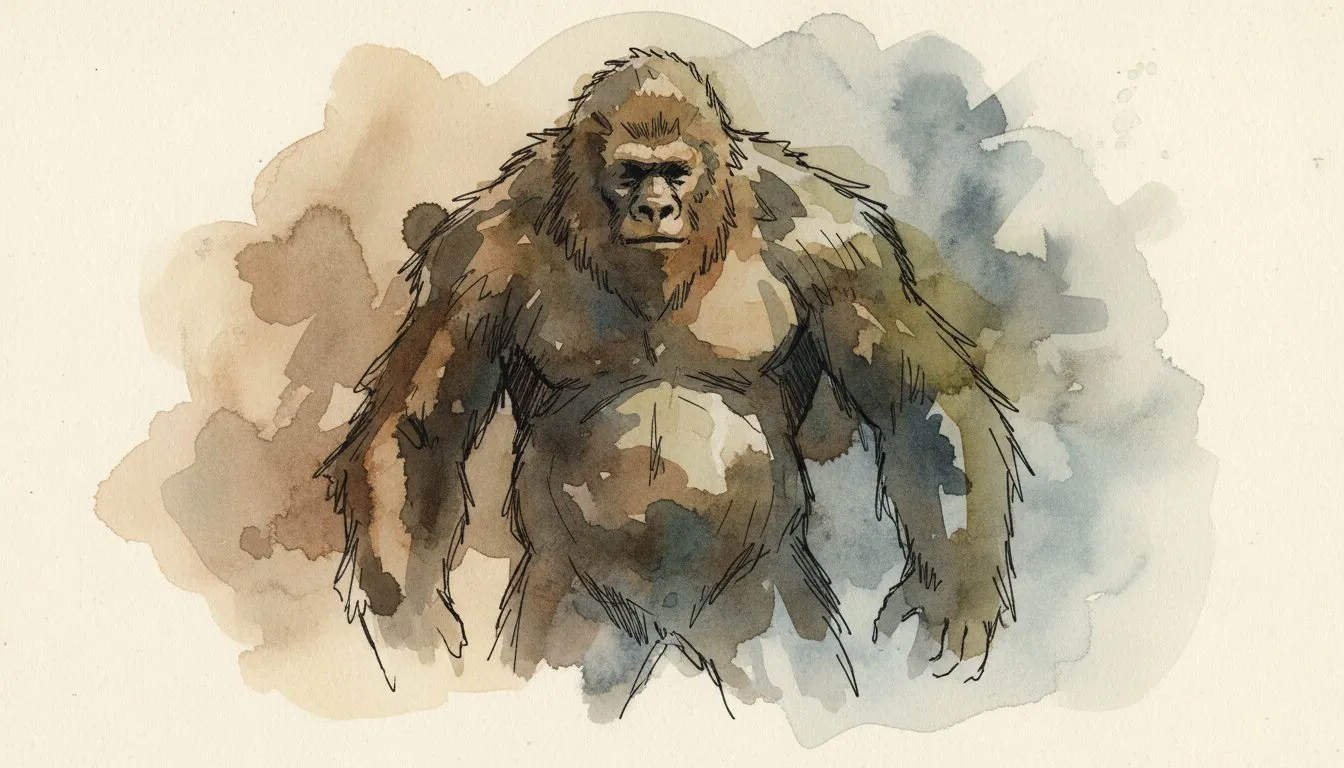
Skunk Ape
Florida's foul-smelling answer to Bigfoot, lurking in the Everglades heat.
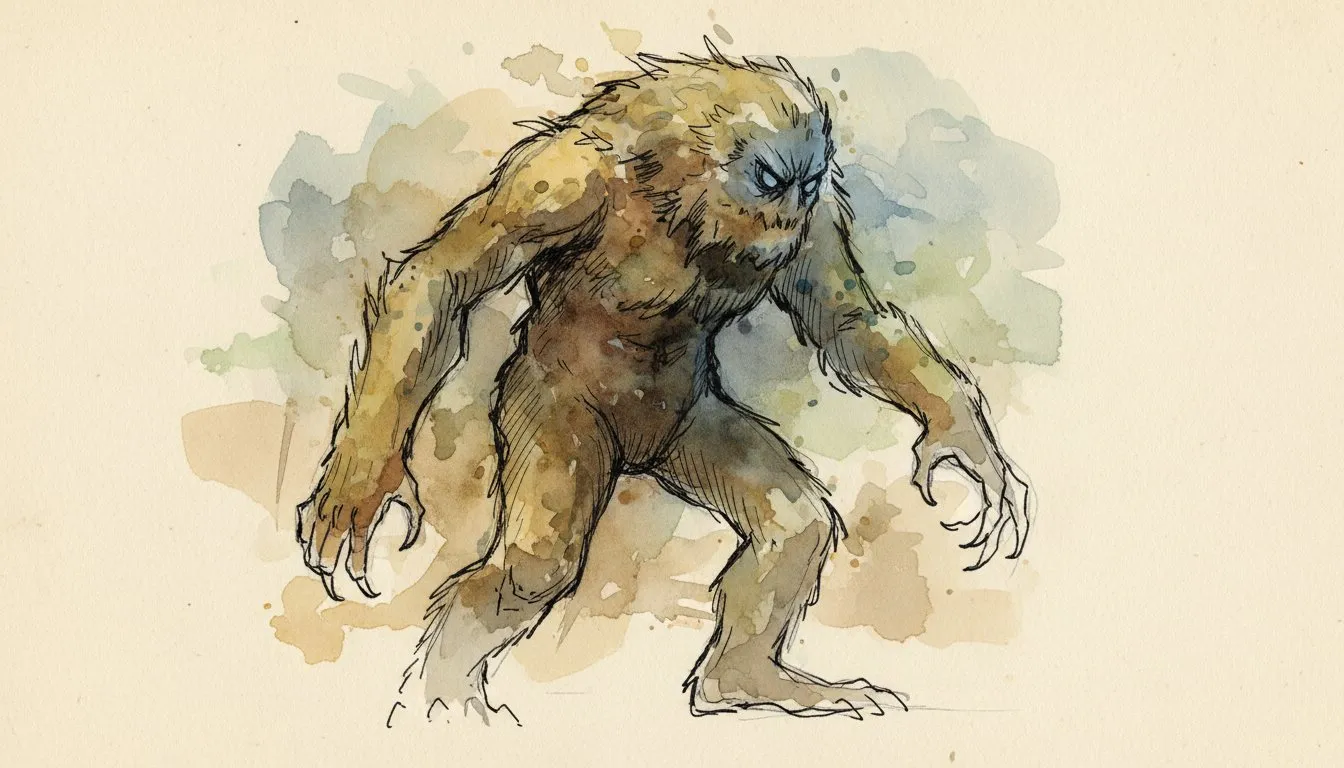
Fouke Monster
The hairy hominid of Boggy Creek, Arkansas, that inspired one of horror's first docudramas.
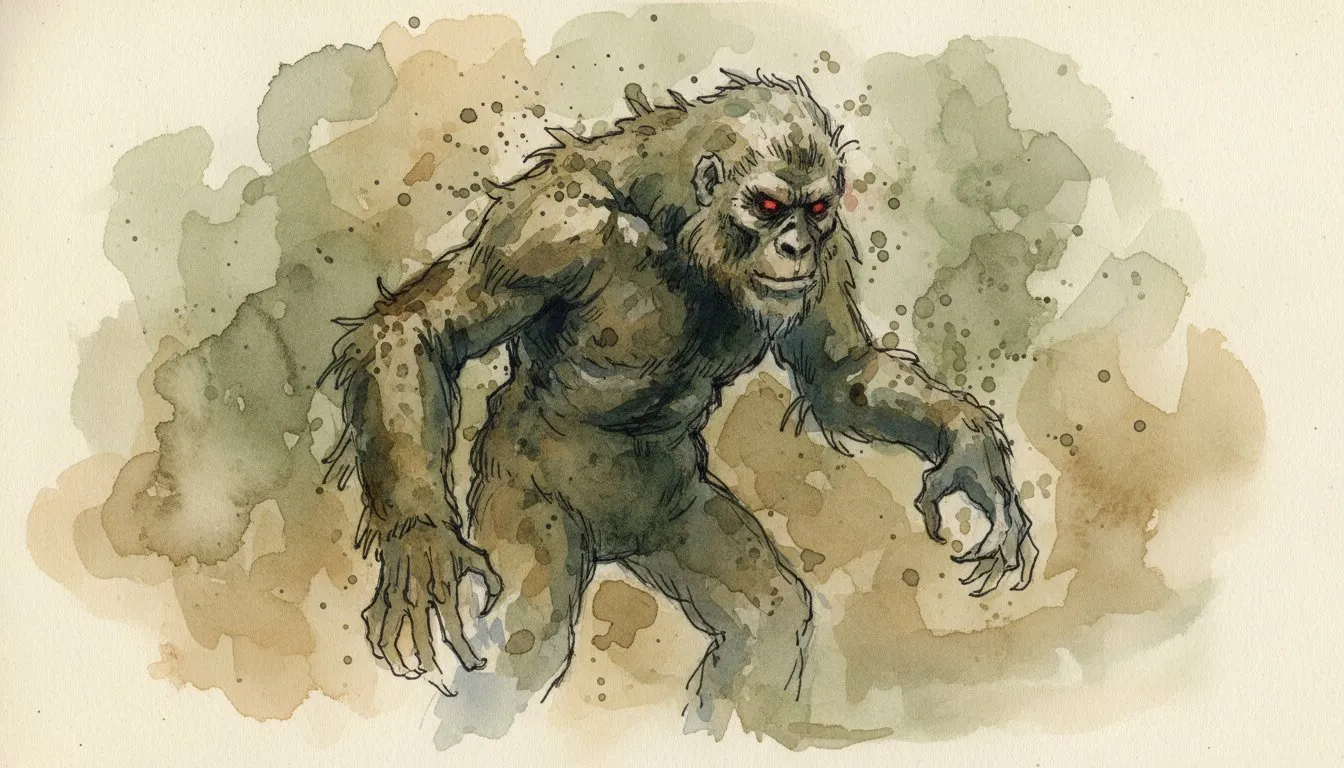
Honey Island Swamp Monster
A web-footed, amber-eyed beast haunting one of America's most pristine swamps.
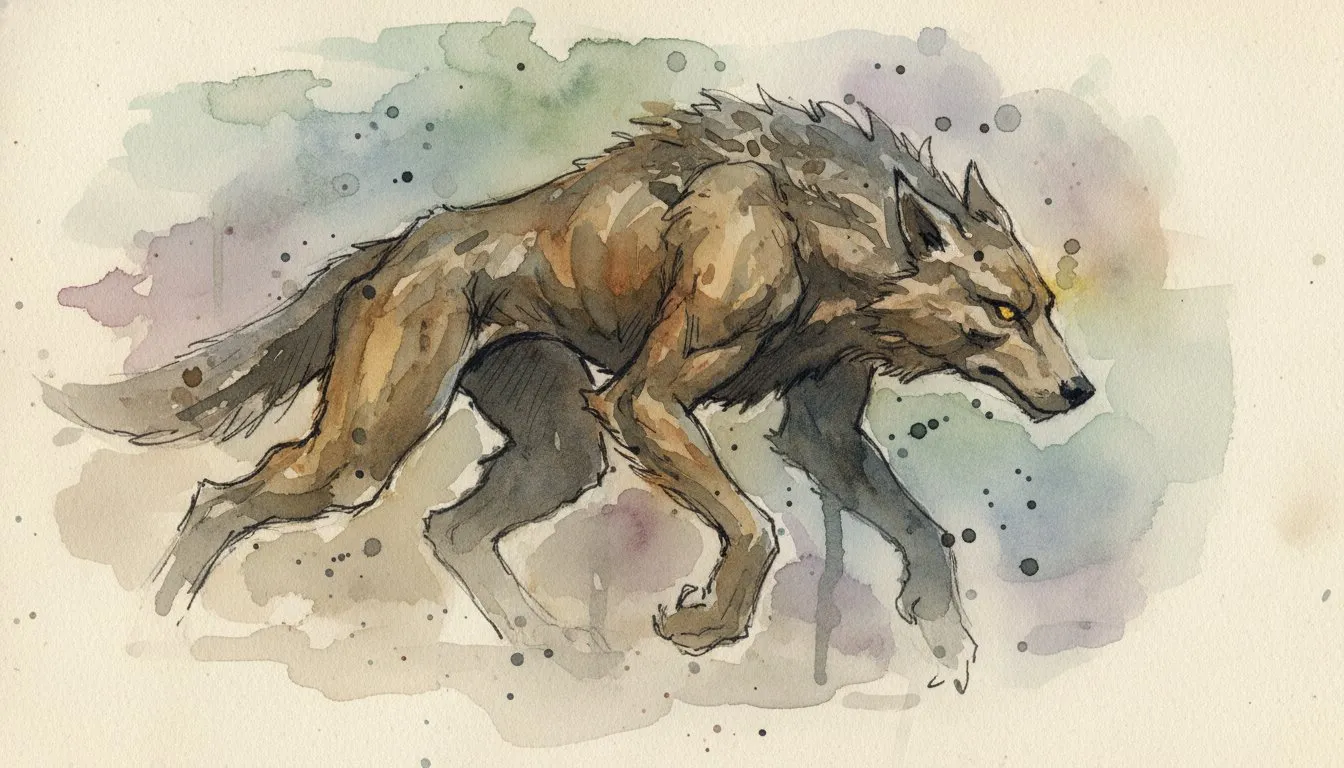
Michigan Dogman
An upright canine terror first reported in 1887, stalking Michigan's north woods ever since.
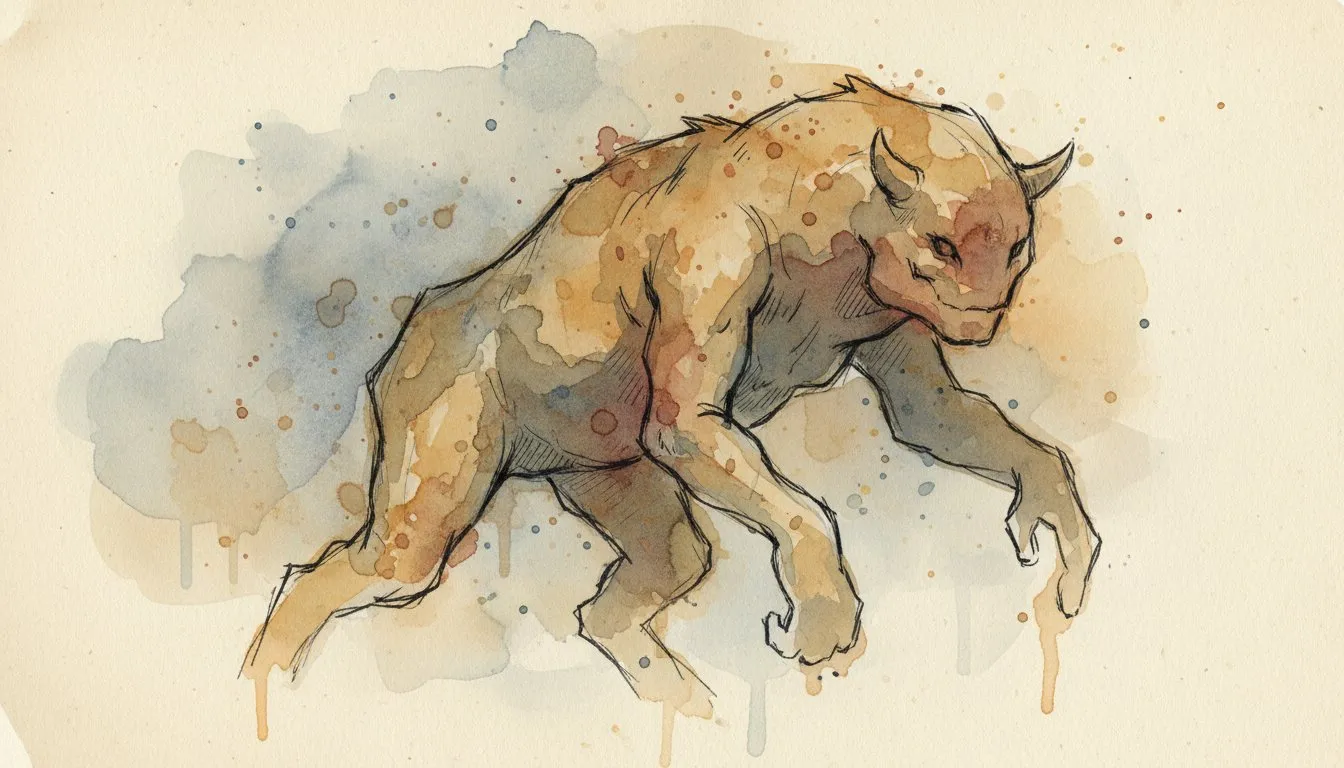
Momo the Monster
A blood-stained, three-toed giant that terrorized a small Missouri town in the summer of 1972.