
Honey Island Swamp Monster
Also known as: Tainted Keitre, Louisiana Swamp Monster
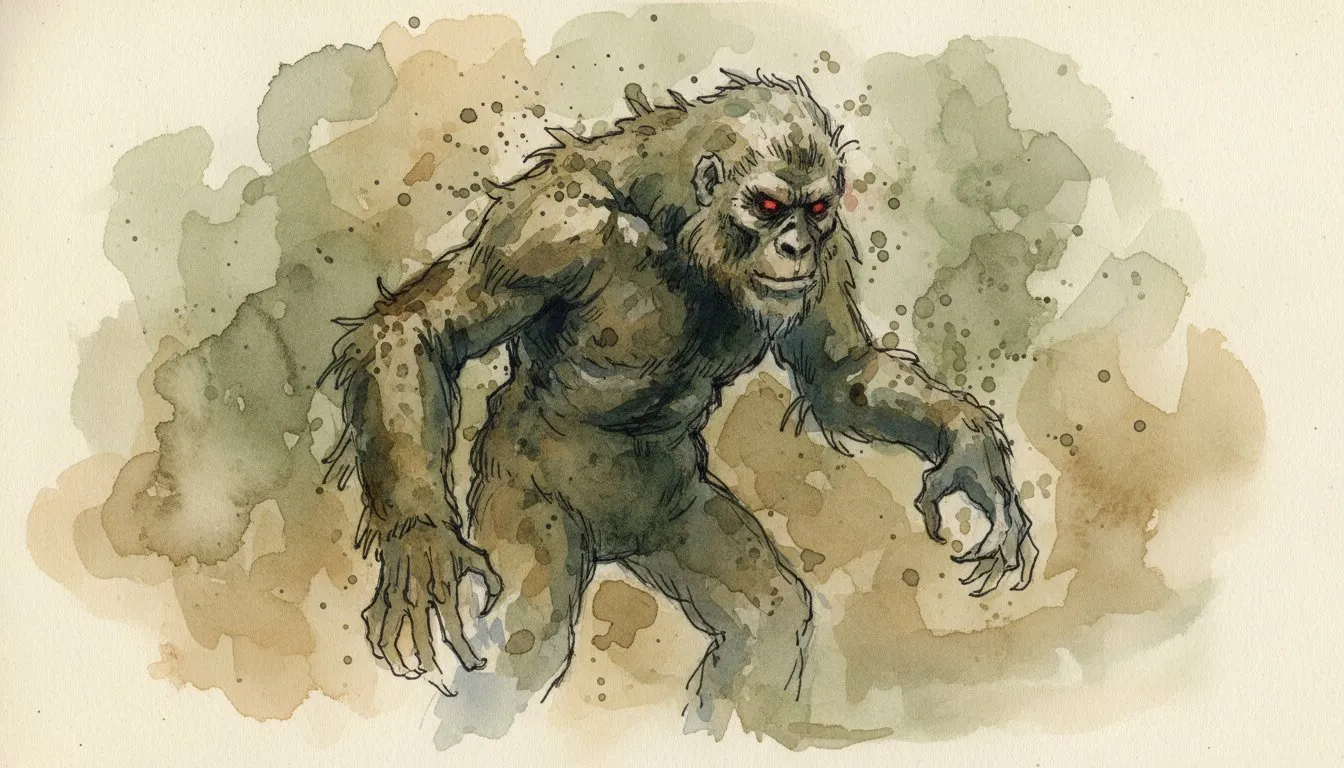
A web-footed, amber-eyed beast haunting one of America's most pristine swamps.
1963
Honey Island Swamp, Louisiana, USA
7 ft tall, 400 lbs (est.)
Reclusive, wary of humans
Unconfirmed
The Lore
The Honey Island Swamp Monster is a bipedal creature reported in the Honey Island Swamp of southeastern Louisiana. First claimed by wildlife photographer Harlan Ford in 1963, the creature is described as 7 feet tall with gray matted hair, yellow eyes, and distinctive webbed feet. After Ford's death in 1974, his family discovered Super 8 film footage he had allegedly shot of the creature in the swamp.
The Honey Island Swamp stretches across seventy thousand acres of cypress, tupelo, and black water along the Pearl River on the Louisiana-Mississippi border, one of the least disturbed wetland wildernesses in the lower forty-eight. Within this maze of bayous and hammocks, locals have long reported a creature they call simply the Swamp Thing, though cryptozoology knows it as the Honey Island Swamp Monster. It is described as roughly seven feet tall, bipedal, covered in matted gray or dingy white hair, with amber or yellow eyes and a stench that makes hounds refuse to track it.
The legend crystallized around Harlan Ford, a retired air traffic controller and amateur wildlife photographer who spent his retirement deep in the swamp. In 1963 Ford and a companion, Ray Mills, reported their first encounter while deer hunting. In 1974 Ford claimed to have shot Super 8 footage of a large bipedal figure moving between cypress trees at the edge of a slough, and in 1980 he produced plaster casts of strange three-toed tracks he said he had found near a dead boar. Ford's footage and casts have been debated by cryptozoologists for decades, with skeptics noting the footage's extreme brevity and believers citing the consistency of Ford's account until his death in 1980.
A persistent origin story, almost certainly folkloric rather than factual, holds that a train carrying a traveling circus derailed in the area in the early twentieth century and that chimpanzees escaped into the swamp and interbred with alligators or with the local fauna. Variants of this tale cluster around cryptid sites across the American South and almost always serve the same narrative function, explaining why something distinctly non-native might inhabit deep bayou country.
What gives the Honey Island story unusual staying power is the place itself. The swamp is genuinely vast, genuinely hard to traverse, and home to real apex predators including American alligators, black bears, and a healthy cougar population rumored to be larger than officially acknowledged. Harlan Ford's granddaughter Dana Holyfield has kept the case alive through documentaries and books, and swamp tour operators out of Slidell routinely incorporate the monster into their patter. Whether anything hair-covered and upright walks those cypress knees, the swamp itself is strange and big enough to justify a long second look.
Notable Witnesses
- Harlan Ford
Media Appearances
- Swamp Monsters (TV)
Further Reading
No book is devoted to this creature. These are the general references that cover the field, plus a direct search if you want to dig further.
- Cryptozoology A to Z by Loren Coleman and Jerome Clark (1999)
The standard one-volume encyclopedia, roughly two hundred entries covering creatures, investigators, and hoaxes.
- Mysterious Creatures: A Guide to Cryptozoology by George M. Eberhart (2002)
The larger reference guide, stronger on sourcing and on creatures that never reached the popular books.
Search Amazon for Honey Island Swamp Monster books
As an Amazon Associate, Cryptid Vault earns from qualifying purchases. Links open Amazon in a new tab.
Get the Field Notes.
Field notes from the Vault, when there is something worth sending. No spam.
No spam. Unsubscribe anytime.
You might also like
Skunk Ape
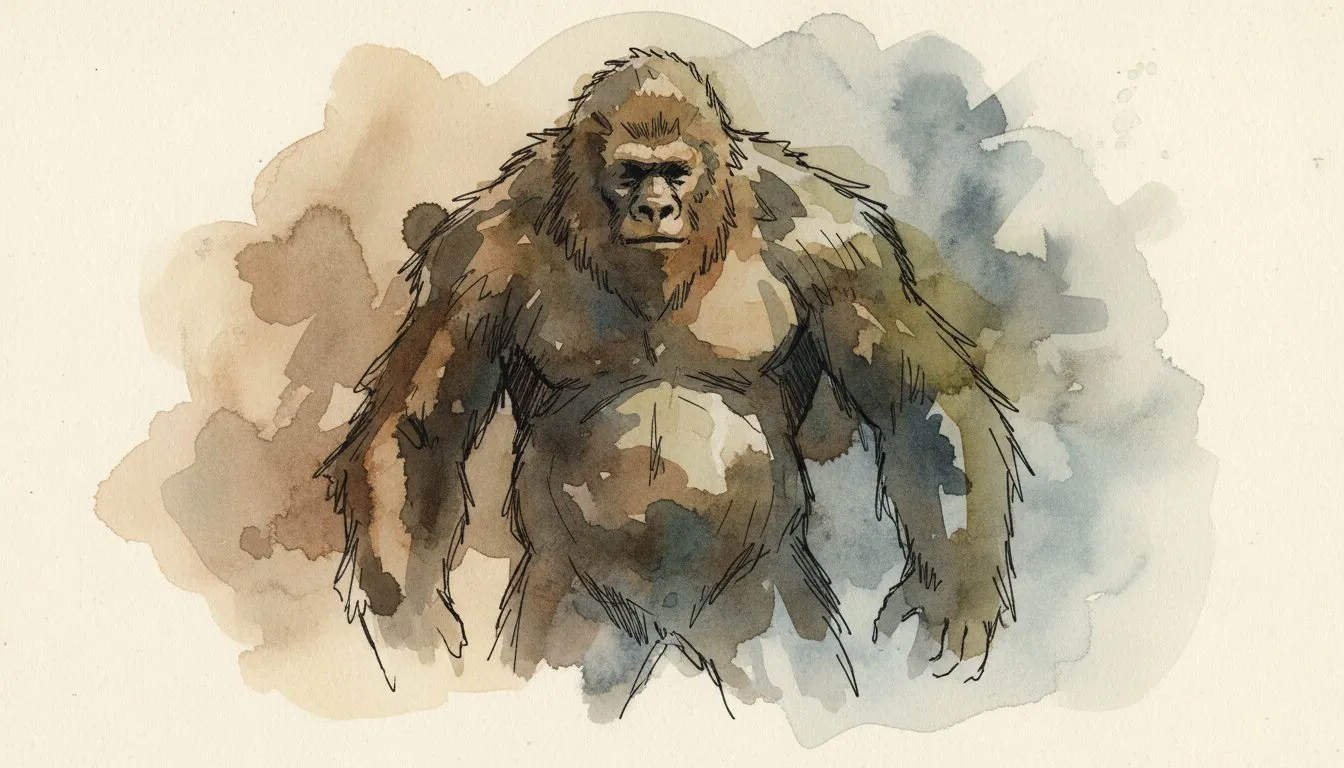
Florida's foul-smelling answer to Bigfoot, lurking in the Everglades heat.
Fouke Monster
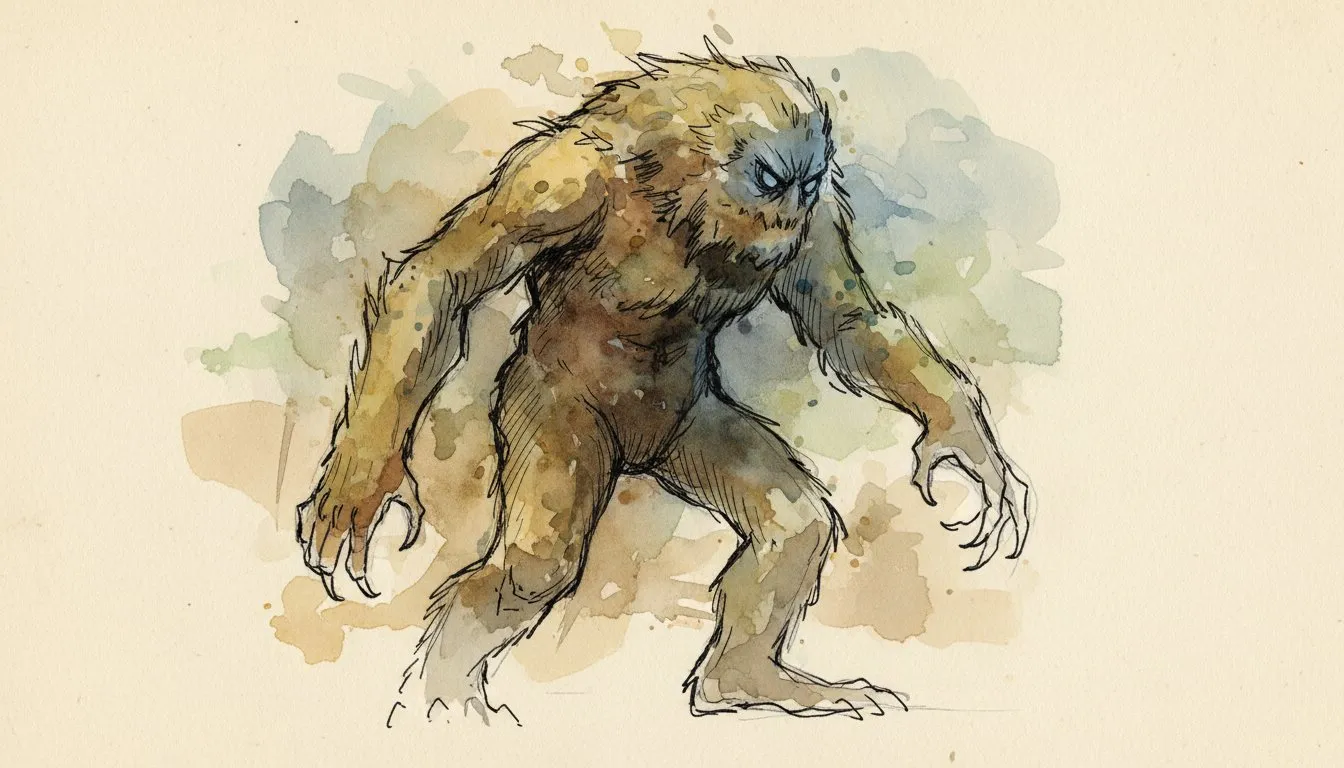
The hairy hominid of Boggy Creek, Arkansas, that inspired one of horror's first docudramas.
Lizard Man of Scape Ore Swamp
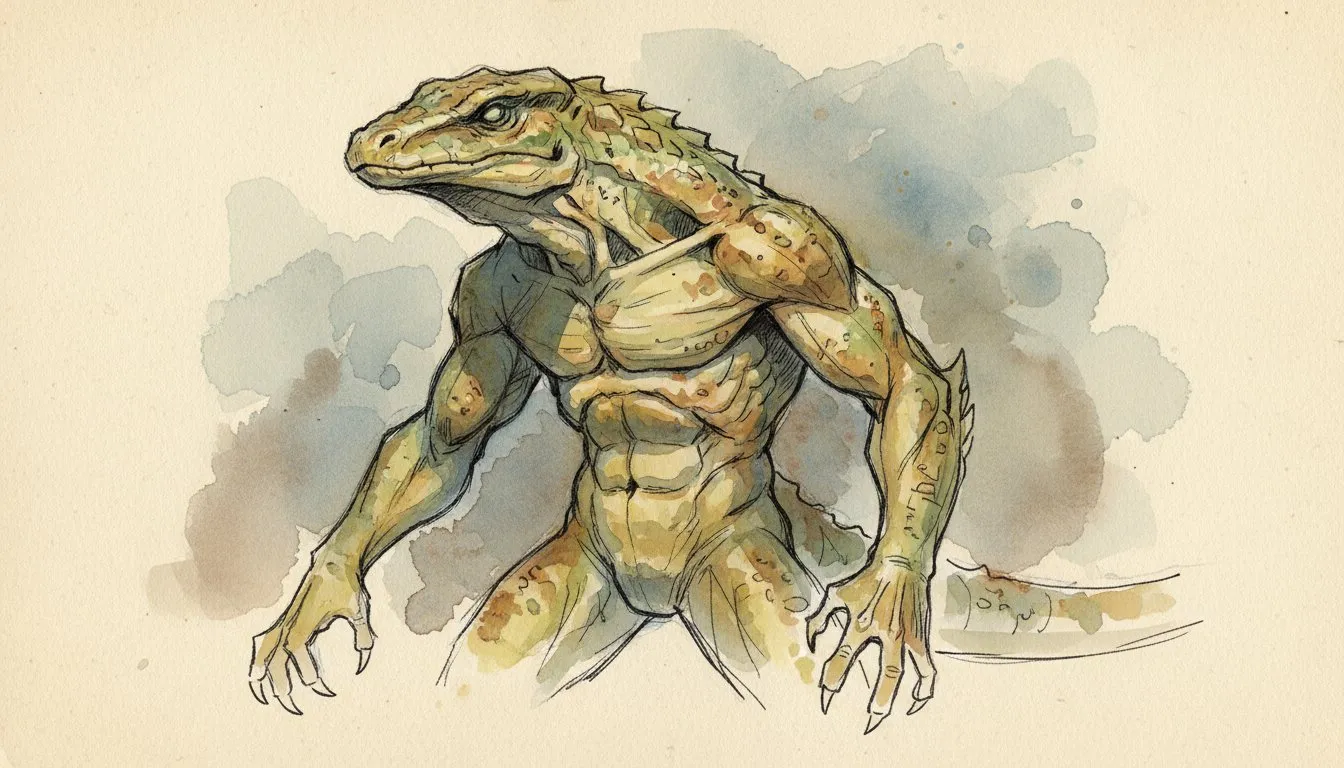
A 7-foot reptilian biped that attacked a teen's car in a South Carolina swamp.
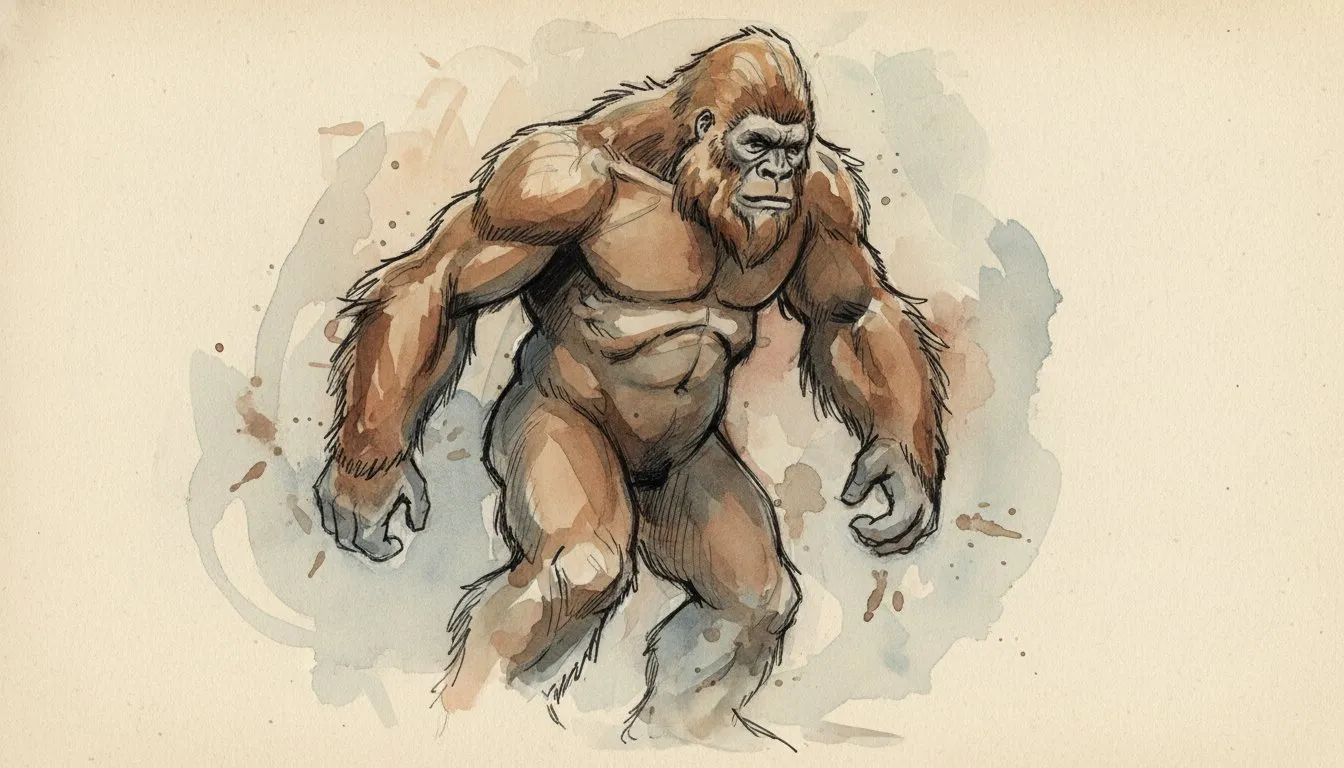
Bigfoot
The towering ape-man of the Pacific Northwest, glimpsed in fog and legend for centuries.
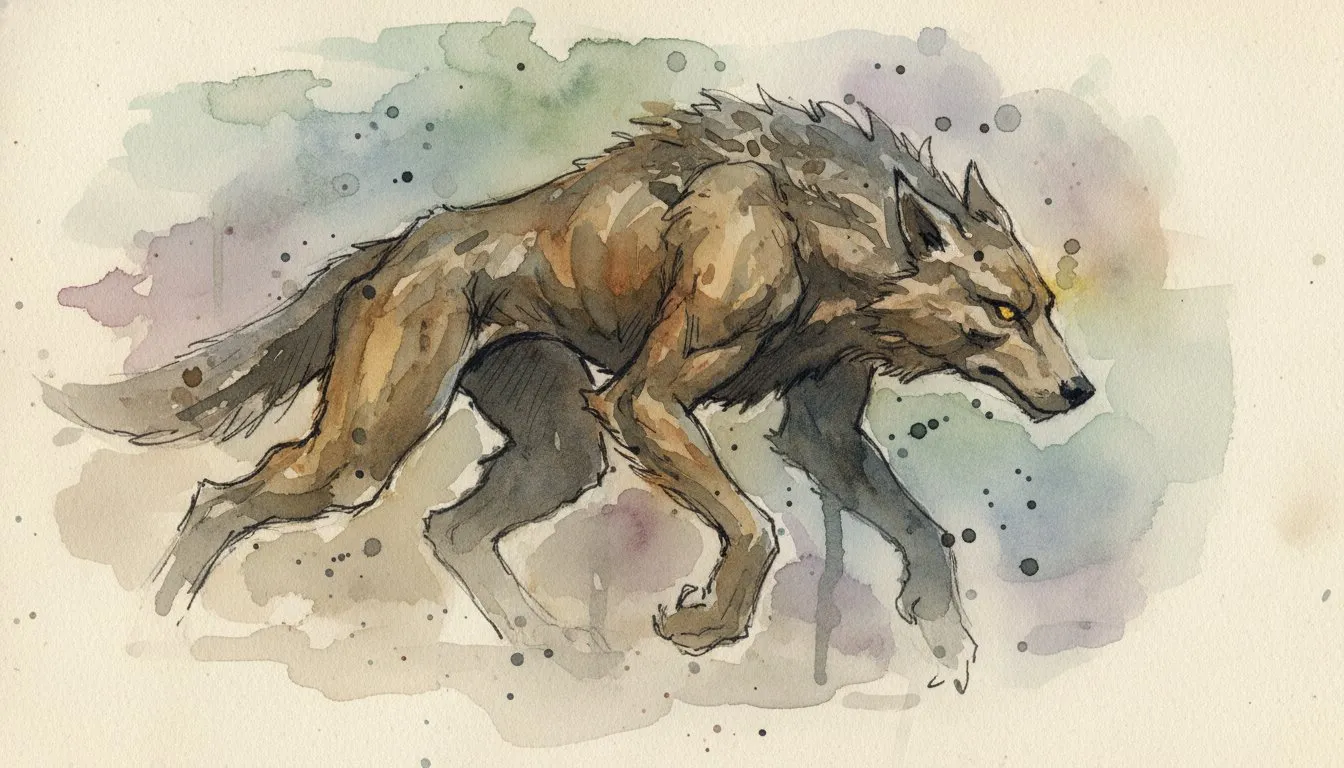
Michigan Dogman
An upright canine terror first reported in 1887, stalking Michigan's north woods ever since.
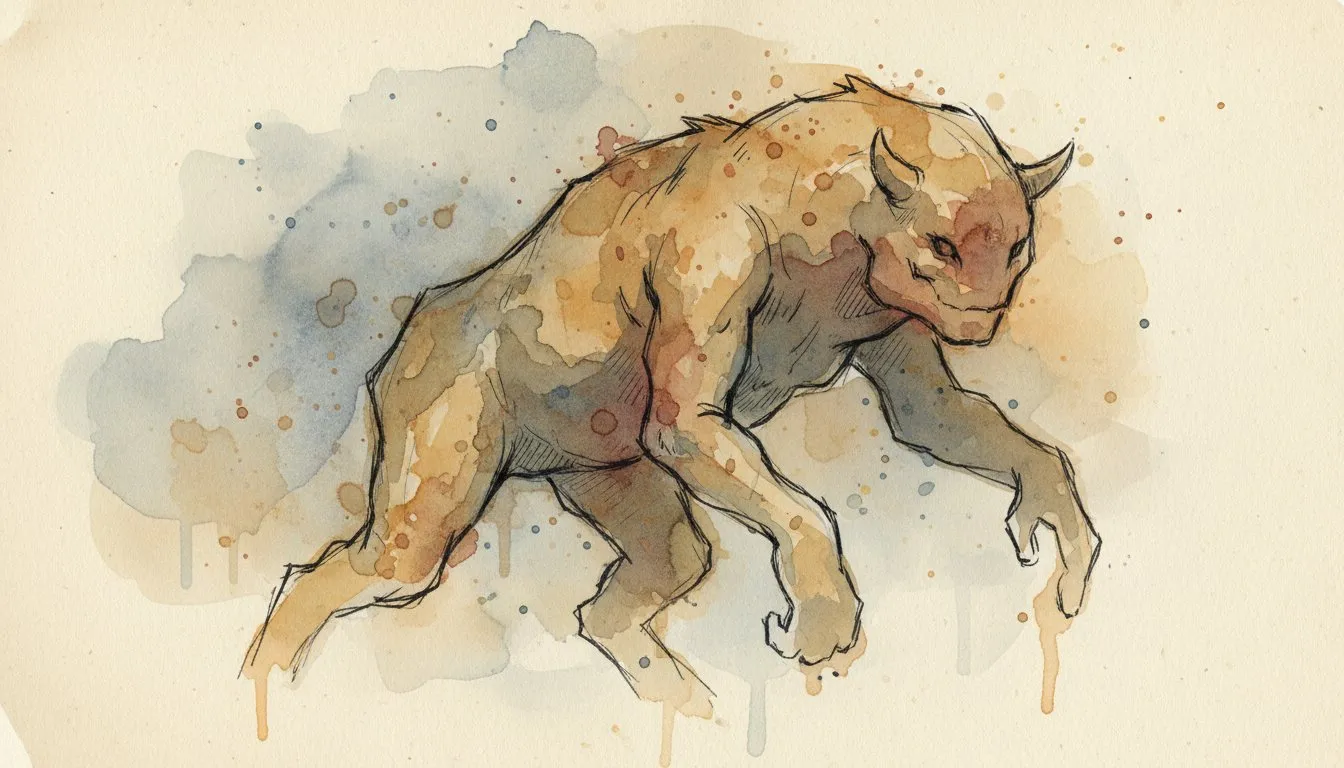
Momo the Monster
A blood-stained, three-toed giant that terrorized a small Missouri town in the summer of 1972.
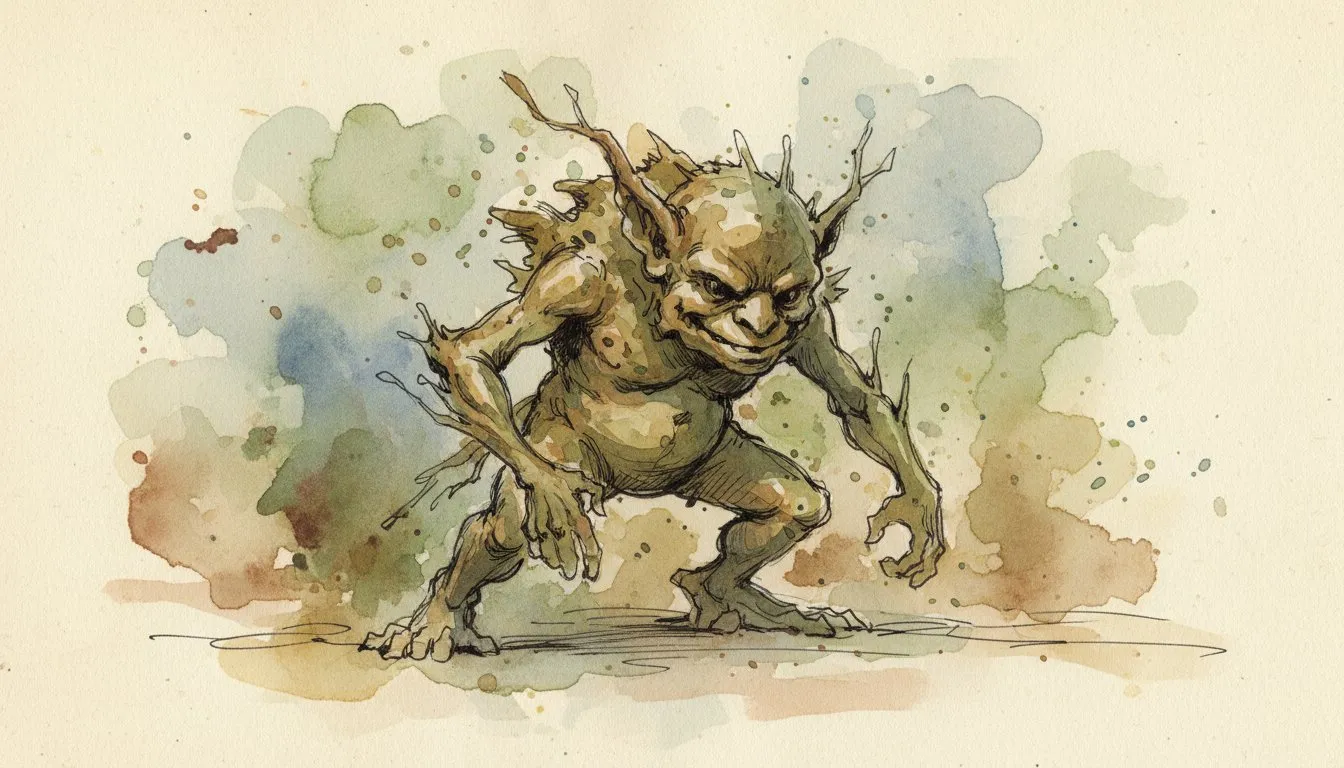
Pukwudgie
A small, troll-like trickster from Wampanoag legend that lures victims off cliffs.

Rougarou
Louisiana's Cajun werewolf stalks the bayou, cursing the sinful and haunting those who break Lent.