
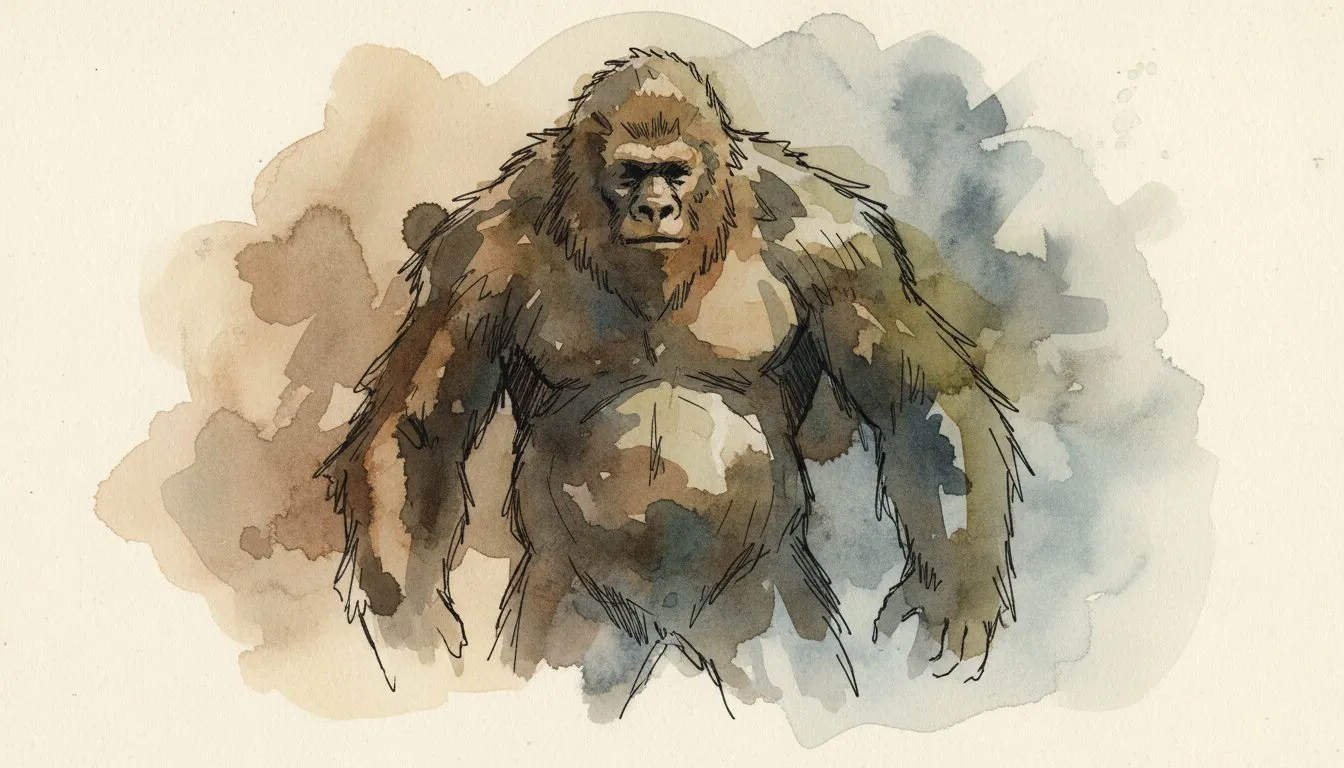
Skunk Ape
Also known as: Swamp Ape, Florida Bigfoot, Myakka Ape
Florida's foul-smelling answer to Bigfoot, lurking in the Everglades heat.
1960s
Everglades, Florida, USA
5-7 ft tall, 300-450 lbs (est.)
Shy, reclusive
Unconfirmed
The Lore
The Skunk Ape is a Bigfoot-like primate reported throughout the swamps and forests of Florida since the 1960s. It gets its name from the overwhelming stench witnesses describe, often compared to rotten eggs or methane. The Myakka photographs, mailed anonymously to the Sarasota County Sheriff in 2000, remain the most discussed evidence. Dave Shealy has operated a Skunk Ape Research Headquarters in Ochopee, Florida since 1998.
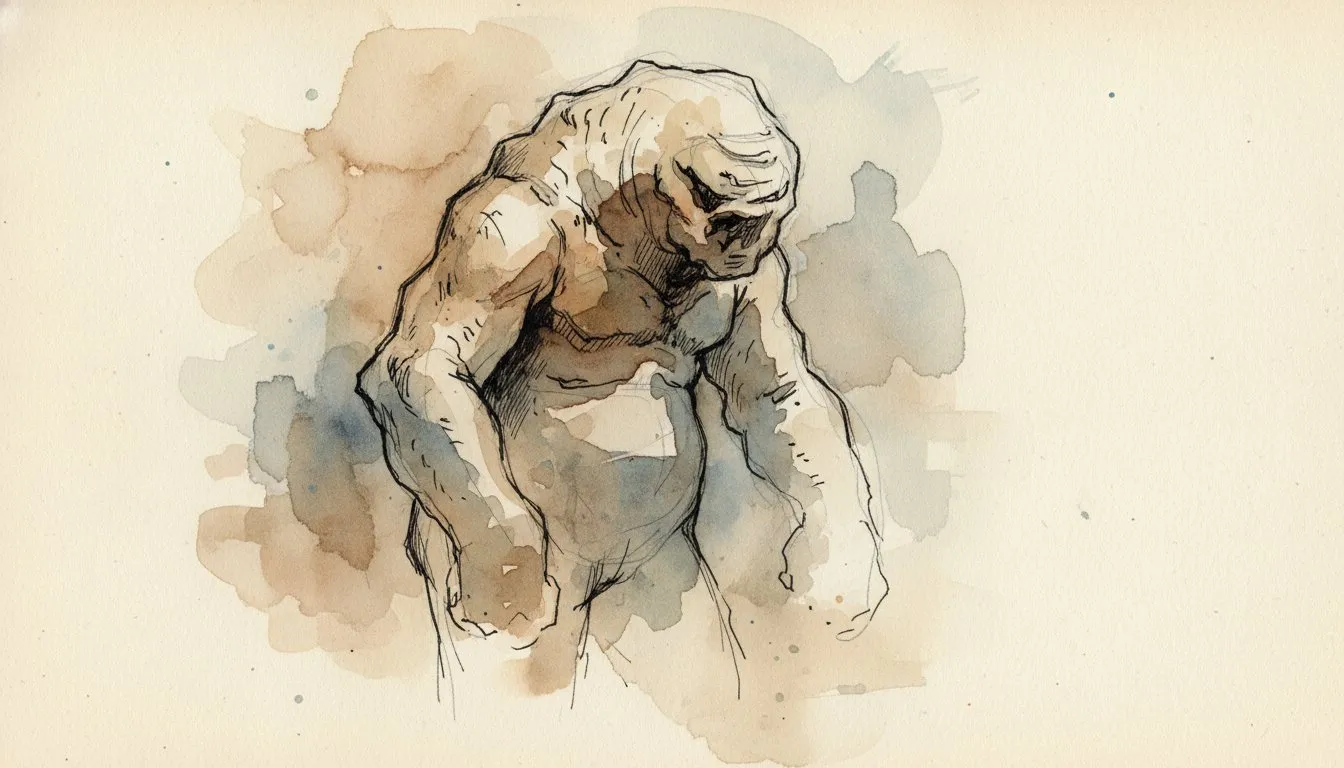
Florida's version of Bigfoot goes by a name that reflects one of its most reported characteristics: an overwhelming, sulfurous stench. The Skunk Ape has been sighted in the swamps and wetlands of southern Florida, particularly in and around the Everglades, since at least the 1960s. It is described as a large, bipedal, ape-like creature standing 5 to 7 feet tall, covered in dark reddish-brown or black hair, and accompanied by a smell variously compared to rotten eggs, methane, or a skunk.
The earliest widely reported sightings date to the late 1960s and early 1970s. In 1971, multiple witnesses in Dade County reported seeing a large, hairy creature in residential areas near the Everglades. The sightings drew enough attention that the Dade County police investigated. Throughout the 1970s, reports continued from areas around Big Cypress National Preserve and Everglades National Park.
The most notable piece of evidence emerged in 2000, when an anonymous woman in Sarasota County mailed two photographs to the Sarasota County Sheriff's Office. The letter, from a person identifying herself as an elderly woman, described a large ape-like animal that had been coming into her yard at night and taking apples from her porch. The photographs show a large, dark, upright figure partially obscured by palmetto fronds. These images, known as the "Myakka photographs" (named after the nearby Myakka River State Park), remain some of the most discussed Skunk Ape evidence. They have never been definitively debunked, though skeptics note that the figure's proportions are consistent with a person in a costume.
Dave Shealy, a self-described Skunk Ape researcher based in Ochopee, Florida, claims to have first seen the creature in 1974 at age ten and has reported multiple encounters since. He operates the Skunk Ape Research Headquarters, a roadside attraction and self-funded research center on the Tamiami Trail.
Skeptics point out that the Everglades are home to a population of wild primates. Rhesus macaques and squirrel monkeys, escapees from tourist attractions and research facilities, have established feral colonies in several Florida locations. Black bears also inhabit the area and can be misidentified when seen briefly in poor lighting. The Everglades' remoteness and dense vegetation make thorough surveys difficult, but no physical evidence of a large, unknown primate has been recovered from the region.
Notable Witnesses
- Dave Shealy (self-described Skunk Ape researcher, multiple claimed sightings since 1974)
- Anonymous Sarasota County woman (Myakka photographs, 2000)
- Multiple Dade County residents (1970s sighting wave)
Media Appearances
- Myakka photographs (2000)
- Skunk Ape Research Headquarters (Ochopee, FL, roadside attraction)
- Skunk Ape (documentary, 2003)
- Finding Bigfoot (TV, Florida episodes)
- MonsterQuest (TV, Florida Bigfoot episode)
- The Skunk Ape Experiment (film, 2016)
Further Reading
No book is devoted to this creature. These are the general references that cover the field, plus a direct search if you want to dig further.
- Cryptozoology A to Z by Loren Coleman and Jerome Clark (1999)
The standard one-volume encyclopedia, roughly two hundred entries covering creatures, investigators, and hoaxes.
- Mysterious Creatures: A Guide to Cryptozoology by George M. Eberhart (2002)
The larger reference guide, stronger on sourcing and on creatures that never reached the popular books.
Search Amazon for Skunk Ape books
As an Amazon Associate, Cryptid Vault earns from qualifying purchases. Links open Amazon in a new tab.
Get the Field Notes.
Field notes from the Vault, when there is something worth sending. No spam.
No spam. Unsubscribe anytime.
You might also like
Bigfoot
The towering ape-man of the Pacific Northwest, glimpsed in fog and legend for centuries.
Fouke Monster
The hairy hominid of Boggy Creek, Arkansas, that inspired one of horror's first docudramas.
Honey Island Swamp Monster
A web-footed, amber-eyed beast haunting one of America's most pristine swamps.
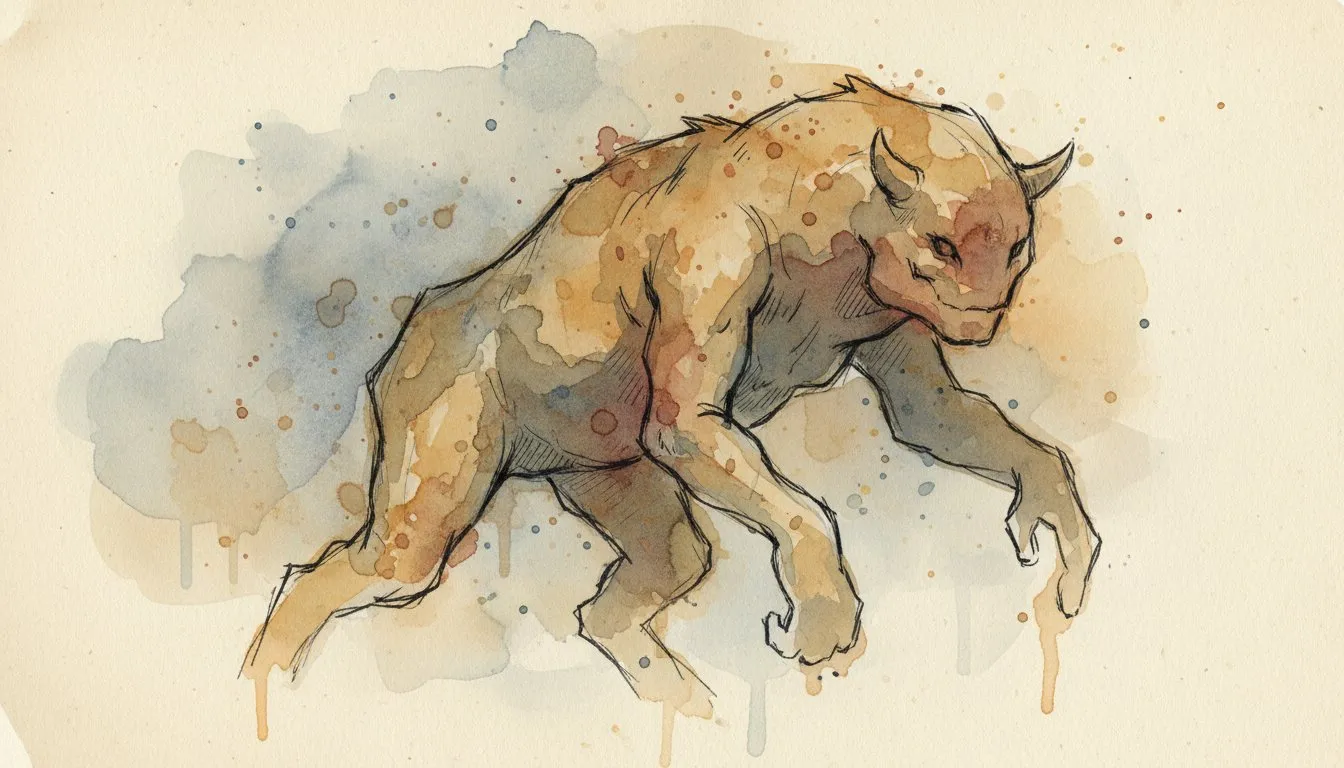
Momo the Monster
A blood-stained, three-toed giant that terrorized a small Missouri town in the summer of 1972.
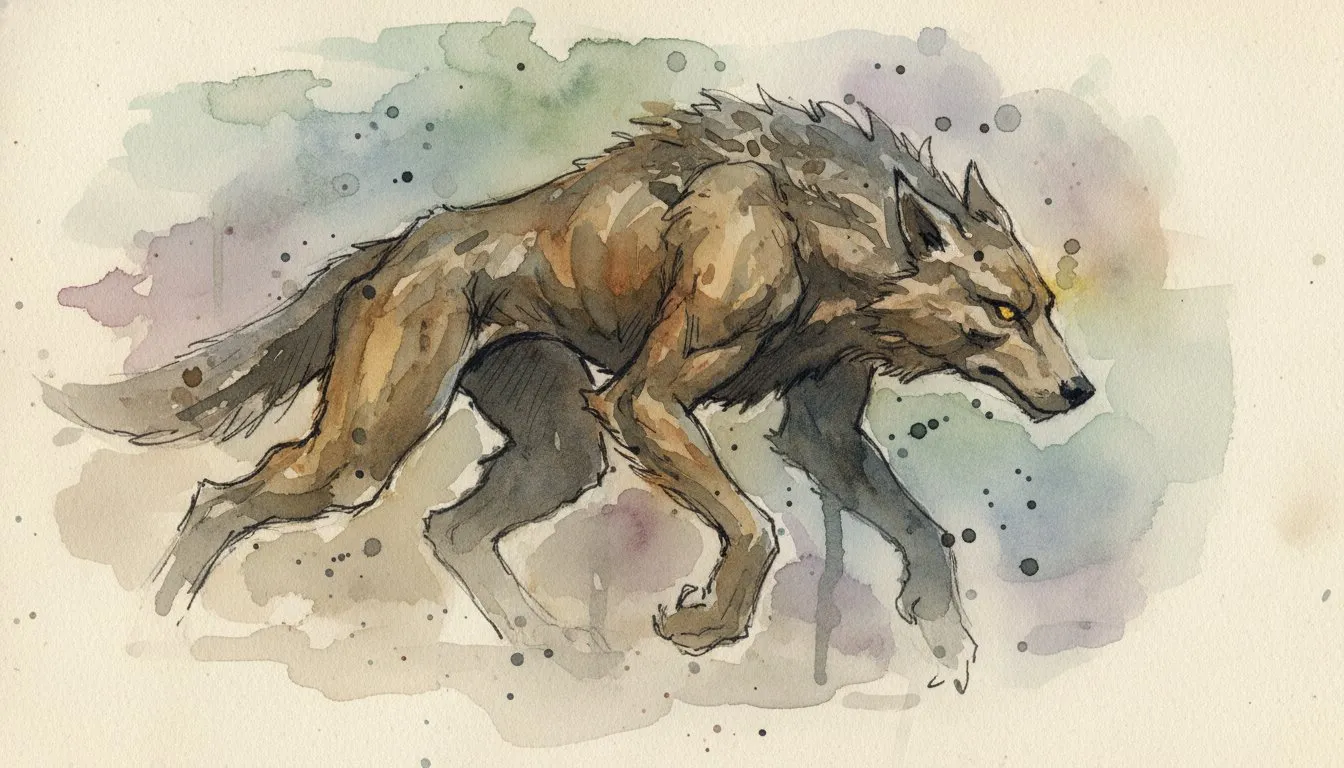
Michigan Dogman
An upright canine terror first reported in 1887, stalking Michigan's north woods ever since.
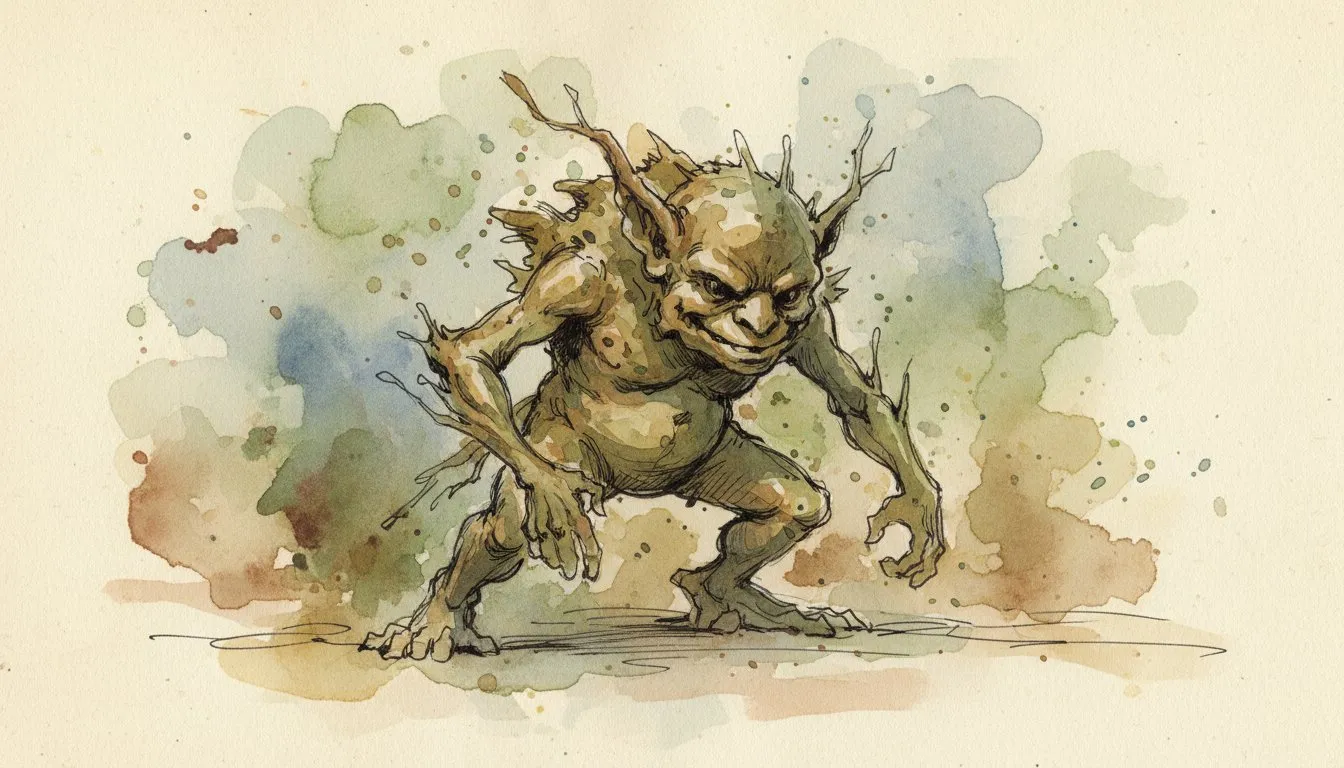
Pukwudgie
A small, troll-like trickster from Wampanoag legend that lures victims off cliffs.
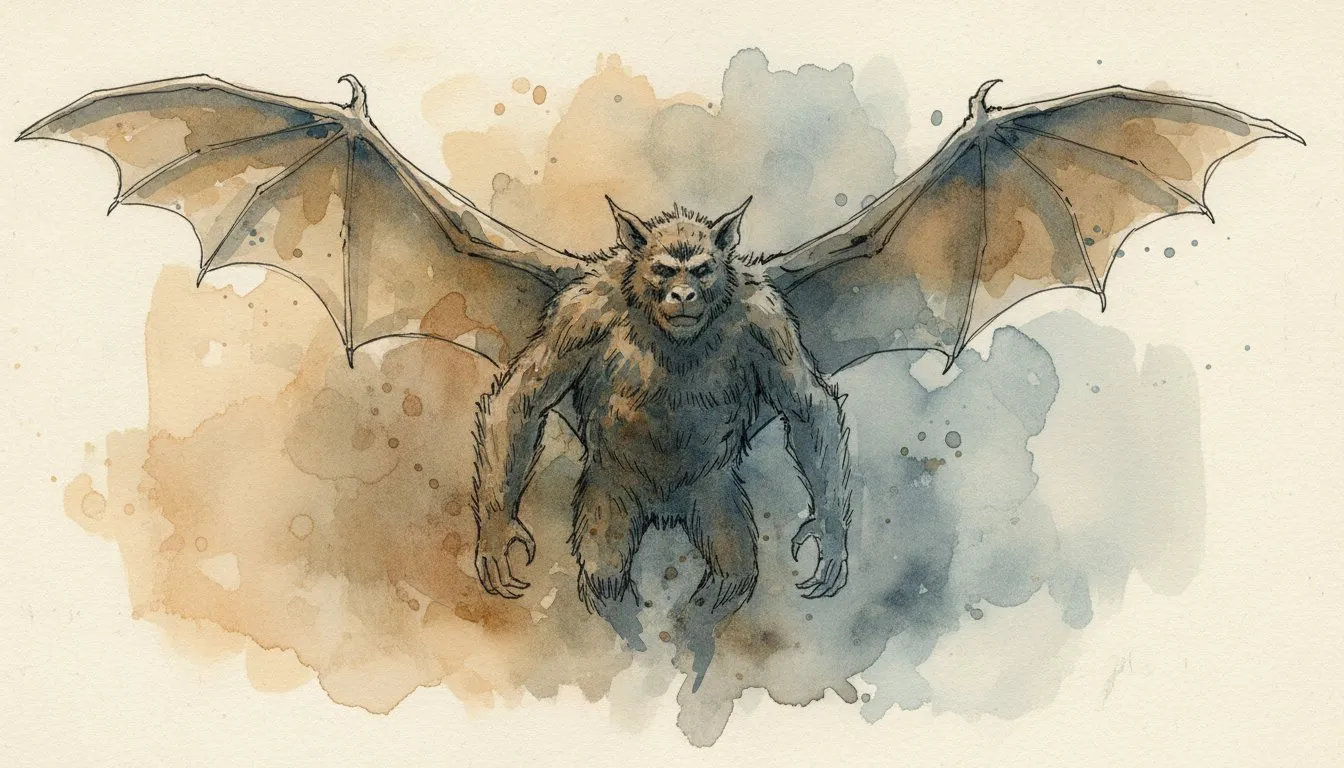
Batsquatch
A purple-skinned, bat-winged ape seen near Mount St. Helens after the eruption.
Grafton Monster
A headless, pale giant spotted lumbering through a West Virginia town in 1964.