
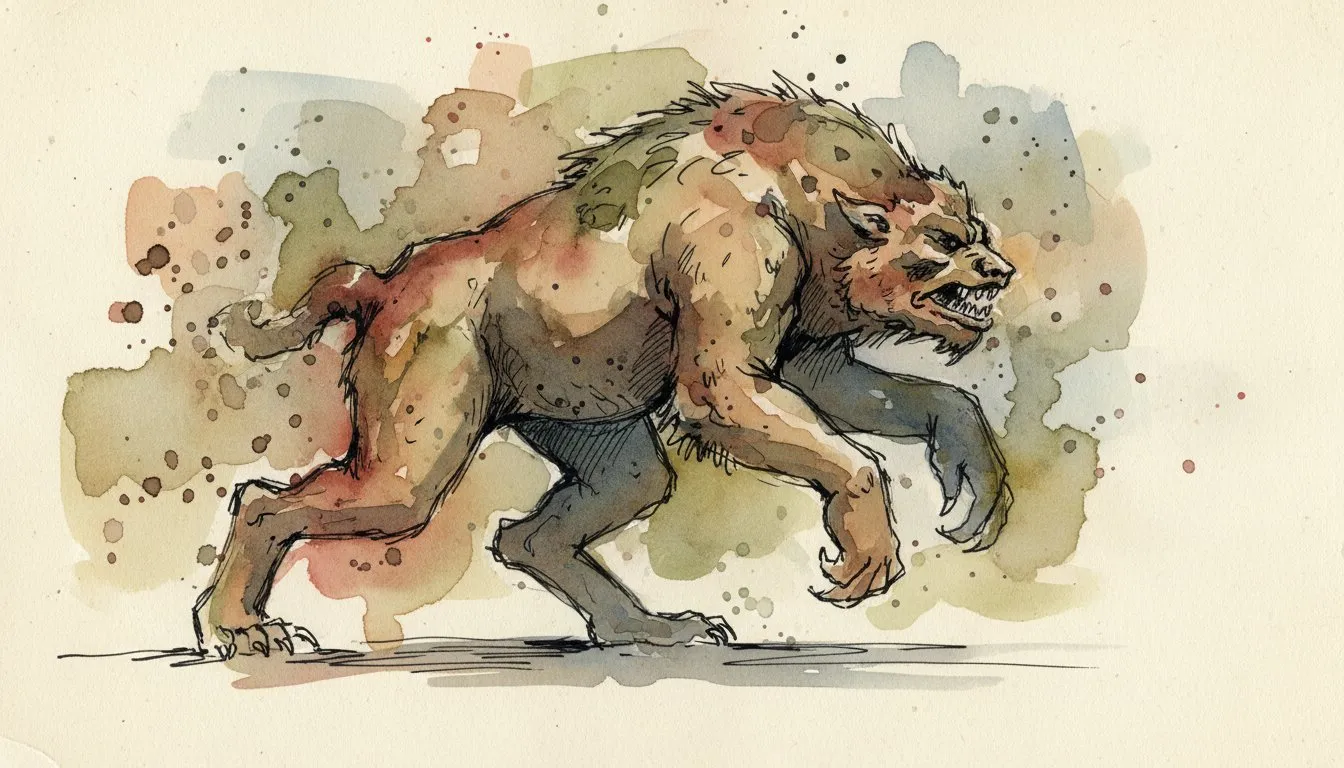
Mapinguari
Also known as: Roaring Beast, Fetid Beast
A stinking, one-eyed ground sloth still roaming the Amazon, if the locals are right.
Pre-colonial (indigenous tradition)
Amazon Rainforest, Brazil
6-8 ft tall (est.)
Defensive, territorial
Unconfirmed, possible relict species
The Lore
Deep in the Brazilian Amazon, indigenous communities describe the Mapinguari as a massive, foul-smelling creature with thick red fur, backward-facing feet, and a mouth on its belly. Scientists have theorized it could be a surviving giant ground sloth (Megatherium). Ornithologist David Oren spent years interviewing witnesses and collecting physical evidence in the 1990s.
In the rainforests of Brazil and Bolivia, Indigenous communities have long described a creature of fearsome proportions that walks on two legs, carries an overwhelming stench, and possesses a hide so thick that conventional weapons cannot pierce it. Known as the Mapinguari - a name that translates variously from Tupi as "roaring animal" or "fetid beast" - this creature holds a prominent place in the oral traditions of numerous Amazonian peoples and has drawn sustained attention from paleontologists who believe it may represent a living memory of a genuinely enormous animal.
Descriptions collected from Indigenous informants across the Brazilian and Bolivian Amazon share consistent features: a large, reddish or black-furred bipedal animal standing six to eight feet tall, with backward-facing feet in some traditions, a single eye in the center of its forehead, and a gaping mouth located in the center of its torso or chest. The backward feet may reflect a storytelling device meant to confuse trackers, and the torso-mouth may be a mythological embellishment. What remains consistent across accounts stripped of obvious symbolic elements is an enormous, slow-moving, malodorous ground-dwelling mammal.
The paleontological connection that has excited researchers is striking. Mylodon and Megatherium - giant ground sloths that inhabited South America until approximately 8,000 to 10,000 years ago - match many features of Mapinguari descriptions with uncanny precision. These animals stood 10 to 20 feet tall on their hind legs, moved slowly, and possessed thick dermal ossicles, bony nodules embedded in their skin that would have made them nearly impervious to predation. Zoologist Paul Martin and ornithologist David Oren have argued that the persistence of Mapinguari traditions across isolated Indigenous communities suggests the possibility that giant ground sloths survived in the Amazon long enough to enter human memory and folklore.
Oren conducted multiple field expeditions into the Brazilian Amazon during the 1990s in search of physical evidence. He collected hair samples, claw marks on trees, and footprint casts that he attributed to an unknown large mammal, though subsequent analysis has not confirmed a connection to any recognized species. Skeptics note that the Amazon is well-surveyed enough that a population of ten-foot mammals would leave detectable signs, and that no fossil evidence of giant ground sloths has been found in regions where they would need to have survived. The Mapinguari nevertheless occupies a compelling position at the intersection of paleontology, Indigenous knowledge, and cryptozoology.
Further Reading
No book is devoted to this creature. These are the general references that cover the field, plus a direct search if you want to dig further.
- Cryptozoology A to Z by Loren Coleman and Jerome Clark (1999)
The standard one-volume encyclopedia, roughly two hundred entries covering creatures, investigators, and hoaxes.
- Mysterious Creatures: A Guide to Cryptozoology by George M. Eberhart (2002)
The larger reference guide, stronger on sourcing and on creatures that never reached the popular books.
Search Amazon for Mapinguari books
As an Amazon Associate, Cryptid Vault earns from qualifying purchases. Links open Amazon in a new tab.
Get the Field Notes.
Field notes from the Vault, when there is something worth sending. No spam.
No spam. Unsubscribe anytime.
You might also like
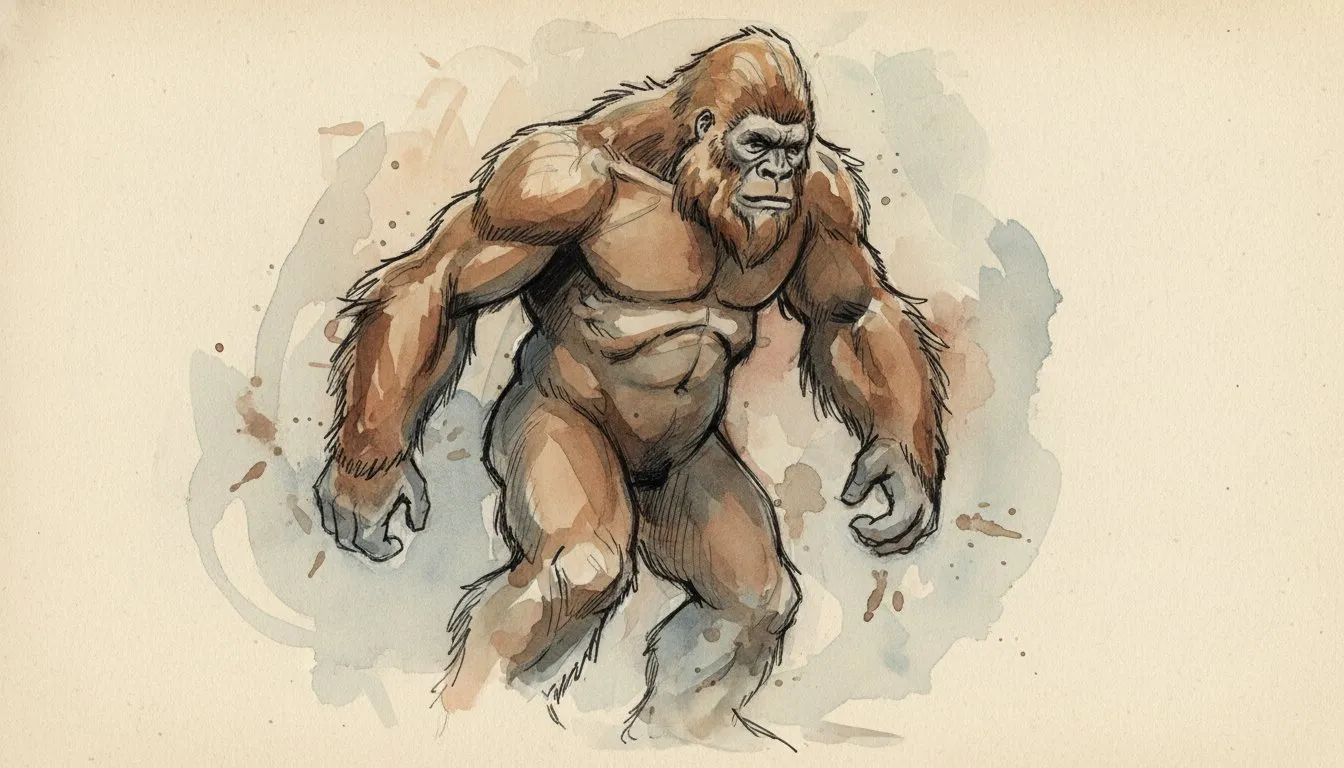
Bigfoot
The towering ape-man of the Pacific Northwest, glimpsed in fog and legend for centuries.
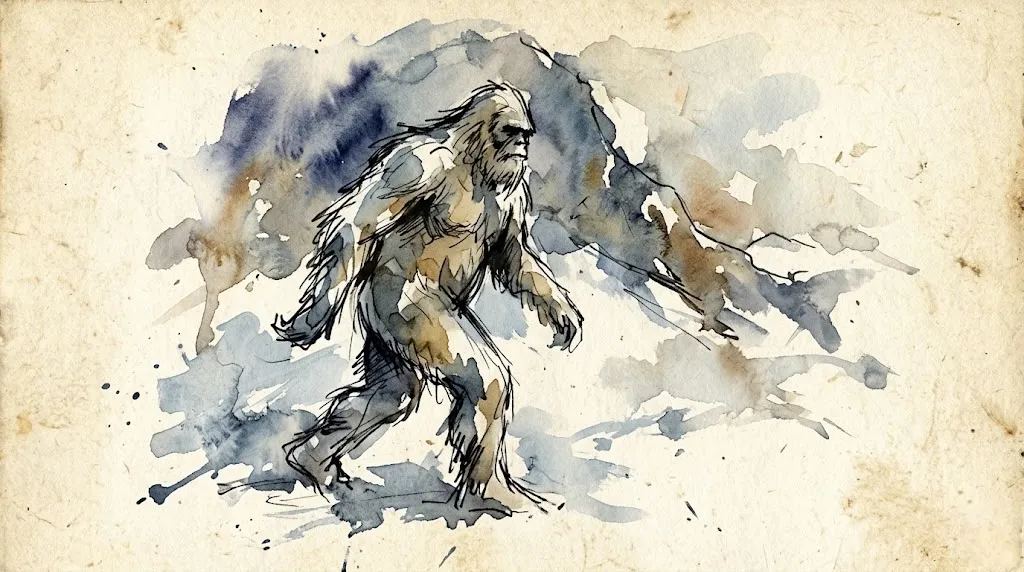
Yeti
The ape-man of the Himalayas, tracked through snow but never confirmed.
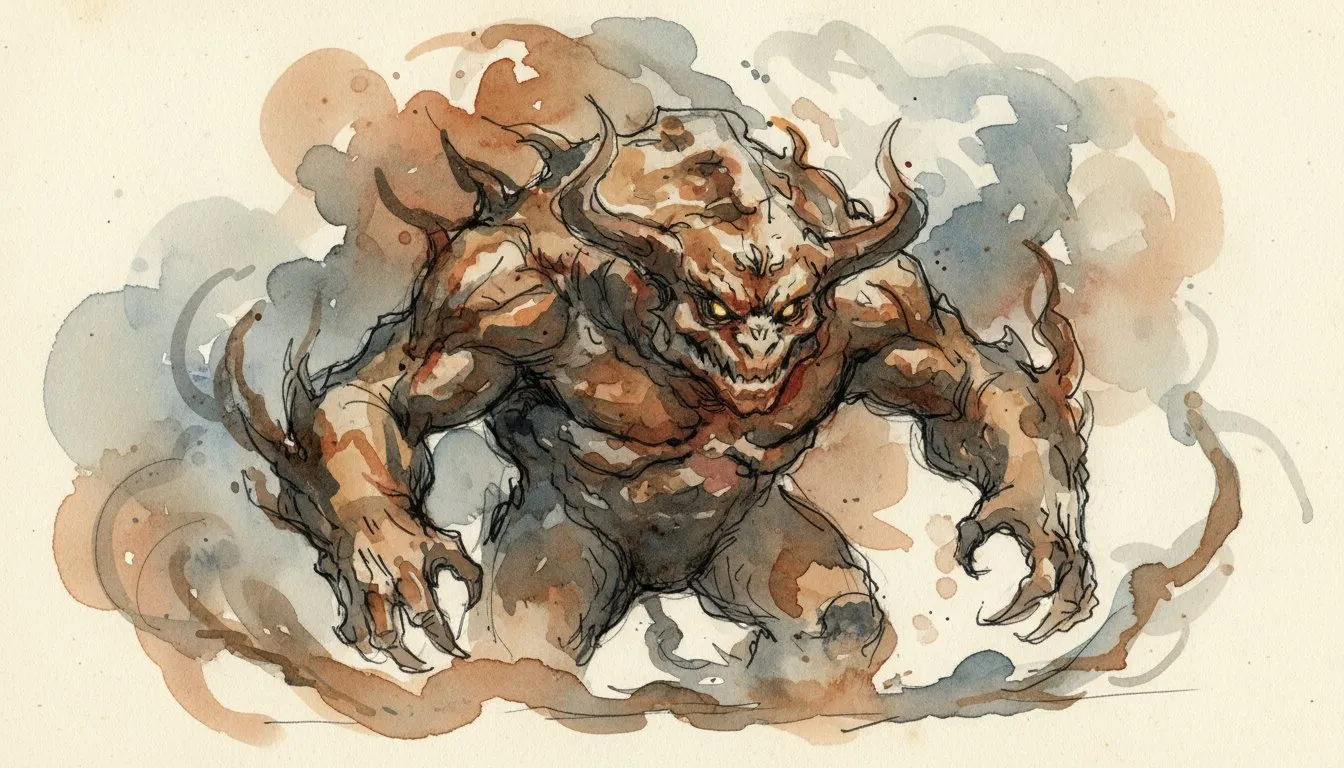
Cherufe
Inside Chilean volcanoes lives a molten humanoid that demands human sacrifice to stay dormant.
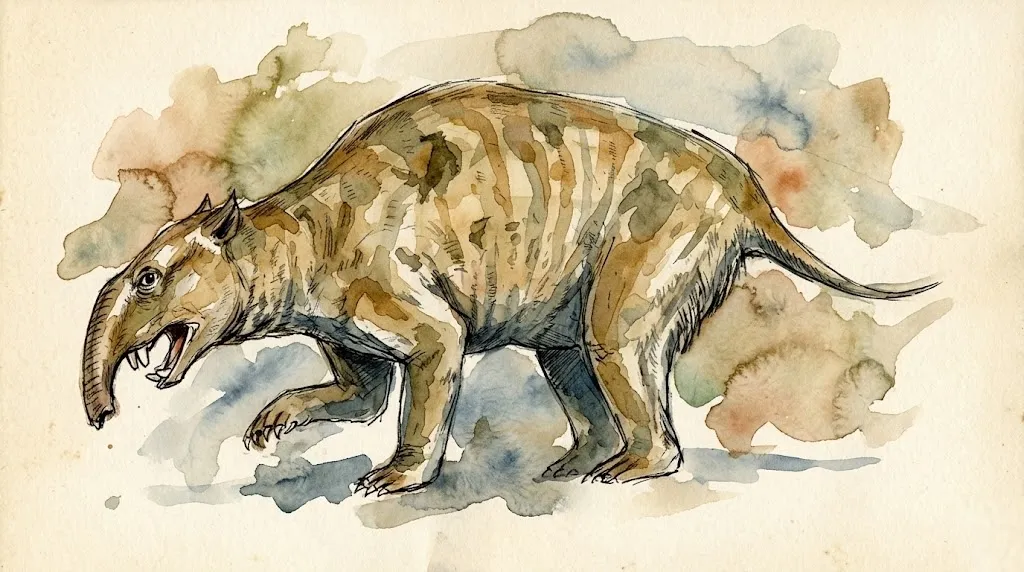
Gazeka
An enormous, tapir-like beast reported by a colonial officer in the unexplored highlands of Papua New Guinea.
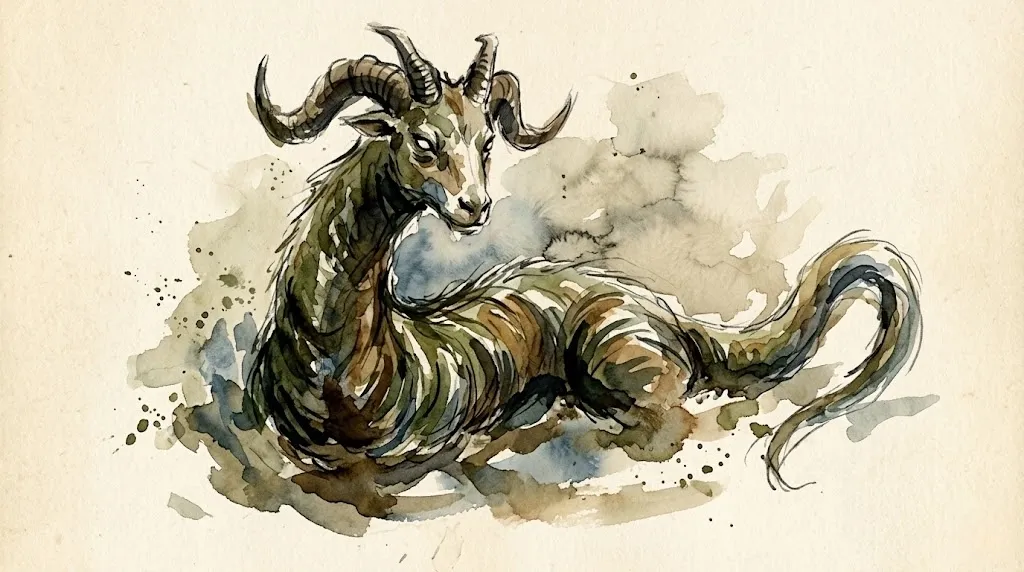
Huallepen
A cow-headed amphibian haunts Chilean marshes, and seeing one means birth defects for the unborn.
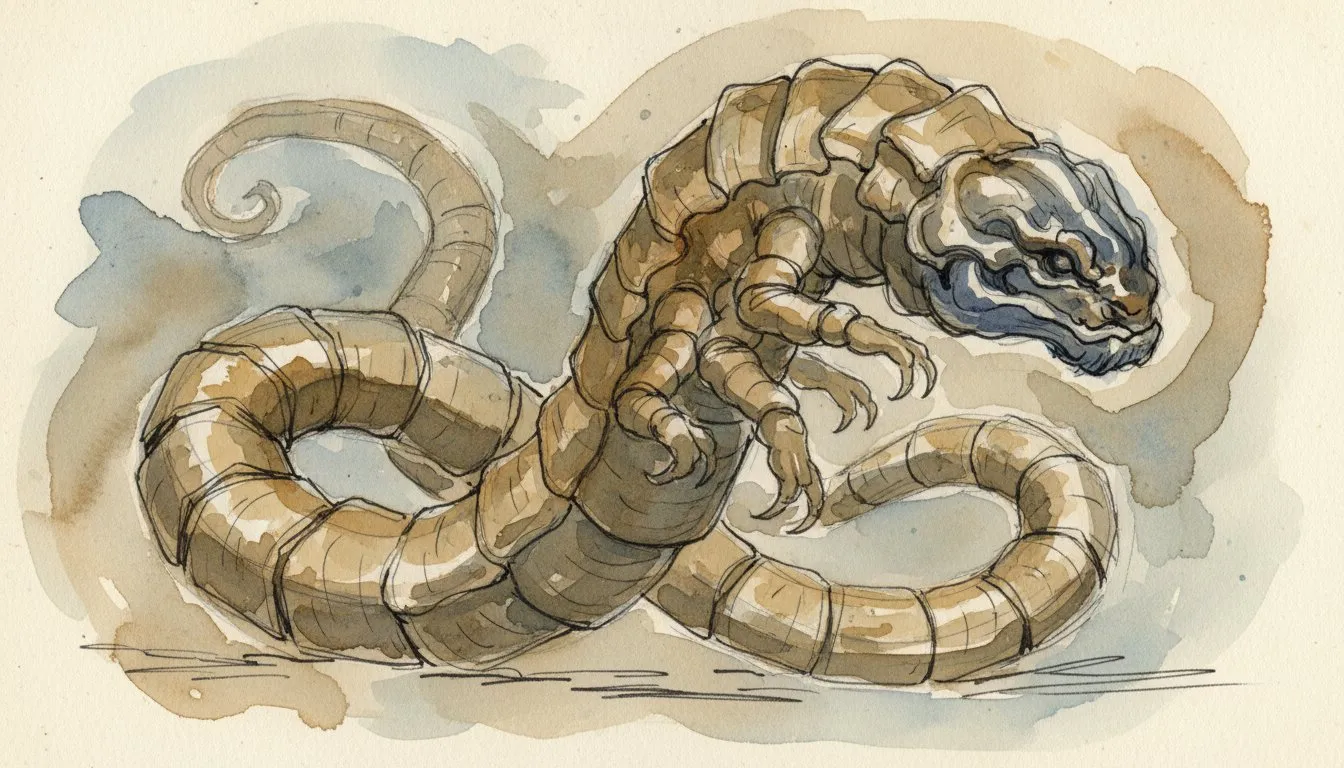
Minhocao
Entire sections of Brazilian forest have collapsed into tunnels dug by something impossibly large.
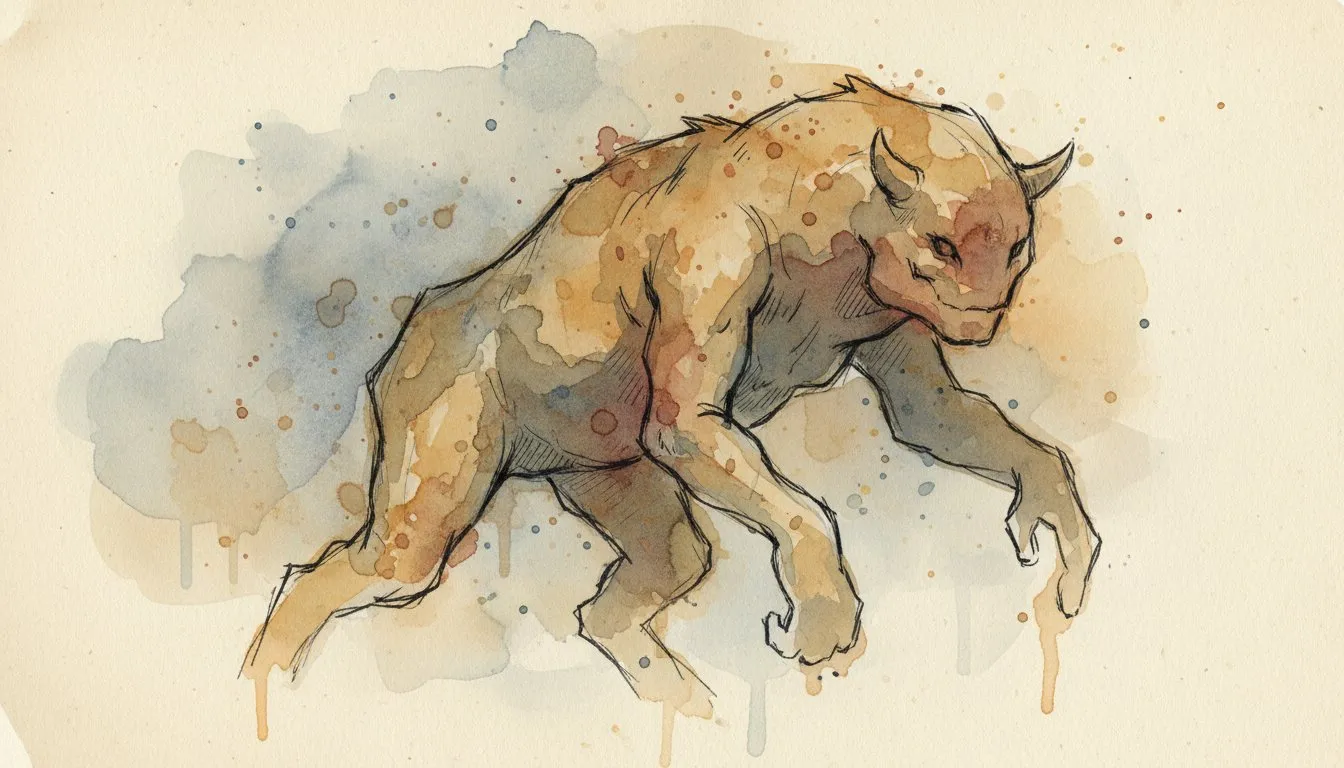
Momo the Monster
A blood-stained, three-toed giant that terrorized a small Missouri town in the summer of 1972.
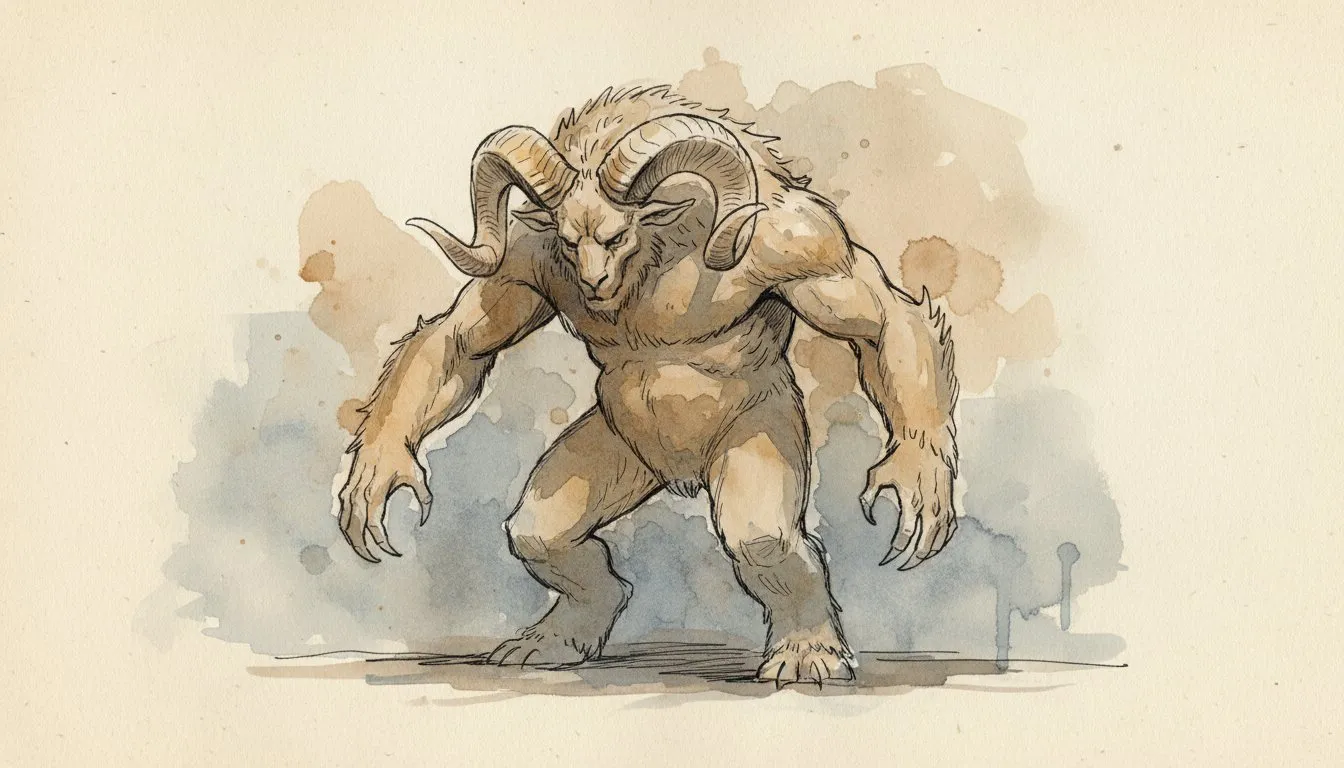
Sheepsquatch
A woolly, horned quadruped lurking in the hills of West Virginia since the 1990s.