
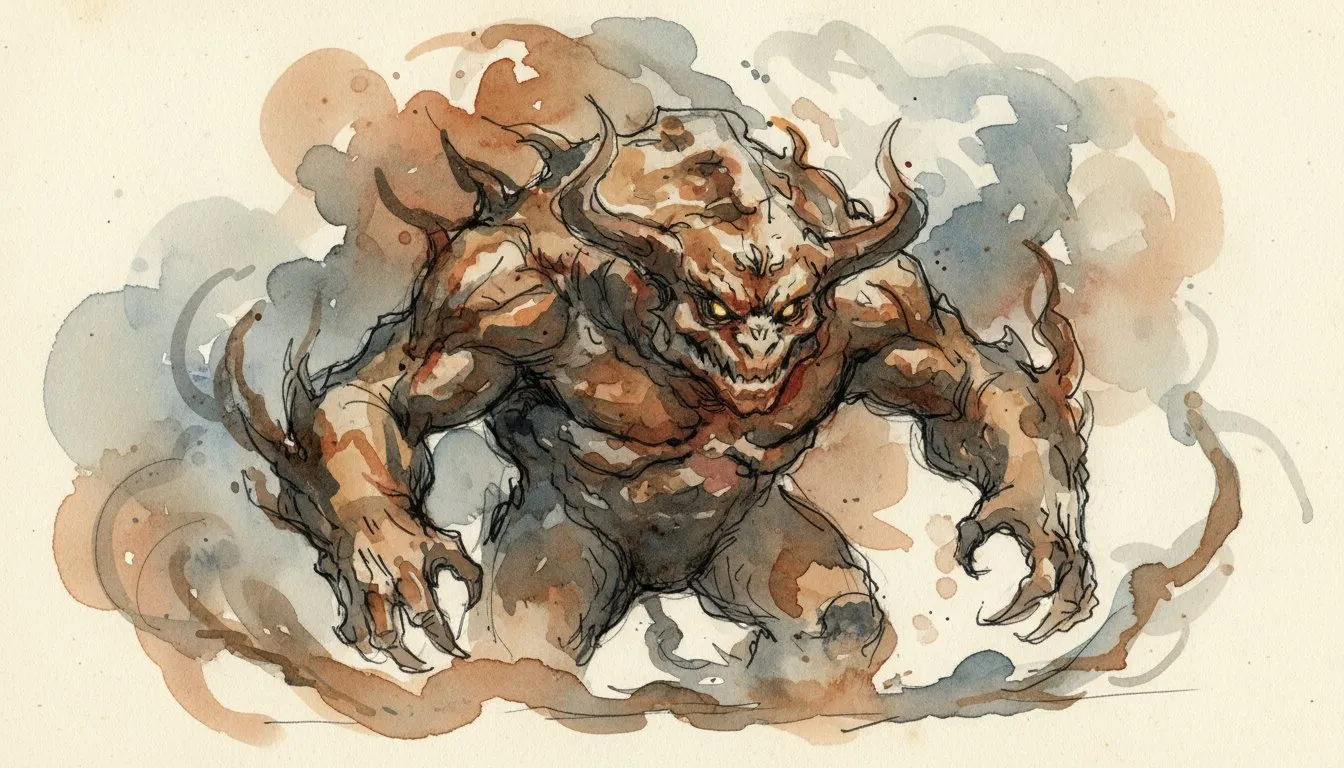
Cherufe
Also known as: Cherufe Dragon
Inside Chilean volcanoes lives a molten humanoid that demands human sacrifice to stay dormant.
Pre-colonial Mapuche tradition
Chilean Andes volcanoes
12-20 feet tall
Destructive and wrathful
Folklore
The Lore
The Cherufe is a massive creature from Mapuche mythology said to inhabit the magma pools inside active volcanoes in Chile. Described as a vaguely humanoid being made of living rock and lava, it was blamed for volcanic eruptions and earthquakes. According to tradition, only the sacrifice of a young woman could calm a Cherufe. Some researchers link the legend to the Mapuche attempt to explain Chile's extreme volcanic activity.
In the mythology of the Mapuche people of Chile and Argentina, the Cherufe is a being of volcanic fire, a monstrous entity said to dwell within the molten rock at the heart of active volcanoes. The creature is described as a giant composed of magma and stone, humanoid in some accounts and serpentine in others, with flesh as hard as rock and a body that radiates intense heat. The Mapuche understood volcanic eruptions not as geological events but as expressions of the Cherufe's hunger and rage.
According to traditional Mapuche belief, the Cherufe demanded human sacrifice to be appeased. Specifically, the legend holds that young women were thrown into volcanoes to satisfy the creature's appetite. When no sacrifice was forthcoming, the Cherufe's anger would manifest as lava flows, earthquakes, and the rain of burning rocks. The daughters of the sun god were said to battle the Cherufe by freezing the lava around it, trapping it temporarily, but the creature could never be permanently destroyed. It was as immortal as the volcano itself.
The volcanic landscape of the Lake District in southern Chile, with its numerous active and semi-active volcanoes including Villarrica and Calbuco, provided a dramatic backdrop for the Cherufe tradition. Villarrica in particular, one of South America's most consistently active volcanoes, has been erupting cyclically for centuries. To communities living in its shadow without scientific understanding of plate tectonics or volcanology, the Cherufe served as a comprehensible explanation for events that were otherwise terrifying and inexplicable.
Modern cryptozoologists and folklore researchers have noted that the Cherufe is unusual among South American cryptids in that it is explicitly a geological entity rather than a biological one. It occupies the boundary between monster and natural force. Some scholars have compared it to similar fire-dwelling entities in other volcanic cultures, including Hawaiian traditions of Pele and the fire demons of Aztec cosmology, suggesting that volcanic cultures around the world independently developed similar mythological frameworks to explain eruptions. The Cherufe has enjoyed a resurgence of interest in popular culture, appearing in video games and fantasy media, though these modern depictions rarely capture the specific cultural context and theological weight the creature carries in traditional Mapuche belief.
Media Appearances
- The Secret Saturdays (TV)
Further Reading
No book is devoted to this creature. These are the general references that cover the field, plus a direct search if you want to dig further.
- Cryptozoology A to Z by Loren Coleman and Jerome Clark (1999)
The standard one-volume encyclopedia, roughly two hundred entries covering creatures, investigators, and hoaxes.
- Mysterious Creatures: A Guide to Cryptozoology by George M. Eberhart (2002)
The larger reference guide, stronger on sourcing and on creatures that never reached the popular books.
Search Amazon for Cherufe books
As an Amazon Associate, Cryptid Vault earns from qualifying purchases. Links open Amazon in a new tab.
Get the Field Notes.
Field notes from the Vault, when there is something worth sending. No spam.
No spam. Unsubscribe anytime.
You might also like
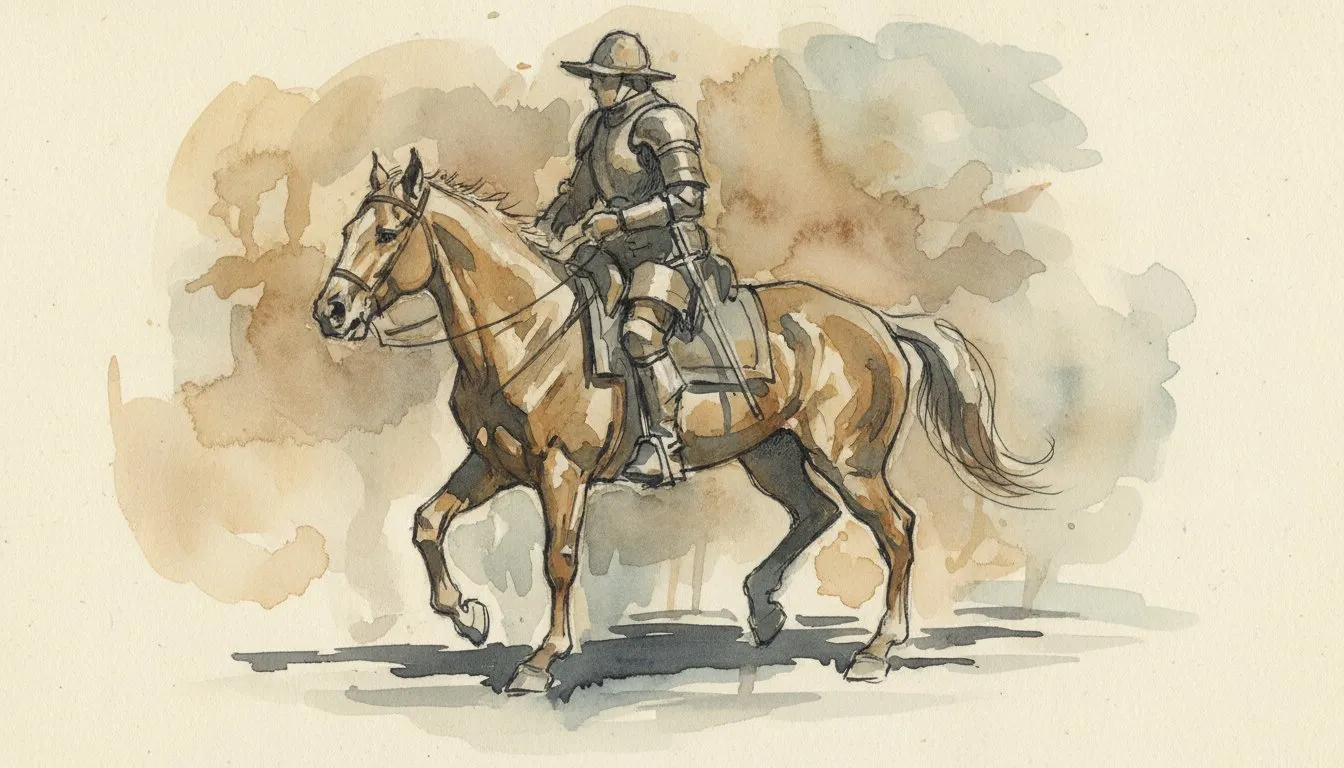
Cuero
It lies flat on the water like a discarded cowhide, until something steps on it.
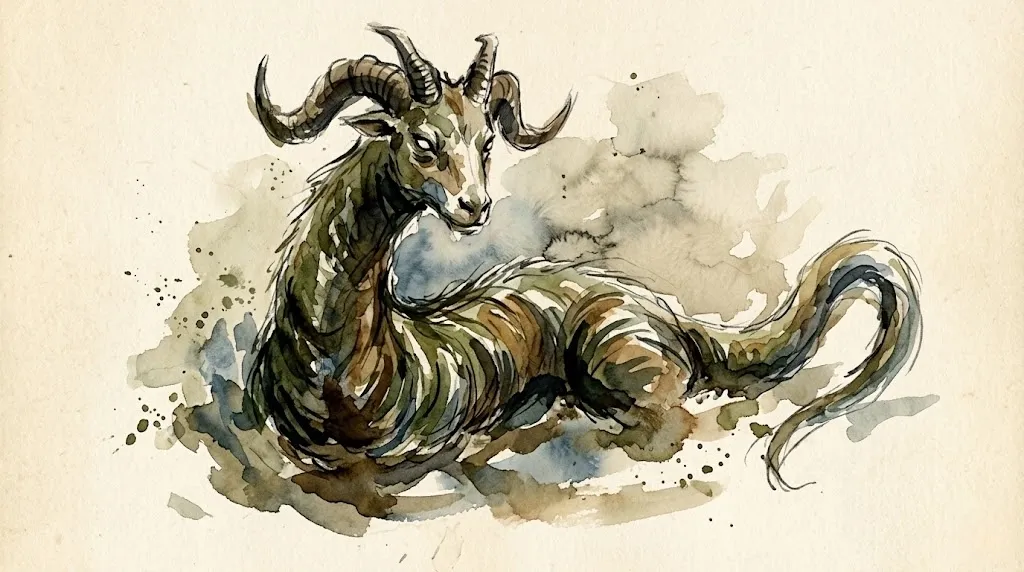
Huallepen
A cow-headed amphibian haunts Chilean marshes, and seeing one means birth defects for the unborn.
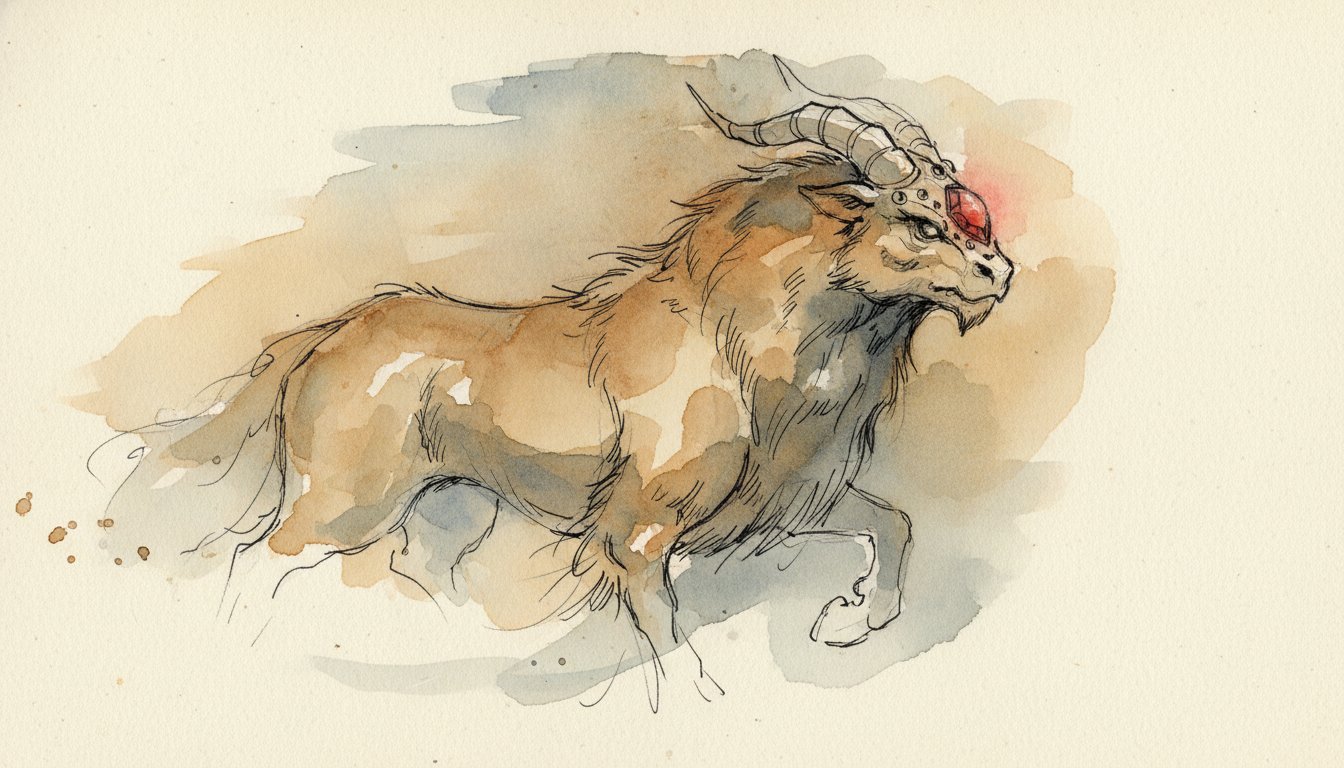
Carbunclo
A small, armored creature with a glowing gemstone embedded in its head, spotted in the Andes at twilight.
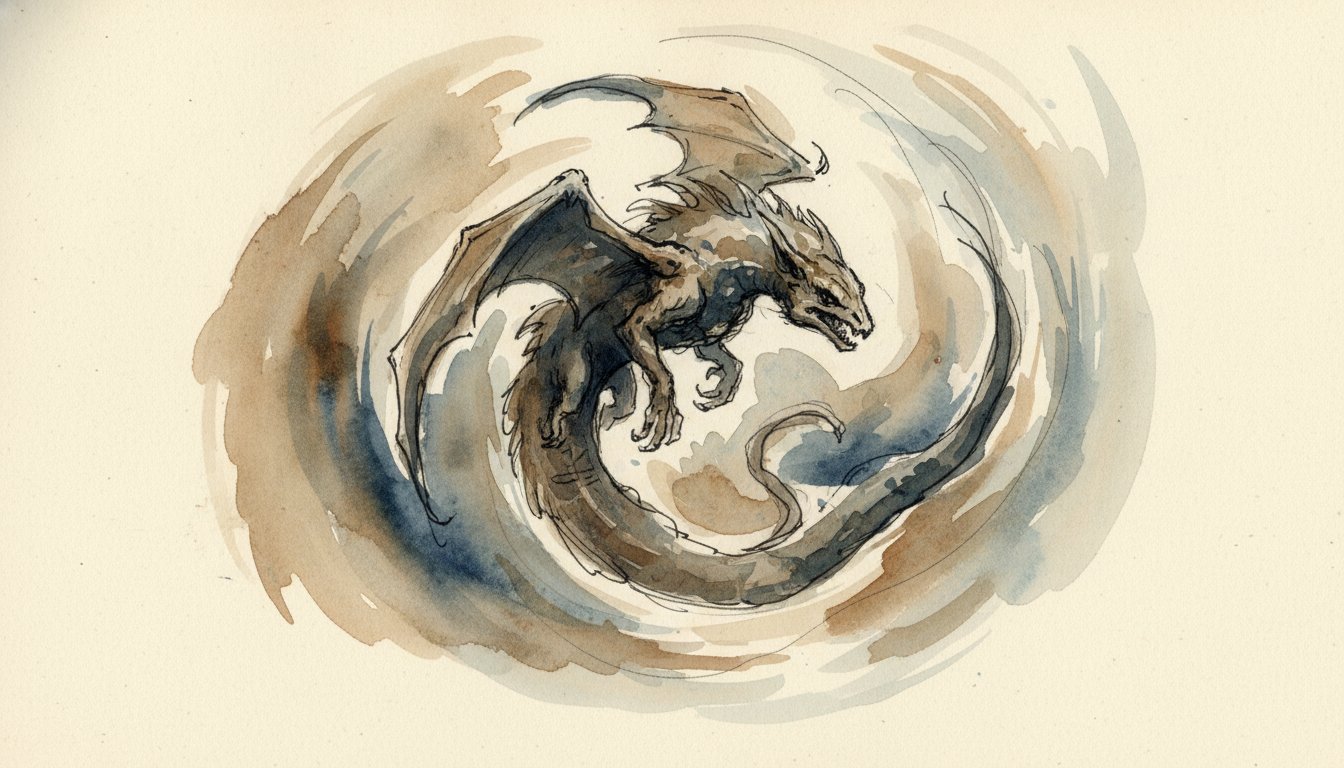
Peuchen
A shapeshifting flying serpent from Chilean forests that drains the blood of livestock from the air.
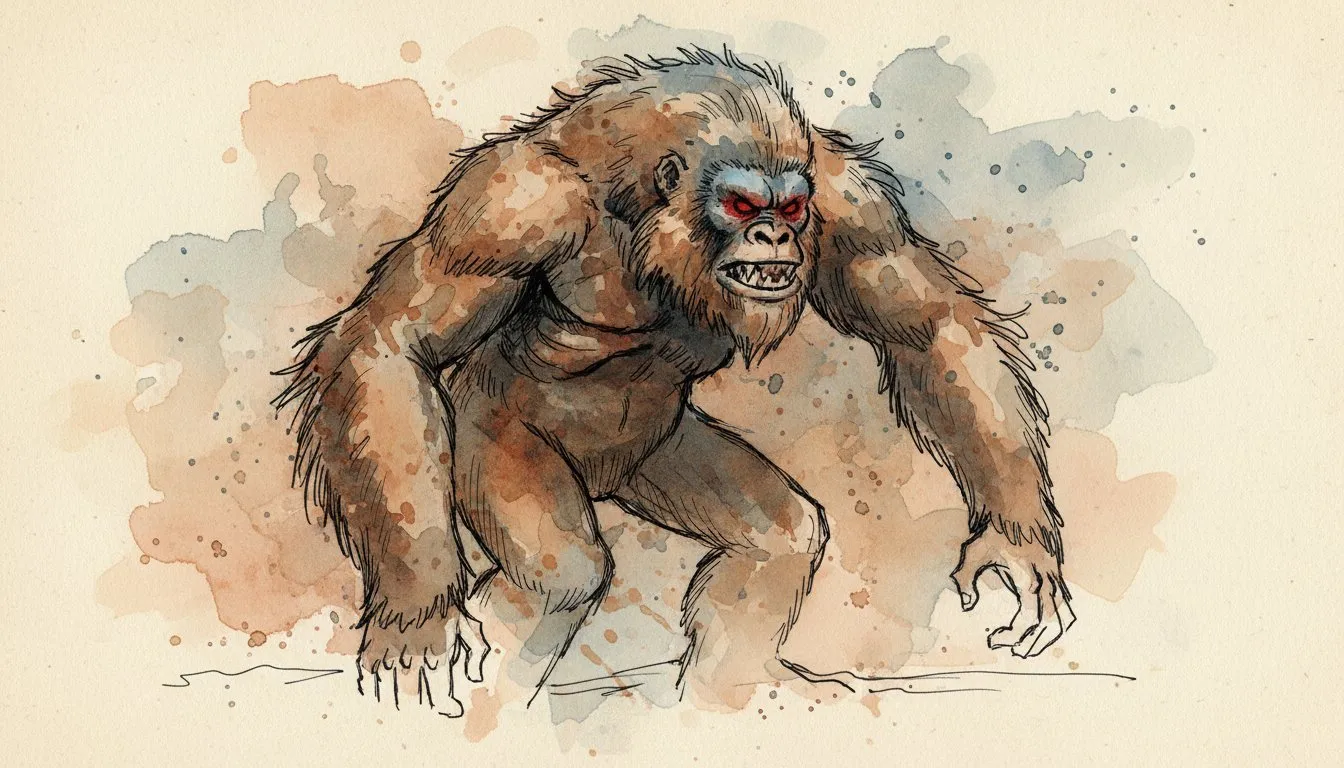
El Sisimite
In the forests of Honduras, a backward-footed ape-man kidnaps anyone who makes eye contact.
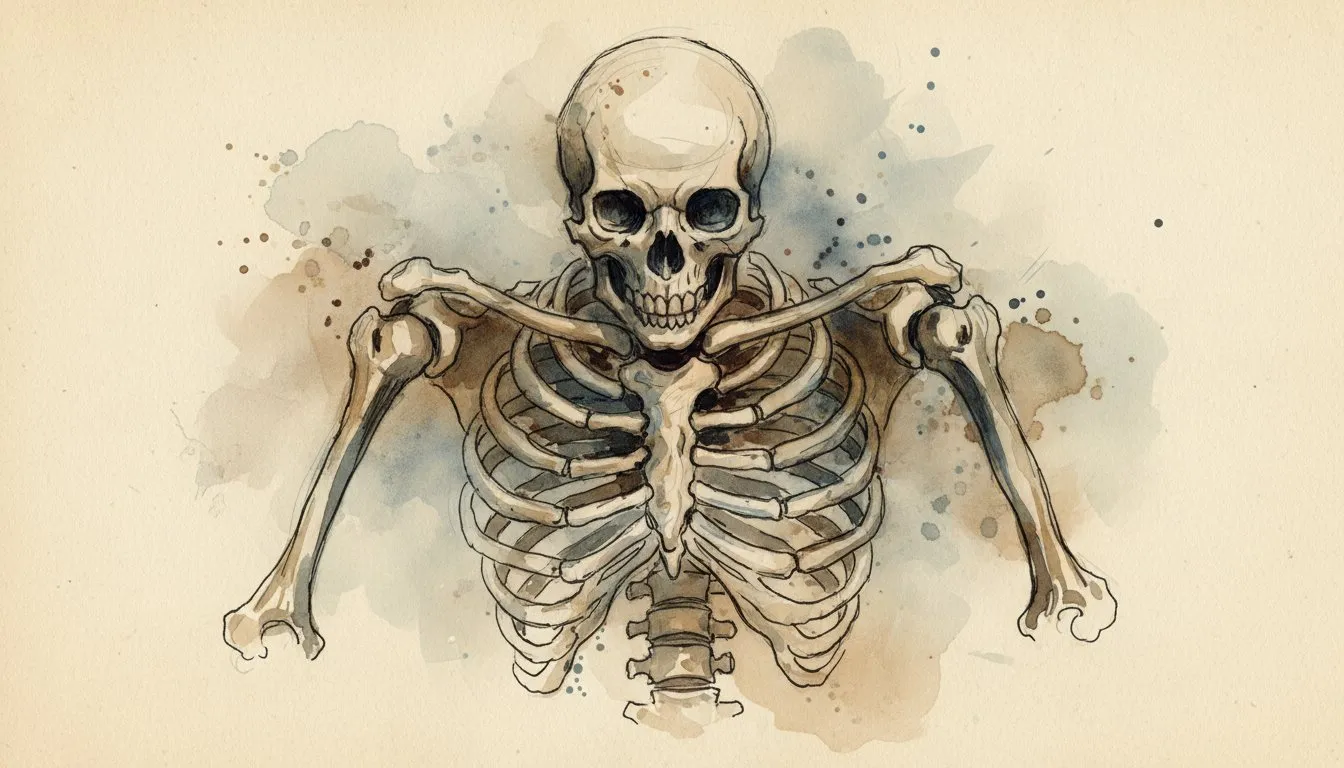
Gashadokuro
A towering skeleton formed from the bones of the unburied dead, rattling through the night to bite off heads.
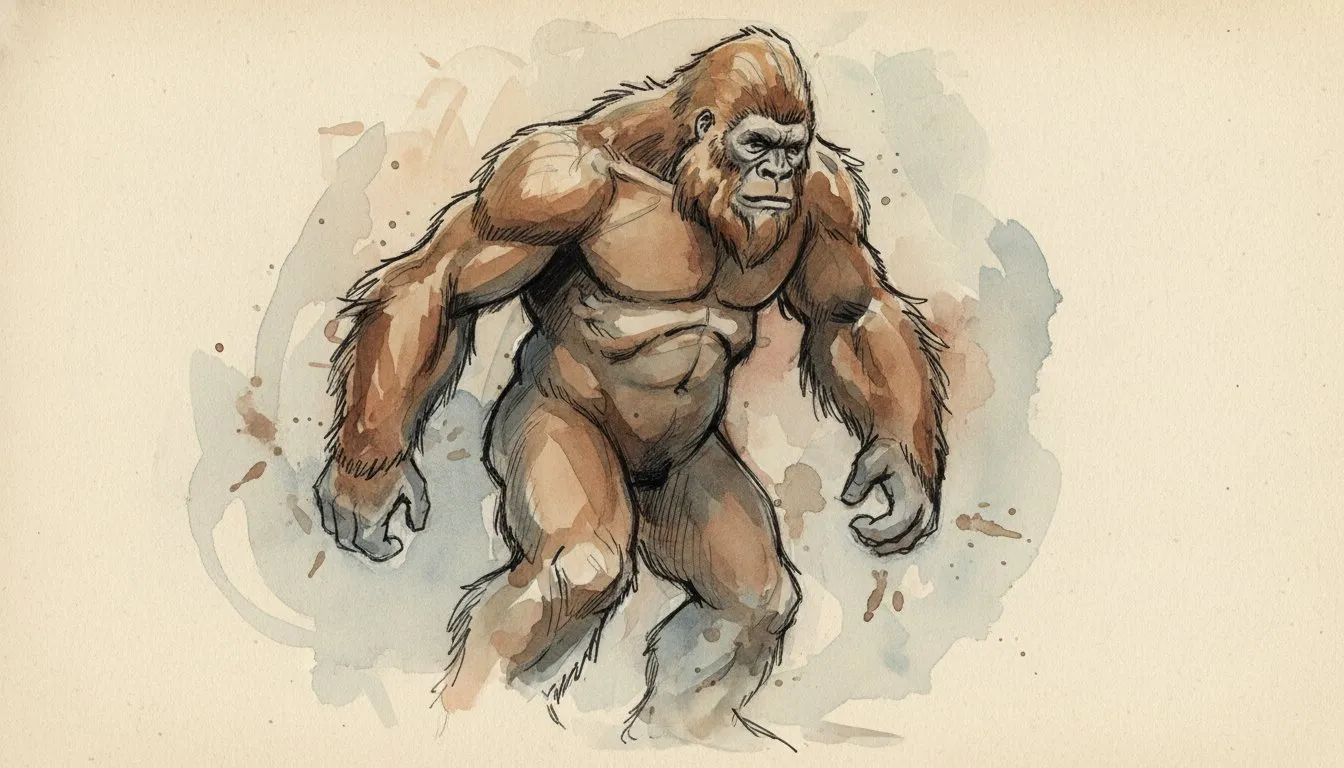
Bigfoot
The towering ape-man of the Pacific Northwest, glimpsed in fog and legend for centuries.
Caipora
Brazilian hunters know this forest spirit punishes anyone who takes more than they need.