
Caipora
Also known as: Kaapora, Caapora
Brazilian hunters know this forest spirit punishes anyone who takes more than they need.
Pre-colonial Tupi oral tradition
Brazilian rainforest
3-4 feet tall
Protective of wildlife, punitive toward overhunters
Folklore
The Lore
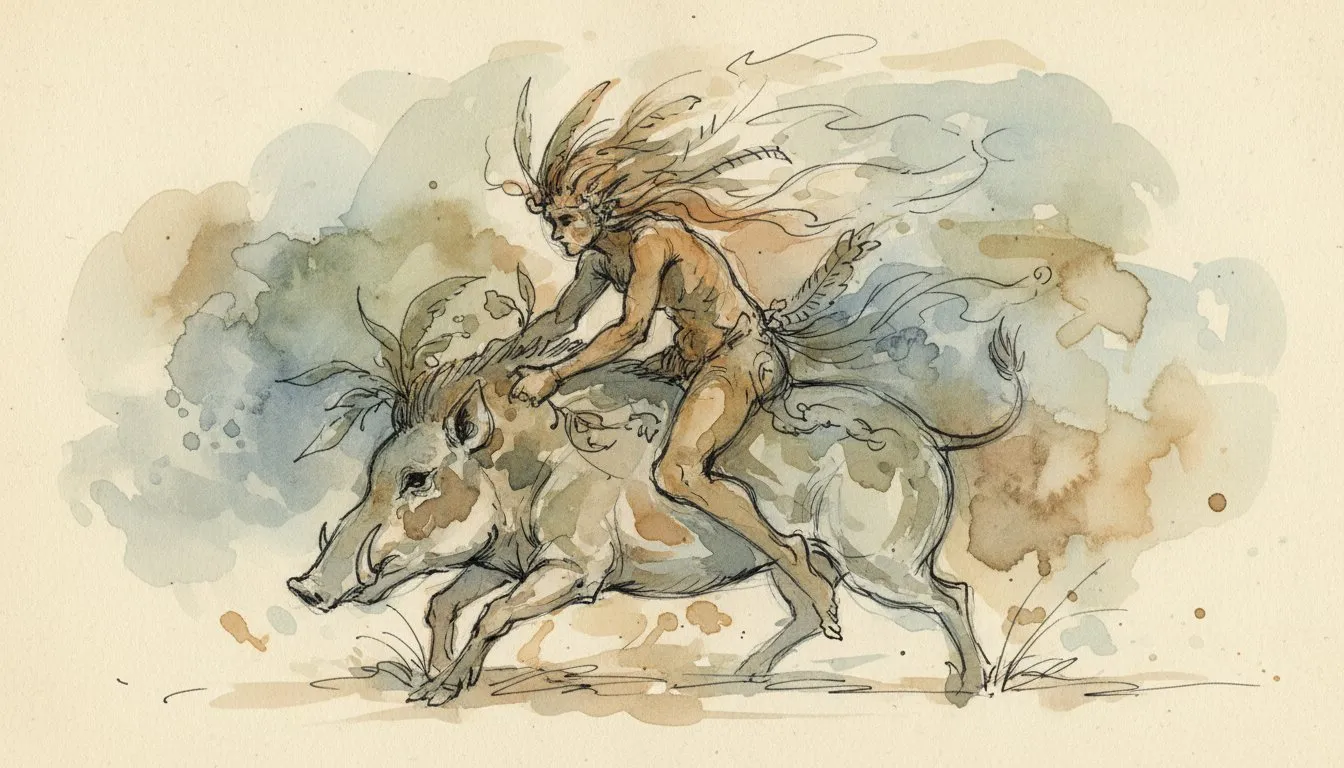
The Caipora is a forest-dwelling entity from Tupi-Guarani mythology in Brazil. Described as a small, hairy, red-haired humanoid that rides wild pigs, it protects the animals and plants of the forest. Hunters who kill more than necessary are said to be driven mad or hopelessly lost by the Caipora. The creature is still invoked in rural Brazilian communities as a warning against ecological greed.
In the Atlantic Forest and cerrado of Brazil, before the Europeanization of the continent's folklore imposed new supernatural frameworks on the land, the Caipora walked as one of the oldest guardians of the wild. This figure from Tupi and Guarani tradition is not simply a monster - it is something more complex and morally serious: a protector of the forest and its animals, a punisher of those who hunt wastefully or without respect, and a trickster capable of leading the greedy and arrogant hopelessly astray in the wilderness. The Caipora's form varies across traditions, from a small, dark-skinned child riding a peccary and smoking a cigar, to a taller humanoid figure covered in hair, moving through the trees with uncanny silence.
The name Caipora derives from Tupi words meaning approximately "dweller of the forest" or "he who lives in the bush," and the entity's fundamental role is territorial and protective. Hunters who enter the forest with respect - who do not kill more than they need, who observe the traditional taboos around hunting during mating seasons, who acknowledge the spiritual ownership of the forest - are said to be ignored or even aided by the Caipora. Those who hunt wastefully, who disrespect animal carcasses, or who attempt to penetrate certain sacred groves will find the forest turning against them. Trails become circular. Dogs go mad. The sound of the Caipora's distant call warns experienced woodsmen to abandon their hunt for the day.
The Caipora is closely related to and sometimes confused with the Curupira, another forest guardian of similar function in Brazilian indigenous tradition. The Curupira is typically identified by its backward-turned feet - leaving deceptive tracks - while the Caipora is more often described as physically distinctive in its association with the collared peccary, its tobacco use, and its particular authority over all hunting activity rather than forest protection in general. Regional traditions in the Northeast and Southeast of Brazil sometimes merge the two figures, while others maintain strict distinctions.
Indigenous communities throughout the Brazilian interior continue to invoke the Caipora as a genuine presence in forest practice. The legend has also entered Brazilian literary and artistic culture, appearing in poetry, painting, and fiction as a symbol of the moral claims the natural world makes on those who enter it. In this sense, the Caipora is not merely a cryptid - it is an ecological ethic given mythological form.
Media Appearances
- Brazilian folklore collections
Further Reading
No book is devoted to this creature. These are the general references that cover the field, plus a direct search if you want to dig further.
- Cryptozoology A to Z by Loren Coleman and Jerome Clark (1999)
The standard one-volume encyclopedia, roughly two hundred entries covering creatures, investigators, and hoaxes.
- Mysterious Creatures: A Guide to Cryptozoology by George M. Eberhart (2002)
The larger reference guide, stronger on sourcing and on creatures that never reached the popular books.
Search Amazon for Caipora books
As an Amazon Associate, Cryptid Vault earns from qualifying purchases. Links open Amazon in a new tab.
Get the Field Notes.
Field notes from the Vault, when there is something worth sending. No spam.
No spam. Unsubscribe anytime.
You might also like

Boto
The Amazon's pink river dolphin comes ashore at night disguised as a handsome stranger.
El Cadejo
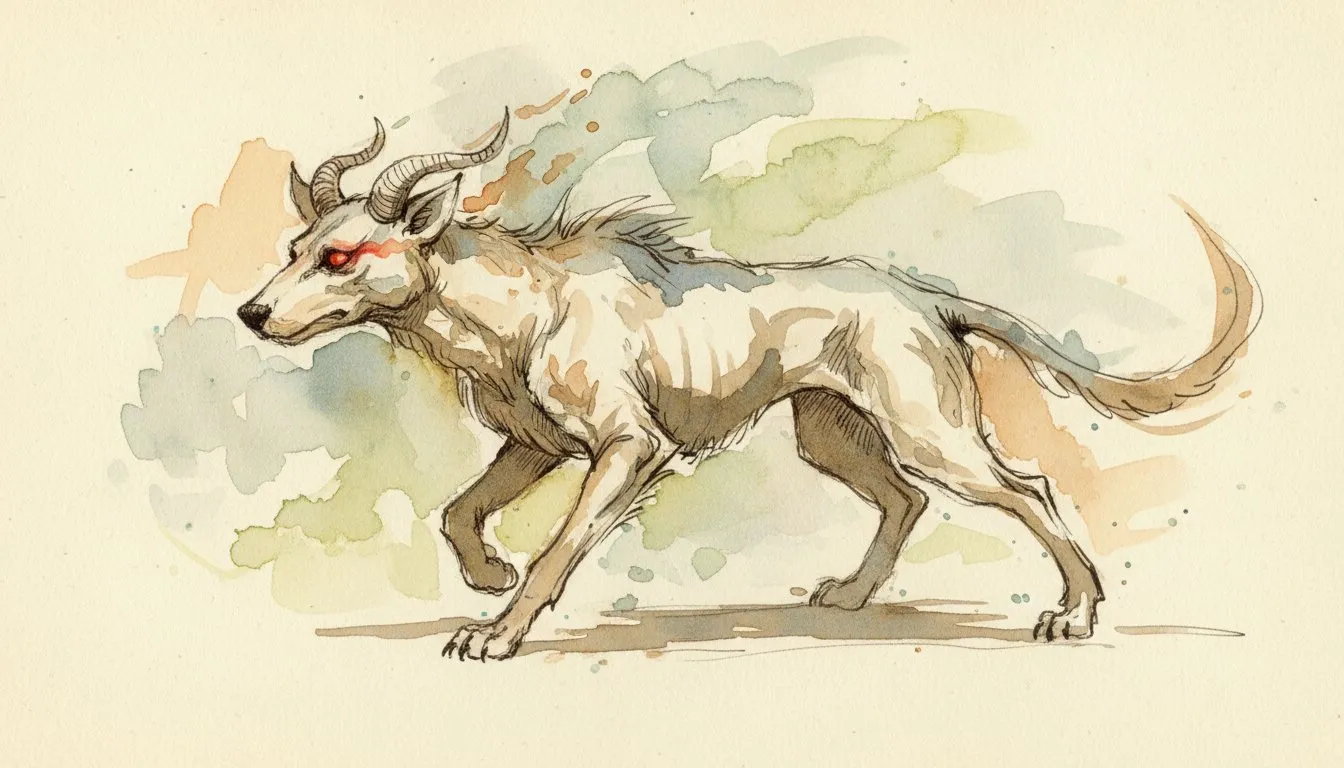
In Central America, a glowing-eyed dog follows you home at night, but its color decides your fate.
Cuero
It lies flat on the water like a discarded cowhide, until something steps on it.
Curupira
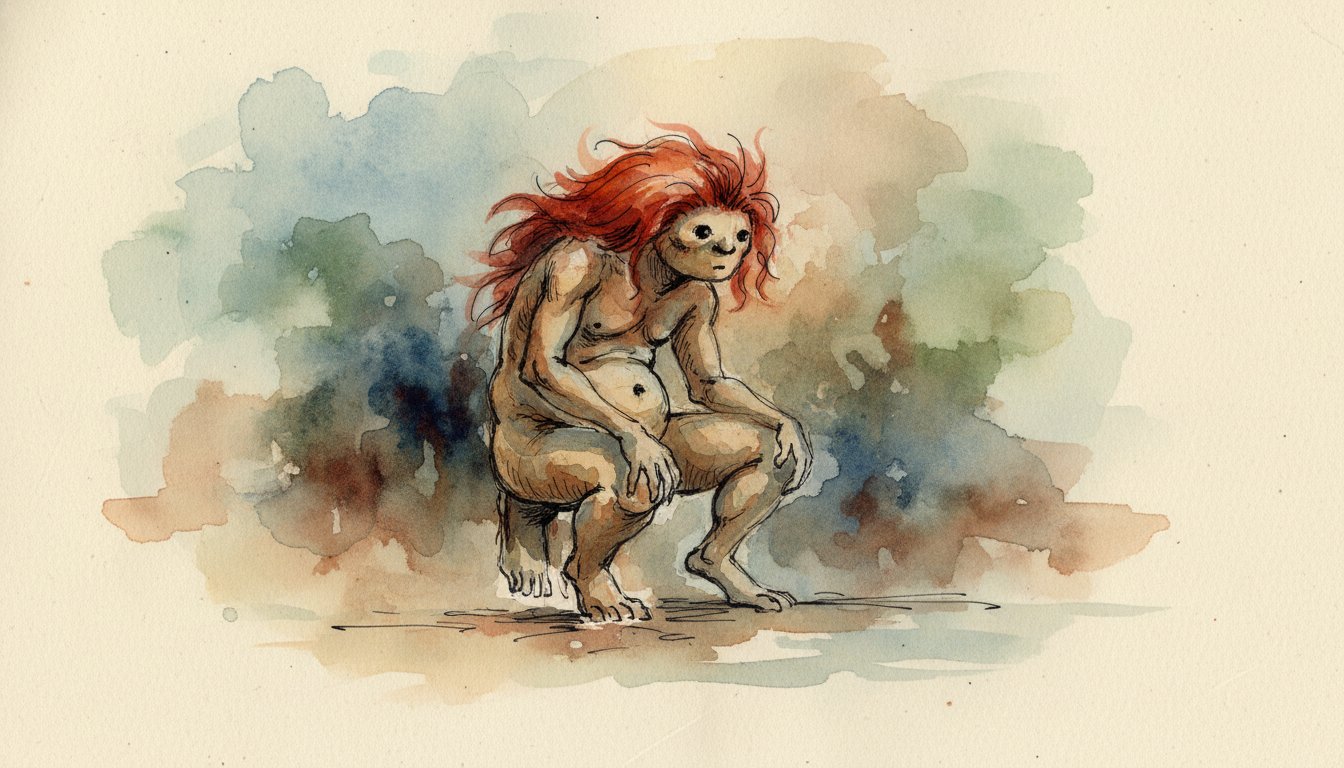
A flame-haired forest guardian with backward feet, who drives hunters insane by making them walk in circles.
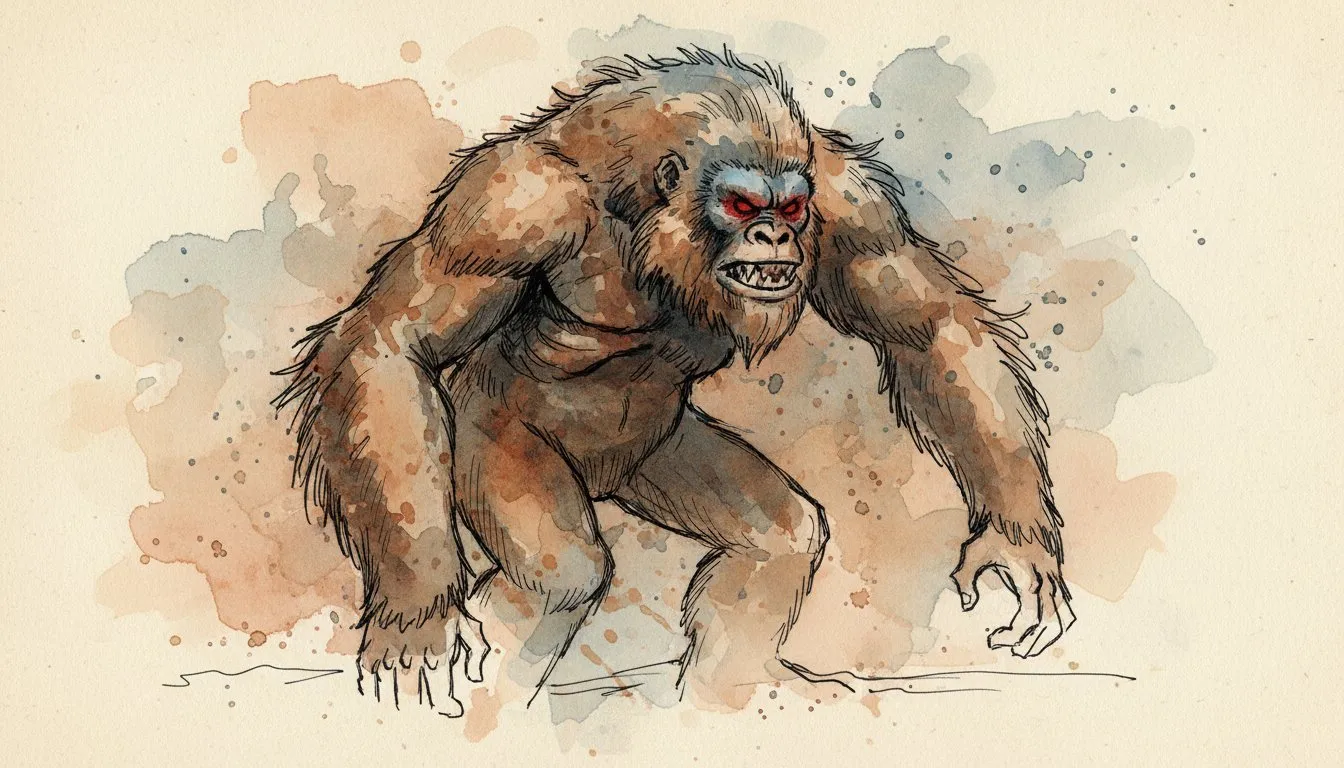
El Sisimite
In the forests of Honduras, a backward-footed ape-man kidnaps anyone who makes eye contact.
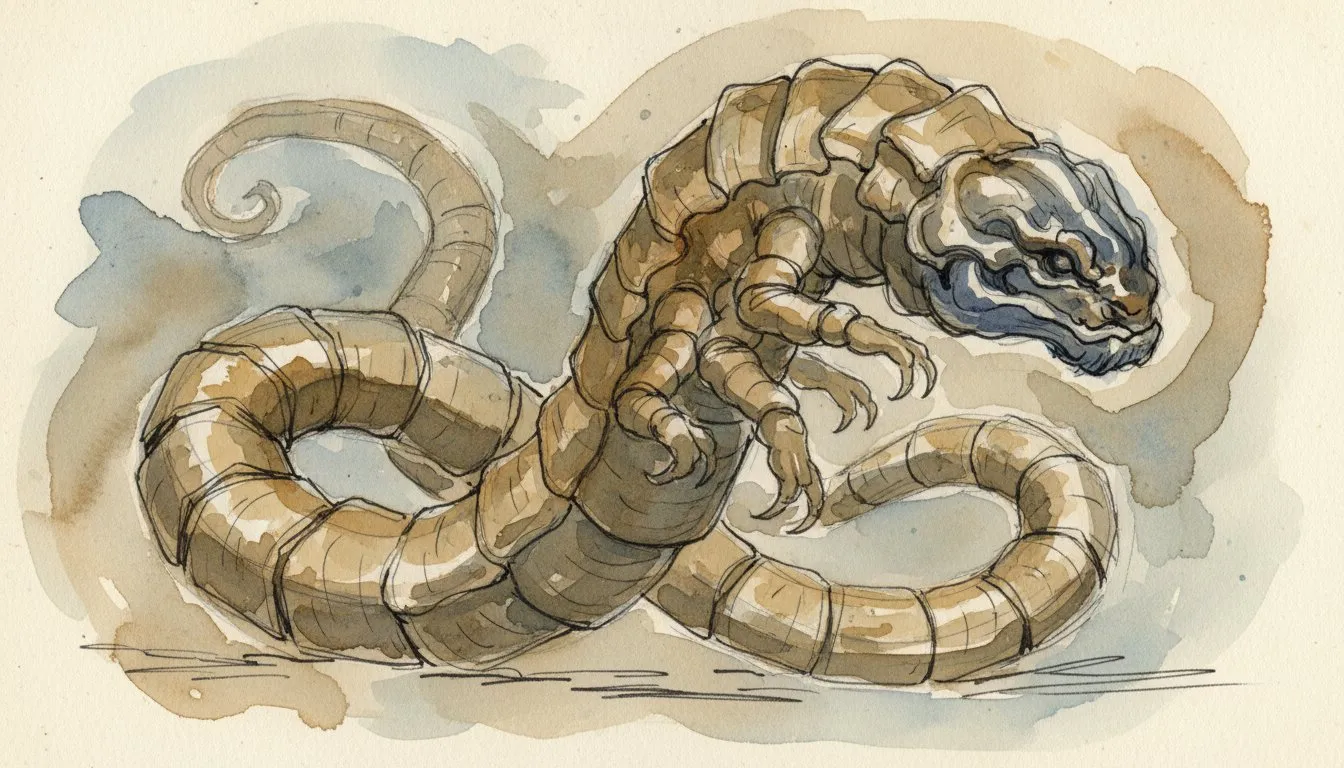
Minhocao
Entire sections of Brazilian forest have collapsed into tunnels dug by something impossibly large.
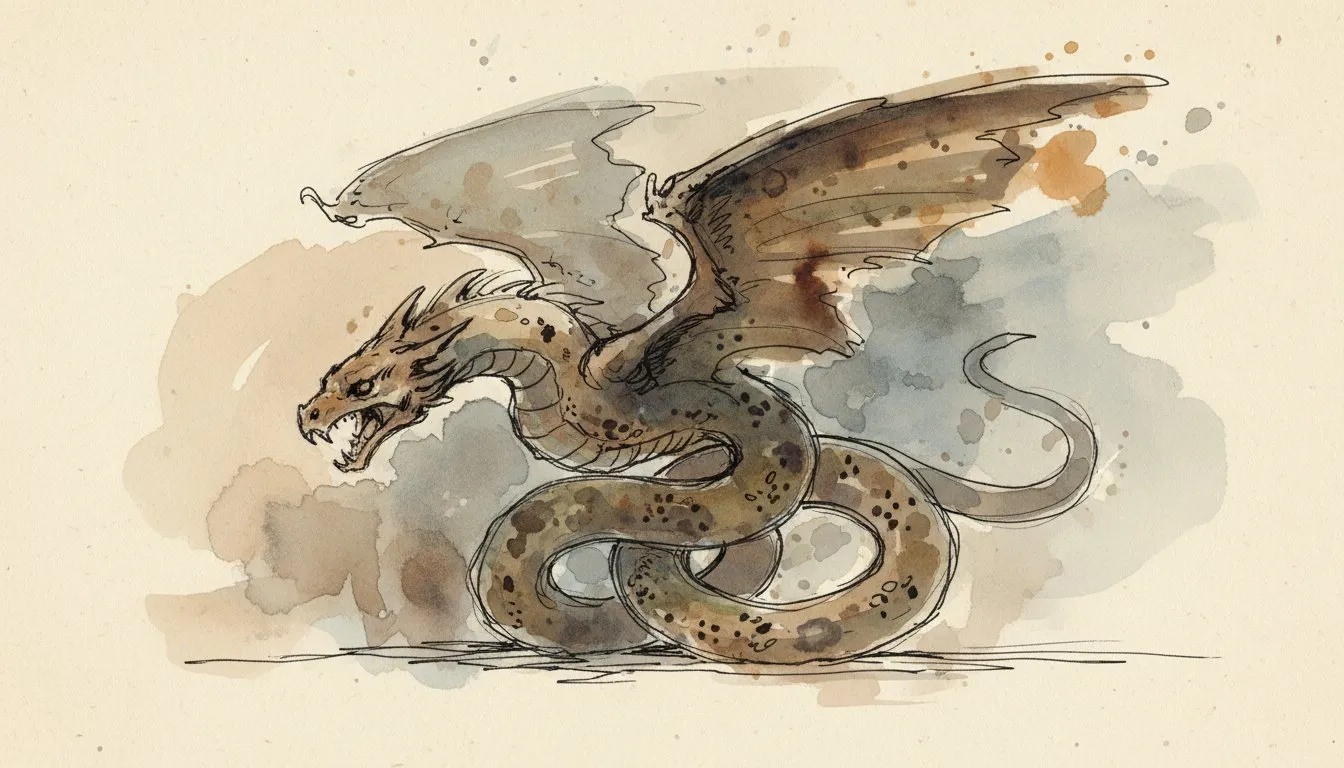
Ajatar
A Finnish forest spirit that spreads disease and madness to anyone who catches a glimpse of her moving through the trees.
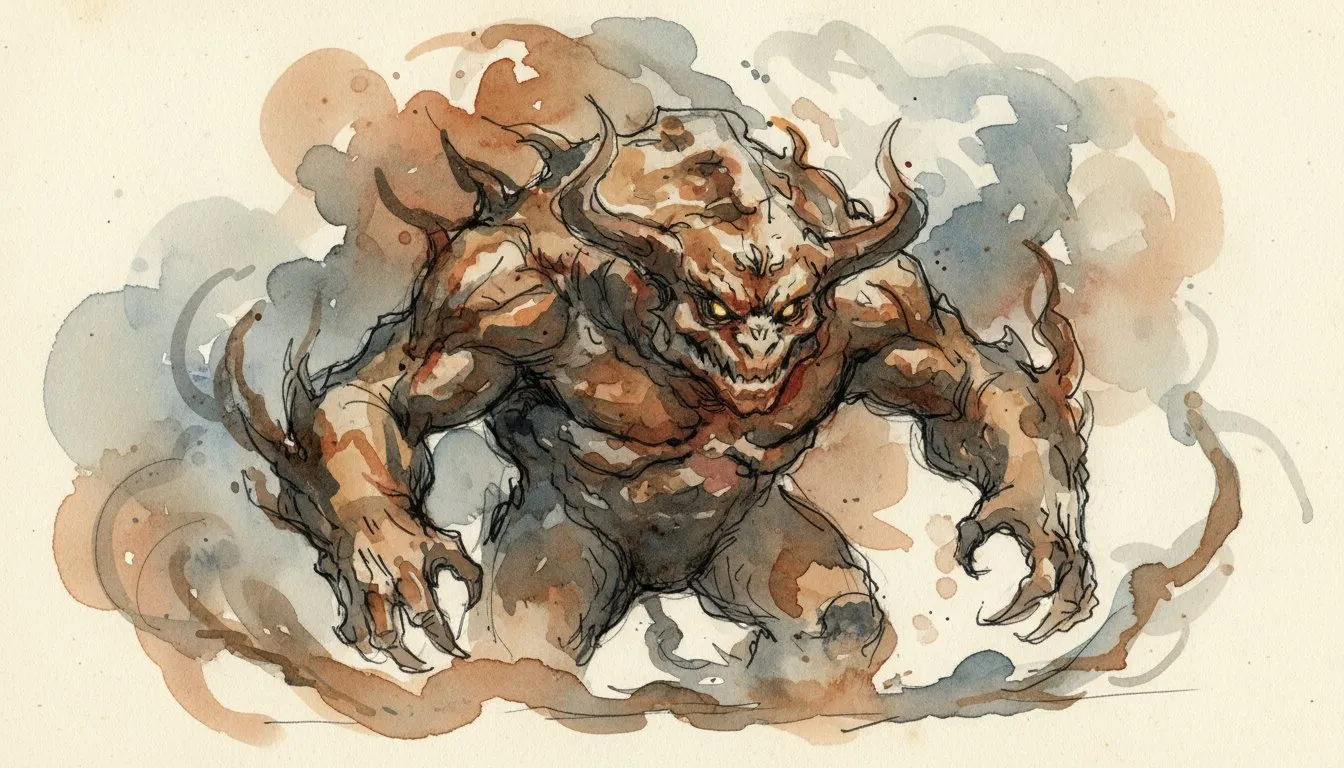
Cherufe
Inside Chilean volcanoes lives a molten humanoid that demands human sacrifice to stay dormant.