
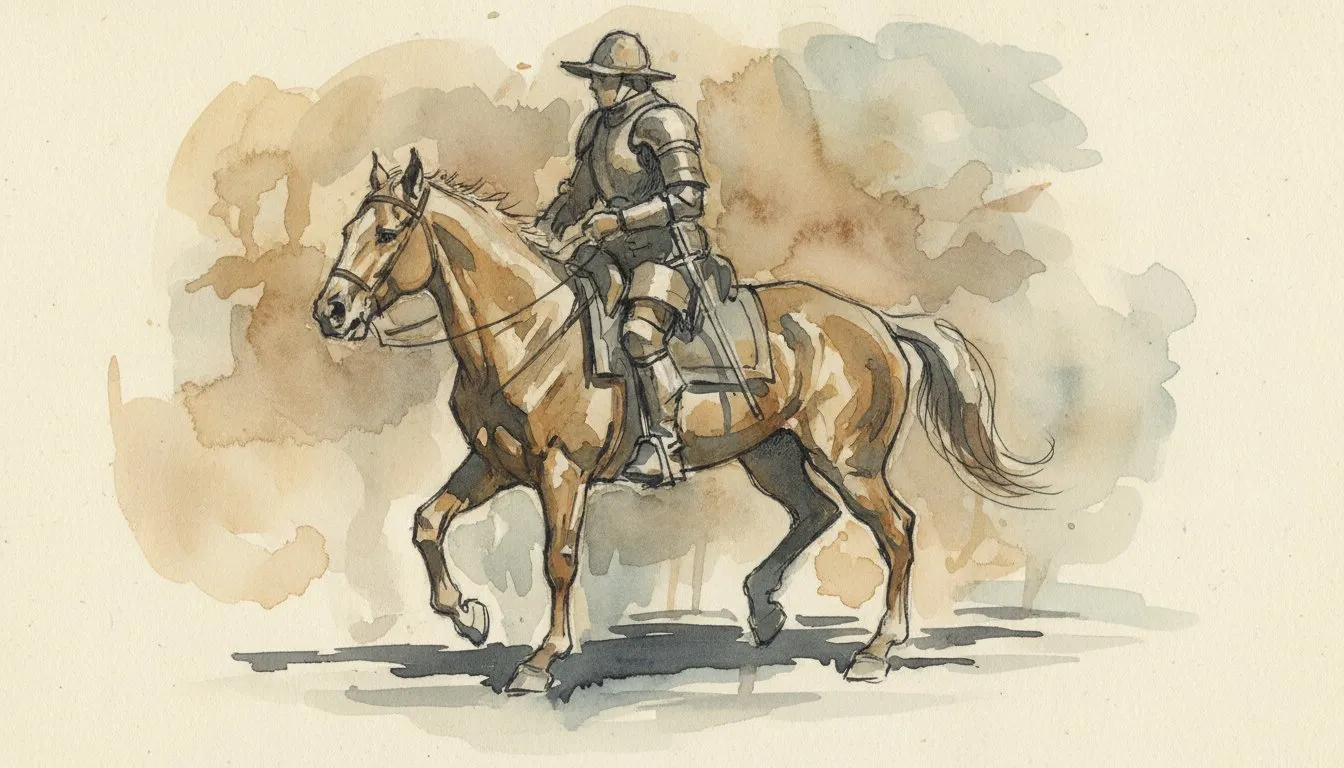
Cuero
Also known as: El Cuero, Hide, Hueke-Hueke
It lies flat on the water like a discarded cowhide, until something steps on it.
Pre-colonial Mapuche tradition
Patagonian lakes, Chile and Argentina
6-12 feet across
Ambush predator
Unverified
The Lore
El Cuero is a predatory creature from Chilean and Argentine Patagonia that resembles a flattened cowhide floating on the surface of lakes. When an animal or person wades in, the creature wraps around its prey and drags it under. Mapuche traditions describe it with clawed edges and eyes on stalks. It has been reported in multiple Patagonian lakes, most notably Lago Lacar.
In the cold Andean lakes of Patagonia and the river systems connecting them, the indigenous Mapuche people have maintained for centuries a profound wariness of the water. This wariness is embodied in the Cuero - a creature whose name means simply "cowhide" or "leather hide" - described as a large, flat, skin-like entity that floats on the surface of lakes, spreading itself wide and thin, and when an animal or person comes within reach, wrapping around its victim and pulling them beneath the surface to drown and consume them. The creature is reported from lakes in Argentina and Chile, with particular concentrations of accounts from the Lake Nahuel Huapi region and the Andean lacustrine belt.
Mapuche oral tradition is specific about the Cuero's behavior and appearance. The creature is described as roughly circular when spread flat, covered with eyes or claw-like projections around its edges that allow it to grip its prey, and capable of rapid movement when attacking. Some accounts describe it as resembling a giant ray or flatfish viewed from above, while others emphasize its mammalian quality - more like a stretched hide than a fish. The Cuero is said to be vulnerable to a particular thorny plant called the quinchamalí, whose branches, thrown onto the water's surface, cause the creature to retract and submerge, and which Mapuche travelers historically carried as a precaution when crossing Andean lakes.
Spanish colonial accounts from the seventeenth and eighteenth centuries documented the Cuero tradition among the Mapuche and neighboring peoples, noting the creature's feared status and the protective practices associated with crossing bodies of water. One particularly detailed account from a Jesuit missionary in the eighteenth century describes the creature as a genuine hazard to livestock crossing shallow lake margins. The consistency of the tradition across several centuries and the specificity of the protective plant remedy suggest a deep-rooted belief that predates the colonial period.
Cryptozoologists have proposed that the Cuero might represent a dramatically scaled-up version of a known animal - a giant freshwater stingray or skate is sometimes invoked, though no such animals are native to Andean lakes. Large populations of giant river otters once inhabited Patagonian waterways, and some researchers have suggested that a very large mustelid seen from above in murky water could produce a flattened, spreading silhouette. The cold, deep Andean lakes, some of which have not been fully surveyed, leave open at least a theoretical possibility of large, undescribed fauna.
Further Reading
No book is devoted to this creature. These are the general references that cover the field, plus a direct search if you want to dig further.
- Cryptozoology A to Z by Loren Coleman and Jerome Clark (1999)
The standard one-volume encyclopedia, roughly two hundred entries covering creatures, investigators, and hoaxes.
- Mysterious Creatures: A Guide to Cryptozoology by George M. Eberhart (2002)
The larger reference guide, stronger on sourcing and on creatures that never reached the popular books.
As an Amazon Associate, Cryptid Vault earns from qualifying purchases. Links open Amazon in a new tab.
Get the Field Notes.
Field notes from the Vault, when there is something worth sending. No spam.
No spam. Unsubscribe anytime.
You might also like
Nahuelito
Something enormous has been surfacing in an Argentine lake for over a century.
Huallepen
A cow-headed amphibian haunts Chilean marshes, and seeing one means birth defects for the unborn.
Cherufe
Inside Chilean volcanoes lives a molten humanoid that demands human sacrifice to stay dormant.
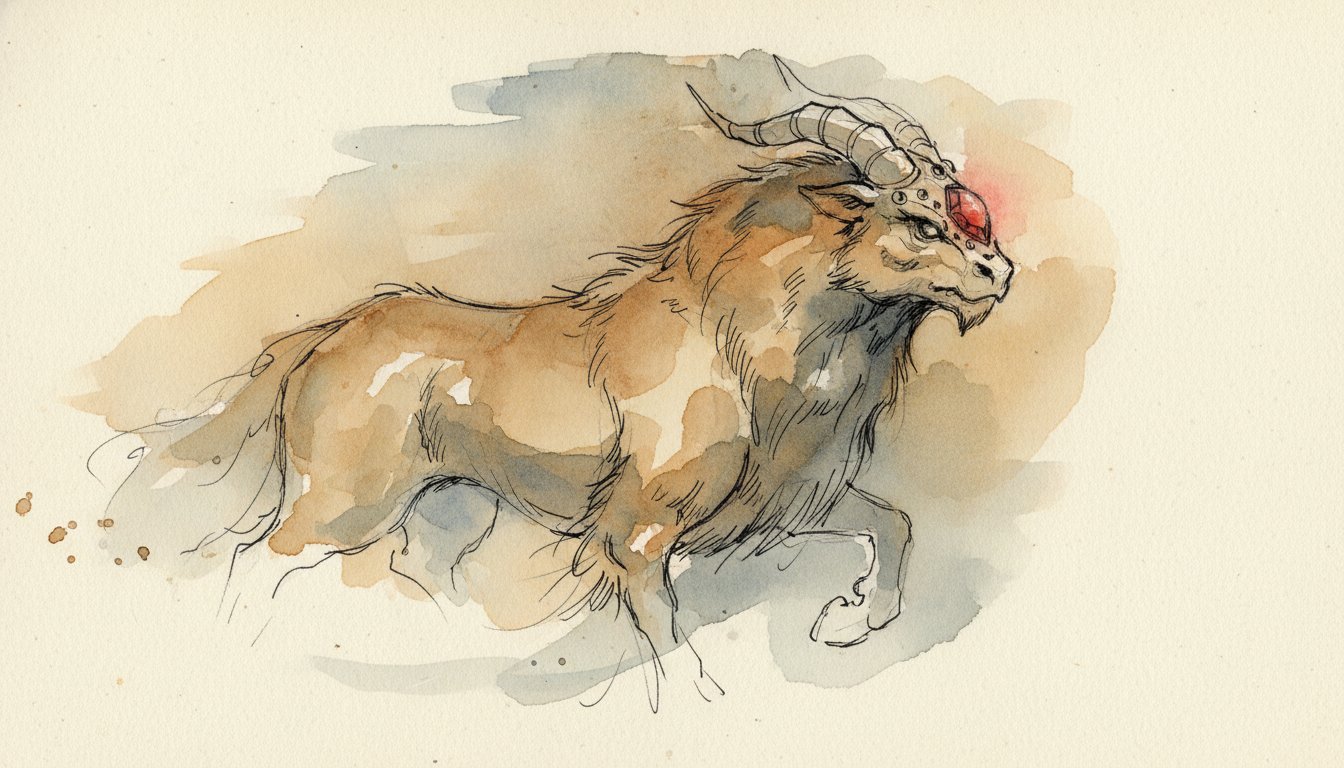
Carbunclo
A small, armored creature with a glowing gemstone embedded in its head, spotted in the Andes at twilight.
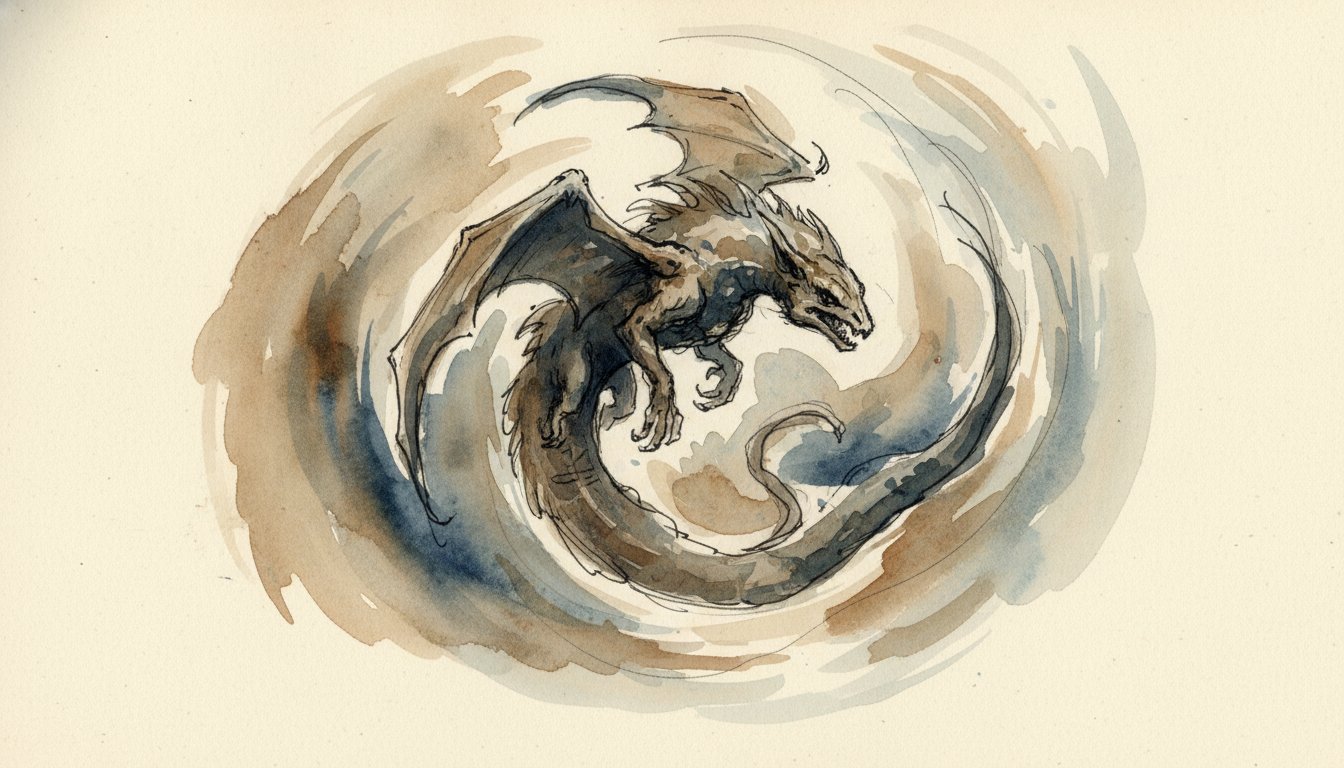
Peuchen
A shapeshifting flying serpent from Chilean forests that drains the blood of livestock from the air.
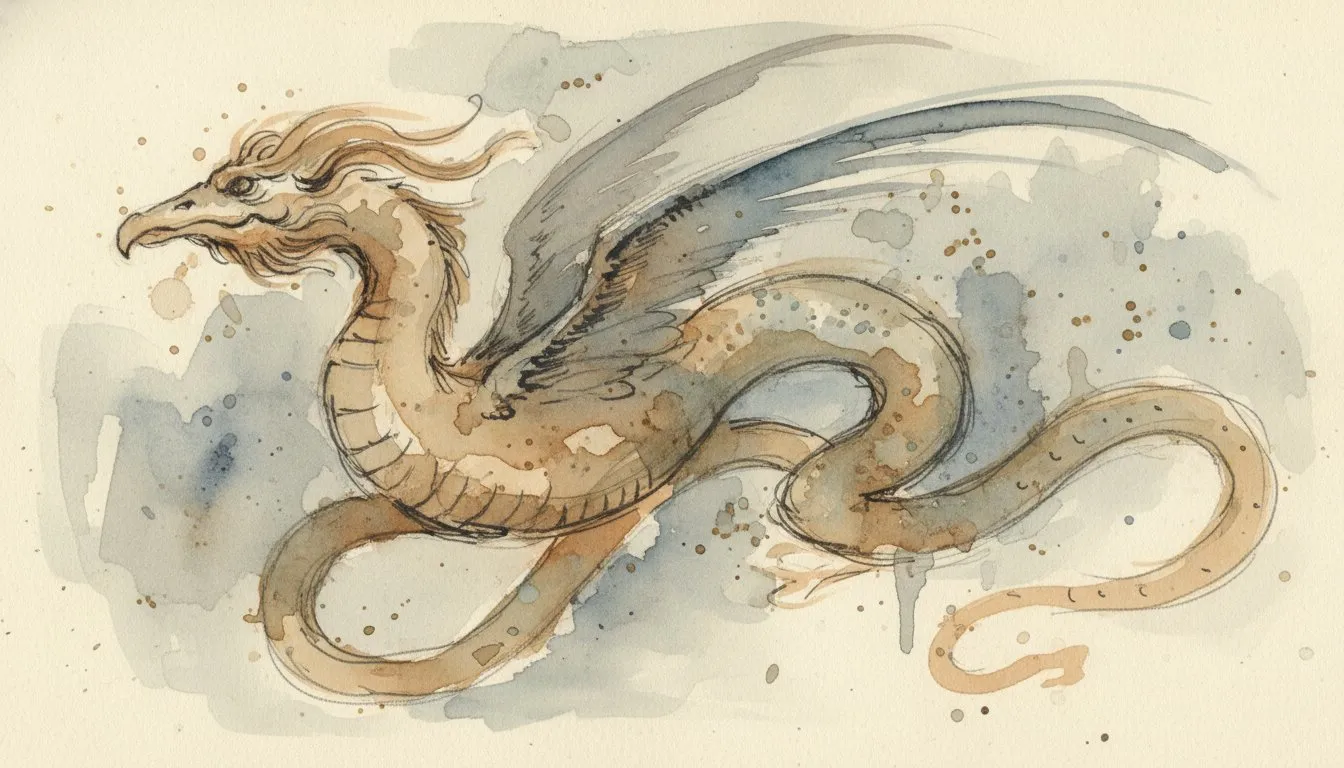
Chipfalamfula
In Zambian lakes, a massive horned beast surfaces with enough force to capsize fishing boats.
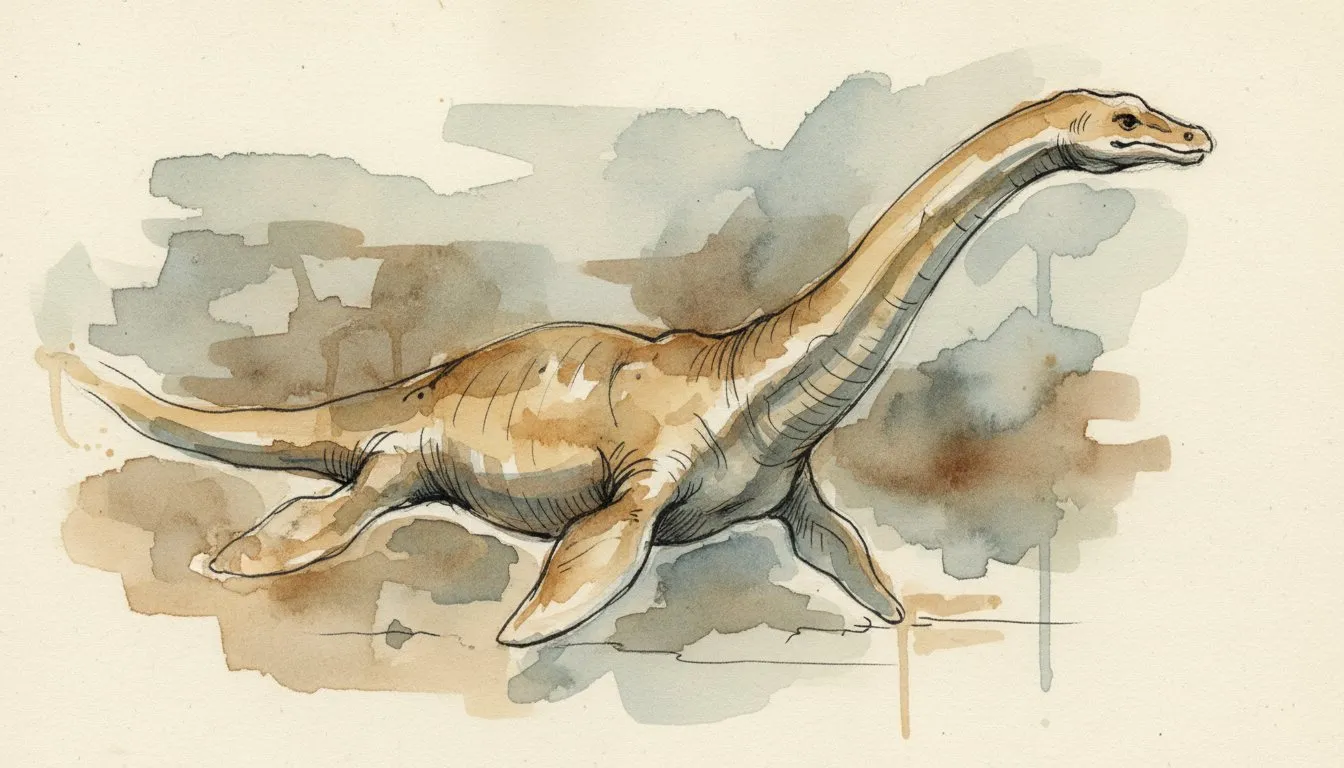
Morag
Scotland's other lake monster lurks in the deepest freshwater loch in the British Isles, far from the tourist cameras of Loch Ness.
Pressie
The largest Great Lake may harbor the largest Great Lake monster, a creature linked to Ojibwe legends of the underwater panther.