
Chipfalamfula
Also known as: Chipekwe
In Zambian lakes, a massive horned beast surfaces with enough force to capsize fishing boats.
Early 1900s
Lake Bangweulu, Zambia
Hippo-sized or larger
Extremely aggressive
Unverified
The Lore
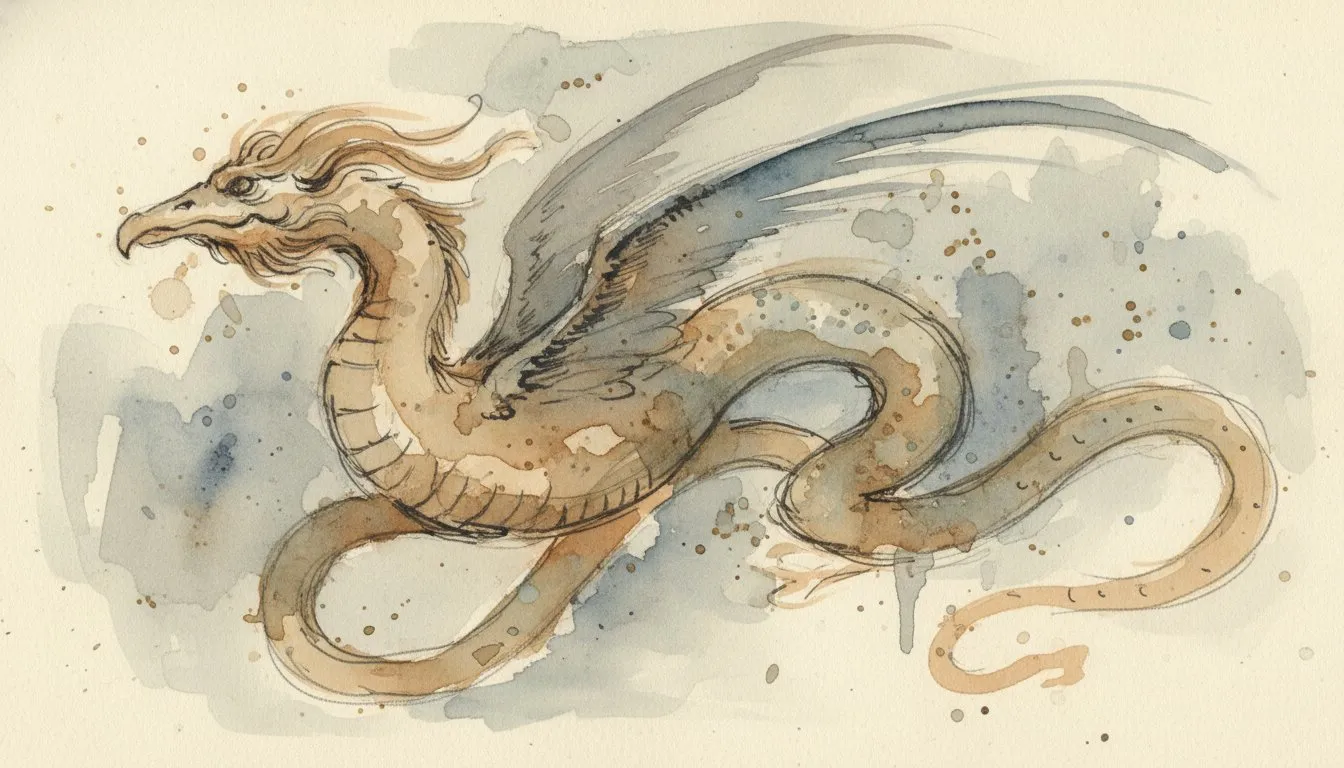
The Chipfalamfula, sometimes linked with the Chipekwe, is a large semi-aquatic creature reported in the lakes and swamps of Zambia and the southern Congo. Witnesses describe a hippo-sized animal with a single horn, smooth skin, and an extremely aggressive disposition. It surfaces violently, creating waves that capsize boats. Explorer J.E. Hughes documented local accounts in the early 20th century near Lake Bangweulu.
In the lake and swamp regions of Zambia and Malawi, particularly around the vast Bangweulu Swamps in northern Zambia, local communities have described a large aquatic creature called the Chipfalamfula for many generations. The name is associated with the Bemba and related Bantu-speaking peoples of the region, and the creature is described as an enormous aquatic animal that inhabits deep lakes and the channels threading through the extensive papyrus swamps. Unlike many cryptids that are primarily subjects of oral tradition, the Chipfalamfula has been documented by colonial administrators and early naturalists who encountered consistent accounts from communities around the swamps.
The Bangweulu Swamps, which cover an area of approximately 9,800 square miles including the lake itself and the surrounding floodplain, represent one of Africa's largest and most ecologically complex wetland systems. The swamps support extraordinary biodiversity, including the rare black lechwe antelope and the shoebill stork, and their dense papyrus beds and deep channels have been incompletely surveyed even today. Local fishermen who work the swamp channels by dugout canoe describe seeing the Chipfalamfula rarely but memorably, as a large animal that creates waves disproportionate to any known species in the water.
Descriptions of the Chipfalamfula suggest an animal of considerable size, estimated by witnesses at 20 feet or more in length, with a smooth, dark body, a long neck, and limbs or flippers that enable it to move through both open water and shallow swamp terrain. Some accounts describe it as capable of brief excursions onto land. This combination of features has led cryptozoologists to compare it to plesiosaur-like creatures reported elsewhere in central Africa, though the specific descriptions are variable enough that drawing firm analogues is speculative.
Zoologists have proposed several known animals that might account for Chipfalamfula sightings. The Nile crocodile reaches very large sizes in the Bangweulu system, and floating papyrus islands, which shift and move independently across the lake surface, can create striking visual illusions of large animals. The African manatee, which inhabits river systems across west and central Africa, has occasionally been reported further east than its confirmed range. No physical evidence attributable to an unknown species has been recovered from the Bangweulu region, but the swamps' sheer extent and inaccessibility ensure that the Chipfalamfula's legend persists among the communities who work its waters.
Notable Witnesses
- J.E. Hughes
Further Reading
No book is devoted to this creature. These are the general references that cover the field, plus a direct search if you want to dig further.
- Cryptozoology A to Z by Loren Coleman and Jerome Clark (1999)
The standard one-volume encyclopedia, roughly two hundred entries covering creatures, investigators, and hoaxes.
- Mysterious Creatures: A Guide to Cryptozoology by George M. Eberhart (2002)
The larger reference guide, stronger on sourcing and on creatures that never reached the popular books.
Search Amazon for Chipfalamfula books
As an Amazon Associate, Cryptid Vault earns from qualifying purchases. Links open Amazon in a new tab.
Get the Field Notes.
Field notes from the Vault, when there is something worth sending. No spam.
No spam. Unsubscribe anytime.
You might also like
Emela-ntouka
Something in the Congo swamps kills elephants with a single horn and has no interest in eating them.
Mokele-mbembe
Deep in the Congo Basin, local tribes describe a living dinosaur with total consistency across generations.
Nahuelito
Something enormous has been surfacing in an Argentine lake for over a century.
Kongamato
Zambian fishermen describe a flying reptile with leathery wings and teeth that capsizes their boats.
Dingonek
A saber-toothed, armored aquatic predator was reported in a Kenyan river by a big-game hunter in 1907.
Cuero
It lies flat on the water like a discarded cowhide, until something steps on it.
Morag
Scotland's other lake monster lurks in the deepest freshwater loch in the British Isles, far from the tourist cameras of Loch Ness.
Pressie
The largest Great Lake may harbor the largest Great Lake monster, a creature linked to Ojibwe legends of the underwater panther.