
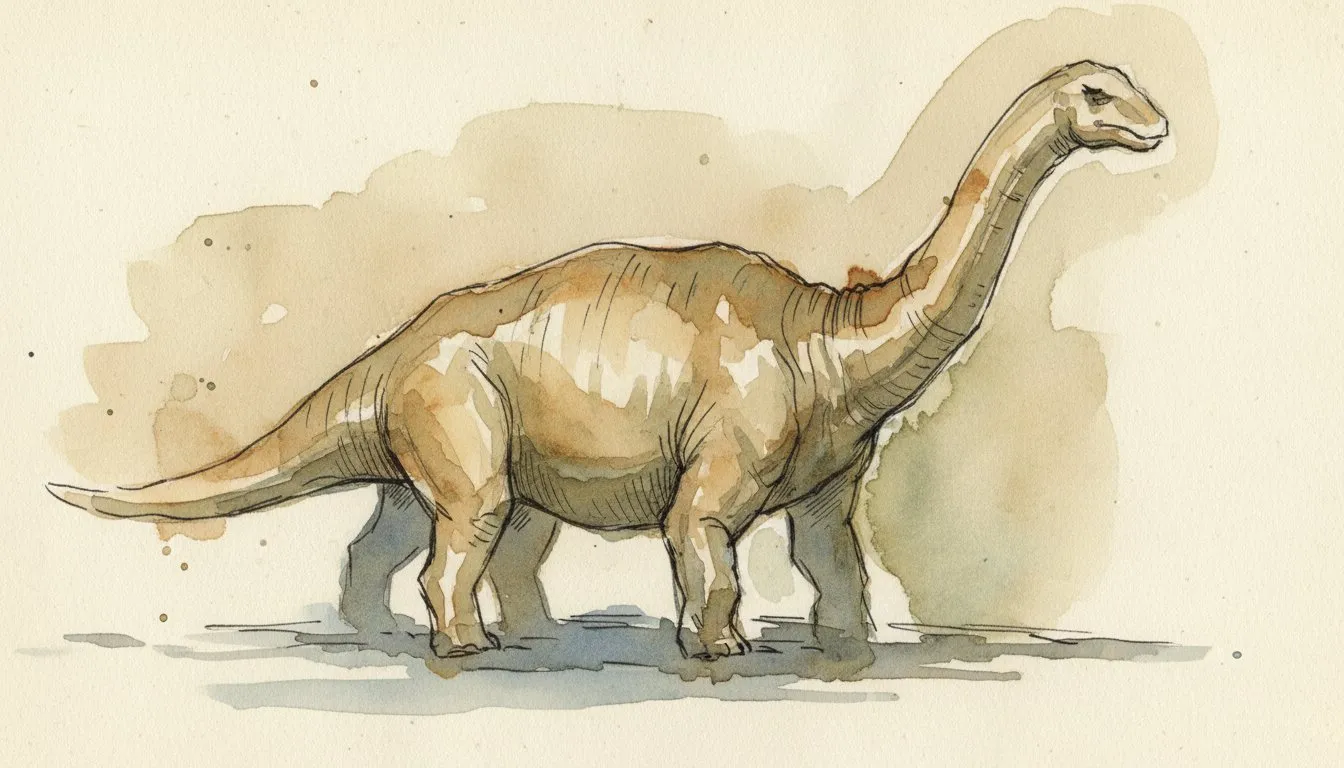
Mokele-mbembe
Also known as: One Who Stops the Flow of Rivers, Congo Dinosaur
Deep in the Congo Basin, local tribes describe a living dinosaur with total consistency across generations.
1909
Congo River Basin, Republic of the Congo
15-35 feet long
Territorial, will attack canoes
Unverified
The Lore
Mokele-mbembe is a large, long-necked creature said to inhabit the swamps and rivers of the Congo Basin. Described as roughly the size of an elephant with a long flexible neck and small head, it closely resembles a sauropod dinosaur. Multiple expeditions since the early 1900s have searched for it without definitive proof. Local Pygmy communities identify it consistently when shown illustrations of sauropods.
Deep in the Congo Basin of central Africa, stories persist of a large, long-necked animal living in the rivers and swamps of the rainforest. Known as Mokele-mbembe, a name that roughly translates to "one who stops the flow of rivers" in the Lingala language, this creature has been described by local communities for generations. The descriptions are strikingly consistent: a gray-brown animal the size of an elephant, with a long flexible neck, a small head, a muscular tail, and four sturdy legs. It is said to be herbivorous but fiercely territorial, capable of killing hippopotamuses and overturning canoes.
Western interest in Mokele-mbembe dates to the early 20th century. In 1909, big-game hunter Carl Hagenbeck reported in his autobiography that multiple independent sources in the Congo had described a creature resembling a sauropod dinosaur. In 1913, German explorer Freiherr von Stein zu Lausnitz documented accounts from local people near Lake Bangweulu who described an animal they called "Mokele-mbembe" in considerable detail.
Several expeditions have been launched to find the creature. In 1980 and 1981, herpetologist James Powell and crocodile expert Roy Mackal led expeditions to the Likouala region of the Republic of the Congo. Mackal reported that local Pygmy communities consistently identified illustrations of a sauropod dinosaur as resembling Mokele-mbembe when shown pictures of various animals. His 1987 book "A Living Dinosaur?" documented these interviews and proposed that a small, surviving population of sauropods could theoretically exist in the vast, unexplored swamps of the Congo Basin.
In 1992, a Japanese film crew reportedly captured brief footage of a disturbance in Lake Tele, though the footage shows only ripples in the water and no identifiable animal. Rory Nugent, an adventurer, claimed to have photographed a long-necked shape in Lake Tele in 1993, but the image is indistinct.
Skeptics offer several explanations. Misidentified elephants swimming with their trunks raised, large monitor lizards, forest elephants viewed partially through dense vegetation, or softshell turtles could all account for sightings. The Congo Basin is one of the least explored regions on Earth, but satellite imaging and environmental DNA techniques have not detected evidence of a large, unknown reptile. Paleontologists note that sauropod dinosaurs went extinct approximately 66 million years ago and that the fossil record shows no evidence of their survival past the Cretaceous period.
Notable Witnesses
- Carl Hagenbeck (German big-game hunter, reported accounts in 1909)
- Freiherr von Stein zu Lausnitz (German explorer, 1913 documentation)
- James Powell (herpetologist, 1980 expedition)
- Roy Mackal (University of Chicago biologist, 1980-1981 expeditions)
- Rory Nugent (adventurer, claimed photograph, 1993)
- Marcellin Agnagna (Congolese zoologist, claimed sighting at Lake Tele, 1983)
Media Appearances
- A Living Dinosaur? by Roy Mackal (book, 1987)
- Baby: Secret of the Lost Legend (film, 1985)
- MonsterQuest (TV, Season 2)
- Beast Hunter (TV, National Geographic)
- The Congo Dinosaur (various documentaries)
- Destination Truth (TV)
Further Reading
Written about Mokele-mbembe directly, drawn from the record on this page.
- A Living Dinosaur? by Roy Mackal (1987)
Named in the record for Mokele-mbembe.
- Cryptozoology A to Z by Loren Coleman and Jerome Clark (1999)
The standard one-volume encyclopedia, roughly two hundred entries covering creatures, investigators, and hoaxes.
- Mysterious Creatures: A Guide to Cryptozoology by George M. Eberhart (2002)
The larger reference guide, stronger on sourcing and on creatures that never reached the popular books.
Search Amazon for Mokele-mbembe books
As an Amazon Associate, Cryptid Vault earns from qualifying purchases. Links open Amazon in a new tab.
Get the Field Notes.
Field notes from the Vault, when there is something worth sending. No spam.
No spam. Unsubscribe anytime.
You might also like
Emela-ntouka
Something in the Congo swamps kills elephants with a single horn and has no interest in eating them.
Kongamato
Zambian fishermen describe a flying reptile with leathery wings and teeth that capsizes their boats.
Muhuru
In a remote Kenyan river valley, locals describe an armored, club-tailed reptile that has no business still existing.
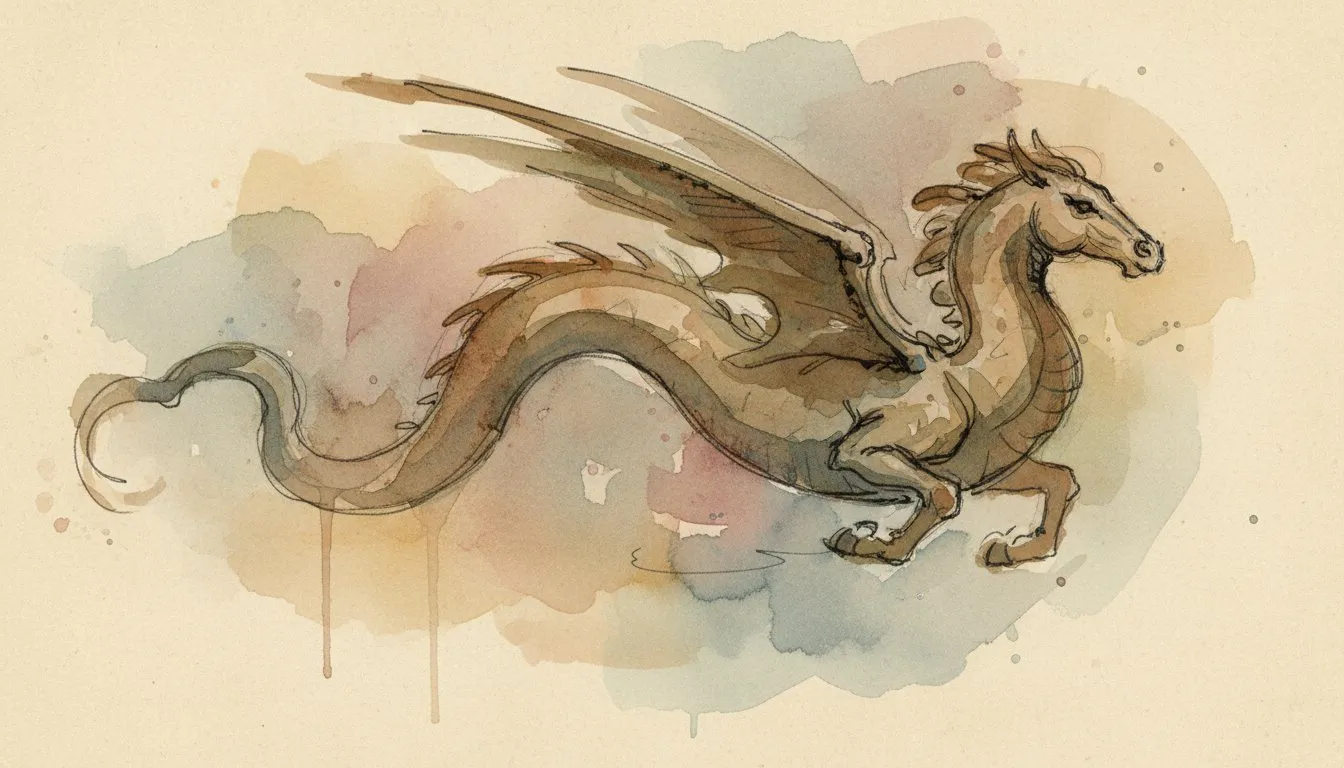
Ninki Nanka
West African elders say that anyone who sees this swamp dragon dies shortly after.
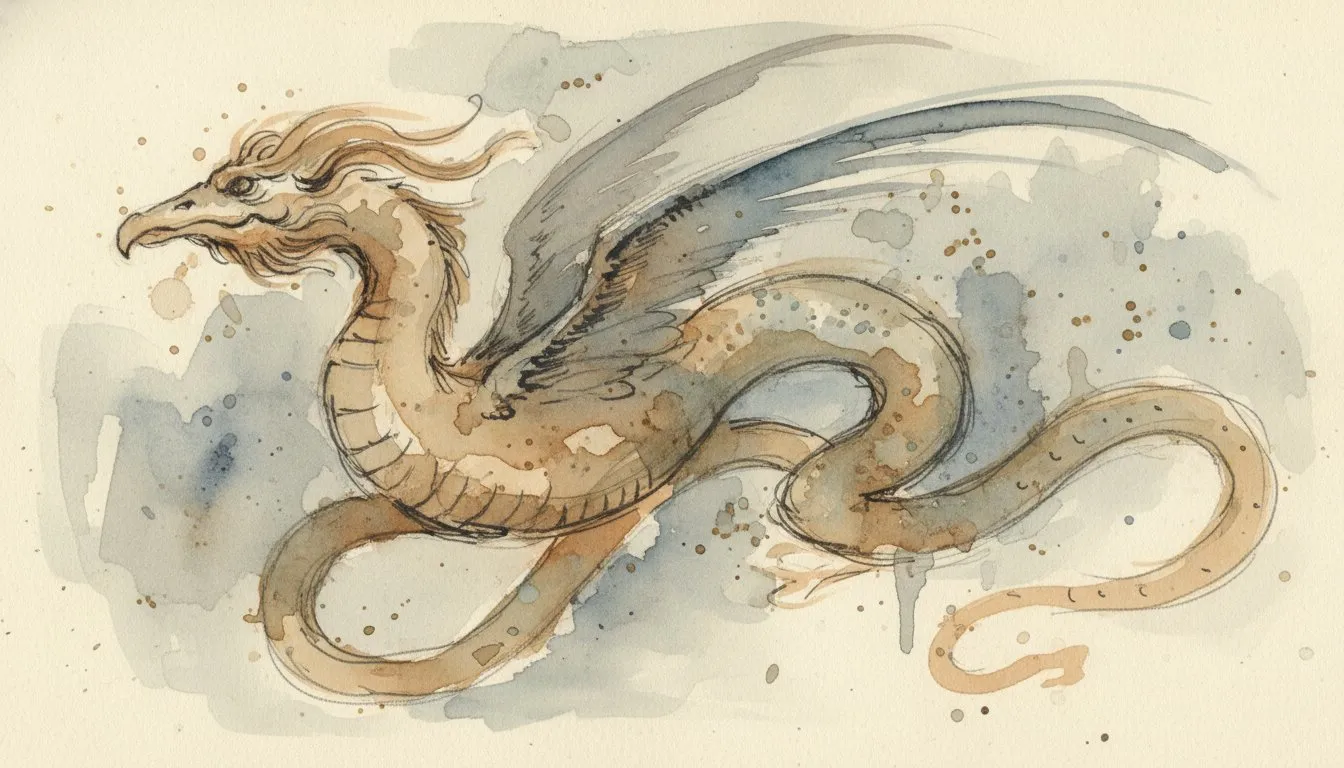
Chipfalamfula
In Zambian lakes, a massive horned beast surfaces with enough force to capsize fishing boats.
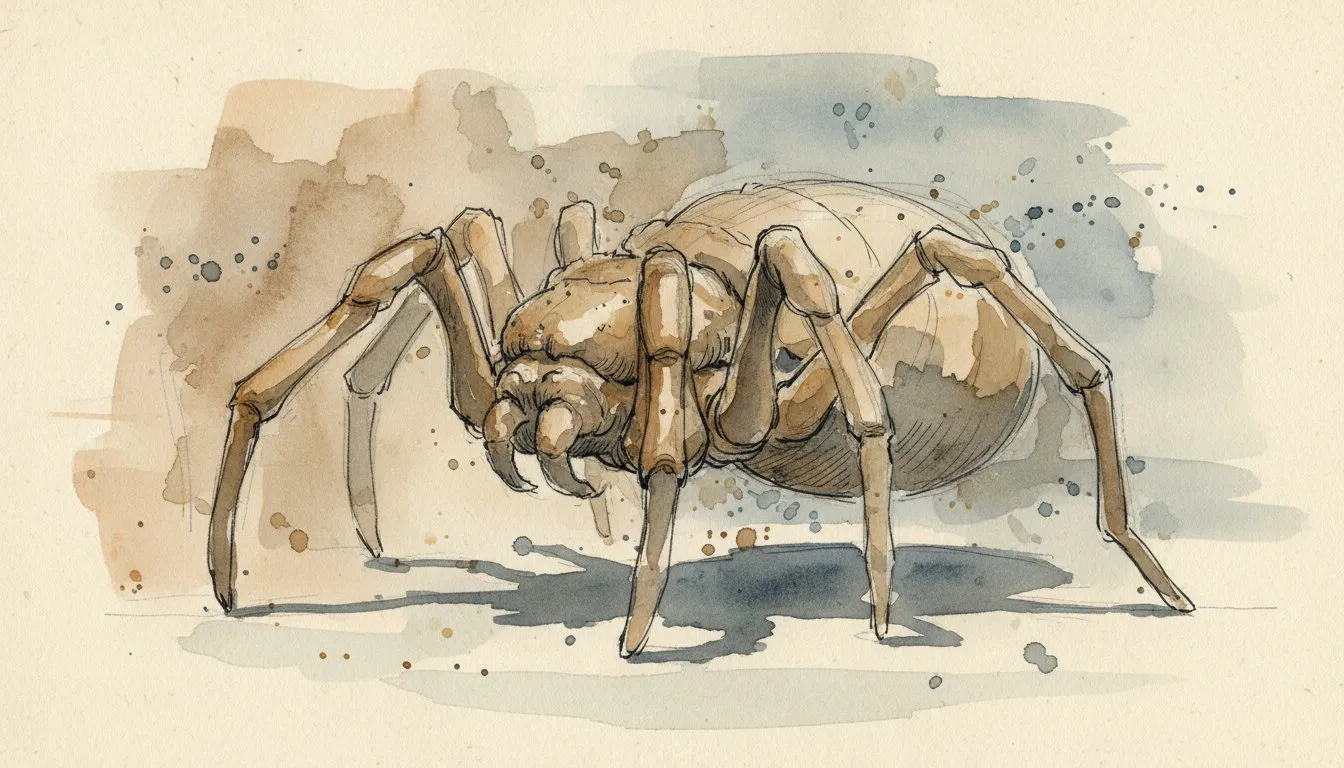
J'ba Fofi
In the Congo, locals describe a spider with a leg span wider than a grown man is tall.
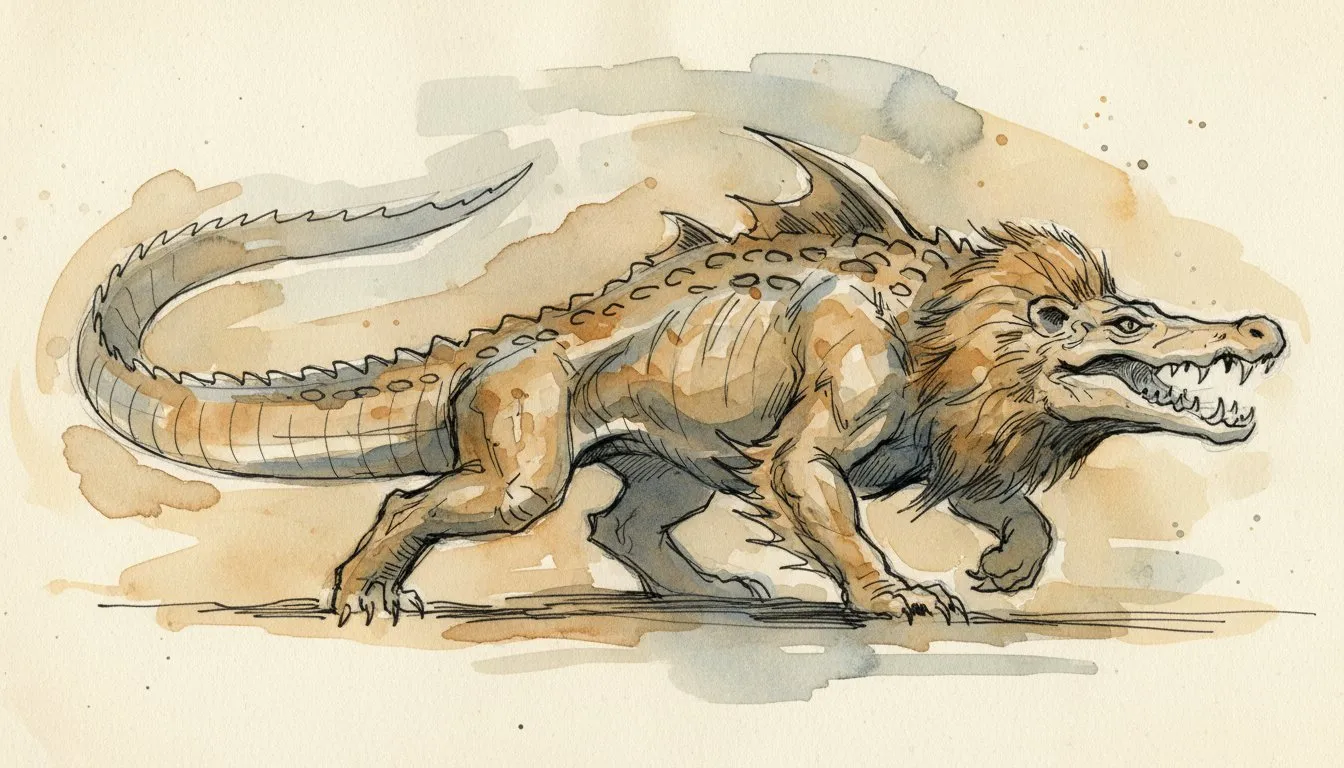
Dingonek
A saber-toothed, armored aquatic predator was reported in a Kenyan river by a big-game hunter in 1907.
Lizard Man of Scape Ore Swamp
A 7-foot reptilian biped that attacked a teen's car in a South Carolina swamp.