
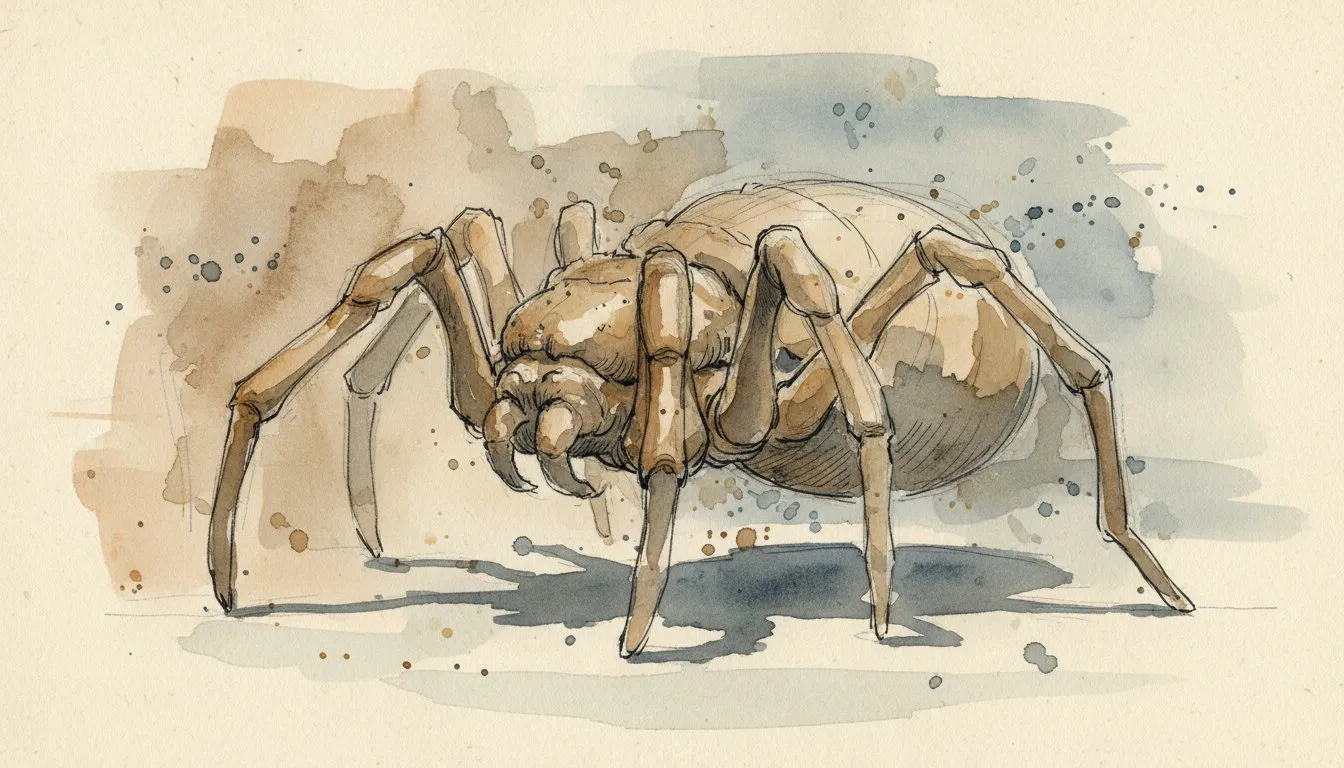
J'ba Fofi
Also known as: Congolese Giant Spider, J'ba FiFi
In the Congo, locals describe a spider with a leg span wider than a grown man is tall.
Oral tradition, documented in 2000
Congo Basin rainforest
4-5 foot leg span
Ambush predator, avoids humans
Unverified
The Lore
The J'ba Fofi is a giant spider reported in the dense forests of the Congo. Described as having a leg span of 4 to 5 feet, it allegedly builds large ground-level webs between trees to trap small animals and birds. Baka pygmy communities describe the creature as once common but now extremely rare due to deforestation. Cryptozoologist William Gibbons collected firsthand accounts during his expeditions in 2000 and 2003.
Deep in the equatorial rainforests of the Congo Basin and surrounding regions of Central Africa, indigenous hunters and explorers have described, with unsettling consistency, an enormous spider. The J'ba Fofi, a name from the Baka people of Cameroon meaning roughly giant spider, is not a vague or ambiguous creature in local accounts. Witnesses describe a tarantula-like animal with a leg span of four to six feet, capable of spinning webs between trees large enough to ensnare small mammals and birds, with a body the size of a small dog and coloring that shifts from brownish-yellow in juveniles to darker tones in adults. The creature's webs are reportedly circular and extremely tough, anchored to tree trunks and low-hanging branches in a way that makes them nearly invisible in the deep forest shade.
The most frequently cited Western account comes from British explorers R.K. and G.W. Lloyd, who reportedly encountered an enormous spider crossing a game trail in the Belgian Congo in 1938. Their guide immediately identified the animal as a J'ba Fofi and was visibly frightened by it. Earlier, in 1890, missionary-explorer George Grenfell described a spider in the Congo of extraordinary size in a letter that attracted brief scientific interest before being largely forgotten. Indigenous hunter-gatherer communities, including the Baka and the Pygmy peoples of the Ituri Forest, maintain detailed practical knowledge of the J'ba Fofi: its nesting behavior, which reportedly involves building silk-lined burrows covered with leaves, its hunting methods, and how to avoid areas where it has established territory.
The known limits of spider biology make a leg span of four to six feet essentially impossible under current atmospheric conditions and gravitational constraints. The largest confirmed spider, the Goliath bird-eating tarantula of South America, achieves leg spans of up to twelve inches. Respiratory and structural biology set hard upper limits on arachnid size. For this reason, mainstream zoologists treat J'ba Fofi accounts as misidentifications of known large spiders, possibly the Hysterocrates species of Central Africa, viewed in circumstances that exaggerated their apparent size through perspective or fear.
The persistence and specificity of J'ba Fofi accounts across multiple distinct indigenous cultures, combined with the sheer biological diversity of the still-incompletely surveyed Congo rainforest, keeps the creature from being dismissed entirely. The Ituri Forest in particular remains one of the most species-rich and least-surveyed terrestrial ecosystems on earth, and new arthropod species continue to be formally described from its depths each decade.
Notable Witnesses
- William Gibbons
Further Reading
No book is devoted to this creature. These are the general references that cover the field, plus a direct search if you want to dig further.
- Cryptozoology A to Z by Loren Coleman and Jerome Clark (1999)
The standard one-volume encyclopedia, roughly two hundred entries covering creatures, investigators, and hoaxes.
- Mysterious Creatures: A Guide to Cryptozoology by George M. Eberhart (2002)
The larger reference guide, stronger on sourcing and on creatures that never reached the popular books.
Search Amazon for J'ba Fofi books
As an Amazon Associate, Cryptid Vault earns from qualifying purchases. Links open Amazon in a new tab.
Get the Field Notes.
Field notes from the Vault, when there is something worth sending. No spam.
No spam. Unsubscribe anytime.
You might also like
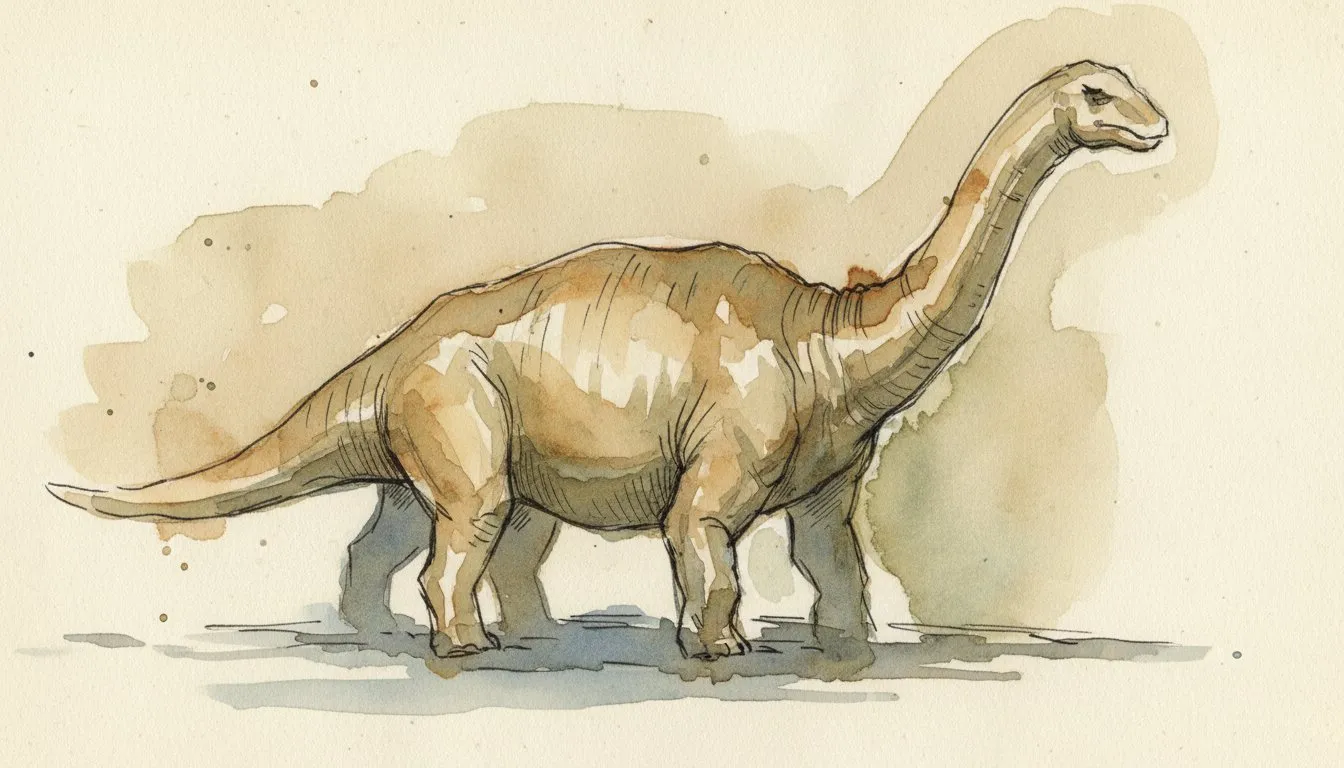
Mokele-mbembe
Deep in the Congo Basin, local tribes describe a living dinosaur with total consistency across generations.
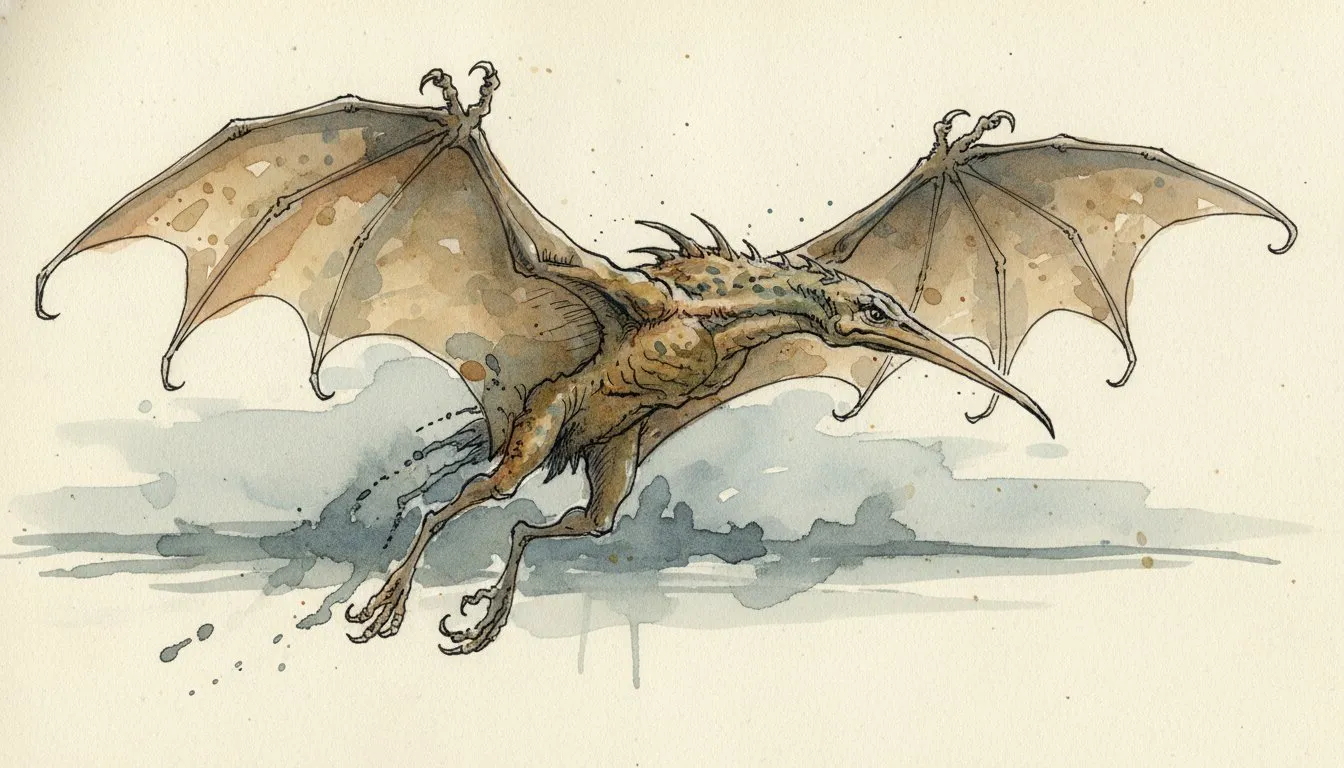
Kongamato
Zambian fishermen describe a flying reptile with leathery wings and teeth that capsizes their boats.
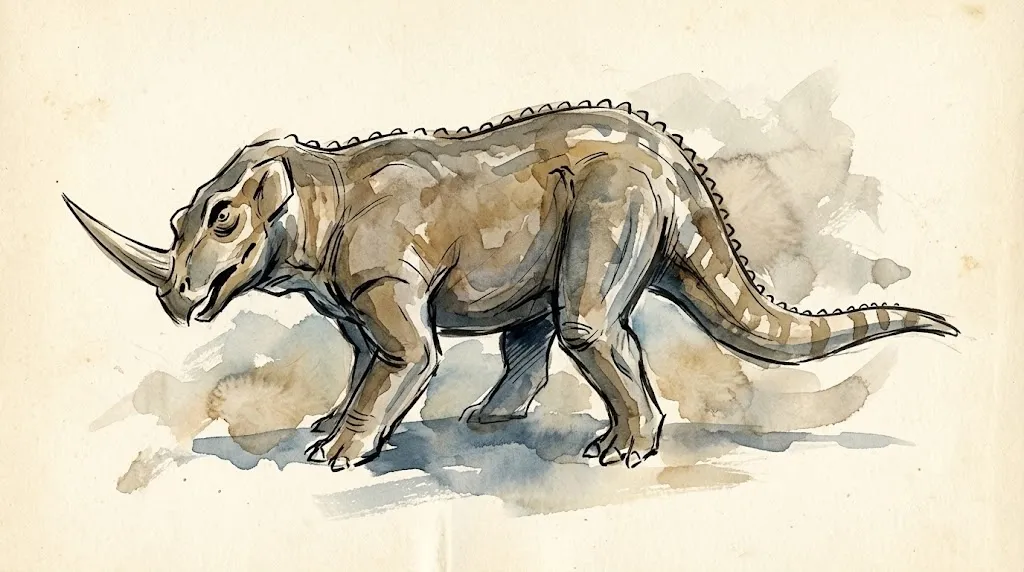
Emela-ntouka
Something in the Congo swamps kills elephants with a single horn and has no interest in eating them.
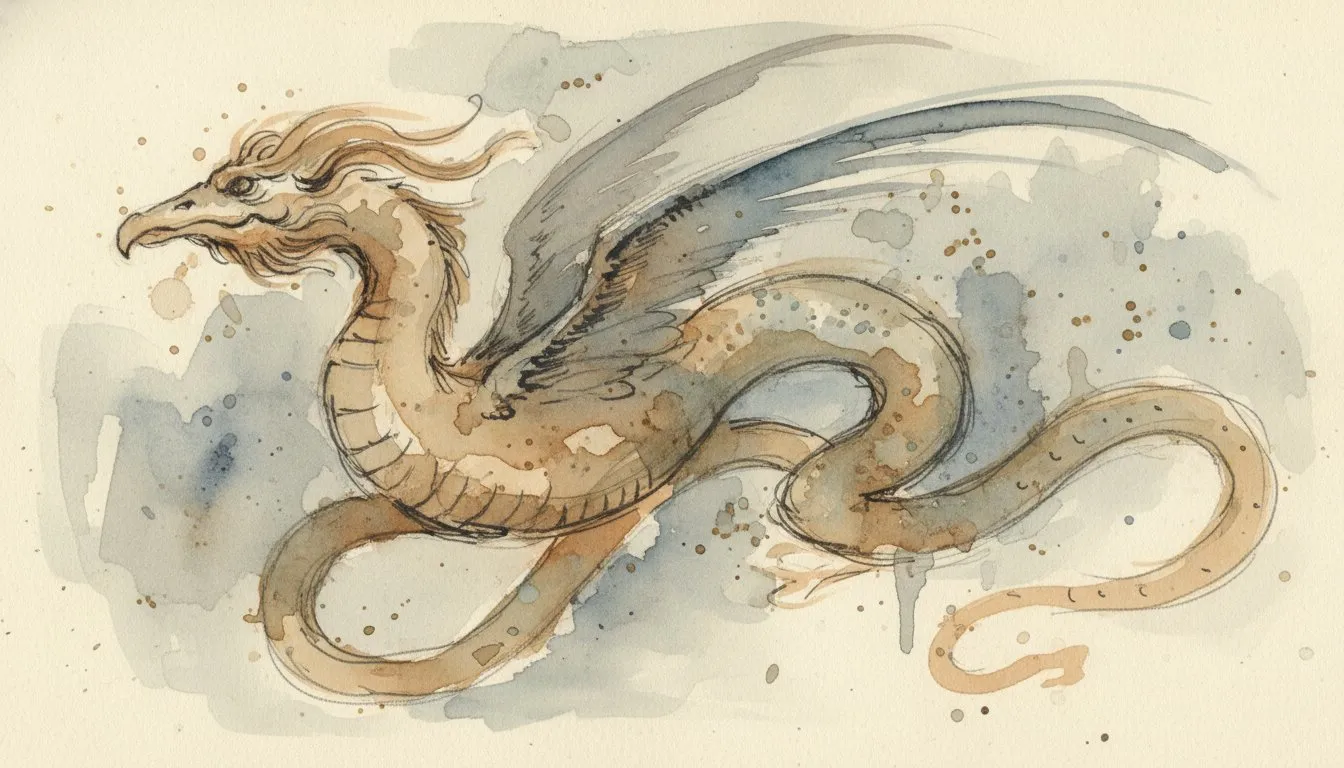
Chipfalamfula
In Zambian lakes, a massive horned beast surfaces with enough force to capsize fishing boats.
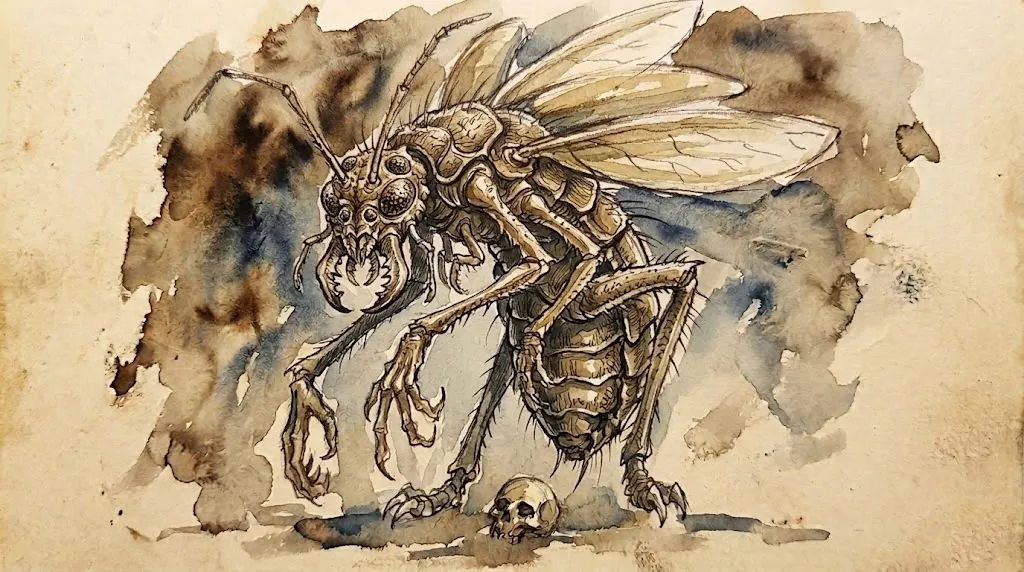
Adze
In Togo, a vampire disguised as a glowing firefly slips through locked doors to feed on the sleeping.
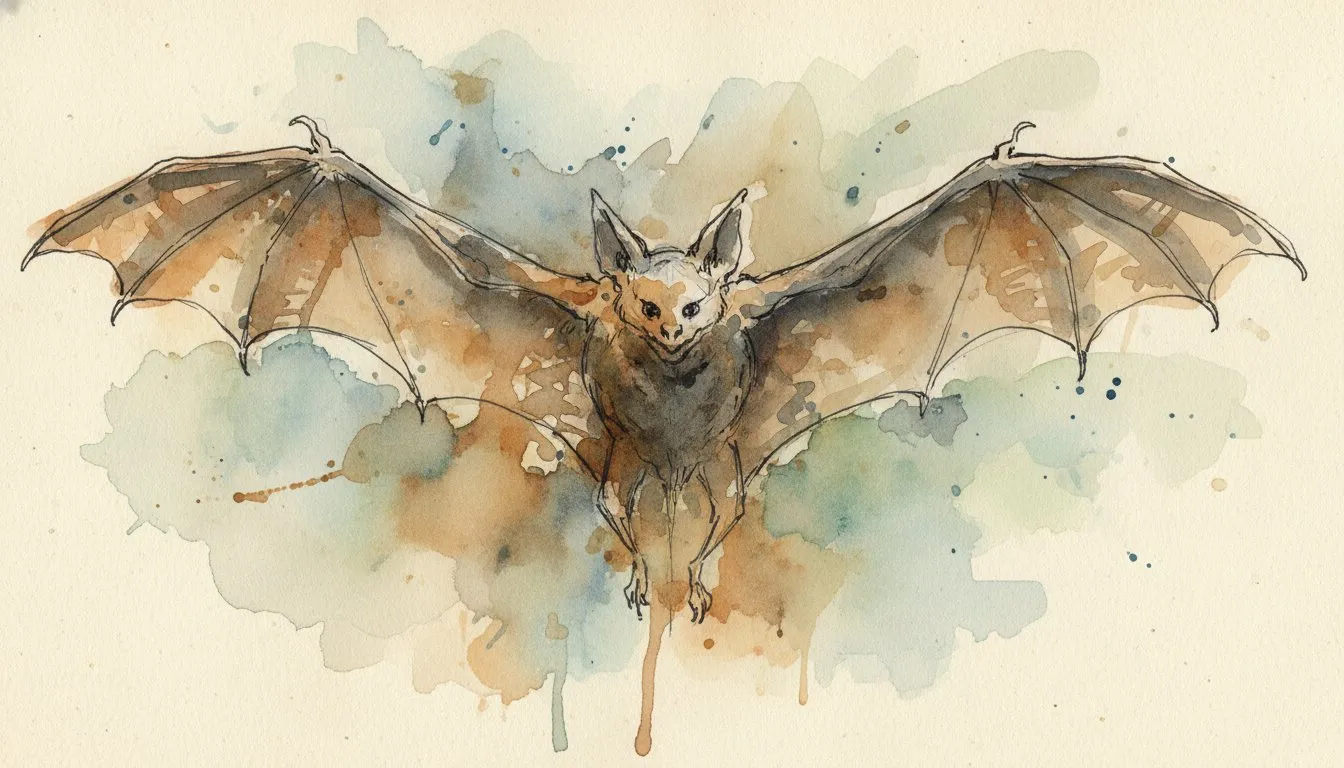
Ahool
A giant bat with a 10-foot wingspan, screaming through the jungles of Java.
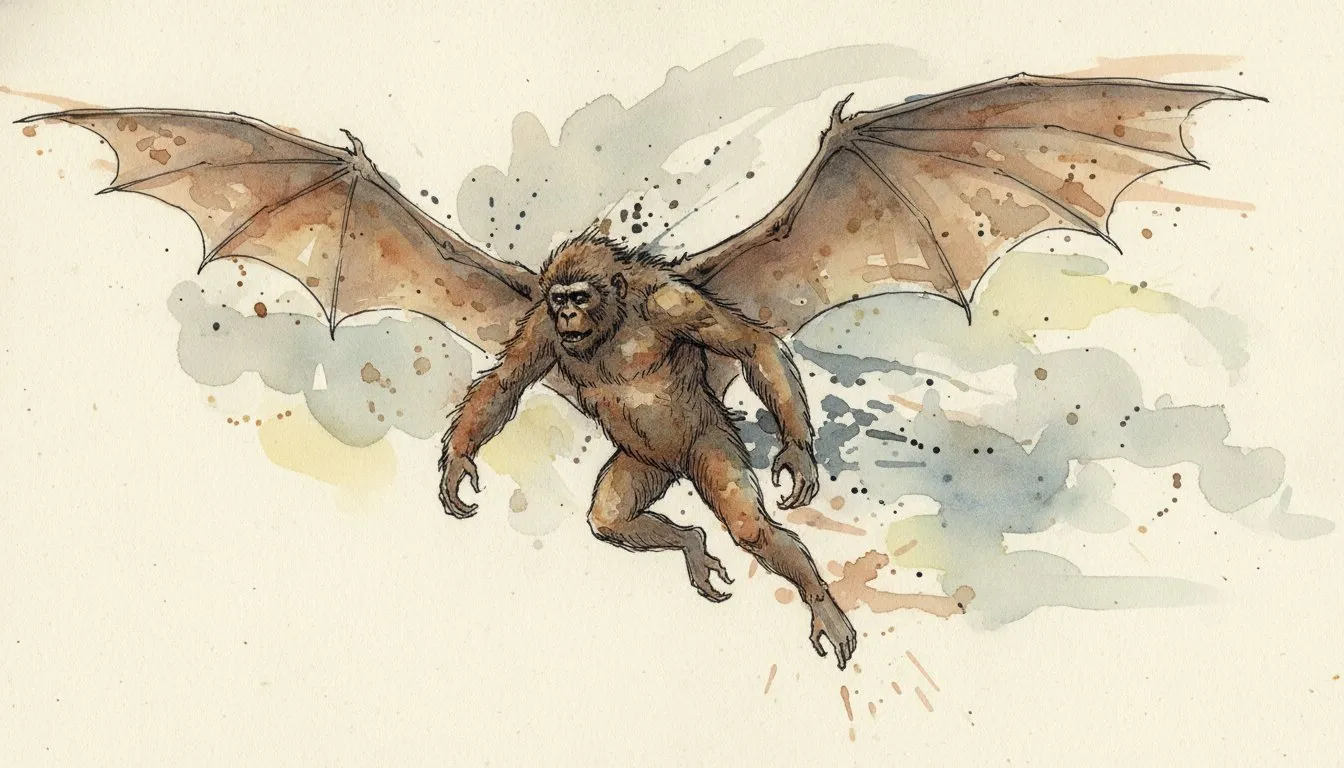
Batutut
A bipedal ape spotted by both Vietnamese villagers and American soldiers during the war.
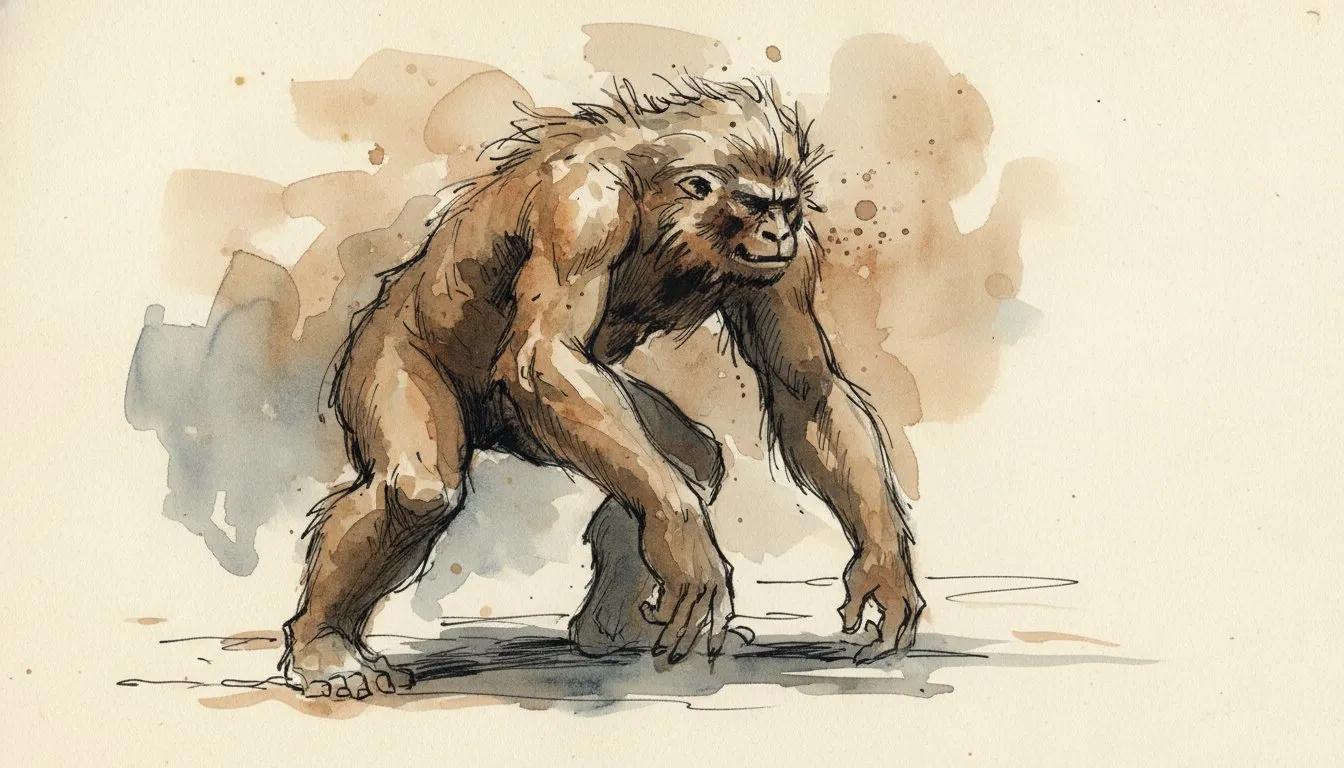
Nguoi Rung
Deep in Vietnam's jungles, soldiers and scientists have reported a powerfully built ape that walks like a man.