
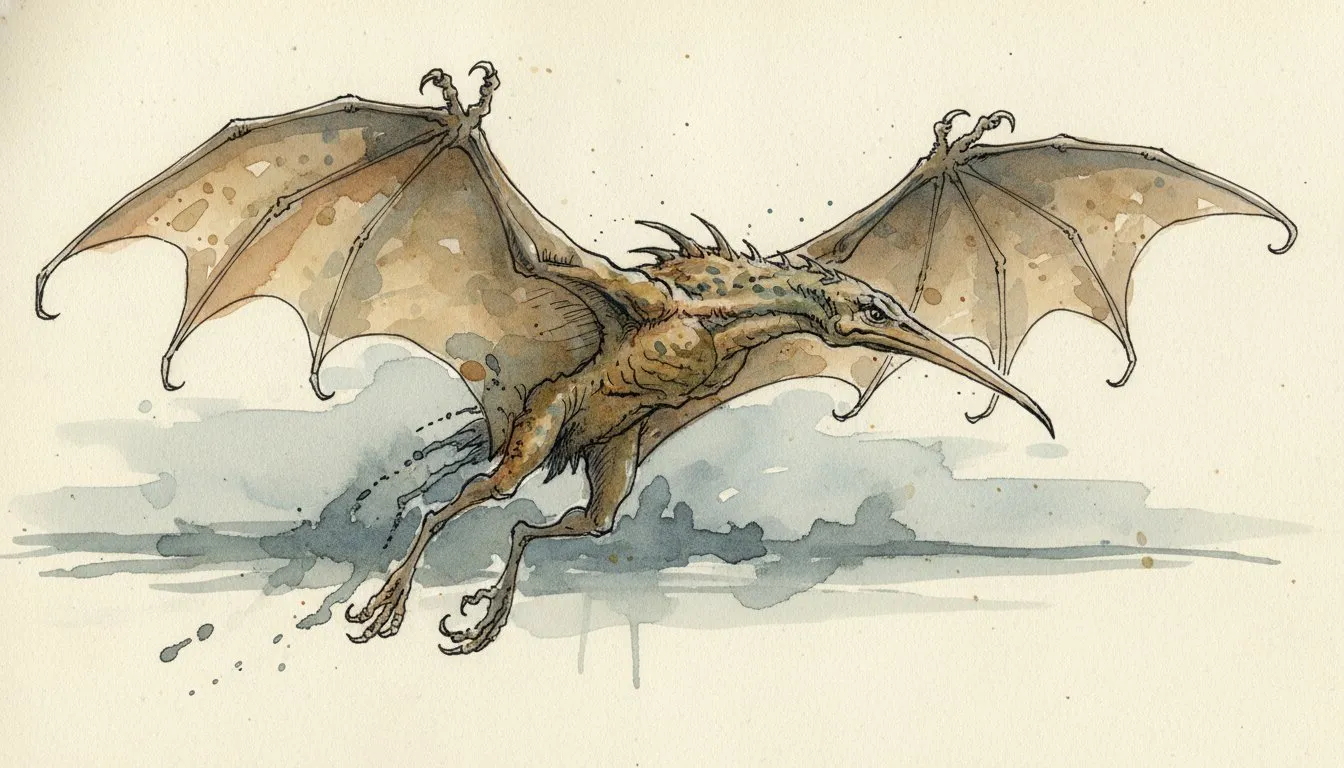
Kongamato
Also known as: Breaker of Boats, African Pterosaur
Zambian fishermen describe a flying reptile with leathery wings and teeth that capsizes their boats.
1923
Jiundu Swamp, Zambia
4-7 foot wingspan
Aggressive when disturbed
Unverified
The Lore
The Kongamato is a large flying creature reported in Zambia, Angola, and the Congo. Witnesses describe a reddish, featherless animal with a wingspan of 4 to 7 feet, leathery wings, and a long beak filled with teeth. When shown illustrations of pterosaurs, local witnesses consistently identify them as the Kongamato. Explorer Frank Melland first documented the reports in his 1923 book.
Deep in the papyrus swamps and seasonally flooded forests of northwestern Zambia, along the upper Zambezi watershed and into adjacent Angola and the southern Democratic Republic of Congo, the Kaonde people have long warned of a creature they call the Kongamato, a name that translates roughly as the overwhelmer of boats. The creature is said to haunt remote stretches of the Jiundu swamps, attacking dugout canoes and fishermen with leathery wings and a long toothed beak, capsizing craft and drowning the unwary.
The Kongamato entered Western awareness in 1923 through the writings of British colonial officer Frank Melland, who served as a magistrate in Kasempa District and published Across the Roof of Africa the same year. Melland reported that when he showed local informants illustrations of various prehistoric animals, they consistently identified images of pterosaurs, specifically Pteranodon and Rhamphorhynchus, as the Kongamato. They described the creature as having a wingspan of four to seven feet, no feathers, a reddish or black leathery hide, and a long beak full of sharp teeth. Melland took the identification seriously enough to speculate in print about the possibility of surviving pterosaurs in the Central African swamps.
Subsequent reports trickled in throughout the twentieth century. In 1925 explorer G. Ward Price relayed accounts from Rhodesian railway surveyors of a similar creature. In 1956 engineer J.P.F. Brown reported watching two large flying reptile-like animals over the Bangweulu Swamps, and in 1957 a man was admitted to a hospital in Fort Rosebery claiming to have been attacked by a diving creature that matched the Kongamato description, his chest wound sketched for investigators. Missionaries and bush pilots added to the file through the 1980s.
Mainstream zoology offers conservative explanations. The shoebill stork, a massive gray wading bird with a prehistoric profile and a five-meter range, inhabits exactly these swamps and could plausibly account for misidentifications, particularly at dusk or in motion. Large fruit bats and the saddle-billed stork have also been proposed. Cryptozoologists, including Roy Mackal, who led expeditions to the region in the 1980s, have argued that the consistency of the pterosaur identification by people with no exposure to paleontology is itself suggestive. Whatever flies over the Jiundu at twilight, the Kongamato remains one of Africa's most persistent and tantalizing cryptid reports.
Notable Witnesses
- Frank Melland
- Engineer J.P.F. Brown
Media Appearances
- Destination Truth (TV)
Further Reading
No book is devoted to this creature. These are the general references that cover the field, plus a direct search if you want to dig further.
- Cryptozoology A to Z by Loren Coleman and Jerome Clark (1999)
The standard one-volume encyclopedia, roughly two hundred entries covering creatures, investigators, and hoaxes.
- Mysterious Creatures: A Guide to Cryptozoology by George M. Eberhart (2002)
The larger reference guide, stronger on sourcing and on creatures that never reached the popular books.
Search Amazon for Kongamato books
As an Amazon Associate, Cryptid Vault earns from qualifying purchases. Links open Amazon in a new tab.
Get the Field Notes.
Field notes from the Vault, when there is something worth sending. No spam.
No spam. Unsubscribe anytime.
You might also like
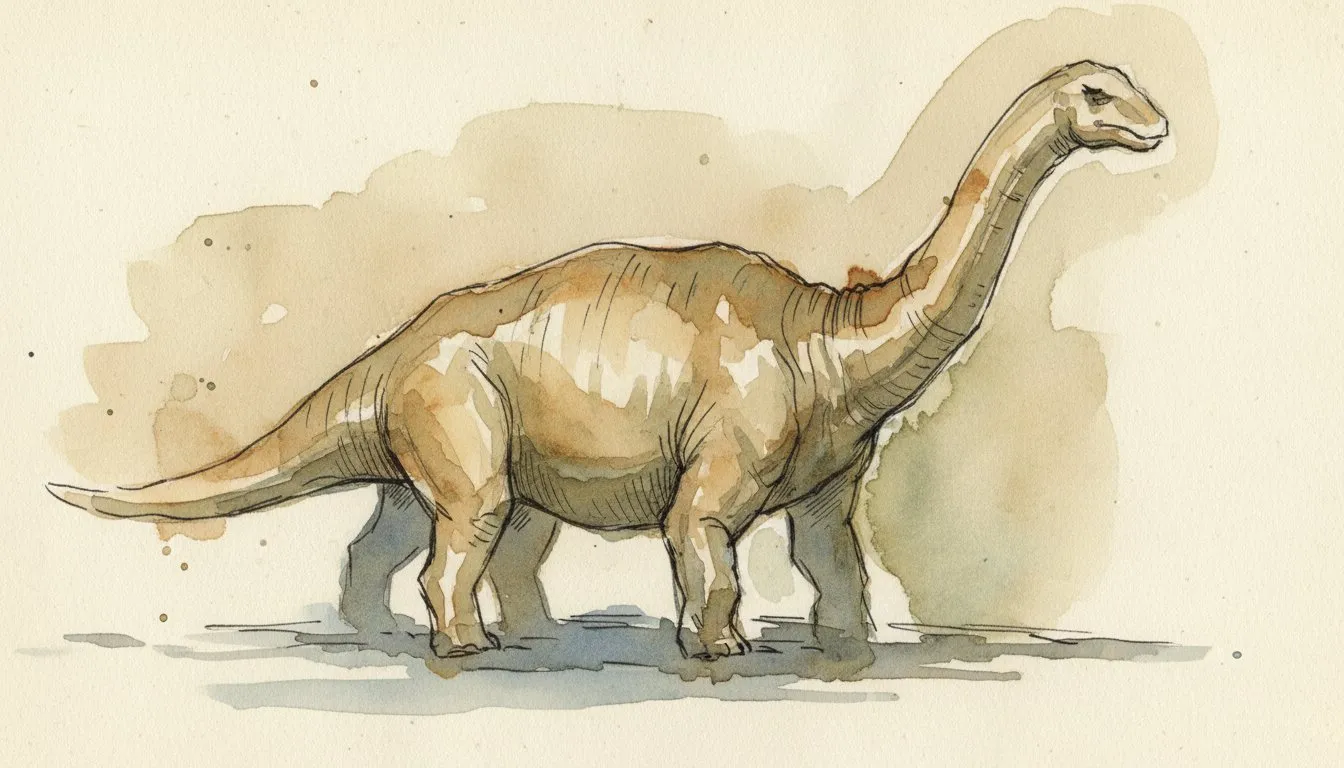
Mokele-mbembe
Deep in the Congo Basin, local tribes describe a living dinosaur with total consistency across generations.
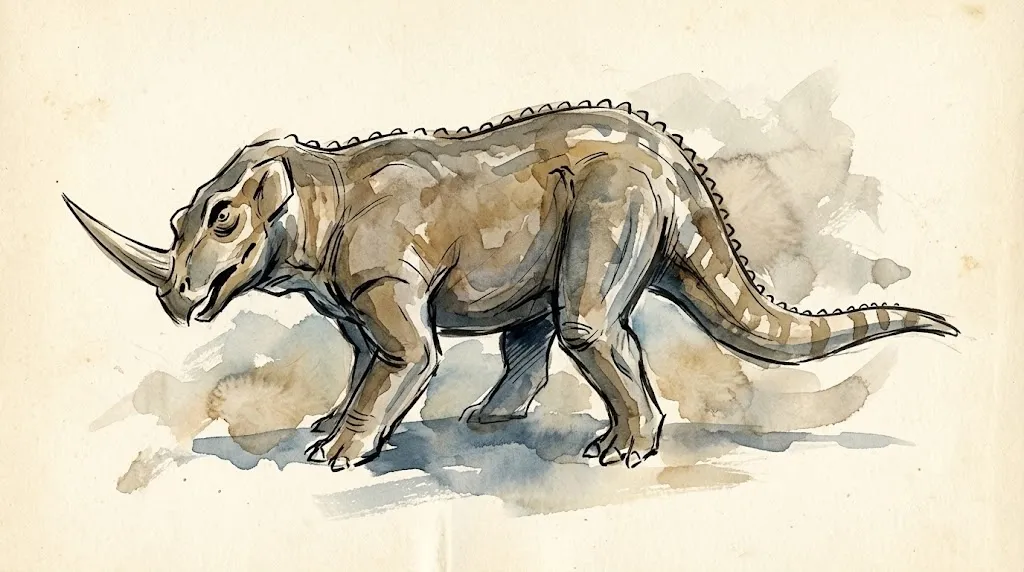
Emela-ntouka
Something in the Congo swamps kills elephants with a single horn and has no interest in eating them.
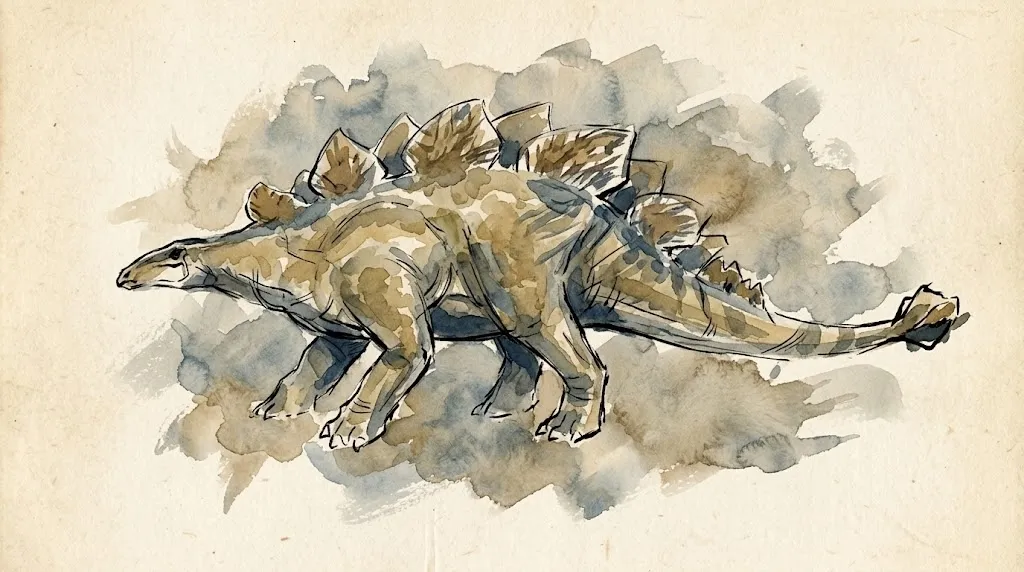
Muhuru
In a remote Kenyan river valley, locals describe an armored, club-tailed reptile that has no business still existing.
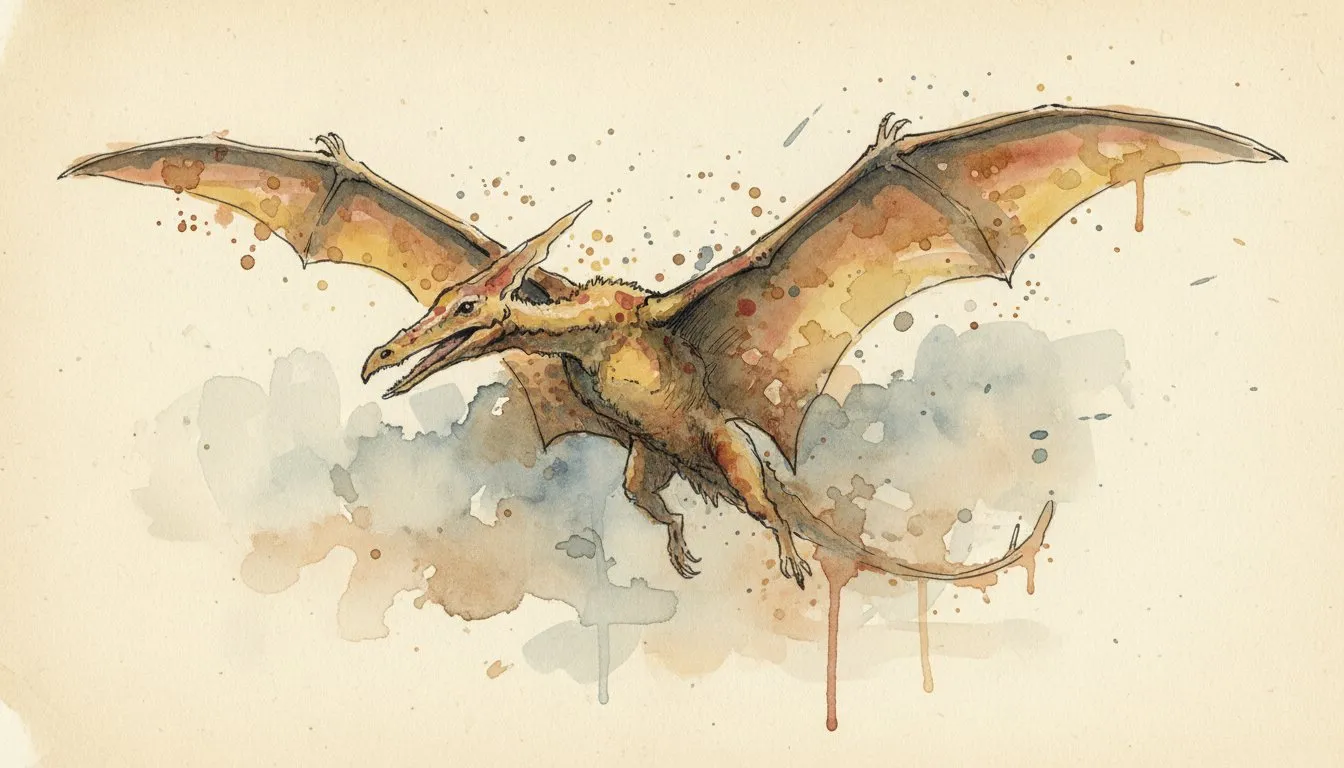
Ropen
Islanders in Papua New Guinea describe a glowing, long-tailed flying creature that matches no known bird or bat.
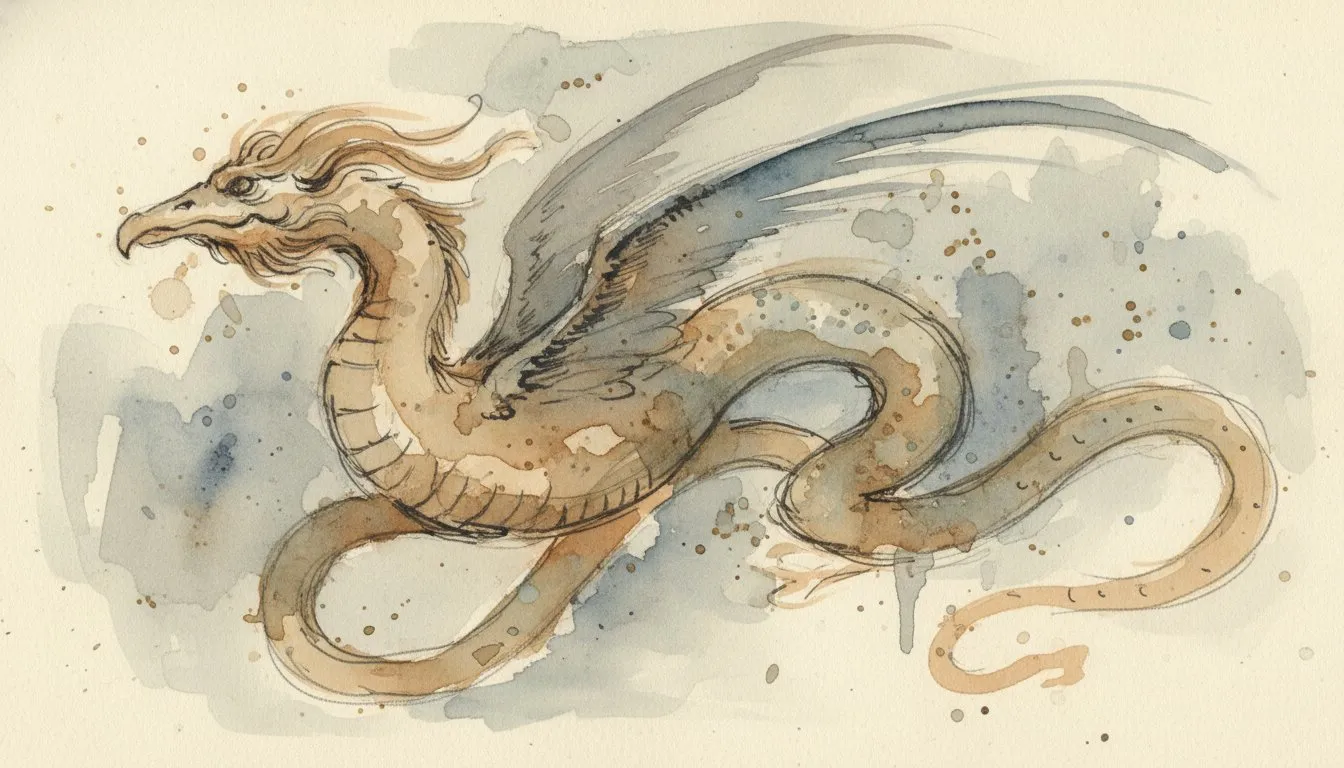
Chipfalamfula
In Zambian lakes, a massive horned beast surfaces with enough force to capsize fishing boats.
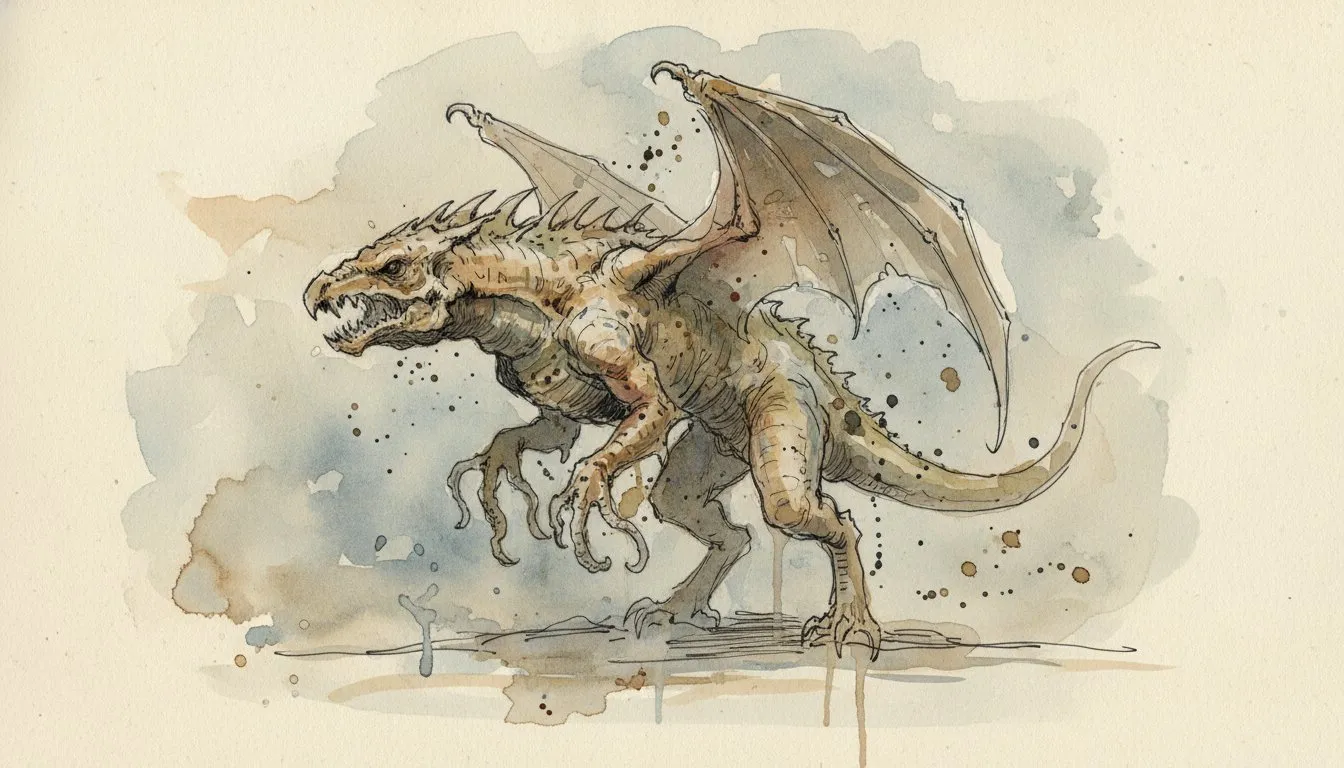
Snallygaster
A half-bird, half-reptile terror from Maryland with a taste for livestock and legend.
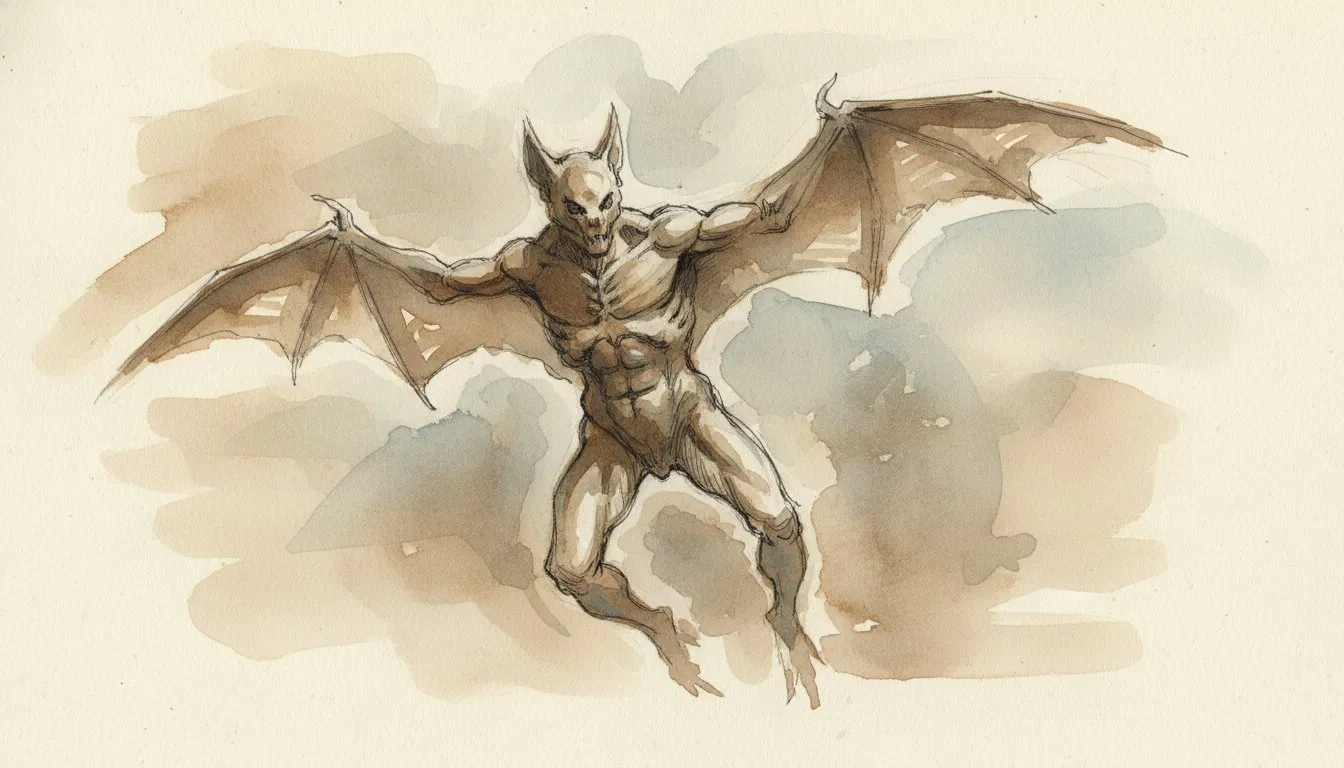
Popobawa
Zanzibar's most feared entity attacks at night and demands that victims tell others, or it returns.
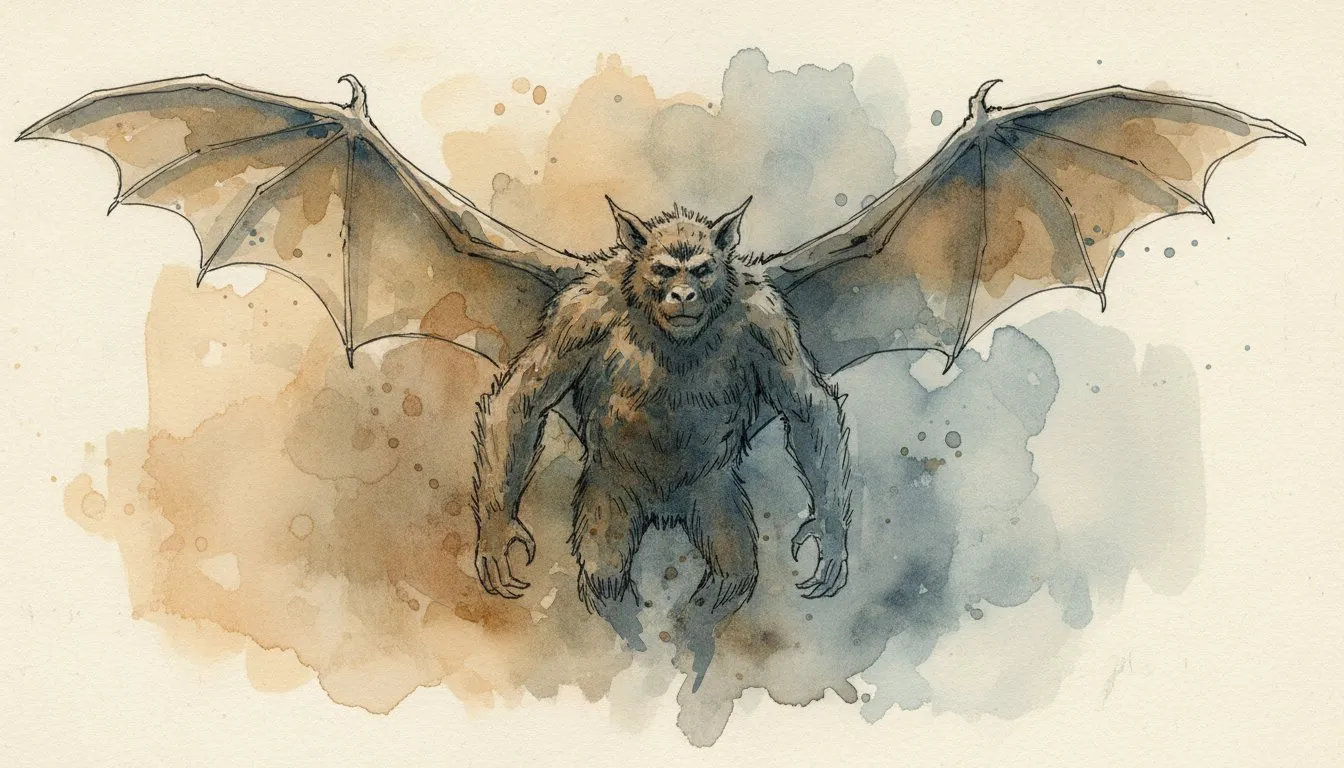
Batsquatch
A purple-skinned, bat-winged ape seen near Mount St. Helens after the eruption.