
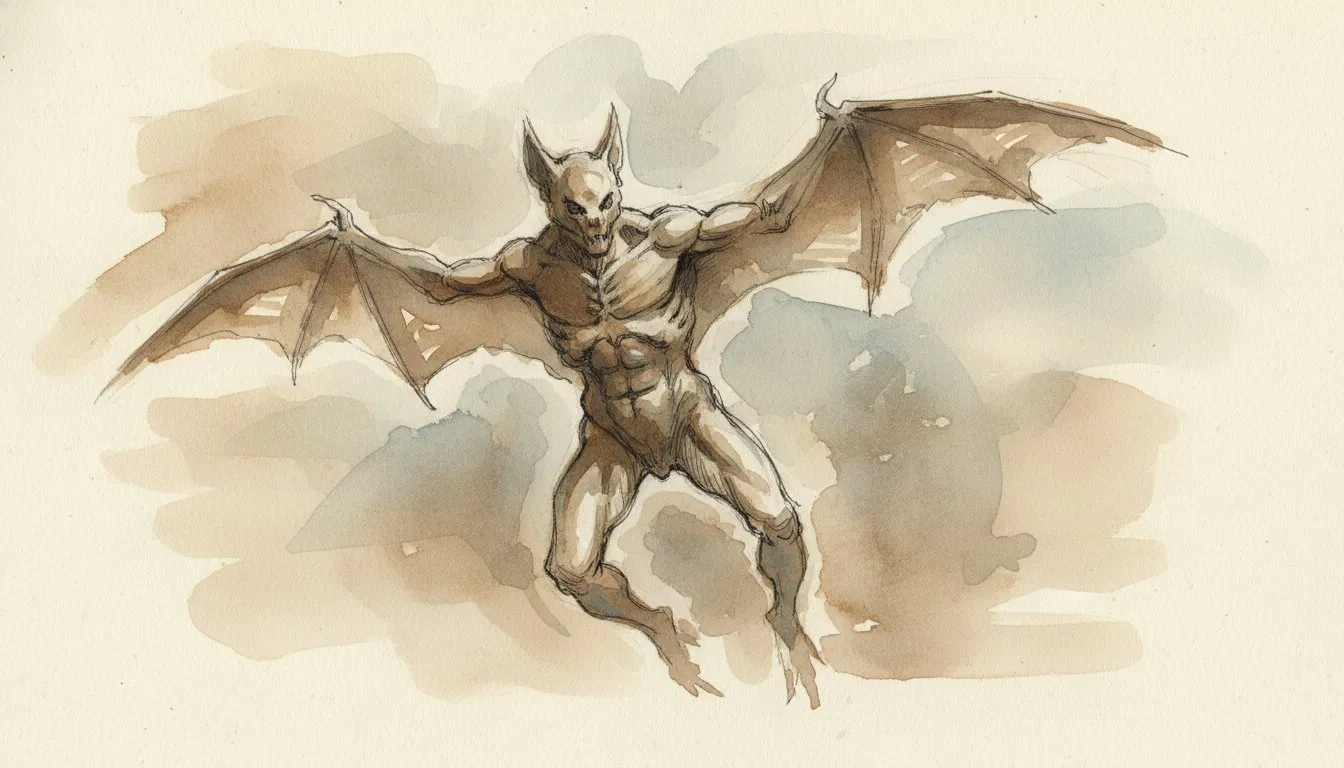
Popobawa
Also known as: Bat Wing, Popo Bawa
Zanzibar's most feared entity attacks at night and demands that victims tell others, or it returns.
1965
Pemba Island, Zanzibar, Tanzania
Human-sized with large wingspan
Malevolent
Unverified
The Lore
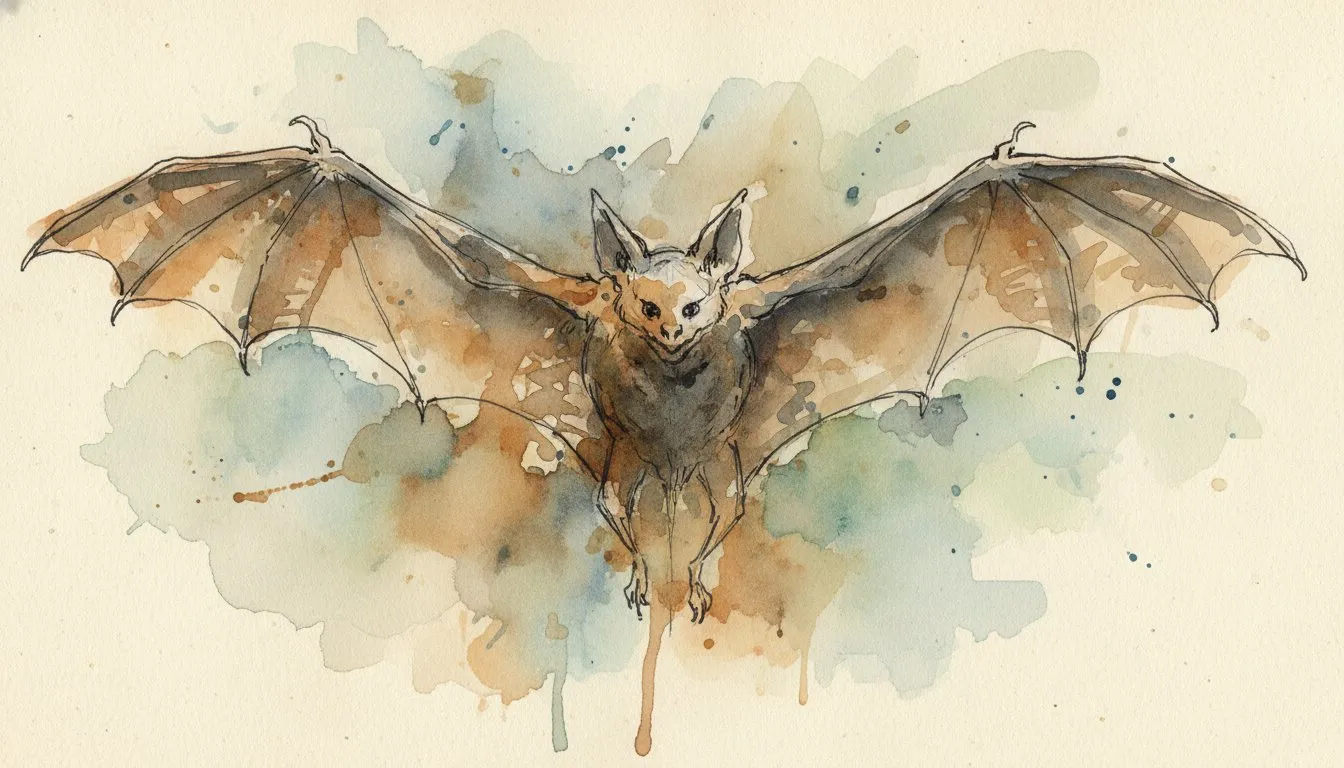
The Popobawa is a feared nocturnal entity reported on the island of Zanzibar and the Tanzanian coast. Described as a one-eyed, bat-winged humanoid with a foul smell, it allegedly attacks people in their homes at night. Mass panic events occurred in 1995 and 2007, with entire neighborhoods sleeping outside to avoid encounters. Skeptics attribute the phenomenon to sleep paralysis and social hysteria.
On the island of Zanzibar, off the coast of Tanzania in the Indian Ocean, a terror unlike anything in the Western cryptid tradition periodically descends on urban and rural communities alike. The Popobawa, whose name derives from the Swahili words for bat and wing, is described not as a creature that prowls the wilderness but as a supernatural entity that enters homes at night and physically assaults sleeping inhabitants. The accounts are explicit and disturbing, and the phenomenon has triggered genuine mass panic on several occasions in modern East African history. What distinguishes the Popobawa from other supernatural entities is its insistence on being remembered: witnesses report that the creature warned them to tell others about the attack or face a return visit, a detail that has been interpreted by anthropologists as a mechanism of compelled testimony.
The Popobawa legend is widely considered to have originated on Pemba Island, just north of Zanzibar, in 1965, around the time of the political upheaval that followed the Zanzibar Revolution. The political instability and social trauma of that period may have provided fertile ground for the legend's emergence. The earliest accounts described a shapeshifting entity, sometimes appearing as a one-eyed giant or as a batwing shadow, that overwhelmed sleeping people in their homes. The 1995 outbreak in Zanzibar saw hundreds of residents leaving their homes to sleep in the streets and in groups, believing communal sleep offered protection. The outbreak was covered by international media and prompted official statements from Tanzanian authorities.
This element of compelled testimony has led some anthropologists to argue that Popobawa episodes represent a social contagion in which the cultural expectation of attack, combined with genuine sleep paralysis events, produces clusters of testimony that reinforce one another. Sleep paralysis, which produces vivid hallucinations of a presence in the room and physical immobilization, is a well-documented neurological phenomenon reported across cultures and often interpreted through the lens of local supernatural belief. In Zanzibar, where the Popobawa narrative is widely known, sleep paralysis sufferers may readily interpret their experiences as Popobawa attacks.
Further waves of Popobawa panic occurred in 2007 and in years following major political events in the region, reinforcing the association between social anxiety and the creature's appearances. Whether the Popobawa is understood as a literal supernatural being, a psychosocial phenomenon, or something that resists easy categorization, it commands genuine fear in the communities where it appears.
Further Reading
No book is devoted to this creature. These are the general references that cover the field, plus a direct search if you want to dig further.
- Cryptozoology A to Z by Loren Coleman and Jerome Clark (1999)
The standard one-volume encyclopedia, roughly two hundred entries covering creatures, investigators, and hoaxes.
- Mysterious Creatures: A Guide to Cryptozoology by George M. Eberhart (2002)
The larger reference guide, stronger on sourcing and on creatures that never reached the popular books.
Search Amazon for Popobawa books
As an Amazon Associate, Cryptid Vault earns from qualifying purchases. Links open Amazon in a new tab.
Get the Field Notes.
Field notes from the Vault, when there is something worth sending. No spam.
No spam. Unsubscribe anytime.
You might also like
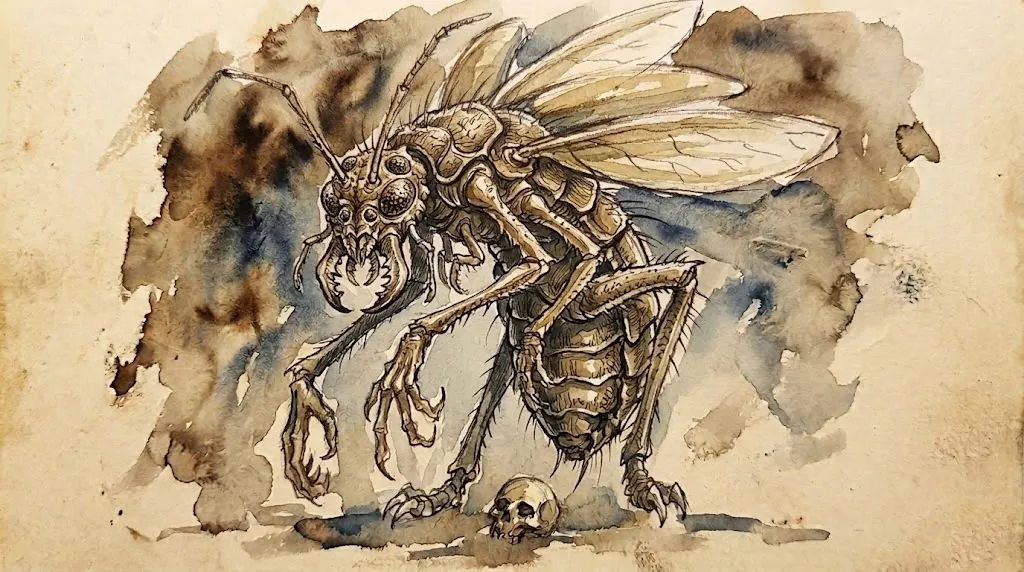
Adze
In Togo, a vampire disguised as a glowing firefly slips through locked doors to feed on the sleeping.
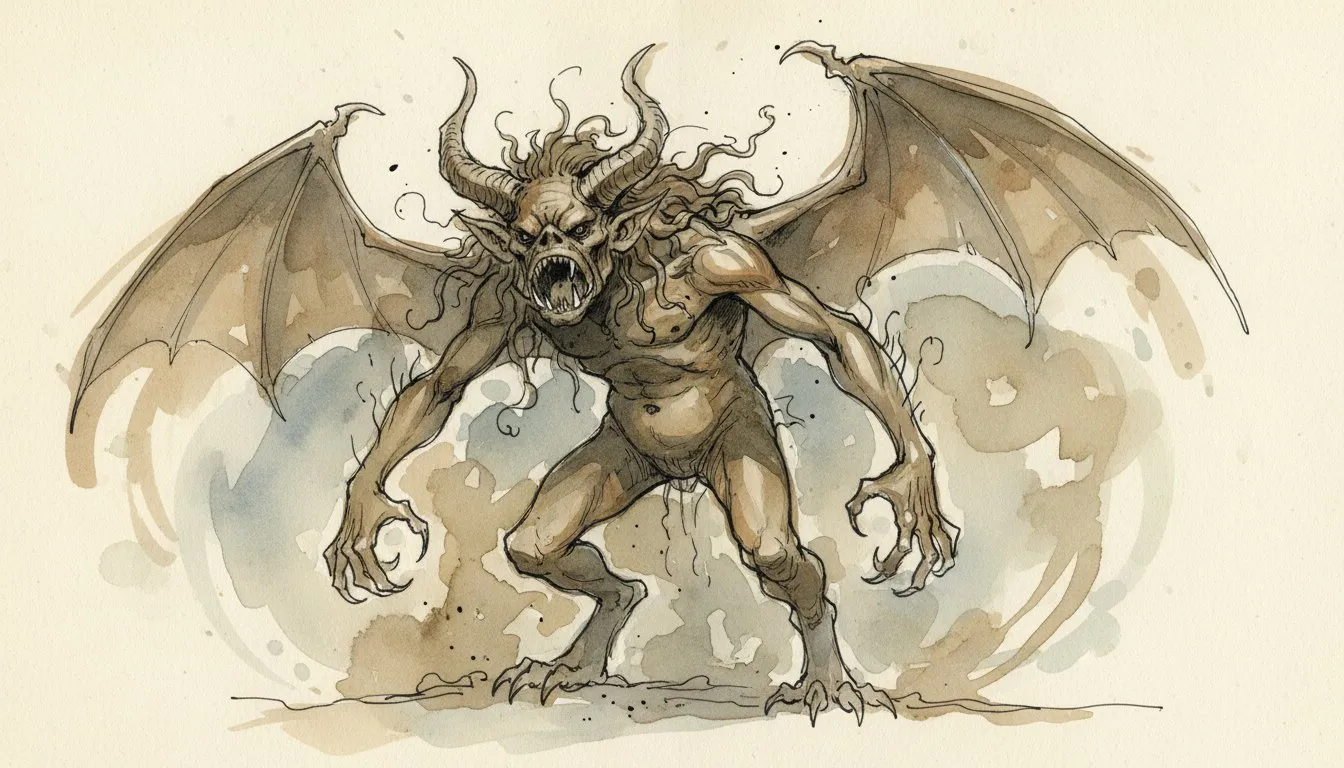
Sasabonsam
In the forests of Ghana, something with iron teeth and bat wings sits in the treetops, legs dangling like bait.
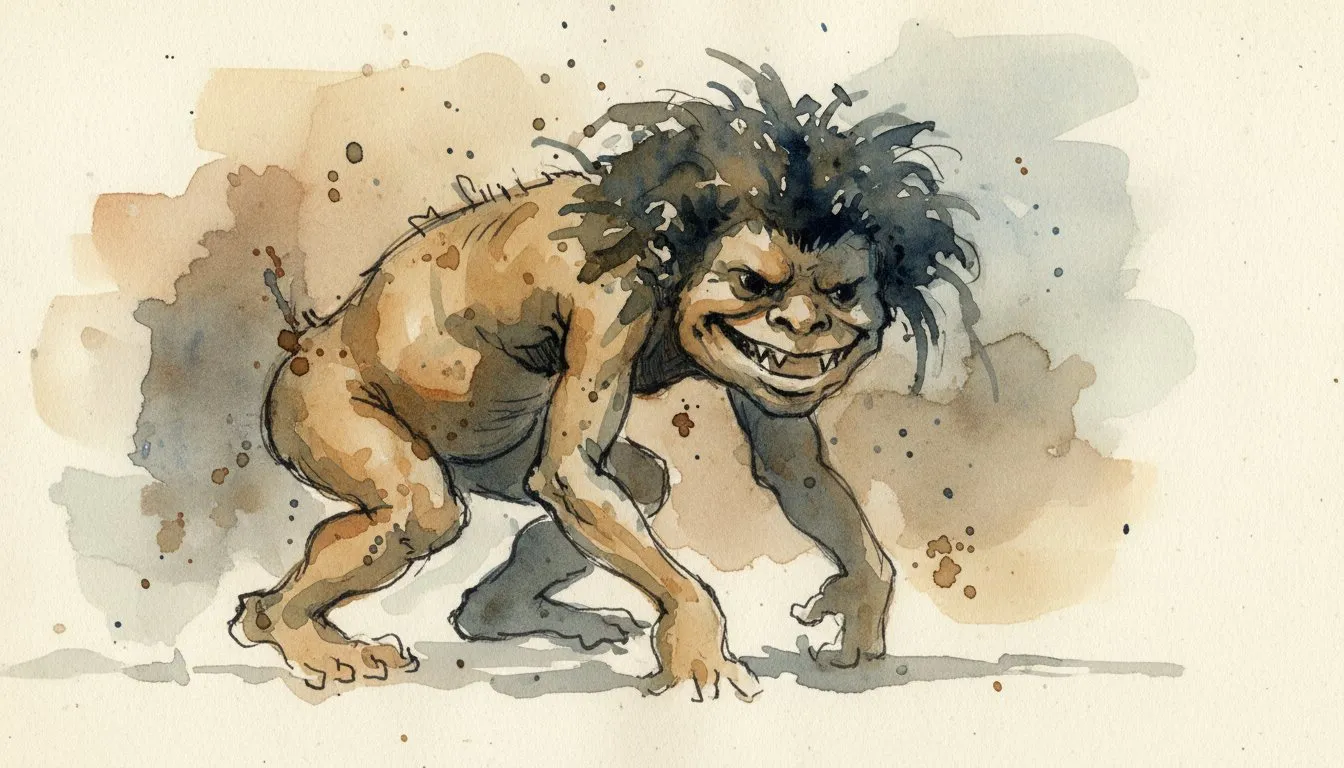
Tokoloshe
Millions of South Africans still raise their beds on bricks to stay out of reach of this invisible dwarf.
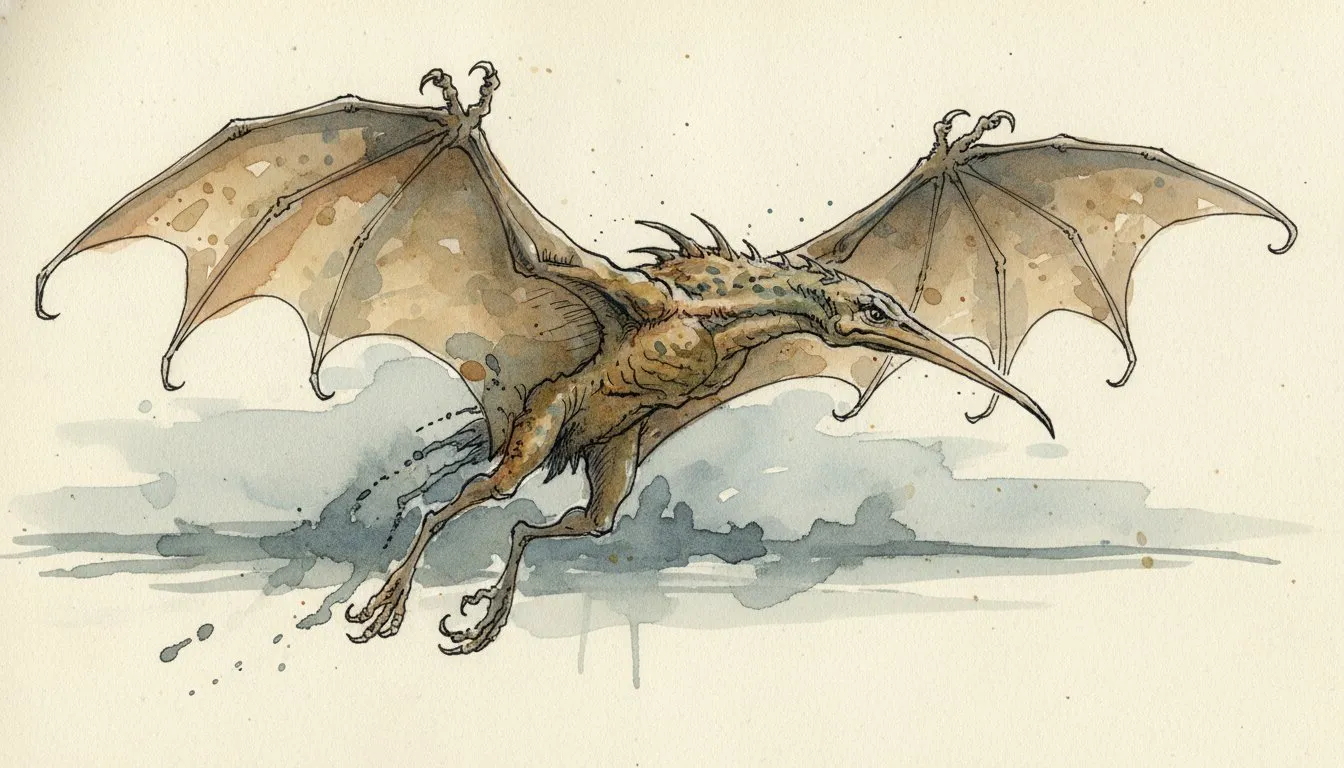
Kongamato
Zambian fishermen describe a flying reptile with leathery wings and teeth that capsizes their boats.
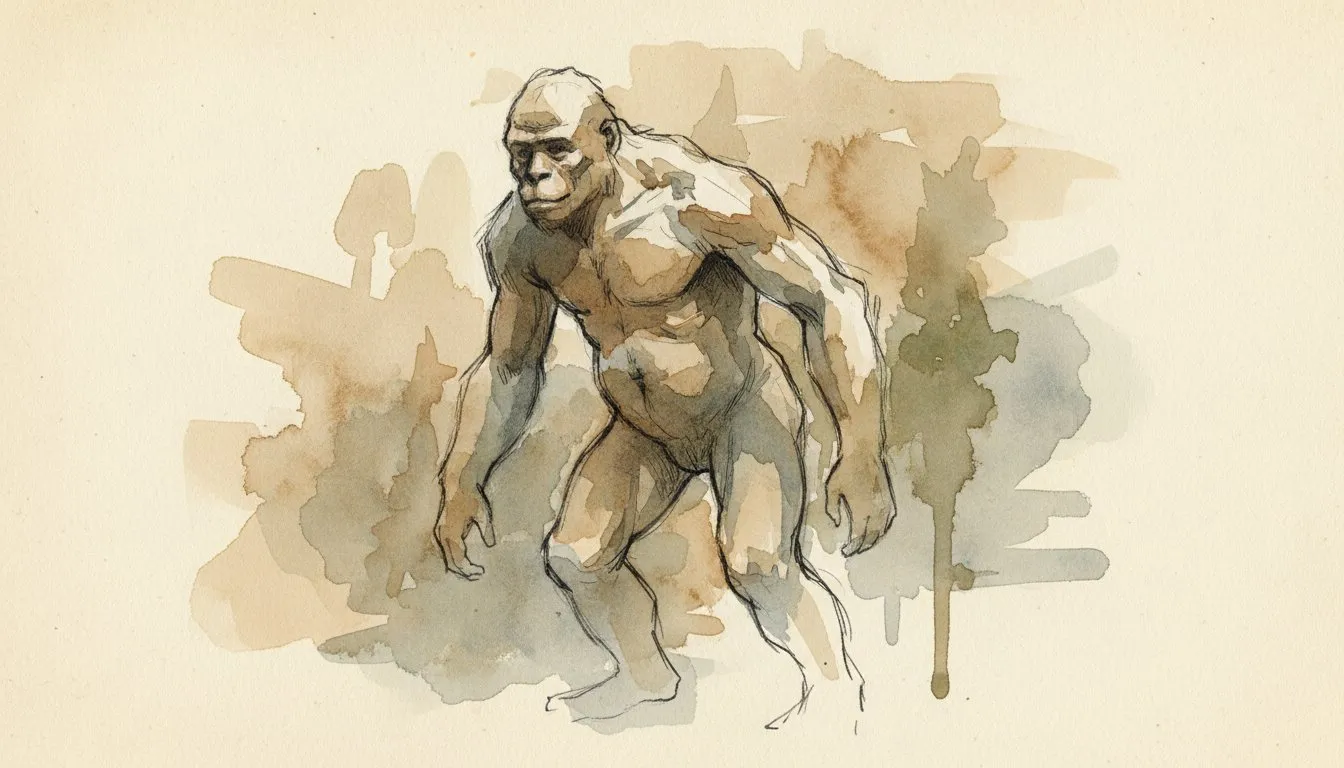
Agogwe
Across East Africa, multiple credible witnesses have reported small, rust-colored ape-men walking upright.
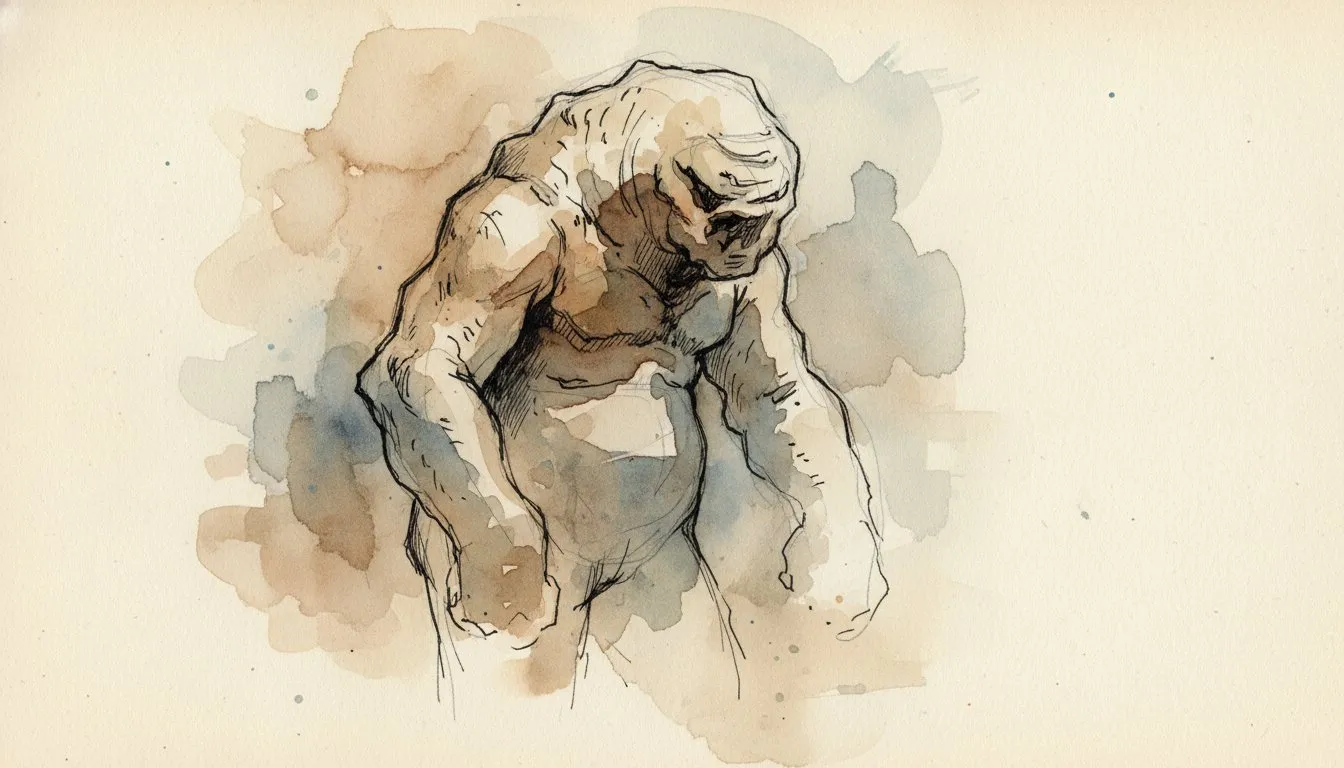
Grafton Monster
A headless, pale giant spotted lumbering through a West Virginia town in 1964.
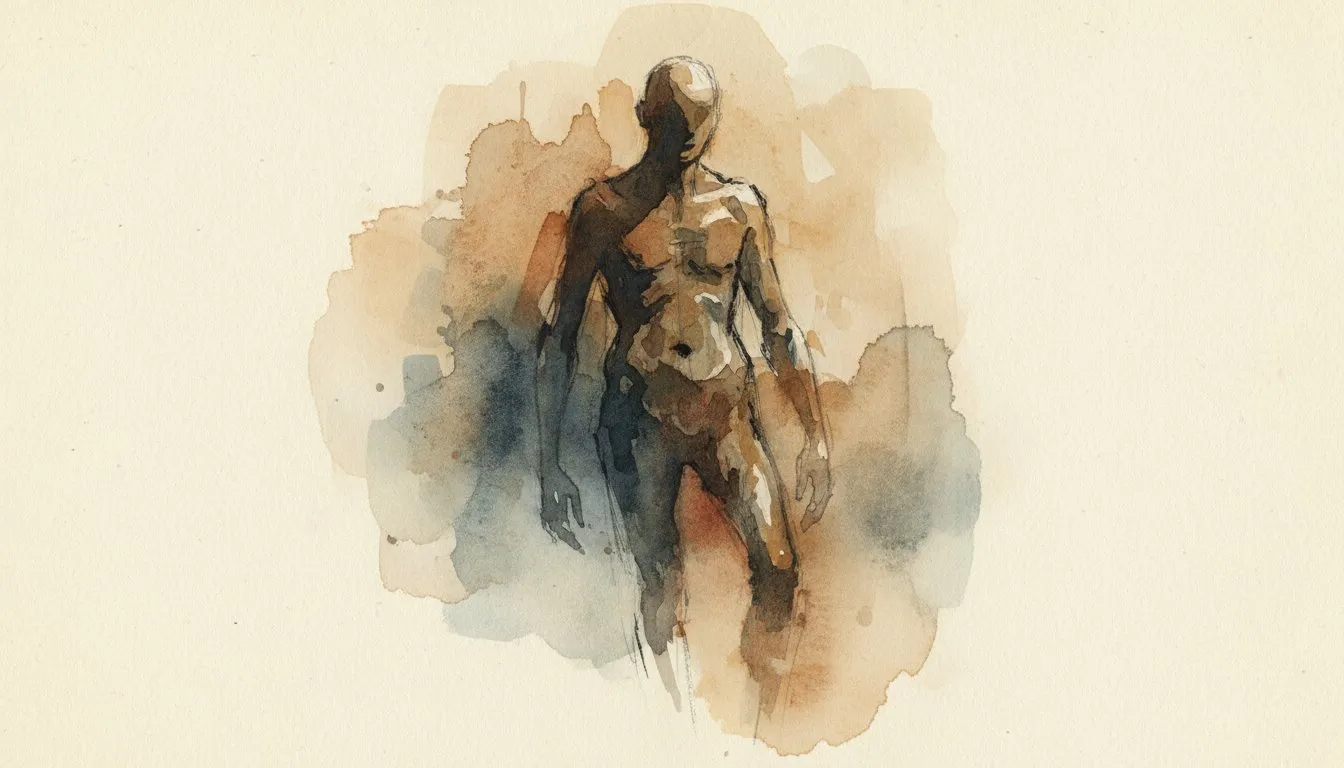
Orang Minyak
A slippery, oil-coated humanoid that terrorizes Malaysian towns at night, impossible to catch or hold.
Ahool
A giant bat with a 10-foot wingspan, screaming through the jungles of Java.