
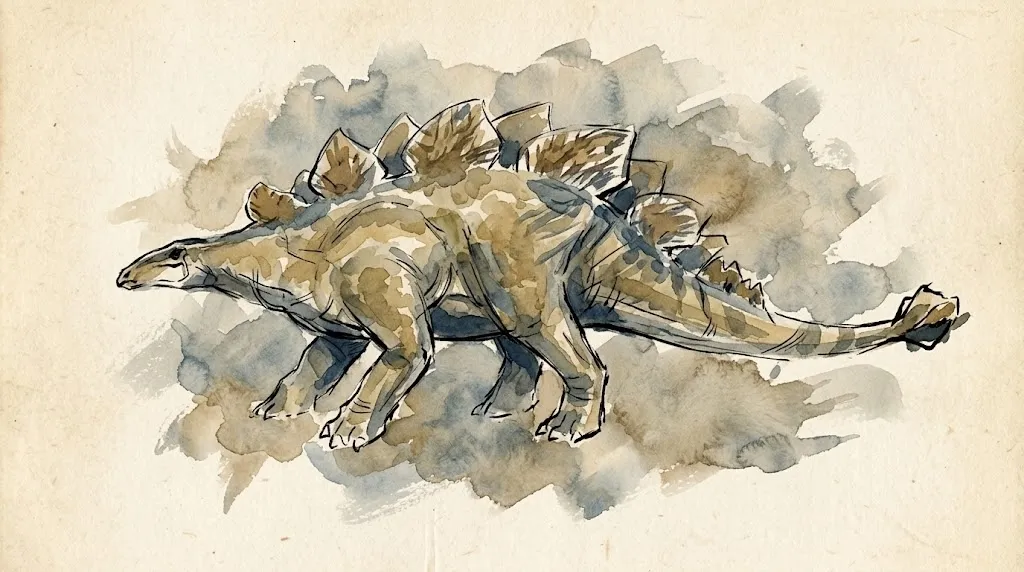
Muhuru
Also known as: Kenyan Dinosaur
In a remote Kenyan river valley, locals describe an armored, club-tailed reptile that has no business still existing.
Early 1900s
Muhuru River, western Kenya
Approximately 15 feet long
Reclusive
Unverified
The Lore
The Muhuru is a large reptilian creature reported near the Muhuru River in western Kenya, close to Lake Victoria. Witnesses describe an animal roughly 15 feet long with heavy armored plating along its back and a clubbed tail, closely resembling a stegosaur or ankylosaur. Missionary and ethnographer R.E. Hobley collected accounts in the early 1900s. The remote terrain and dense vegetation of the area have prevented thorough investigation.
In the forested regions near Lake Victoria in western Kenya and extending into Uganda and Tanzania, local communities have described a creature they call the Muhuru for generations. The Muhuru is said to be a living dinosaur-like animal, described as resembling a heavily armored lizard of extraordinary size, moving through both forest undergrowth and shallow river systems with a slow, deliberate gait. The creature is associated with specific geographic areas near rivers that drain into Lake Victoria, and local fishermen have reported seeing it wading through shallow water or resting on riverbanks.
Historical reports from colonial-era naturalists and administrators provide some of the earliest written documentation. In the late 19th and early 20th centuries, British officers stationed in the East Africa Protectorate recorded accounts from local informants describing a reptilian animal larger than a crocodile but distinct in shape, with a heavily scaled body, a rounded back, and limbs positioned more directly beneath the torso than those of a crocodile, giving it a more upright walking stance. These accounts were generally dismissed by metropolitan scientific institutions, but they circulated among naturalists interested in the possibility of surviving prehistoric megafauna in central Africa.
The Muhuru is sometimes grouped with other East African cryptids in the broader category of African dinosaur reports, though it occupies a distinct geographic niche and is described differently from the more famous Mokele-mbembe of the Congo Basin. Where Mokele-mbembe is typically described as sauropod-like, the Muhuru's accounts more consistently suggest an ankylosaur-like creature, heavily armored and low-slung, though cryptozoological speculation about specific prehistoric analogues should be approached with caution.
Cryptozoologists who have conducted fieldwork in the Lake Victoria basin have noted that the region's extensive papyrus swamps, dense riparian forest, and complex river networks could theoretically conceal a large, reclusive animal. The lake itself is immense, covering nearly 27,000 square miles, and its watershed encompasses vast areas of difficult terrain. However, no physical evidence in the form of bones, scales, photographs, or biological samples has been recovered. Zoologists generally attribute accounts of the Muhuru to misidentification of known species, including very large Nile crocodiles, large monitor lizards, or Nile softshell turtles, all of which can reach impressive sizes and might appear extraordinary to witnesses who encounter them under poor conditions.
Notable Witnesses
- R.E. Hobley
Further Reading
No book is devoted to this creature. These are the general references that cover the field, plus a direct search if you want to dig further.
- Cryptozoology A to Z by Loren Coleman and Jerome Clark (1999)
The standard one-volume encyclopedia, roughly two hundred entries covering creatures, investigators, and hoaxes.
- Mysterious Creatures: A Guide to Cryptozoology by George M. Eberhart (2002)
The larger reference guide, stronger on sourcing and on creatures that never reached the popular books.
Search Amazon for Muhuru books
As an Amazon Associate, Cryptid Vault earns from qualifying purchases. Links open Amazon in a new tab.
Get the Field Notes.
Field notes from the Vault, when there is something worth sending. No spam.
No spam. Unsubscribe anytime.
You might also like
Mokele-mbembe
Deep in the Congo Basin, local tribes describe a living dinosaur with total consistency across generations.
Kongamato
Zambian fishermen describe a flying reptile with leathery wings and teeth that capsizes their boats.
Emela-ntouka
Something in the Congo swamps kills elephants with a single horn and has no interest in eating them.
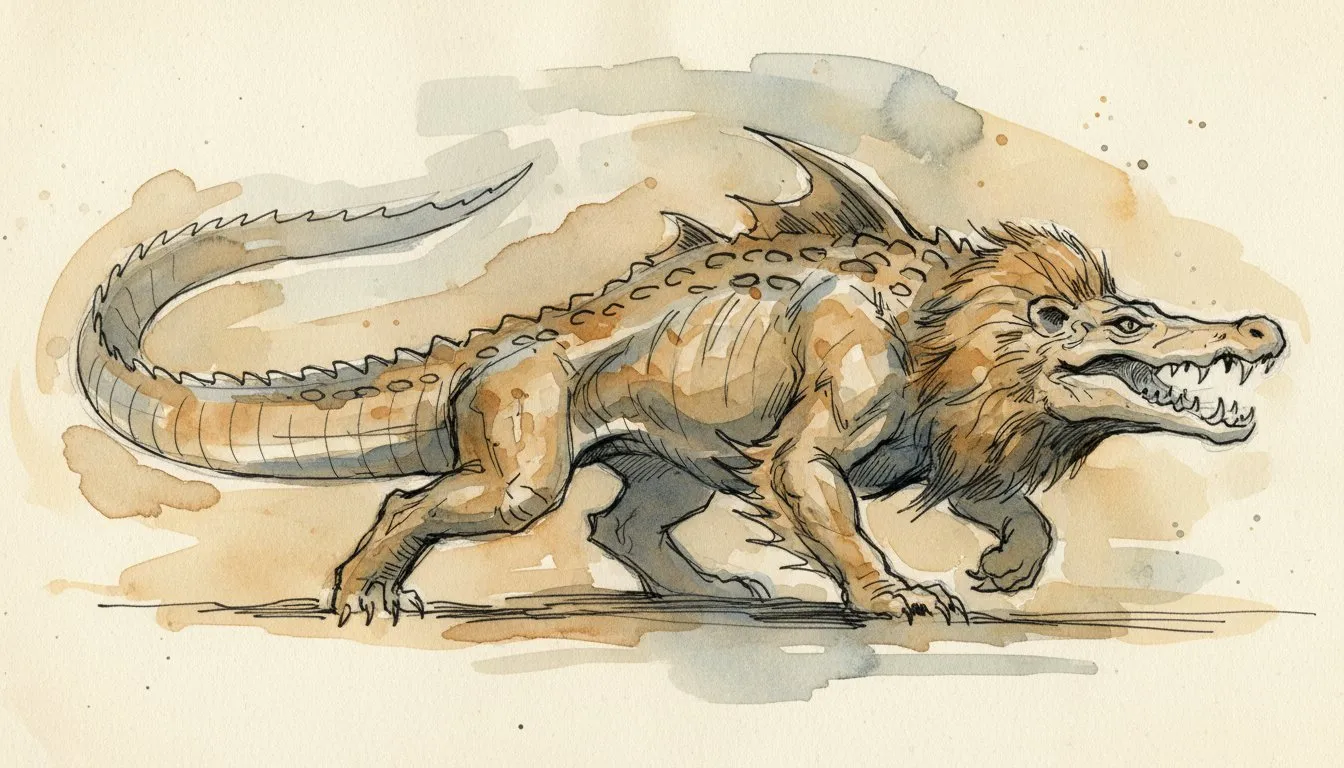
Dingonek
A saber-toothed, armored aquatic predator was reported in a Kenyan river by a big-game hunter in 1907.
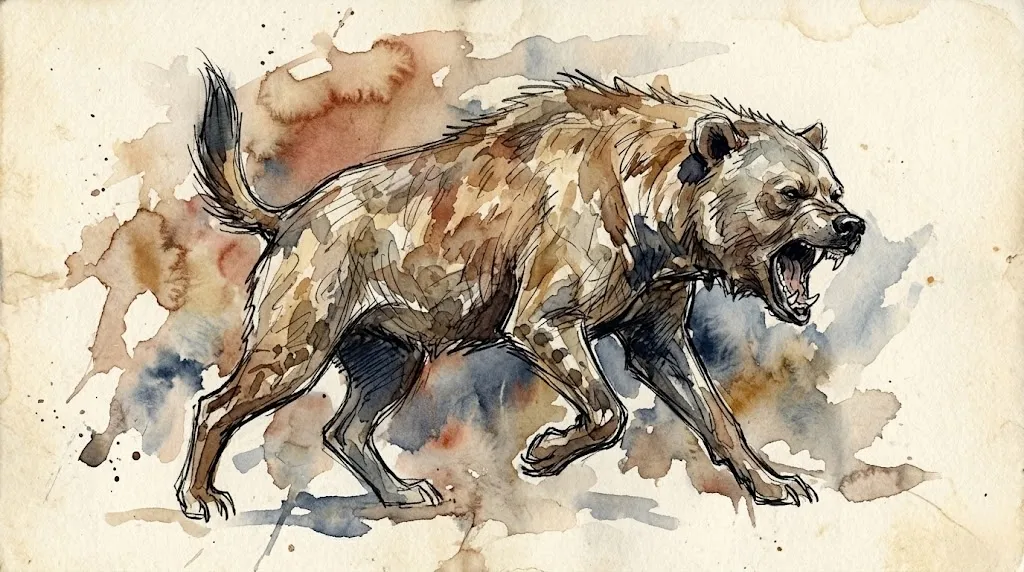
Nandi Bear
Kenyan tribes fear a nocturnal beast that kills for one thing only: the brain.
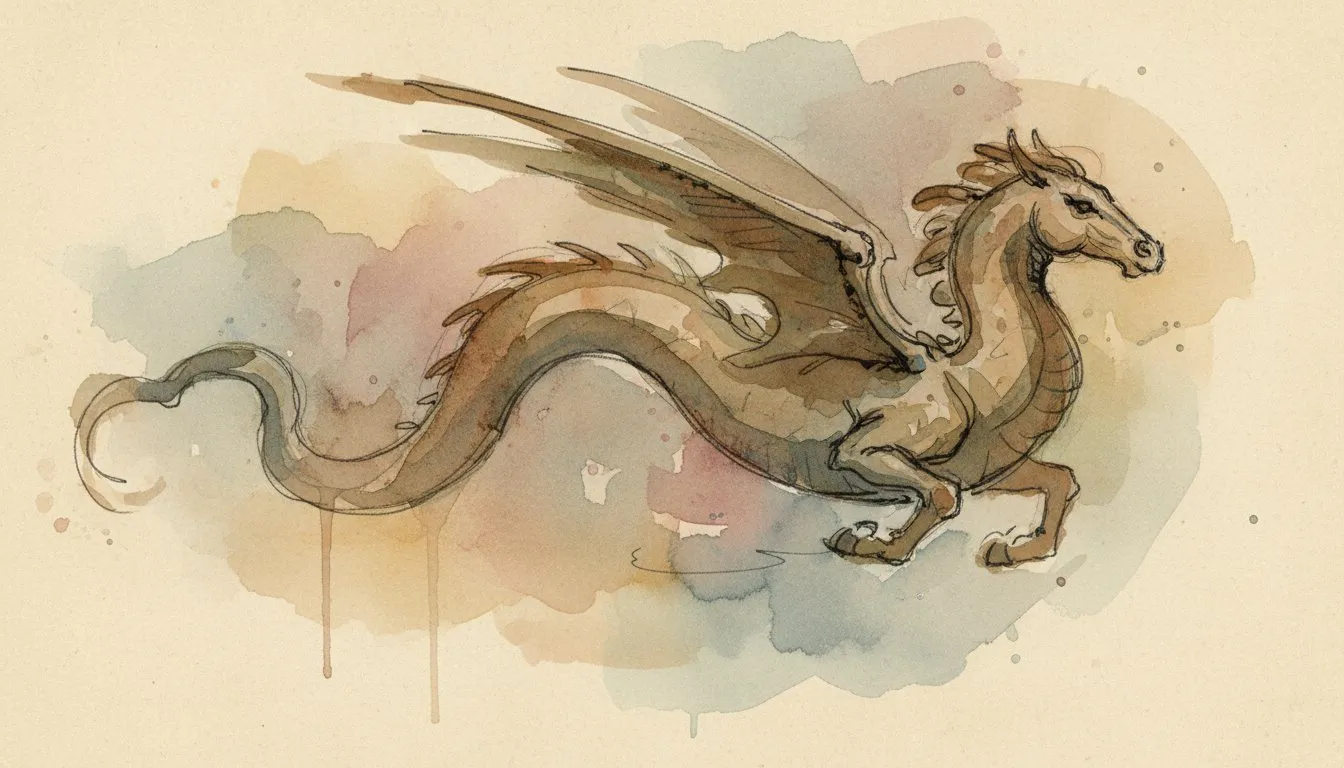
Ninki Nanka
West African elders say that anyone who sees this swamp dragon dies shortly after.
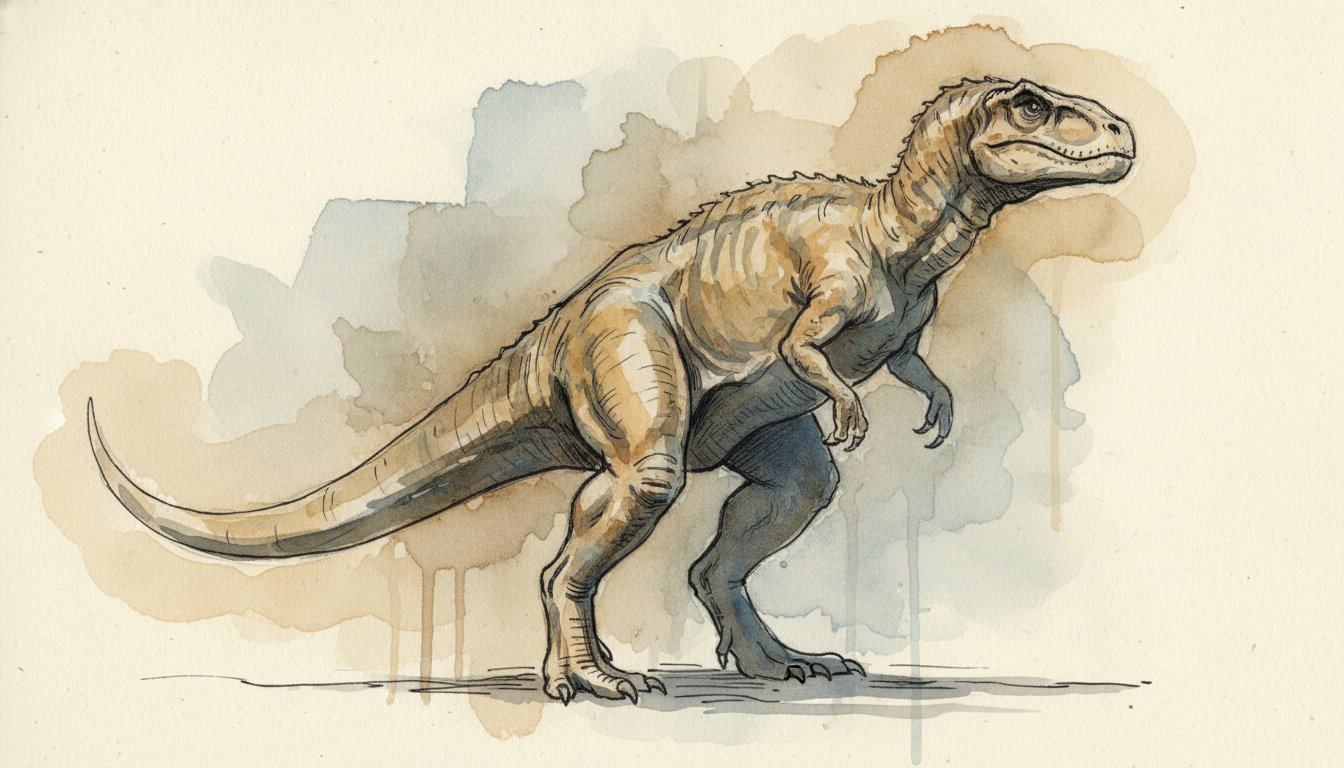
Burrunjor
A bipedal reptilian predator stomping through the Australian outback, leaving three-toed tracks in places nothing large should be.
J'ba Fofi
In the Congo, locals describe a spider with a leg span wider than a grown man is tall.