Burrunjor
Also known as: Old Three Toes
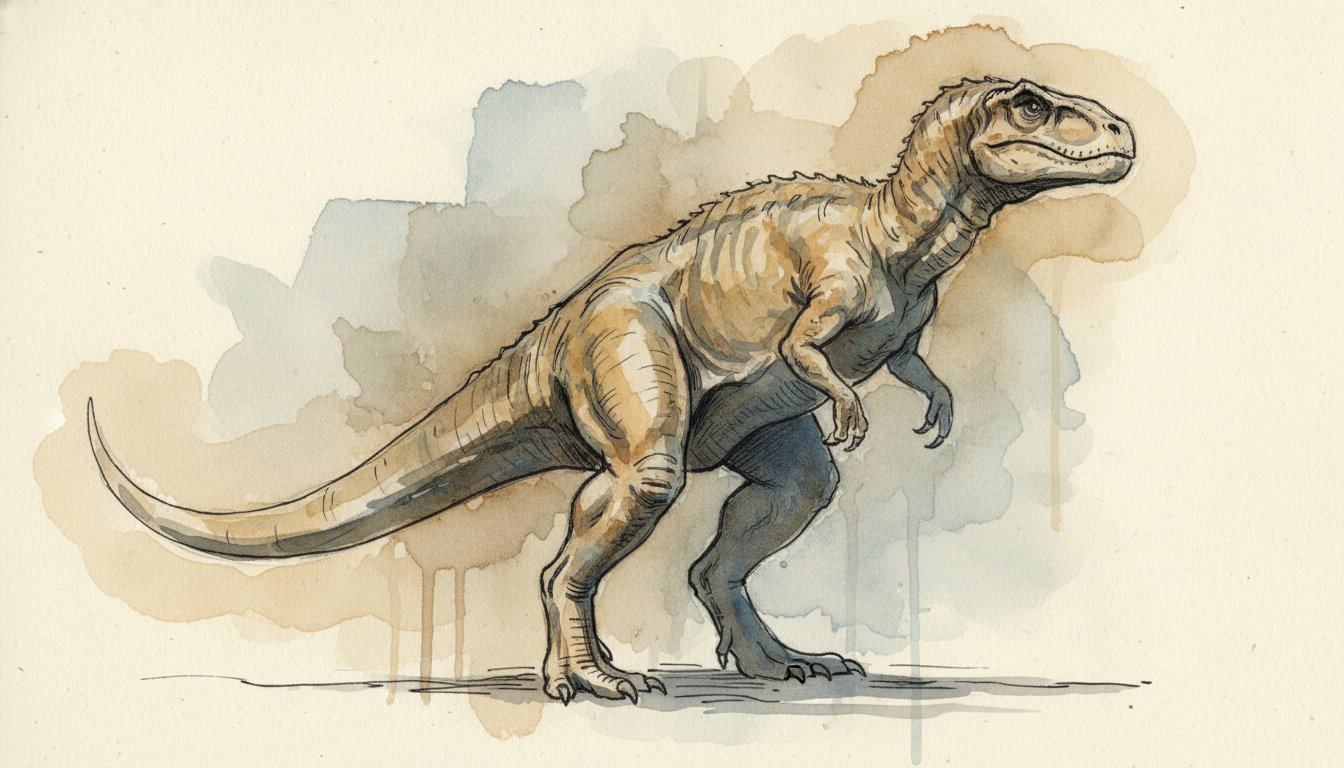
A bipedal reptilian predator stomping through the Australian outback, leaving three-toed tracks in places nothing large should be.
Ancient (Aboriginal rock art); modern reports from 1950s
Arnhem Land, Northern Territory, Australia
20-25 ft long
Aggressive predator
Unconfirmed
The Lore
The Burrunjor is a large bipedal reptile reported in Arnhem Land, Northern Territory, Australia. Aboriginal rock art in the region depicts creatures resembling theropod dinosaurs, and cattle ranchers since the 1950s have reported hearing thunderous footfalls and finding livestock torn apart with three-clawed tracks nearby. The creature is described as 20-25 feet long, running upright on two powerful hind legs. Some researchers connect it to surviving megalania or a theropod remnant, though neither fits the reported profile exactly.
In the Northern Territory and Queensland outback of Australia, Aboriginal traditions of the Aranda and neighboring groups describe an enormous reptilian creature known as the Burrunjor, said to inhabit the most remote regions of the arid interior and the savanna woodland of Arnhem Land. The creature is described as bipedal, walking on two powerful rear legs, with tiny forelimbs and a massive, heavy tail used for balance. Witnesses describe a reptile of enormous scale, estimated at 20 to 25 feet in length, with a thick, scaled hide, a long neck, and jaws of formidable power. The description is functionally identical to a theropod dinosaur, a parallel that has made the Burrunjor one of the most discussed cryptids in the context of living dinosaur hypotheses.
The Aboriginal tradition of the Burrunjor is ancient and deeply integrated into the sacred geography of the land. Specific sites, waterholes, and rock formations in the Northern Territory are associated with Burrunjor activity, and some areas are considered dangerous to visit because of the creature's known presence. These associations are not casual folklore but form part of the complex system of sacred knowledge, law, and geography maintained by Aboriginal communities across generations. Elders who have spoken about the Burrunjor to outsiders emphasize that the creature is a real part of the landscape, not a metaphorical or purely spiritual entity.
European and Australian settler accounts of large, unknown reptiles in the outback date to the late 19th and early 20th centuries. Cattlemen working the remote stations of the Northern Territory described their livestock being taken by something far larger than any known predator, with tracks found nearby that did not correspond to any identified animal. In 1950, a group of cattlemen reportedly encountered a large bipedal reptile near Murranji Track, a notoriously remote droving route in the Northern Territory. The animal reportedly retreated into dense scrub before it could be observed closely.
Skeptical biologists point out that Australia's fossil record shows no theropod dinosaurs surviving past the Cretaceous extinction event 66 million years ago, and the island continent's geographic isolation since that time makes a surviving population of large reptilian predators extraordinarily unlikely. The monitor lizards of Australia, including the perentie which can reach 8 feet in length, may account for some exaggerated reports. However, the Burrunjor tradition's specificity, longevity, and embeddedness in Aboriginal sacred knowledge continues to attract serious attention from researchers who take Indigenous ecological knowledge as a potentially reliable source of zoological information.
Notable Witnesses
- Johnny Mathews (1950s stockman)
- Aboriginal elders of Arnhem Land
Media Appearances
- Rex and the Beast (documentary)
- Destination Truth (TV)
Further Reading
No book is devoted to this creature. These are the general references that cover the field, plus a direct search if you want to dig further.
- Cryptozoology A to Z by Loren Coleman and Jerome Clark (1999)
The standard one-volume encyclopedia, roughly two hundred entries covering creatures, investigators, and hoaxes.
- Mysterious Creatures: A Guide to Cryptozoology by George M. Eberhart (2002)
The larger reference guide, stronger on sourcing and on creatures that never reached the popular books.
Search Amazon for Burrunjor books
As an Amazon Associate, Cryptid Vault earns from qualifying purchases. Links open Amazon in a new tab.
Get the Field Notes.
Field notes from the Vault, when there is something worth sending. No spam.
No spam. Unsubscribe anytime.
You might also like
Mokele-mbembe
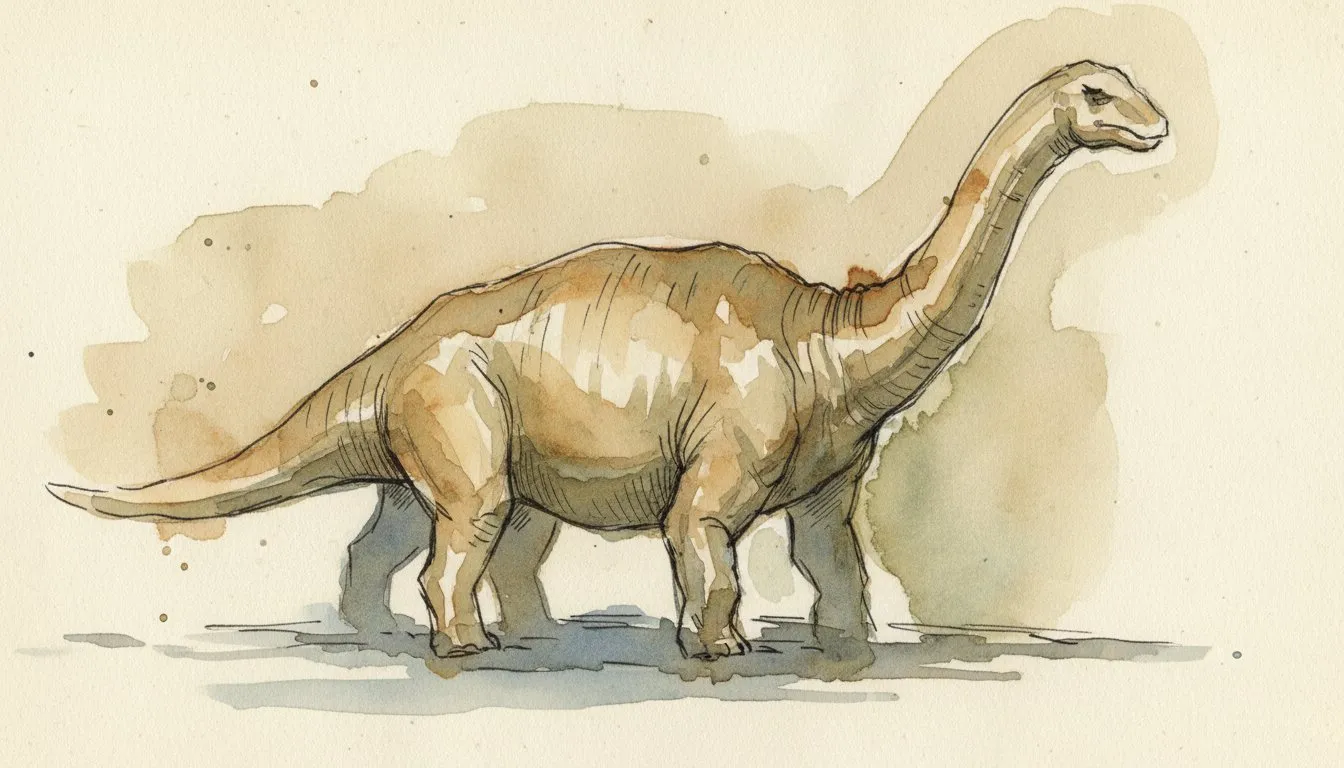
Deep in the Congo Basin, local tribes describe a living dinosaur with total consistency across generations.
Ropen
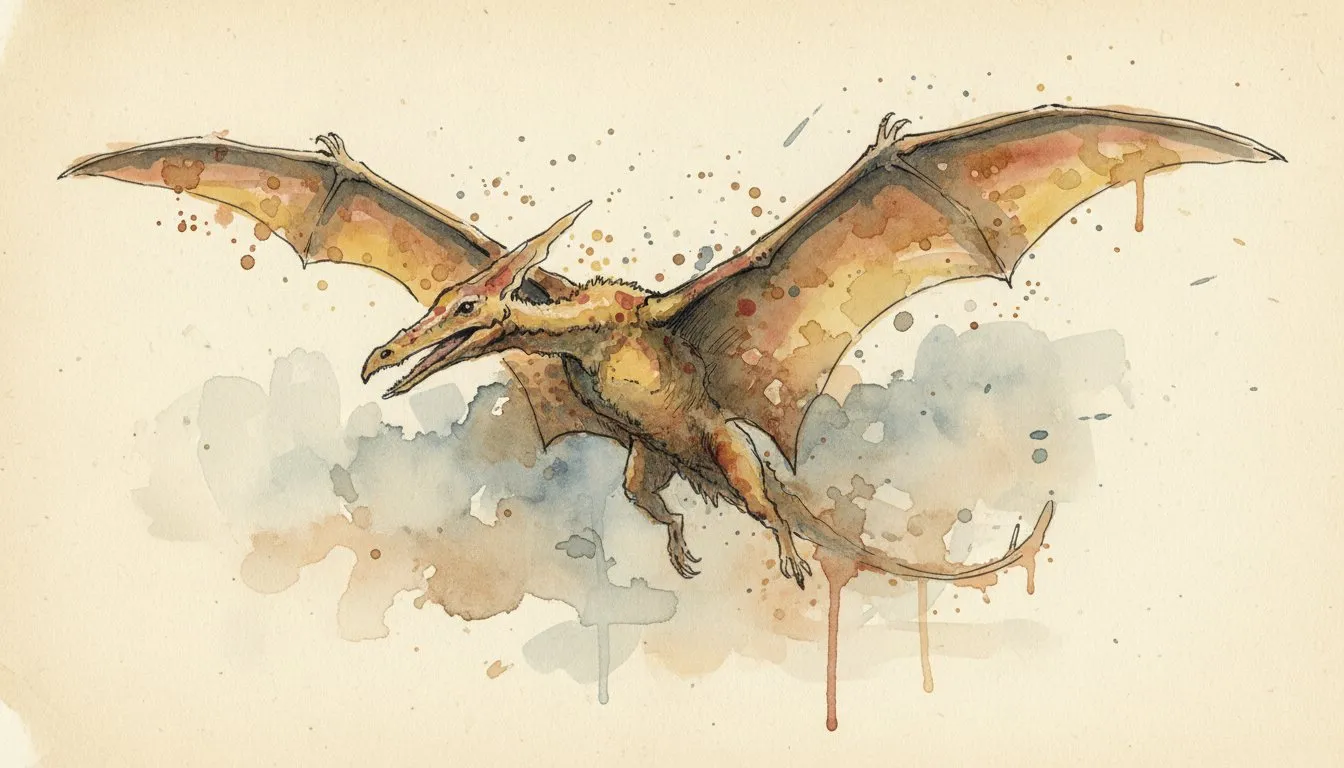
Islanders in Papua New Guinea describe a glowing, long-tailed flying creature that matches no known bird or bat.
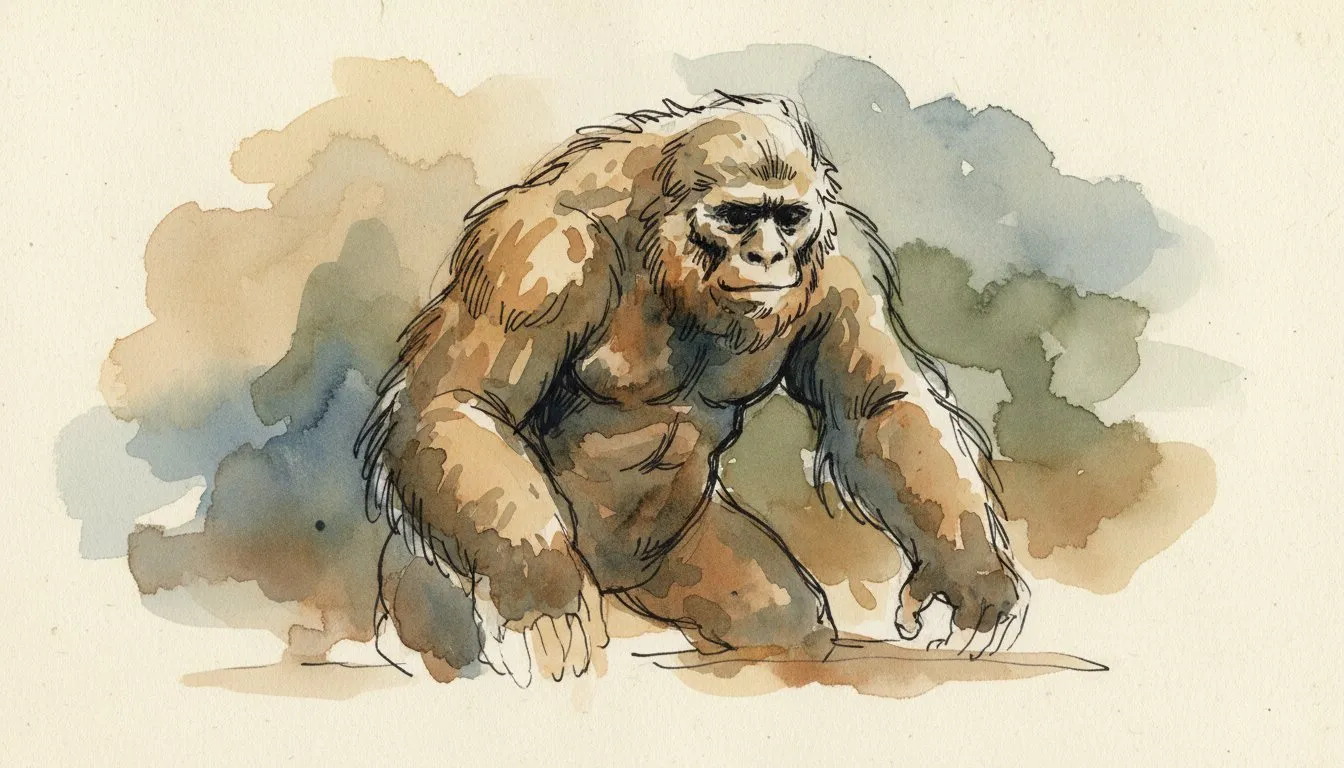
Yowie
Australia's own Bigfoot has been reported for centuries, from Aboriginal Dreamtime stories to modern highway encounters.
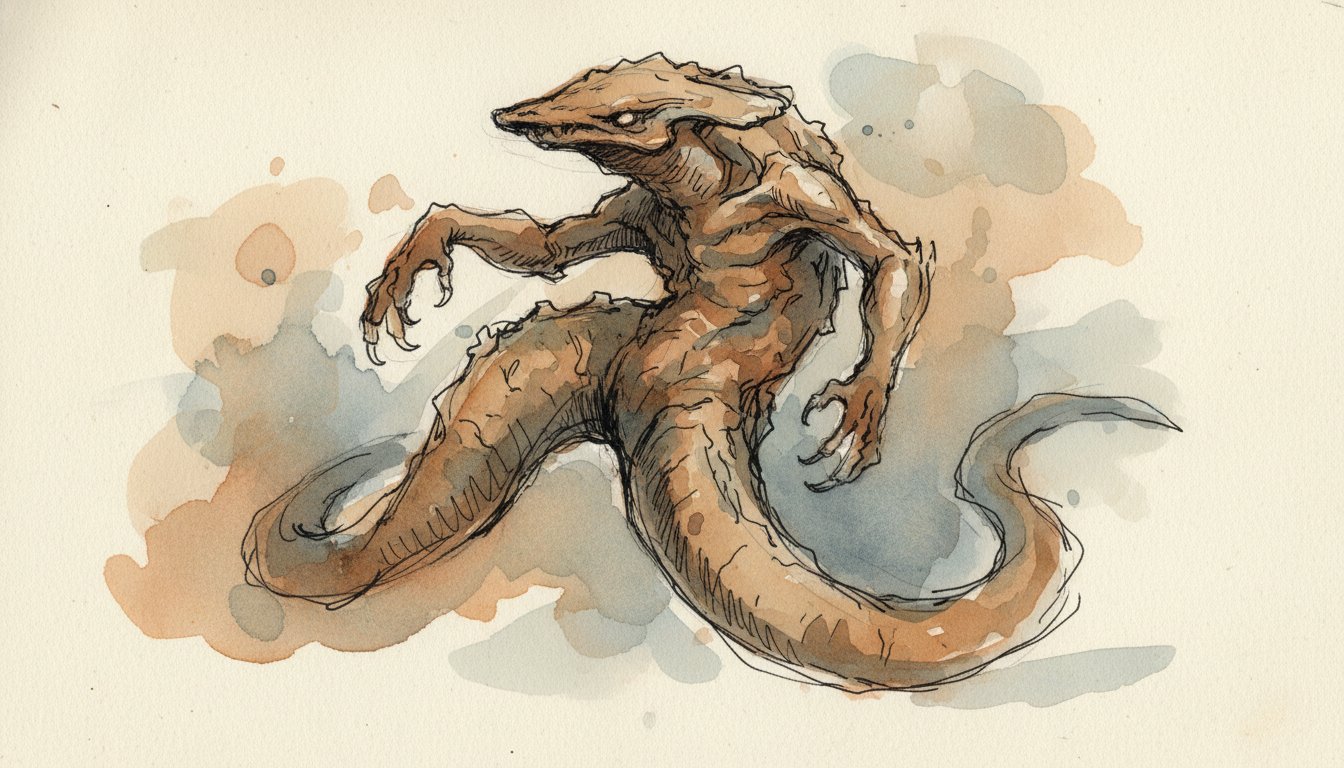
Marrul
A giant serpent of the Australian interior, thick as a tree trunk, still reported near remote waterholes.
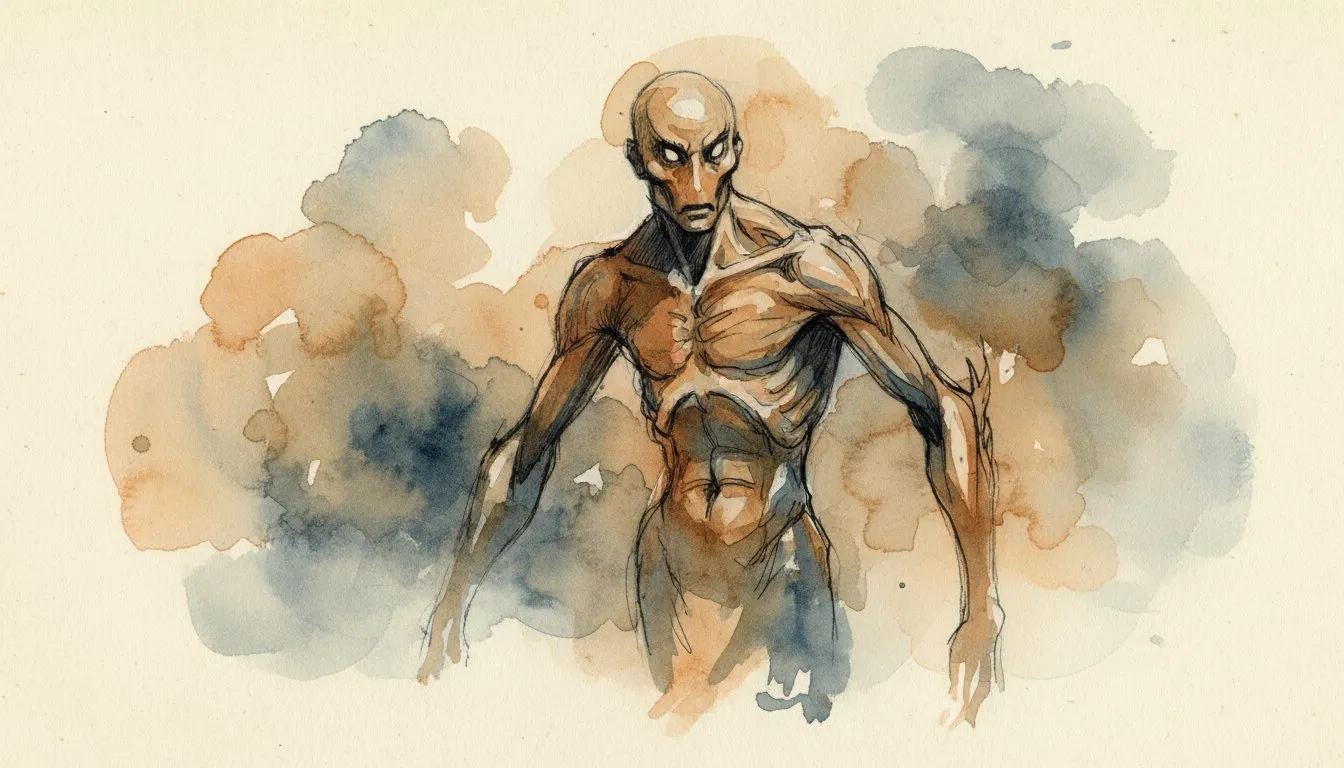
Mokoi
In the Australian outback, a malevolent spirit stalks those who practice sorcery and kills them in their sleep.
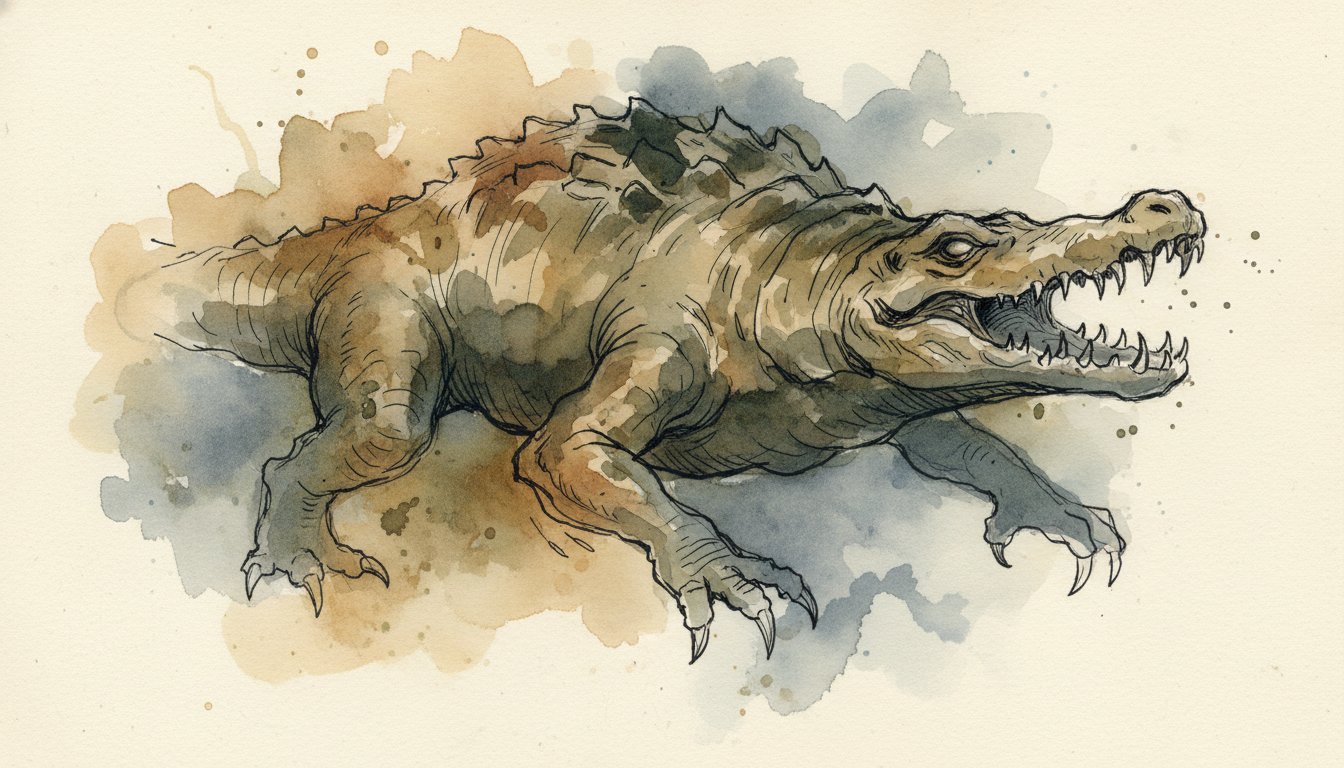
Muldjewangk
A colossal water creature in Australia's Murray River that punishes anyone who disturbs its territory with a wasting sickness.
Hawkesbury River Monster
A plesiosaur-shaped creature in the murky tidal waters north of Sydney, reported by fishermen for over a century.
Death Adder Cat
A striped, cat-sized predator prowling the Australian bush, matching nothing in the known fossil record since the Pleistocene.