Yowie
Also known as: Yahoo, Doolagahl, Quinkin
Australia's own Bigfoot has been reported for centuries, from Aboriginal Dreamtime stories to modern highway encounters.
Aboriginal oral tradition, European reports 1800s
Eastern Australia, especially NSW and Queensland
1.5-3 meters tall
Territorial, usually avoidant
Active sightings, multiple research groups
The Lore
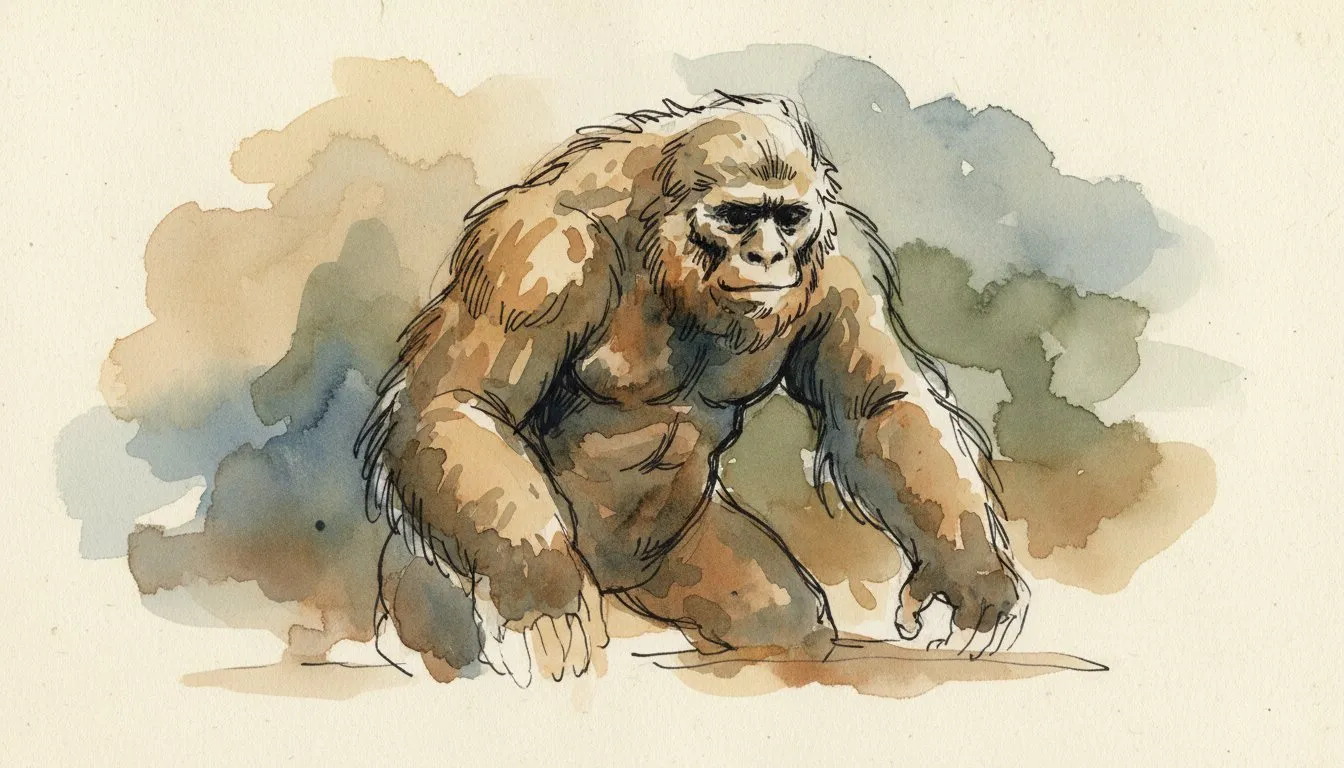
The yowie is Australia's most prominent primate cryptid, described as a large, hairy, bipedal creature ranging from 1.5 to 3 meters tall. Aboriginal Australians have oral traditions of similar beings under various regional names spanning thousands of years. Modern sightings cluster in the forests and mountains of New South Wales and Queensland. Witnesses describe a powerfully built figure with dark, matted hair and a pungent smell. Australia has no known native primates, which makes the yowie particularly puzzling to mainstream science.
Australia's answer to Bigfoot haunts a continent where the megafauna record is deeper and stranger than most of the world acknowledges. The Yowie is reported across a vast arc of terrain, from the sandstone escarpments of the Blue Mountains in New South Wales to the wet tropical forests of far north Queensland, and Aboriginal traditions describing large, hair-covered beings in the bush predate European arrival by many thousands of years. Names vary by Country and language group, including Yahoo, Doolagarl, and Quinkin, and the creature occupies a serious place in many Indigenous cosmologies rather than a merely monstrous one.
European settlers began filing accounts in colonial newspapers as early as the 1870s, describing a powerful biped six to eight feet tall, covered in coarse dark hair, with long arms and a distinctly ape-like build. A recurring detail across otherwise unconnected reports is the creature's overwhelming stench, variously compared to rotting meat, wet dog, and stagnant swamp water. Witnesses almost always describe being watched before they see anything, a pricking sense of observation that turns the Australian bush from backdrop to adversary.
Rex Gilroy, the self-styled father of Australian cryptozoology, spent decades collecting footprint casts, hair samples, and witness testimony from across the eastern seaboard, and his archive remains the single largest Yowie dataset despite ongoing debate about his methods. Modern investigators including Dean Harrison and the Australian Yowie Research network have continued the work with greater evidentiary discipline, mapping sighting clusters around Kilcoy, the Gold Coast hinterland, and the Brindabella Ranges.
What distinguishes the Yowie from its northern hemisphere counterparts is the geography it implies. Australia's isolation makes the survival of an undocumented great ape biologically implausible by mainstream standards, yet the island continent has a long record of surprising zoology, from the tree-kangaroo to the thylacine. The Yowie sits at the intersection of deep Aboriginal knowledge, colonial misunderstanding, and a bush vast enough to swallow a secret, and it remains one of the few cryptids whose cultural footprint reaches back long before the word cryptid existed.
Notable Witnesses
- Rex Gilroy (Australian cryptozoologist)
Media Appearances
- Yowie: The Search for Australia's Bigfoot (documentary)
Further Reading
No book is devoted to this creature. These are the general references that cover the field, plus a direct search if you want to dig further.
- Cryptozoology A to Z by Loren Coleman and Jerome Clark (1999)
The standard one-volume encyclopedia, roughly two hundred entries covering creatures, investigators, and hoaxes.
- Mysterious Creatures: A Guide to Cryptozoology by George M. Eberhart (2002)
The larger reference guide, stronger on sourcing and on creatures that never reached the popular books.
As an Amazon Associate, Cryptid Vault earns from qualifying purchases. Links open Amazon in a new tab.
Get the Field Notes.
Field notes from the Vault, when there is something worth sending. No spam.
No spam. Unsubscribe anytime.
You might also like
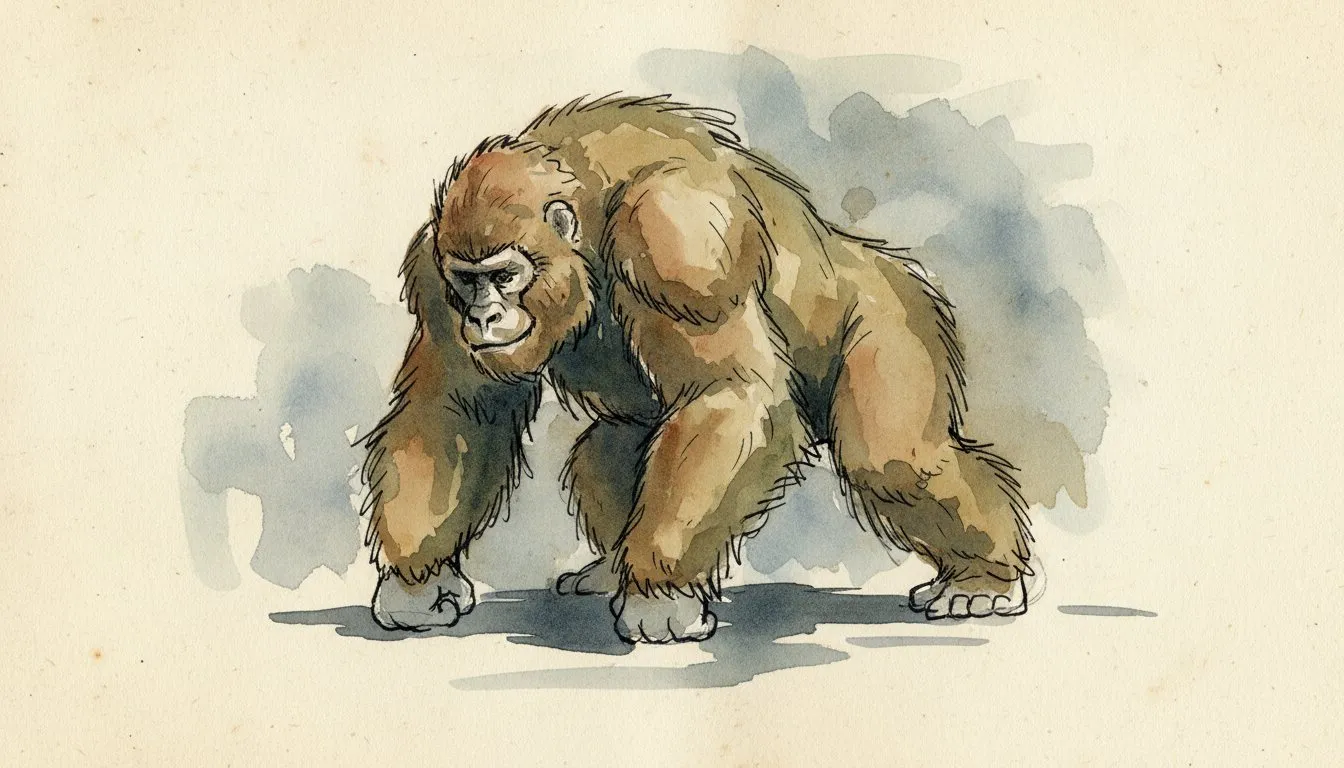
Hibagon
A foul-smelling ape-man stalking the misty slopes of Mount Hiba in rural Japan.
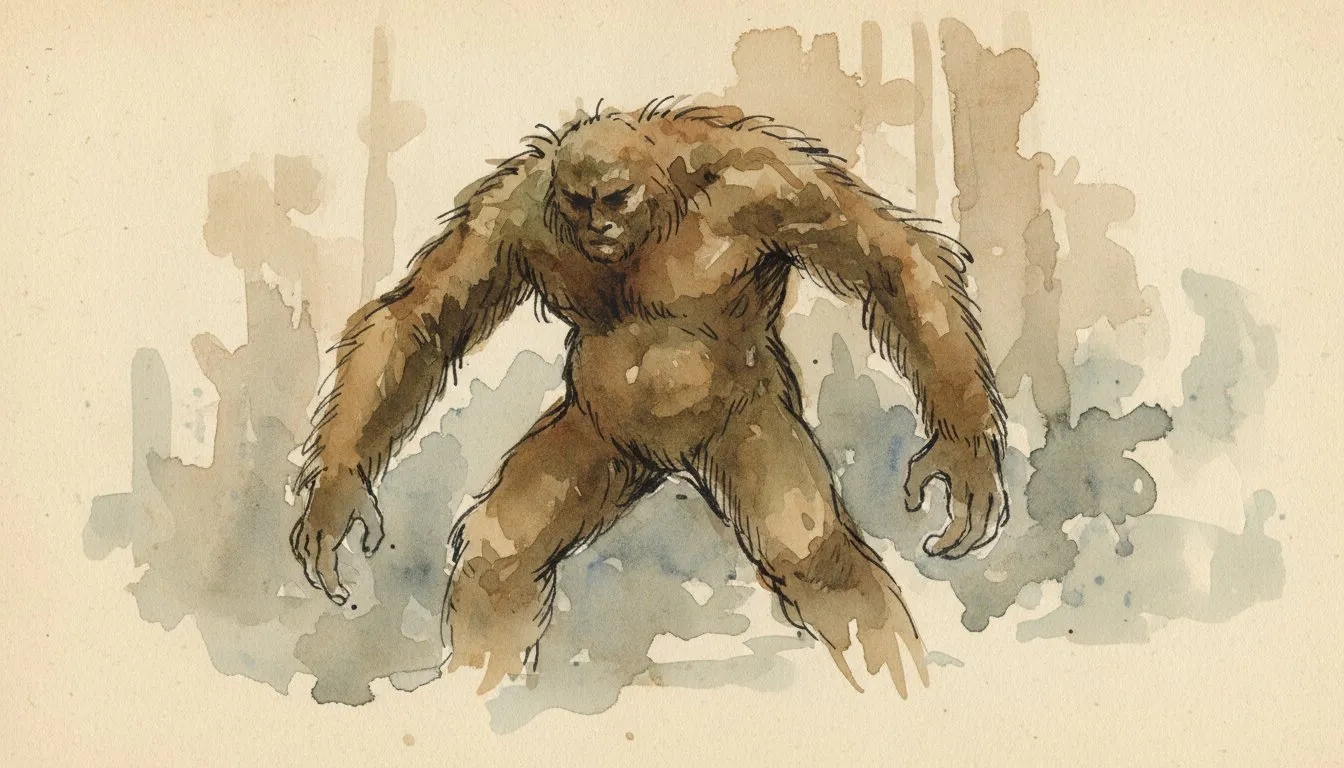
Yeren
China's Bigfoot roams the thick forests of Hubei Province, backed by thousands of reported sightings.
Moehau
A hairy, rock-throwing giant reported in New Zealand's Coromandel Range long before the Bigfoot craze.
Batutut
A bipedal ape spotted by both Vietnamese villagers and American soldiers during the war.
Nguoi Rung
Deep in Vietnam's jungles, soldiers and scientists have reported a powerfully built ape that walks like a man.
Agogwe
Across East Africa, multiple credible witnesses have reported small, rust-colored ape-men walking upright.
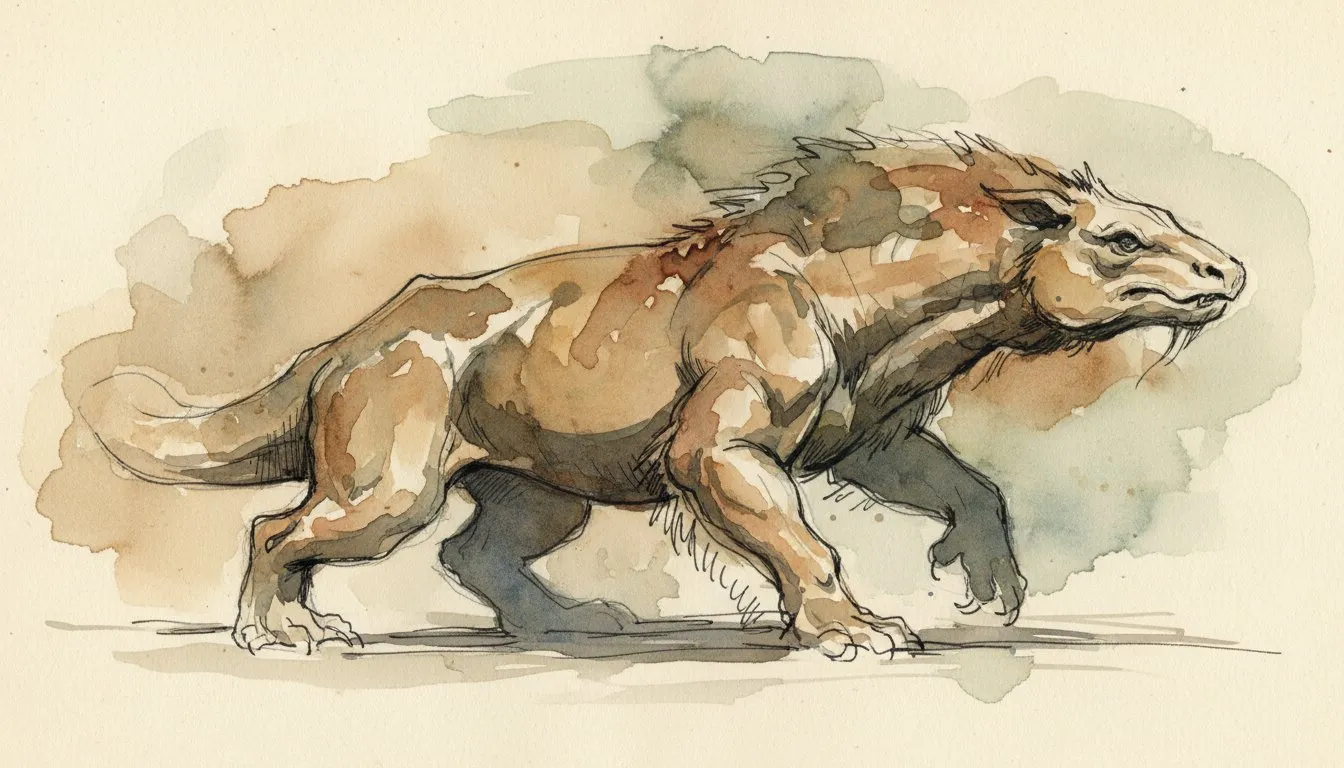
Bunyip
Australia's lurking water spirit, feared by indigenous peoples for thousands of years.
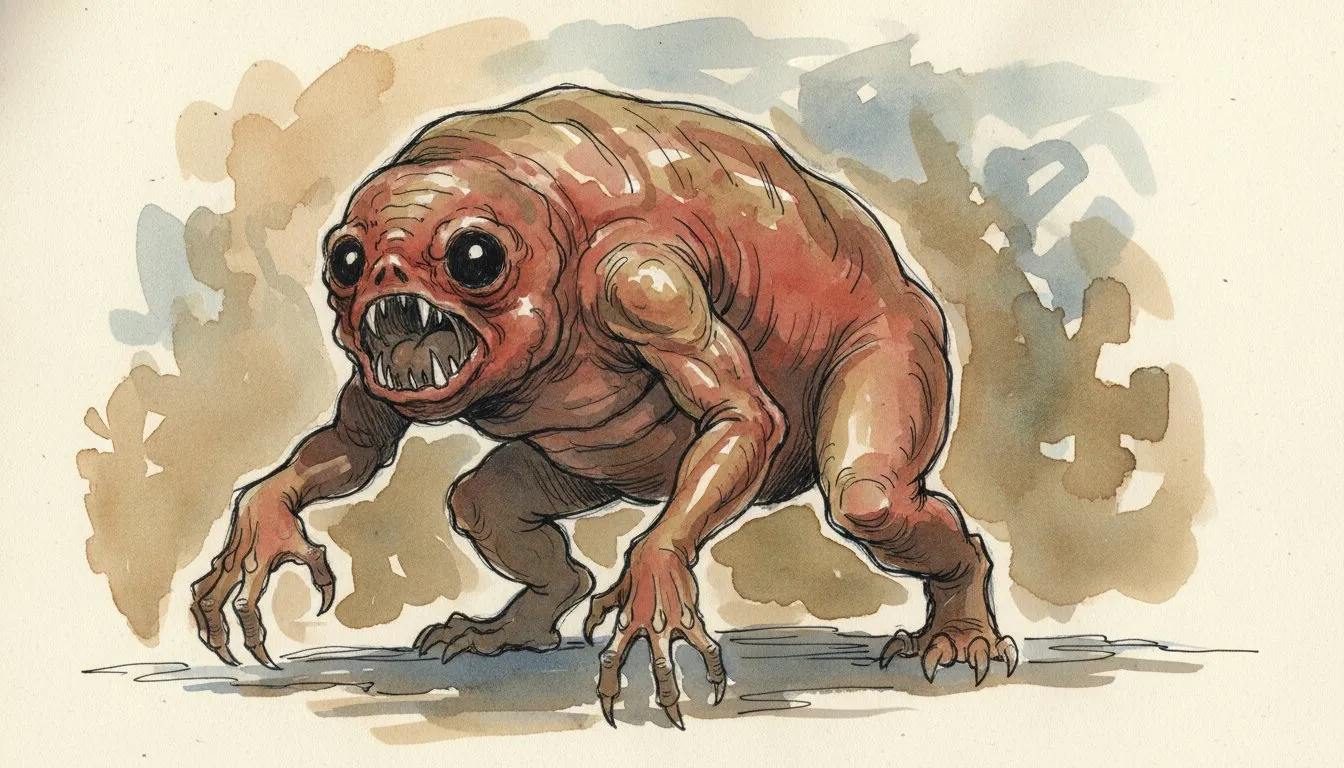
Yara-ma-yha-who
A tiny red tree creature that swallows you whole, then spits you out slightly shorter.