
Yara-ma-yha-who
A tiny red tree creature that swallows you whole, then spits you out slightly shorter.
Pre-colonial (Aboriginal oral tradition)
Throughout Australia
4 ft tall
Predatory, patient
Cultural tradition
The Lore
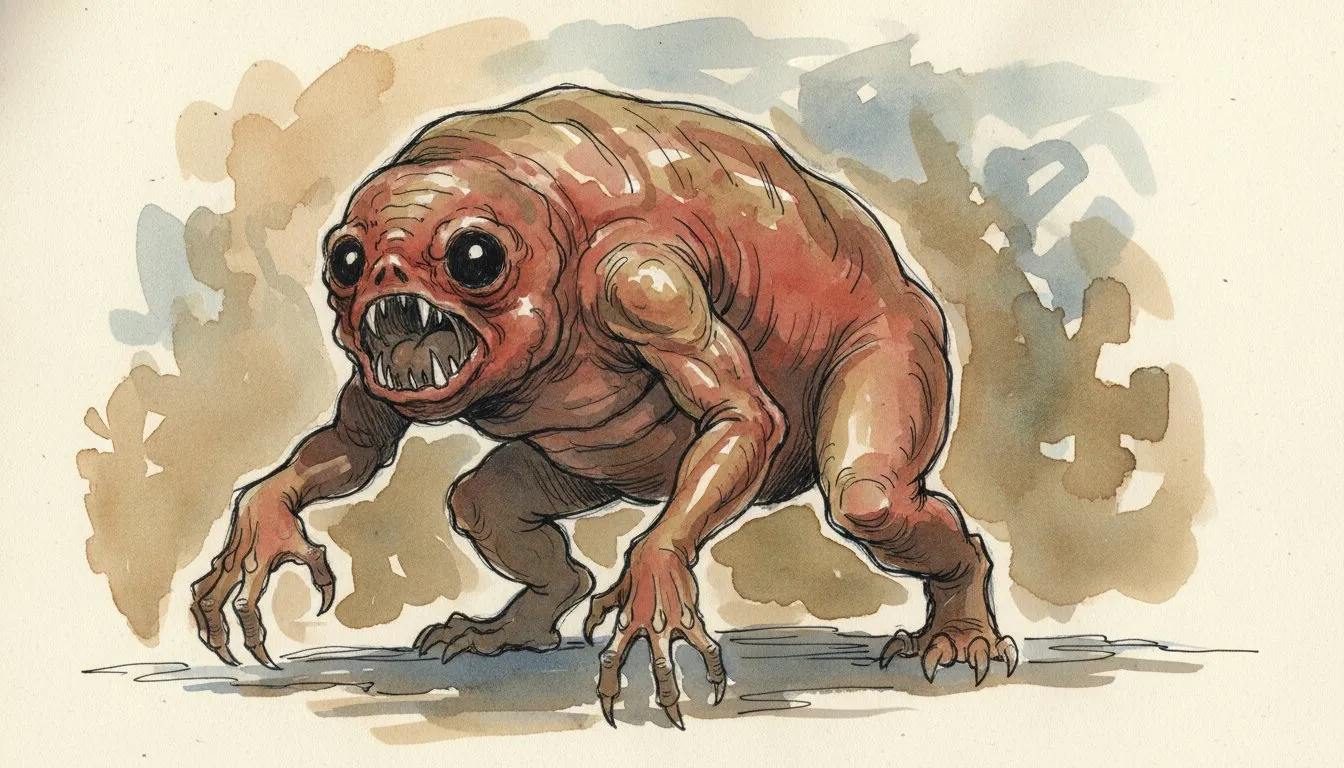
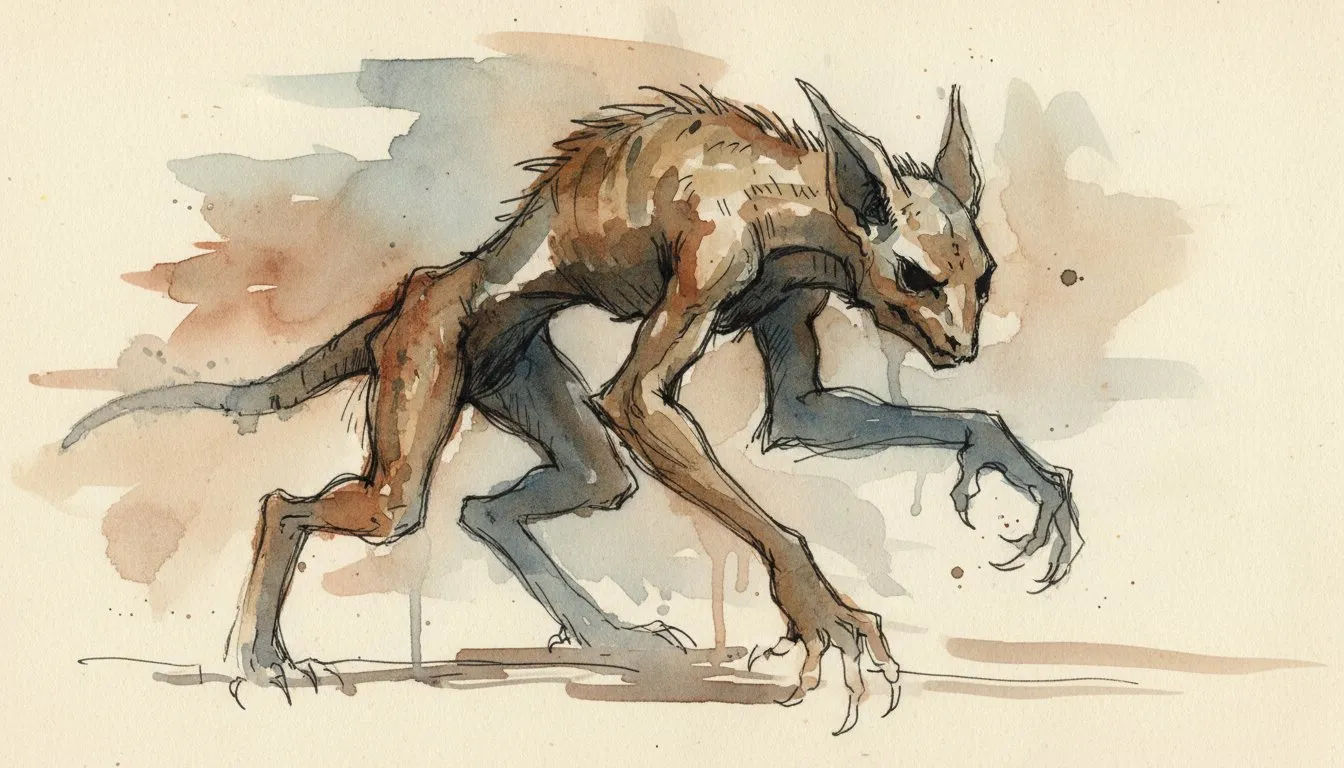
From Australian Aboriginal mythology comes the Yara-ma-yha-who, a small red creature about 4 feet tall with a huge head, toothless mouth, and suckers on its hands and feet. It drops from fig trees onto unsuspecting travelers, drains their blood, then swallows them whole. After napping, it regurgitates the victim, who wakes up slightly shorter and redder each time.
The Yara-ma-yha-who stands apart from most cryptid traditions by virtue of its almost farcical physical description, which belies its deeply sinister function in the oral traditions of Australian Aboriginal peoples. This creature is described as a small red humanoid figure, roughly four feet tall, with an oversized head, a wide mouth with no teeth, and most distinctively - suckers on the tips of its fingers and toes, analogous to those of an octopus. The Yara-ma-yha-who waits in fig trees for unwary travelers to rest beneath. When a victim stops, it drops down, attaches its suckered hands and feet to the person, and drains their blood. After incapacitating the victim in this manner, it swallows them whole, sleeps, and regurgitates the person - who emerges slightly shorter and redder than before. Repeated encounters are said to eventually transform the victim into a Yara-ma-yha-who themselves.
The tradition is documented primarily from southeastern Australia, with the creature playing a specific pedagogical role in Aboriginal child-rearing. The story served to warn children away from resting alone under fig trees in the heat of the day - a genuine safety concern in some areas where sleeping in isolated spots posed real risks. The creature's connection to fig trees is particularly specific, and researchers of Aboriginal folklore have noted that this specificity suggests a long tradition with consistent transmission rather than casual invention.
What makes the Yara-ma-yha-who exceptional is the mechanism of transformation it embodies. Most monster traditions involve either death or escape as the outcome of an encounter. The Yara-ma-yha-who offers a third option - a slow metamorphosis that is worse than death, the dissolution of identity through repeated victimization. This transformation narrative has attracted attention from comparative folklorists who see it as an unusually sophisticated mechanism for representing community membership and the consequences of social isolation.
Modern cryptozoologists have occasionally speculated that the suckered fingers and the association with fig trees might loosely correspond to tree frogs or unusual insects amplified by tradition into something far larger. More practically, some have noted that the red coloration and arboreal waiting behavior vaguely echo descriptions of tree-dwelling primates, though Australia has no native non-human primates. The Yara-ma-yha-who remains most compelling as a creature whose imaginative power derives not from its plausibility but from the precision and psychological sophistication of its narrative function.
Further Reading
No book is devoted to this creature. These are the general references that cover the field, plus a direct search if you want to dig further.
- Cryptozoology A to Z by Loren Coleman and Jerome Clark (1999)
The standard one-volume encyclopedia, roughly two hundred entries covering creatures, investigators, and hoaxes.
- Mysterious Creatures: A Guide to Cryptozoology by George M. Eberhart (2002)
The larger reference guide, stronger on sourcing and on creatures that never reached the popular books.
Search Amazon for Yara-ma-yha-who books
As an Amazon Associate, Cryptid Vault earns from qualifying purchases. Links open Amazon in a new tab.
Get the Field Notes.
Field notes from the Vault, when there is something worth sending. No spam.
No spam. Unsubscribe anytime.
You might also like
Kappa
Japan's mischievous water imp with a bowl of power on its head.
Bunyip
Australia's lurking water spirit, feared by indigenous peoples for thousands of years.
Yowie
Australia's own Bigfoot has been reported for centuries, from Aboriginal Dreamtime stories to modern highway encounters.
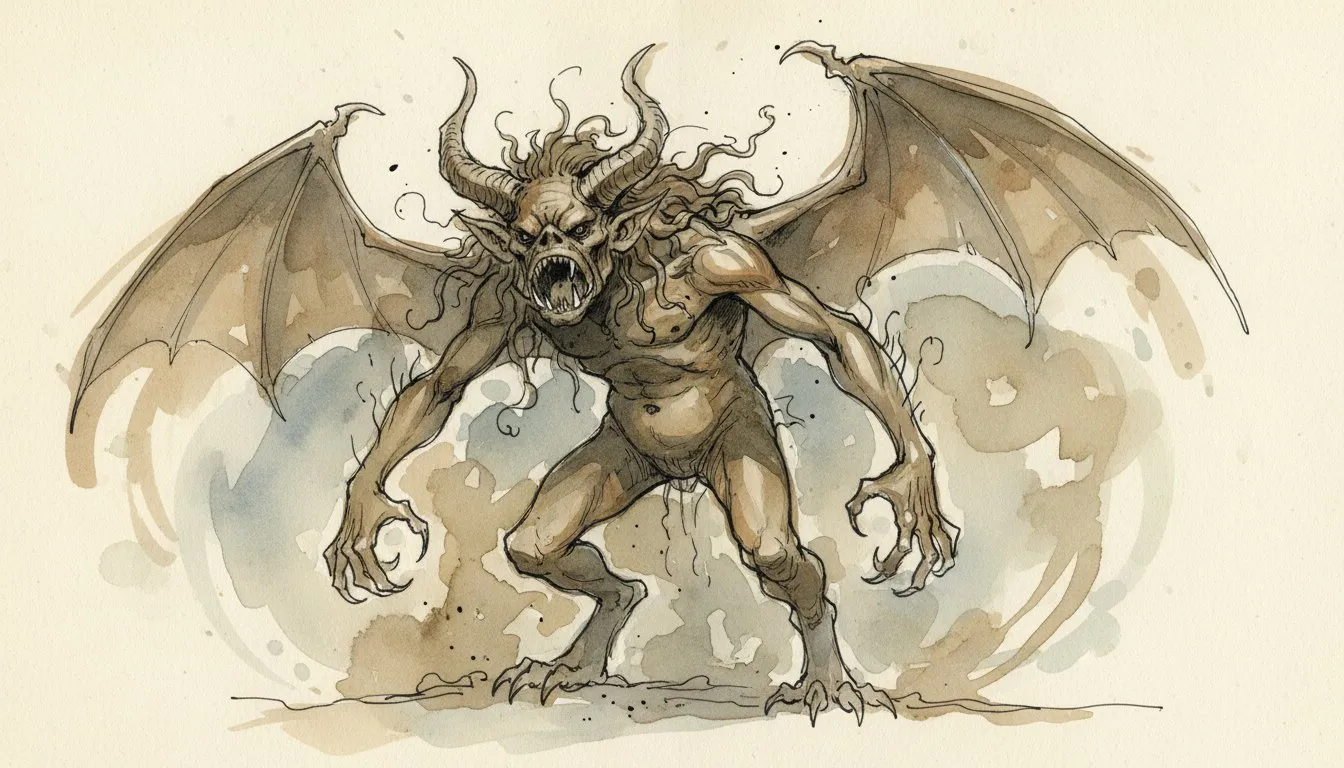
Sasabonsam
In the forests of Ghana, something with iron teeth and bat wings sits in the treetops, legs dangling like bait.
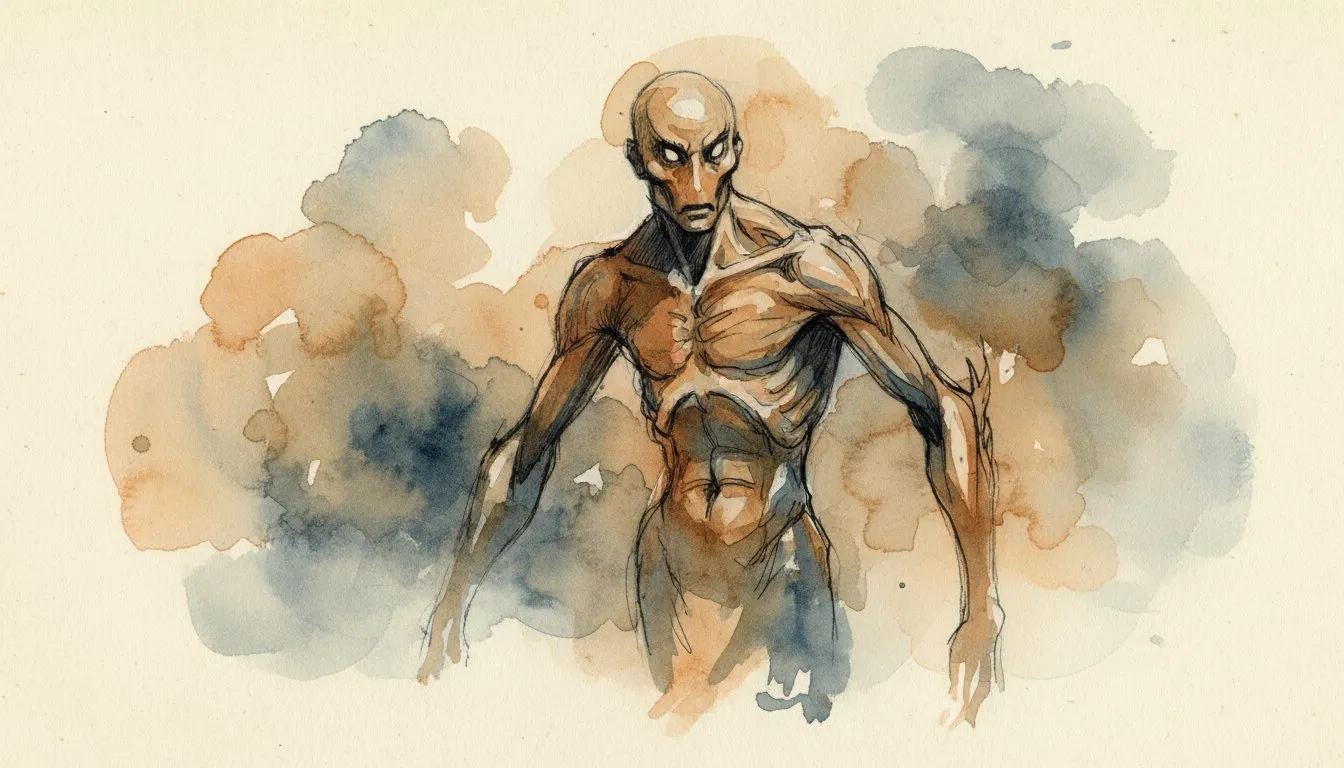
Mokoi
In the Australian outback, a malevolent spirit stalks those who practice sorcery and kills them in their sleep.
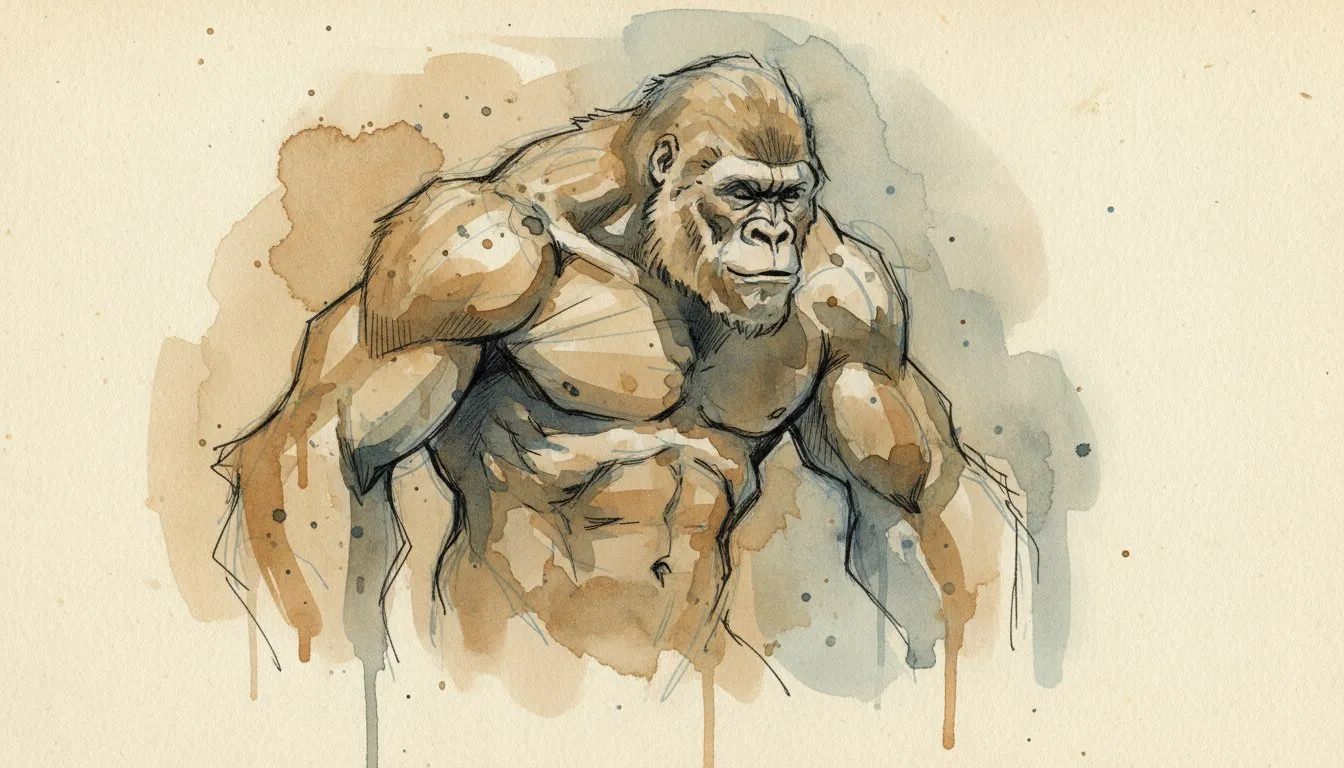
Moehau
A hairy, rock-throwing giant reported in New Zealand's Coromandel Range long before the Bigfoot craze.
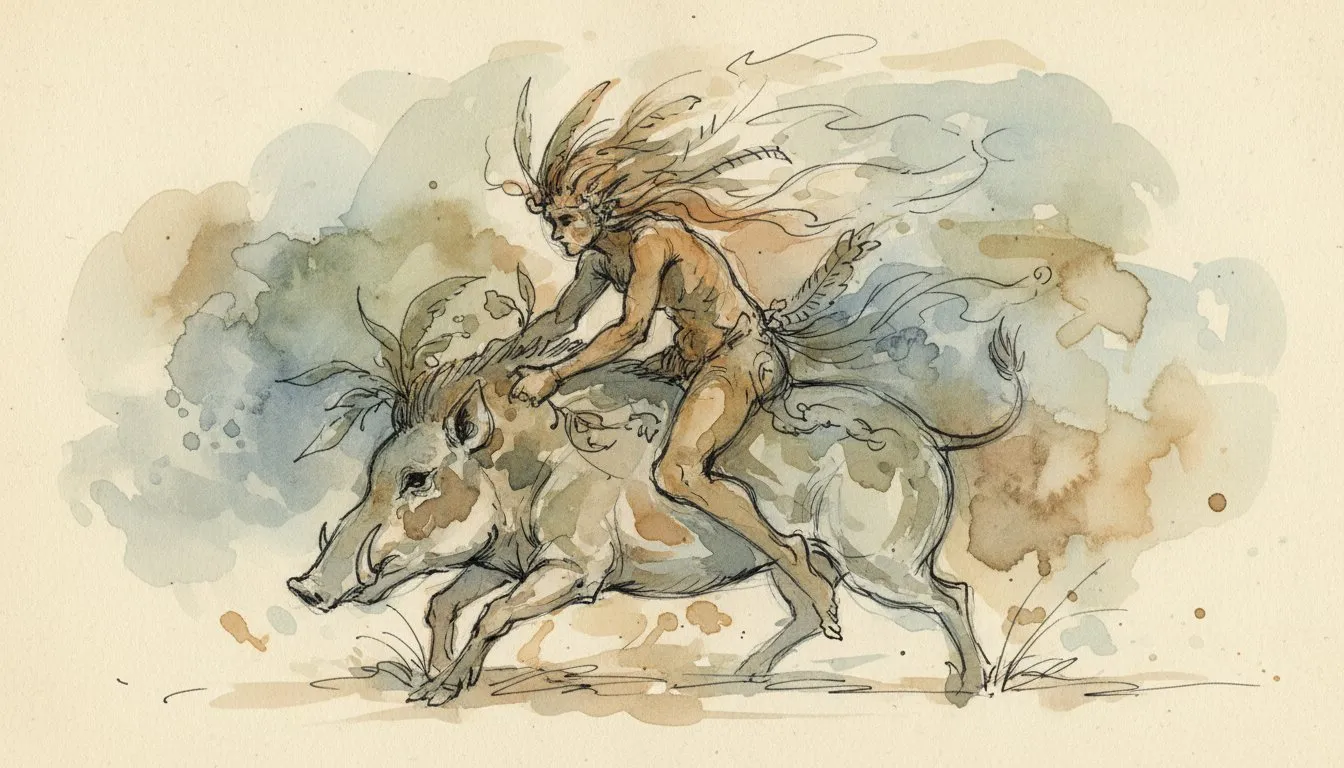
Caipora
Brazilian hunters know this forest spirit punishes anyone who takes more than they need.
Chupacabra
The blood-draining predator that left livestock drained across Latin America.