
Bunyip
Also known as: Kianpraty
Australia's lurking water spirit, feared by indigenous peoples for thousands of years.
Pre-colonial (Aboriginal oral tradition)
Throughout Australia
Variable (5-15 ft est.)
Aggressive, territorial
Cultural tradition continues
The Lore
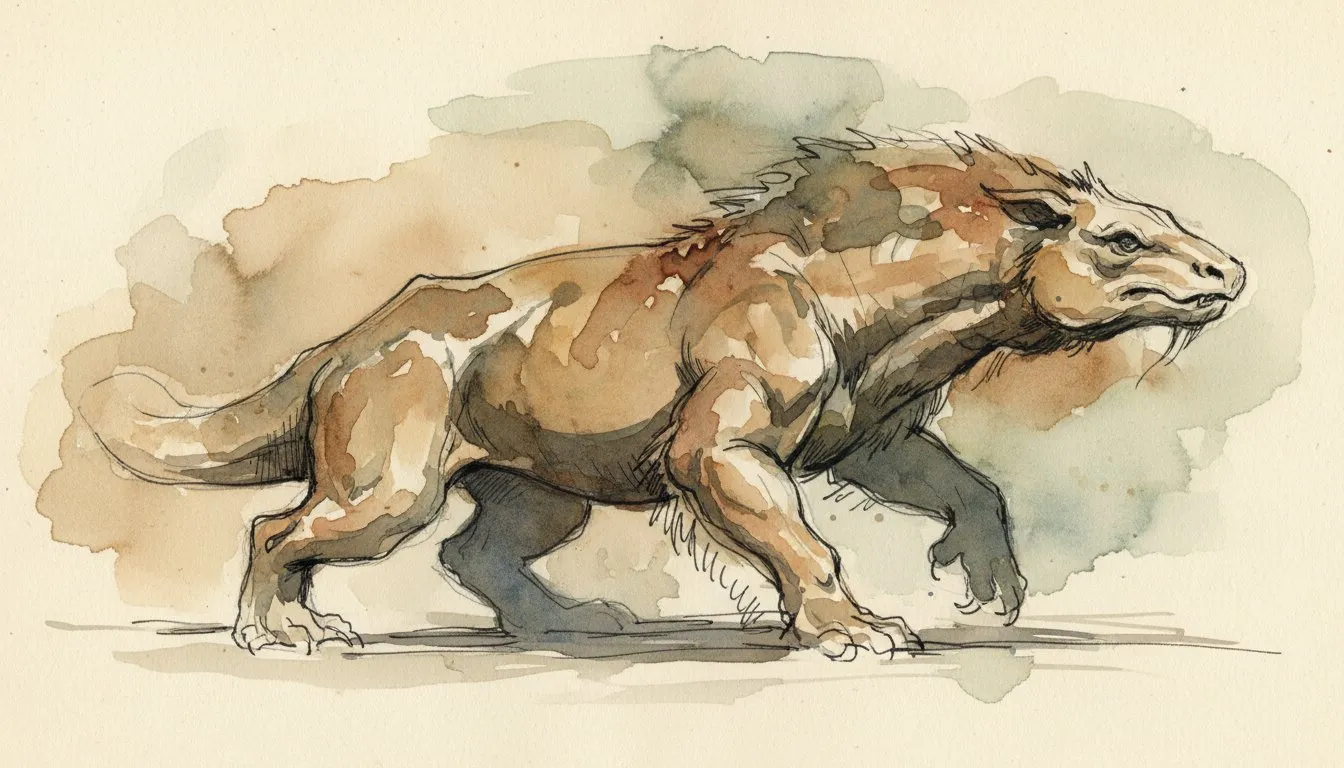
The Bunyip is a creature from Australian Aboriginal mythology said to inhabit swamps, creeks, and billabongs. Descriptions vary wildly: some say it looks like a giant starfish, others describe a dog-faced creature with dark fur. Its name translates roughly to 'devil' or 'spirit,' and its bellowing cry was said to warn of danger.
The bunyip occupies a central place in Aboriginal Australian tradition, though that centrality is complicated by the fact that descriptions vary so widely it may represent a category rather than a single creature. Across different language groups and regions, the bunyip has been described as resembling a giant starfish, a dog-headed amphibian, a horse-tailed seal, a feathered serpent, a hippopotamus-like beast, and a large emu with flippers. The one consistent element is habitat: the bunyip lives in still water. Swamps, billabongs, slow-moving creeks, waterholes, and the quiet reaches of rivers are where it waits, and its cry, described by witnesses as a deep bellow or boom carrying across the water at night, was understood as a warning that the water was not safe.
The word bunyip entered English in the 1840s through colonial encounters with Aboriginal peoples along the Murray and Murrumbidgee river systems, but the underlying tradition is vastly older and predates colonization by thousands of years. Rock art and oral histories place bunyip-like creatures in the Australian landscape deep into the Dreaming. In 1846, a strange skull was found on the banks of the Murrumbidgee River and displayed in Sydney as a bunyip skull, drawing large crowds who reportedly recognized it as matching local descriptions. The skull was eventually determined to be that of a deformed horse or calf, but the public reaction demonstrated how seamlessly the creature fit into both indigenous and settler conceptions of the Australian interior.
One influential theory holds that bunyip descriptions preserve cultural memory of Australia's extinct megafauna. Diprotodon, a rhinoceros-sized marsupial, survived until roughly 25,000 to 40,000 years ago, well within the period of human habitation on the continent. The giant short-faced kangaroo Procoptodon, the marsupial lion Thylacoleo, and several other enormous creatures were contemporaries of early Aboriginal peoples. Some paleontologists and folklorists have argued that bunyip stories represent direct oral transmission of encounters with these animals, compressed and mythologized across hundreds of generations. If correct, the bunyip would be one of the oldest continuously transmitted animal memories in human history.
Modern bunyip sightings still occur, though they are rarer and tend to be treated with less seriousness than in the colonial era. Reports cluster around the billabongs of the Murray-Darling basin and the swamps of southeastern Australia. The creature has become a fixture of Australian children's literature and national identity, appearing in everything from picture books to postal stamps. But for the Aboriginal custodians of the water country, the bunyip remains what it has always been: a real presence in specific places, requiring specific behavior, and not reducible to either folklore or cryptozoology.
Further Reading
No book is devoted to this creature. These are the general references that cover the field, plus a direct search if you want to dig further.
- Cryptozoology A to Z by Loren Coleman and Jerome Clark (1999)
The standard one-volume encyclopedia, roughly two hundred entries covering creatures, investigators, and hoaxes.
- Mysterious Creatures: A Guide to Cryptozoology by George M. Eberhart (2002)
The larger reference guide, stronger on sourcing and on creatures that never reached the popular books.
Search Amazon for Bunyip books
As an Amazon Associate, Cryptid Vault earns from qualifying purchases. Links open Amazon in a new tab.
Get the Field Notes.
Field notes from the Vault, when there is something worth sending. No spam.
No spam. Unsubscribe anytime.
You might also like
Kelpie
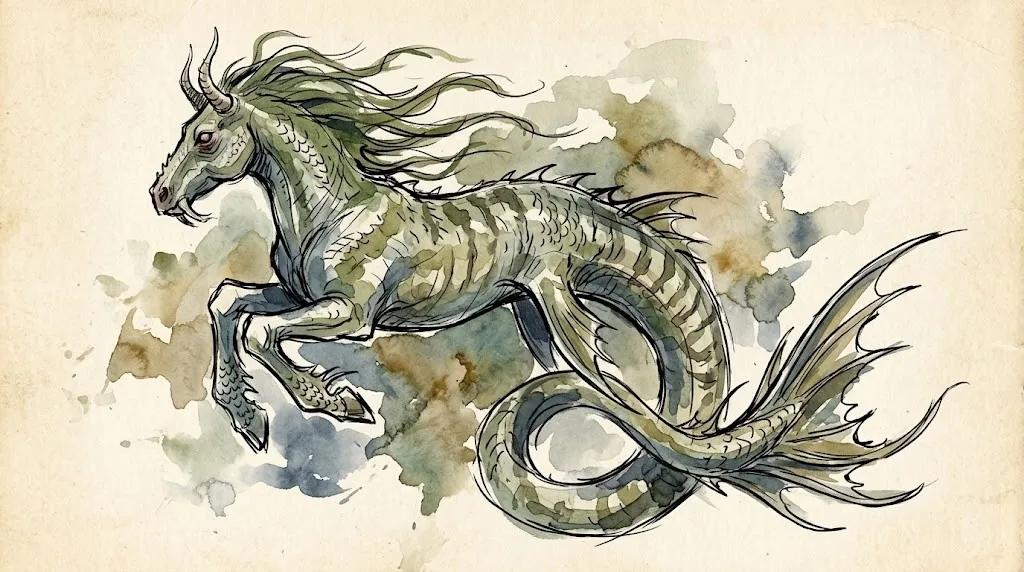
A shape-shifting water horse that lures riders to a watery grave in Scottish lochs.
Loch Ness Monster
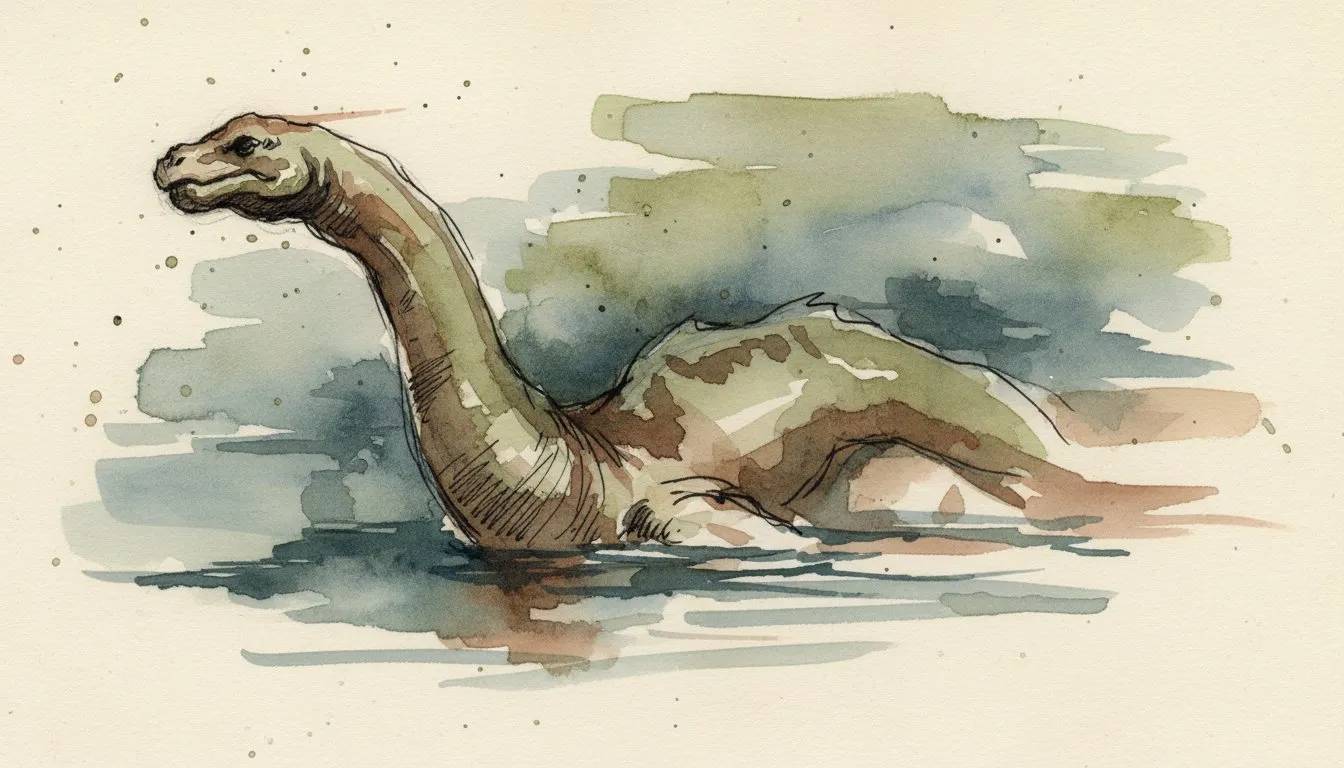
The legendary lake serpent of Scotland, photographed, sonar-scanned, and never found.
Muldjewangk
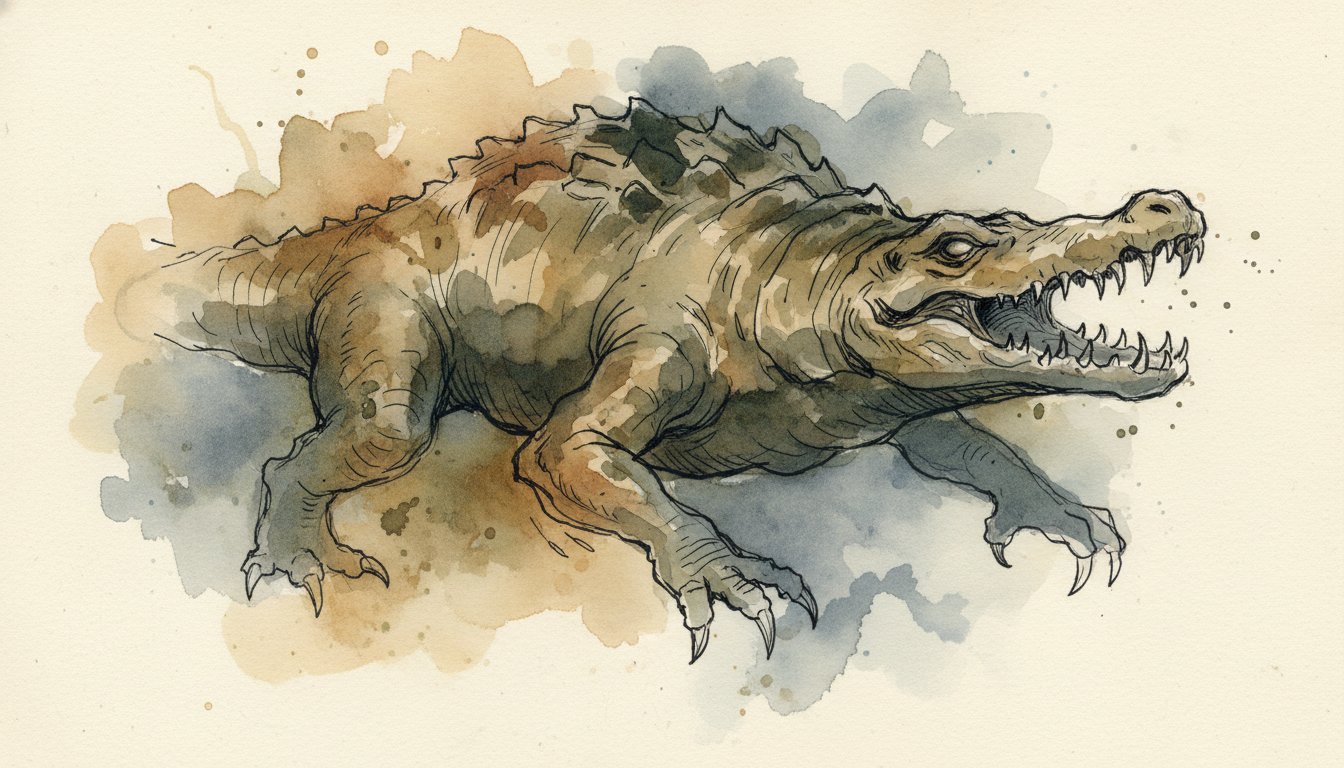
A colossal water creature in Australia's Murray River that punishes anyone who disturbs its territory with a wasting sickness.
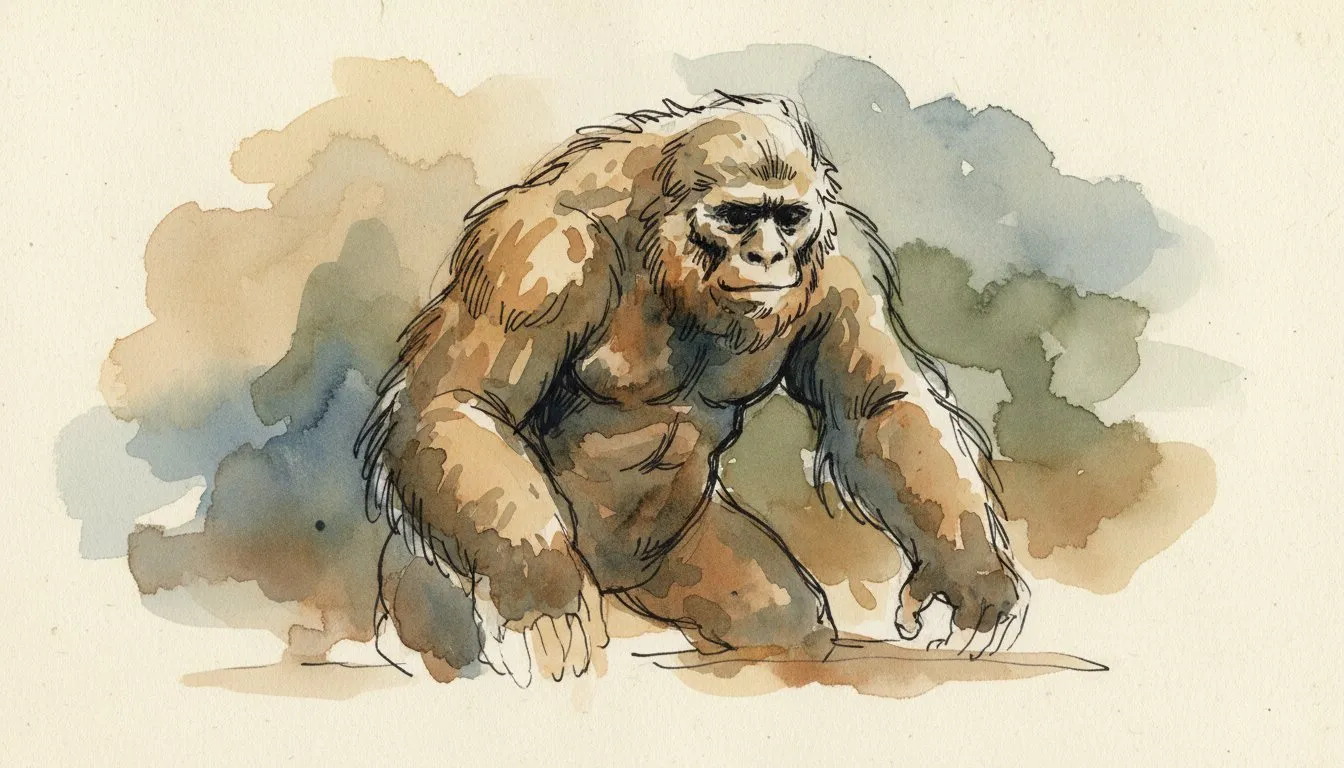
Yowie
Australia's own Bigfoot has been reported for centuries, from Aboriginal Dreamtime stories to modern highway encounters.
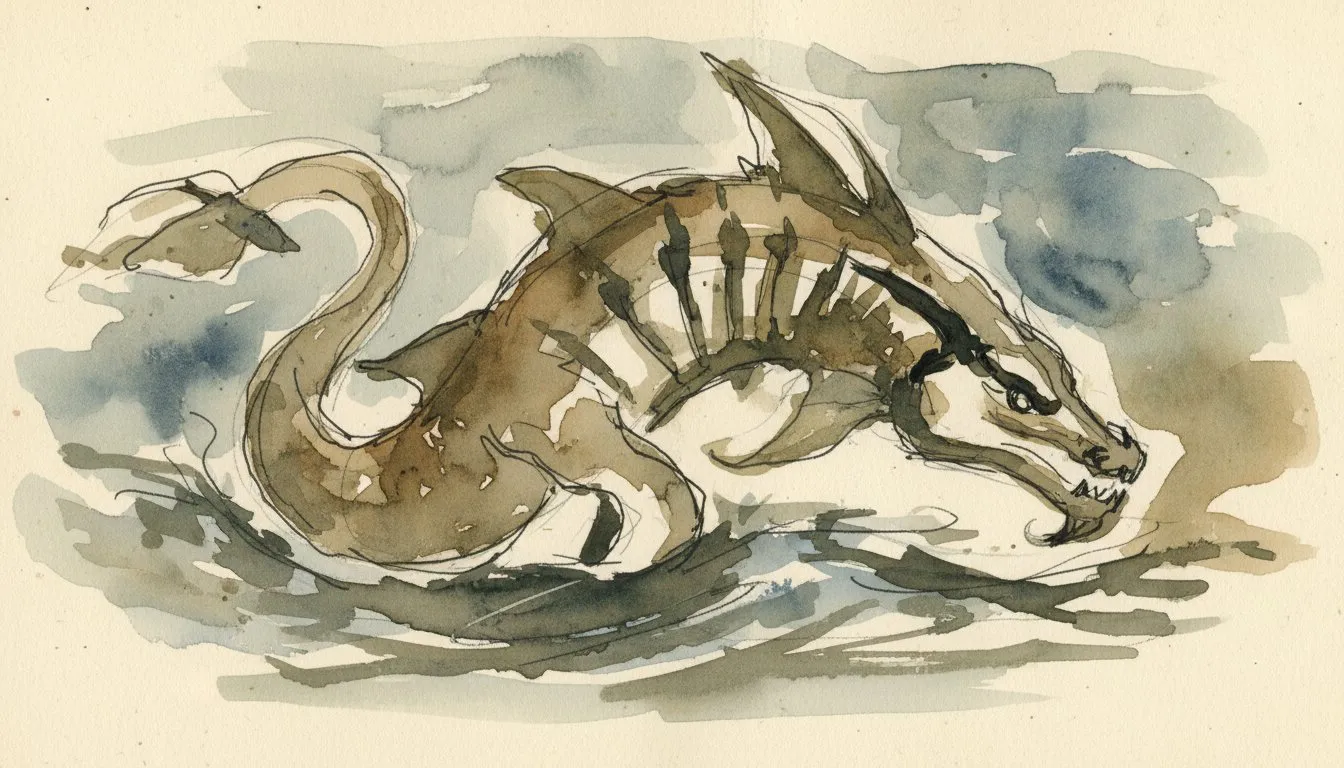
Taniwha
Sacred water guardians of Maori tradition that shape rivers, protect tribes, and sometimes drag the unwary to their doom.
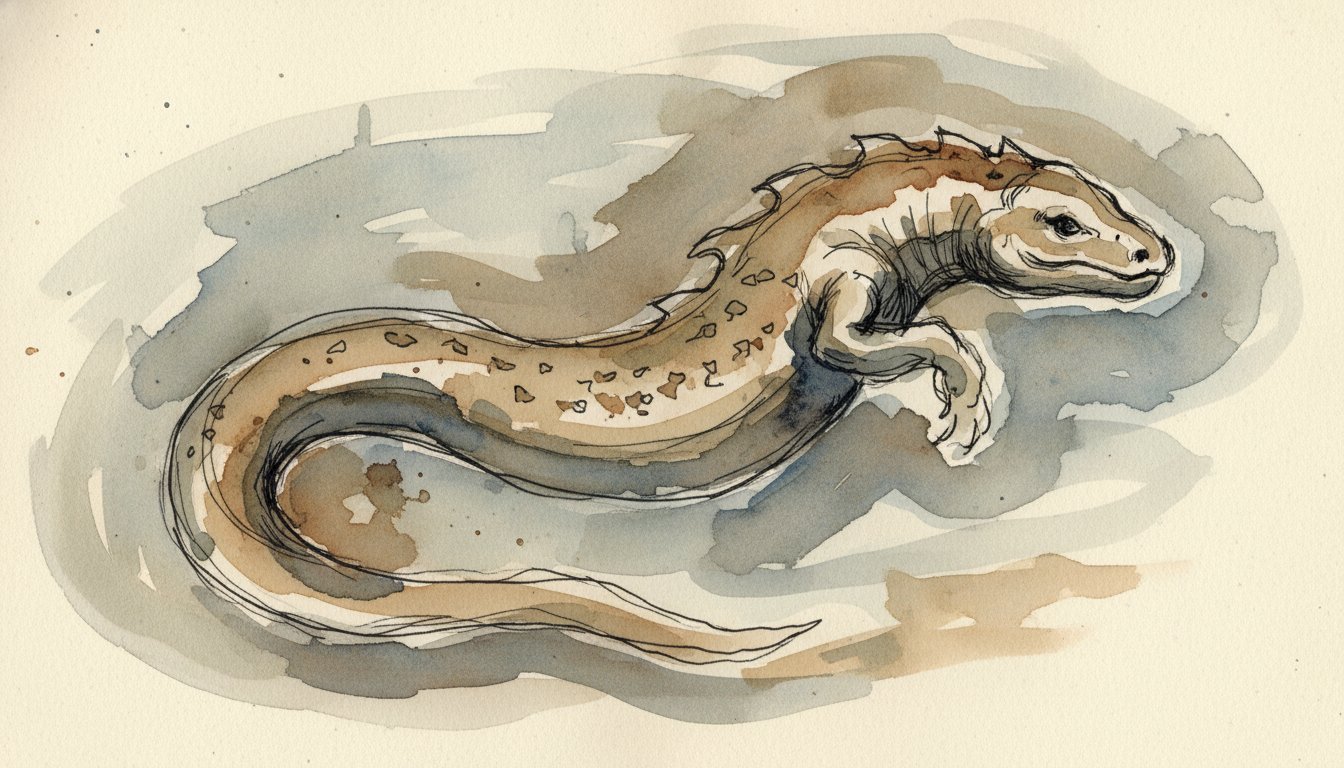
Hawkesbury River Monster
A plesiosaur-shaped creature in the murky tidal waters north of Sydney, reported by fishermen for over a century.
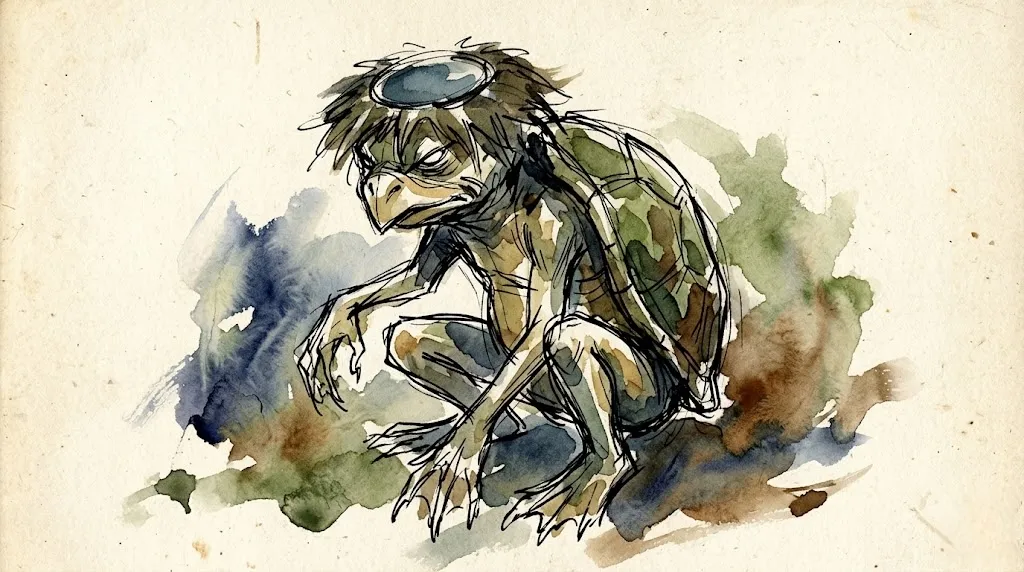
Kappa
Japan's mischievous water imp with a bowl of power on its head.
Waitoreke
A small, otter-like animal in New Zealand's South Island rivers, where no native mammal should exist.