
Taniwha
Sacred water guardians of Maori tradition that shape rivers, protect tribes, and sometimes drag the unwary to their doom.
Maori oral tradition, pre-European contact
New Zealand, nationwide
Varies, often enormous
Variable, protector or predator
Recognized in New Zealand resource management law
The Lore
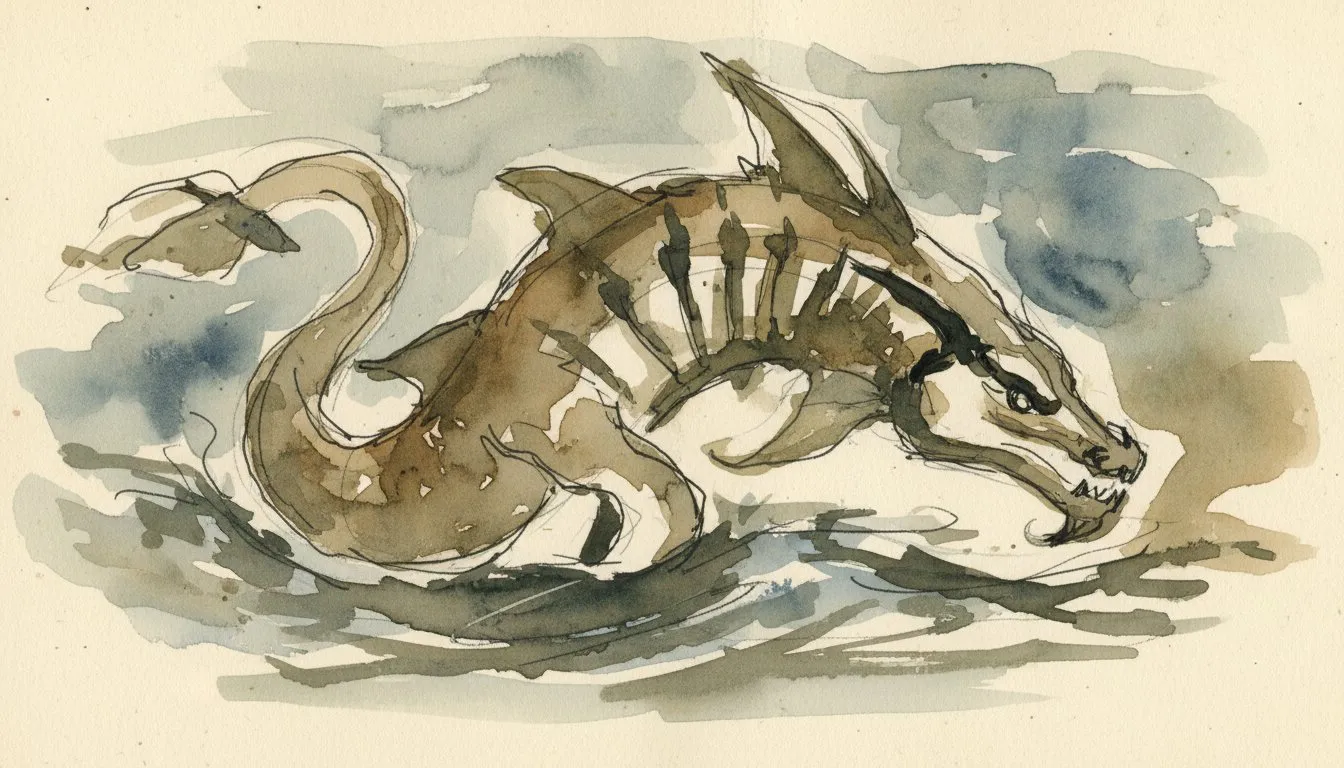
Taniwha are powerful beings from Maori mythology in New Zealand, inhabiting deep water pools, rivers, caves, and ocean areas. They can take the form of giant reptiles, sharks, whales, or logs. Some taniwha are protectors of their people, while others are dangerous predators. They hold a significant place in modern New Zealand, where their traditional dwelling places are sometimes considered in resource management and construction decisions. The line between mythology and cryptozoology blurs here, as some Maori maintain taniwha are real, physical entities.
In Maori tradition, the taniwha is not a simple monster. It is a being of immense spiritual authority, a guardian entity associated with specific waterways, harbors, and coastal areas that has been part of the relationship between Maori people and the landscape of Aotearoa New Zealand since the earliest period of Polynesian settlement. The word itself does not translate neatly into English. A taniwha may be protector or predator depending on the circumstance, the relationship between the particular taniwha and the iwi, or tribe, that recognizes it as a feature of their rohe, their ancestral territory.
Traditional descriptions of taniwha vary considerably, reflecting the diversity of the environments they inhabit and the different tribal traditions that have developed over centuries. Coastal and harbor taniwha are often described as enormous marine reptiles, resembling sharks, rays, or sea serpents. River taniwha may take the form of large eels, water dragons, or log-like creatures that drift with the current before revealing themselves. Some taniwha are said to be able to move overland and to travel between waterways. In certain traditions, a taniwha may also take the form of a whale, a large bird, or a floating island. What is consistent across accounts is immense size, supernatural capability, and a personality that is responsive to human behavior: taniwha that are properly respected and acknowledged protect their communities, while those that are ignored or affronted become dangerous.
The relationship between taniwha and practical life in Aotearoa has been extensive and well-documented. In the 19th century, Maori pilots who guided ships through unfamiliar harbors routinely consulted their knowledge of local taniwha when navigating dangerous channels, understanding the creature's behavior as a form of environmental intelligence about currents and submerged hazards. In the early 21st century, taniwha became briefly prominent in New Zealand public discourse when iwi objecting to a proposed highway extension near Waikato cited the presence of a taniwha in the path of the road as grounds for route modification. The case attracted international media attention and highlighted the legally recognized cultural weight of taniwha in New Zealand's bicultural governance framework.
For Maori communities, the taniwha is not a cryptid in the Western sense of an unverified biological curiosity. It is an ancestor, a guardian, and a dimension of the landscape itself, present whether or not it is physically visible to any given observer.
Further Reading
No book is devoted to this creature. These are the general references that cover the field, plus a direct search if you want to dig further.
- Cryptozoology A to Z by Loren Coleman and Jerome Clark (1999)
The standard one-volume encyclopedia, roughly two hundred entries covering creatures, investigators, and hoaxes.
- Mysterious Creatures: A Guide to Cryptozoology by George M. Eberhart (2002)
The larger reference guide, stronger on sourcing and on creatures that never reached the popular books.
Search Amazon for Taniwha books
As an Amazon Associate, Cryptid Vault earns from qualifying purchases. Links open Amazon in a new tab.
Get the Field Notes.
Field notes from the Vault, when there is something worth sending. No spam.
No spam. Unsubscribe anytime.
You might also like
Moehau
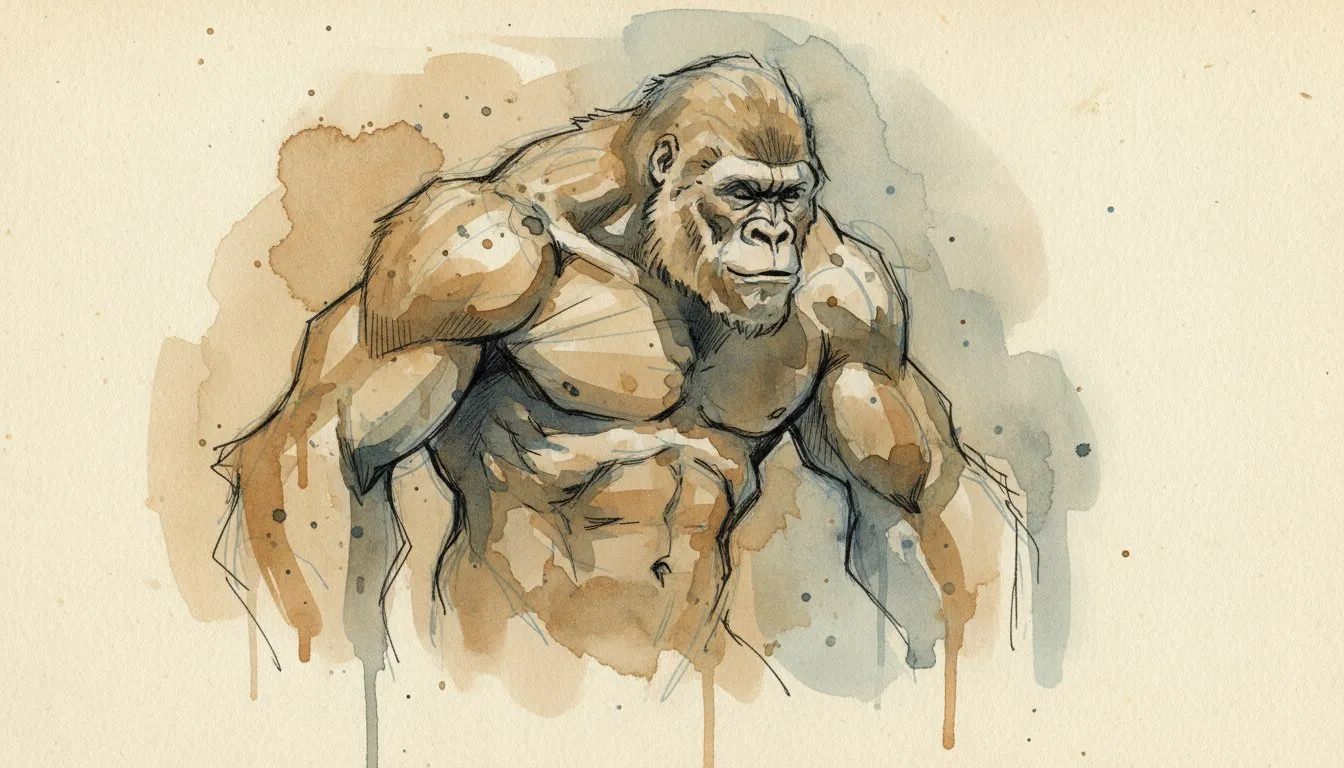
A hairy, rock-throwing giant reported in New Zealand's Coromandel Range long before the Bigfoot craze.
Issie
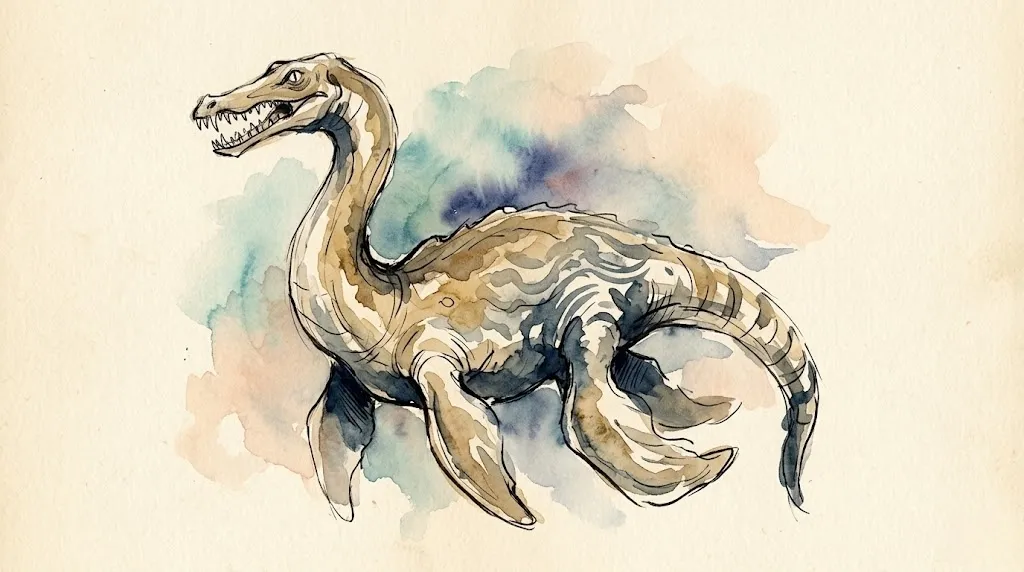
Japan's answer to Nessie lives in a volcanic crater lake on the southern tip of Kyushu.
Kirin
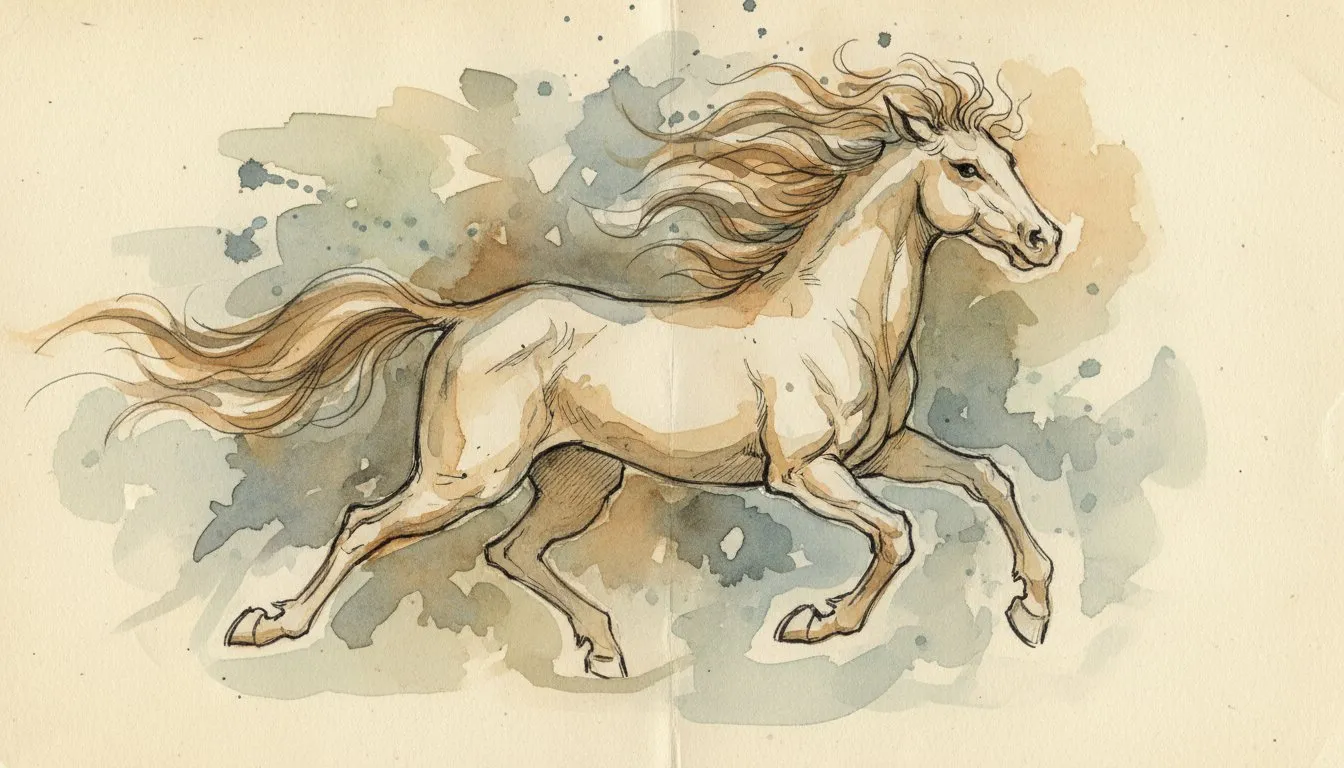
A divine chimera of dragon and deer that only appears to herald greatness or disaster.
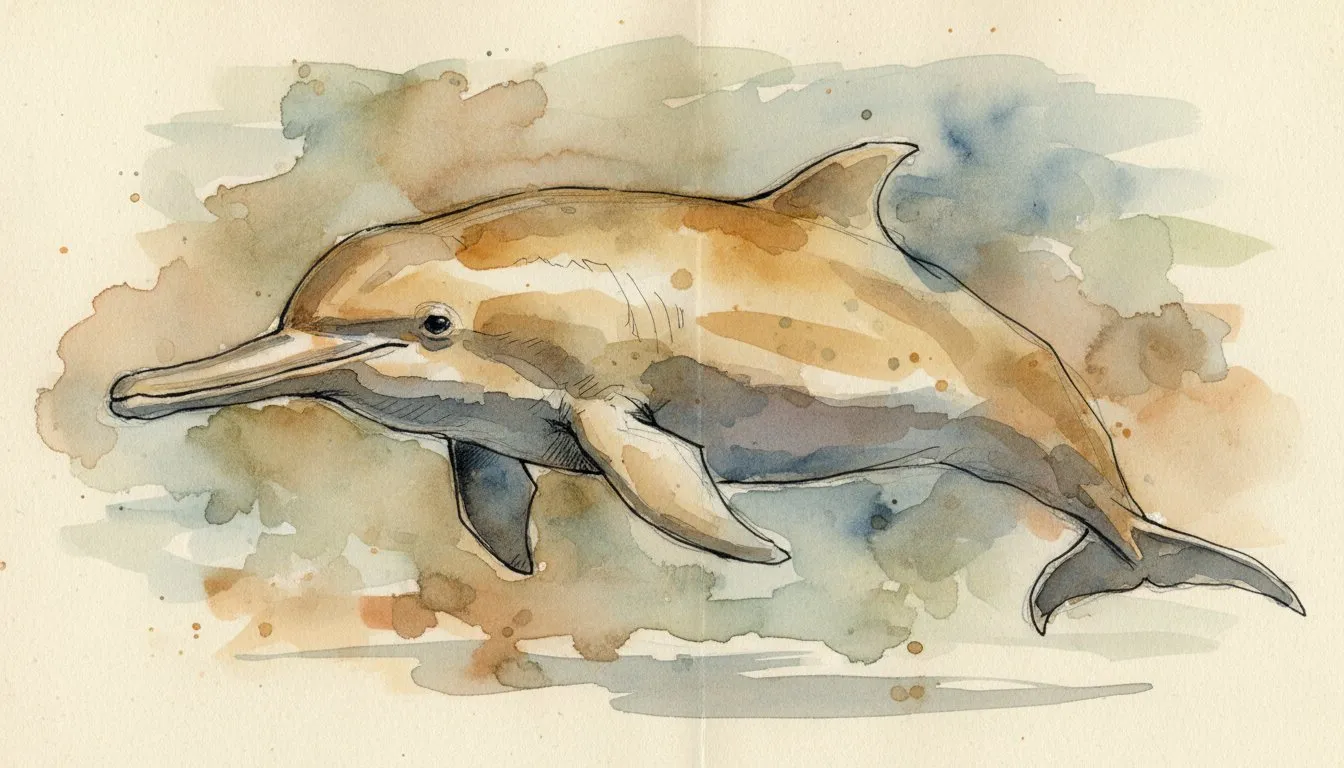
Boto
The Amazon's pink river dolphin comes ashore at night disguised as a handsome stranger.
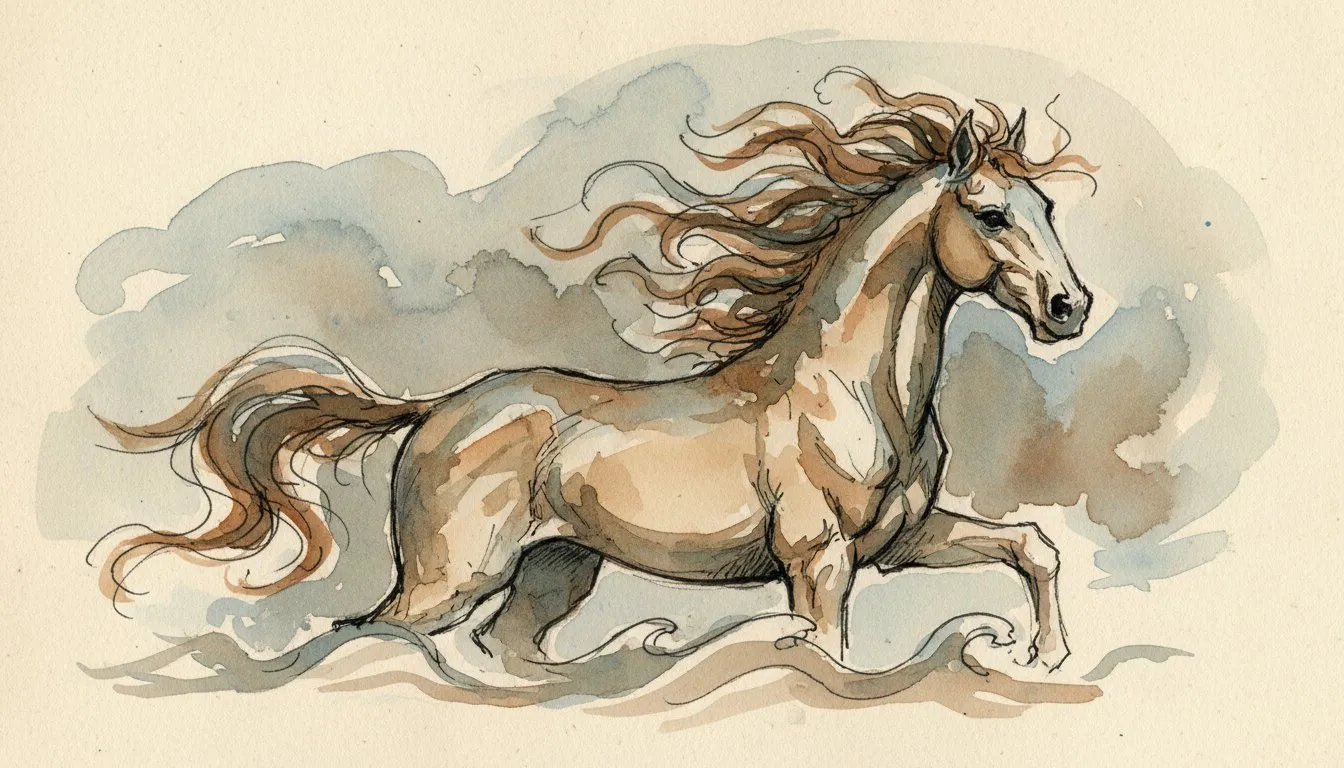
Each-Uisge
This shape-shifting water horse of Scottish lochs lures riders onto its back, then drags them to a watery death.
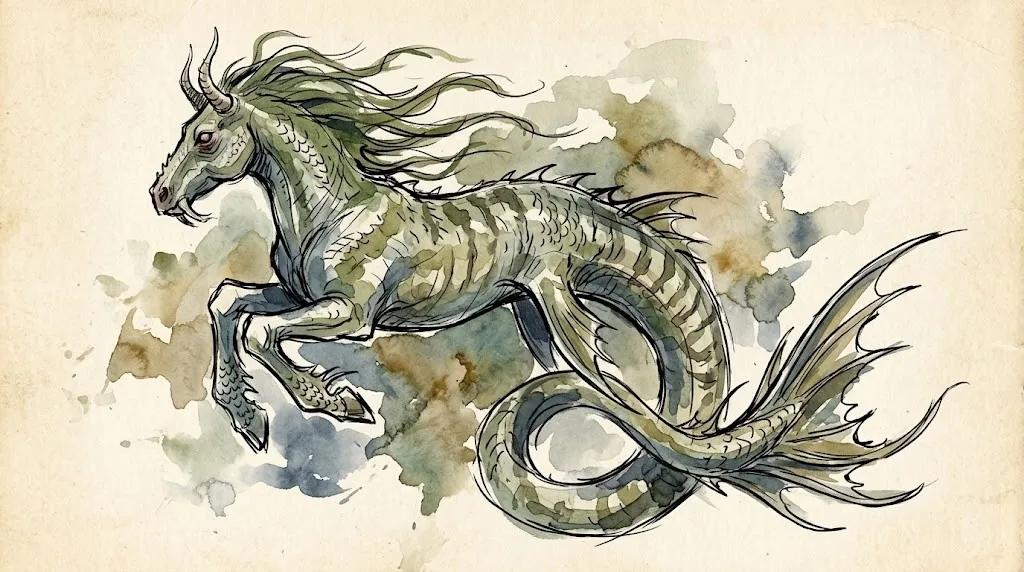
Kelpie
A shape-shifting water horse that lures riders to a watery grave in Scottish lochs.
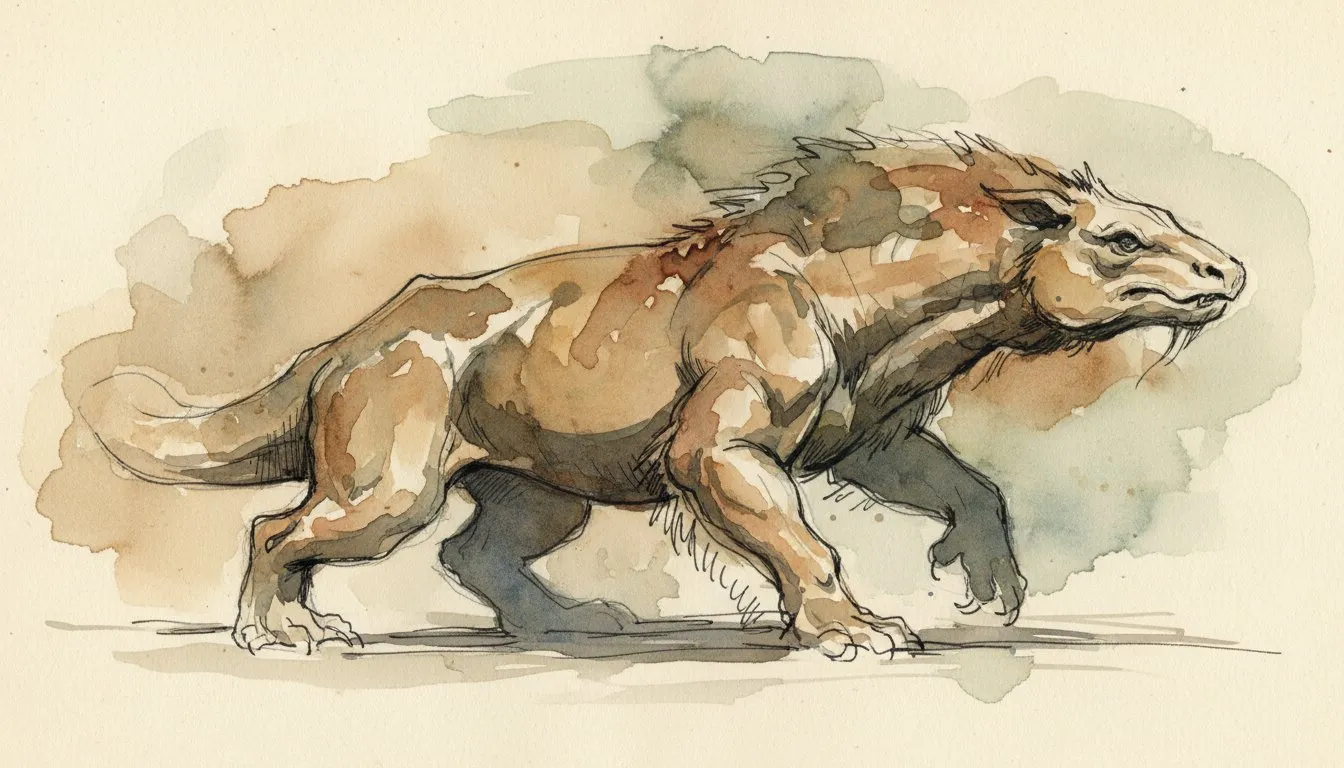
Bunyip
Australia's lurking water spirit, feared by indigenous peoples for thousands of years.
Jorogumo
A 400-year-old spider that takes the form of a beautiful woman to lure men to their death.