
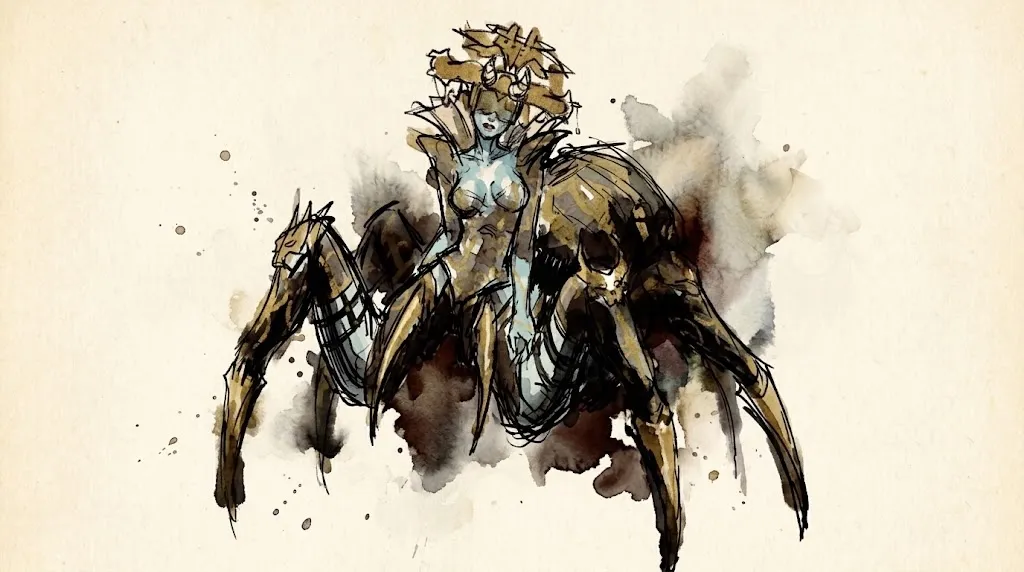
Jorogumo
Also known as: Binding Bride, Whore Spider, Entangling Bride
A 400-year-old spider that takes the form of a beautiful woman to lure men to their death.
Edo period (1603-1868)
Central Honshu, Japan
Human-sized in shapeshifted form
Predatory, deceptive
Folklore tradition, no verified encounters
The Lore
In Japanese folklore, the jorogumo is a spider that has lived long enough to gain shapeshifting powers, typically transforming into a seductive woman. She lures victims to secluded waterfalls or abandoned houses before binding them in silk. The legend may stem from the very real Nephila clavata spider, known in Japan as the jorogumo spider, which spins remarkably strong golden webs. Sightings and folk tales cluster around waterfall regions in central Japan.
The jorogumo is one of Japanese folklore's most elegantly menacing figures, a creature whose beauty and lethality are inseparable. The name translates literally to binding bride or entangling woman, and the tradition holds that when a golden orb-weaver spider of the species Nephila clavata survives to 400 years of age, it develops supernatural intelligence and the ability to take human form. It transforms into a stunning young woman, often encountered alone in remote settings, and uses her beauty to draw men into situations where she can bind them in silk and feed at her leisure.
The most famous jorogumo tale is set at Joren Falls on the Izu Peninsula, a real waterfall still visited today. A woodcutter working near the falls drops his axe into the water and dives to retrieve it. A beautiful woman emerges from the pool, returns his axe, and extracts from him a promise never to tell anyone what he has seen. The woodcutter keeps the secret for years, but one night, drunk at a village festival, he mentions the encounter. He is found dead the next morning, wrapped in spider silk at the edge of the falls. In another tradition, the jorogumo plays a koto on a moonlit porch to lure travelers into a house that is actually her web, and those who enter are bound while she plays, feeling the silk tighten with each note.
In some variants, the jorogumo is not purely predatory. She takes human husbands for extended periods, lives as a wife and mother, and only reveals her true nature in moments of extreme stress, typically when fire threatens her spider children, whom she hides in the rafters. These stories occupy a more ambiguous moral space, closer to the yuki-onna or nure-onna traditions in which supernatural women can form genuine attachments to human partners before the inevitable rupture of discovery.
The biological anchor is surprisingly solid. Nephila clavata, the golden orb-weaver found across Japan, is among the largest and most visually striking spiders in the country. Adult females can reach leg spans of five inches, have bright yellow and black banded legs, and spin webs over a meter across using silk strong enough to trap small birds in rare cases. The silk has a distinctive golden sheen in sunlight and is one of the strongest known natural fibers, currently being studied for industrial and medical applications. In the wooded hill country around Izu, Nikko, and the Kii Peninsula, a traveler who steps into one of these webs at dusk might reasonably feel, for just a moment, that the old legend is not entirely separate from the spider.
Media Appearances
- Nioh (video game)
- The Great Yokai War (2005)
Further Reading
No book is devoted to this creature. These are the general references that cover the field, plus a direct search if you want to dig further.
- Cryptozoology A to Z by Loren Coleman and Jerome Clark (1999)
The standard one-volume encyclopedia, roughly two hundred entries covering creatures, investigators, and hoaxes.
- Mysterious Creatures: A Guide to Cryptozoology by George M. Eberhart (2002)
The larger reference guide, stronger on sourcing and on creatures that never reached the popular books.
Search Amazon for Jorogumo books
As an Amazon Associate, Cryptid Vault earns from qualifying purchases. Links open Amazon in a new tab.
Get the Field Notes.
Field notes from the Vault, when there is something worth sending. No spam.
No spam. Unsubscribe anytime.
You might also like
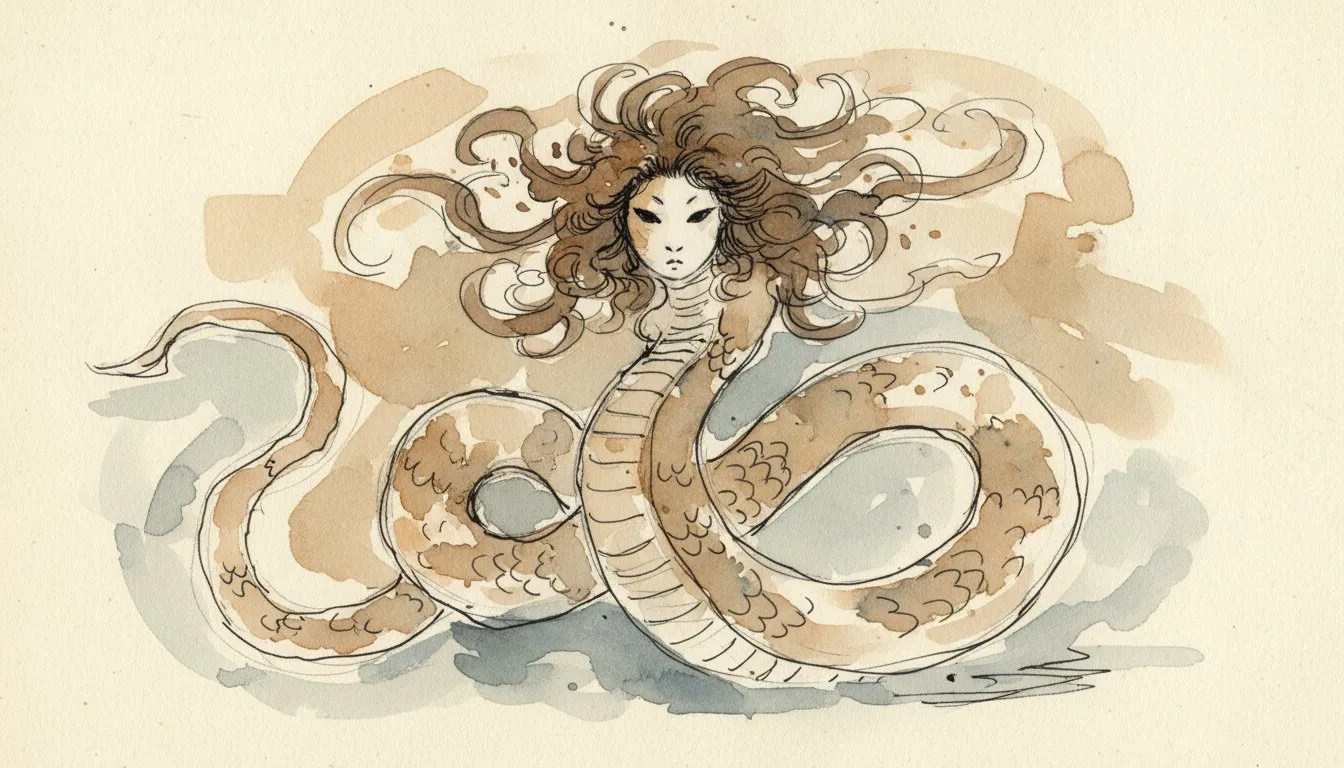
Nure-Onna
A serpent with a woman's head that haunts riverbanks, cradling a phantom baby to paralyze its prey.
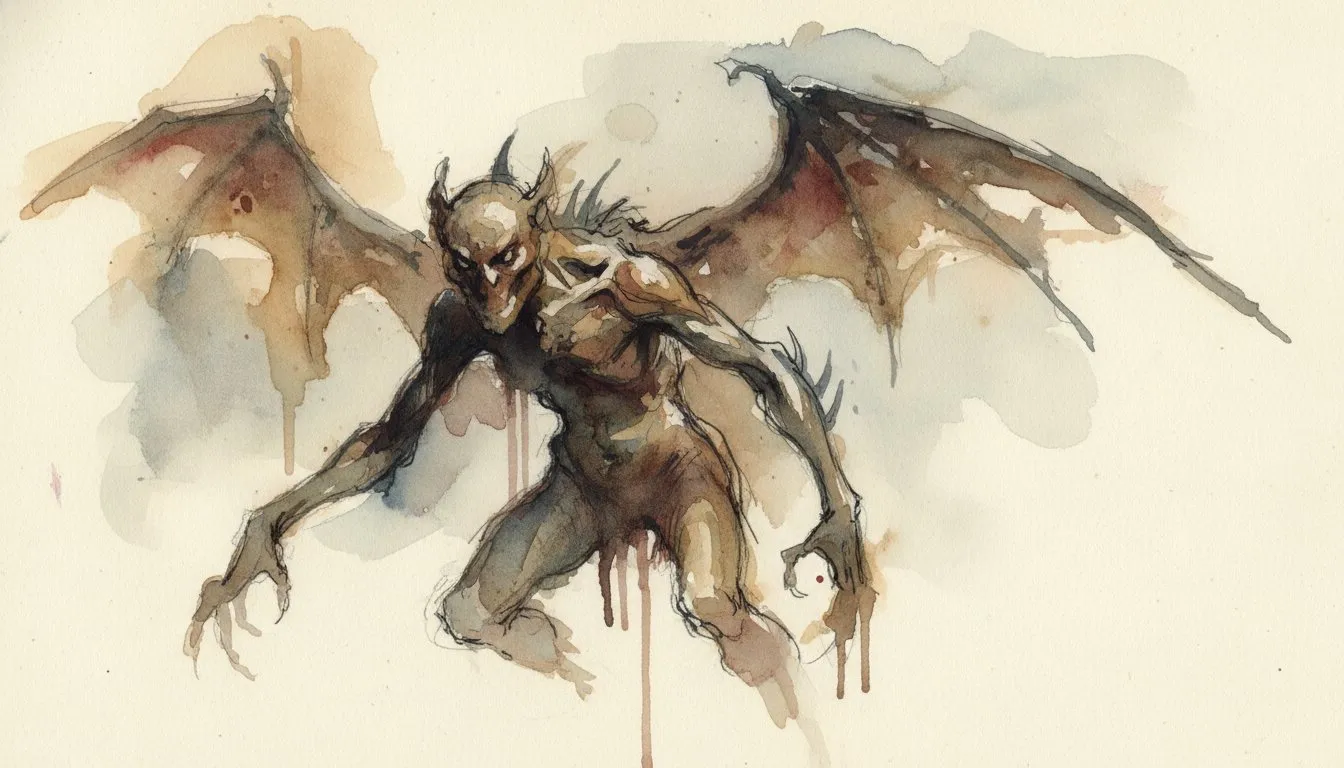
Aswang
The Philippines' most feared shapeshifter hides as your neighbor by day and hunts as a beast by night.
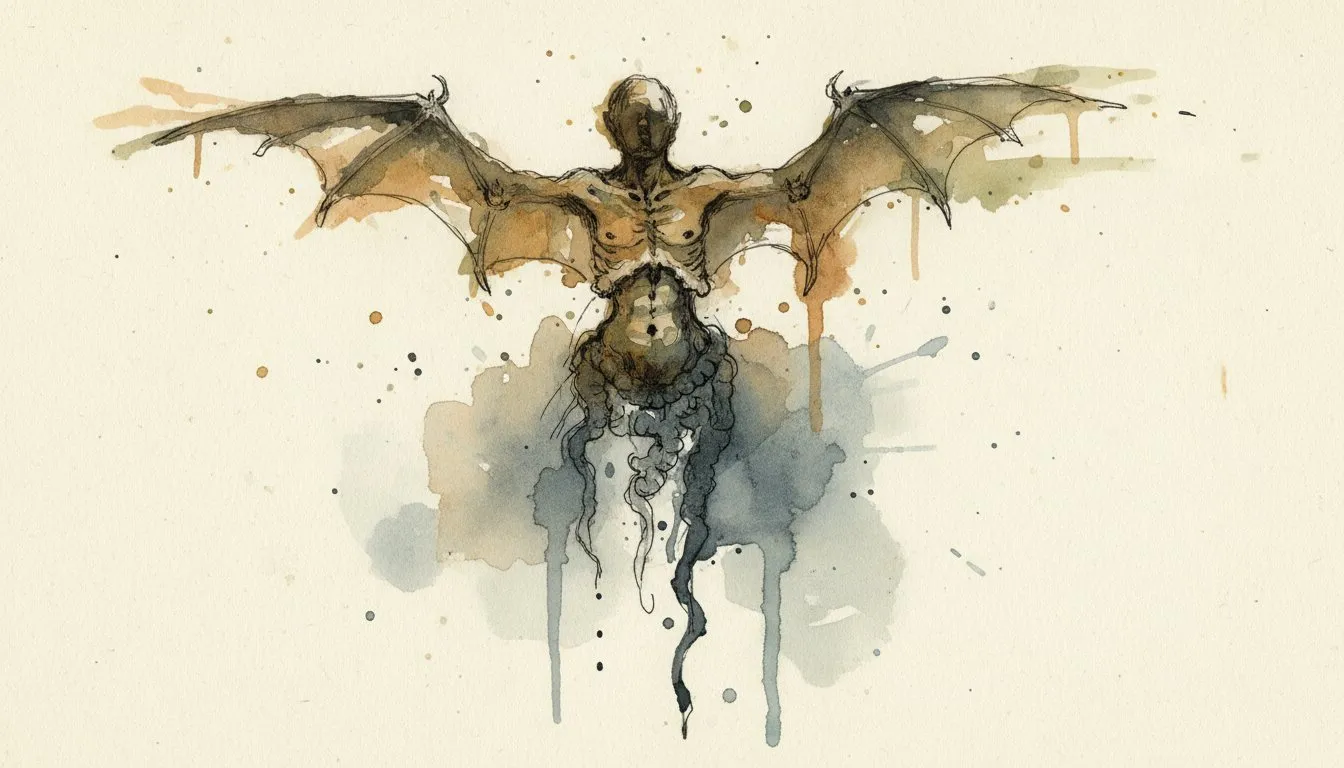
Manananggal
A vampire that tears its own torso free and flies through the night on bat-like wings, trailing its entrails below.
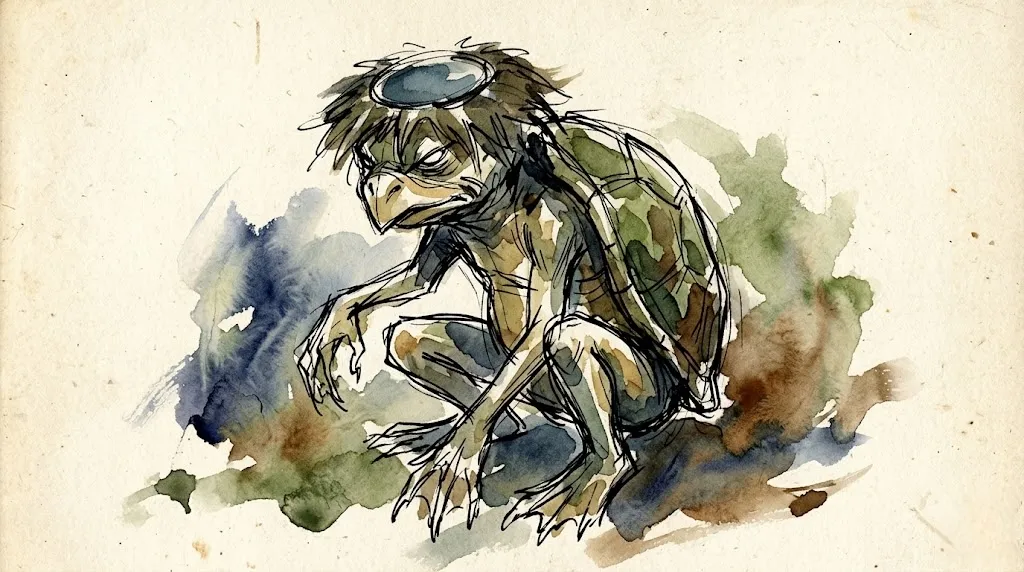
Kappa
Japan's mischievous water imp with a bowl of power on its head.
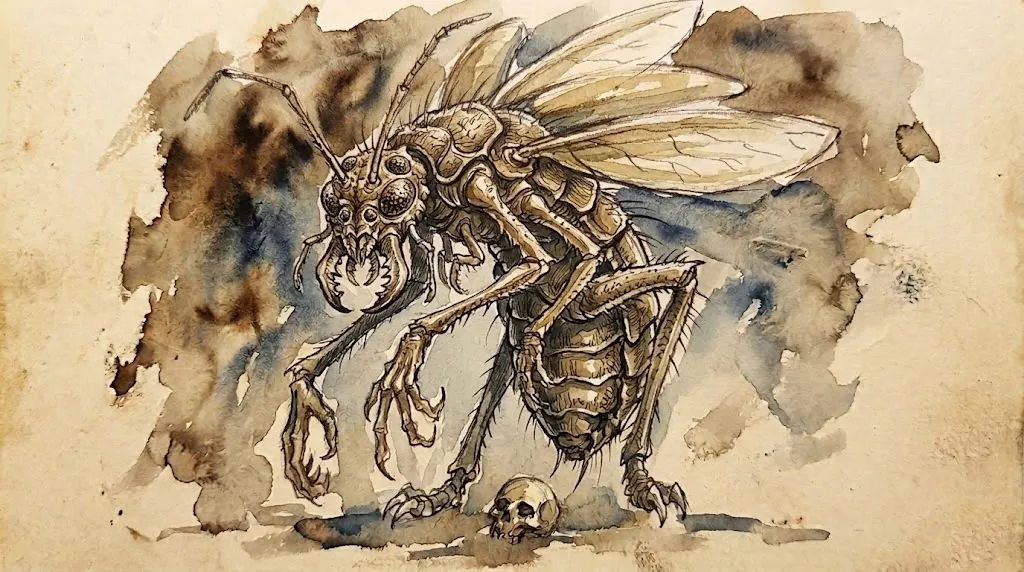
Adze
In Togo, a vampire disguised as a glowing firefly slips through locked doors to feed on the sleeping.
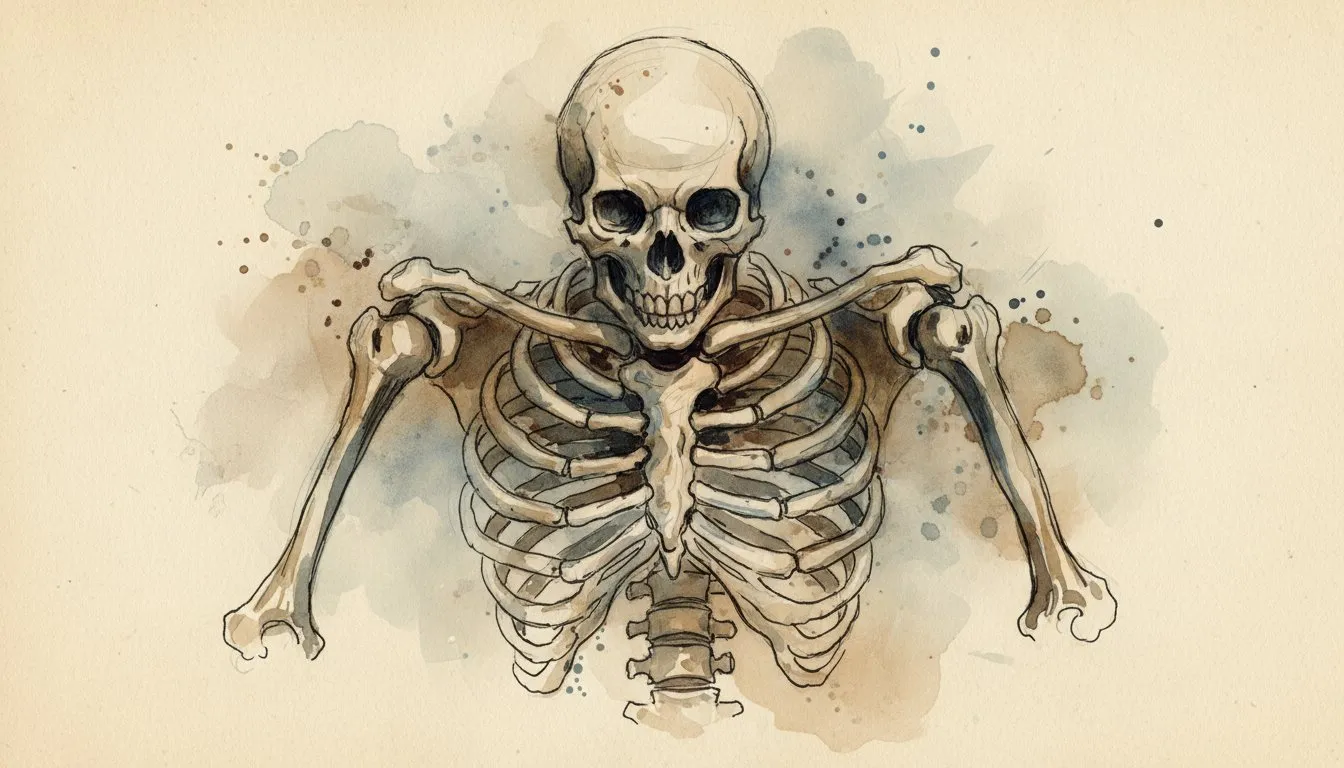
Gashadokuro
A towering skeleton formed from the bones of the unburied dead, rattling through the night to bite off heads.
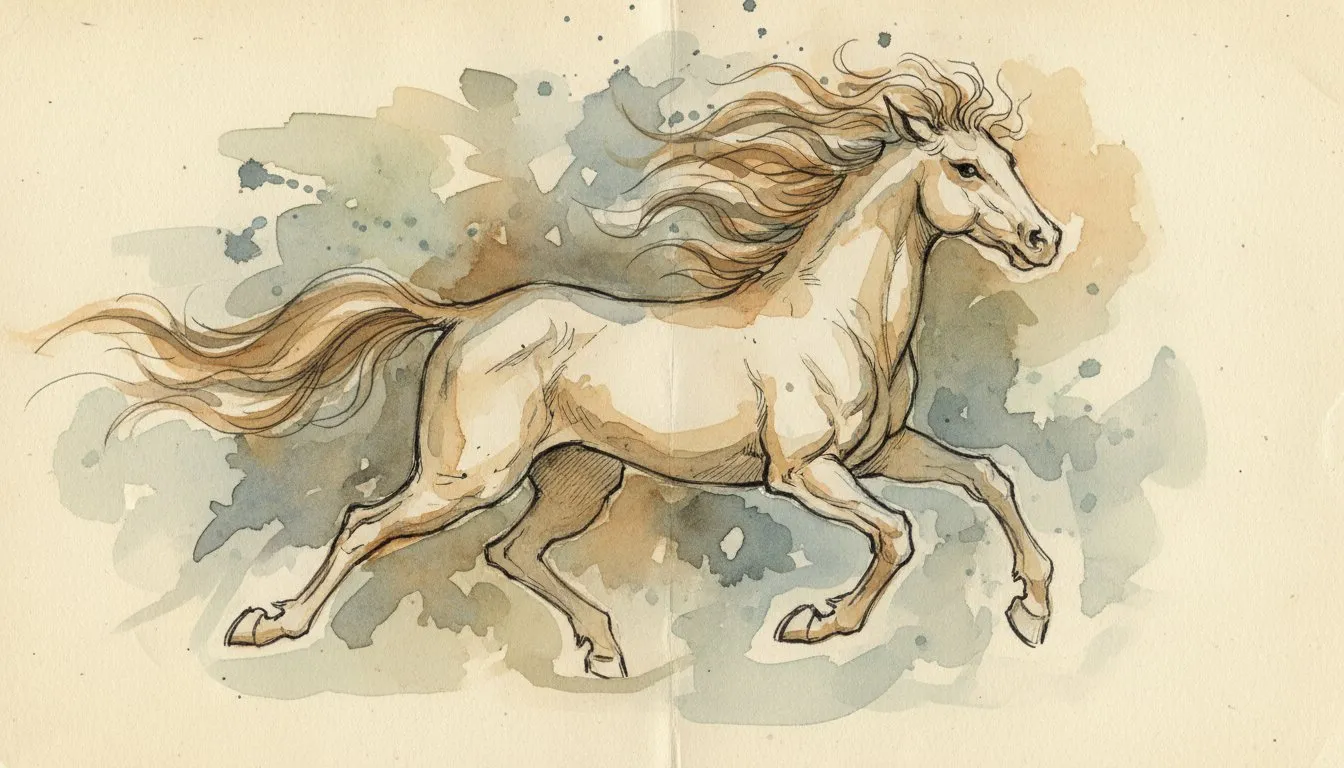
Kirin
A divine chimera of dragon and deer that only appears to herald greatness or disaster.
Tsuchinoko
A fat, stumpy snake that supposedly jumps, speaks, and has a taste for alcohol.