
Nure-Onna
Also known as: Wet Woman, Shore Serpent
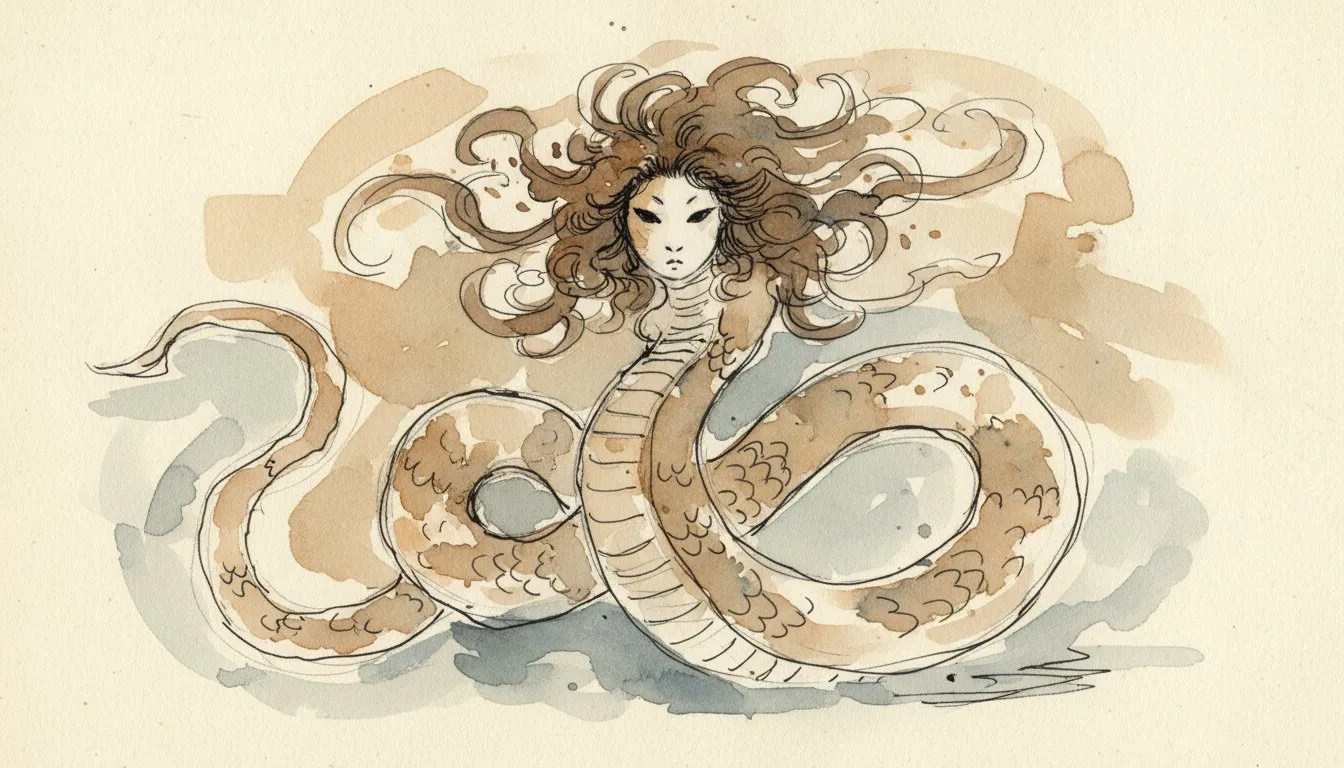
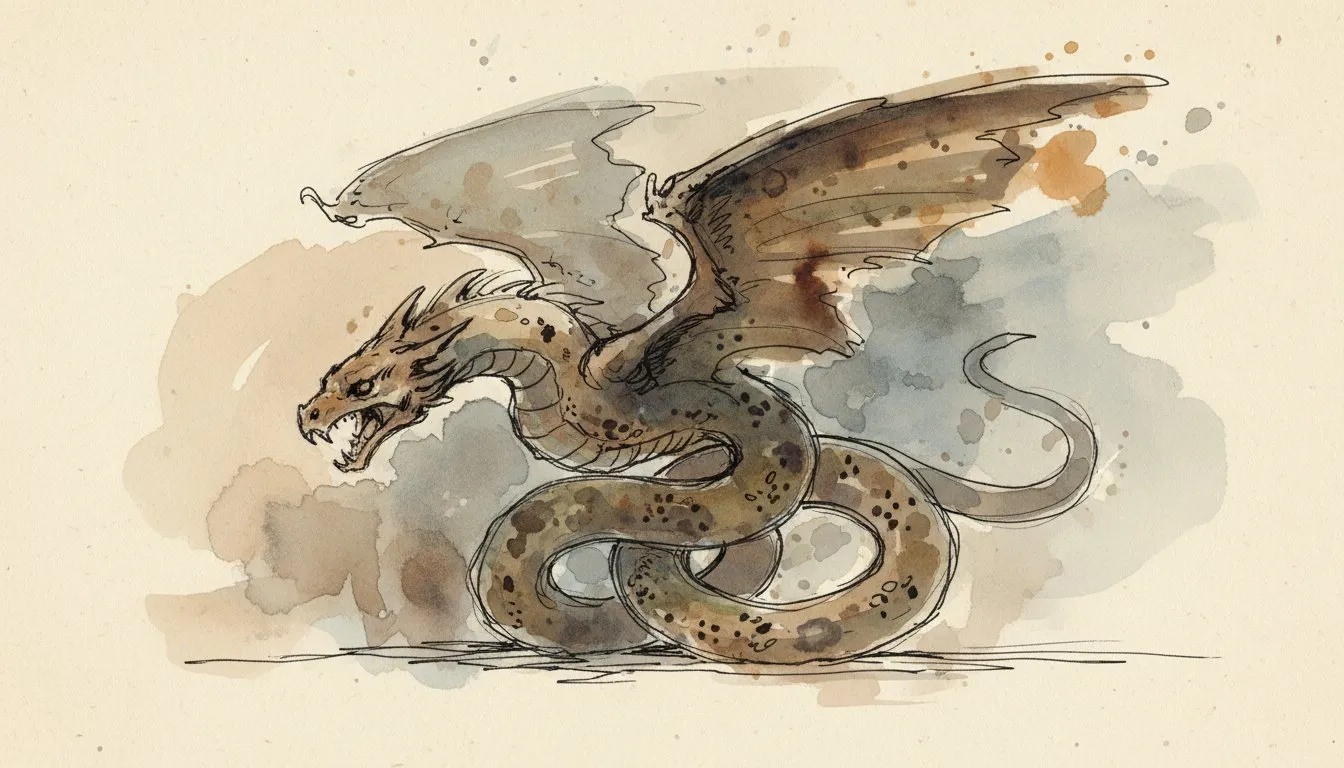
A serpent with a woman's head that haunts riverbanks, cradling a phantom baby to paralyze its prey.
Edo period texts
Japan, coastal and river regions
Snake body up to 10 meters
Predatory, deceptive
Folklore tradition
The Lore
The nure-onna appears in Japanese folklore as a creature with the head of a woman and the body of an enormous snake. She is often encountered along rivers and shorelines, soaking wet, sometimes holding what appears to be an infant. If a passerby takes the bundle, it becomes impossibly heavy, pinning them in place while the nure-onna feeds. Her long, dripping hair and sorrowful appearance make her one of the more unsettling figures in yokai tradition.
Japan's rivers and coastlines are populated by a remarkable diversity of supernatural beings in the traditional yokai catalogue, and the Nure-Onna, whose name translates as wet woman, is among the most specifically dangerous of the aquatic varieties. She is described as a serpentine entity of enormous length, sometimes said to stretch hundreds of feet, with the head and upper body of a woman, beautiful and pale-skinned, and the coiled, scaled lower body of a snake or dragon. She is always found at the water's edge, especially along rivers and tidal coastlines in Kyushu and other western Japanese regions, and she is invariably described as wet, her long black hair plastered to her skin, suggesting she has just emerged from the water or has been standing in rain.
The Nure-Onna appears in the illustrated yokai compendiums of the Edo period, particularly in the work of artist Toriyama Sekien, who depicted her in his 1776 catalogue Gazu Hyakki Yakou, one of the definitive visual references for Japanese supernatural beings. Sekien's image shows a woman of conventional attractiveness from the waist up, emerging from dark water, with her serpentine lower body suggested by ripples and coils. This depiction set the template for subsequent artistic and literary treatments of the creature.
In the folk narratives collected from Kyushu communities, the Nure-Onna typically employs a specific deception. She appears to travelers along the water's edge holding what appears to be a sleeping infant wrapped in cloth. She asks the traveler to hold the baby while she returns to the water, and the traveler, moved by apparent maternal need, complies. The bundle immediately becomes impossibly heavy, rooting the traveler in place. Once they are immobilized, the Nure-Onna returns to feed on them. This narrative structure, in which charity is weaponized and the appearance of innocence conceals lethal intent, is a recurring pattern in Japanese yokai tradition and reflects cultural anxieties about encounters with strangers, particularly at liminal locations like riverbanks and tidal zones.
The Nure-Onna shares certain characteristics with the river serpent traditions found throughout East and Southeast Asia, and scholars of comparative mythology have noted that snake-woman hybrids appear in the folklore of virtually every culture with significant river or coastal systems. Japan's particular elaboration of this archetype, with its emphasis on deception and the weaponization of apparent vulnerability, reflects distinctively Japanese aesthetic and moral preoccupations that have made the Nure-Onna one of the more durable and unsettling entries in the yokai bestiary.
Media Appearances
- Shin Megami Tensei series
- GeGeGe no Kitaro
Further Reading
No book is devoted to this creature. These are the general references that cover the field, plus a direct search if you want to dig further.
- Cryptozoology A to Z by Loren Coleman and Jerome Clark (1999)
The standard one-volume encyclopedia, roughly two hundred entries covering creatures, investigators, and hoaxes.
- Mysterious Creatures: A Guide to Cryptozoology by George M. Eberhart (2002)
The larger reference guide, stronger on sourcing and on creatures that never reached the popular books.
Search Amazon for Nure-Onna books
As an Amazon Associate, Cryptid Vault earns from qualifying purchases. Links open Amazon in a new tab.
Get the Field Notes.
Field notes from the Vault, when there is something worth sending. No spam.
No spam. Unsubscribe anytime.
You might also like
Jorogumo
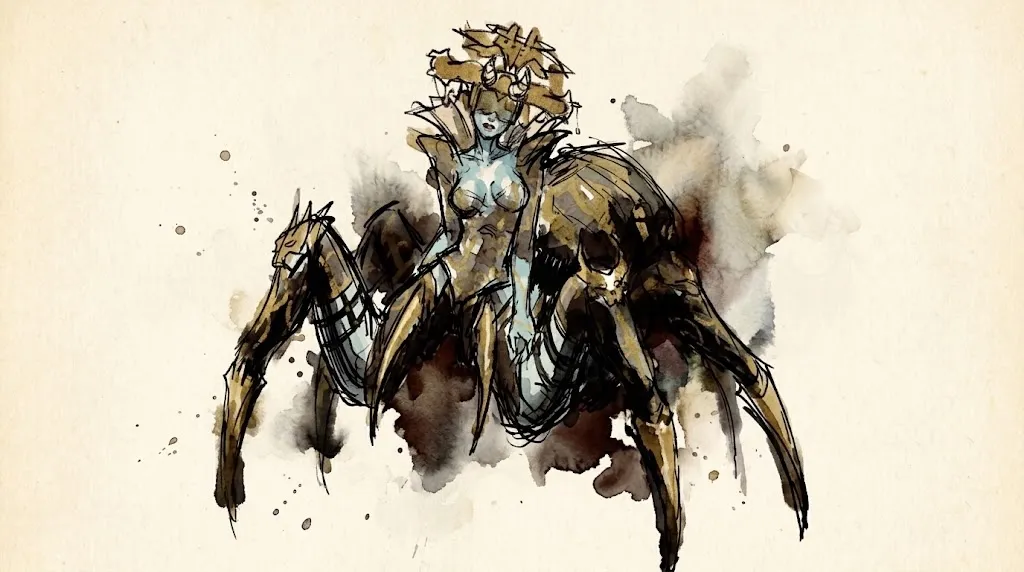
A 400-year-old spider that takes the form of a beautiful woman to lure men to their death.
Gashadokuro
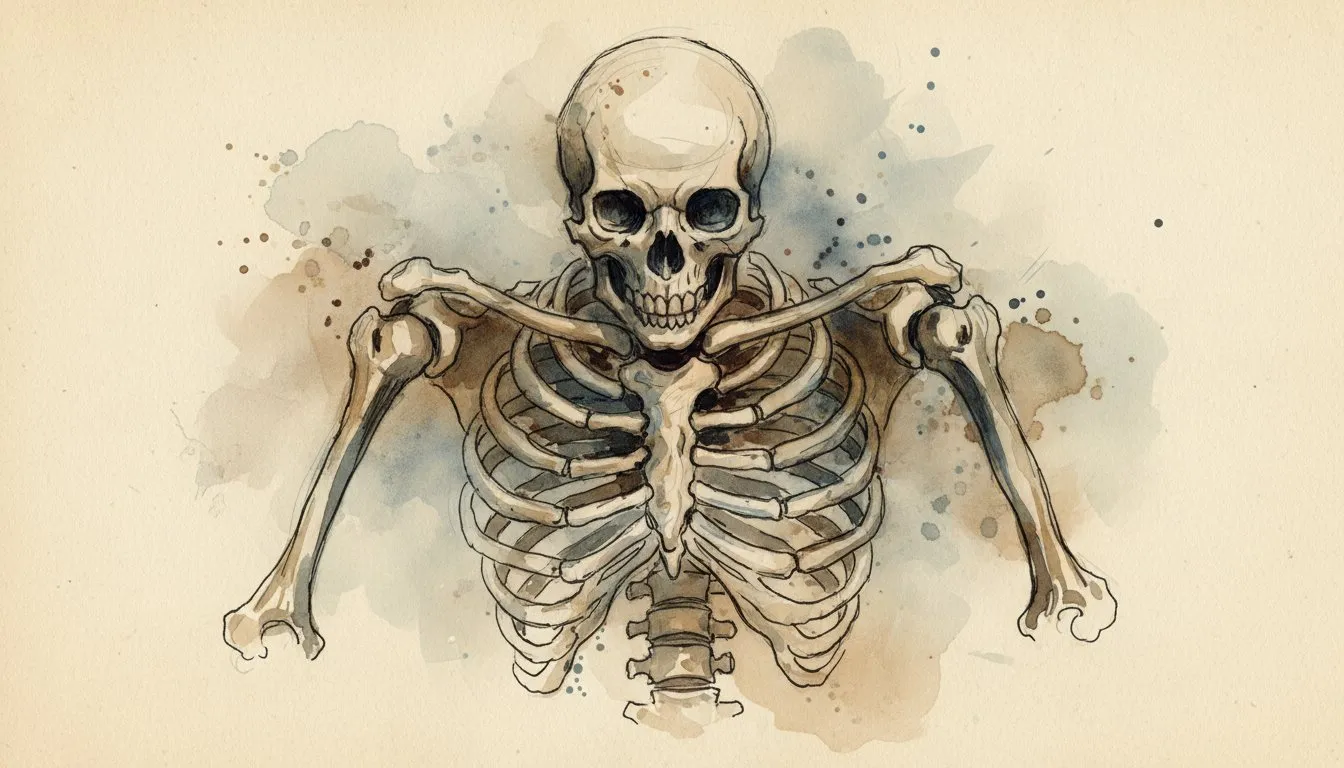
A towering skeleton formed from the bones of the unburied dead, rattling through the night to bite off heads.
Manananggal
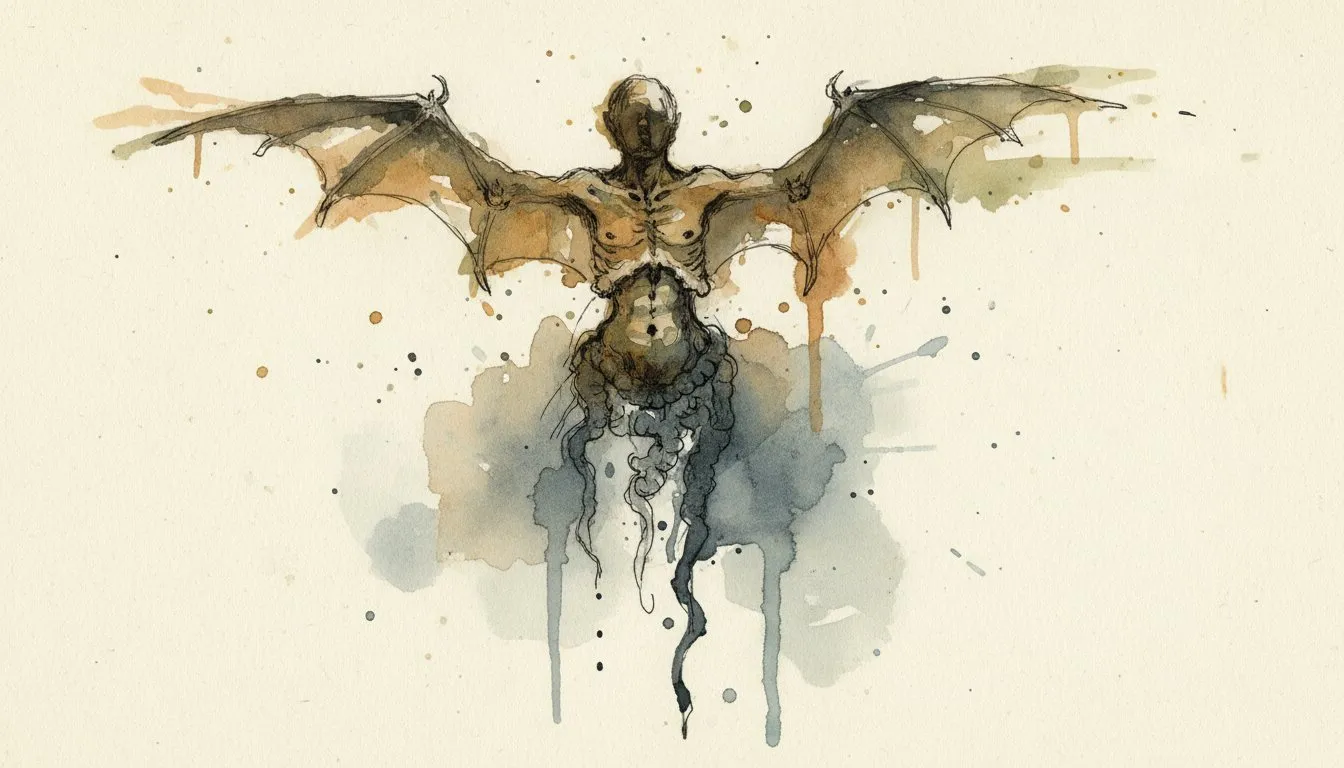
A vampire that tears its own torso free and flies through the night on bat-like wings, trailing its entrails below.
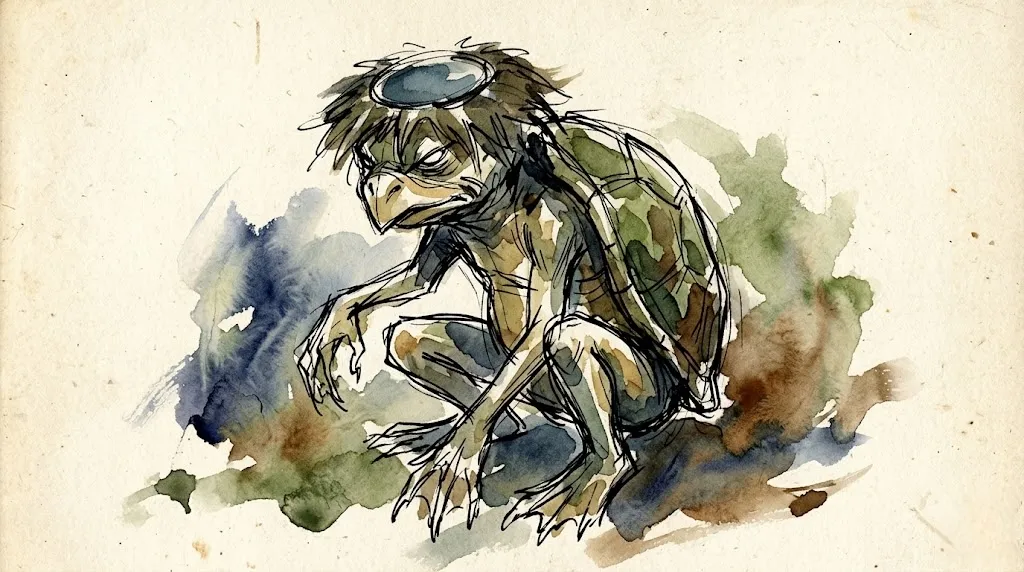
Kappa
Japan's mischievous water imp with a bowl of power on its head.
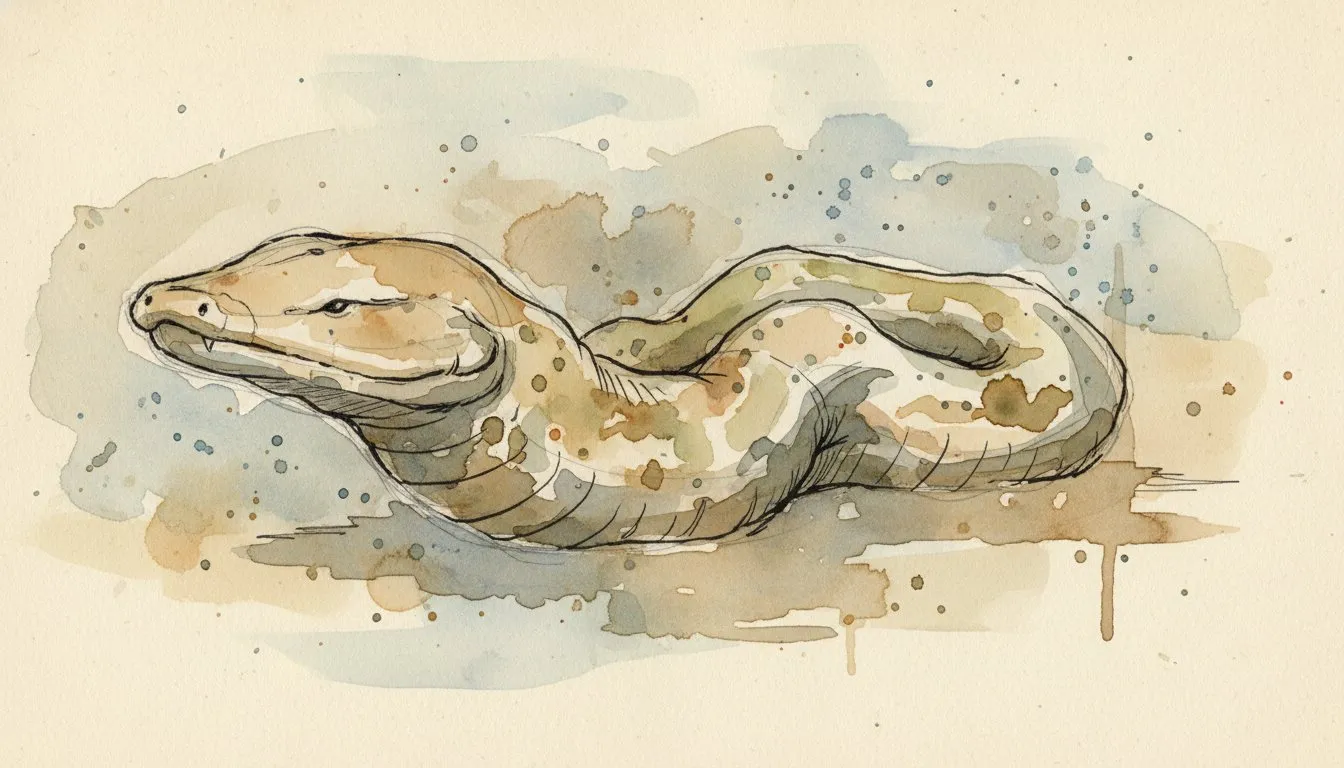
Tsuchinoko
A fat, stumpy snake that supposedly jumps, speaks, and has a taste for alcohol.
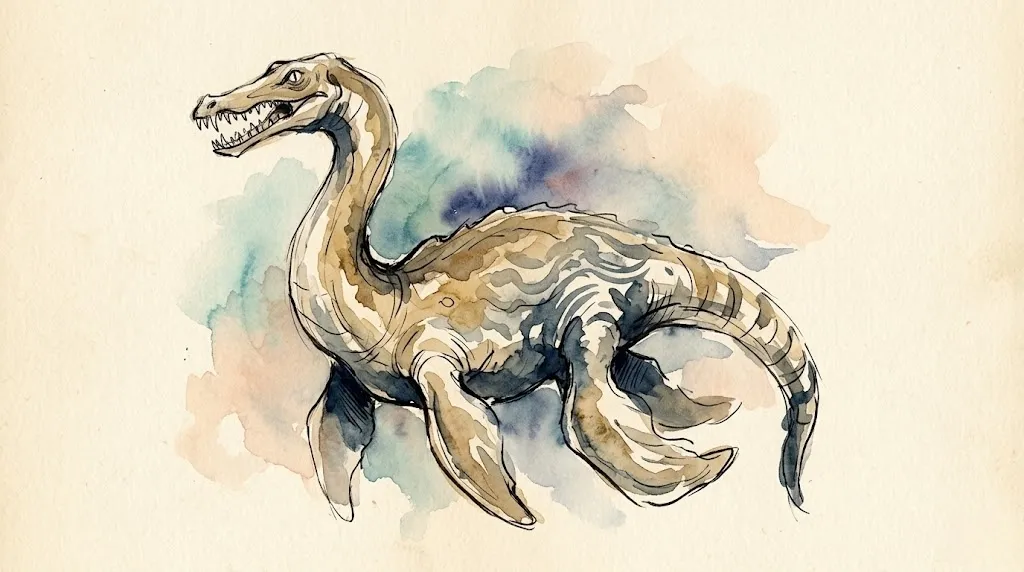
Issie
Japan's answer to Nessie lives in a volcanic crater lake on the southern tip of Kyushu.
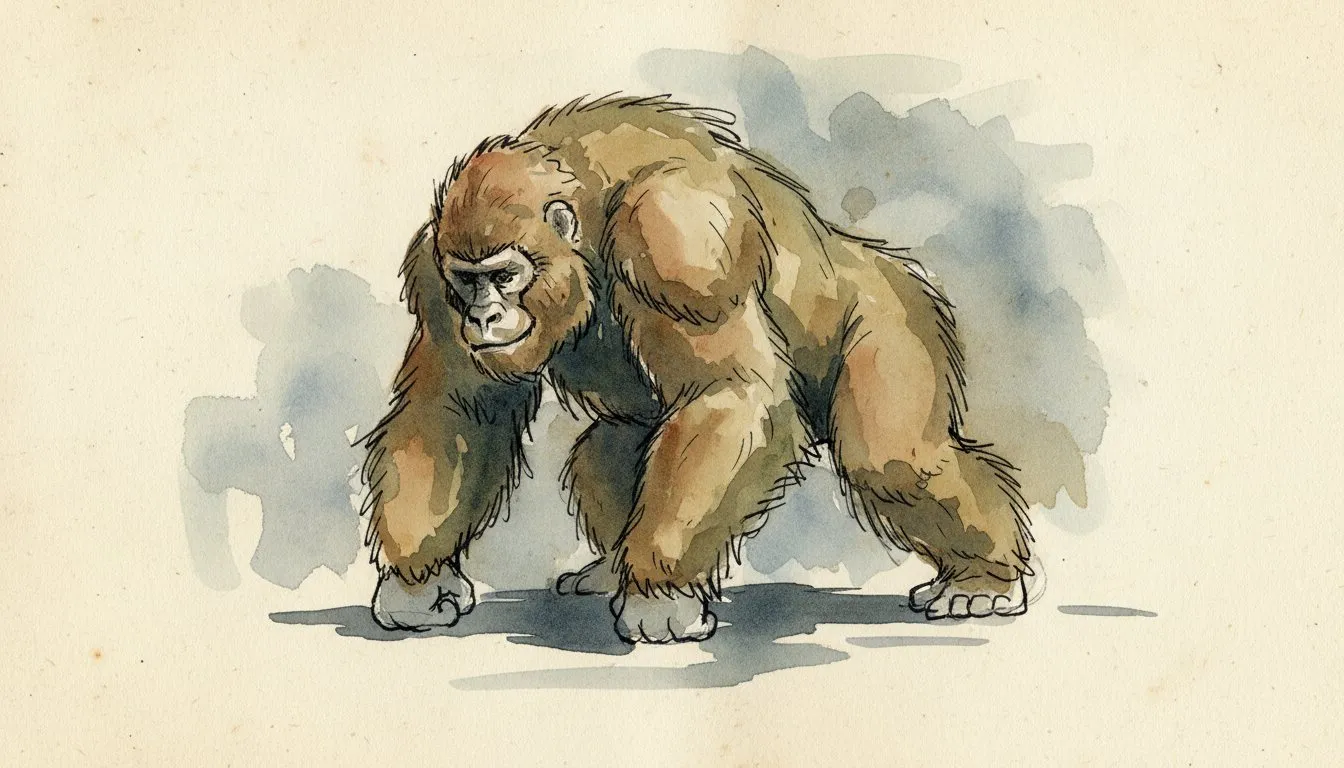
Hibagon
A foul-smelling ape-man stalking the misty slopes of Mount Hiba in rural Japan.
Ajatar
A Finnish forest spirit that spreads disease and madness to anyone who catches a glimpse of her moving through the trees.