
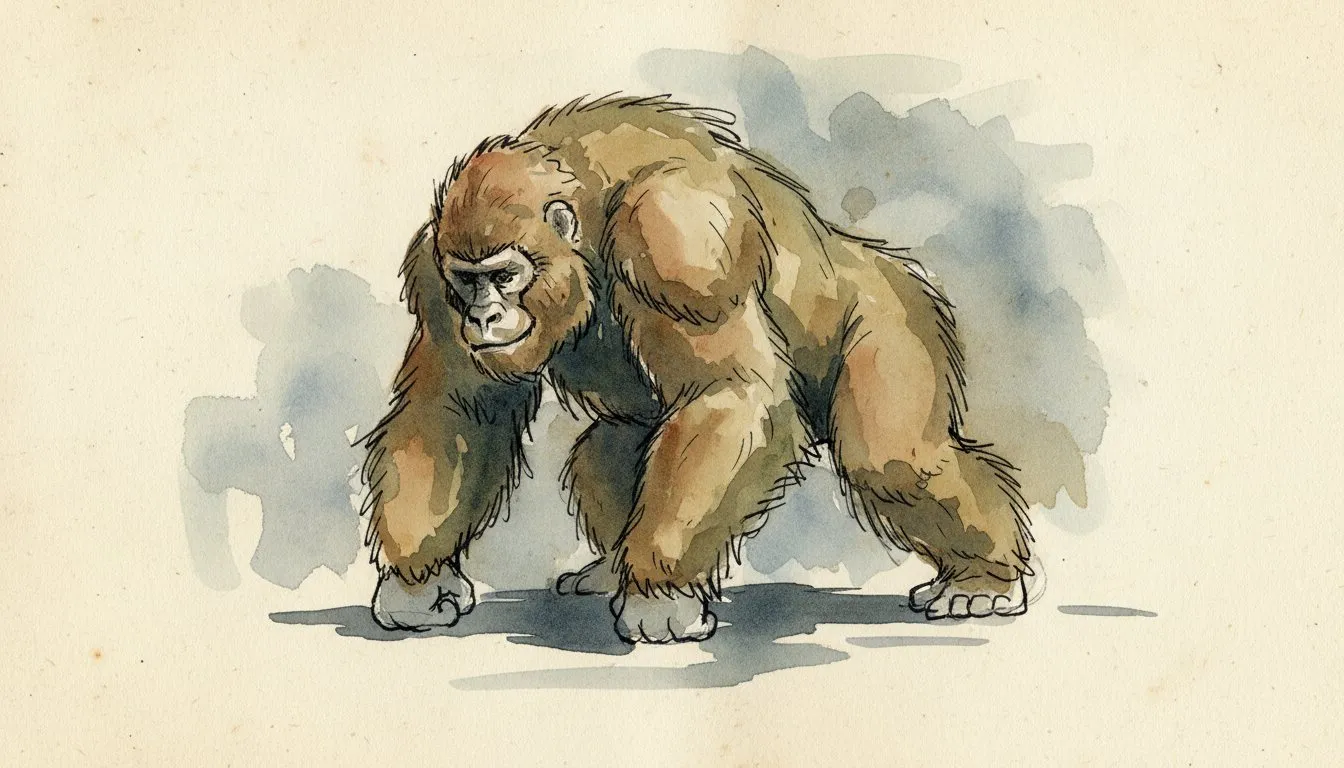
Hibagon
Also known as: Hinagon
A foul-smelling ape-man stalking the misty slopes of Mount Hiba in rural Japan.
1970
Mount Hiba, Hiroshima Prefecture, Japan
Approximately 1.5 meters tall
Reclusive, occasionally aggressive
No recent sightings
The Lore
The hibagon is a Japanese cryptid described as a dark-haired, gorilla-like humanoid spotted near Mount Hiba in Hiroshima Prefecture. Reports peaked in the early 1970s, with witnesses describing a creature about 1.5 meters tall, covered in dark brown or black hair, with a flat nose and glaring eyes. Several witnesses reported an intense, unpleasant smell. The sightings caused local panic and attracted national media. No conclusive evidence has ever been recovered, and reports have largely faded.
In the forested mountains surrounding Hiroshima Prefecture on the Japanese island of Honshu, a creature described as Japan's answer to Bigfoot was first reported in the early 1970s. The Hibagon - named for Mount Hiba in the Chugoku mountain range - drew intense media attention during a wave of sightings between 1970 and 1982 and remains one of the most thoroughly documented cryptid cases in Japanese history.
The first reports came from farmers and forestry workers in the Saijo and Shobara areas of Hiroshima Prefecture in 1970. Witnesses described a creature standing approximately five feet tall, covered in dark brown or black hair, with a large head disproportionate to its body and a face described as resembling a gorilla or a fearsome mask. Unlike the powerful, muscular build described in Bigfoot reports, the Hibagon was often described as stocky and almost comical in appearance, with a prominent odor compared to decaying matter.
The sightings peaked between 1972 and 1974, when local authorities organized search parties and the Saijo town council reportedly set aside funds for Hibagon investigation. Local newspapers ran extensive coverage that drew national attention. Footprints were found on several occasions, measuring roughly 10 inches in length with four clearly defined toe impressions - a configuration distinct from both human and known ape tracks. Photographs alleged to show the Hibagon circulated in the press, though none were conclusive.
After the mid-1970s, sightings dropped sharply, then revived briefly in the early 1980s before fading again. The Hibagon has since become part of local tourism culture in Hiroshima Prefecture. Statues and murals depicting the creature appear in the towns where it was most frequently reported, and the regional mascot industry has incorporated its image. The timing of the sighting wave - coinciding with the global Bigfoot media explosion following the 1967 Patterson-Gimlin film, which received considerable coverage in Japan - has led some researchers to suggest that media priming shaped how witnesses interpreted ambiguous forest encounters. The Hibagon nevertheless occupies a unique place in Japanese popular culture as a domestically generated mystery animal, independent of imported Western cryptid traditions, and continues to draw curious visitors to the forested mountains of northern Hiroshima Prefecture. The towns of the Saijo and Shobara area, where sightings were most concentrated, have leaned into the legend with a mixture of civic pride and gentle humor, recognizing that the Hibagon represents a rare instance of a community creating - and then half-disowning - its own mystery, only to find the mystery outlasting everyone's intentions.
Further Reading
No book is devoted to this creature. These are the general references that cover the field, plus a direct search if you want to dig further.
- Cryptozoology A to Z by Loren Coleman and Jerome Clark (1999)
The standard one-volume encyclopedia, roughly two hundred entries covering creatures, investigators, and hoaxes.
- Mysterious Creatures: A Guide to Cryptozoology by George M. Eberhart (2002)
The larger reference guide, stronger on sourcing and on creatures that never reached the popular books.
Search Amazon for Hibagon books
As an Amazon Associate, Cryptid Vault earns from qualifying purchases. Links open Amazon in a new tab.
Get the Field Notes.
Field notes from the Vault, when there is something worth sending. No spam.
No spam. Unsubscribe anytime.
You might also like
Yeren
China's Bigfoot roams the thick forests of Hubei Province, backed by thousands of reported sightings.
Yowie
Australia's own Bigfoot has been reported for centuries, from Aboriginal Dreamtime stories to modern highway encounters.
Batutut
A bipedal ape spotted by both Vietnamese villagers and American soldiers during the war.
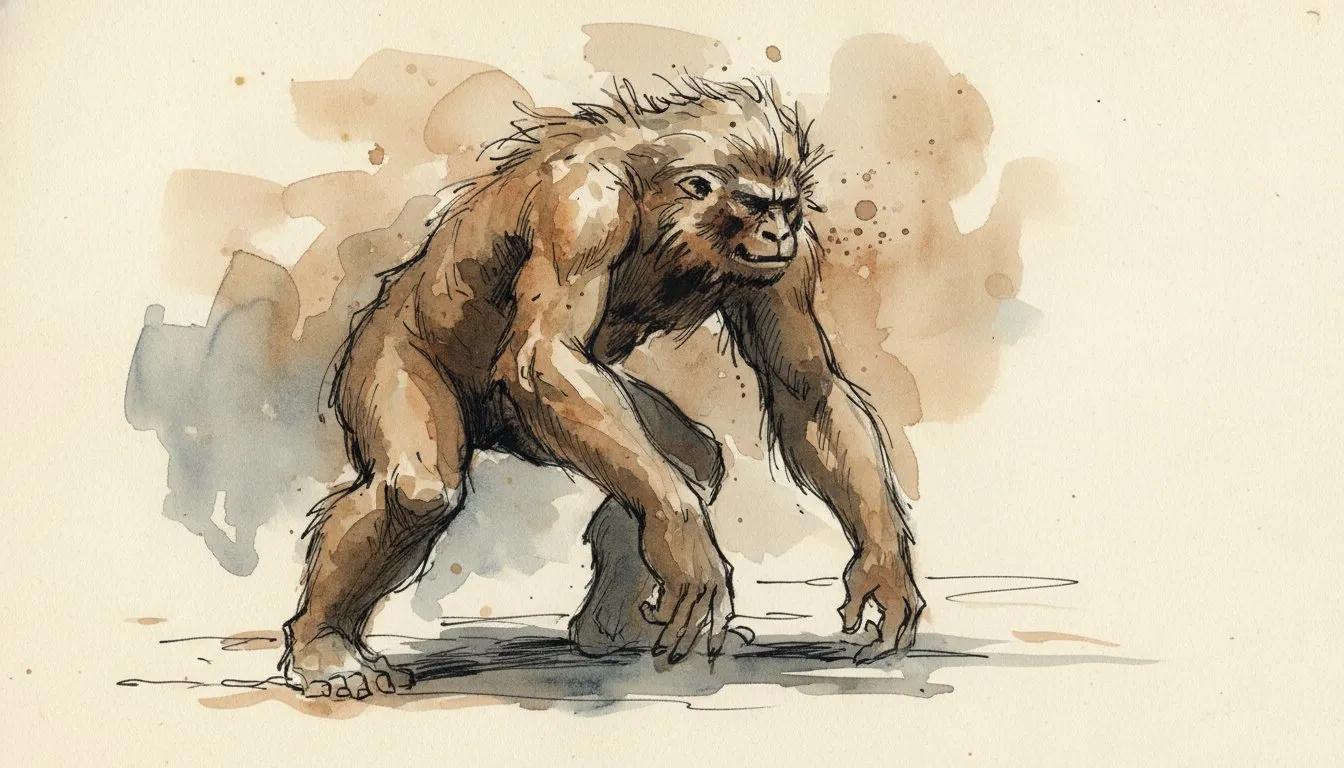
Nguoi Rung
Deep in Vietnam's jungles, soldiers and scientists have reported a powerfully built ape that walks like a man.
Big Muddy Monster
A mud-caked, hair-covered giant that emerged from the Big Muddy River and made it into the local police log.
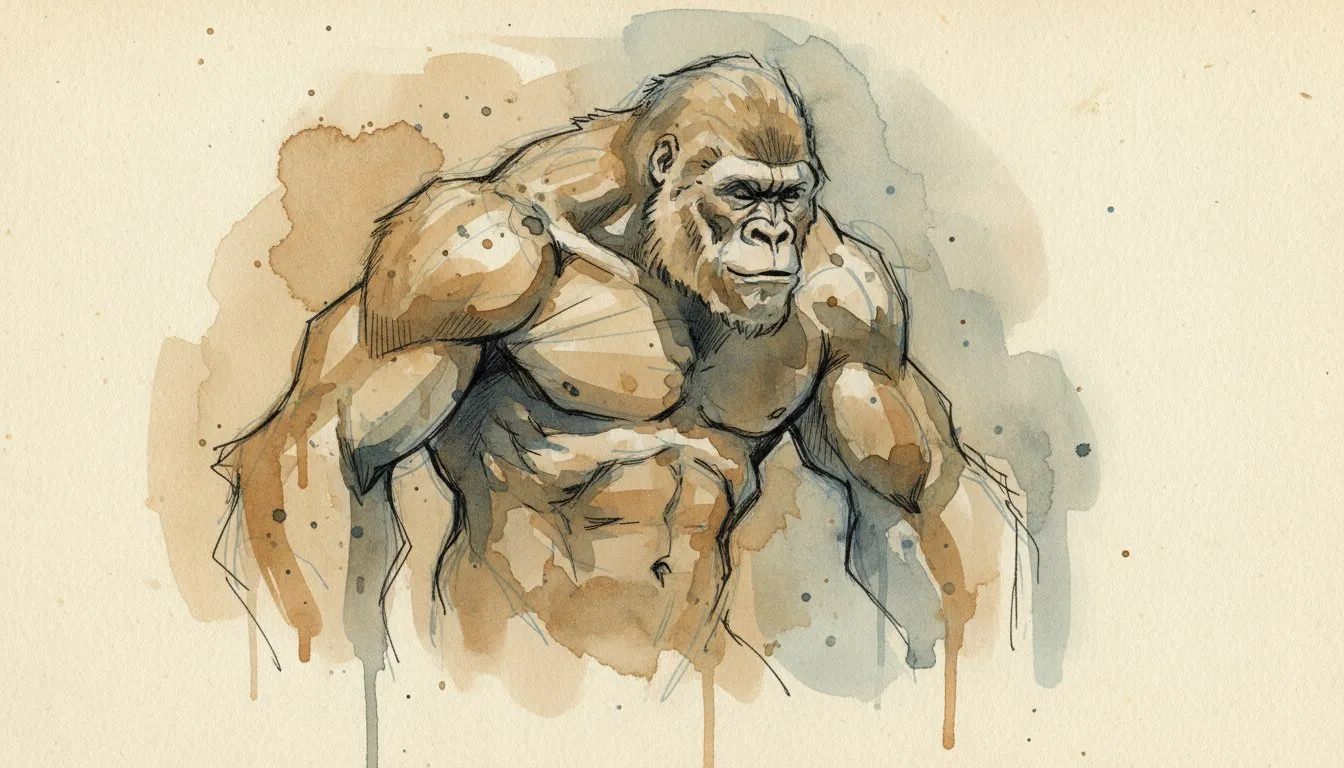
Moehau
A hairy, rock-throwing giant reported in New Zealand's Coromandel Range long before the Bigfoot craze.
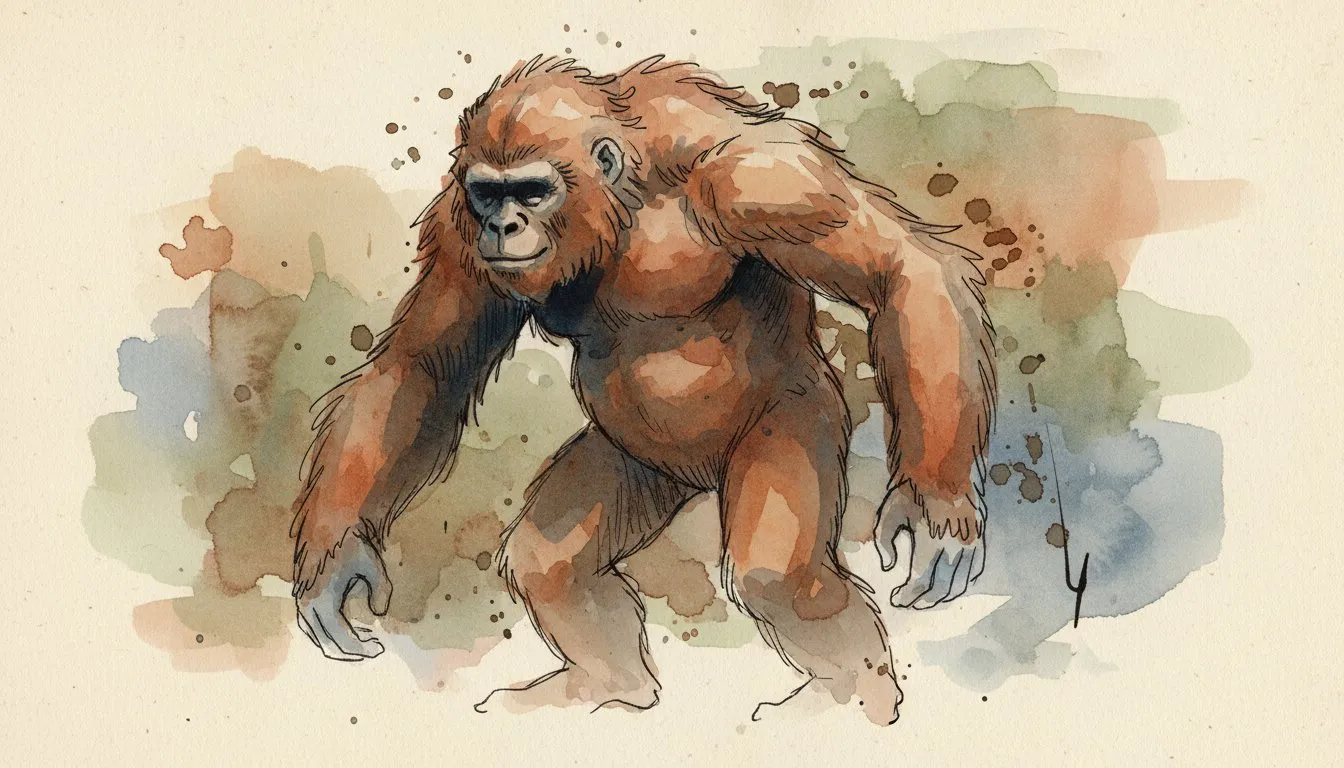
Orang Pendek
A short, bipedal ape covered in golden-brown fur walks the jungles of Sumatra, and credible scientists have spent decades trying to prove it exists.
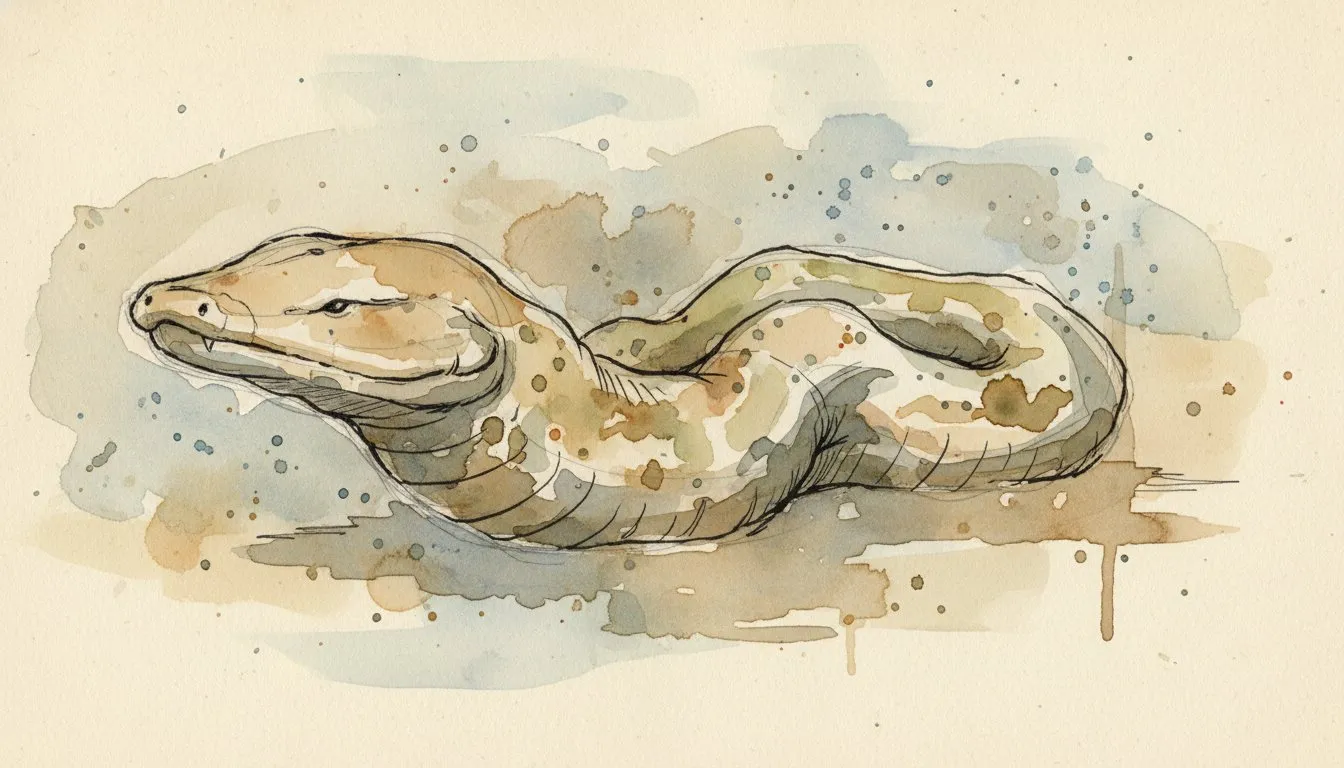
Tsuchinoko
A fat, stumpy snake that supposedly jumps, speaks, and has a taste for alcohol.