
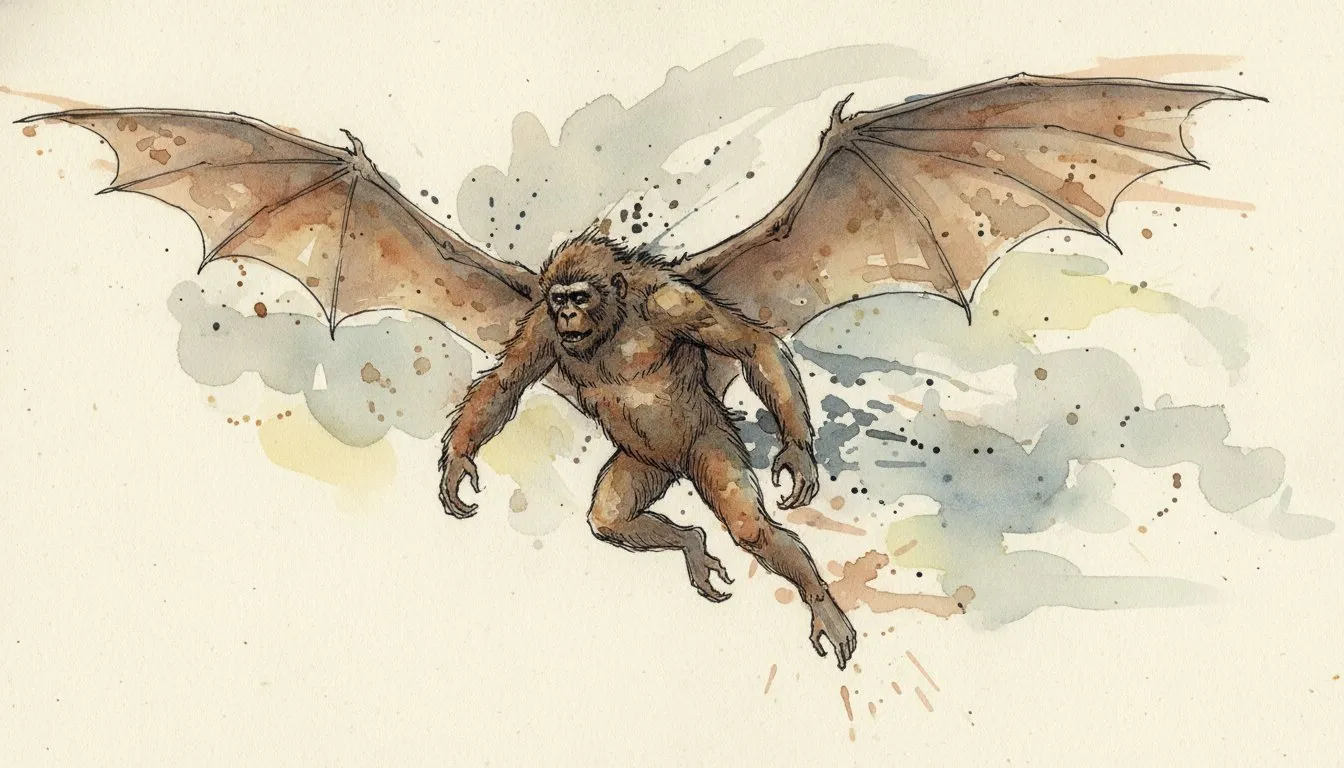
Batutut
Also known as: Nguoi Rung, Forest People of Vu Quang
A bipedal ape spotted by both Vietnamese villagers and American soldiers during the war.
Pre-colonial indigenous accounts
Vu Quang, central Vietnam
Approximately 1.8 meters tall
Wary, avoidant
Occasional reports from remote areas
The Lore
The batutut is a hairy, bipedal primate reported in the forests of Vietnam, Laos, and Borneo. Standing roughly 1.8 meters tall, it is described as muscular with reddish-brown to black hair covering its body. Reports come from indigenous communities, French colonists, and notably from American and North Vietnamese soldiers during the Vietnam War. The Vu Quang region where many sightings occur has yielded genuine zoological discoveries, including the saola in 1992, lending some plausibility to undiscovered primate claims.
The dense montane forests of Vietnam, Laos, and Borneo have generated persistent reports of a small, bipedal hominid known by several names - Batutut in Vietnam and Borneo, Ujit among some Bornean communities - that occupies a position in the folklore of Southeast Asian highland peoples analogous to the role Bigfoot plays in North American tradition. The creature is described as standing between four and six feet tall, covered in dark body hair, with a flat nose, wide mouth, and a tendency to walk upright with a slightly stooped posture. Witnesses describe it as shy and retreating, typically disappearing into the forest before a clear view can be obtained.
The Batutut achieved its greatest international attention through accounts gathered during and after the Vietnam War, when American and North Vietnamese soldiers operating in remote highland areas reported encounters with small, hairy, upright creatures. In 1974, North Vietnamese general Hoang Minh Thao reported that soldiers operating in the Central Highlands had encountered the creature on multiple occasions, describing it as clearly bipedal and distinct from any known primate. These military-sourced accounts lent the Batutut an unusual credibility given the witnesses' familiarity with the regional fauna and their motivation to accurately report unusual hazards in the field.
Borneo offers additional layers to the legend. Indigenous Penan and Dayak communities in the island's interior have maintained traditions describing a small forest-dwelling humanoid that is neither human nor orangutan - a "wild man of the forest" distinct from the well-known great apes that inhabit the island. Some accounts describe the creature leaving footprints significantly smaller than a human adult's but clearly bipedal, with a toe spread inconsistent with orangutan tracks. The discovery of Homo floresiensis - a diminutive species of archaic human that survived on the island of Flores until as recently as twelve thousand years ago - has given cryptozoologists additional theoretical grounding for the possibility of small, unknown hominins surviving in Southeast Asian island forests.
Skeptics note that the Batutut has never been photographed or collected, and that the dense forests of Borneo and the Vietnamese highlands, while remote, have been subject to increasing deforestation and human penetration. The lack of physical evidence remains the central obstacle to evaluating the tradition's biological claims. New primate species have been formally described from Southeast Asian forests within recent decades, demonstrating that the region retains genuine taxonomic surprises. The Batutut tradition persists among highland communities with no incentive to fabricate it, and this continuity warrants sustained attention to the remote forests of Indochina and Borneo.
Notable Witnesses
- Professor Tran Hong Viet (1982 footprint cast)
Further Reading
No book is devoted to this creature. These are the general references that cover the field, plus a direct search if you want to dig further.
- Cryptozoology A to Z by Loren Coleman and Jerome Clark (1999)
The standard one-volume encyclopedia, roughly two hundred entries covering creatures, investigators, and hoaxes.
- Mysterious Creatures: A Guide to Cryptozoology by George M. Eberhart (2002)
The larger reference guide, stronger on sourcing and on creatures that never reached the popular books.
Search Amazon for Batutut books
As an Amazon Associate, Cryptid Vault earns from qualifying purchases. Links open Amazon in a new tab.
Get the Field Notes.
Field notes from the Vault, when there is something worth sending. No spam.
No spam. Unsubscribe anytime.
You might also like
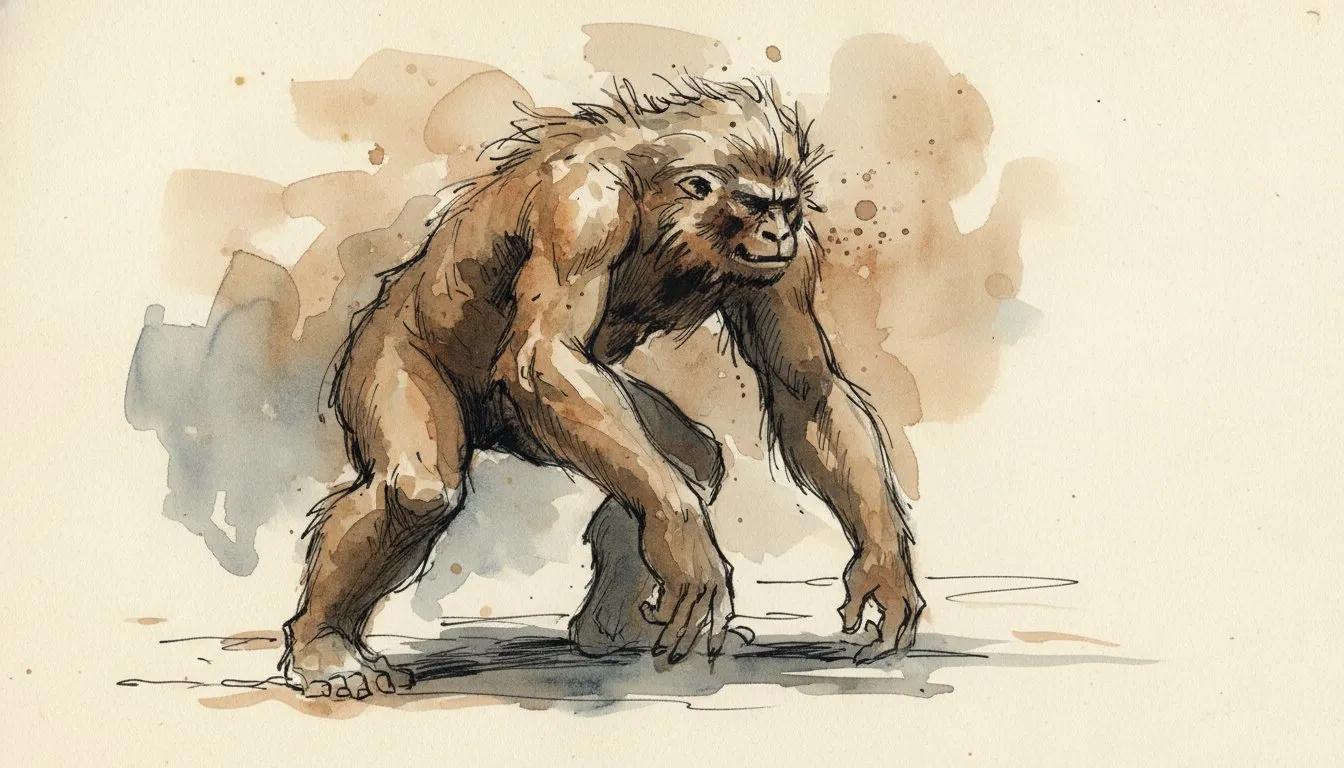
Nguoi Rung
Deep in Vietnam's jungles, soldiers and scientists have reported a powerfully built ape that walks like a man.
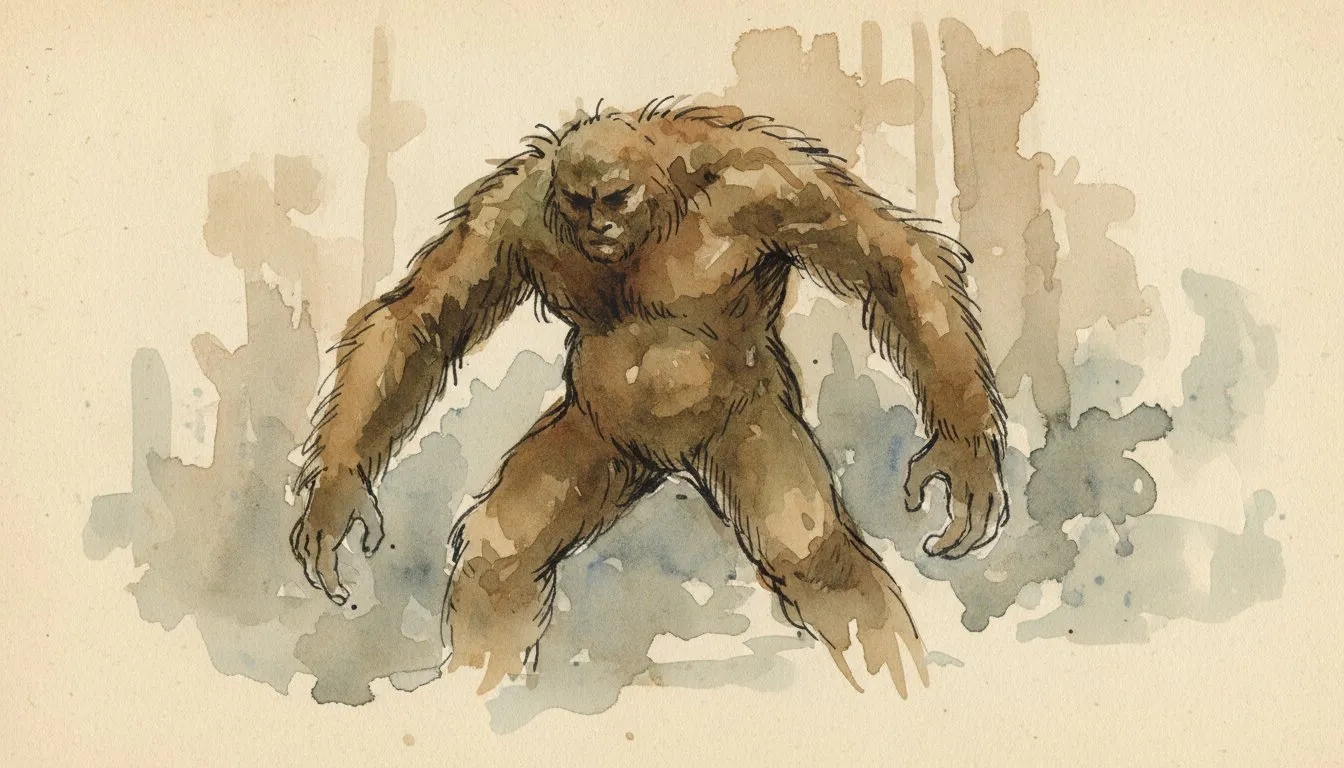
Yeren
China's Bigfoot roams the thick forests of Hubei Province, backed by thousands of reported sightings.
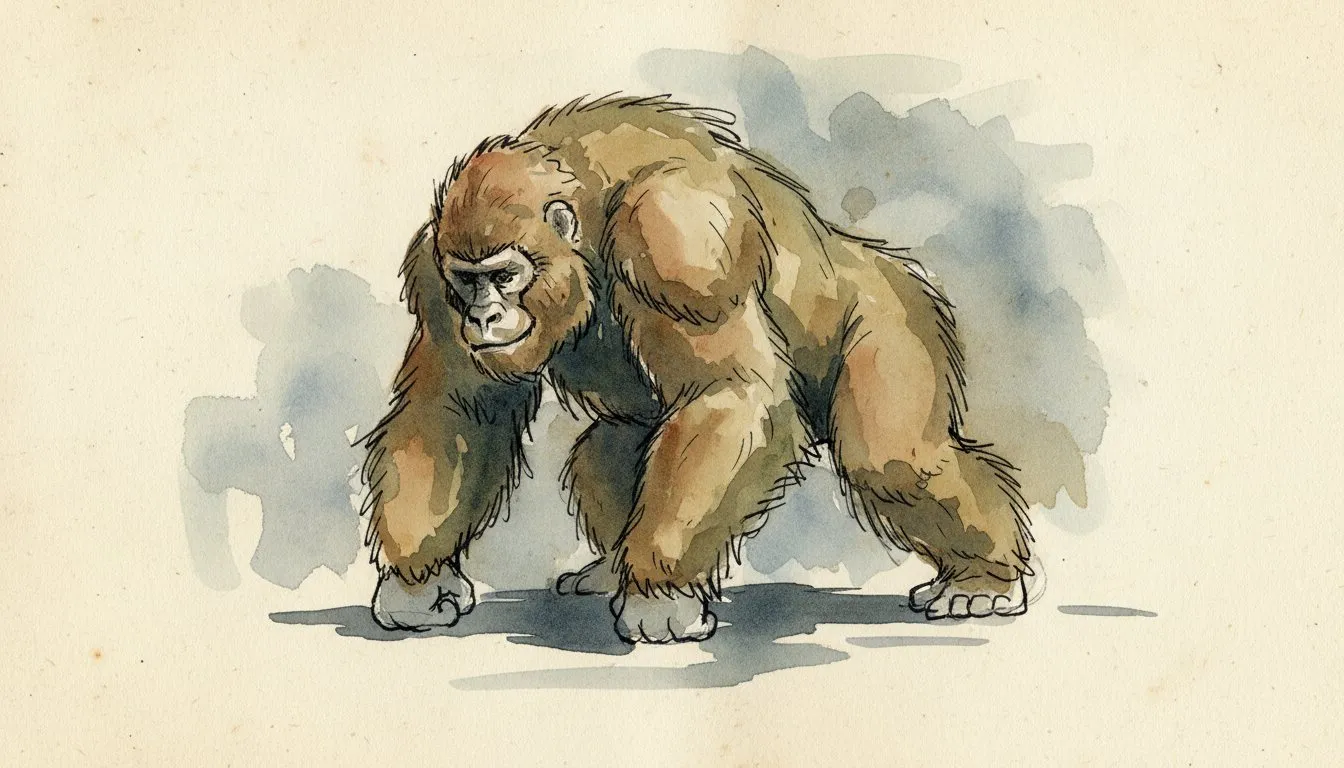
Hibagon
A foul-smelling ape-man stalking the misty slopes of Mount Hiba in rural Japan.
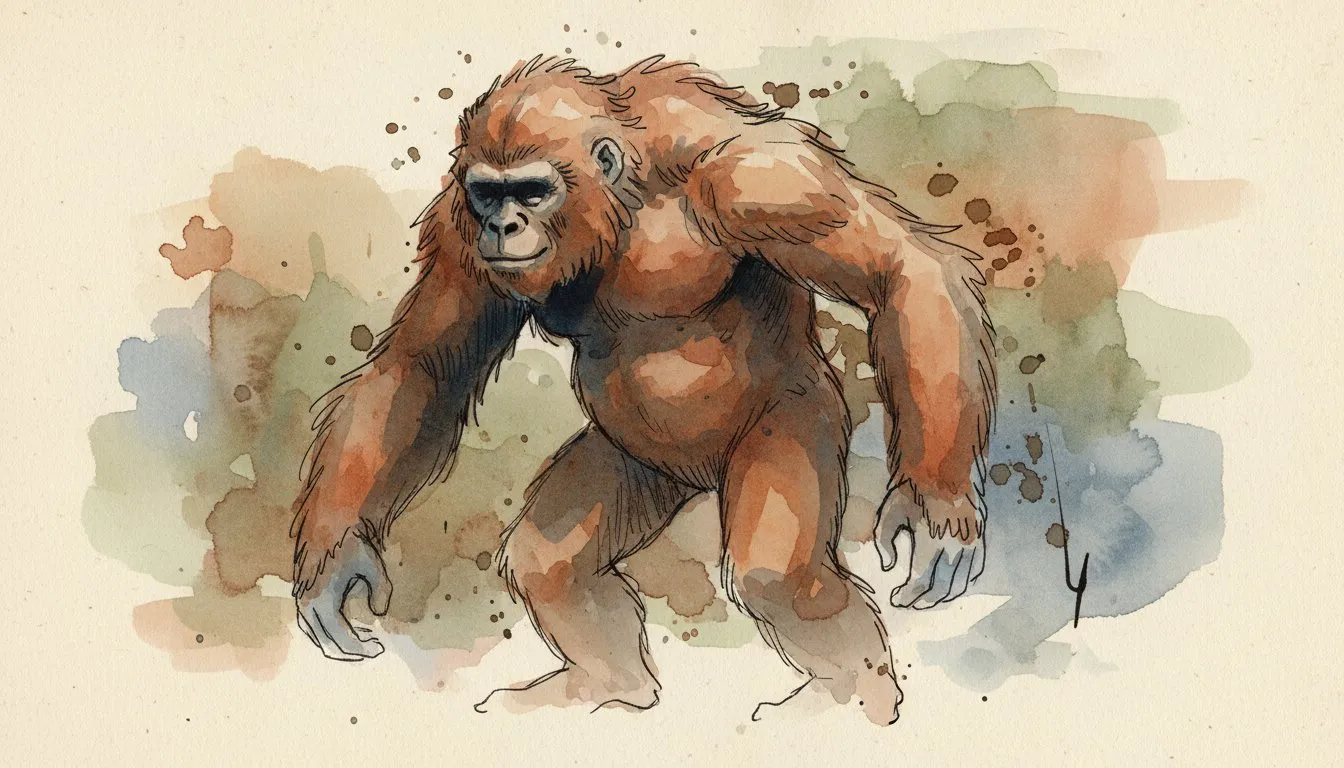
Orang Pendek
A short, bipedal ape covered in golden-brown fur walks the jungles of Sumatra, and credible scientists have spent decades trying to prove it exists.
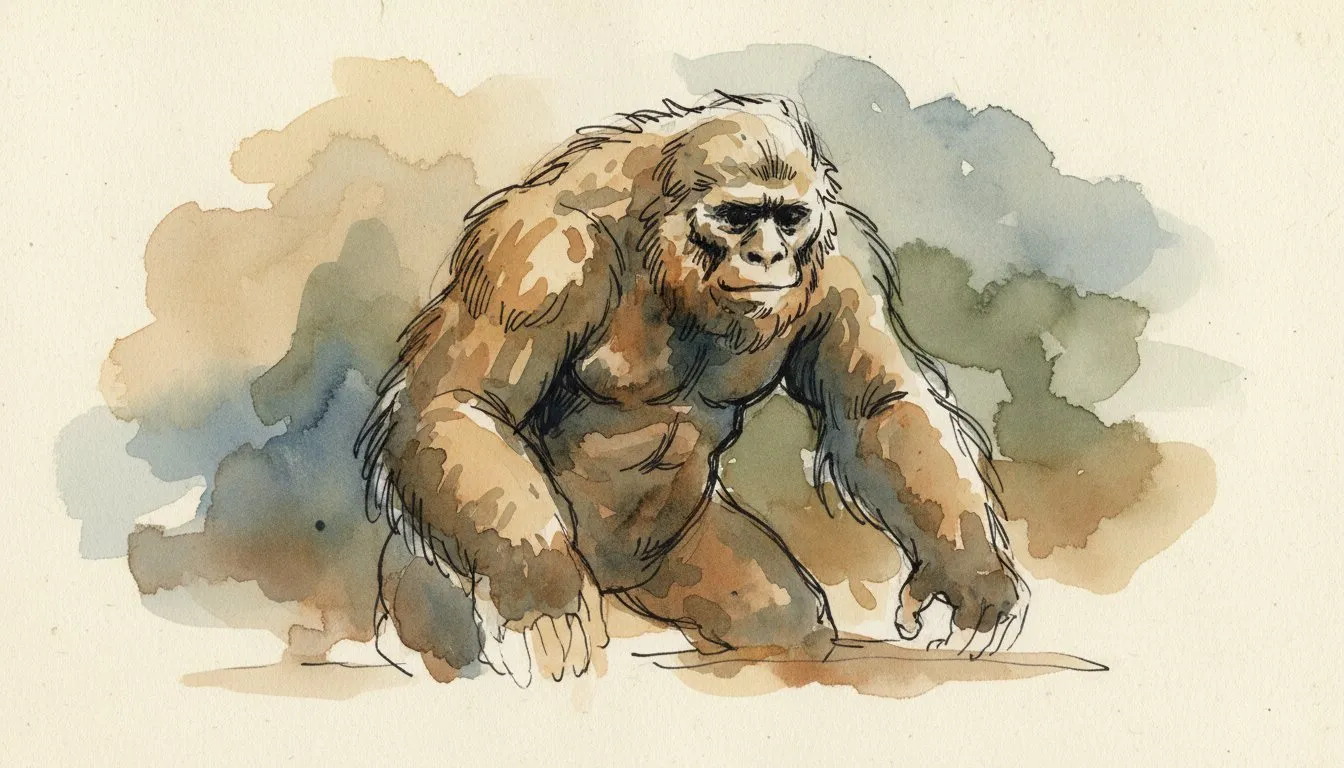
Yowie
Australia's own Bigfoot has been reported for centuries, from Aboriginal Dreamtime stories to modern highway encounters.

Moehau
A hairy, rock-throwing giant reported in New Zealand's Coromandel Range long before the Bigfoot craze.
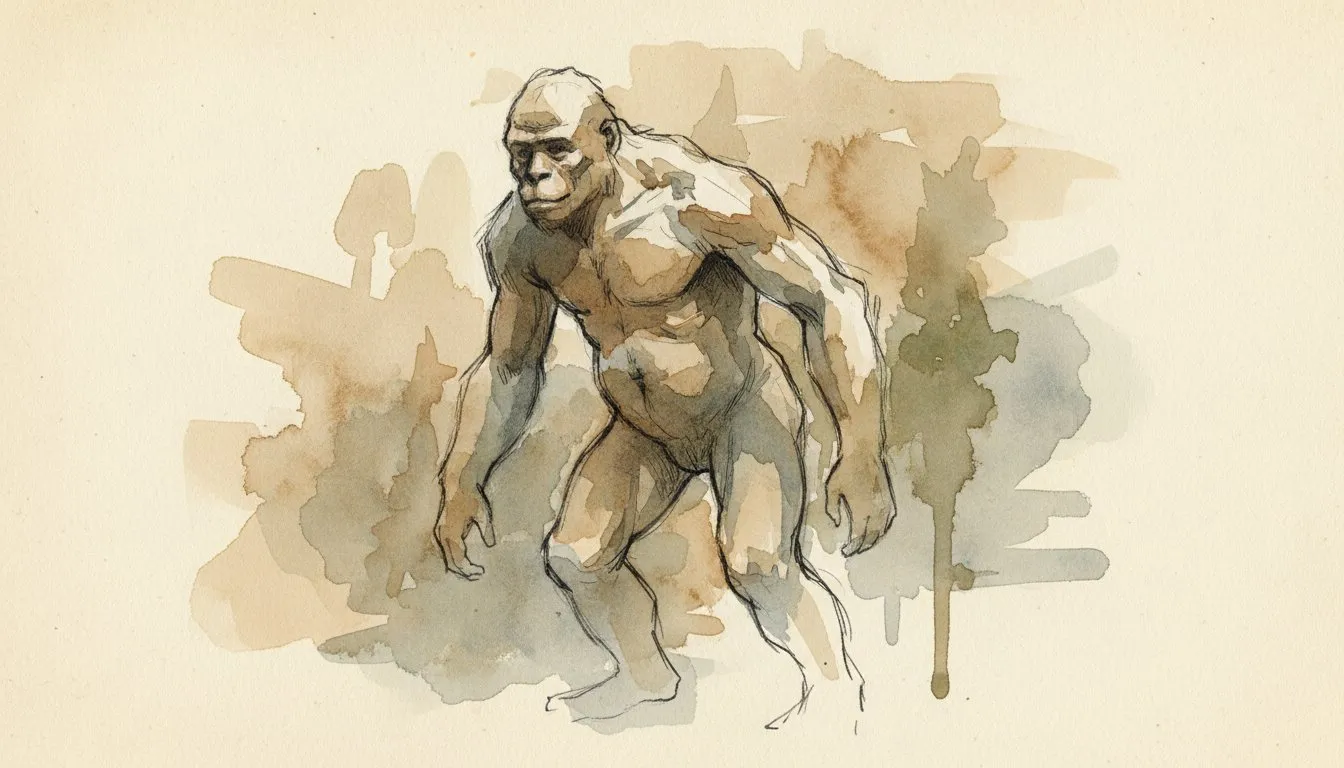
Agogwe
Across East Africa, multiple credible witnesses have reported small, rust-colored ape-men walking upright.
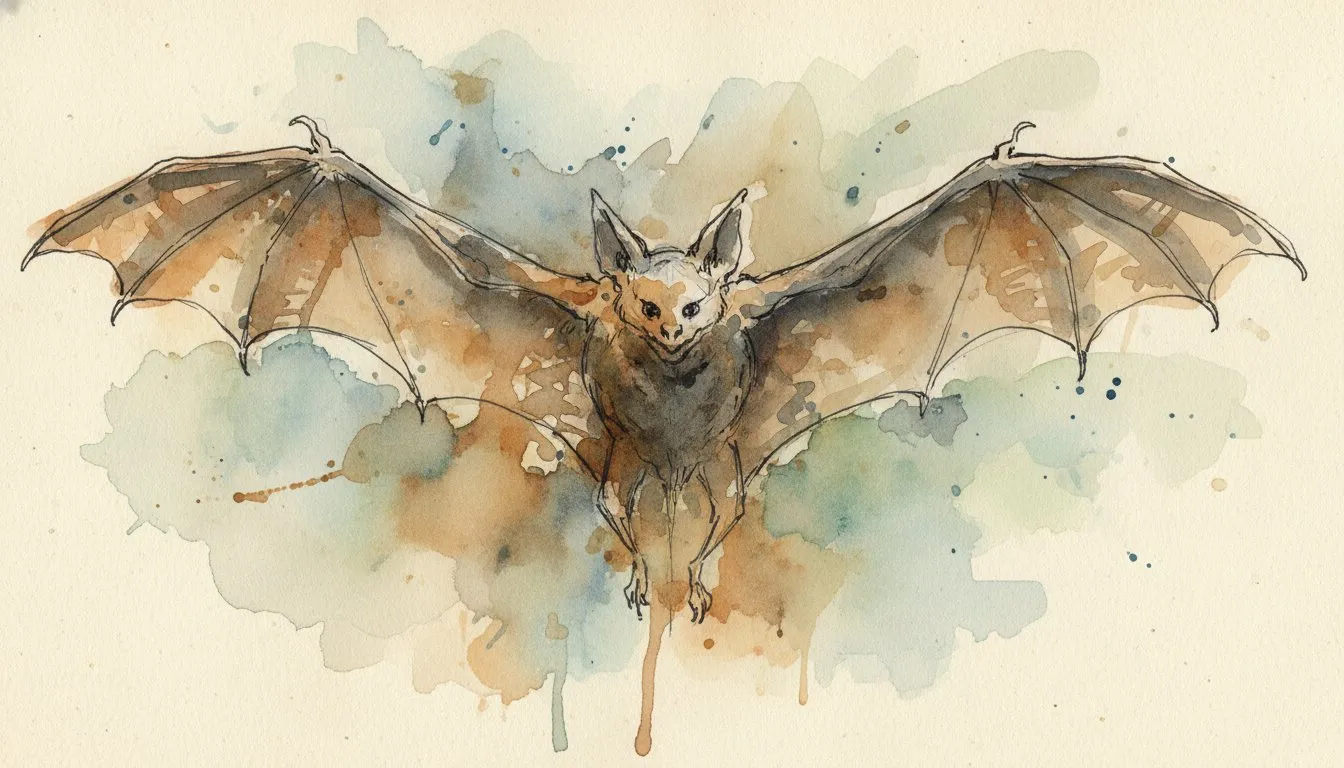
Ahool
A giant bat with a 10-foot wingspan, screaming through the jungles of Java.