
Ajatar
Also known as: Ajattara, Devil of the Woods
A Finnish forest spirit that spreads disease and madness to anyone who catches a glimpse of her moving through the trees.
Ancient Finnish oral tradition
Finnish forests
Variable, often described as larger than human
Malevolent, spreads disease on sight
Folklore tradition
The Lore
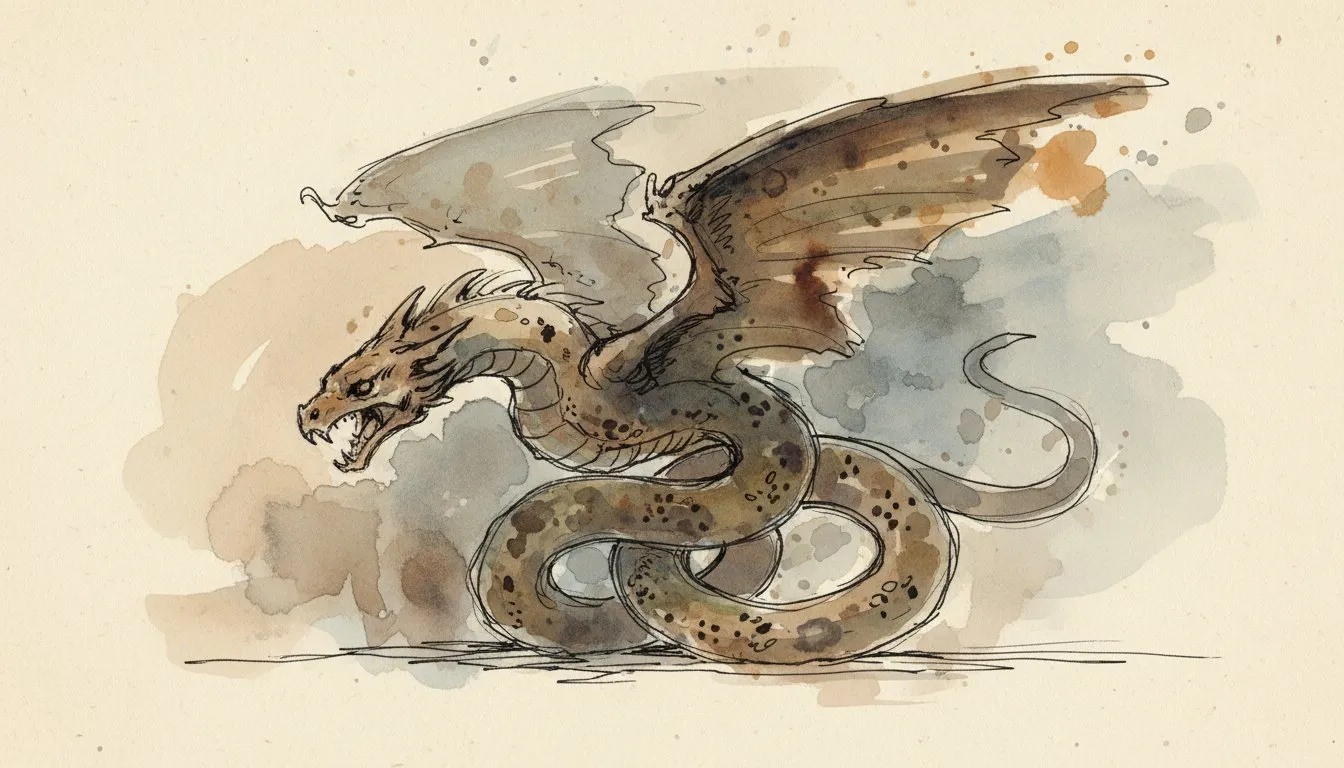
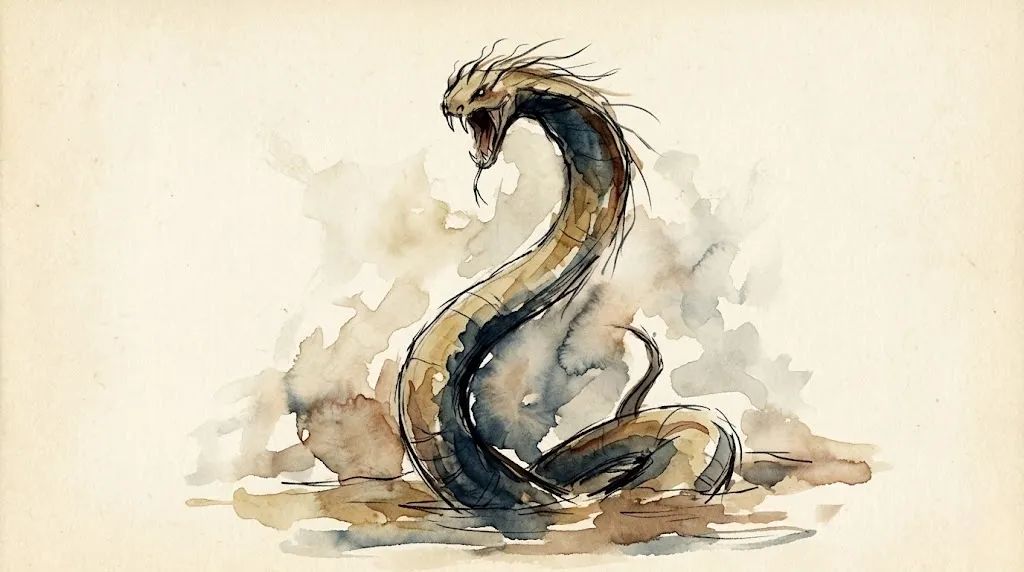
Ajatar is a malevolent spirit from Finnish mythology who inhabits dense forests. She is sometimes described as a dragon-like serpent and other times as a wild, haggard woman. Those who see her are struck with sickness, and she is said to nurse serpents and spread pestilence. In the Kalevala tradition, she is associated with disease, misfortune, and the darkest parts of the Finnish wilderness. Forest travelers left offerings at boundary stones to avoid drawing her attention.
In the dense boreal forests of Finland, the Ajatar has occupied a position in folk belief that is simultaneously ancient and deeply physical - a creature whose presence poisons the air itself and whose gaze spreads disease through the forest like an invisible contagion. Finnish and Karelian oral tradition describes the Ajatar as a dragon or serpent-like being of the deep forest, associated particularly with isolated and uncanny stretches of wilderness far from human habitation. The name has been connected etymologically to the Finnish verb meaning "to chase" or "to hunt," though the creature is more associated with passive infection than active pursuit - it does not typically run down its victims but rather contaminates the environment around it.
The Ajatar's most consistent characteristic across recorded variants of the tradition is its role as a disease-spreader. To encounter the Ajatar is not necessarily to be attacked; it is to be made ill. Travelers who returned from certain forest areas with sudden fevers or wasting sicknesses might be said to have passed near an Ajatar's resting place. In this sense, the creature functions in Finnish folk medicine as an explanatory figure for unexplained illness contracted in the wilderness, filling a conceptual role similar to that of miasma theory in pre-germ-theory European medicine. The creature is also associated with the suckling of serpents, and in some accounts is described as the mother of serpents in the forest.
Finnish folklorist Elias Lonnrot, who compiled the Kalevala in the nineteenth century, documented the Ajatar as part of the broader framework of Finnish forest spirits that populated pre-Christian cosmology. The creature belongs to a class of forest-dwelling supernatural entities - alongside the Metsanhaltiaa and the Tapio, lord of the forest - that reflect an indigenous spiritual relationship with the boreal wilderness. Unlike some Finnish forest spirits, the Ajatar offers no possibility of appeasement or negotiation. It is simply a hazard of certain places, a condition of the landscape rather than a being with agency or intent.
The Ajatar entered comparative mythology through Jacob Grimm's 1835 Teutonic Mythology, where it was noted as a parallel to Germanic forest spirits associated with pestilence. This cross-cultural attention elevated the figure from regional folklore into the broader discourse of European monster traditions, and the Ajatar has since appeared in numerous fantasy role-playing games and speculative fiction, typically reimagined as an active predator rather than the passive disease-vector of the original tradition.
Media Appearances
- Kalevala (Finnish national epic)
Further Reading
No book is devoted to this creature. These are the general references that cover the field, plus a direct search if you want to dig further.
- Cryptozoology A to Z by Loren Coleman and Jerome Clark (1999)
The standard one-volume encyclopedia, roughly two hundred entries covering creatures, investigators, and hoaxes.
- Mysterious Creatures: A Guide to Cryptozoology by George M. Eberhart (2002)
The larger reference guide, stronger on sourcing and on creatures that never reached the popular books.
Search Amazon for Ajatar books
As an Amazon Associate, Cryptid Vault earns from qualifying purchases. Links open Amazon in a new tab.
Get the Field Notes.
Field notes from the Vault, when there is something worth sending. No spam.
No spam. Unsubscribe anytime.
You might also like
Vodyanoy
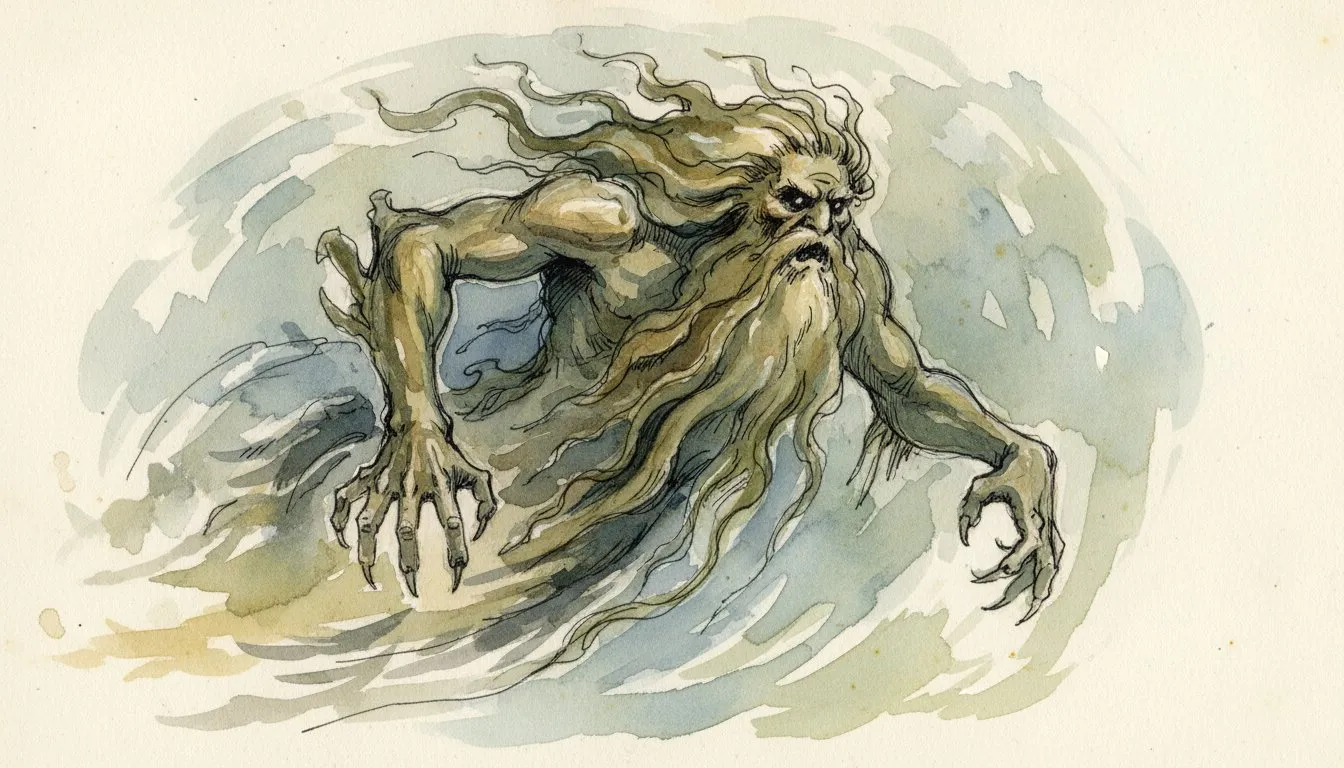
A bloated, frog-faced old man lurks at the bottom of Slavic rivers, drowning the careless and keeping their souls in teapots.
Lindworm
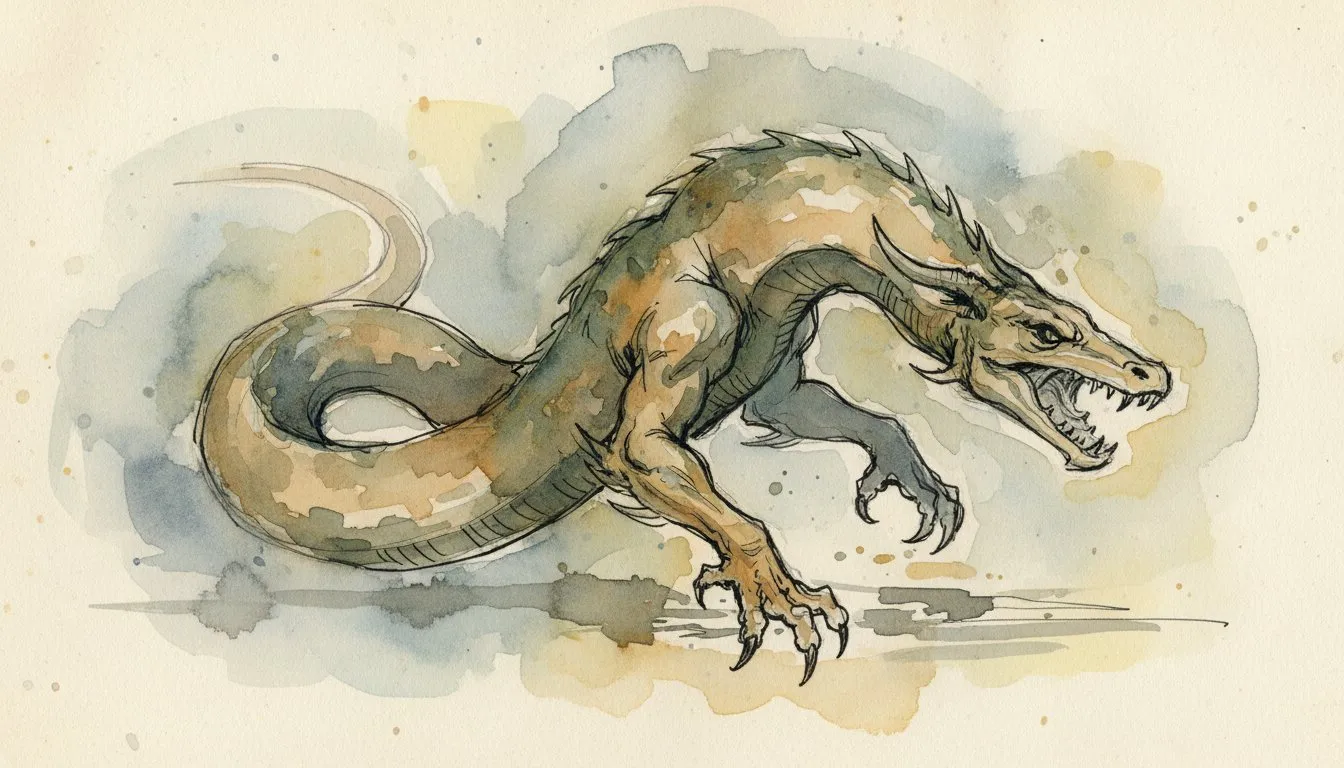
A legless or two-legged dragon slithers through Scandinavian and Germanic legends as a creature of both terror and strange wisdom.
Nuckelavee
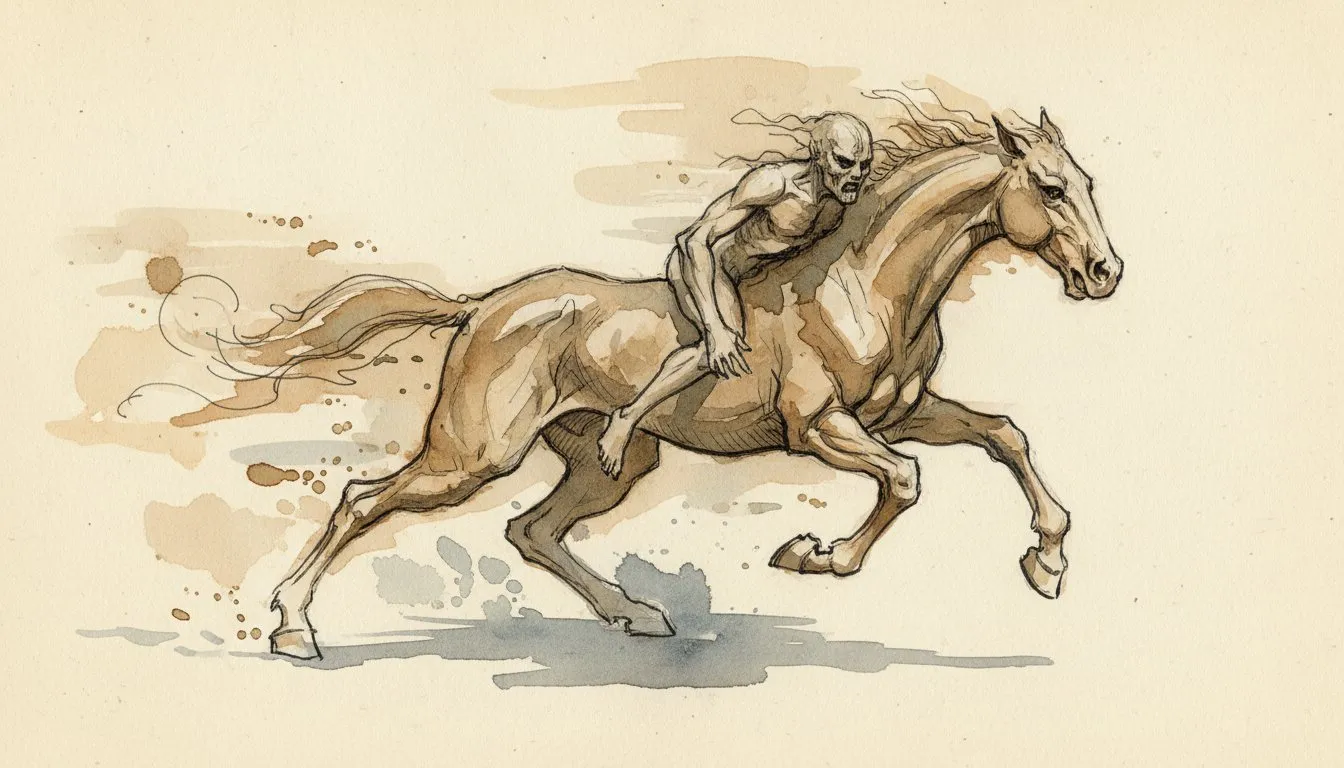
A skinless horse-rider hybrid rises from the ocean around Orkney, and its breath alone can wilt crops and sicken entire islands.
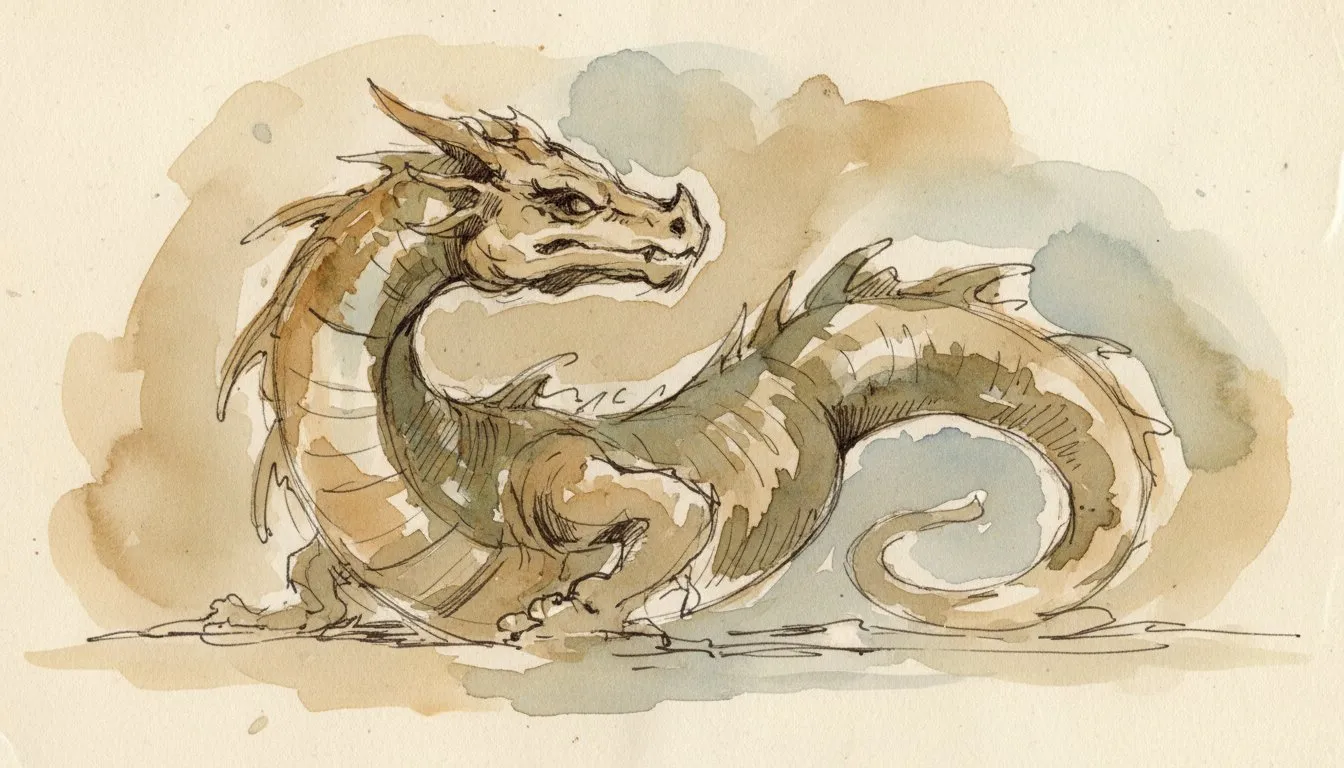
Brosno Dragon
Russia's lake monster reportedly swallowed a Mongol war party's horses whole and has been spotted by modern fishermen with sonar equipment.
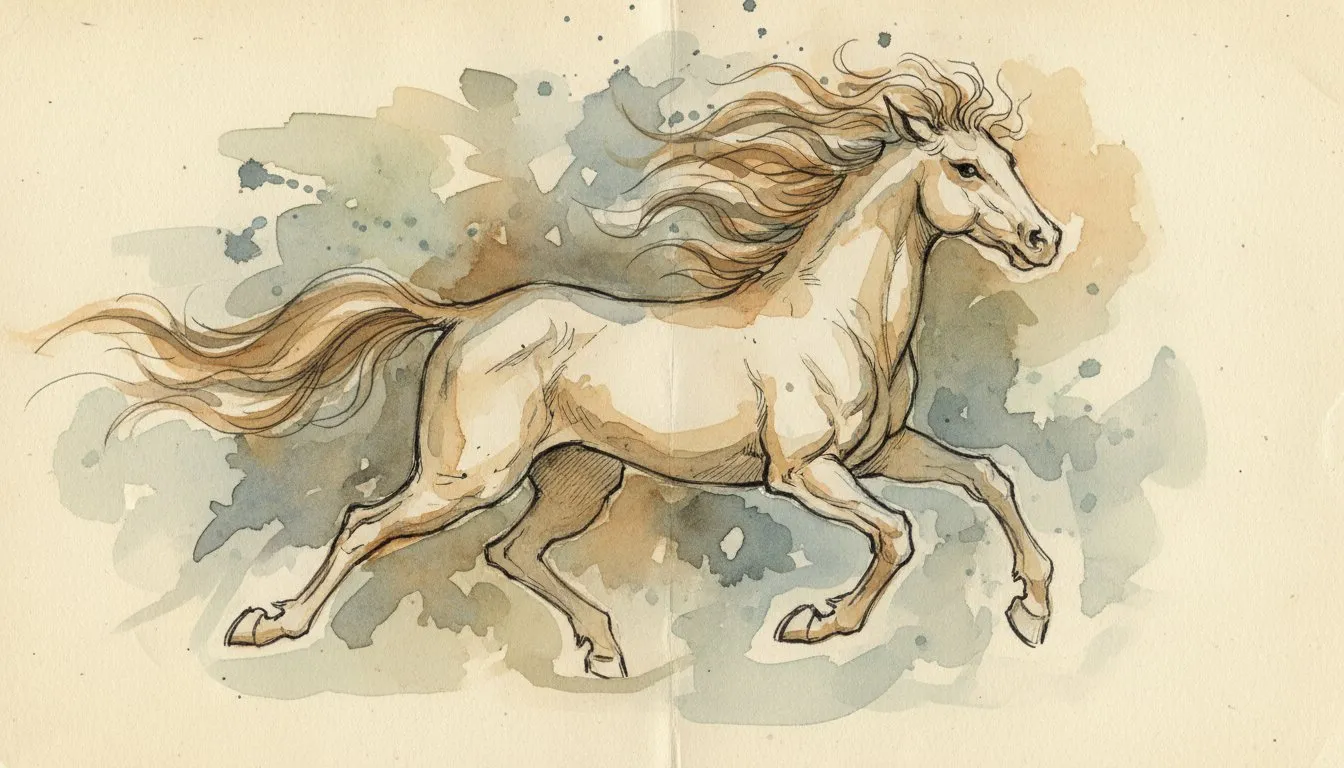
Kirin
A divine chimera of dragon and deer that only appears to herald greatness or disaster.
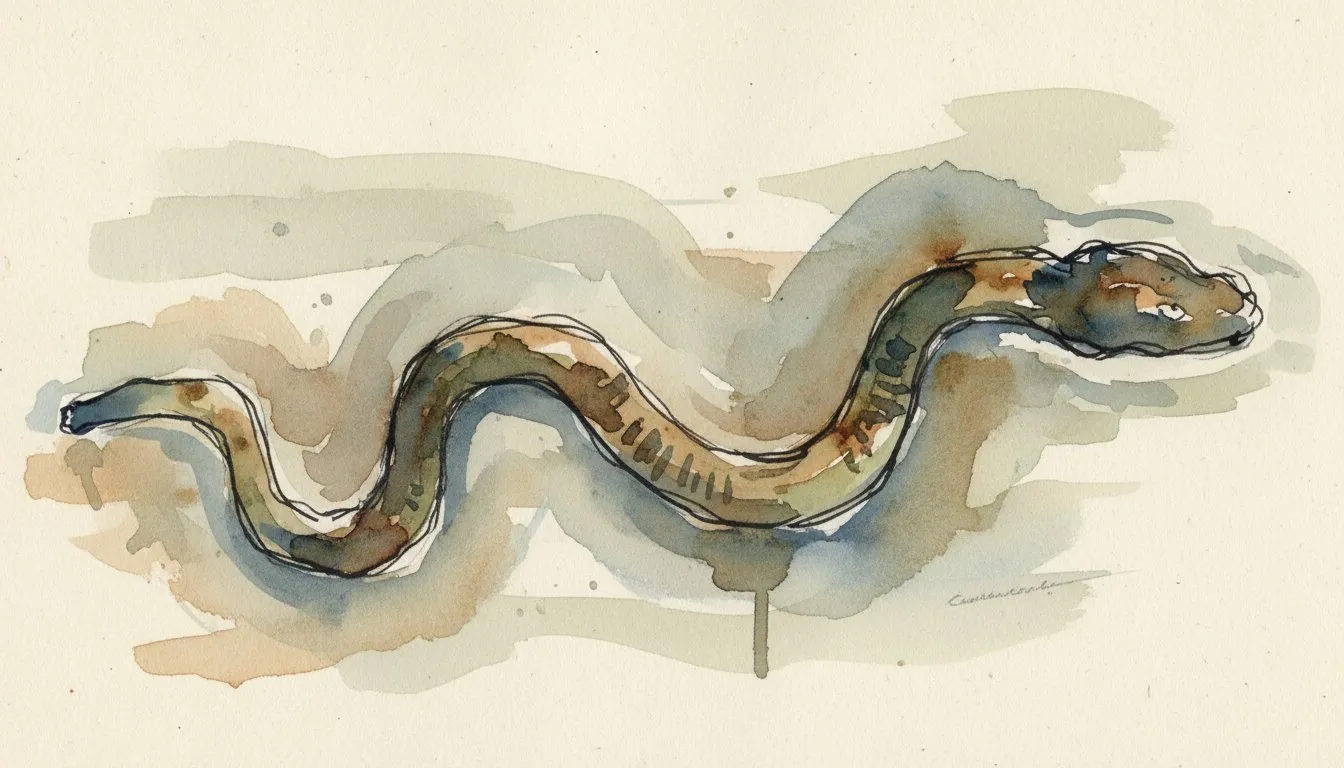
Lagarfljot Worm
Iceland's answer to the Loch Ness Monster lives in a glacial river-lake and may have been sighted on camera in 2012.
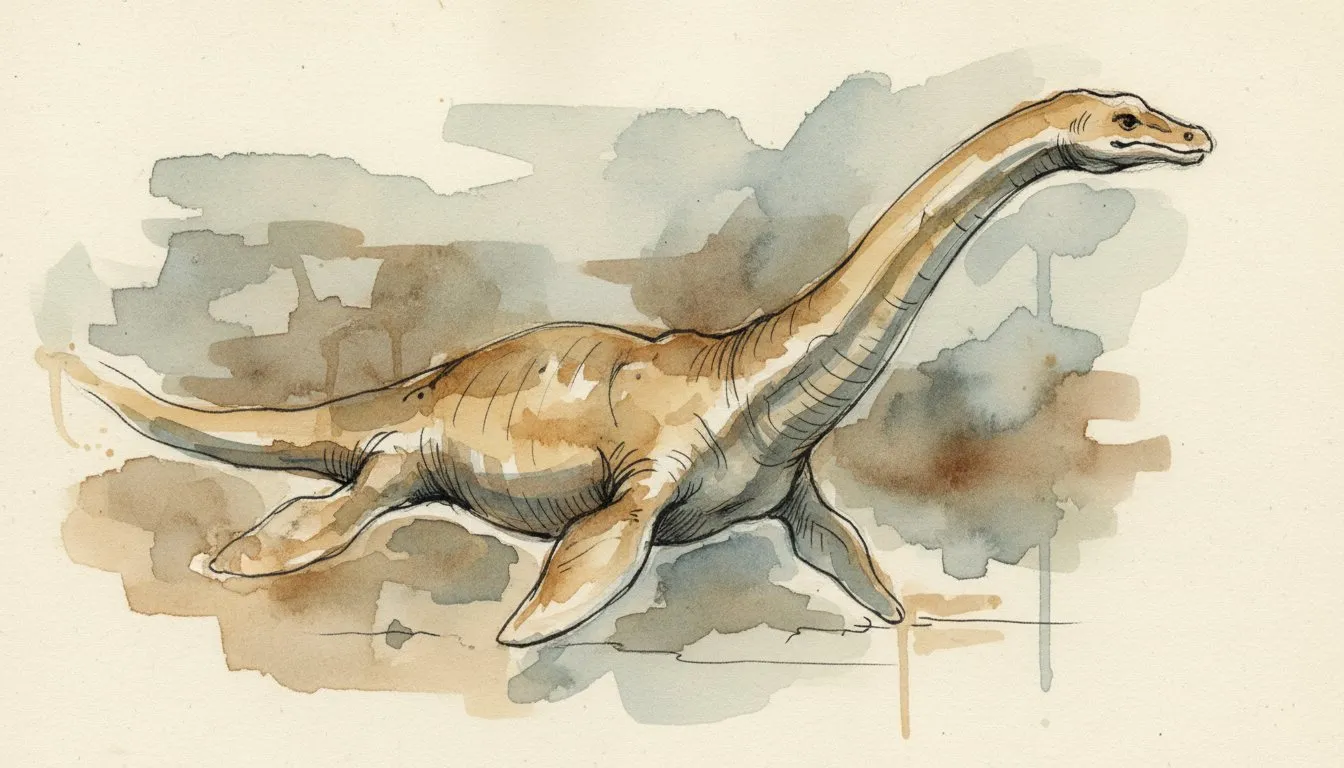
Morag
Scotland's other lake monster lurks in the deepest freshwater loch in the British Isles, far from the tourist cameras of Loch Ness.
Selma
Norway's lake monster has been sighted over 500 times in a small mountain lake, making it one of the most reported freshwater cryptids in Europe.