
Vodyanoy
Also known as: Vodyanoi, Vodnik, Water Grandfather
A bloated, frog-faced old man lurks at the bottom of Slavic rivers, drowning the careless and keeping their souls in teapots.
Pre-Christian Slavic oral tradition
Eastern Europe, particularly Russia, Ukraine, and Poland
Human-sized, bloated appearance
Malevolent, territorial
Folklore tradition
The Lore
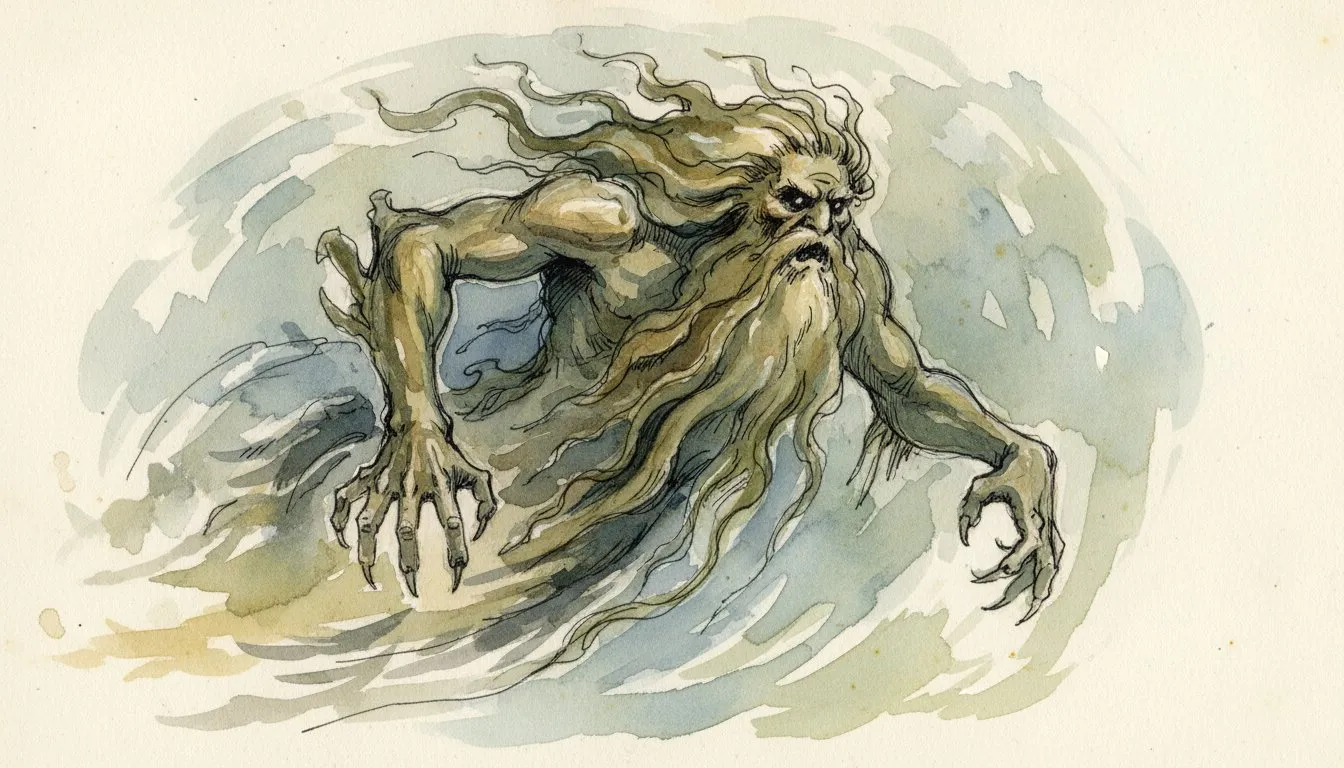
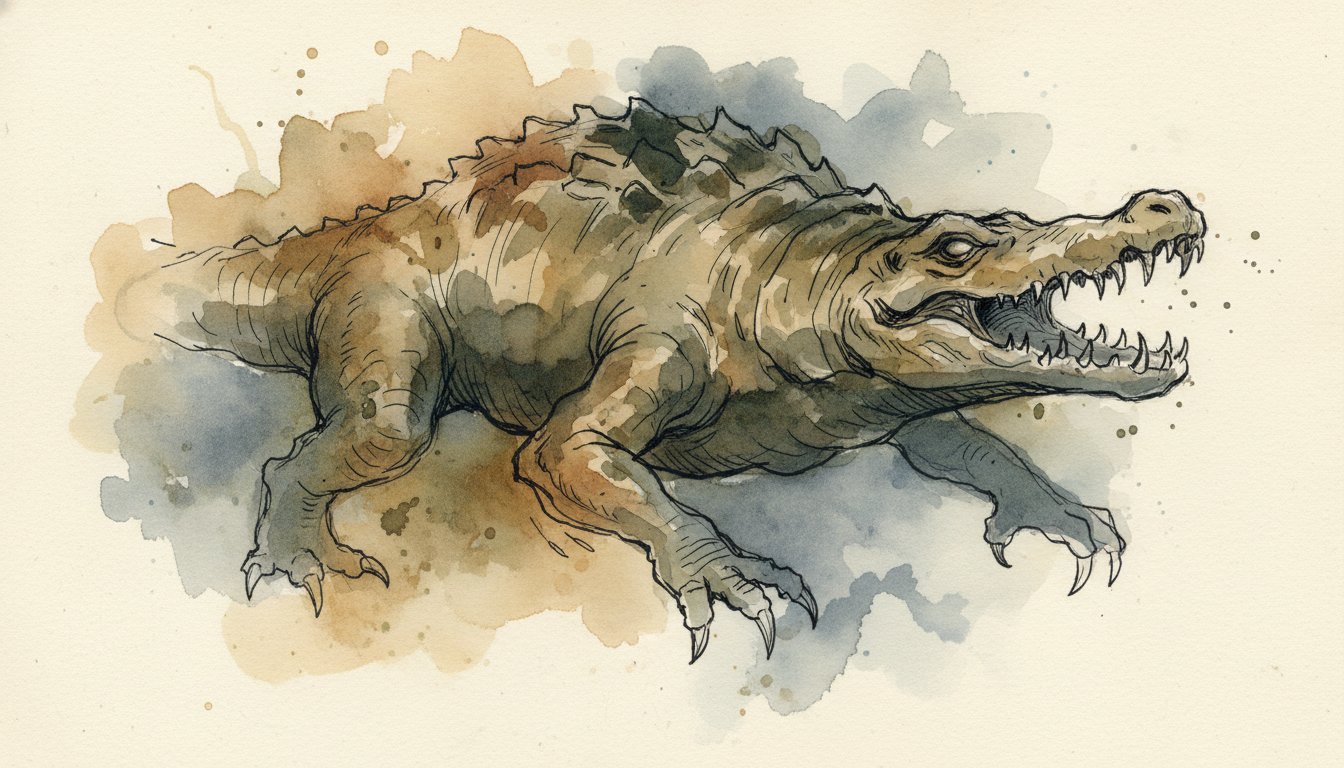
The Vodyanoy is a malevolent water spirit from Slavic mythology found in rivers, lakes, and millponds across Eastern Europe. He is typically described as a bloated, elderly man with a frog-like face, green beard, and webbed fingers. Fishermen traditionally offered him tobacco or the first fish of their catch to avoid his wrath. He was said to drag swimmers underwater and trap their souls in vessels on the riverbed. Mills and dams were considered his property, and millers were believed to maintain secret pacts with him.
In the rivers, lakes, and millponds of Slavic Eastern Europe, a malevolent water spirit has haunted folklore for centuries. The Vodyanoy - whose name derives from the Slavic root word for water - is a shapeshifting entity described in Russian, Polish, Ukrainian, and Belarusian tradition as the master of all freshwater bodies. Unlike the romanticized mermaids of Western European lore, the Vodyanoy is consistently depicted as dangerous, ugly, and deeply hostile to human beings.
Traditional accounts describe the Vodyanoy as a bloated, greenish figure resembling a drowned corpse, covered in algae and river slime, with frog-like eyes, webbed hands, and a long beard of waterweeds. It was said to be most active at midnight, when it would rise to the surface and capsize boats, drag swimmers under, or lure fishermen to their deaths. The souls of those drowned by the Vodyanoy were said to be imprisoned in clay pots on the riverbed, enslaved to serve the spirit.
Millers and fishermen, whose livelihoods depended on waterways, developed elaborate traditions for appeasing the Vodyanoy. Offerings of bread, salt, tobacco, and black roosters were thrown into rivers at specific times of year. Millers were said to make a pact with the Vodyanoy when establishing a mill, sometimes sealing the bargain by burying a living animal in the foundation. In some regional traditions, the Vodyanoy took the form of a large catfish, a log, or a bundle of weeds floating on the surface.
The fear of the Vodyanoy served a practical social function, discouraging unsupervised swimming and unaccompanied nighttime fishing in rivers and lakes that were genuinely dangerous. Russian ethnographer Alexander Afanasyev documented numerous regional variants in the 19th century, noting significant differences in behavior and appearance between communities. Some accounts depicted the Vodyanoy as capable of temporary goodwill toward humans who showed proper respect, while others portrayed it as uniformly murderous. The tradition also encoded a moral economy around water use: those who respected the river's rhythms and limits received protection; those who treated waterways carelessly invited catastrophe. The Vodyanoy endures in Slavic popular culture through literature, animation, and film, a persistent reminder that rivers were once understood as the territories of willful and dangerous minds. Scholars of comparative folklore have noted that Vodyanoy-like water spirits appear in virtually every culture that depends on freshwater rivers and lakes for survival, suggesting that the underlying impulse to personify water's danger is ancient and widespread. The Slavic tradition is simply one of the most thoroughly documented expressions of a universal human response to bodies of water that kill without warning or apparent cause.
Media Appearances
- The Witcher (book and game series)
- Rusalka (Dvorak opera, related figure)
Further Reading
No book is devoted to this creature. These are the general references that cover the field, plus a direct search if you want to dig further.
- Cryptozoology A to Z by Loren Coleman and Jerome Clark (1999)
The standard one-volume encyclopedia, roughly two hundred entries covering creatures, investigators, and hoaxes.
- Mysterious Creatures: A Guide to Cryptozoology by George M. Eberhart (2002)
The larger reference guide, stronger on sourcing and on creatures that never reached the popular books.
Search Amazon for Vodyanoy books
As an Amazon Associate, Cryptid Vault earns from qualifying purchases. Links open Amazon in a new tab.
Get the Field Notes.
Field notes from the Vault, when there is something worth sending. No spam.
No spam. Unsubscribe anytime.
You might also like
Each-Uisge
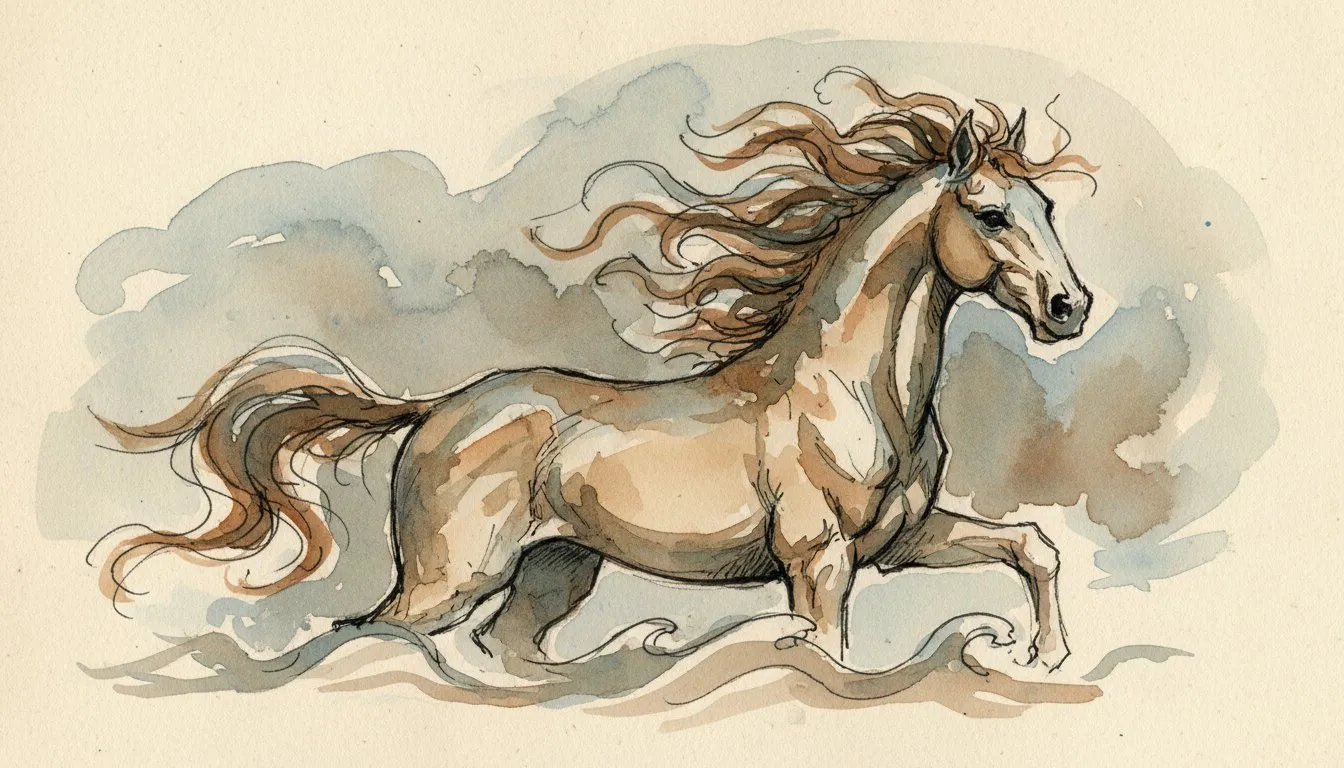
This shape-shifting water horse of Scottish lochs lures riders onto its back, then drags them to a watery death.
Nuckelavee
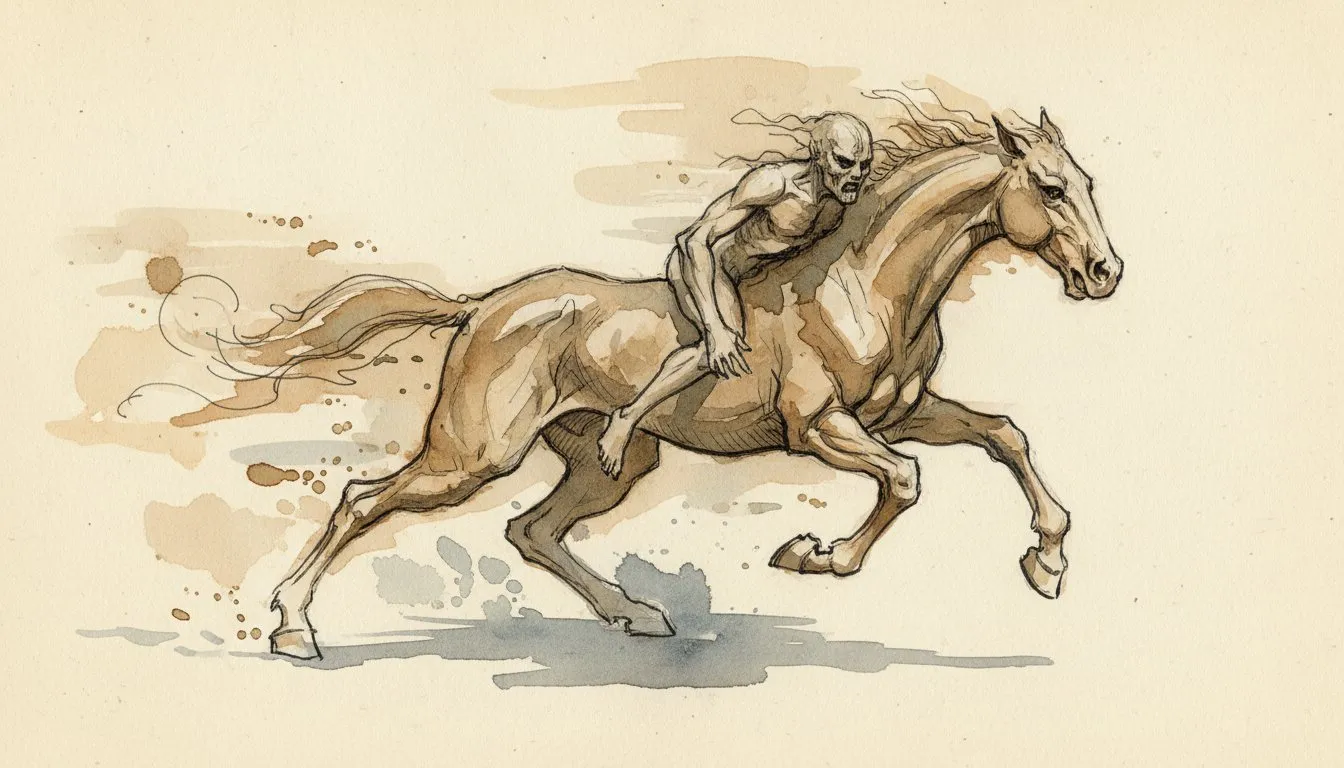
A skinless horse-rider hybrid rises from the ocean around Orkney, and its breath alone can wilt crops and sicken entire islands.
Ajatar
A Finnish forest spirit that spreads disease and madness to anyone who catches a glimpse of her moving through the trees.
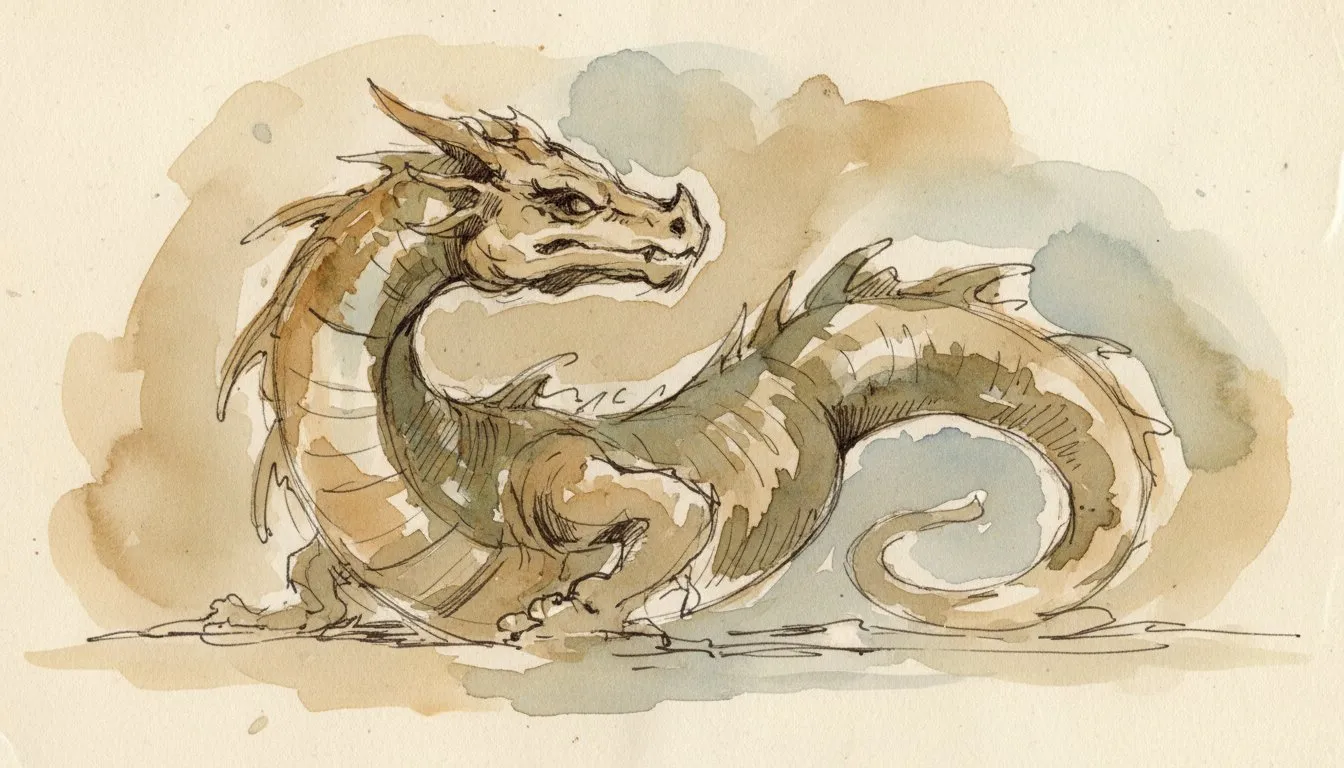
Brosno Dragon
Russia's lake monster reportedly swallowed a Mongol war party's horses whole and has been spotted by modern fishermen with sonar equipment.
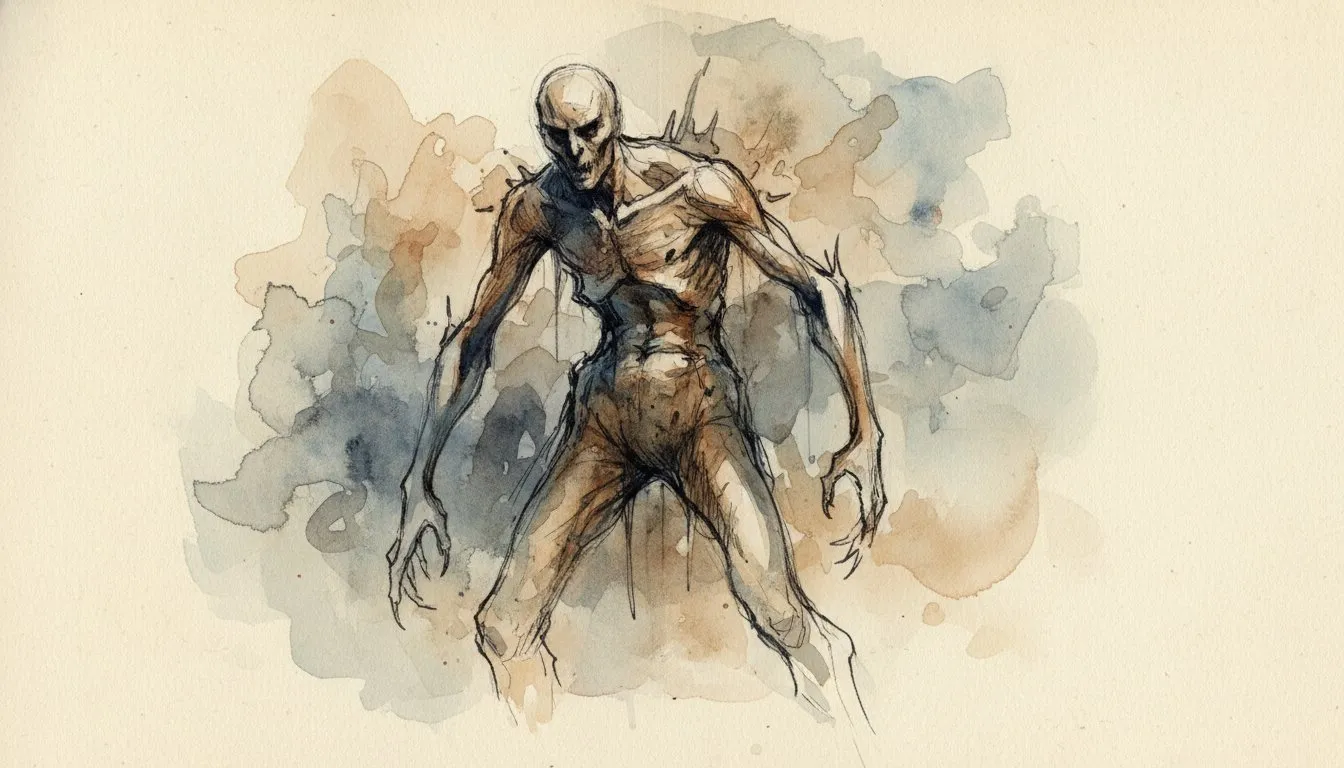
Strigoi
The original Romanian undead predates Dracula by centuries and is still feared enough that corpses are occasionally exhumed and staked in rural villages.
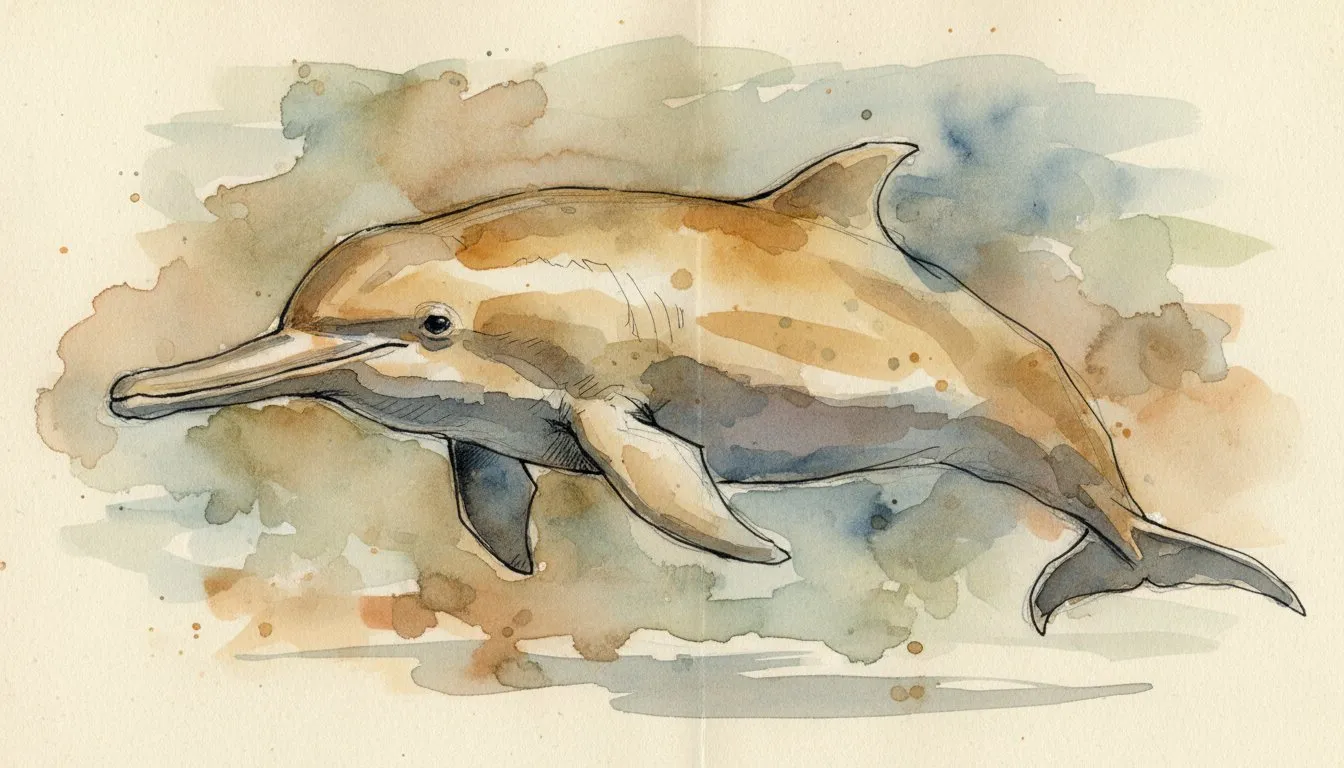
Boto
The Amazon's pink river dolphin comes ashore at night disguised as a handsome stranger.
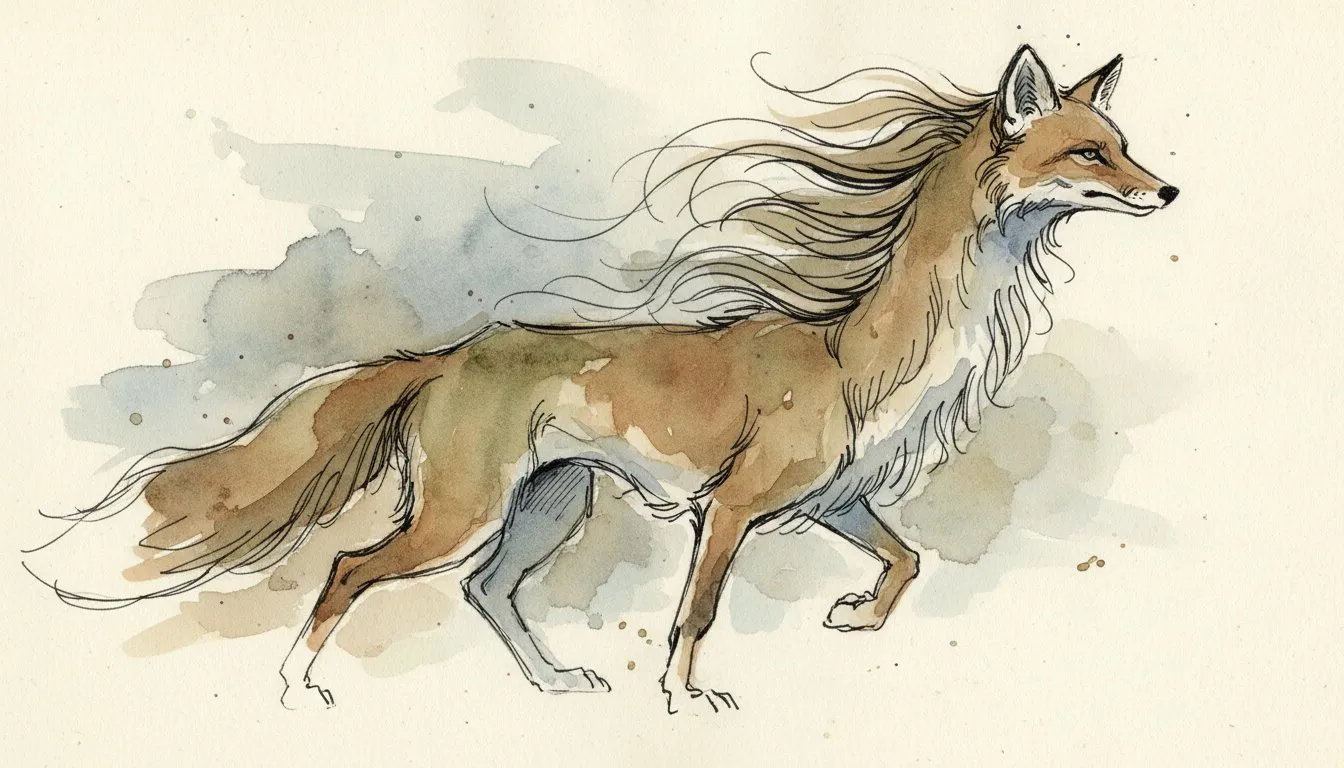
Dahu
This mountain goat with legs shorter on one side than the other can only walk in circles around Alpine peaks.
Muldjewangk
A colossal water creature in Australia's Murray River that punishes anyone who disturbs its territory with a wasting sickness.