
Dahu
Also known as: Dahut, Dairi
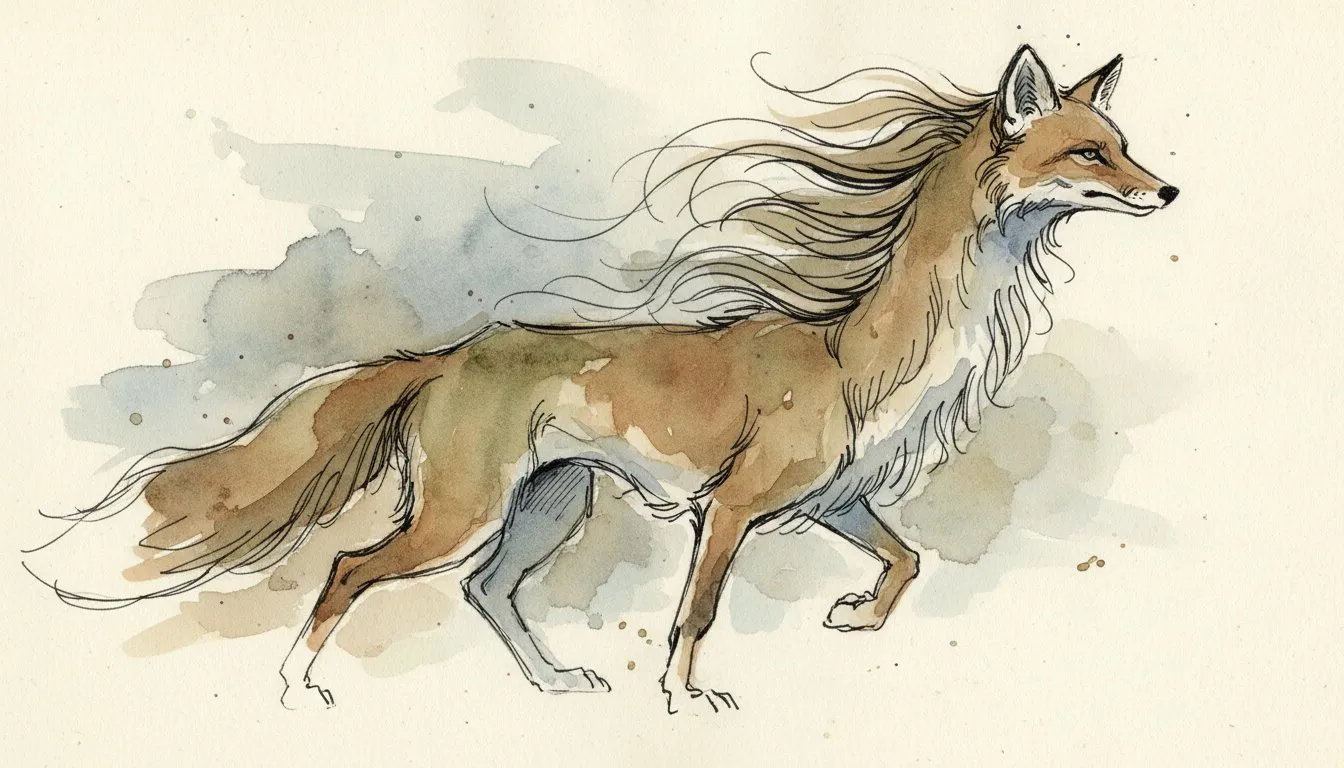
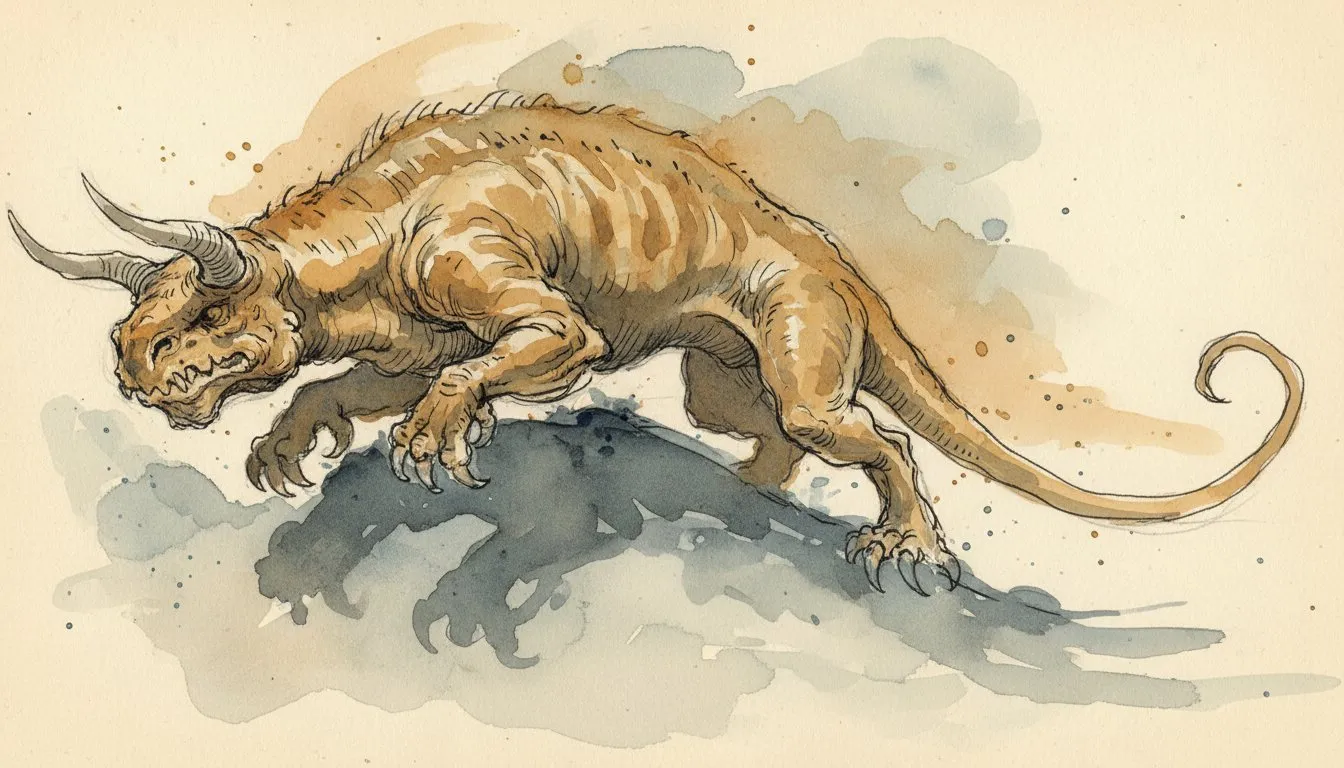
This mountain goat with legs shorter on one side than the other can only walk in circles around Alpine peaks.
Oral tradition, centuries old
French, Swiss, and Italian Alps
Goat-sized
Timid, easily startled
Cultural prank tradition, no real sightings
The Lore
The Dahu is a creature from French, Swiss, and Italian Alpine folklore. It is described as a goat-like animal with legs of different lengths on each side of its body, an adaptation that allows it to stand comfortably on steep mountain slopes but only walk in one direction. Locals organize mock hunts for tourists, instructing them to whistle at the creature so it turns around and tumbles down the mountainside. The tradition serves as a beloved regional prank and a marker of Alpine cultural identity.
The Dahu is, by any measure, one of the most elaborate hoax traditions in European folklore - and yet its persistence across the French and Swiss Alps for several centuries raises genuine questions about how communal fiction can achieve the weight and texture of genuine belief. The creature is described as a small, goat-like or deer-like animal adapted to life on steep mountain slopes. The defining feature of the Dahu is anatomical: its legs on one side of its body are shorter than those on the other, allowing it to stand comfortably on hillsides by facing along the slope. The creature therefore circles the mountain in only one direction, and reversing course is said to cause it to topple.
The Dahu hunt, known as la chasse au dahu, is a traditional initiation rite practiced in rural alpine communities of France, Switzerland, and the Aosta Valley in Italy. A newcomer to the mountains - a young person, an outsider, or a gullible visitor - is led out at night by a group of experienced hunters who claim to be tracking Dahu. The novice is stationed alone on the hillside with a bag and a lantern, instructed to make calls to attract the creature, while the experienced hunters slip away and wait for the novice to realize the joke. The prank can last hours, and the experience is considered a rite of passage marking acceptance into the alpine community.
What makes the Dahu fascinating beyond the mechanics of the joke is its cultural depth. The creature appears in illustrated almanacs, carved on wooden souvenirs, and in regional literature with a specificity and affection that suggests it has been loved rather than merely used. Taxidermied Dahu specimens - constructed from various animal parts with legs of unequal length - appear in some mountain museum collections. The Dahu has a Wikipedia entry, a dedicated association in France devoted to studying it, and is invoked in regional tourism materials with a knowing wink.
Scholars of folklore have used the Dahu as a case study in the mechanics of belief maintenance. The creature operates simultaneously as a practical joke, a community bonding ritual, a regional identity marker, and a gentle satire of naturalist confidence in the completeness of animal taxonomy. Its legs may be unequal, but the Dahu walks a very sure line between the earnest and the absurd.
Further Reading
No book is devoted to this creature. These are the general references that cover the field, plus a direct search if you want to dig further.
- Cryptozoology A to Z by Loren Coleman and Jerome Clark (1999)
The standard one-volume encyclopedia, roughly two hundred entries covering creatures, investigators, and hoaxes.
- Mysterious Creatures: A Guide to Cryptozoology by George M. Eberhart (2002)
The larger reference guide, stronger on sourcing and on creatures that never reached the popular books.
As an Amazon Associate, Cryptid Vault earns from qualifying purchases. Links open Amazon in a new tab.
Get the Field Notes.
Field notes from the Vault, when there is something worth sending. No spam.
No spam. Unsubscribe anytime.
You might also like
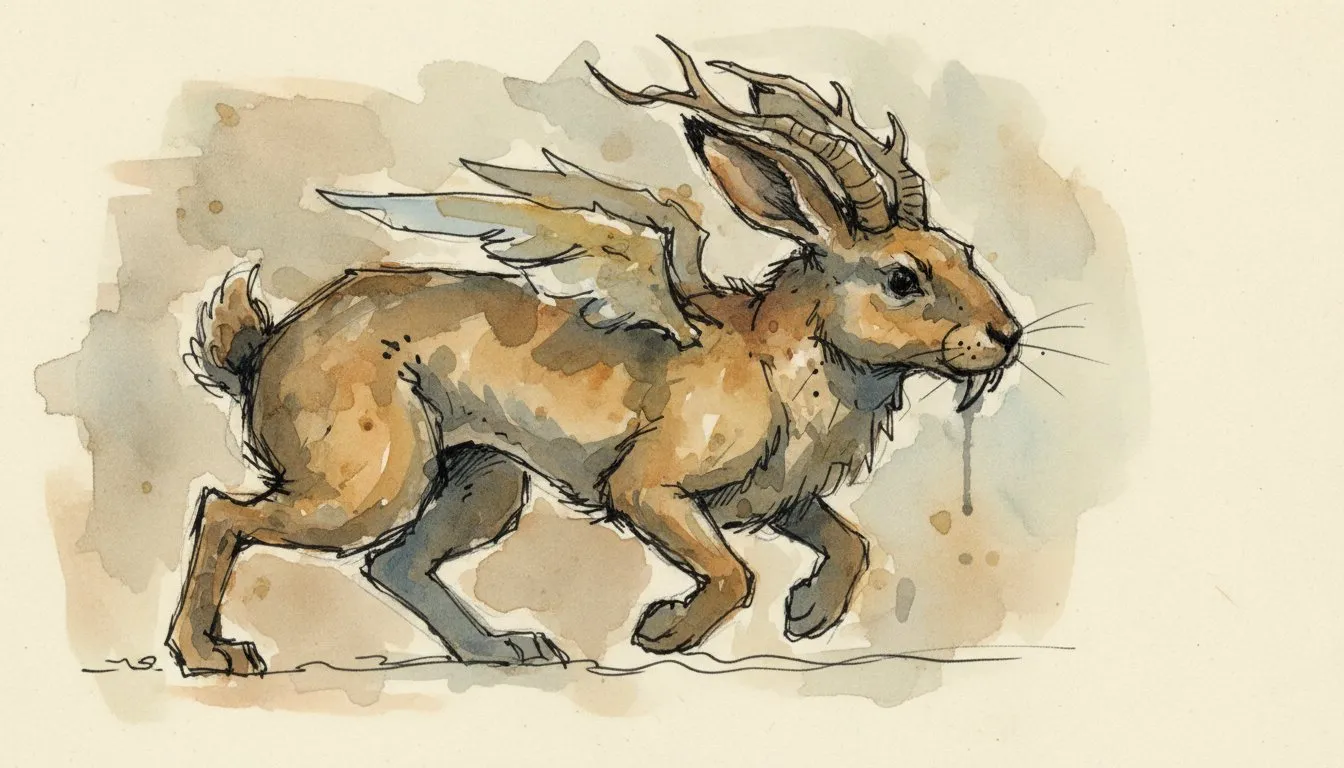
Wolpertinger
A fanged, winged rabbit with antlers sounds like a joke until you see the taxidermy specimens in Bavarian hunting lodges.
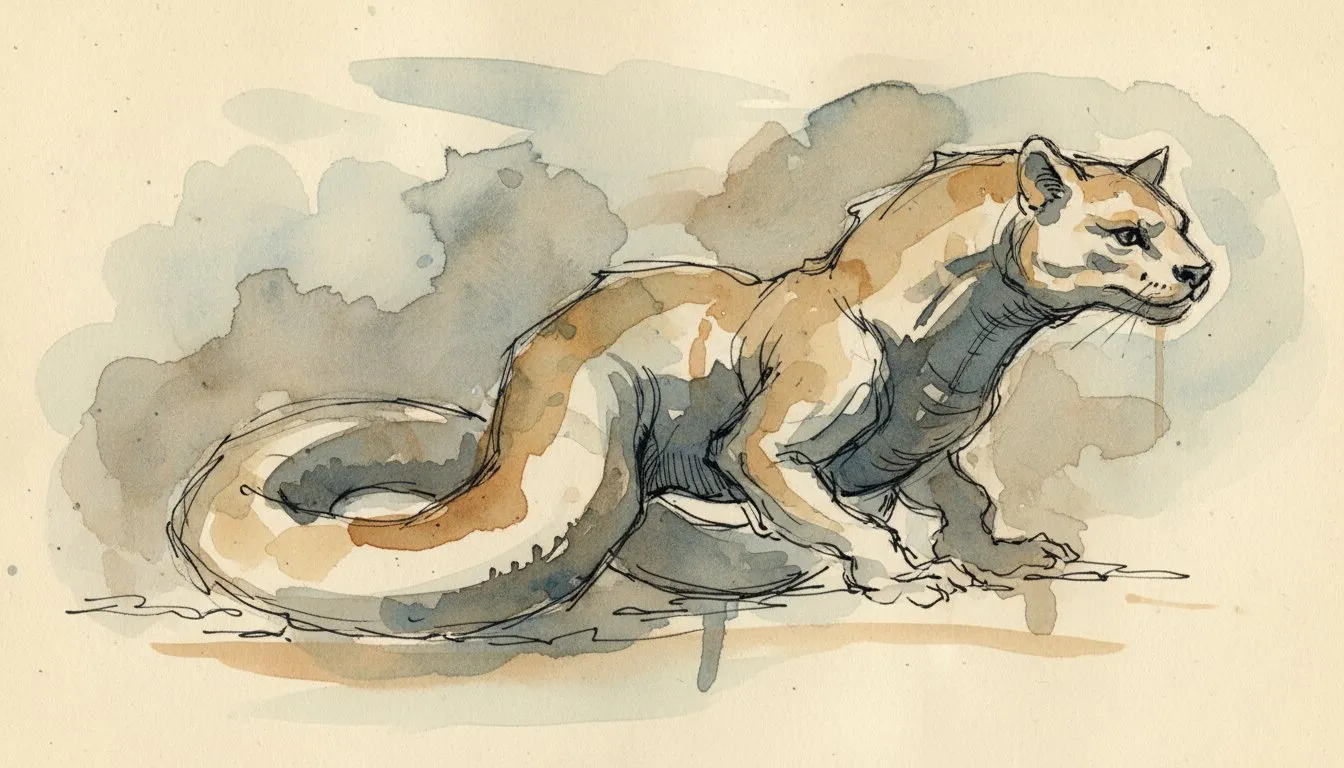
Tatzelwurm
A stubby, venomous dragon-cat with two front legs haunts the caves and cliffs of the European Alps.
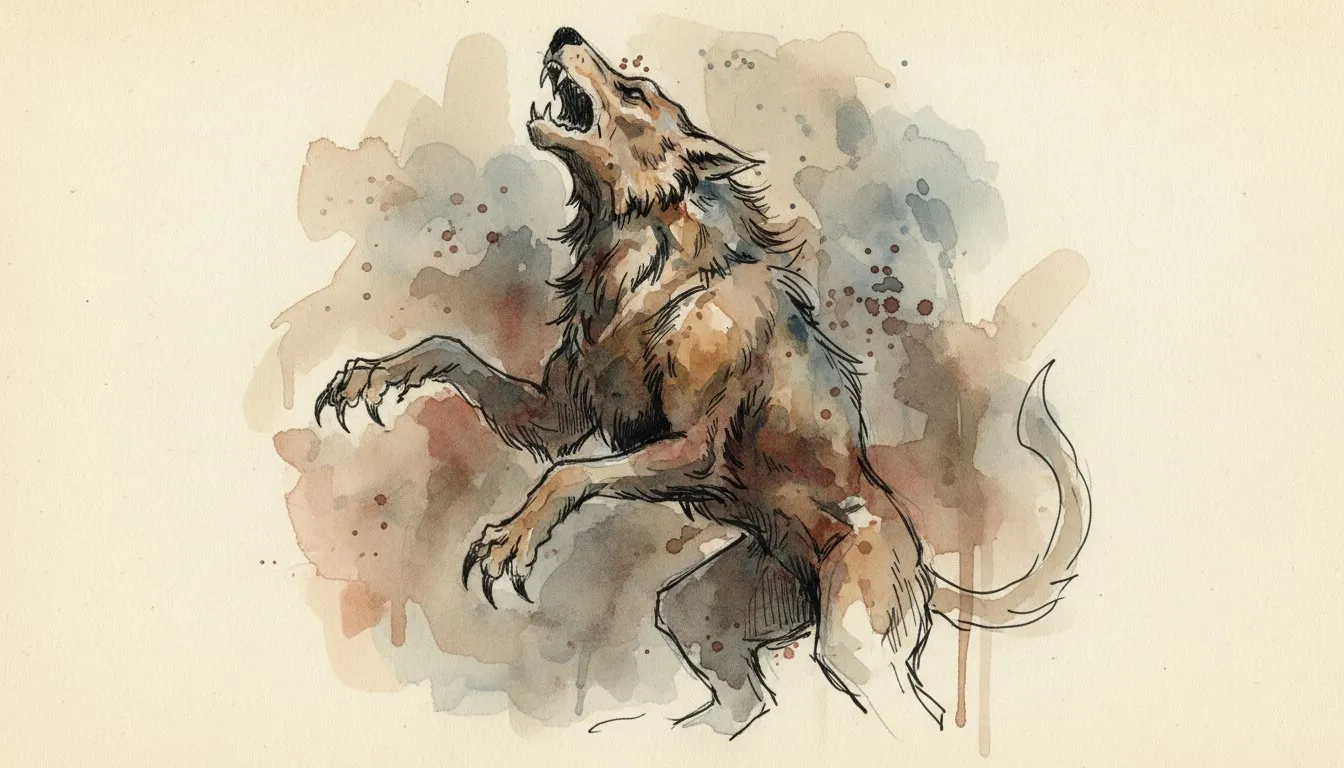
Beast of Gevaudan
A massive wolf-like predator terrorized rural France for three years, killing over 100 people before it was finally brought down.
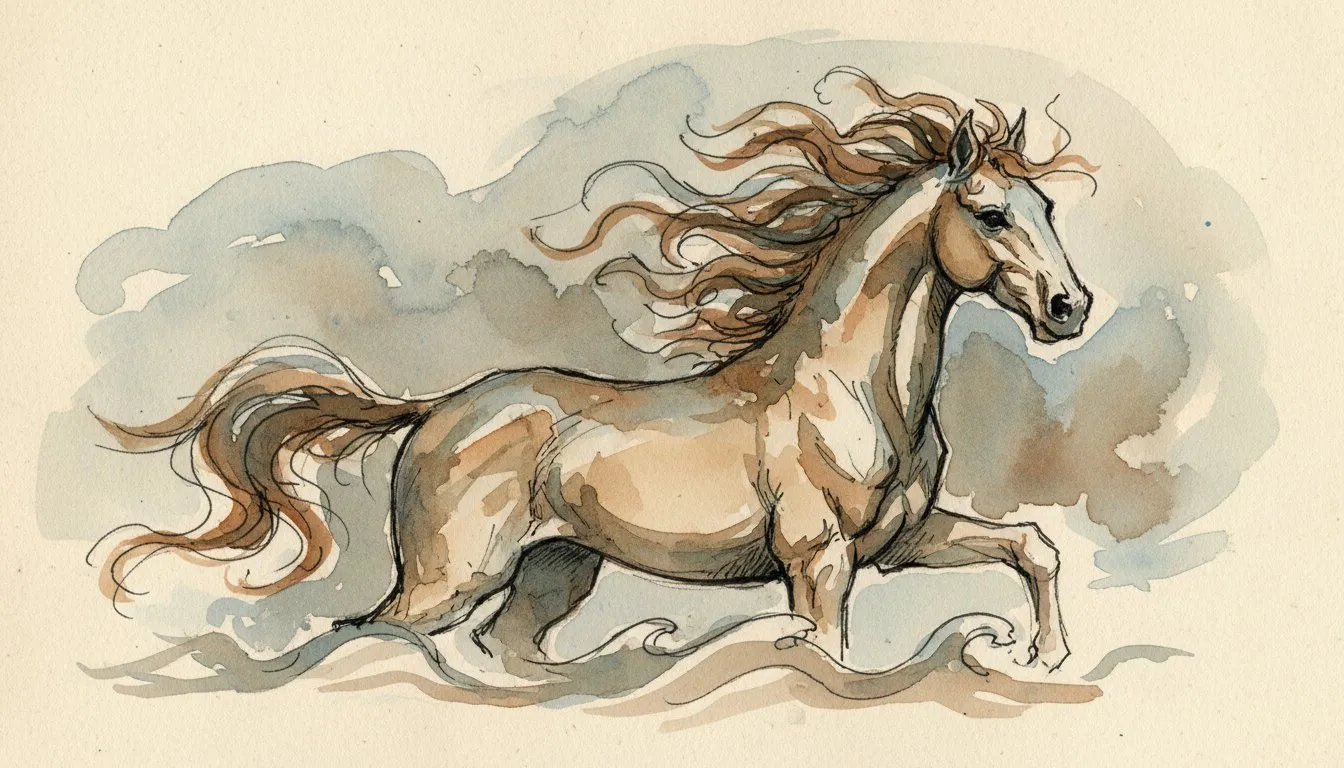
Each-Uisge
This shape-shifting water horse of Scottish lochs lures riders onto its back, then drags them to a watery death.
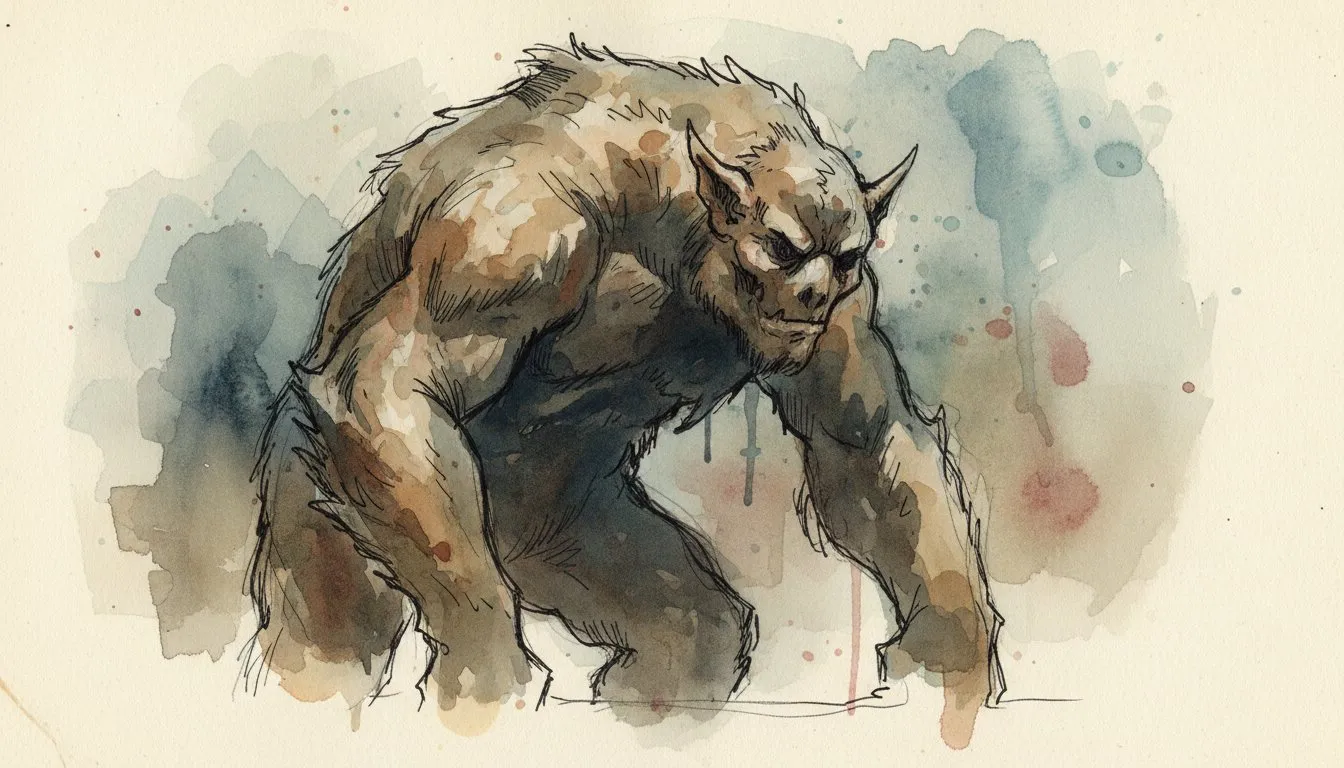
Fear Liath
Climbers on Scotland's second-highest peak report a towering grey figure following them through the mist, accompanied by crunching footsteps and overwhelming dread.
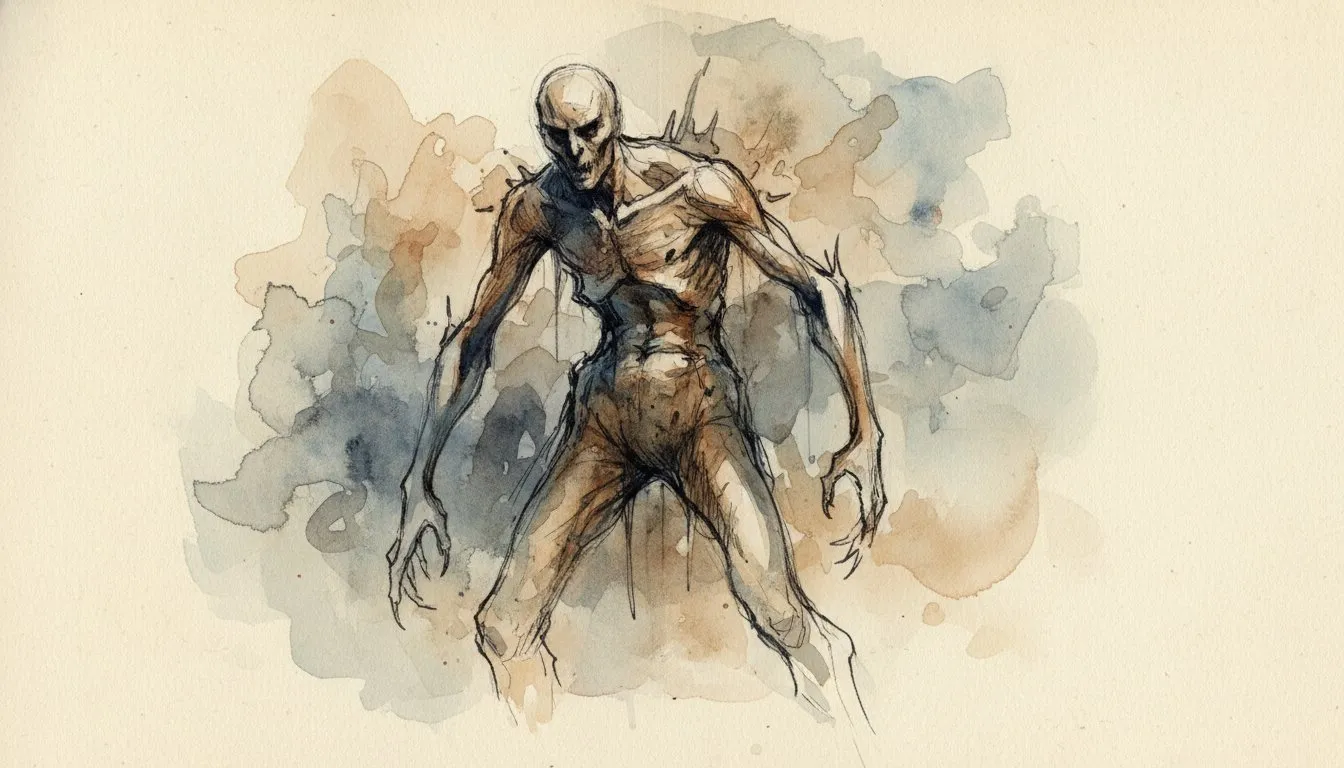
Strigoi
The original Romanian undead predates Dracula by centuries and is still feared enough that corpses are occasionally exhumed and staked in rural villages.
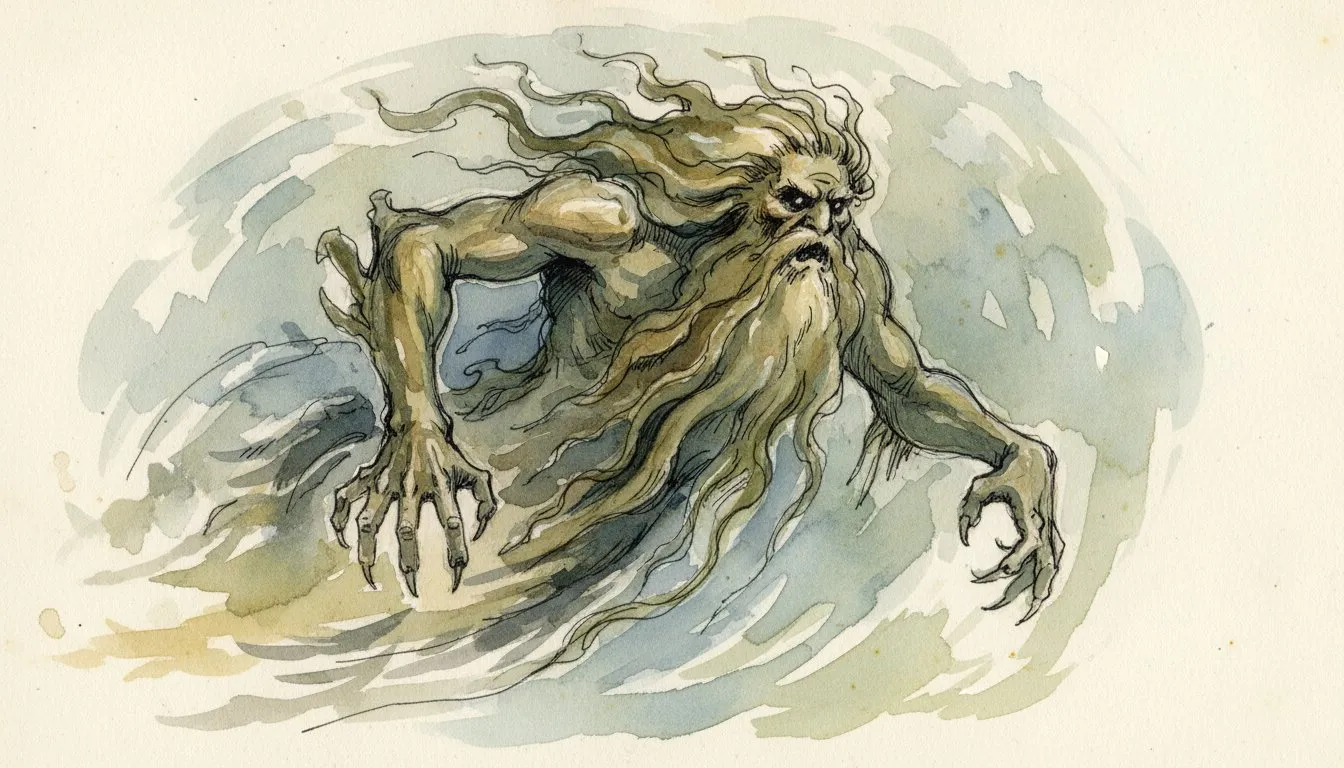
Vodyanoy
A bloated, frog-faced old man lurks at the bottom of Slavic rivers, drowning the careless and keeping their souls in teapots.
Slide-Rock Bolter
A whale-shaped mountain predator that slides down Colorado slopes to swallow hikers whole.