
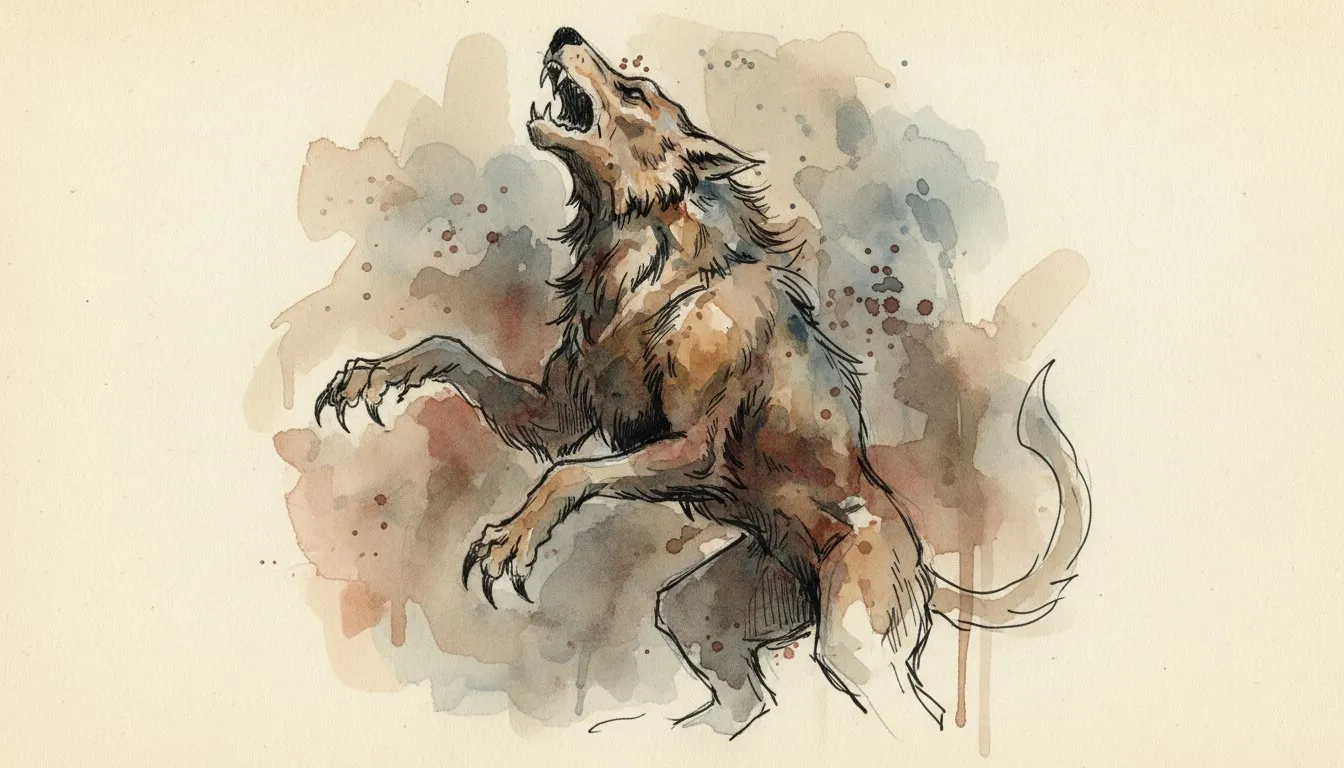
Beast of Gevaudan
Also known as: La Bete du Gevaudan, The Beast
A massive wolf-like predator terrorized rural France for three years, killing over 100 people before it was finally brought down.
1764
Gevaudan, France
Horse-sized, estimated 200+ lbs
Extremely aggressive, targeted humans
Killed in 1767, identity still debated
The Lore
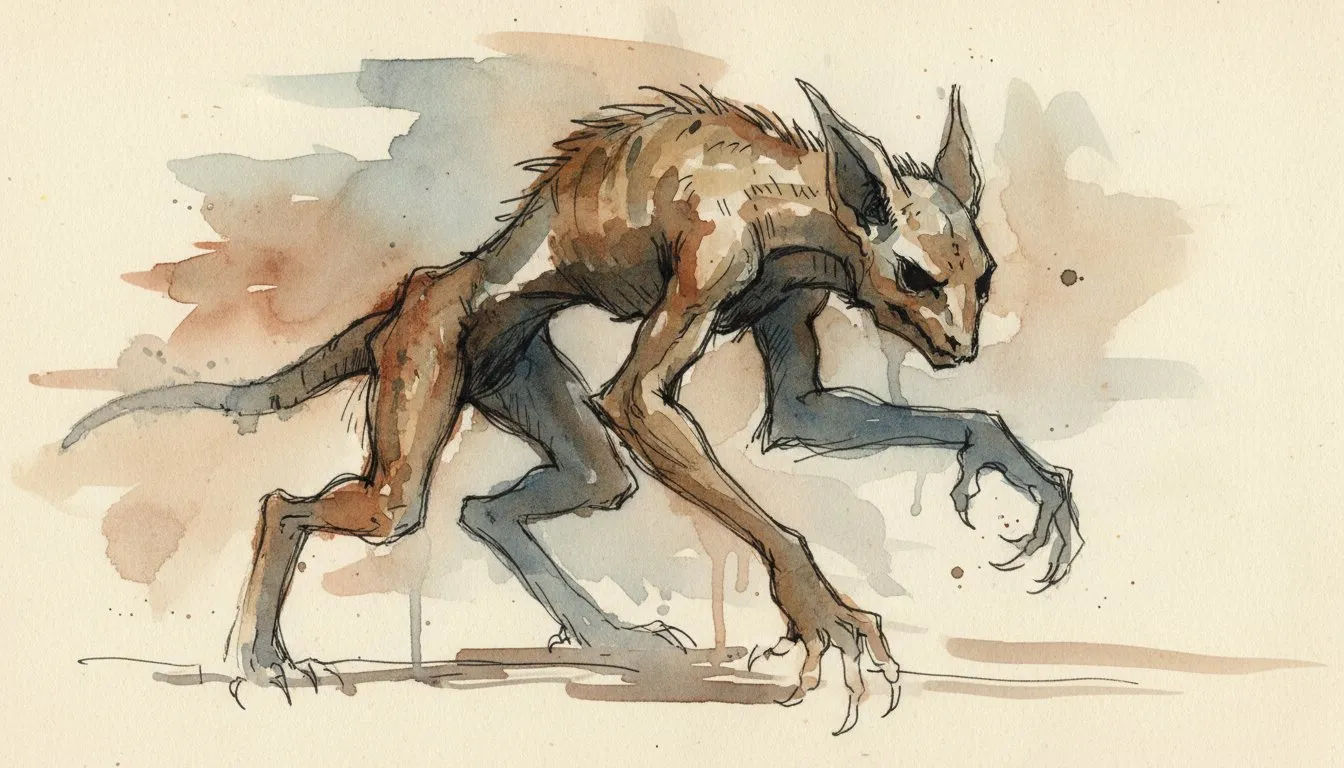
Between 1764 and 1767, something hunted the people of Gevaudan in south-central France. Witnesses described a creature larger than any wolf, with reddish fur, a broad chest, and a mouth full of oversized teeth. Over 100 attacks were recorded, many of them fatal. King Louis XV sent professional hunters to end the threat, but the killings continued until a local farmer finally shot a massive animal in 1767.
Between 1764 and 1767, a large predatory animal terrorized the former province of Gevaudan in south-central France, in what is now the department of Lozere. The beast killed an estimated 100 to 300 people and injured many more, making it one of the deadliest animal attacks in recorded European history.
The first documented victim was 14-year-old Jeanne Boulet, found dead on June 30, 1764, near the village of Les Hubacs. Over the following months, the attacks escalated. Victims were often children and women tending livestock in isolated fields. The beast typically attacked the head and neck, and many victims were partially consumed. The attacks were savage enough that King Louis XV personally ordered hunts to destroy the creature.
Witnesses described the beast as larger than a wolf, roughly the size of a calf or donkey, with reddish-brown fur, a broad chest, a long tail with a tuft at the end, and an enormous mouth filled with large teeth. Some accounts mention a dark stripe along the back. The descriptions were notably inconsistent with a typical wolf, which led to speculation about more exotic animals.
The first animal killed as a candidate was a large gray wolf shot by Francois Antoine, the king's professional wolf-hunter, on September 21, 1765. The wolf was stuffed and presented at court, and the attacks were declared over. But they resumed within weeks.
The attacks finally ended on June 19, 1767, when local hunter Jean Chastel shot a large animal during a parish-organized hunt. According to legend, Chastel loaded his musket with silver bullets blessed by a priest. The animal's stomach reportedly contained human remains. The carcass was sent to Versailles but decomposed during transport and was never properly examined.
Historians and naturalists have proposed numerous identities for the beast: an unusually large wolf, a wolf-dog hybrid, a young or escaped hyena, or even a trained attack animal used by a serial killer. Cryptozoologists have suggested a relict population of Mesonychids, prehistoric predatory mammals. The most widely accepted modern theory is that the attacks were carried out by one or more unusually aggressive wolves, possibly supplemented by wolf-dog hybrids, in a region where rural populations were uniquely vulnerable due to the practice of sending children alone into pastures.
Notable Witnesses
- Jeanne Boulet (first documented victim, 1764)
- Jacques Portefaix (boy who led defense against the beast, 1765)
- Marie-Jeanne Valet (fought off the beast with a bayonet, 1765)
- Francois Antoine (king's wolf-hunter, killed first suspect animal, 1765)
- Jean Chastel (local hunter, killed second suspect animal, 1767)
Media Appearances
- Brotherhood of the Wolf (film, 2001)
- Wolves of Paris: A True Story of the Middle Ages by Daniel P. Mannix (book, 1978)
- Beast of Gevaudan (various documentaries)
- Teen Wolf (TV, referenced as 'The Beast of Gevaudan')
- Monsters and Mysteries in America (TV)
Further Reading
Written about Beast of Gevaudan directly, drawn from the record on this page.
- Wolves of Paris: A True Story of the Middle Ages by Daniel P. Mannix (1978)
Named in the record for Beast of Gevaudan.
- Cryptozoology A to Z by Loren Coleman and Jerome Clark (1999)
The standard one-volume encyclopedia, roughly two hundred entries covering creatures, investigators, and hoaxes.
- Mysterious Creatures: A Guide to Cryptozoology by George M. Eberhart (2002)
The larger reference guide, stronger on sourcing and on creatures that never reached the popular books.
Search Amazon for Beast of Gevaudan books
As an Amazon Associate, Cryptid Vault earns from qualifying purchases. Links open Amazon in a new tab.
Get the Field Notes.
Field notes from the Vault, when there is something worth sending. No spam.
No spam. Unsubscribe anytime.
You might also like
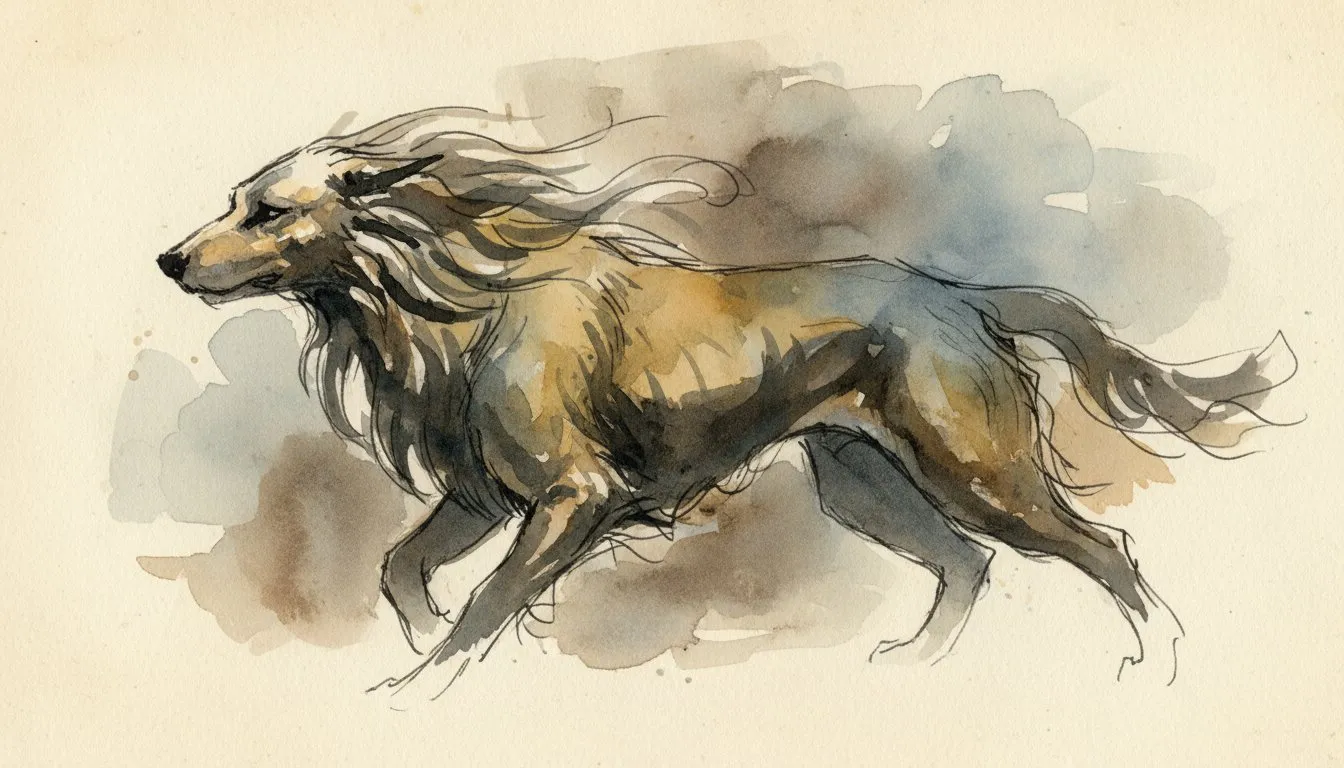
Black Shuck
A ghostly black dog with blazing red eyes has haunted the roads and churchyards of East Anglia for over a thousand years.
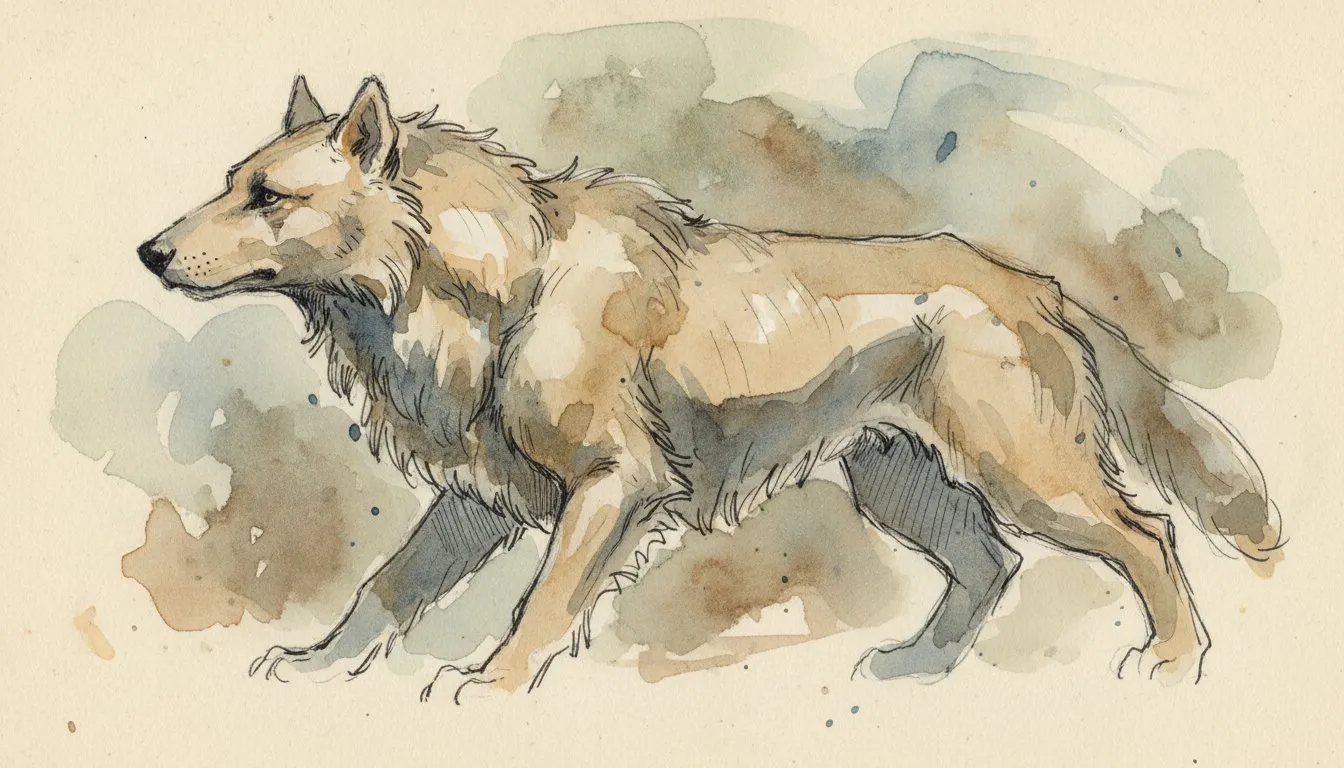
Cu-Sith
A massive dark green hound the size of a bull roams the Scottish Highlands, and hearing its third bark means death.
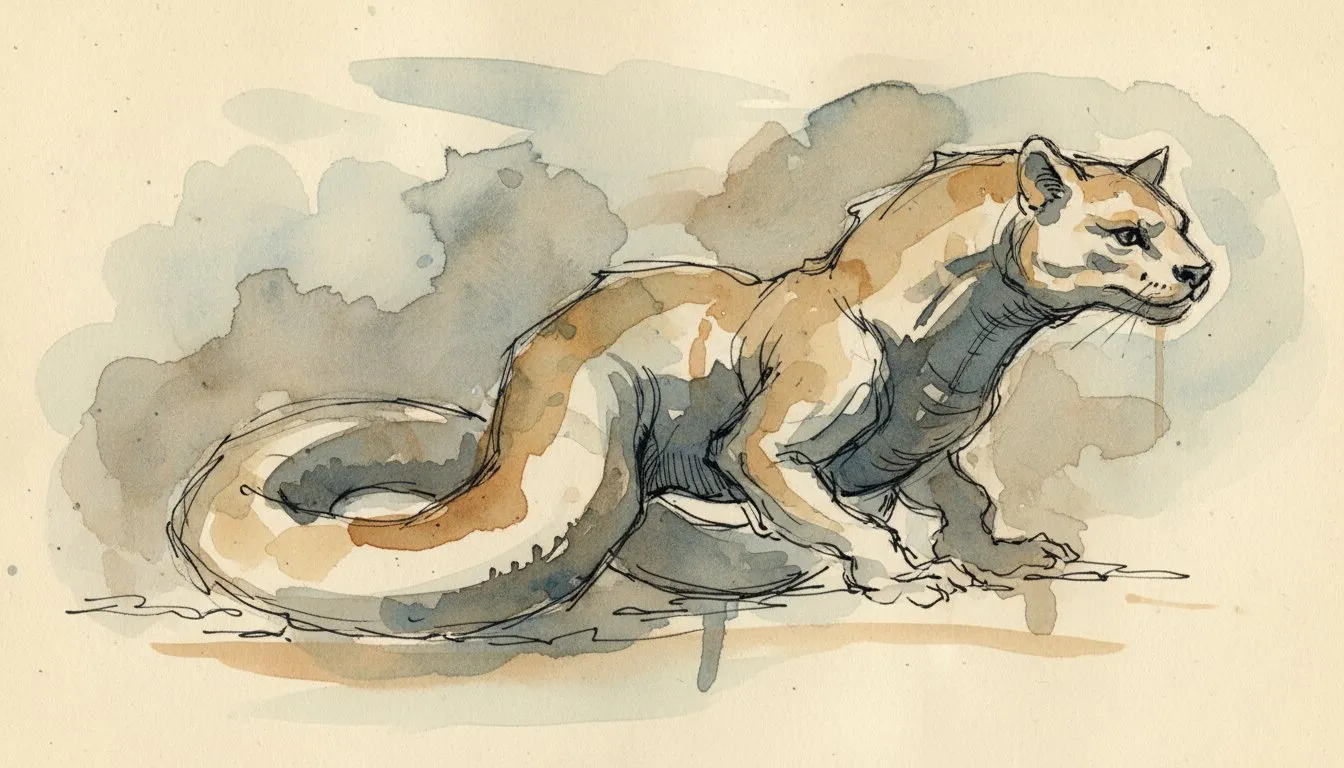
Tatzelwurm
A stubby, venomous dragon-cat with two front legs haunts the caves and cliffs of the European Alps.
Dahu
This mountain goat with legs shorter on one side than the other can only walk in circles around Alpine peaks.
Death Adder Cat
A striped, cat-sized predator prowling the Australian bush, matching nothing in the known fossil record since the Pleistocene.
Beast of Bodmin Moor
A large black cat prowls the foggy moors of Cornwall, shredding livestock and vanishing into the granite landscape.
Beast of Dartmoor
Something large, dark, and feline stalks the misty moorlands of Devon, leaving torn livestock and fleeting glimpses behind.
Chupacabra
The blood-draining predator that left livestock drained across Latin America.