
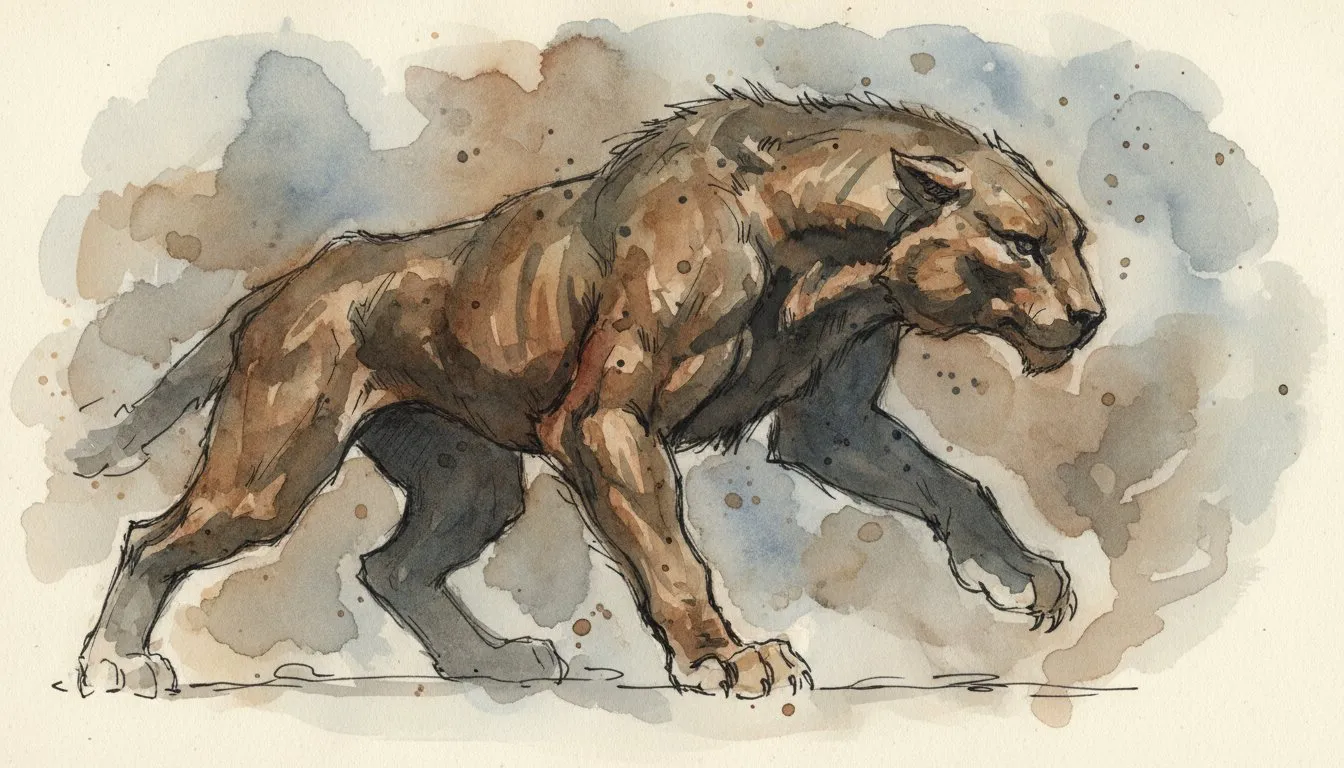
Beast of Dartmoor
Also known as: Dartmoor Cat, Devon Cat, Phantom Cat of Dartmoor
Something large, dark, and feline stalks the misty moorlands of Devon, leaving torn livestock and fleeting glimpses behind.
1970s, intensifying 1980s-present
Dartmoor, Devon, England
Large dog to panther-sized
Elusive, predatory toward livestock
Regular sightings continue
The Lore
The Beast of Dartmoor is one of Britain's most enduring phantom cat legends, centered on Dartmoor and the broader Devon countryside. Witnesses report a large, black, panther-like cat prowling the moors, often spotted at dusk or dawn. Livestock kills consistent with large predator attacks have been documented in the area for decades. The 1976 Dangerous Wild Animals Act, which restricted private ownership of exotic cats, may have led to releases into the wild. While no specimen has been captured, thermal camera footage and plaster casts of large paw prints have been collected.
Dartmoor, the ancient upland wilderness of Devon in southwest England, has been the setting for animal mystery stories since at least the 1970s. The Beast of Dartmoor belongs to a broader category of British cryptid known as the Alien Big Cat, a term coined by investigators to describe the large felids, typically panther-like or puma-like in appearance, that have been reported with regularity across the British countryside since the Dangerous Wild Animals Act of 1976 compelled private owners of exotic animals to pay for expensive licensing or surrender their pets. The theory that some owners simply released their animals into the countryside on the eve of the law's implementation is the most widely accepted conventional explanation for British big cat sightings.
On Dartmoor specifically, sightings of a large, black or dark-furred cat have been reported by farmers, hikers, moorland guides, and police officers over several decades. The creature is typically described as similar in size to a leopard, moving with the fluid, low-slung gait of a large felid, with a long tail carried low to the ground. Livestock deaths consistent with big cat predation, including sheep and lambs found with puncture wounds to the neck and kills cached in trees or under ledges in the manner of a leopard, have been documented periodically across the moor.
In 1983, a group of Royal Marines on exercise reported encountering a large black cat on Dartmoor that showed no fear of the soldiers and retreated only slowly when approached. In 1997, a farmer near Yelverton photographed what appeared to be a very large dark cat in a field with sheep for scale comparison. The image was examined by zoologists at Bristol University, some of whom considered it consistent with a large felid, while others remained cautious about drawing firm conclusions from a single photograph.
Britain has no native large wild cat species. The European wildcat exists in Scotland but is a small animal, roughly domestic cat-sized. Melanistic leopards, commonly called black panthers, are the animal most frequently invoked in Beast of Dartmoor reports. Escaped or released pumas and leopards are known to have established at least temporary residence in various parts of the British countryside; in 1980, a puma was captured alive in Inverness-shire, Scotland, in good condition, suggesting it had survived for some years in the wild. Dartmoor's remote terrain, abundant prey, and limited human presence make it one of Britain's most plausible habitats for a self-sustaining cryptid predator.
Media Appearances
- The Hound of the Baskervilles (inspiration link)
- Big Cats in Britain (documentary)
Further Reading
No book is devoted to this creature. These are the general references that cover the field, plus a direct search if you want to dig further.
- Cryptozoology A to Z by Loren Coleman and Jerome Clark (1999)
The standard one-volume encyclopedia, roughly two hundred entries covering creatures, investigators, and hoaxes.
- Mysterious Creatures: A Guide to Cryptozoology by George M. Eberhart (2002)
The larger reference guide, stronger on sourcing and on creatures that never reached the popular books.
Search Amazon for Beast of Dartmoor books
As an Amazon Associate, Cryptid Vault earns from qualifying purchases. Links open Amazon in a new tab.
Get the Field Notes.
Field notes from the Vault, when there is something worth sending. No spam.
No spam. Unsubscribe anytime.
You might also like
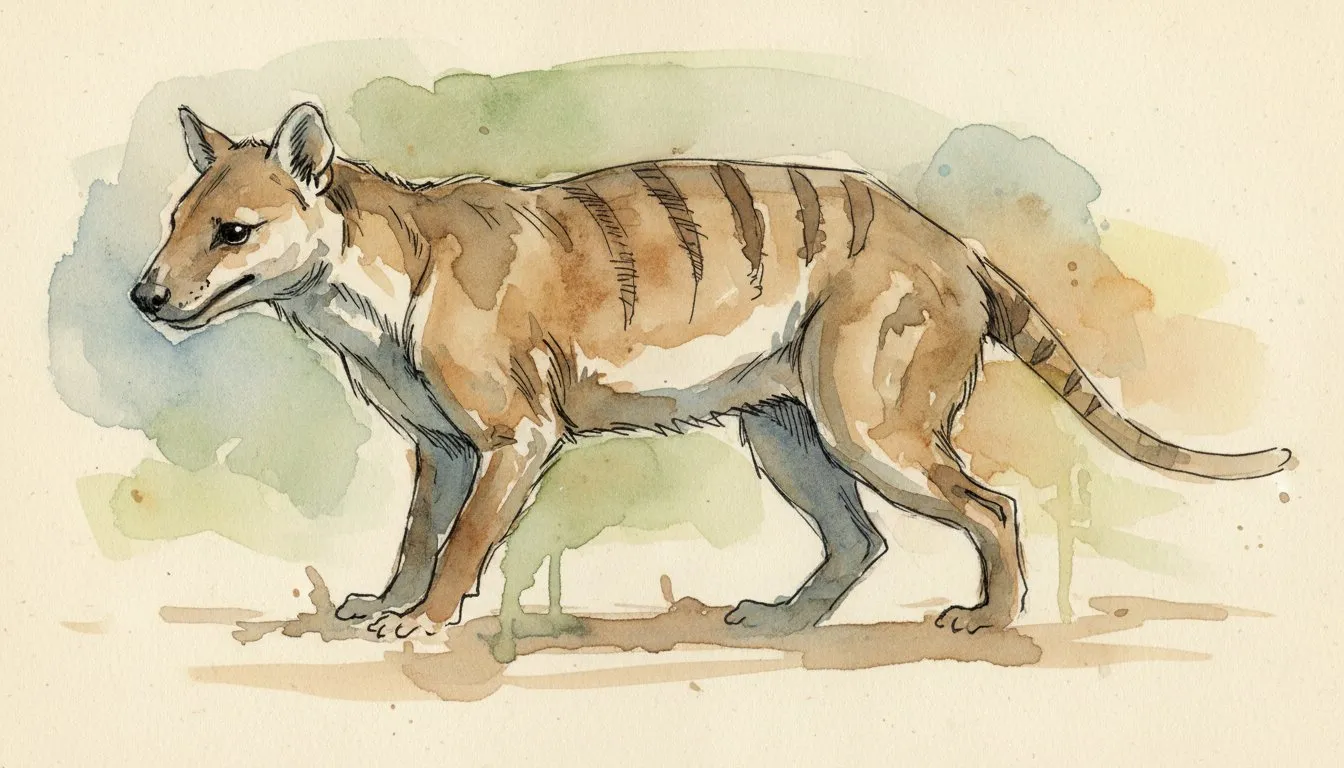
Thylacine
Officially extinct since 1936, the Tasmanian tiger is the subject of more credible survival sightings than almost any other lost species.
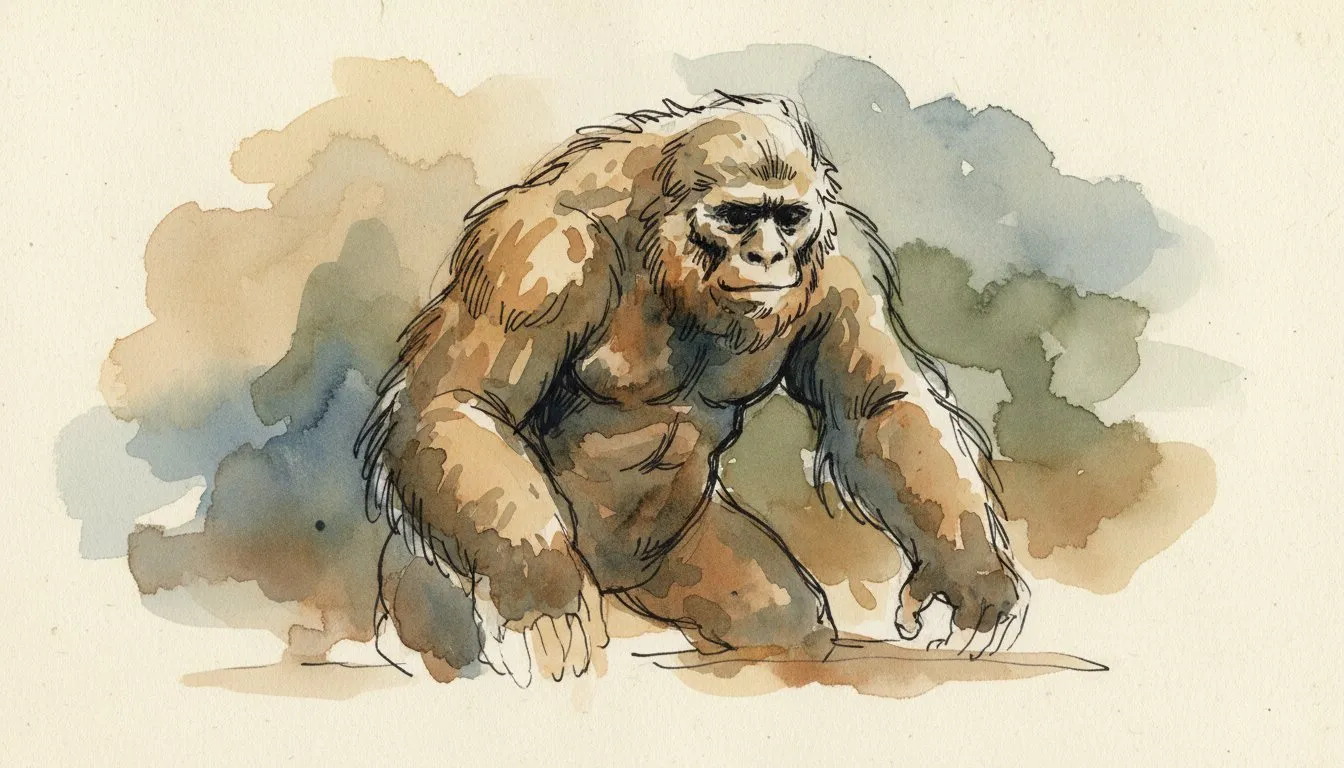
Yowie
Australia's own Bigfoot has been reported for centuries, from Aboriginal Dreamtime stories to modern highway encounters.

Orang Minyak
A slippery, oil-coated humanoid that terrorizes Malaysian towns at night, impossible to catch or hold.
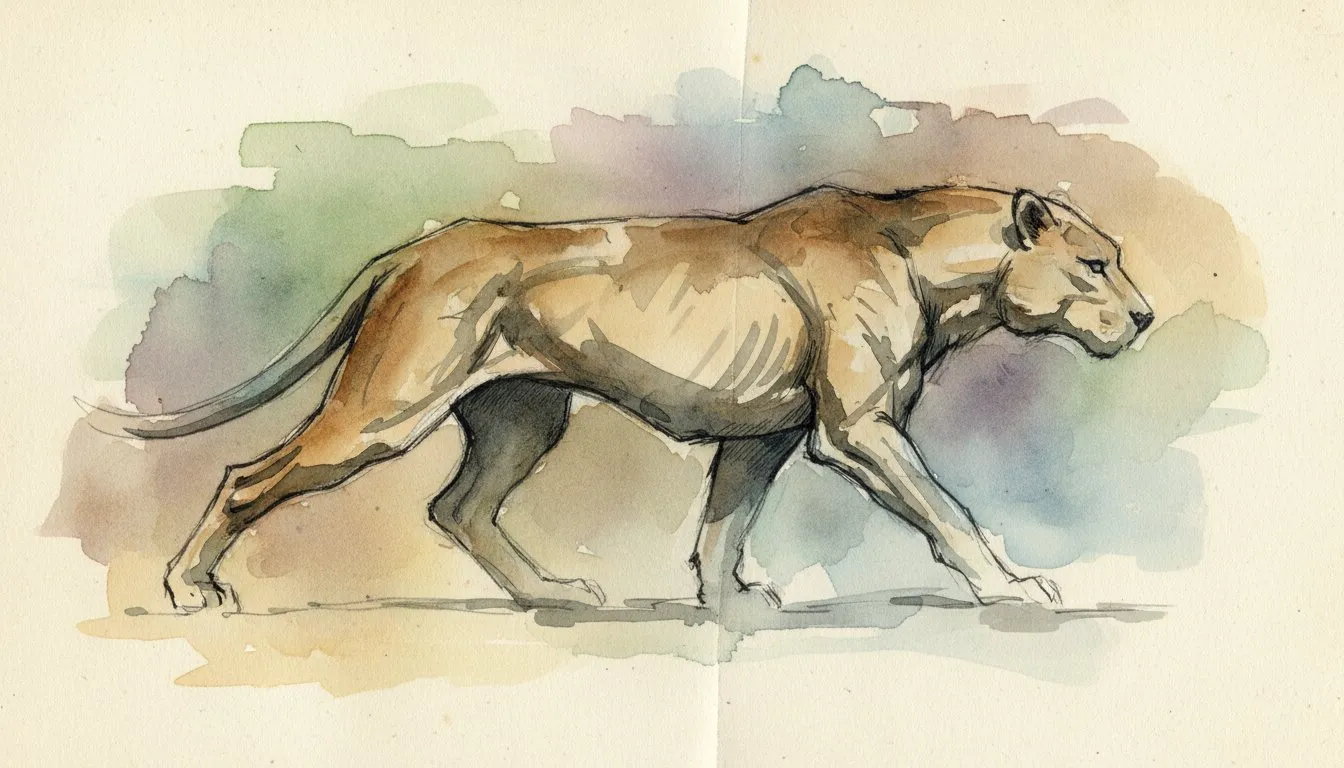
Beast of Bodmin Moor
A large black cat prowls the foggy moors of Cornwall, shredding livestock and vanishing into the granite landscape.
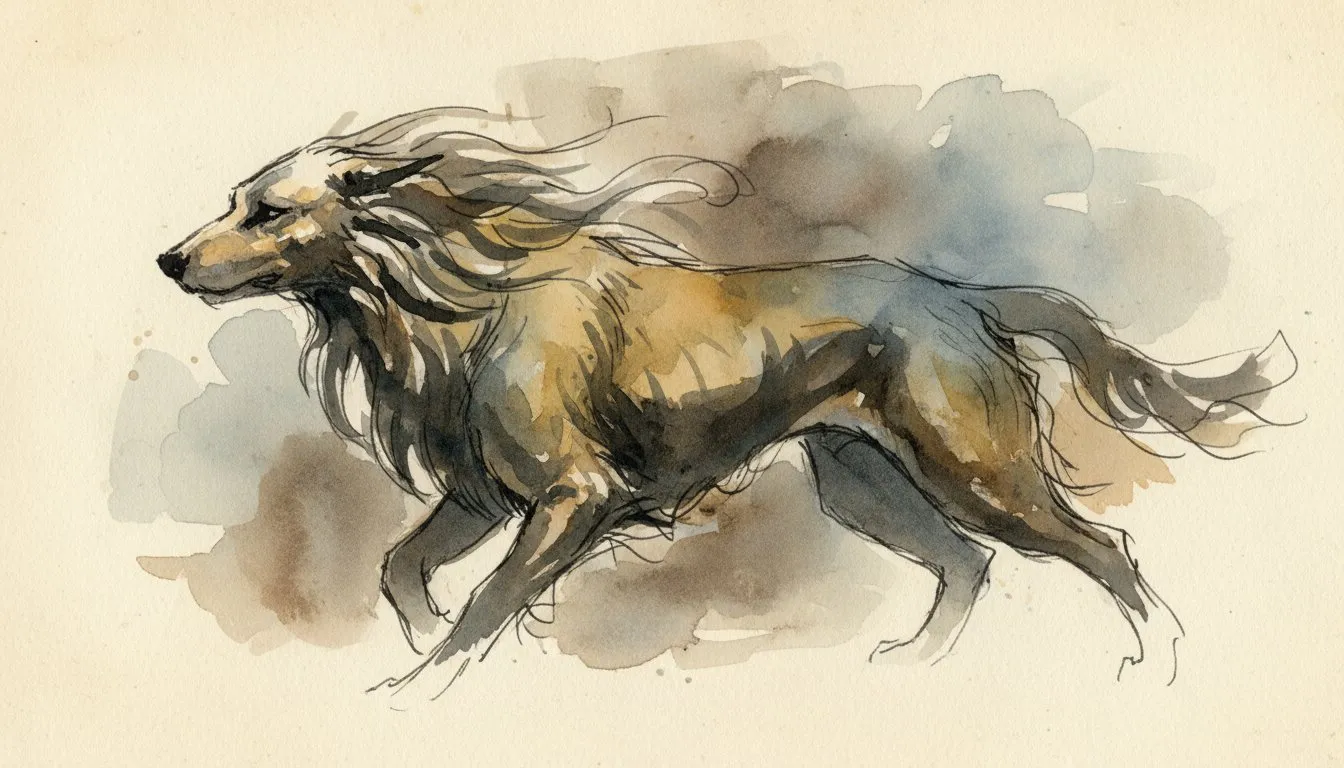
Black Shuck
A ghostly black dog with blazing red eyes has haunted the roads and churchyards of East Anglia for over a thousand years.
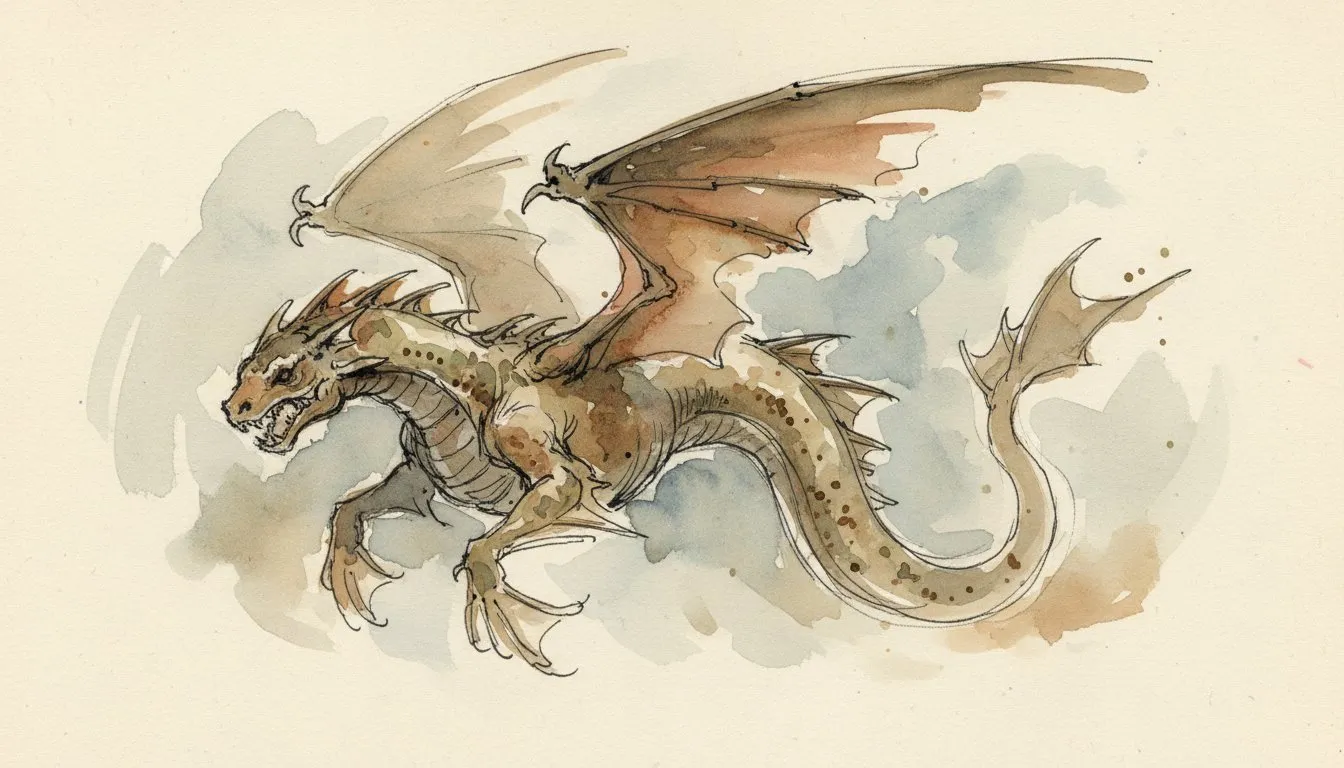
Morgawr
A humped sea serpent has been spotted off the coast of Cornwall since the 1900s, sometimes close enough to shore that beachgoers scatter.
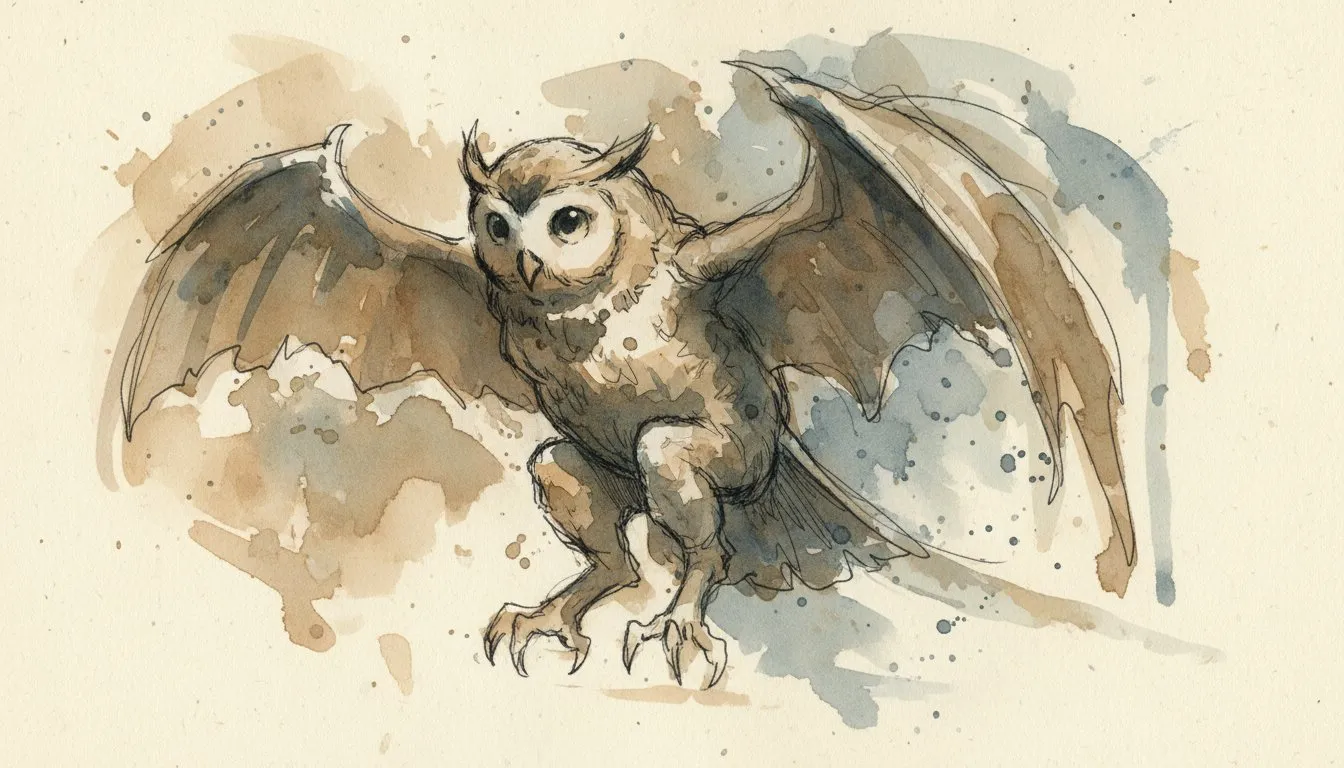
Owlman
A towering owl-humanoid haunting the woods around a Cornish church.
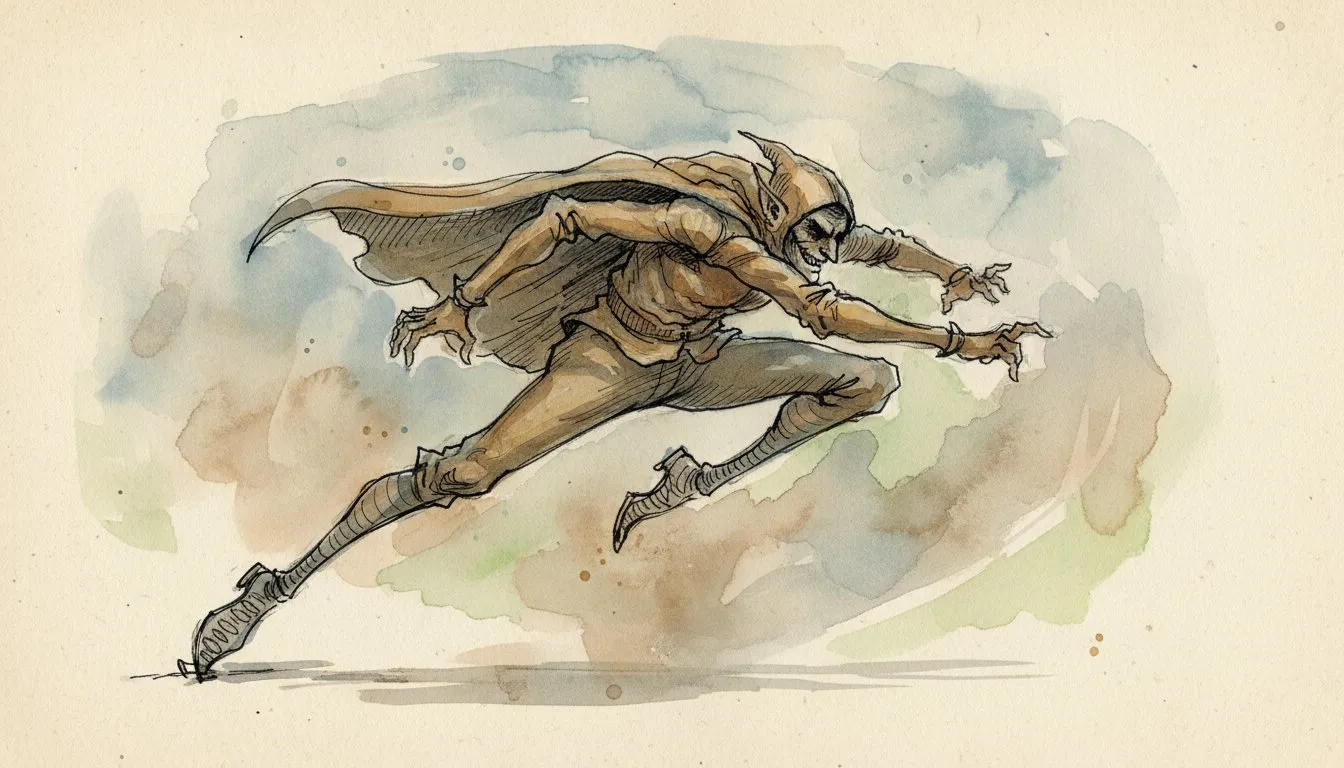
Spring-Heeled Jack
A cloaked figure with clawed hands and blazing eyes leapt over walls and breathed blue flame across Victorian England.