
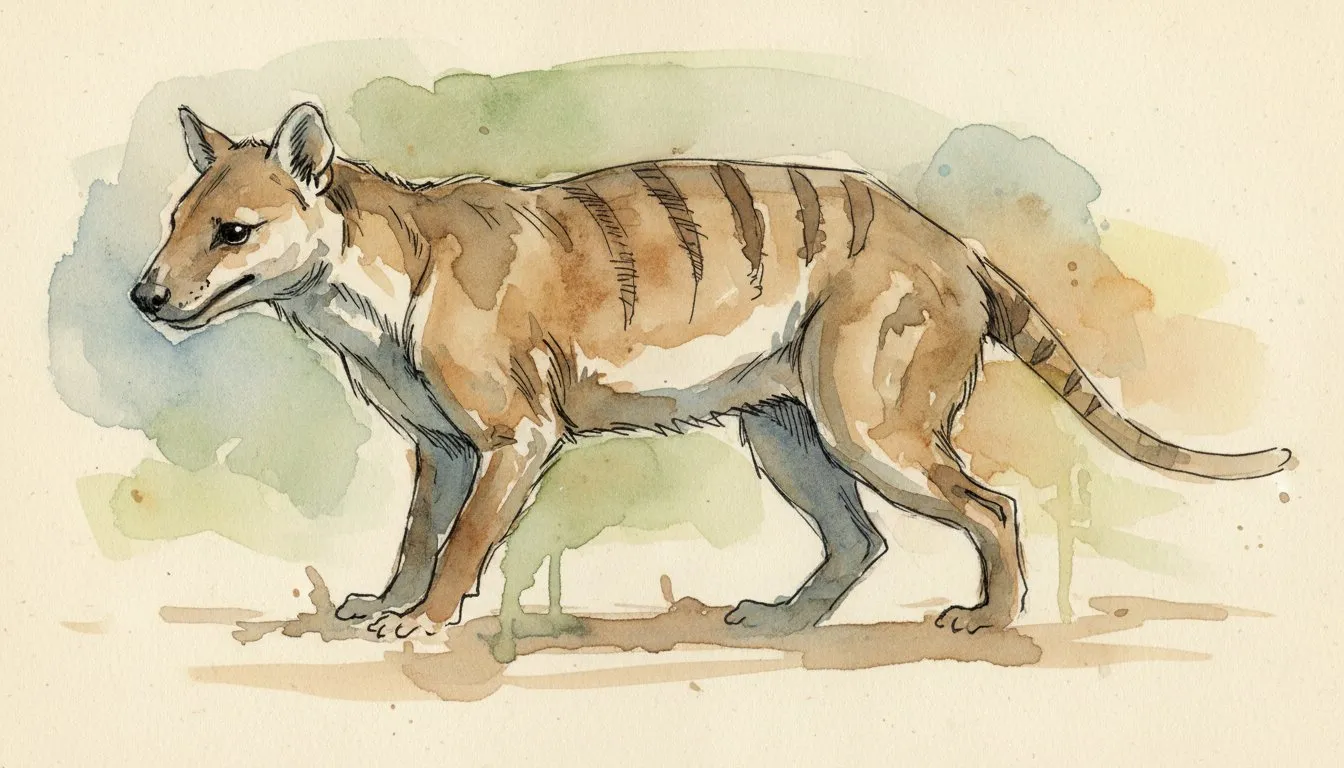
Thylacine
Also known as: Tasmanian Tiger, Tasmanian Wolf, Thylacinus cynocephalus
Officially extinct since 1936, the Tasmanian tiger is the subject of more credible survival sightings than almost any other lost species.
Last confirmed 1936, sightings ongoing
Tasmania, Australia
1-1.3 meters body length, plus tail
Shy, nocturnal
Officially extinct, hundreds of unverified sightings
The Lore
The thylacine was a carnivorous marsupial native to Australia and Tasmania, declared extinct after the last known individual died at Hobart Zoo in 1936. Despite this, hundreds of sighting reports have been filed in Tasmania and mainland Australia. In 2021, a detailed sighting report from a former park ranger in Tasmania reignited public interest. The species' habitat in remote Tasmanian wilderness offers plausible refugia. Multiple scientific groups, including Colossal Biosciences, are pursuing de-extinction efforts using preserved DNA.
The Thylacine, commonly known as the Tasmanian Tiger or Tasmanian Wolf, holds a unique position among cryptids. It is not a creature of myth or folklore. It was a real, well-documented marsupial carnivore that was driven to extinction in the 20th century. The question is not whether it existed, but whether it still does.
Thylacinus cynocephalus was the largest known carnivorous marsupial of modern times. It resembled a medium-sized dog with a stiff tail, sandy-brown fur marked with 13 to 21 dark stripes across its back and rump, and a distinctive ability to open its jaws to an unusually wide gape of nearly 80 degrees. It was native to mainland Australia, Tasmania, and New Guinea. Mainland populations disappeared roughly 3,000 years ago, likely due to competition with dingoes. Tasmanian populations survived into the modern era but were hunted aggressively by European settlers who viewed them as livestock predators.
The Tasmanian government placed a bounty on Thylacines from 1888 to 1909, paying one pound per adult head. Combined with habitat destruction, disease, and competition from introduced dogs, the bounty system devastated the population. The last known wild Thylacine was shot by farmer Wilf Batty in 1930. The last captive individual, known as Benjamin, died on September 7, 1936, at the Beaumaris Zoo in Hobart. Film footage of Benjamin pacing in his enclosure remains one of the most haunting pieces of wildlife documentation ever recorded.
Since 1936, there have been thousands of reported sightings across Tasmania and mainland Australia. The Australian Rare Fauna Research Association has documented over 3,800 reports on the mainland since 1936. In 1982, a researcher with the Tasmanian Parks and Wildlife Service reported a nighttime encounter with a Thylacine at close range. In 2017, a pair of detailed reports from far north Queensland prompted scientists to set up camera traps. No confirmed evidence was obtained.
Efforts to bring back the Thylacine through de-extinction technology are underway. In 2022, the University of Melbourne and Colossal Biosciences announced a partnership to attempt to resurrect the species using preserved DNA, gene editing, and a related marsupial as a surrogate. The Thylacine's genome has been fully sequenced from preserved specimens.
Whether a remnant population survives in the remote wilderness of Tasmania or mainland Australia remains unconfirmed. The Thylacine is a powerful symbol of human-caused extinction and the longing to undo it.
Notable Witnesses
- Wilf Batty (shot last known wild Thylacine, 1930)
- David Fleay (filmed last captive Thylacine 'Benjamin,' 1933)
- Hans Naarding (Tasmanian Parks and Wildlife Service, 1982 sighting)
- Kevin Cameron (claimed photographs, 1985, disputed)
- Gary and Liz Opit (Queensland sighting, 2017)
Media Appearances
- The Hunter (film, 2011, starring Willem Dafoe)
- The Last Thylacine (documentary, 2011)
- Carnivore (documentary, 2007)
- Ty the Tasmanian Tiger (video game series, 2002-present)
- David Fleay's footage of Benjamin (1933, National Film and Sound Archive)
Further Reading
No book is devoted to this creature. These are the general references that cover the field, plus a direct search if you want to dig further.
- Cryptozoology A to Z by Loren Coleman and Jerome Clark (1999)
The standard one-volume encyclopedia, roughly two hundred entries covering creatures, investigators, and hoaxes.
- Mysterious Creatures: A Guide to Cryptozoology by George M. Eberhart (2002)
The larger reference guide, stronger on sourcing and on creatures that never reached the popular books.
Search Amazon for Thylacine books
As an Amazon Associate, Cryptid Vault earns from qualifying purchases. Links open Amazon in a new tab.
Get the Field Notes.
Field notes from the Vault, when there is something worth sending. No spam.
No spam. Unsubscribe anytime.
You might also like
Yowie
Australia's own Bigfoot has been reported for centuries, from Aboriginal Dreamtime stories to modern highway encounters.
Steller's Sea Cow
Hunted to extinction just 27 years after Western science discovered it, some believe pockets of this gentle giant survive in remote Arctic waters.
Beast of Dartmoor
Something large, dark, and feline stalks the misty moorlands of Devon, leaving torn livestock and fleeting glimpses behind.
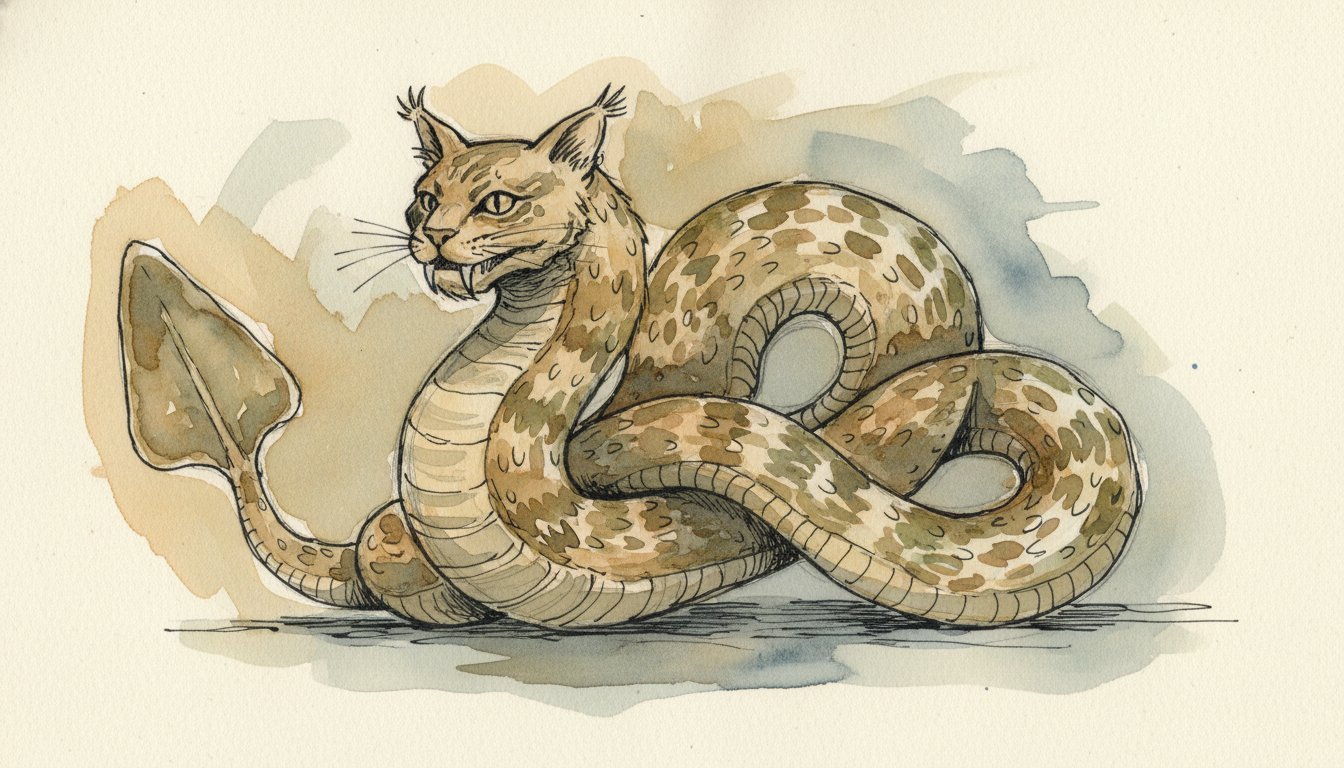
Death Adder Cat
A striped, cat-sized predator prowling the Australian bush, matching nothing in the known fossil record since the Pleistocene.
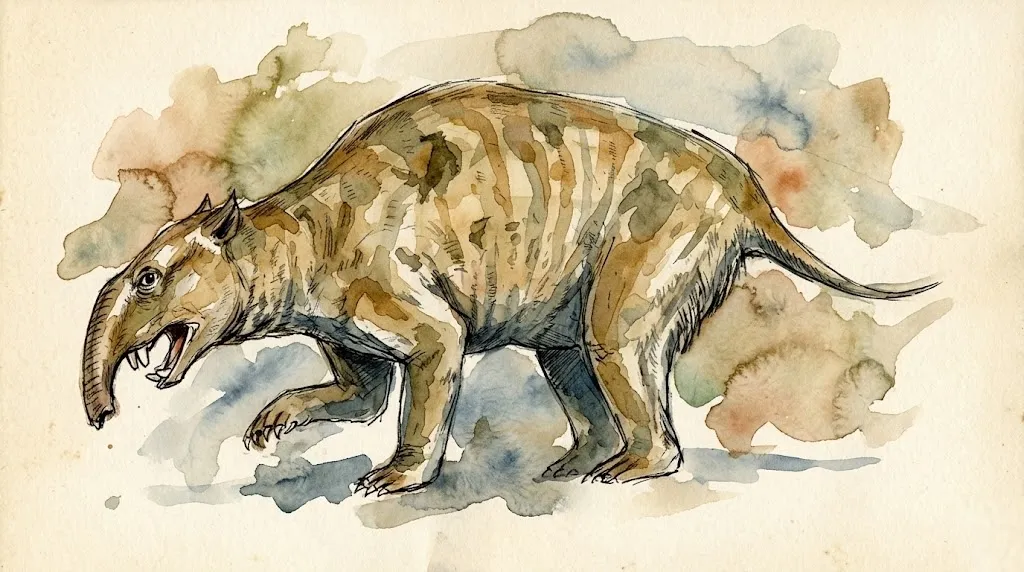
Gazeka
An enormous, tapir-like beast reported by a colonial officer in the unexplored highlands of Papua New Guinea.
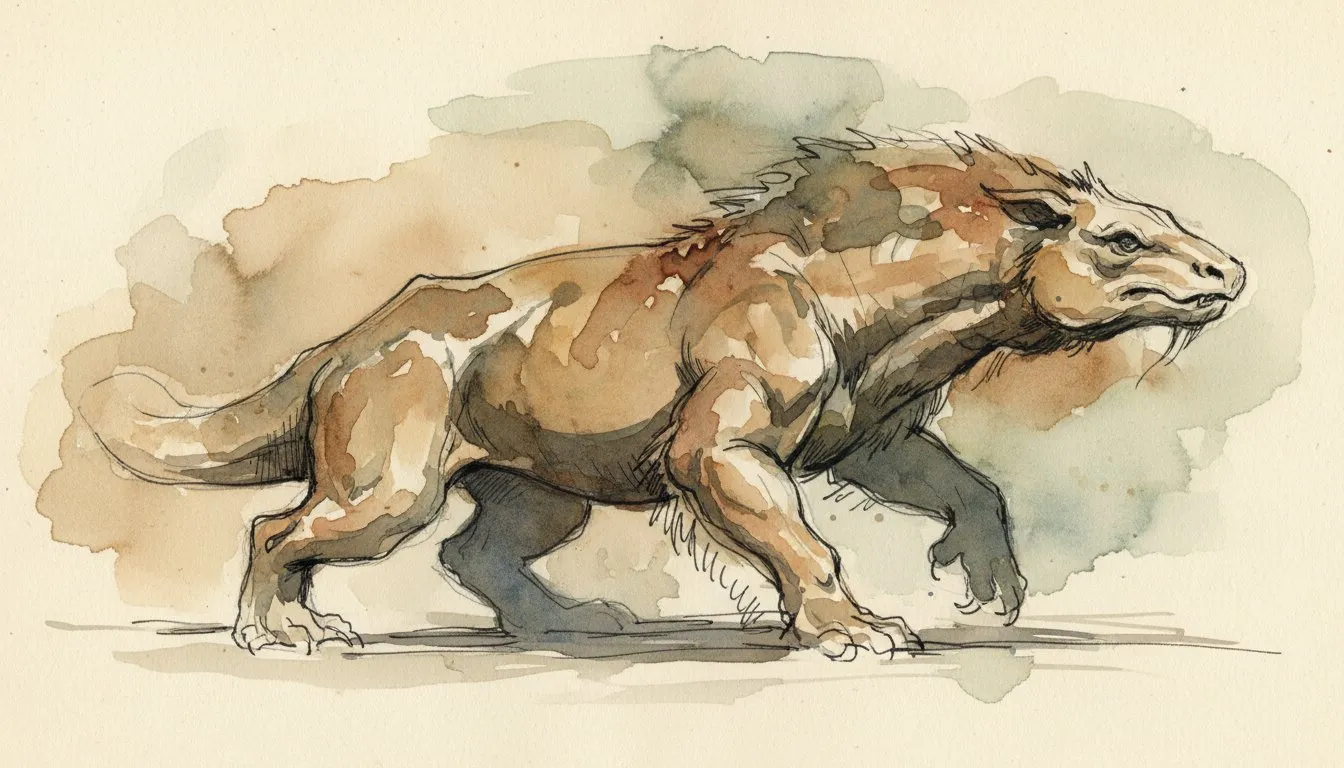
Bunyip
Australia's lurking water spirit, feared by indigenous peoples for thousands of years.
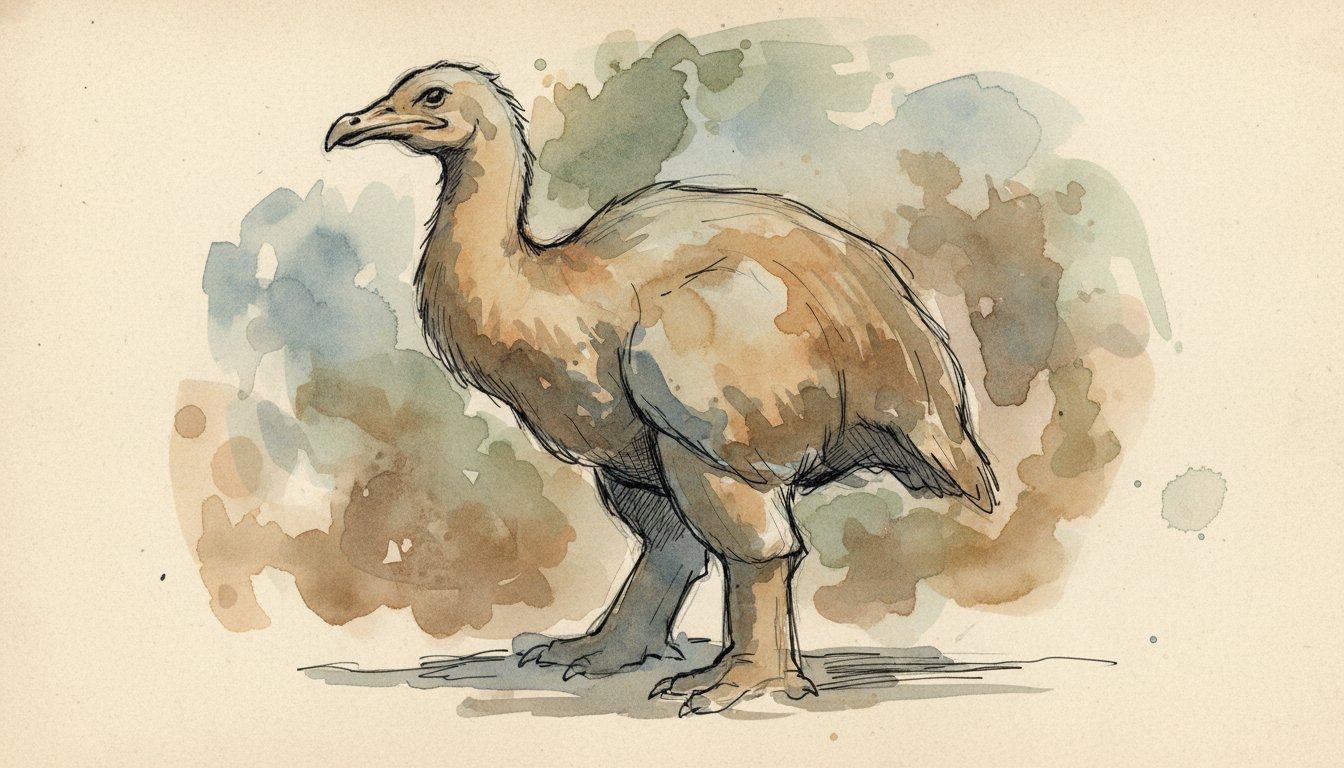
Moa
A 12-foot flightless bird, officially extinct for 600 years, with enough backcountry sighting reports to keep the search alive.
Beast of Bray Road
A shaggy, upright canine prowling a rural Wisconsin road since the 1980s.