
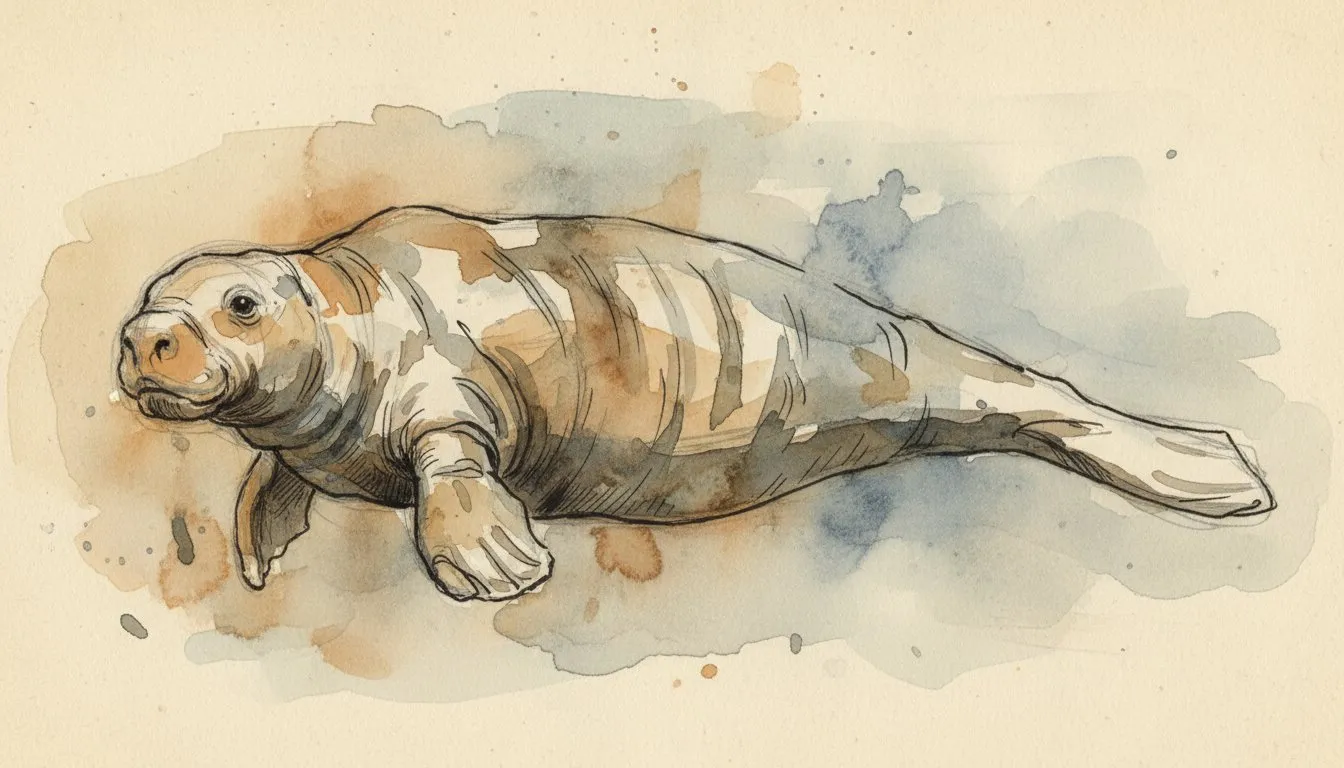
Steller's Sea Cow
Also known as: Hydrodamalis gigas, Great Northern Sea Cow
Hunted to extinction just 27 years after Western science discovered it, some believe pockets of this gentle giant survive in remote Arctic waters.
Discovered 1741, extinct by 1768, survival claims ongoing
Commander Islands, Bering Sea
Up to 9 meters long
Docile, slow-moving
Officially extinct, rare unverified sightings
The Lore
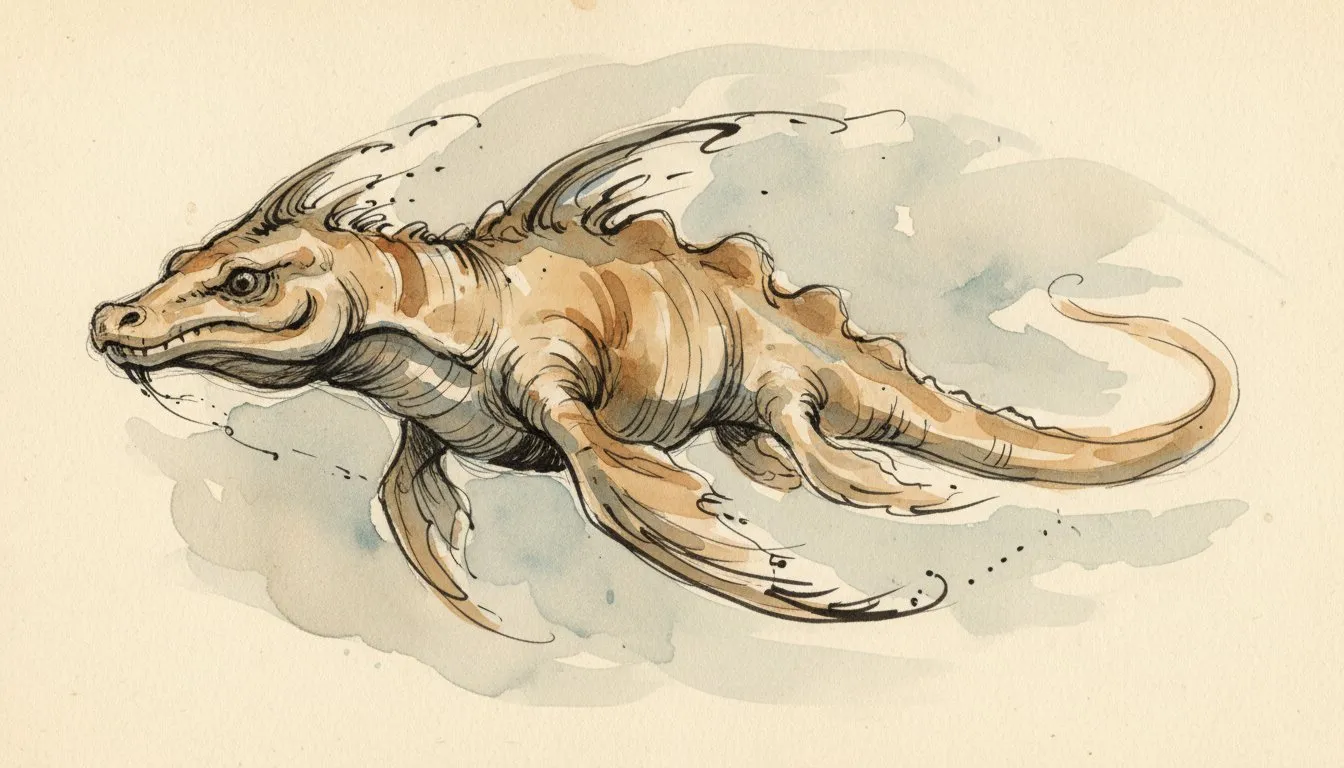
Steller's sea cow was a massive marine mammal, reaching up to 9 meters long and weighing several tons, discovered by European explorers in 1741 near the Commander Islands in the Bering Sea. By 1768, relentless hunting had driven it to extinction. However, scattered reports of large, unidentified marine animals in remote areas of the Bering Sea and Kamchatka coast have continued. In 1962, Soviet whalers reportedly observed a group of unusual, large animals matching sea cow descriptions near Cape Navarin. No confirmed evidence of surviving populations has been found.
Hydrodamalis gigas, Steller's sea cow, holds a position unique in the cryptid catalogue: it is an animal whose existence is beyond scientific dispute, documented in extensive detail by the naturalist Georg Wilhelm Steller himself during the 1741 Bering Expedition. Steller spent 10 months marooned on what is now called Bering Island in the Commander Islands chain between Alaska and Russia, and his observations of the enormous marine mammal that bears his name remain among the most detailed accounts of a megafauna species written within years of its scientific discovery. What places it in the realm of cryptozoology is the persistent belief that it might not actually be extinct.
Steller's sea cow was a relative of the manatee and dugong, but vastly larger. Mature individuals reached lengths of 25 to 30 feet and weights estimated between 8 and 10 tons, making it the largest sirenian known to science. It fed exclusively on kelp in the shallow coastal waters of the Commander Islands and was, at the time of Steller's observations, likely already restricted to this small geographic area by the predatory pressure of earlier human hunting along its former Pacific range. The animals were remarkably docile, apparently unfamiliar with human predators, and devastatingly easy to hunt. Within 27 years of Steller's first formal description in 1741, the species was declared extinct, hunted to nothing by Russian fur hunters who relied on sea cow meat to provision their expeditions.
Sightings of large, unfamiliar marine mammals in the cold Pacific waters of the Commander Islands, the Aleutian Islands, and coastal Alaska and Russia have trickled in since the official extinction date. In 1962, a Soviet geologist named E.P. Anufrieva reported seeing a group of six to seven enormous animals with small heads and massive bodies feeding on kelp near the Commander Islands. A Soviet cetologist collected additional local testimony suggesting the animals persisted in small numbers in remote coastal areas. These reports have been examined seriously by marine biologists, though no physical evidence has ever been produced.
The eastern Pacific kelp forest ecosystem, particularly around the Aleutian chain, covers enormous areas of poorly surveyed coastline. The remote Commander Islands receive few visitors. Steller's sea cow's ecological requirements, shallow nearshore water with abundant kelp, are met in multiple locations across its former range. Whether any remnant population survived the 18th-century slaughter remains unknown, but the species' tragic history has made it a symbol of human-caused extinction and the desperate hope that loss is not always final.
Notable Witnesses
- Georg Wilhelm Steller (naturalist, 1741)
- Soviet whalers (1962 report)
Further Reading
No book is devoted to this creature. These are the general references that cover the field, plus a direct search if you want to dig further.
- Cryptozoology A to Z by Loren Coleman and Jerome Clark (1999)
The standard one-volume encyclopedia, roughly two hundred entries covering creatures, investigators, and hoaxes.
- Mysterious Creatures: A Guide to Cryptozoology by George M. Eberhart (2002)
The larger reference guide, stronger on sourcing and on creatures that never reached the popular books.
Search Amazon for Steller's Sea Cow books
As an Amazon Associate, Cryptid Vault earns from qualifying purchases. Links open Amazon in a new tab.
Get the Field Notes.
Field notes from the Vault, when there is something worth sending. No spam.
No spam. Unsubscribe anytime.
You might also like
Megalodon
The largest shark that ever lived went extinct 3.6 million years ago, unless the deep ocean is hiding something.
Thylacine
Officially extinct since 1936, the Tasmanian tiger is the subject of more credible survival sightings than almost any other lost species.
Globster
Massive, fleshy, unidentifiable masses that wash ashore worldwide, defying easy explanation until the lab results come in.
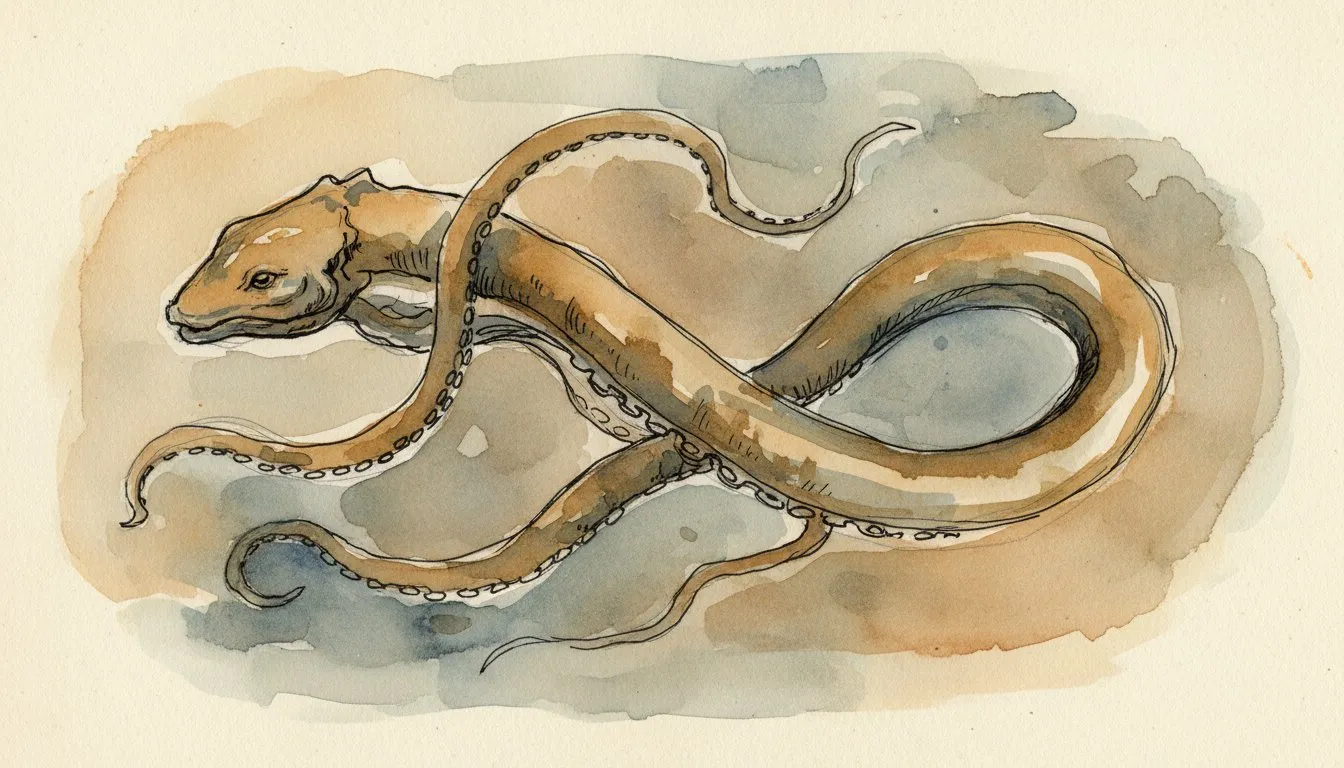
Akkorokamui
A colossal red octopus lurking in Funka Bay, revered by the Ainu as both healer and destroyer.
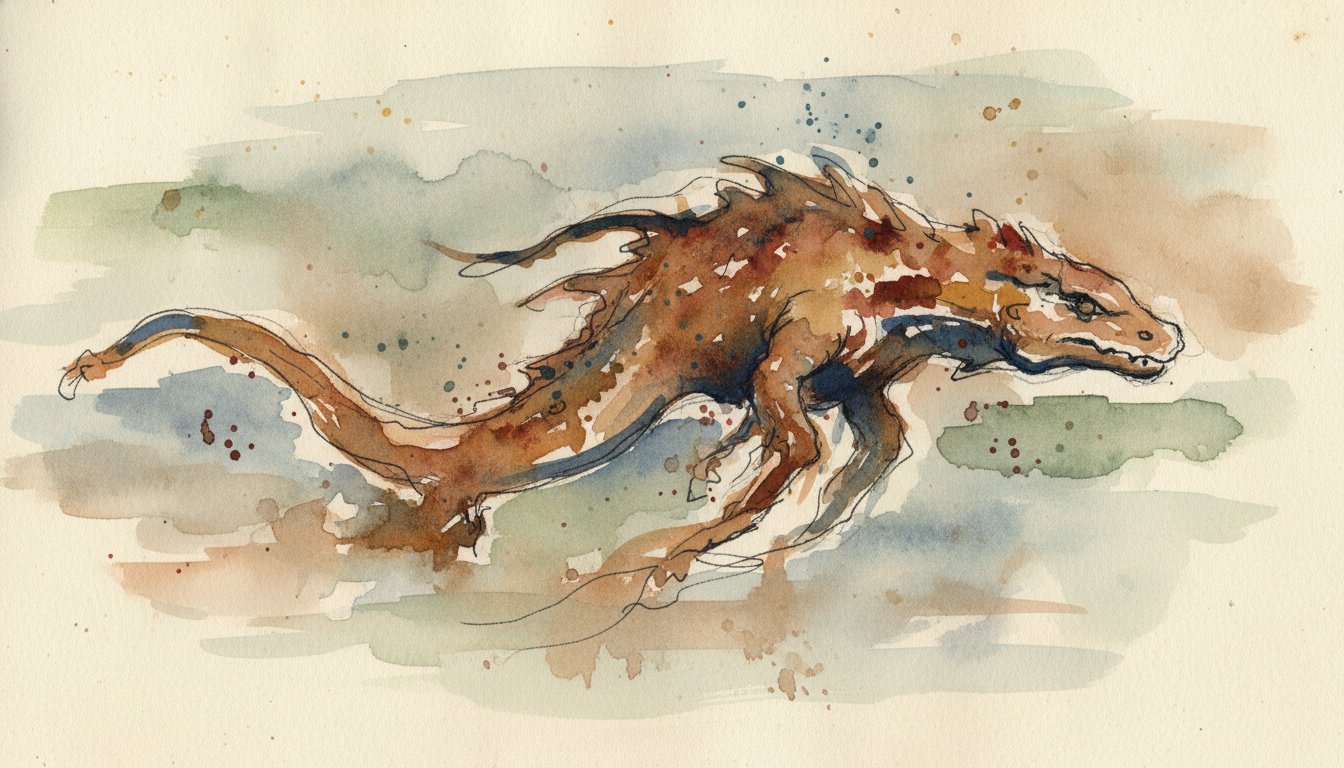
Alkali Lake Monster
A 40-foot beast in a shallow Nebraska lake, where something that size should have nowhere to hide.
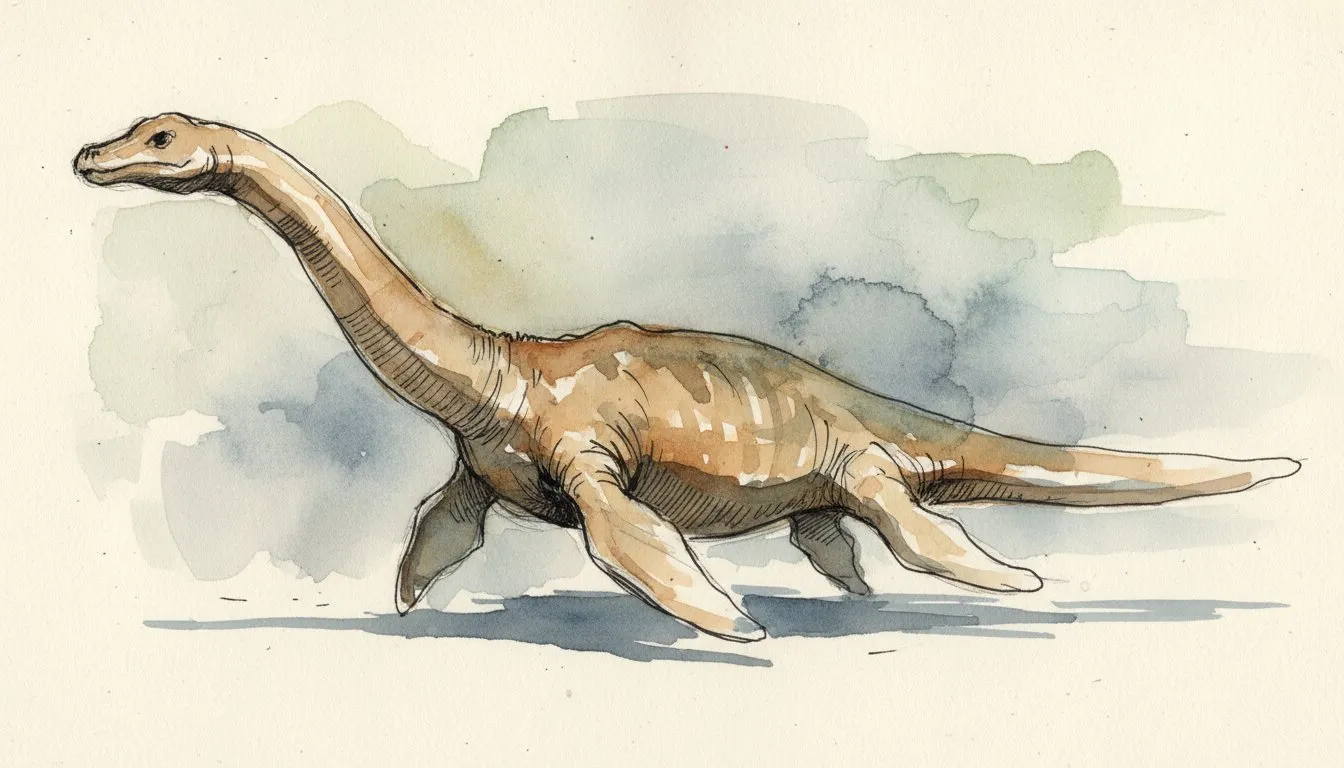
Altamaha-ha
Georgia's river serpent, a long-necked mystery lurking in the murky Altamaha.
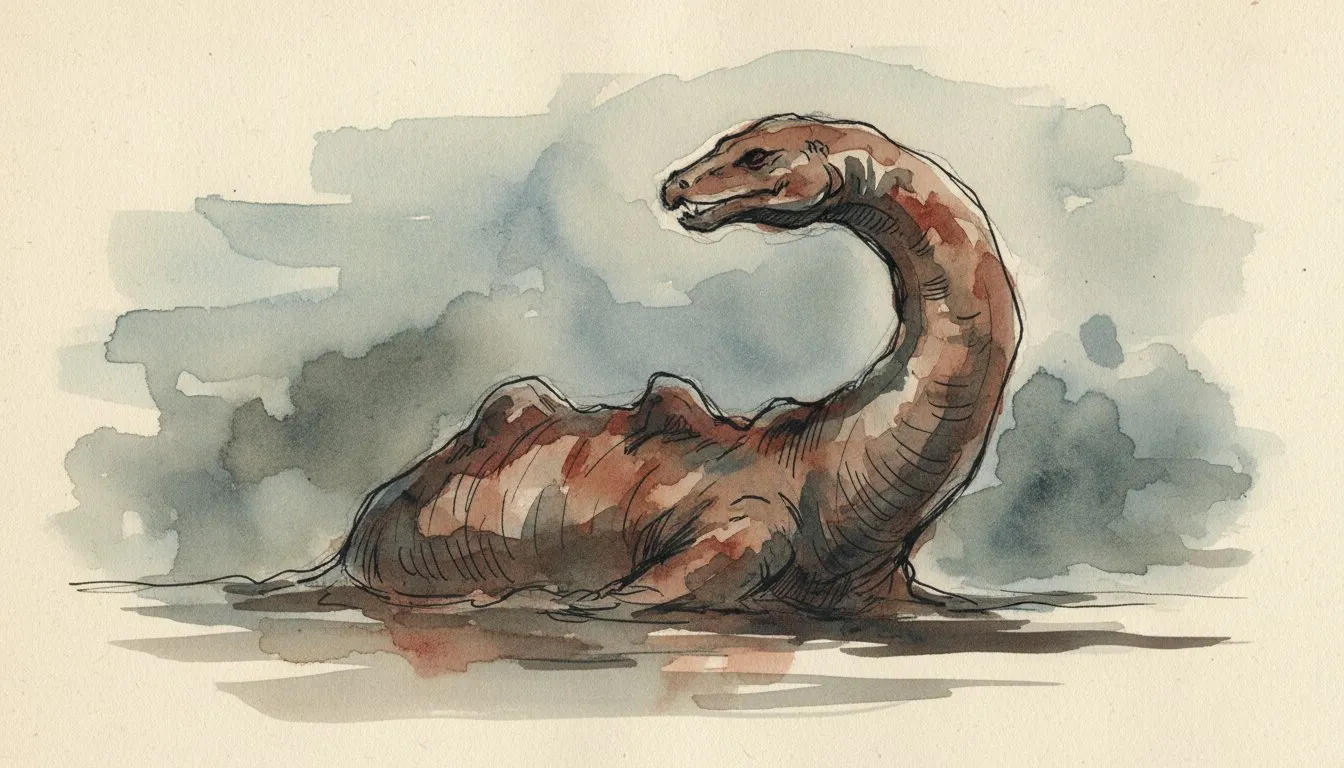
Bear Lake Monster
A serpentine terror of Bear Lake, first reported by Mormon settlers and Shoshone alike.
Cadborosaurus
A horse-headed sea serpent weaving through the waters of the Pacific Northwest.