
Cadborosaurus
Also known as: Caddy
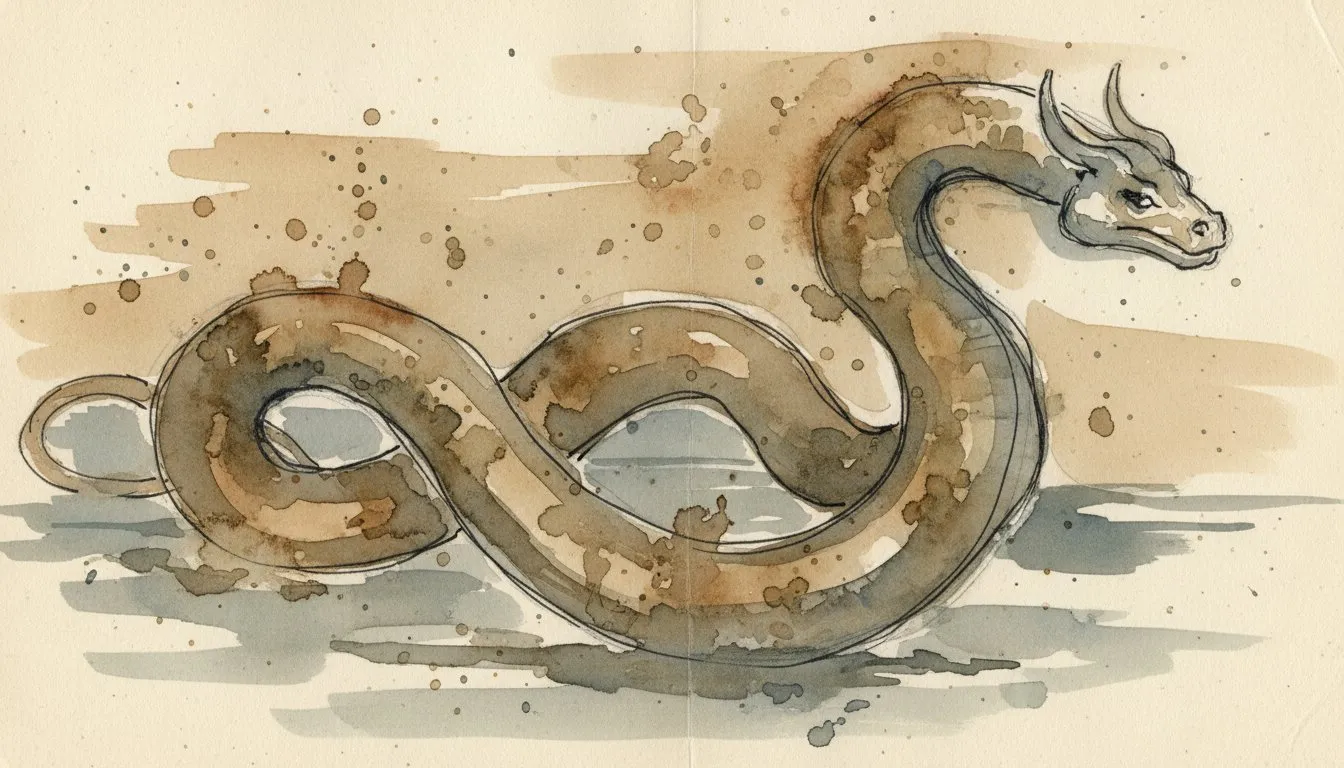
A horse-headed sea serpent weaving through the waters of the Pacific Northwest.
1933 (modern accounts)
Cadboro Bay, British Columbia
15-60 ft long
Non-aggressive
Active sightings continue
The Lore
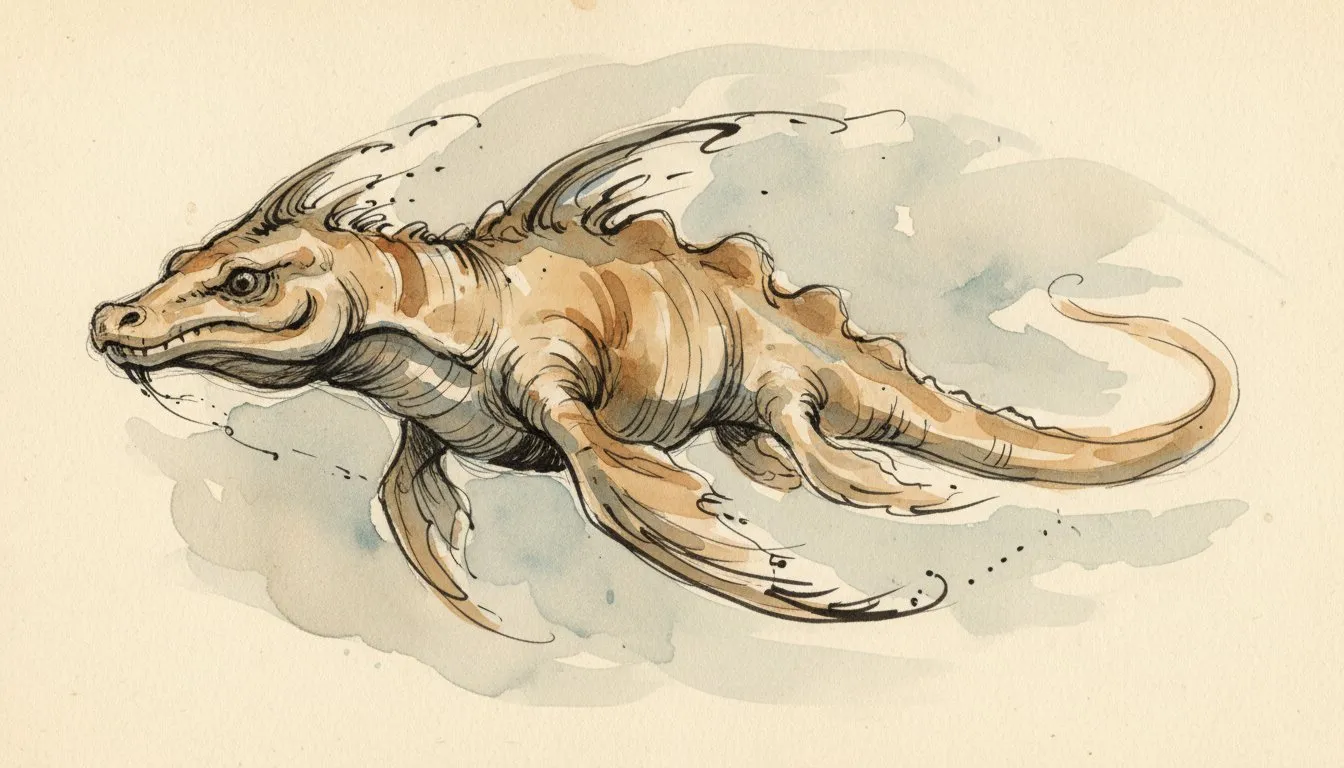
Cadborosaurus, or 'Caddy,' is a sea serpent reported along the Pacific coast from Alaska to California, concentrated around Vancouver Island. Described as having a horse-like head, long neck, humped body, and flippers, it was allegedly found in the stomach of a sperm whale in 1937. Over 300 sightings have been logged since the 1930s.
In the coastal waters of the northeastern Pacific, from the waters off California northward through British Columbia and southeastern Alaska, sailors, fishermen, and beachcombers have reported encounters with a large, long-necked sea creature for well over a century. The creature takes its name from Cadboro Bay in Victoria, British Columbia, and goes by the nickname Caddy, a casual diminutive that belies the genuine strangeness of the reports associated with it. The northeastern Pacific is among the world's most productive ocean ecosystems, its cold, nutrient-rich waters supporting an extraordinary diversity of marine life, and investigators have long argued that an undiscovered large animal in this region is not inherently implausible.
The Saanich and other Coast Salish peoples had their own names and traditions for unusual creatures inhabiting Pacific coastal waters long before European settlement. When 19th-century missionaries and traders began recording Indigenous testimony, accounts of enormous serpentine sea animals were already well-established. The modern legend coalesced in 1933, the same year Nessie fever gripped Scotland, when Victoria Daily Times editor Archie Willis named the creature Cadborosaurus willsi after a string of reported sightings around southern Vancouver Island. The name was partly whimsical, but the reports themselves were submitted by credible witnesses including naval officers and experienced mariners.
The most compelling physical evidence came in October 1937, when a partially digested carcass was reportedly removed from the stomach of a sperm whale caught at the Naden Harbour whaling station in the Queen Charlotte Islands. Photographs taken at the time show an elongated creature with a small, horse-like head, a long neck, and an apparent tail. The carcass was not preserved for scientific study, and only the photographs remain. Researchers LeBlond and Bousfield, who wrote the definitive English-language study of Cadborosaurus, concluded after examining the photographs that they were inconsistent with any known marine animal and proposed the name Cadborosaurus willsi for a potentially undescribed species.
Witness descriptions across the decades are broadly consistent: a creature 20 to 40 feet long, with a long, flexible neck, a horse-like or camel-like head, a series of humps or a serrated dorsal ridge, and flippers. Movement is described as vertical undulation, and the creature has been reported moving at considerable speed, sometimes described in the water by kayakers close enough to see detailed features. The waters of the northeastern Pacific, with their extraordinary marine biodiversity and depth, remain among the most plausible environments on earth for an undiscovered large marine animal, and Caddy continues to be reported by fishermen who know these waters intimately.
Further Reading
No book is devoted to this creature. These are the general references that cover the field, plus a direct search if you want to dig further.
- Cryptozoology A to Z by Loren Coleman and Jerome Clark (1999)
The standard one-volume encyclopedia, roughly two hundred entries covering creatures, investigators, and hoaxes.
- Mysterious Creatures: A Guide to Cryptozoology by George M. Eberhart (2002)
The larger reference guide, stronger on sourcing and on creatures that never reached the popular books.
Search Amazon for Cadborosaurus books
As an Amazon Associate, Cryptid Vault earns from qualifying purchases. Links open Amazon in a new tab.
Get the Field Notes.
Field notes from the Vault, when there is something worth sending. No spam.
No spam. Unsubscribe anytime.
You might also like
Loch Ness Monster
The legendary lake serpent of Scotland, photographed, sonar-scanned, and never found.
Ogopogo
Canada's answer to Nessie, coiling through the depths of Okanagan Lake.

Champ
America's own lake monster, surfacing in the waters between Vermont and New York.
Chessie
A serpentine creature reported in the Chesapeake Bay for half a century, caught on video in 1982.
Gloucester Sea Serpent
Hundreds of witnesses watched a giant serpent patrol Gloucester Harbor for weeks in 1817.
Manipogo
Lake Manitoba's serpentine lake monster has been reported by Indigenous communities for centuries and photographed at least twice.
Memphre
A lake monster lurks in the cross-border waters of Lake Memphremagog, spotted from both the Quebec and Vermont shores.
Alkali Lake Monster
A 40-foot beast in a shallow Nebraska lake, where something that size should have nowhere to hide.