
Manipogo
Also known as: Manitoba Lake Monster
Lake Manitoba's serpentine lake monster has been reported by Indigenous communities for centuries and photographed at least twice.
Indigenous oral tradition, modern reports from 1908
Lake Manitoba, Manitoba, Canada
12-50 feet long (varies by account)
Passive, surfaces briefly
Sporadic sightings, two photographs from 1962
The Lore
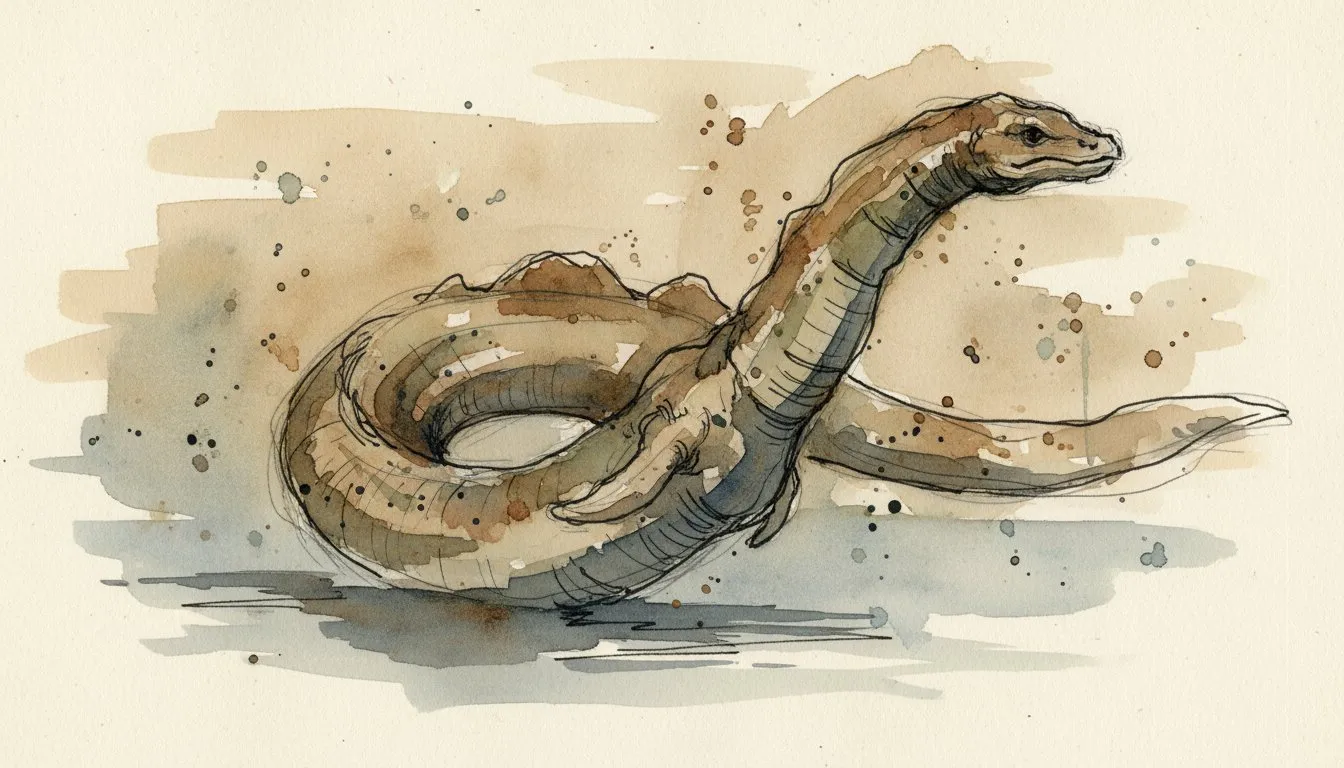
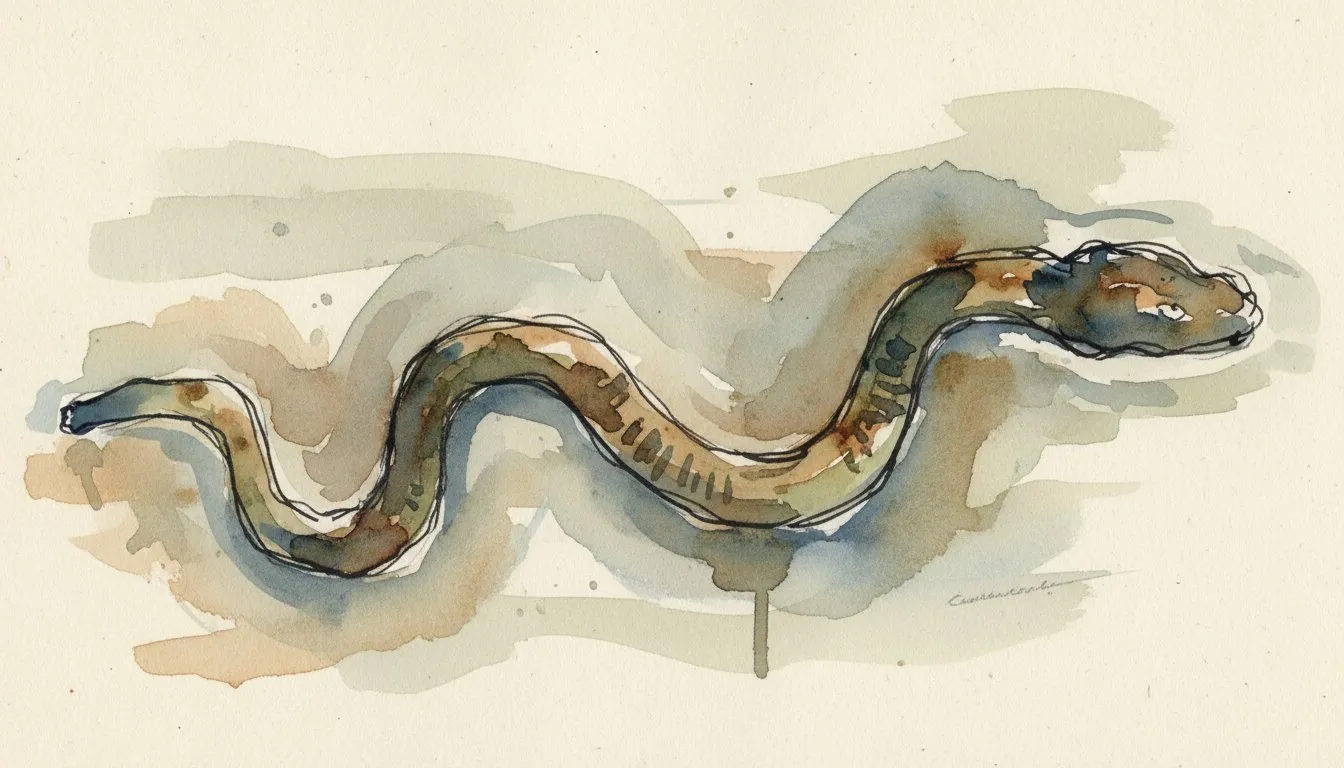
Manipogo is a large serpentine creature reported in Lake Manitoba, Canada. Indigenous Cree and Ojibwe communities have long held traditions of a water creature in the lake. Modern sightings began in the early 1900s, with notable reports in 1957 when two fishermen described a serpentine creature with three humps. In 1962, two separate photographs were taken that appear to show a dark, elongated form breaking the surface. Lake Manitoba is shallow for its size, averaging only 12 feet deep, making the presence of a large undiscovered creature difficult to explain.
Lake Manitoba, one of the largest lakes in the Canadian province of Manitoba, has been the site of persistent reports of a large, unknown aquatic creature since the 19th century. The creature known as Manipogo - a name that draws conscious comparisons to British Columbia's Ogopogo - has roots in the traditions of the Cree and Assiniboine peoples who have lived alongside the lake for generations. These communities described a serpentine water spirit in the lake long before European settlement, treating it with the respect accorded to powerful natural forces.
Modern documented sightings begin in earnest in the 1930s and accumulate steadily through the mid-20th century. In 1935, a group of campers reported seeing three large, brown, serpentine forms moving in formation across the lake's surface. The sighting was notable for involving multiple witnesses and multiple animals simultaneously, suggesting to believers that Manipogo, if real, might exist as a breeding population rather than a single individual. In 1957, a former Manitoba provincial official reported seeing a large creature surface near his boat, describing a dark brown body with a sheep-like head and a length he estimated at 12 feet.
The most significant evidence came in 1962, when two fishermen, Richard Vincent and John Konefell, photographed what they described as a large, dark object moving through the water near Manipogo Beach. The photograph shows an elongated, dark shape at the water's surface - suggestive but not conclusive, as the image quality does not permit definitive identification. The photograph attracted enough attention that the University of Manitoba dispatched a team to conduct a brief investigation, though no additional evidence was found.
Lake Manitoba's shallow average depth of roughly 10 feet makes it an unlikely habitat for a large, long-lived predator, as critics have noted. The lake does support populations of large fish, including channel catfish and northern pike, that can reach impressive sizes. A very large sturgeon, a species once common in many Manitoba waterways, might produce sightings consistent with some Manipogo descriptions. Lake Winnipeg to the east and Lake Winnipegosis to the north have both generated similar cryptid reports, suggesting that Manitoba's flat prairie lakes share environmental conditions - murky water, minimal light penetration, large fish populations - that consistently produce unusual encounter accounts. Manipogo endures as a quietly resilient member of the North American lake monster tradition.
Notable Witnesses
- Tom Chicken and Chris Flyn (1957)
- Richard Vincent and John Flyn (1962)
Further Reading
No book is devoted to this creature. These are the general references that cover the field, plus a direct search if you want to dig further.
- Cryptozoology A to Z by Loren Coleman and Jerome Clark (1999)
The standard one-volume encyclopedia, roughly two hundred entries covering creatures, investigators, and hoaxes.
- Mysterious Creatures: A Guide to Cryptozoology by George M. Eberhart (2002)
The larger reference guide, stronger on sourcing and on creatures that never reached the popular books.
Search Amazon for Manipogo books
As an Amazon Associate, Cryptid Vault earns from qualifying purchases. Links open Amazon in a new tab.
Get the Field Notes.
Field notes from the Vault, when there is something worth sending. No spam.
No spam. Unsubscribe anytime.
You might also like
Memphre
A lake monster lurks in the cross-border waters of Lake Memphremagog, spotted from both the Quebec and Vermont shores.
Pressie
The largest Great Lake may harbor the largest Great Lake monster, a creature linked to Ojibwe legends of the underwater panther.
Morag
Scotland's other lake monster lurks in the deepest freshwater loch in the British Isles, far from the tourist cameras of Loch Ness.
Storsjoodjuret
Sweden's most famous lake monster has been reported for centuries and was officially designated a protected species in 1986.
Brosno Dragon
Russia's lake monster reportedly swallowed a Mongol war party's horses whole and has been spotted by modern fishermen with sonar equipment.
Selma
Norway's lake monster has been sighted over 500 times in a small mountain lake, making it one of the most reported freshwater cryptids in Europe.
Bear Lake Monster
A serpentine terror of Bear Lake, first reported by Mormon settlers and Shoshone alike.
Lagarfljot Worm
Iceland's answer to the Loch Ness Monster lives in a glacial river-lake and may have been sighted on camera in 2012.