
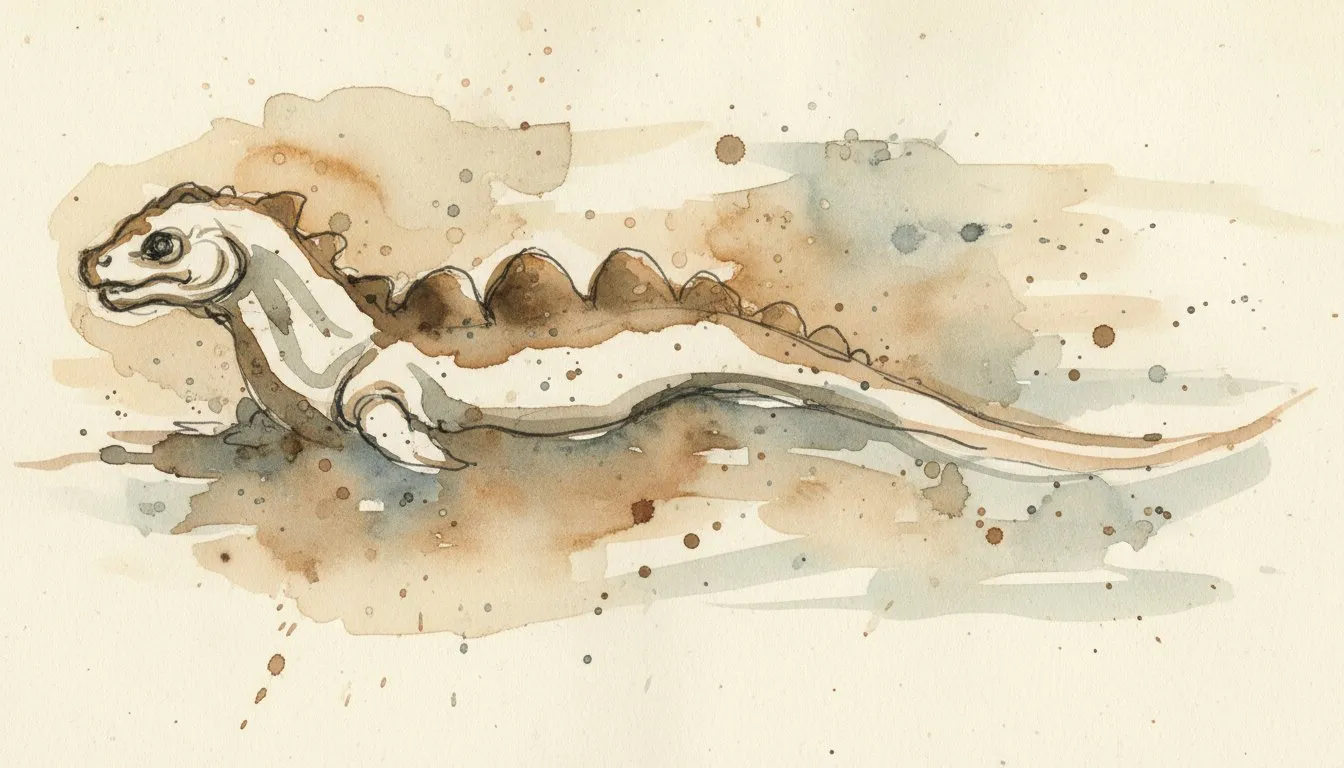
Storsjoodjuret
Also known as: Great Lake Monster, Storsie
Sweden's most famous lake monster has been reported for centuries and was officially designated a protected species in 1986.
1635
Lake Storsjon, Jamtland, Sweden
20-40 feet long
Curious but non-aggressive
Regularly reported, tourist attraction
The Lore
Storsjoodjuret inhabits Lake Storsjon in Jamtland, central Sweden. The earliest written account dates to 1635, describing a serpentine creature with a cat-like head and multiple humps. In 1986, the county gave it protected species status, though this was later revoked. A 2008 expedition using infrared cameras captured an unexplained thermal signature moving beneath the surface. Locals consider the creature a point of regional pride.
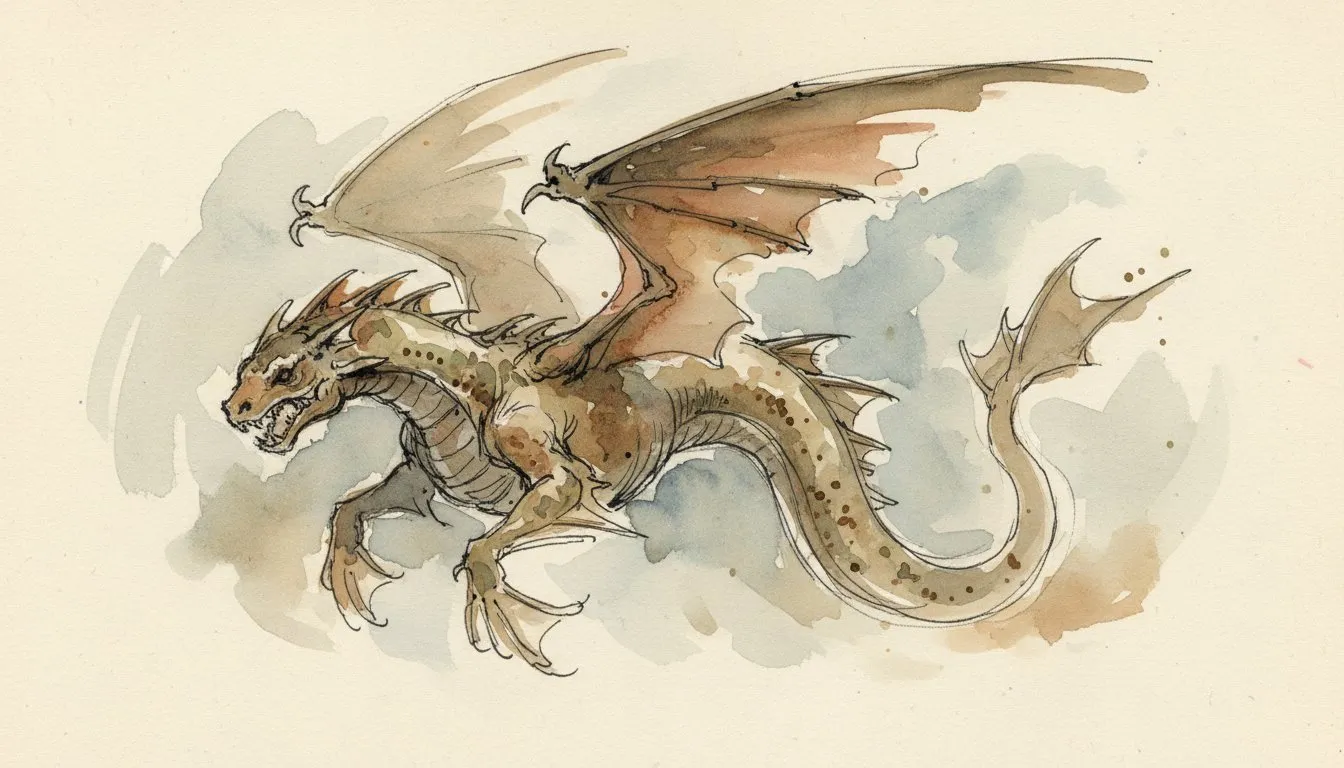
In the cold, island-studded waters of Storsjön, the Great Lake of Jämtland in central Sweden, something is said to move beneath the surface that has preoccupied the region for nearly four centuries. The Storsjoodjuret, literally the Great Lake Monster, is Scandinavia's most seriously pursued lake cryptid, described across generations as a serpentine creature twenty to thirty feet long with a horse-like head, a mane-like ridge, and a line of humps that break the water in rhythmic succession. Sightings cluster near the islands of Frösön and Norderön and around the approaches to Östersund, the provincial capital.
The earliest written account dates to 1635, when the parish priest Mogens Pedersen recorded a local tradition of a creature the size of a small ship inhabiting the lake and already woven into folk memory. By the late nineteenth century Storsjoodjuret had become a genuine local concern, with sufficient reports to motivate a remarkable 1894 expedition. A consortium of Swedish entrepreneurs, led by King Oscar II, funded a full-scale hunt and commissioned a massive baited iron trap from Norwegian whaler Captain A.G. Nauckhoff. The trap was anchored in the lake for several seasons without success and is now preserved as a museum piece on the Östersund waterfront, an extraordinary physical monument to the hunt.
Sightings continued through the twentieth century with enough volume and respectability that in 1986 the regional government formally protected Storsjoodjuret as an endangered species, making it technically illegal to kill, capture, or injure the creature. The protection was quietly repealed in 2005, not out of disbelief but because the administrative category had become legally untenable. Sonar contacts recorded by Swedish investigators, including a well-documented 2008 sweep by the research team Global Underwater Search Team, have produced anomalous readings at depths where no known fish in the lake should be so large.
What distinguishes Storsjoodjuret from other lake cryptids is its tight integration into regional Swedish identity. The creature appears on the Jämtland coat of arms, in the Jamtli open-air museum, and in the branding of local businesses and the Östersund hockey club. Whether the creature is a surviving cold-water relict, a population of large eels or sturgeon distorted by distance, or a centuries-old collective imagination, the lake itself is genuinely deep, genuinely cold, and genuinely big enough to keep the question open.
Media Appearances
- Expedition Unknown (TV mention)
Further Reading
No book is devoted to this creature. These are the general references that cover the field, plus a direct search if you want to dig further.
- Cryptozoology A to Z by Loren Coleman and Jerome Clark (1999)
The standard one-volume encyclopedia, roughly two hundred entries covering creatures, investigators, and hoaxes.
- Mysterious Creatures: A Guide to Cryptozoology by George M. Eberhart (2002)
The larger reference guide, stronger on sourcing and on creatures that never reached the popular books.
Search Amazon for Storsjoodjuret books
As an Amazon Associate, Cryptid Vault earns from qualifying purchases. Links open Amazon in a new tab.
Get the Field Notes.
Field notes from the Vault, when there is something worth sending. No spam.
No spam. Unsubscribe anytime.
You might also like
Lagarfljot Worm
Iceland's answer to the Loch Ness Monster lives in a glacial river-lake and may have been sighted on camera in 2012.
Selma
Norway's lake monster has been sighted over 500 times in a small mountain lake, making it one of the most reported freshwater cryptids in Europe.
Morag
Scotland's other lake monster lurks in the deepest freshwater loch in the British Isles, far from the tourist cameras of Loch Ness.
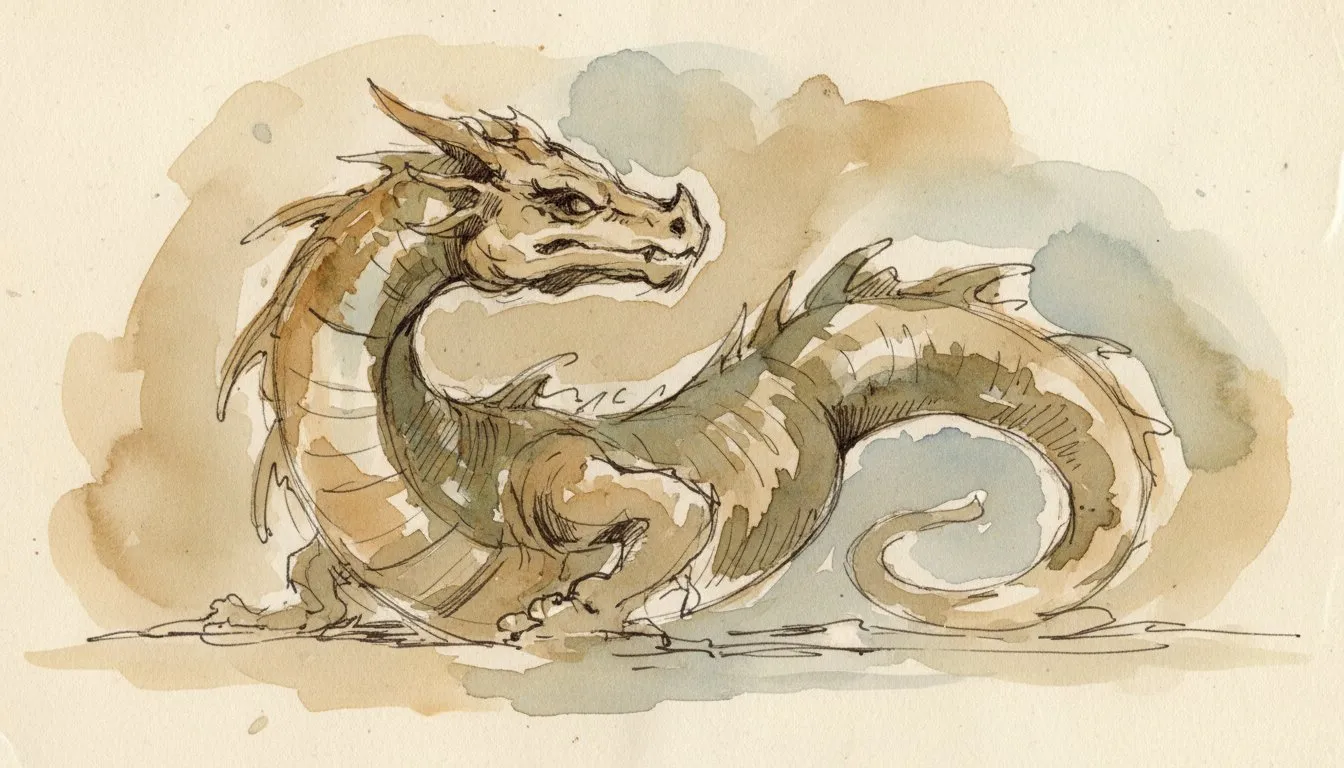
Brosno Dragon
Russia's lake monster reportedly swallowed a Mongol war party's horses whole and has been spotted by modern fishermen with sonar equipment.
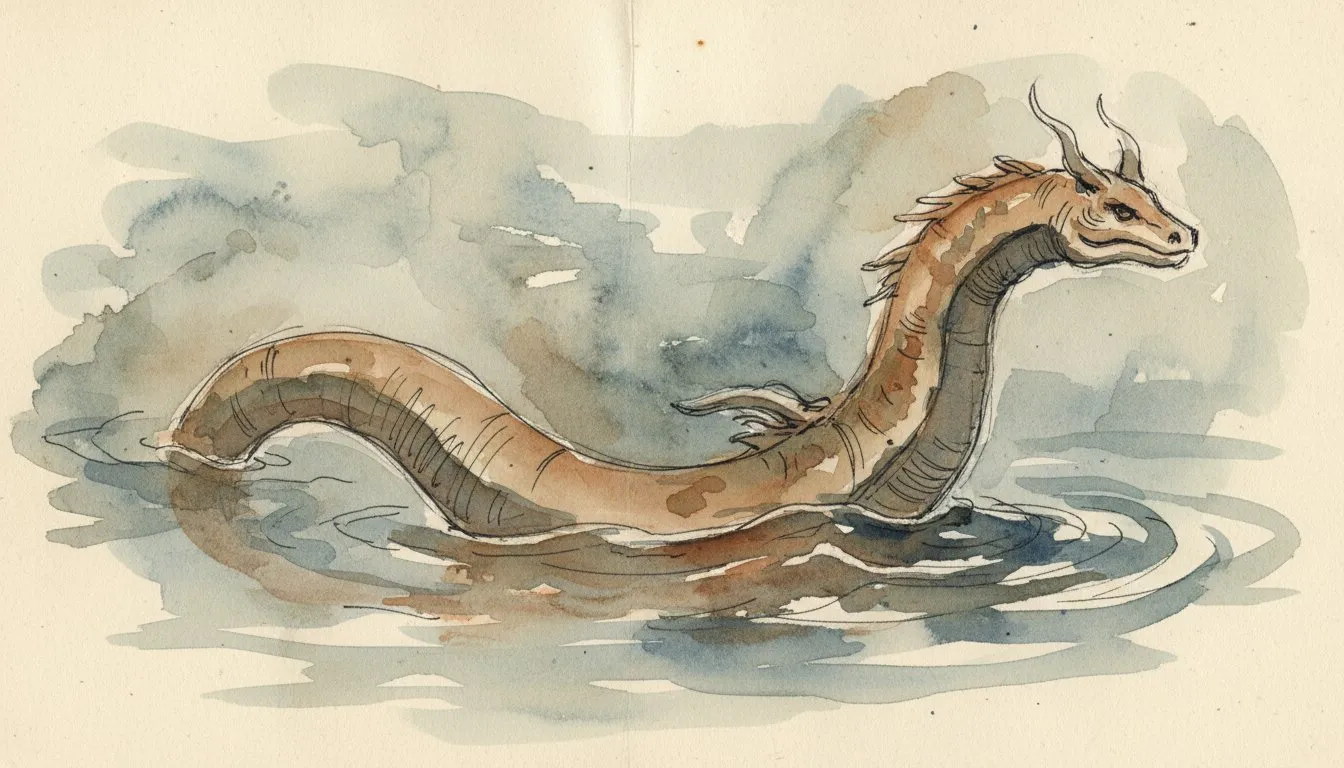
Memphre
A lake monster lurks in the cross-border waters of Lake Memphremagog, spotted from both the Quebec and Vermont shores.
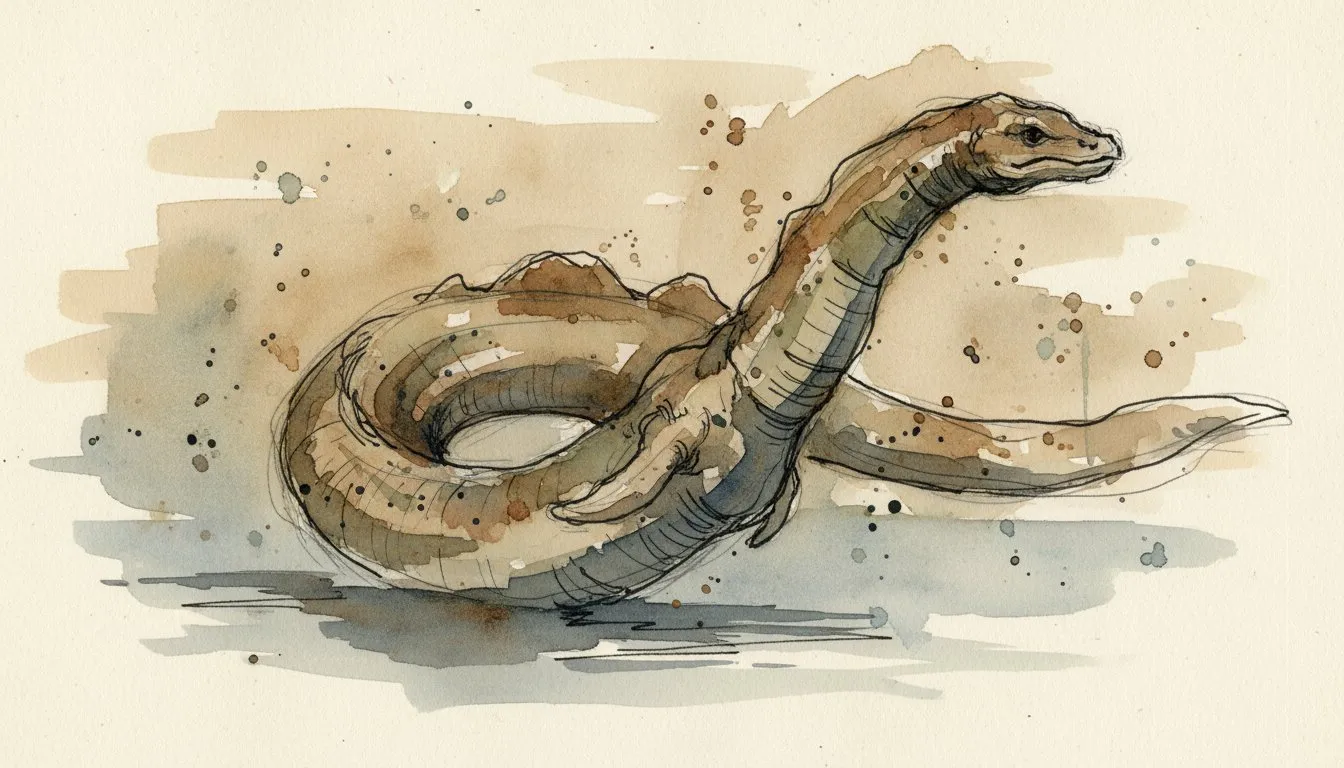
Manipogo
Lake Manitoba's serpentine lake monster has been reported by Indigenous communities for centuries and photographed at least twice.
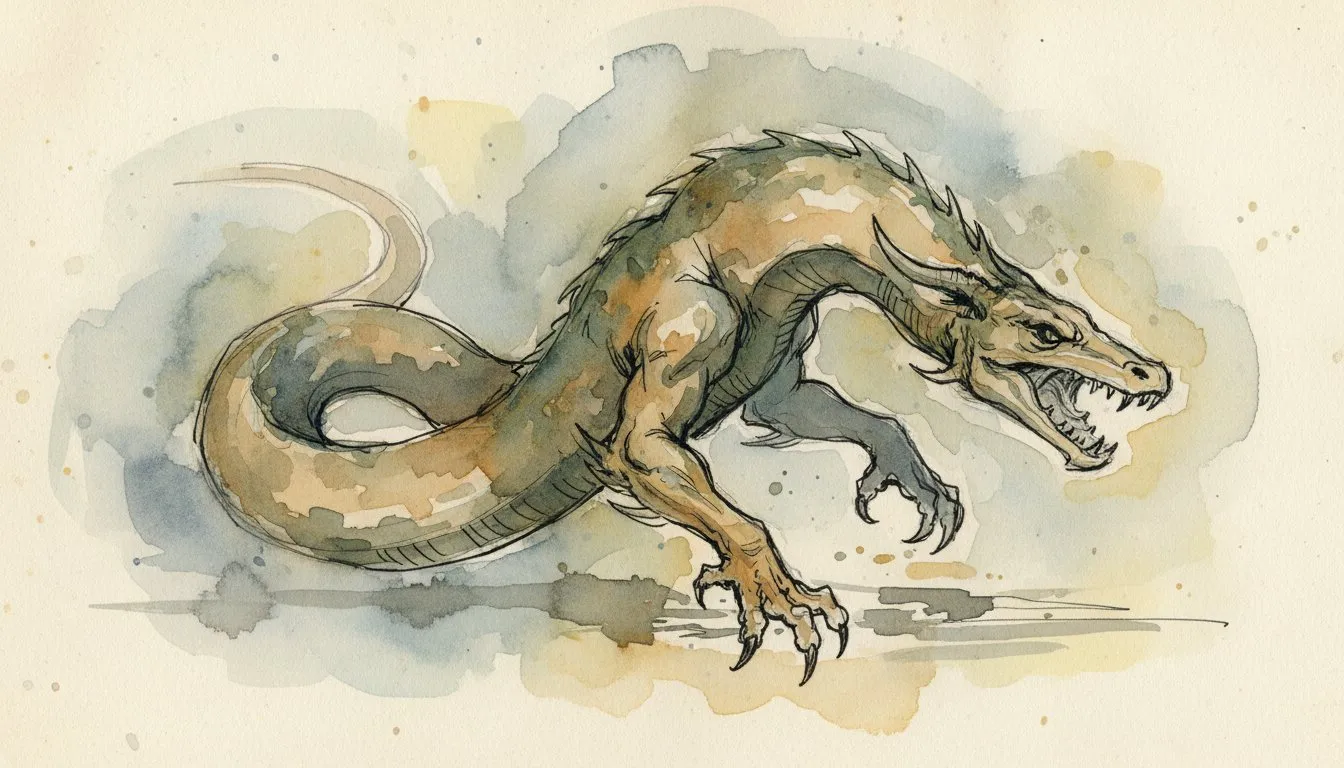
Lindworm
A legless or two-legged dragon slithers through Scandinavian and Germanic legends as a creature of both terror and strange wisdom.
Morgawr
A humped sea serpent has been spotted off the coast of Cornwall since the 1900s, sometimes close enough to shore that beachgoers scatter.