
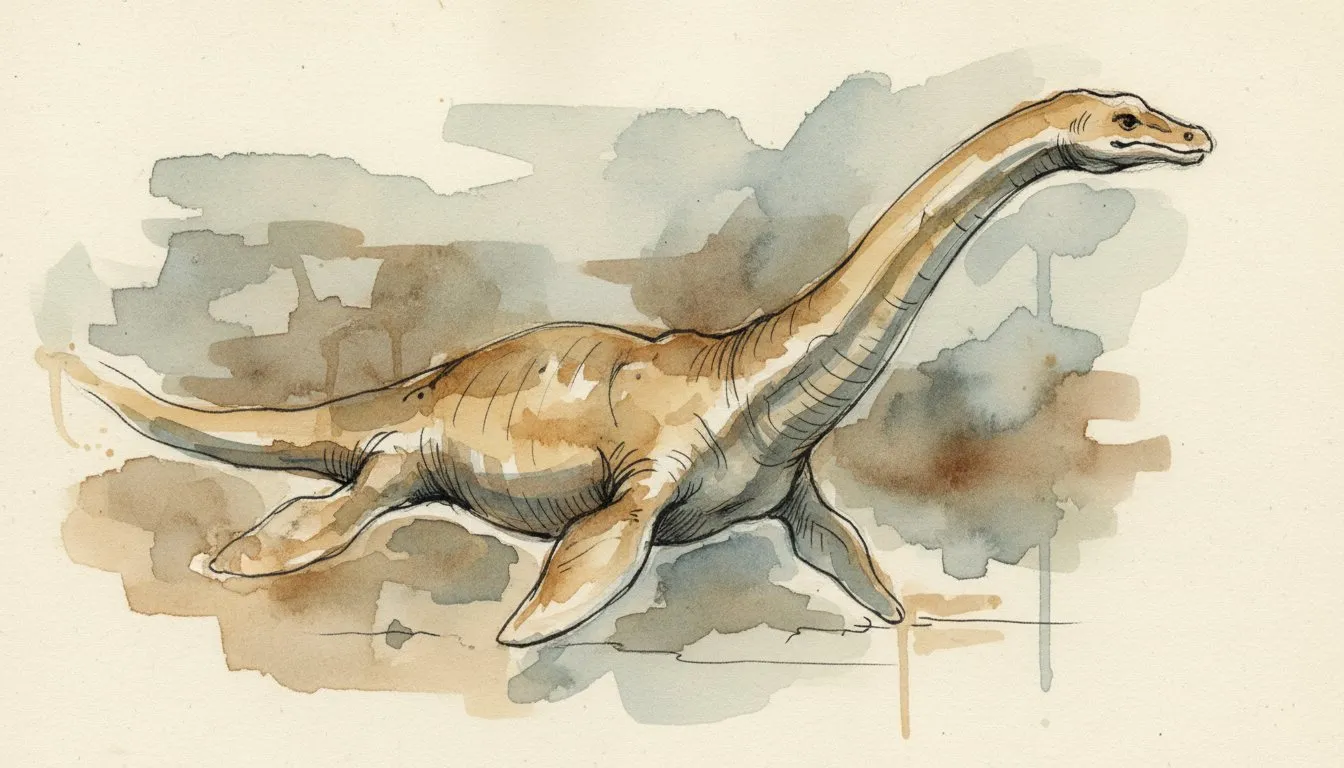
Morag
Also known as: Mhorag, Monster of Loch Morar
Scotland's other lake monster lurks in the deepest freshwater loch in the British Isles, far from the tourist cameras of Loch Ness.
1887
Loch Morar, Scottish Highlands
25-30 feet long
Shy, rarely surfaces
Occasional sightings continue
The Lore
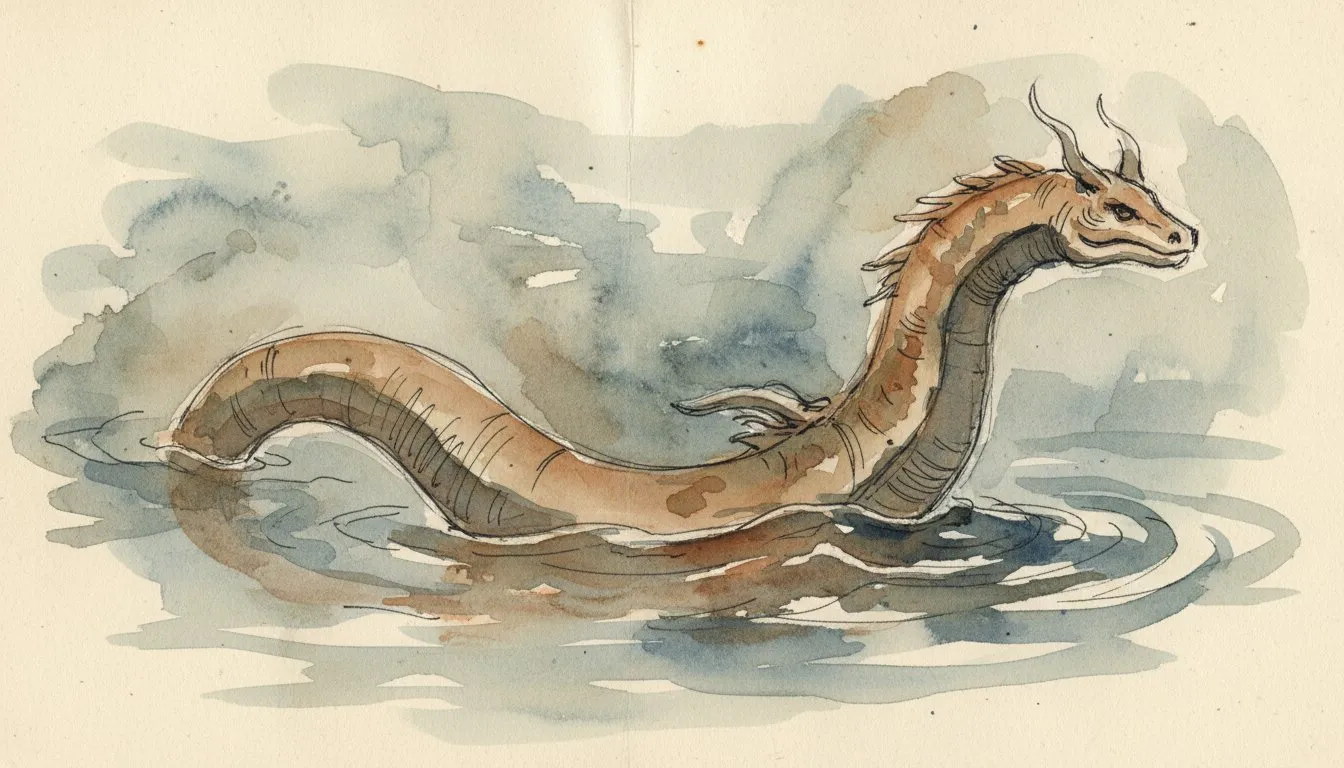
Loch Morar in the Scottish Highlands is over 1,000 feet deep and strikingly remote. Since at least the 1880s, locals have reported a large creature in its waters, often described as having a serpentine body with dark rough skin. In 1969, two men claimed their motorboat was struck by a creature they estimated at 25-30 feet long. Unlike its famous cousin at Loch Ness, Morag draws little outside attention.
Loch Morar lies in a remote corner of the western Scottish Highlands, a slim freshwater loch sixteen kilometers long and, at one thousand and seventeen feet, the deepest body of freshwater in the British Isles. Its shores are sparsely populated, its approaches difficult, and its waters famously clear and cold. It is also home, according to several centuries of local testimony, to a large unknown animal the Gaelic-speaking inhabitants call Morag, the less famous but in some ways more interesting cousin of the Loch Ness Monster to the northeast.
Local tradition stretches back to at least the 1880s, with Highland folklore suggesting Morag was taken seriously as a family portent among the clans MacDonnell and Gillies, whose members reportedly saw the creature in advance of deaths in the family. The Morag Investigation Bureau, founded in 1970 by naturalist Elizabeth Montgomery Campbell, compiled thirty-four formal sighting reports between 1887 and 1981, most describing an animal twenty to thirty feet long with a long neck, a small head, and a dark skin, moving with vertical undulations through the loch's deep central basin.
The most dramatic encounter came on August 16, 1969, when two local men, Duncan McDonnell and William Simpson, were motoring across the loch in the evening. Both men reported their boat was struck from below by a large creature that then attempted to climb partially onto the stern. Simpson fired a rifle at it, and McDonnell struck it with an oar, after which the animal sank back into the water. Their testimony, taken independently, was remarkably consistent, and both men stood by their accounts for decades afterward under intense scrutiny from journalists and cryptozoologists.
Morag has received far less popular attention than Nessie, in part because of Loch Morar's isolation and in part because the creature has not been commercialized to the same degree. Serious investigators, including the LNIB's Tim Dinsdale and Adrian Shine, have argued this relative neglect makes the Morar reports more, rather than less, interesting, as they represent a largely uncontaminated set of eyewitness accounts. The loch's extraordinary depth and its connection to the sea through only a short shallow river have fueled speculation about trapped marine relict populations. Whatever swims in Loch Morar's dark water, the absence of tourist infrastructure has left the question almost as open as it was a century ago.
Notable Witnesses
- Duncan McDonnell
- William Simpson
Further Reading
Loch Morar's monster got exactly one dedicated book, written while the sightings were fresh; the Loch Ness literature asks the same questions on a bigger stage.
- The Search for Morag by Elizabeth Montgomery Campbell with David Solomon (1972)
Campbell and Solomon assess more than thirty Morar eyewitness accounts against the Loch Ness background. Long out of print, which is its own comment on how the story cooled.
- The Loch Ness Mystery Solved by Ronald Binns (1983)
Binns's skeptical anatomy of the Ness evidence applies nearly point for point to the other Highland lochs.
- The Loch Ness Monster and Others by Rupert T. Gould (1934)
Gould's 1934 survey is where the modern lake-monster investigation begins; every later Highland case, Morar's included, gets read through it.
Search Amazon for Loch Morar Morag monster books
As an Amazon Associate, Cryptid Vault earns from qualifying purchases. Links open Amazon in a new tab.
Get the Field Notes.
Field notes from the Vault, when there is something worth sending. No spam.
No spam. Unsubscribe anytime.
You might also like
Morgawr
A humped sea serpent has been spotted off the coast of Cornwall since the 1900s, sometimes close enough to shore that beachgoers scatter.
Lagarfljot Worm
Iceland's answer to the Loch Ness Monster lives in a glacial river-lake and may have been sighted on camera in 2012.
Storsjoodjuret
Sweden's most famous lake monster has been reported for centuries and was officially designated a protected species in 1986.
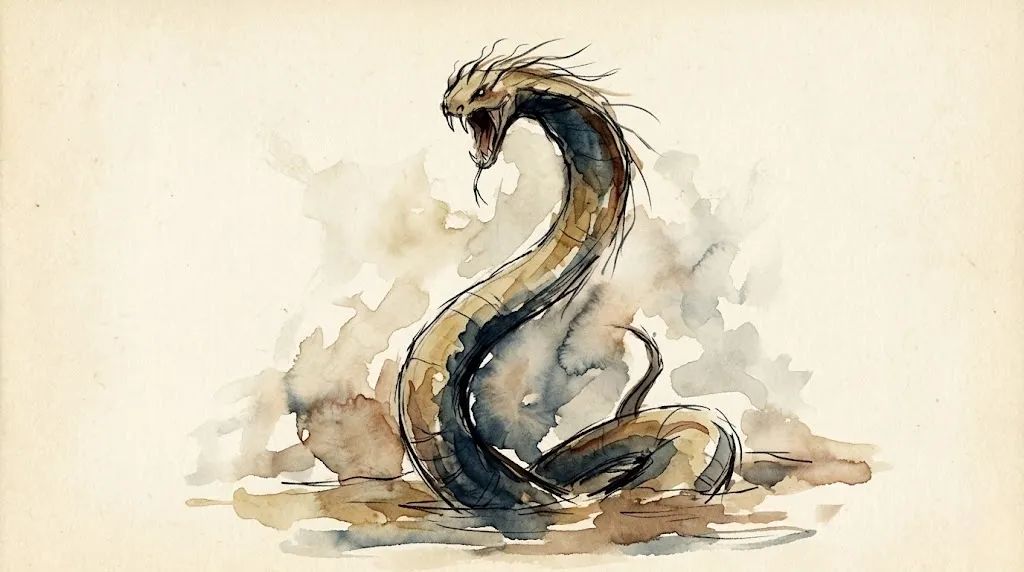
Selma
Norway's lake monster has been sighted over 500 times in a small mountain lake, making it one of the most reported freshwater cryptids in Europe.
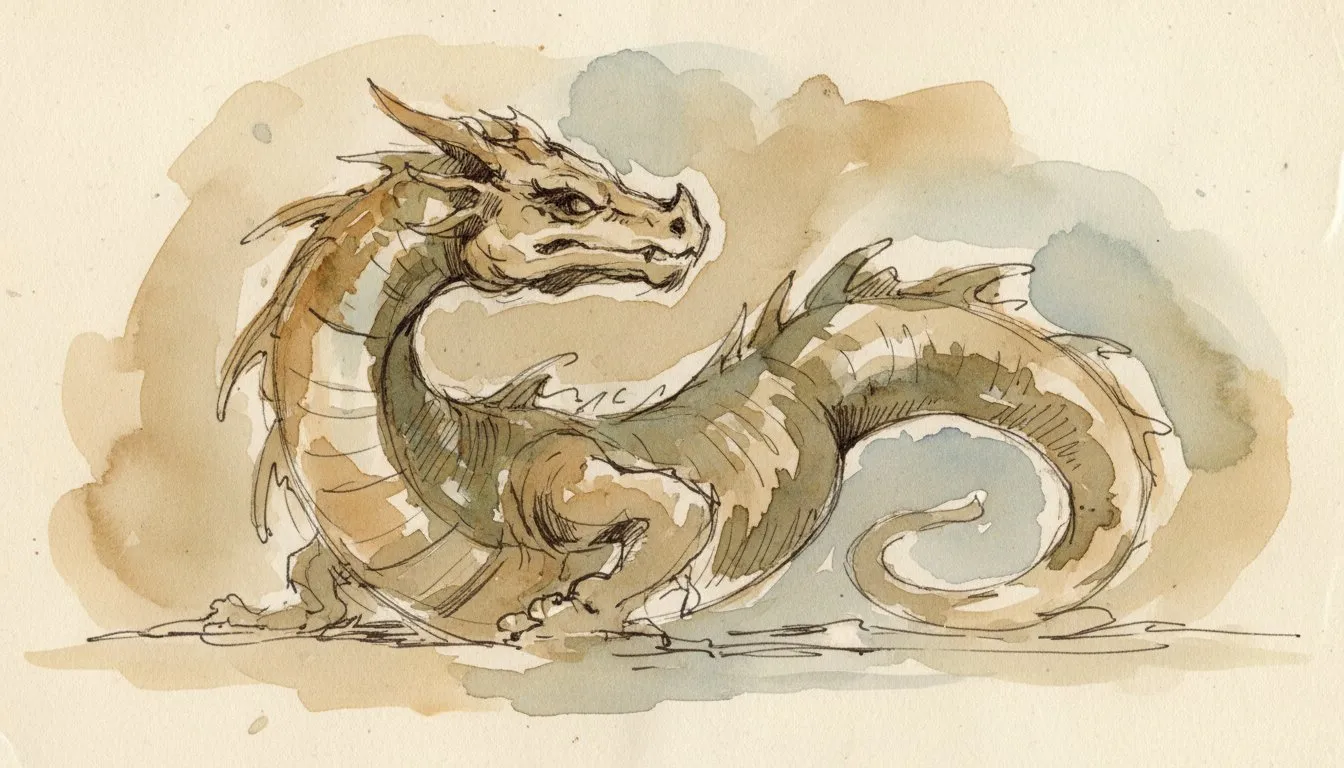
Brosno Dragon
Russia's lake monster reportedly swallowed a Mongol war party's horses whole and has been spotted by modern fishermen with sonar equipment.
Pressie
The largest Great Lake may harbor the largest Great Lake monster, a creature linked to Ojibwe legends of the underwater panther.
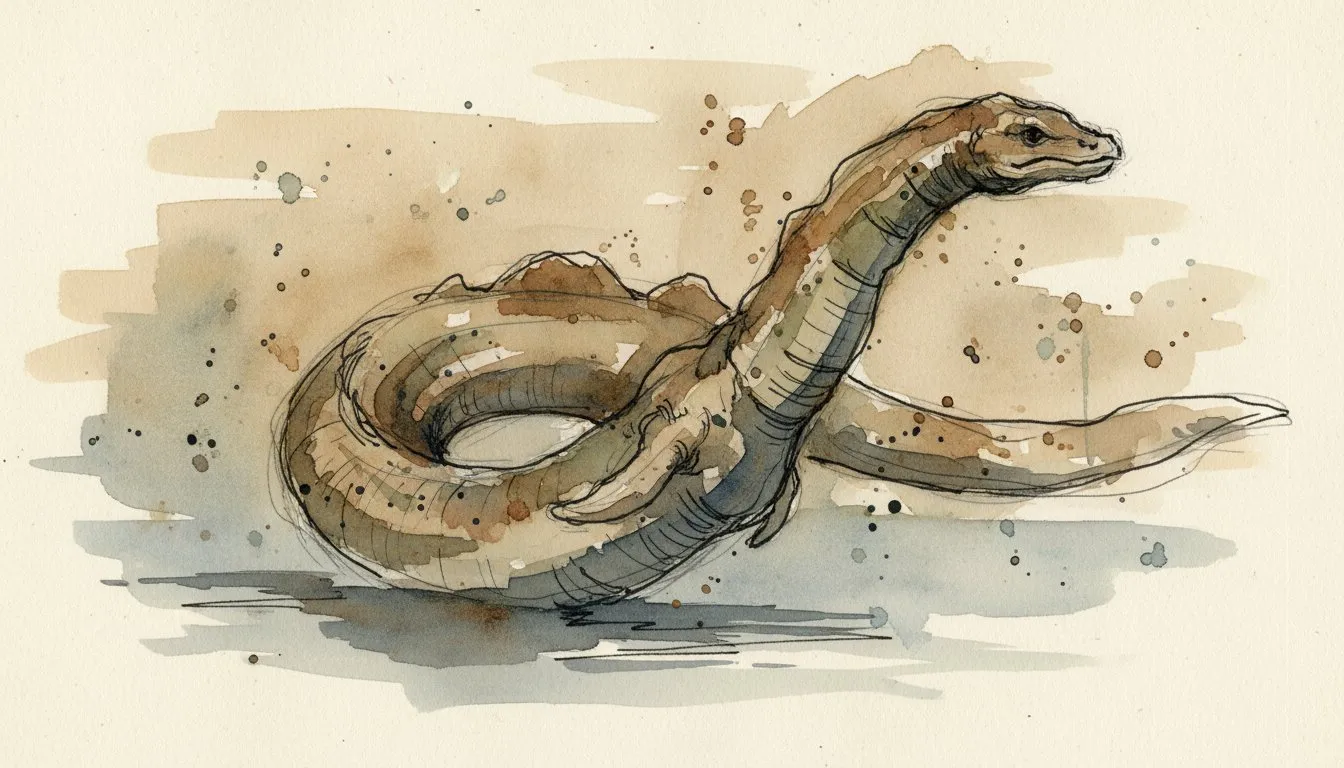
Manipogo
Lake Manitoba's serpentine lake monster has been reported by Indigenous communities for centuries and photographed at least twice.
Memphre
A lake monster lurks in the cross-border waters of Lake Memphremagog, spotted from both the Quebec and Vermont shores.