
Memphre
Also known as: Lake Memphremagog Monster
A lake monster lurks in the cross-border waters of Lake Memphremagog, spotted from both the Quebec and Vermont shores.
Abenaki oral tradition, written accounts from 1816
Lake Memphremagog, Quebec-Vermont border
20-60 feet long
Passive, surfaces at dawn and dusk
Over 200 documented sightings
The Lore
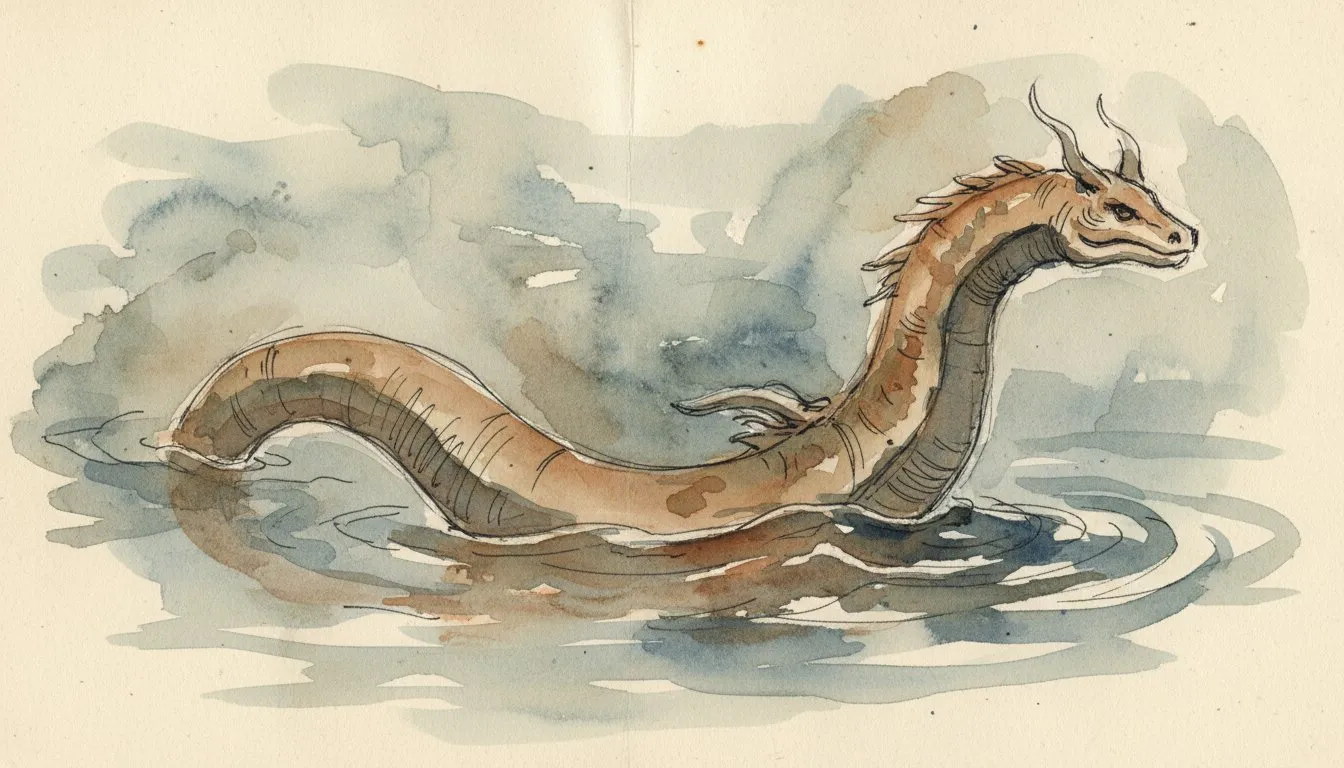
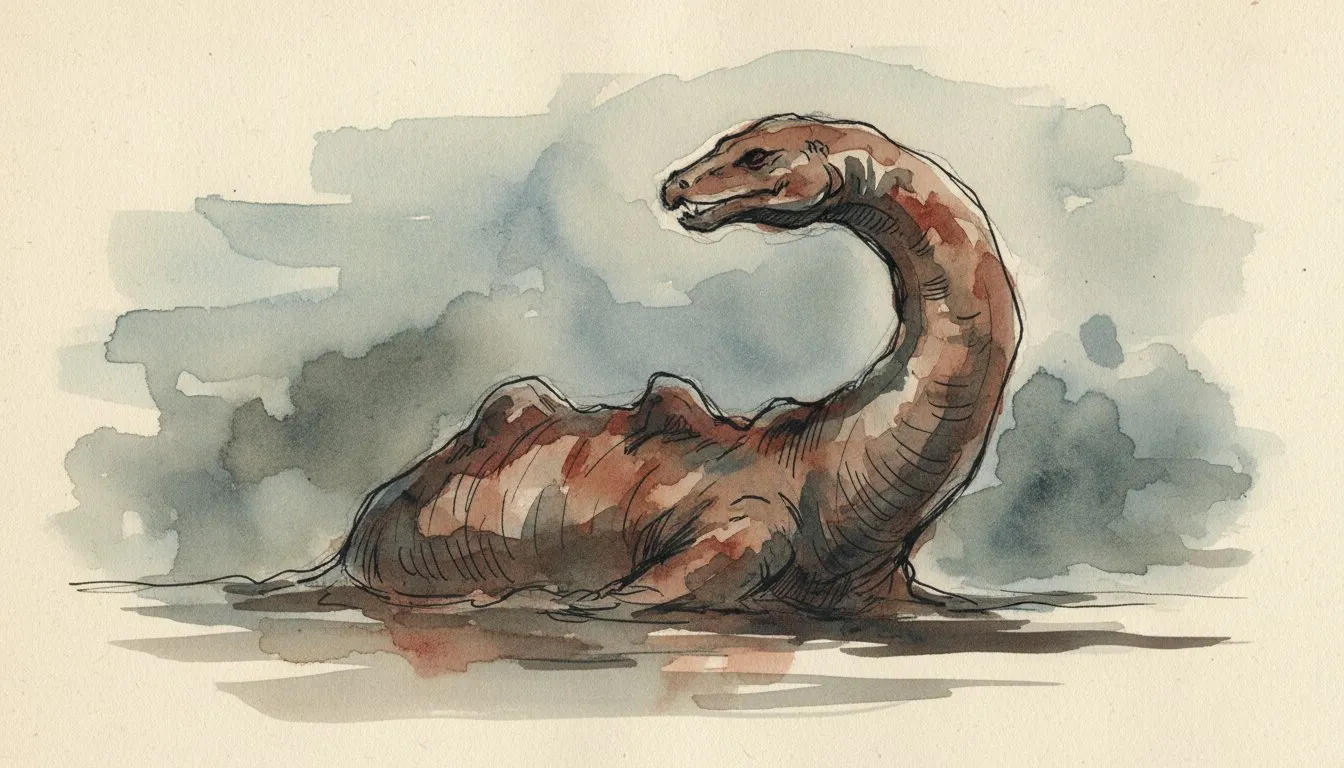
Memphre is a large aquatic creature reported in Lake Memphremagog, which straddles the Quebec-Vermont border. Indigenous Abenaki legends describe a creature in the lake long before European settlement. Modern sightings accelerated in the 20th century, with witnesses describing a dark, serpentine body 20-60 feet long with a horse-like head. The lake is deep, reaching 350 feet in places, and over 30 miles long. Jacques Boisvert documented over 200 sightings before his death in 2006, and the International Dracontology Society of Lake Memphremagog continues to catalog reports.
Lake Memphremagog stretches 27 miles across the border between Vermont and Quebec, making it one of the few lake monster habitats that spans two nations. The creature known as Memphre - derived from the Abenaki name for the lake, believed to mean "large expanse of water" - has roots in the oral traditions of the Abenaki and Iroquois peoples who inhabited the region long before European contact and has accumulated a documented sighting history stretching back to the early 19th century.
The earliest written accounts from European settlers describe an unusual creature in the lake as early as 1816. Throughout the 19th century, the Newport, Vermont and Magog, Quebec press periodically reported sightings of a large animal in the lake, with witnesses describing a dark, serpentine form moving at speed across the surface. The reports were consistent enough that by the late 1800s, Memphre was well-established as a regional phenomenon on both shores.
The modern chapter of the Memphre story is largely defined by Jacques Boisvert, a Quebec diver who conducted extensive research into the lake's sighting history beginning in the 1980s. Boisvert founded the International Society of Dracontology in 1986 - the term being his own coinage for the study of lake monsters - and compiled more than 200 reported sightings from both the American and Canadian shores. He reported his own visual encounter with the creature during a 1986 dive, describing a dark, elongated shape at depth that moved away from him rapidly. Boisvert's advocacy brought Memphre consistent media coverage in both countries and helped establish the creature as a significant entry in North American cryptozoology.
Lake Memphremagog supports healthy populations of lake trout and landlocked Atlantic salmon, and very large fish seen breaking the surface at an unexpected angle could produce the elongated, humped silhouette described in many Memphre sightings. The lake's considerable depth - reaching over 300 feet in places - and its cold, clear water make thorough surveying difficult. Both Newport, Vermont and Magog, Quebec have embraced Memphre as part of their shared cultural identity, and the creature's binational character has made it a small symbol of the bonds between the Francophone Eastern Townships and the Yankee communities of the Northeast Kingdom - a lake monster that belongs equally to both shores. This diplomatic quality - a supernatural being with no nationality, claimed by French- and English-speaking communities who otherwise maintain careful distinctions - has given Memphre an unusual warmth in the typically contentious landscape of Canadian bicultural relations.
Notable Witnesses
- Jacques Boisvert (researcher, 200+ documented sightings)
Further Reading
No book is devoted to this creature. These are the general references that cover the field, plus a direct search if you want to dig further.
- Cryptozoology A to Z by Loren Coleman and Jerome Clark (1999)
The standard one-volume encyclopedia, roughly two hundred entries covering creatures, investigators, and hoaxes.
- Mysterious Creatures: A Guide to Cryptozoology by George M. Eberhart (2002)
The larger reference guide, stronger on sourcing and on creatures that never reached the popular books.
Search Amazon for Memphre books
As an Amazon Associate, Cryptid Vault earns from qualifying purchases. Links open Amazon in a new tab.
Get the Field Notes.
Field notes from the Vault, when there is something worth sending. No spam.
No spam. Unsubscribe anytime.
You might also like
Manipogo
Lake Manitoba's serpentine lake monster has been reported by Indigenous communities for centuries and photographed at least twice.
Pressie
The largest Great Lake may harbor the largest Great Lake monster, a creature linked to Ojibwe legends of the underwater panther.
Morag
Scotland's other lake monster lurks in the deepest freshwater loch in the British Isles, far from the tourist cameras of Loch Ness.
Brosno Dragon
Russia's lake monster reportedly swallowed a Mongol war party's horses whole and has been spotted by modern fishermen with sonar equipment.
Selma
Norway's lake monster has been sighted over 500 times in a small mountain lake, making it one of the most reported freshwater cryptids in Europe.
Storsjoodjuret
Sweden's most famous lake monster has been reported for centuries and was officially designated a protected species in 1986.
Ogopogo
Canada's answer to Nessie, coiling through the depths of Okanagan Lake.
Bear Lake Monster
A serpentine terror of Bear Lake, first reported by Mormon settlers and Shoshone alike.