
Brosno Dragon
Also known as: Brosnya, Lake Brosno Monster
Russia's lake monster reportedly swallowed a Mongol war party's horses whole and has been spotted by modern fishermen with sonar equipment.
13th century
Lake Brosno, Tver Oblast, Russia
15-30 feet long (modern estimates)
Aggressive in folklore, elusive in modern accounts
Occasional sightings and sonar anomalies
The Lore
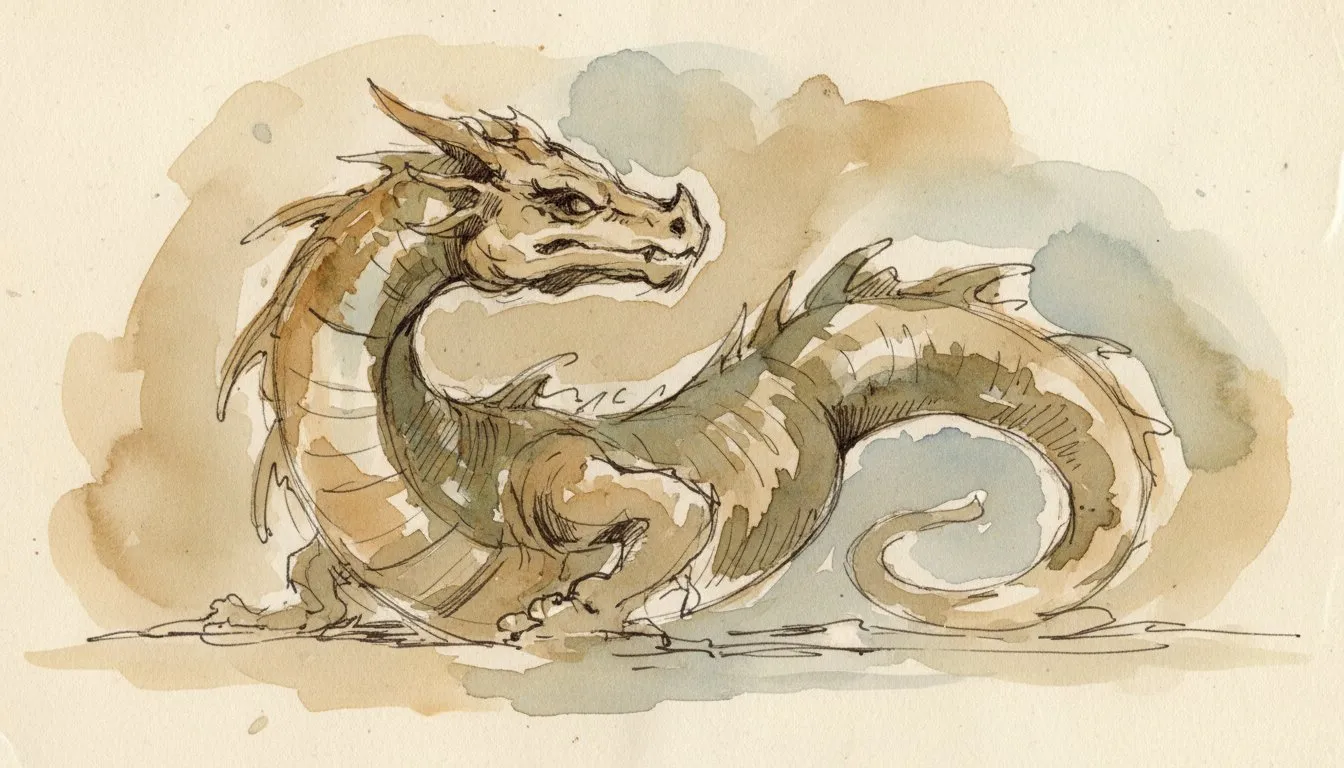
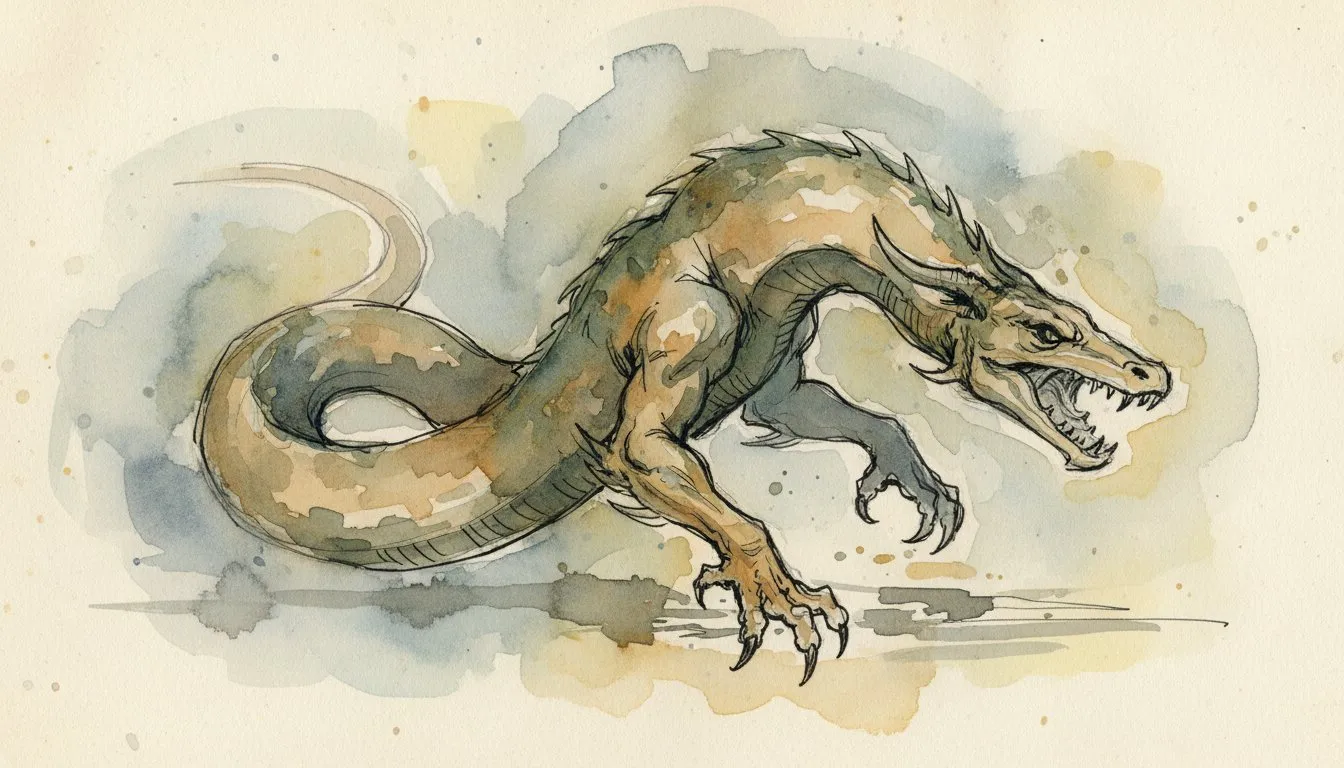
Lake Brosno in Russia's Tver Oblast is home to reports of a large aquatic creature stretching back centuries. According to legend, the creature swallowed horses belonging to a Mongol army attempting to cross the lake. In the 13th century, a chronicler described a 'dragon' rising from the water to devour livestock. Modern reports describe a serpentine creature 15-30 feet long. A 2002 expedition detected a large mass near the lake bottom using echolocation equipment, though no visual confirmation followed.
Lake Brosno in the Tver Oblast of western Russia has accumulated more than a millennium of dragon lore, making it one of the oldest documented lake monster traditions in Europe. The earliest written accounts of a creature in Brosno date to the 13th century, with a chronicle recording that Tatar warriors watering their horses before a planned march on Novgorod were attacked and driven off by a massive beast that rose from the water. The incident reportedly caused the army to abandon its campaign, though historians regard this account with appropriate skepticism given the political conditions of the period.
Subsequent centuries added layers to the legend. In the 17th century, local accounts described a dragon-like being in the lake capable of swallowing entire boats. During World War II, stories circulated that a German aircraft had been pulled from the sky and into the lake by the creature - a tale almost certainly apocryphal, but one that demonstrates how the Brosno legend absorbed and incorporated contemporary events into its framework.
Modern sightings of the Brosno Dragon, sometimes called Brosnya, have been reported by fishermen and tourists since the late Soviet period. Witnesses describe a large, dark, humped shape rising above the surface and submerging quickly, leaving a significant wake. Some accounts include a serpentine neck and a head described as roughly dog-shaped. A Russian expedition in 2002 took sonar readings and claimed to detect a large moving object at depth, though the findings were not published in a peer-reviewed journal.
Lake Brosno is geologically interesting in its own right. The lake sits over a volcanic fault, and researchers have documented periodic releases of hydrogen sulfide gas from the lake bottom. These releases can cause the water to bubble and churn dramatically, and under the right conditions, gas bubbles rising through sediment can produce sounds described as growling or roaring. A large bubble of gas breaking the surface could produce a temporary shape that observers might interpret as an animal surfacing. Brosno's relatively modest size - approximately two miles long, with a central depression reaching roughly 60 feet - makes it an unlikely permanent habitat for a large predator on biological grounds. Whether the dragon is a geological phenomenon, a misidentified fish, or something stranger remains an open question for the communities along its banks.
Further Reading
No book is devoted to this creature. These are the general references that cover the field, plus a direct search if you want to dig further.
- Cryptozoology A to Z by Loren Coleman and Jerome Clark (1999)
The standard one-volume encyclopedia, roughly two hundred entries covering creatures, investigators, and hoaxes.
- Mysterious Creatures: A Guide to Cryptozoology by George M. Eberhart (2002)
The larger reference guide, stronger on sourcing and on creatures that never reached the popular books.
Search Amazon for Brosno Dragon books
As an Amazon Associate, Cryptid Vault earns from qualifying purchases. Links open Amazon in a new tab.
Get the Field Notes.
Field notes from the Vault, when there is something worth sending. No spam.
No spam. Unsubscribe anytime.
You might also like
Storsjoodjuret
Sweden's most famous lake monster has been reported for centuries and was officially designated a protected species in 1986.
Selma
Norway's lake monster has been sighted over 500 times in a small mountain lake, making it one of the most reported freshwater cryptids in Europe.
Lagarfljot Worm
Iceland's answer to the Loch Ness Monster lives in a glacial river-lake and may have been sighted on camera in 2012.
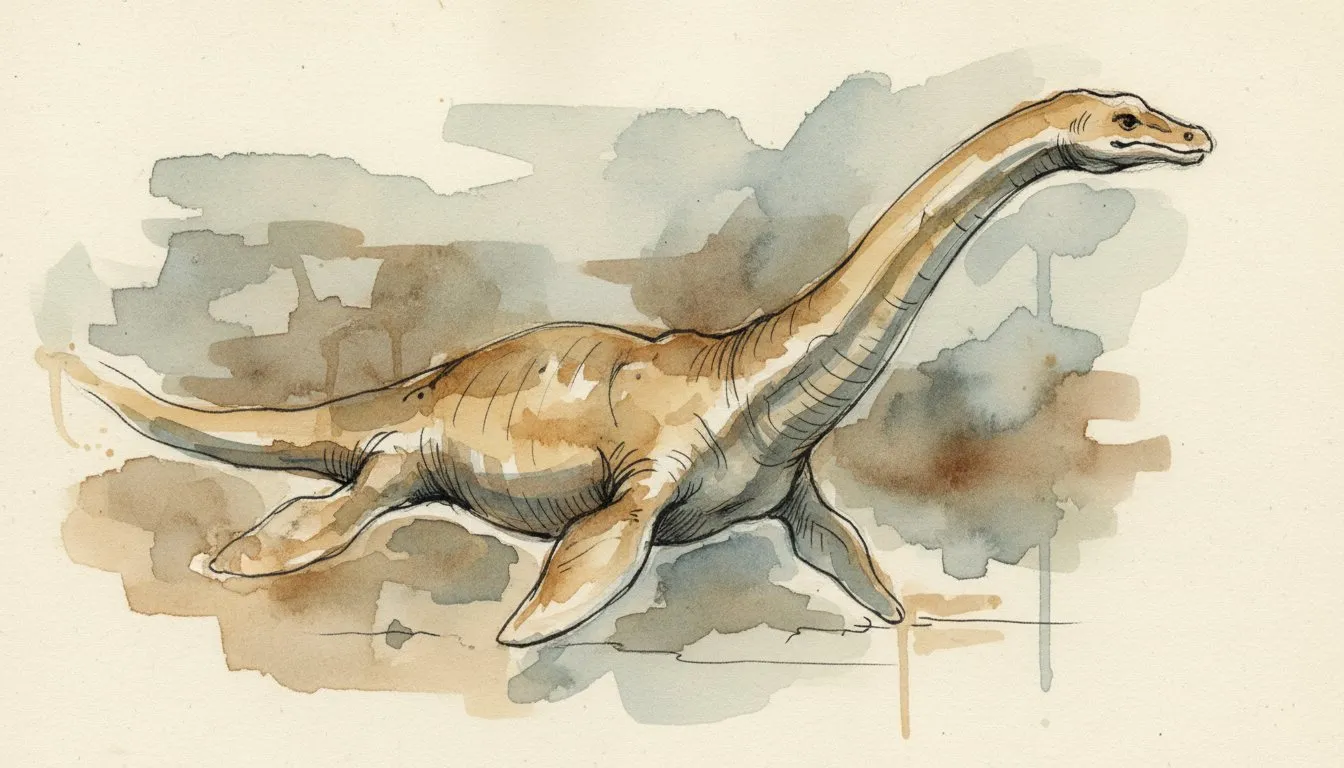
Morag
Scotland's other lake monster lurks in the deepest freshwater loch in the British Isles, far from the tourist cameras of Loch Ness.
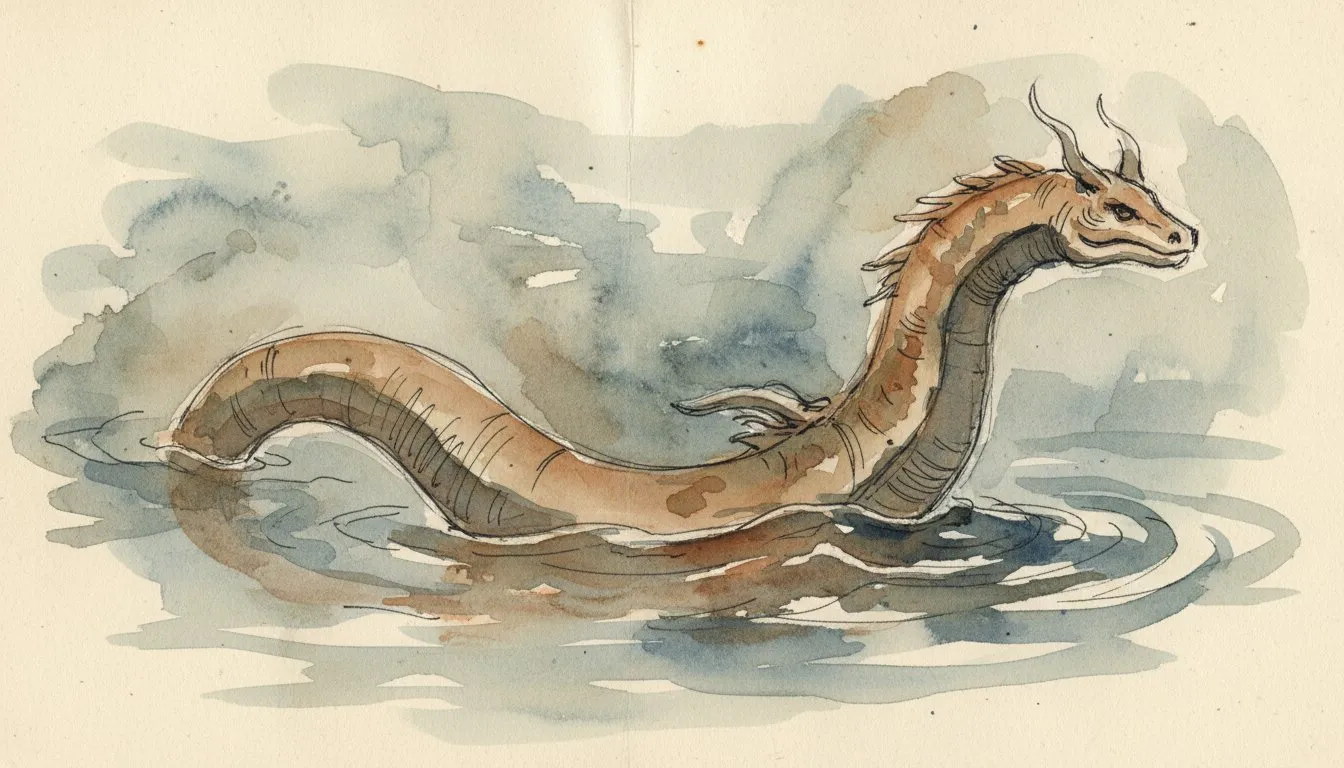
Memphre
A lake monster lurks in the cross-border waters of Lake Memphremagog, spotted from both the Quebec and Vermont shores.
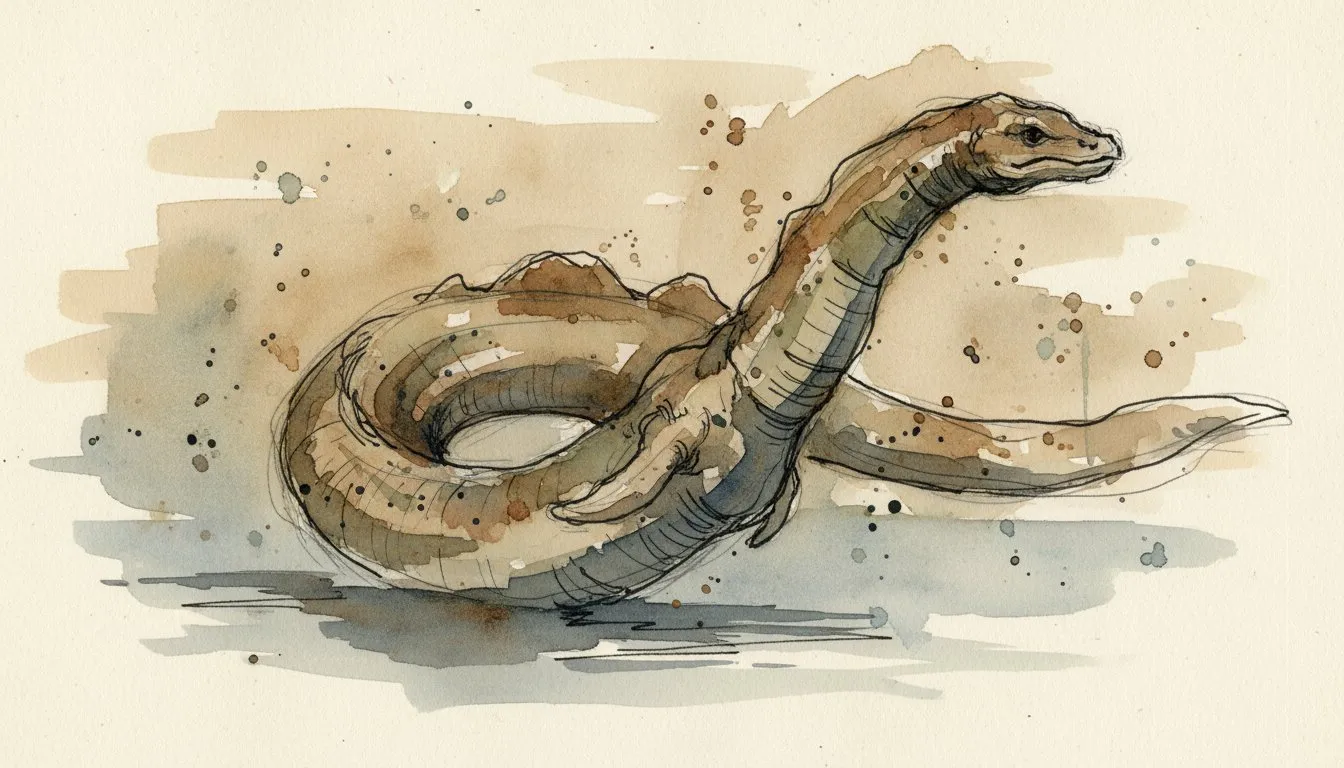
Manipogo
Lake Manitoba's serpentine lake monster has been reported by Indigenous communities for centuries and photographed at least twice.
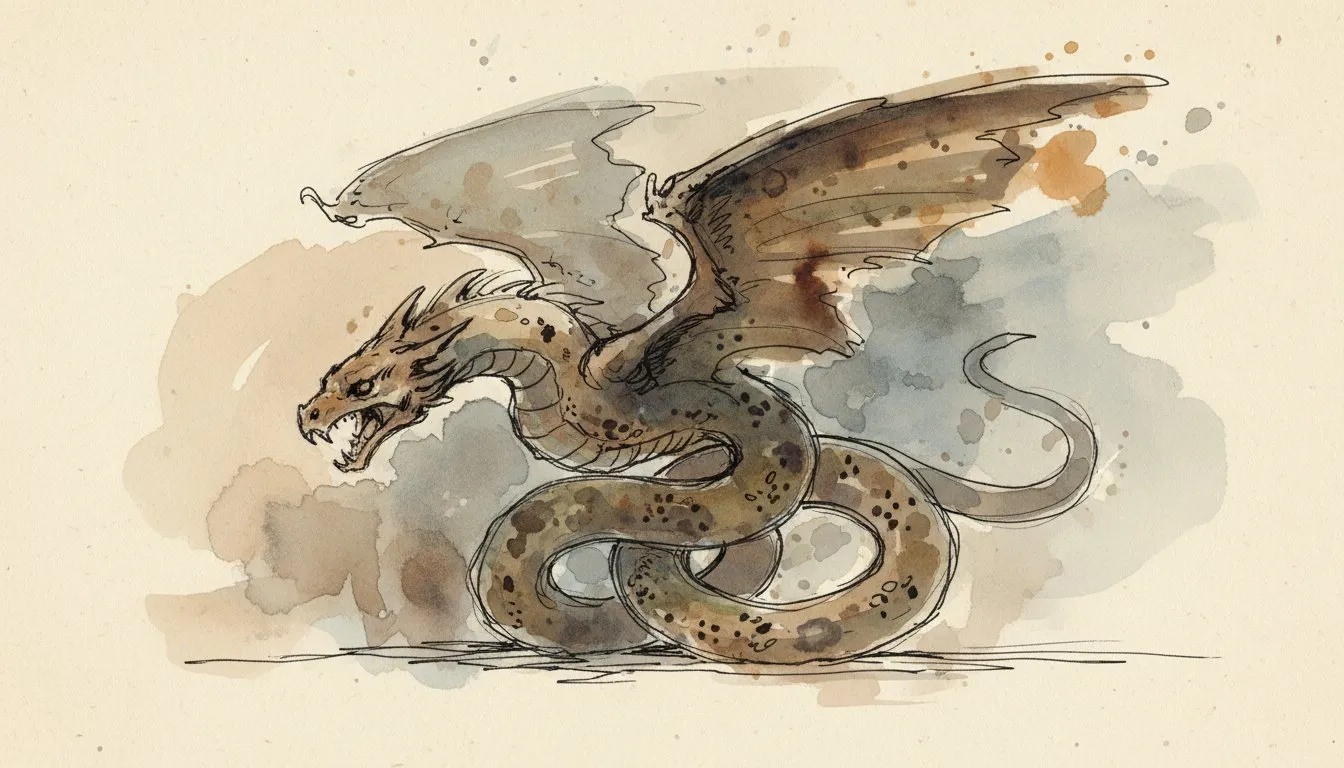
Ajatar
A Finnish forest spirit that spreads disease and madness to anyone who catches a glimpse of her moving through the trees.
Lindworm
A legless or two-legged dragon slithers through Scandinavian and Germanic legends as a creature of both terror and strange wisdom.