
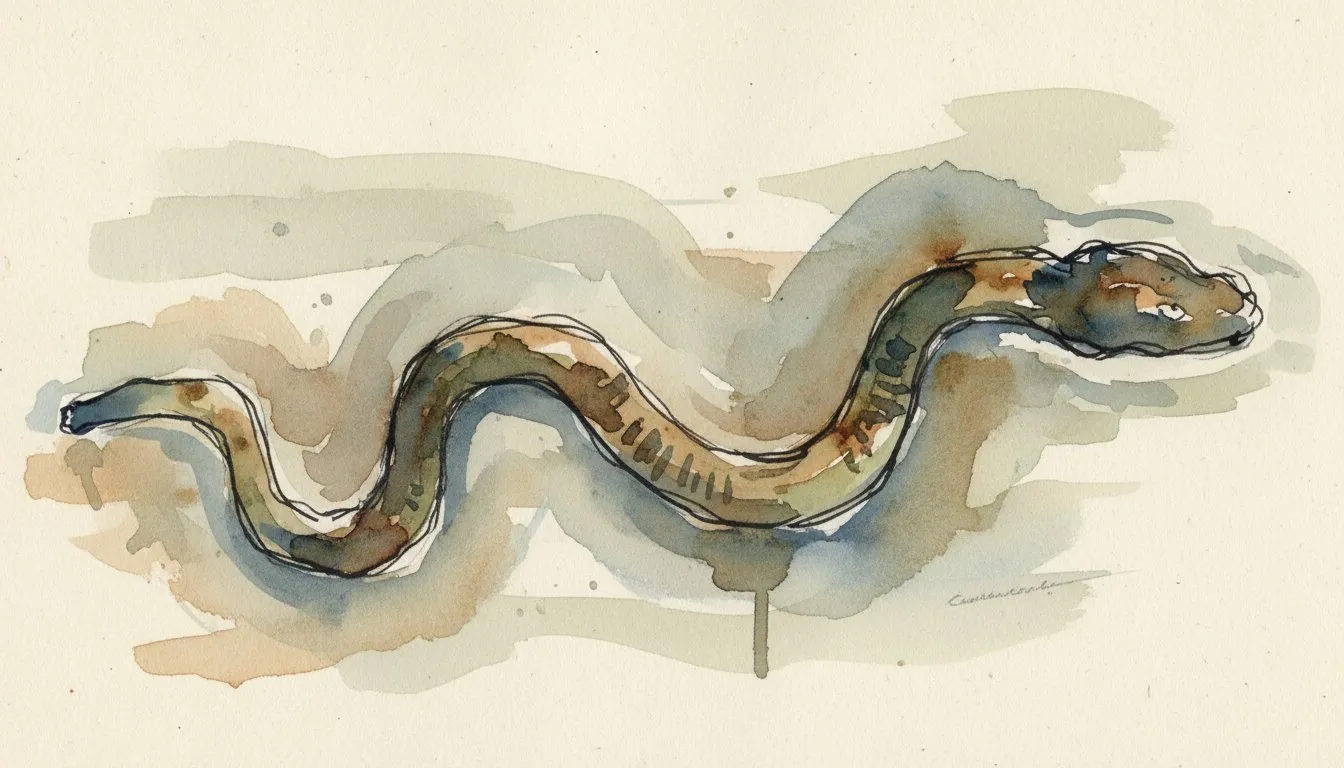
Lagarfljot Worm
Also known as: Lagarfljotsormurinn, Iceland Worm Monster
Iceland's answer to the Loch Ness Monster lives in a glacial river-lake and may have been sighted on camera in 2012.
1345
Lagarfljot Lake, eastern Iceland
Up to 300 feet (folklore), 30+ feet (modern reports)
Passive, surfacing creature
2012 video sparked renewed interest
The Lore
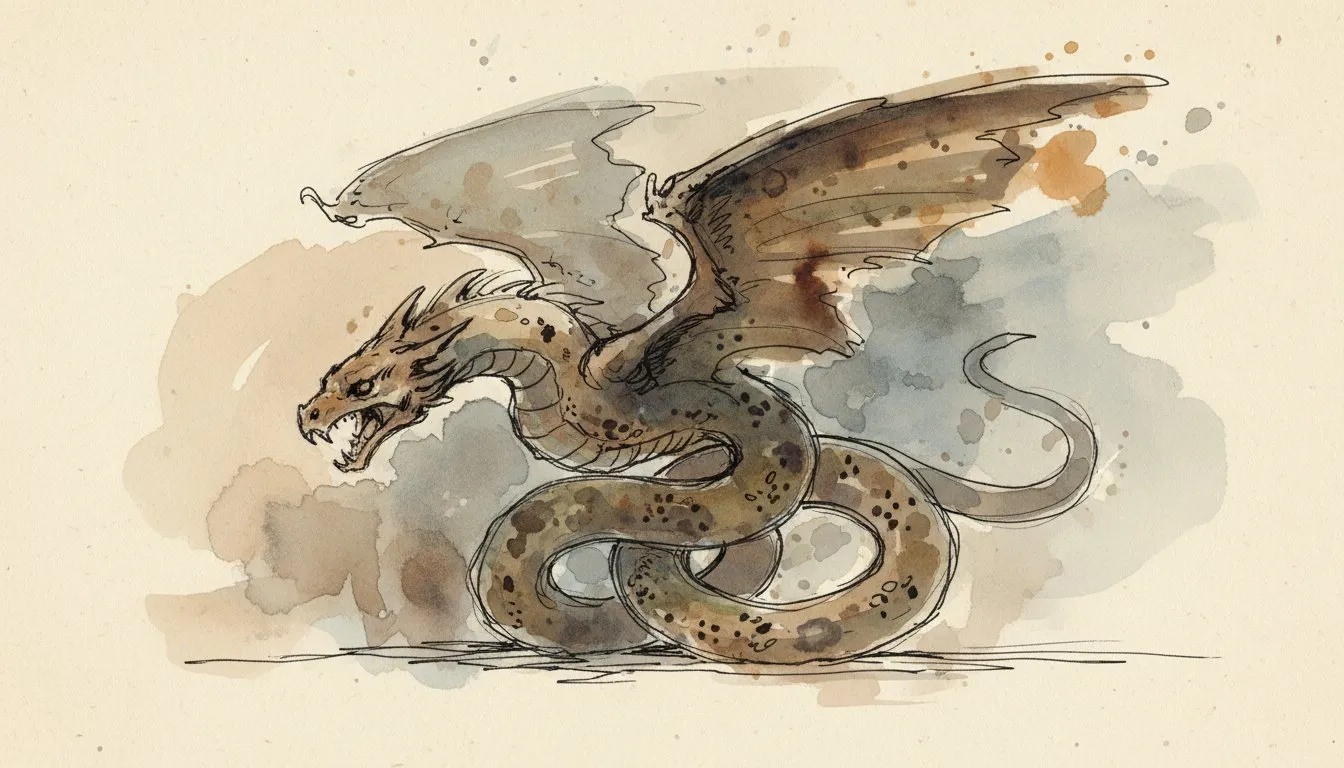
The Lagarfljot Worm is said to inhabit Lagarfljot, a murky glacial lake in eastern Iceland. Accounts date back to 1345 in Icelandic annals. The creature is described as a long, serpentine form that sometimes appears coiled on the surface or stretched along the shore. In 2012, a video showing a snake-like form moving through icy water went viral and was deemed 'authentic' by a truth commission, though skeptics identified it as a fishing net dragged by current.
Lagarfljot is a long, narrow, glacially fed lake in eastern Iceland, stretching roughly 25 miles and reaching depths of 370 feet. Its waters are famously opaque, colored deep brown by suspended glacial silt and volcanic sediment, which makes visibility near zero more than a few inches below the surface. This murkiness has been part of the Lagarfljot Worm's legend from the beginning: whatever lives in the lake, the lake does not readily give up its shape.
The earliest written account appears in the Icelandic annals in 1345, describing strange coilings and humps rising from the water and interpreting them as portents. The medieval chronicles treated the creature as an established feature of eastern Iceland, not a novelty. According to tradition, the worm grew from a heather snake that a young girl placed on a piece of gold to make the gold multiply. She forgot about it, and when she returned the snake had grown enormous and terrifying. She threw it into the lake, where it continued to grow, eventually reaching a size that allowed it to humps across the entire width of the water. Iceland's folklorists collected dozens of sighting reports across the following six centuries, with accounts clustering around the farms of Hallormsstadur and the southern end of the lake.
In February 2012, farmer Hjortur Kjerulf recorded roughly two minutes of video from a bank overlooking the partially frozen lake. The footage shows a long dark undulating form moving through the icy water against the current, clearly segmented and appearing to propel itself by wavelike motion. The video went viral globally, drew over five million views in the weeks after its release, and prompted the regional Fljotsdalsherad council to convene a formal truth commission to evaluate whether the footage showed the Lagarfljot Worm. In 2014, after two years of deliberation, the commission ruled by a vote of 7 to 6 that the video was authentic. Skeptics, including the Finnish researcher who produced the most widely cited counter-analysis, argued the object was a long piece of fishing net caught on the bottom and made to appear alive by current flow acting against its length.
The skeptical explanation is plausible but not universally accepted, and the truth commission's narrow vote reflected genuine disagreement even among the appointed reviewers. What the Lagarfljot footage demonstrates most clearly is how a 700-year-old legend can remain scientifically ambiguous in the 21st century when the habitat is literally opaque. The lake keeps its secrets by design of its glacial geology, and Iceland, a nation unusually comfortable with the coexistence of myth and modernity, has opted not to force a conclusion one way or the other.
Notable Witnesses
- Hjortur Kjerulf (2012 video)
Media Appearances
- River Monsters (TV reference)
Further Reading
No book is devoted to this creature. These are the general references that cover the field, plus a direct search if you want to dig further.
- Cryptozoology A to Z by Loren Coleman and Jerome Clark (1999)
The standard one-volume encyclopedia, roughly two hundred entries covering creatures, investigators, and hoaxes.
- Mysterious Creatures: A Guide to Cryptozoology by George M. Eberhart (2002)
The larger reference guide, stronger on sourcing and on creatures that never reached the popular books.
Search Amazon for Lagarfljot Worm books
As an Amazon Associate, Cryptid Vault earns from qualifying purchases. Links open Amazon in a new tab.
Get the Field Notes.
Field notes from the Vault, when there is something worth sending. No spam.
No spam. Unsubscribe anytime.
You might also like
Morag
Scotland's other lake monster lurks in the deepest freshwater loch in the British Isles, far from the tourist cameras of Loch Ness.
Storsjoodjuret
Sweden's most famous lake monster has been reported for centuries and was officially designated a protected species in 1986.
Selma
Norway's lake monster has been sighted over 500 times in a small mountain lake, making it one of the most reported freshwater cryptids in Europe.
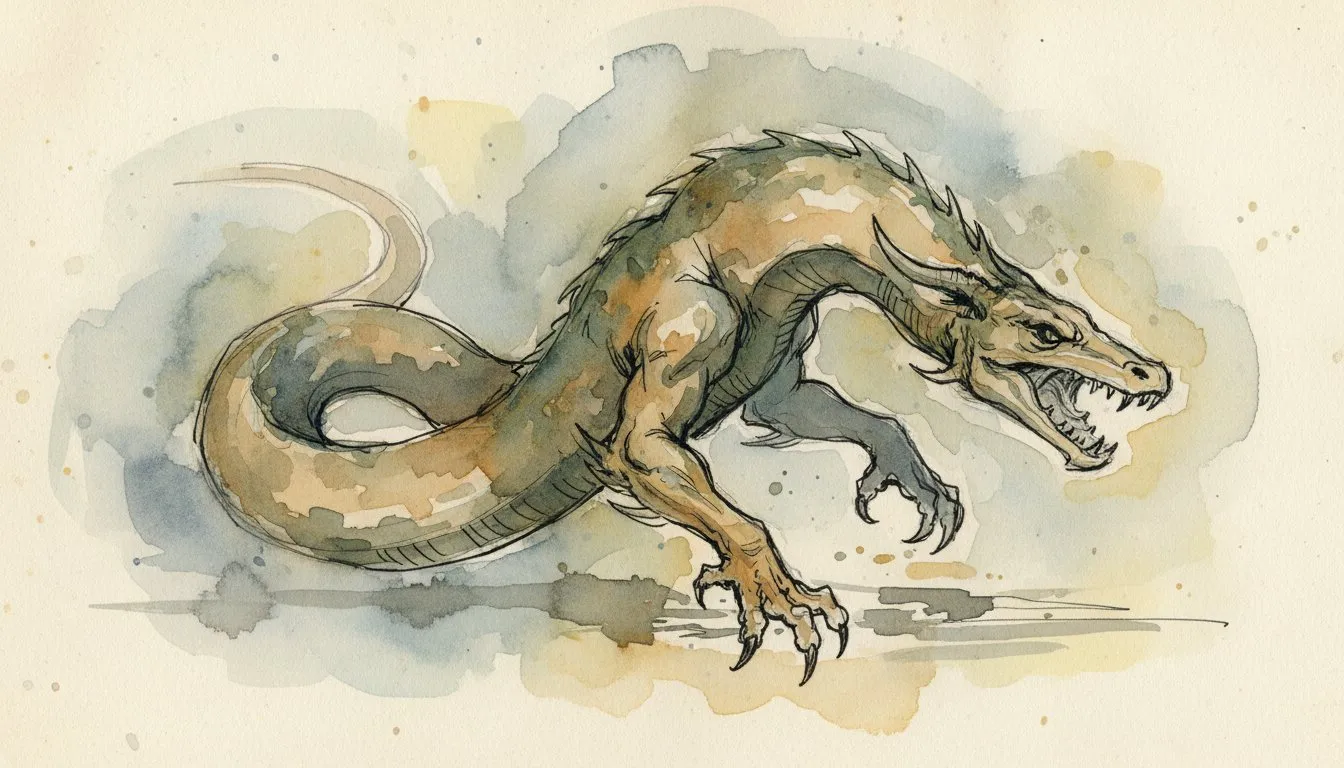
Lindworm
A legless or two-legged dragon slithers through Scandinavian and Germanic legends as a creature of both terror and strange wisdom.
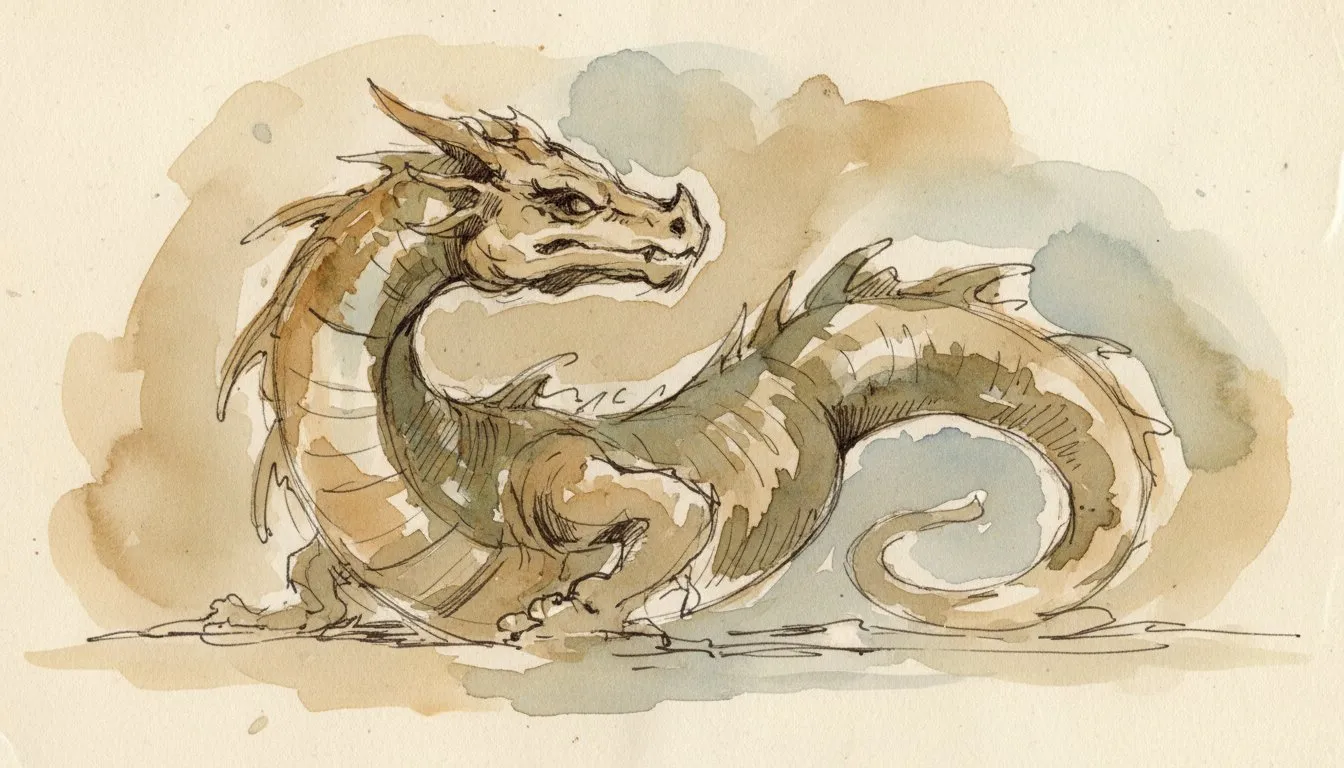
Brosno Dragon
Russia's lake monster reportedly swallowed a Mongol war party's horses whole and has been spotted by modern fishermen with sonar equipment.
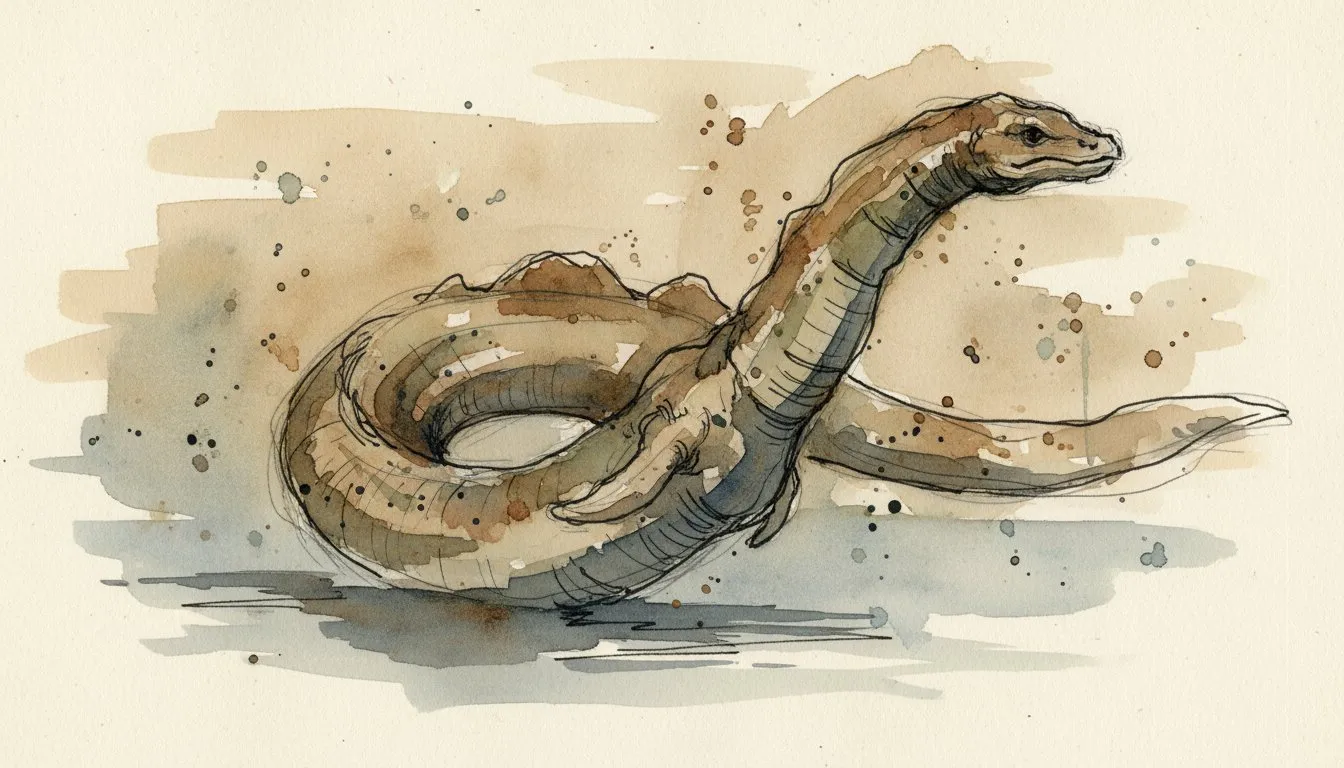
Manipogo
Lake Manitoba's serpentine lake monster has been reported by Indigenous communities for centuries and photographed at least twice.
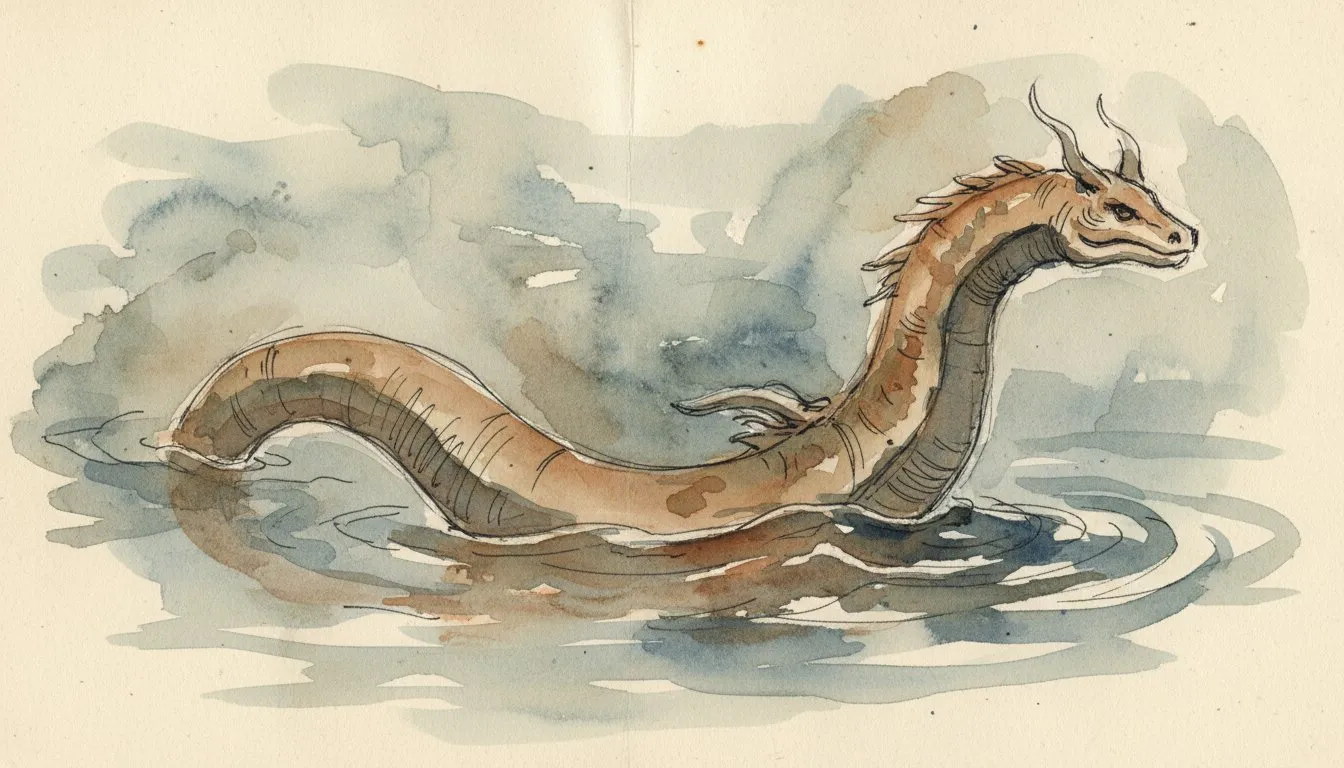
Memphre
A lake monster lurks in the cross-border waters of Lake Memphremagog, spotted from both the Quebec and Vermont shores.
Ajatar
A Finnish forest spirit that spreads disease and madness to anyone who catches a glimpse of her moving through the trees.