
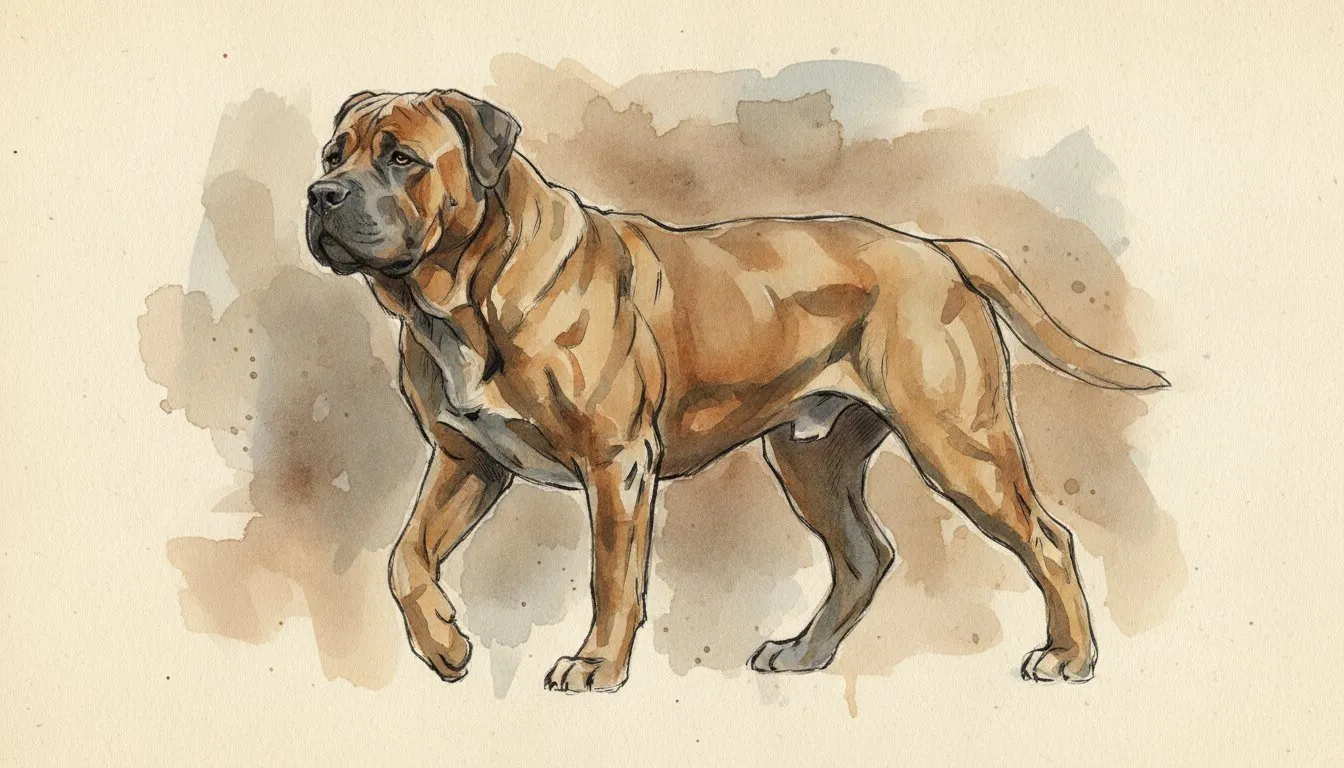
Pressie
Also known as: Lake Superior Monster, Mishipeshu
The largest Great Lake may harbor the largest Great Lake monster, a creature linked to Ojibwe legends of the underwater panther.
Ojibwe oral tradition (ancient), modern reports from 1800s
Lake Superior, U.S.-Canada border
30-75 feet long (modern estimates)
Powerful, associated with storms
Occasional sightings from boaters and fishermen
The Lore
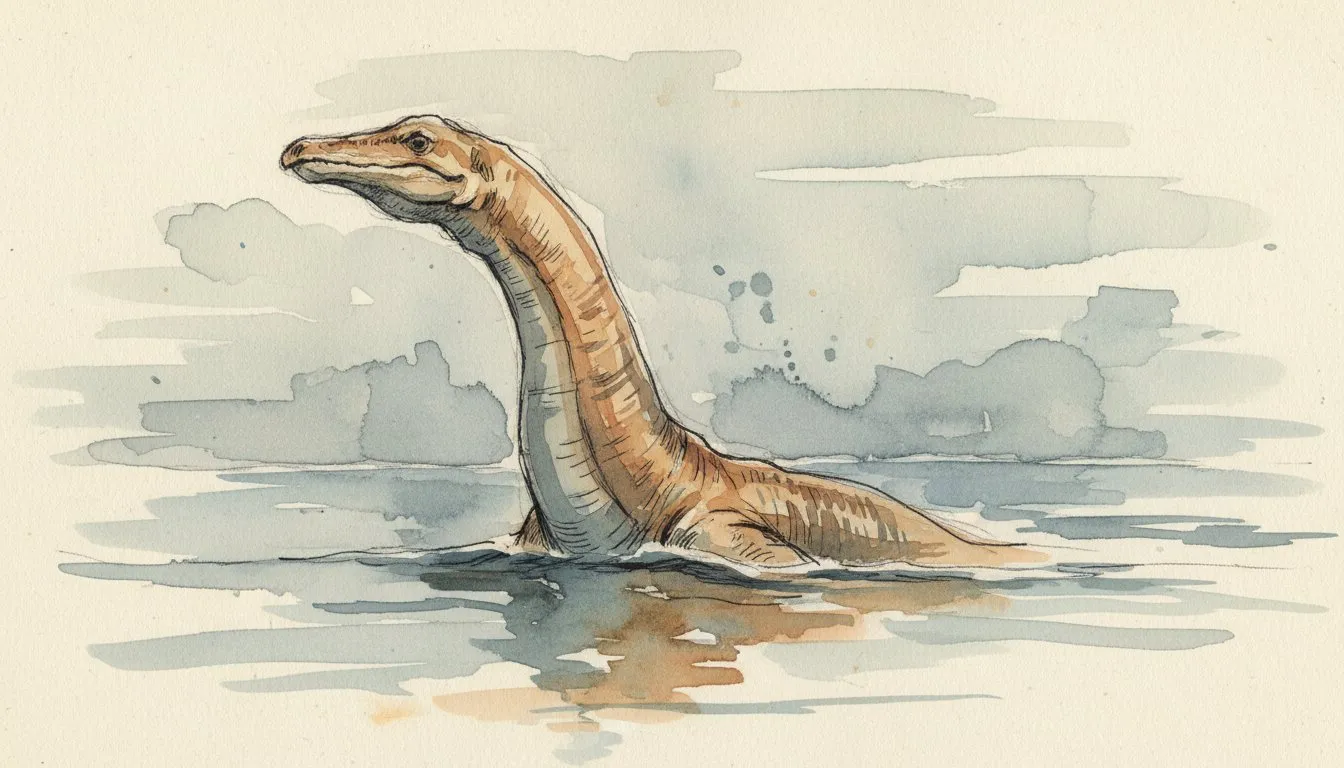
Pressie is the informal name for a large aquatic creature reported in Lake Superior, the largest freshwater lake by surface area in the world. Ojibwe tradition describes Mishipeshu, a powerful underwater panther or serpent that controls the lake's storms and currents. Modern sightings describe a long, dark creature with a serpentine body moving through the water at considerable speed. Lake Superior is up to 1,332 feet deep and cold enough year-round to preserve almost anything that sinks into it. The lake's immense size and depth make it one of the more plausible settings for a large undiscovered animal.
Lake Superior, the largest of the Great Lakes by surface area, holds its own lake monster tradition centered on the waters near the Presque Isle River on Michigan's Upper Peninsula. The creature known as Pressie - a name derived from the Presque Isle River - has been reported by Ojibwe communities in the region for generations before European settlement and has accumulated a body of more recent sightings stretching back to the late 19th century.
Ojibwe tradition describes a powerful underwater spirit associated with Lake Superior that could manifest physically as an enormous serpent or dragon-like creature. These accounts fit within a broader Great Lakes Indigenous tradition of Mishipeshu, the Great Lynx or Underwater Panther, a horned, serpentine being that controlled the depths of the lakes and was treated with great reverence. Whether the creature known to settlers as Pressie is the same entity described in Ojibwe tradition or a distinct phenomenon remains a matter of interpretation among researchers.
European-descended accounts of Pressie include a widely reported 1894 incident in which a pair of fishermen near the Presque Isle River mouth claimed to have seen an enormous dark shape surface and submerge rapidly. In the 20th century, sightings multiplied. In the 1970s and 1980s, multiple boaters and shoreline observers reported seeing a dark, humped shape moving at speeds inconsistent with any known fish species. Some described a serpentine neck visible above the waterline, while others reported seeing what appeared to be a massive tail strike the surface before the animal vanished.
Lake Superior's extreme depth - reaching 1,333 feet at its deepest point - and its frigid temperatures support speculation that large, undiscovered animals could survive in its depths. The lake holds roughly 10 percent of the world's surface fresh water, and its vast scale means a population of unknown creatures could theoretically evade systematic detection. The lake's cold temperatures and low biological productivity would make sustaining a large predator difficult, though Superior supports substantial populations of lake trout. Its dramatic weather systems and temperature inversions can make distant objects appear far larger than they are, which may account for some reports. Pressie remains lesser-known than cousins Bessie of Lake Erie and Champ of Lake Champlain, but its roots in both Indigenous tradition and frontier settler accounts give it a particularly layered history.
Further Reading
No book is devoted to this creature. These are the general references that cover the field, plus a direct search if you want to dig further.
- Cryptozoology A to Z by Loren Coleman and Jerome Clark (1999)
The standard one-volume encyclopedia, roughly two hundred entries covering creatures, investigators, and hoaxes.
- Mysterious Creatures: A Guide to Cryptozoology by George M. Eberhart (2002)
The larger reference guide, stronger on sourcing and on creatures that never reached the popular books.
Search Amazon for Pressie books
As an Amazon Associate, Cryptid Vault earns from qualifying purchases. Links open Amazon in a new tab.
Get the Field Notes.
Field notes from the Vault, when there is something worth sending. No spam.
No spam. Unsubscribe anytime.
You might also like
Manipogo
Lake Manitoba's serpentine lake monster has been reported by Indigenous communities for centuries and photographed at least twice.
Memphre
A lake monster lurks in the cross-border waters of Lake Memphremagog, spotted from both the Quebec and Vermont shores.
Morgawr
A humped sea serpent has been spotted off the coast of Cornwall since the 1900s, sometimes close enough to shore that beachgoers scatter.
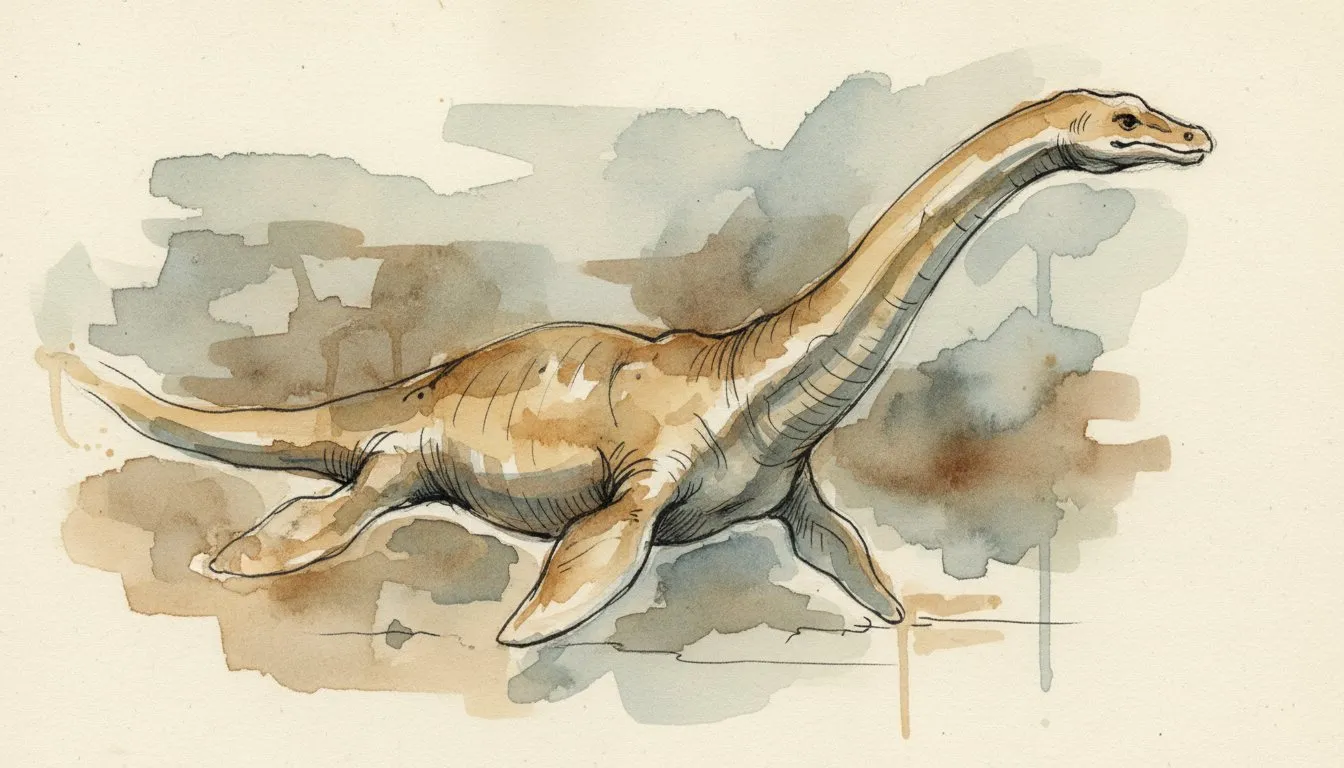
Morag
Scotland's other lake monster lurks in the deepest freshwater loch in the British Isles, far from the tourist cameras of Loch Ness.
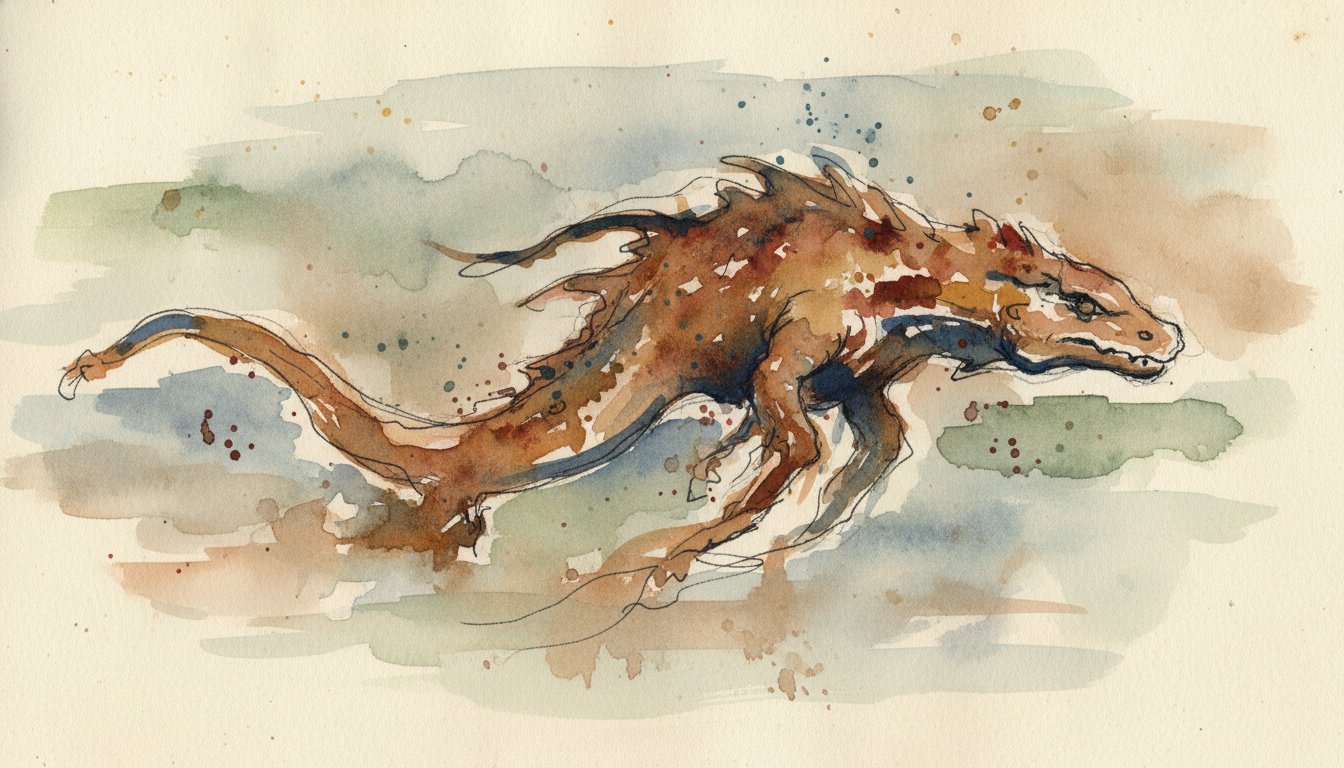
Alkali Lake Monster
A 40-foot beast in a shallow Nebraska lake, where something that size should have nowhere to hide.
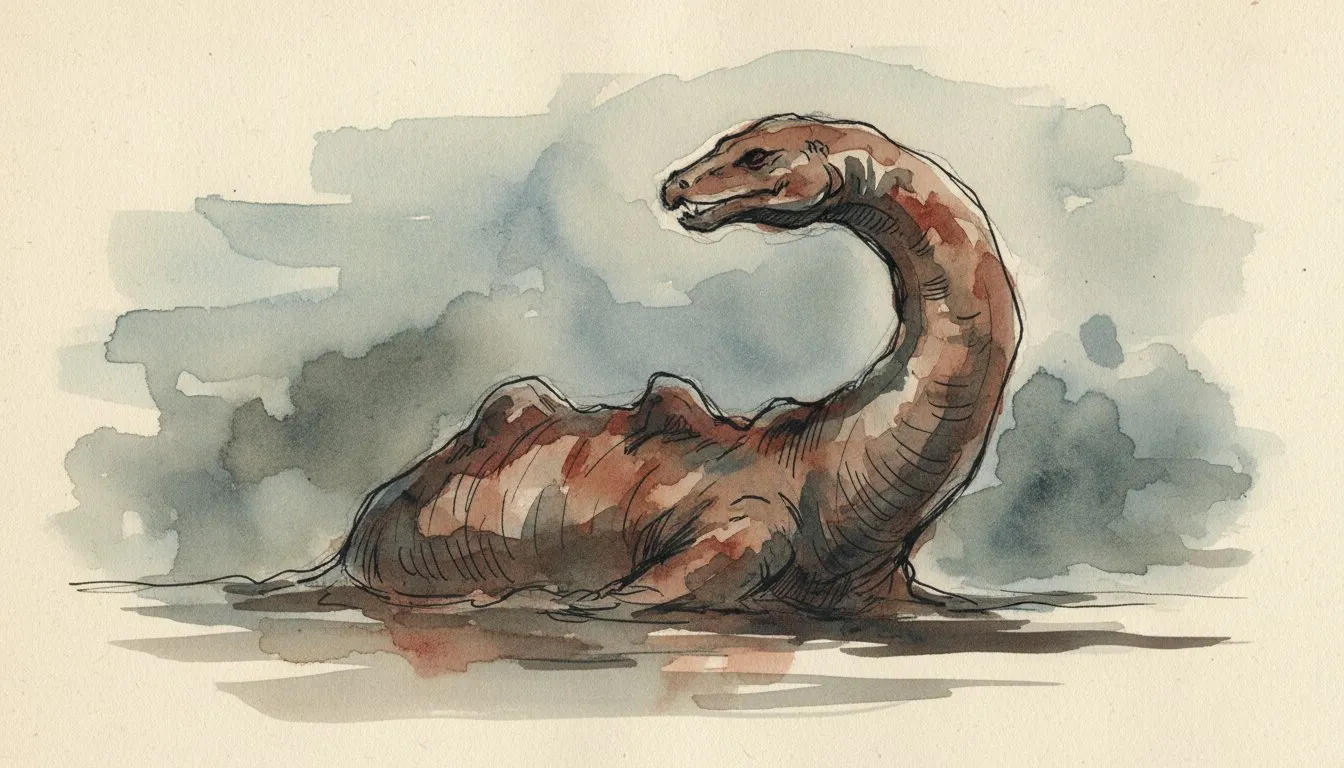
Bear Lake Monster
A serpentine terror of Bear Lake, first reported by Mormon settlers and Shoshone alike.
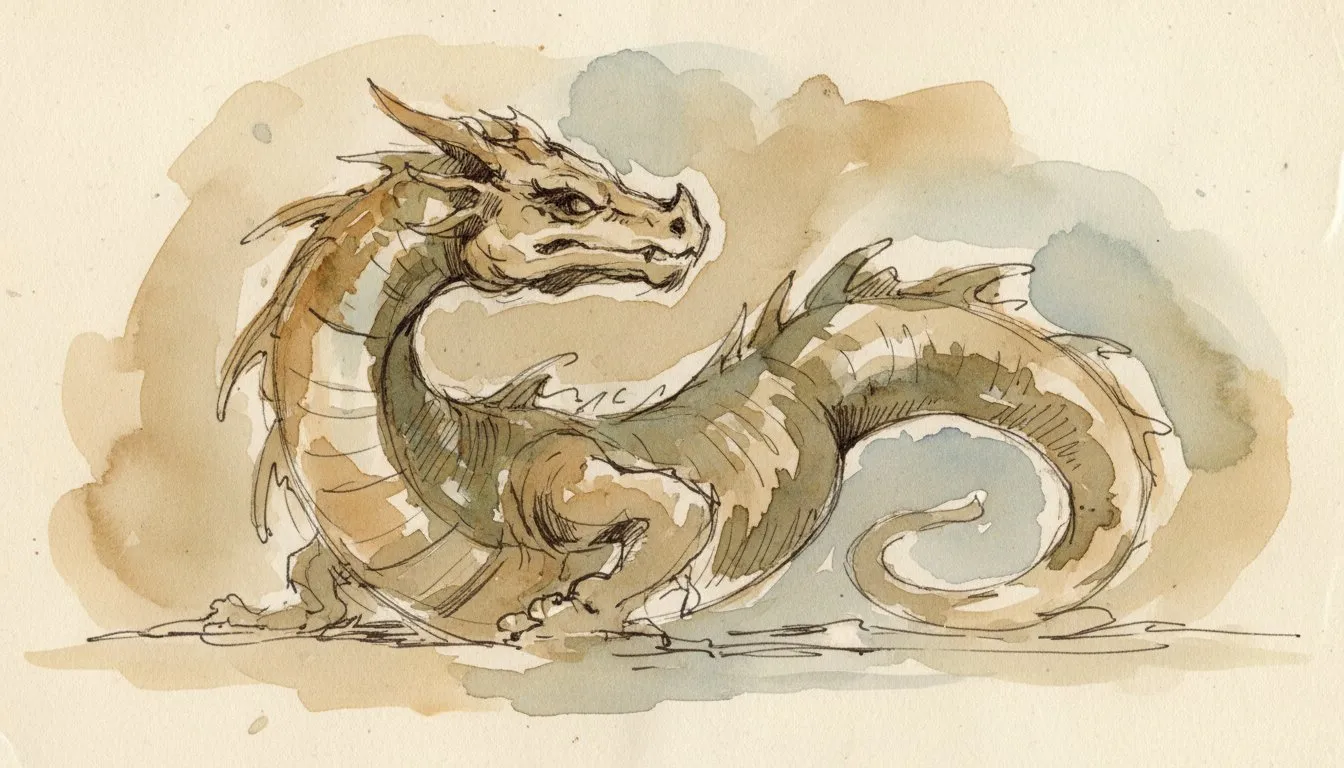
Brosno Dragon
Russia's lake monster reportedly swallowed a Mongol war party's horses whole and has been spotted by modern fishermen with sonar equipment.
Nahuelito
Something enormous has been surfacing in an Argentine lake for over a century.