
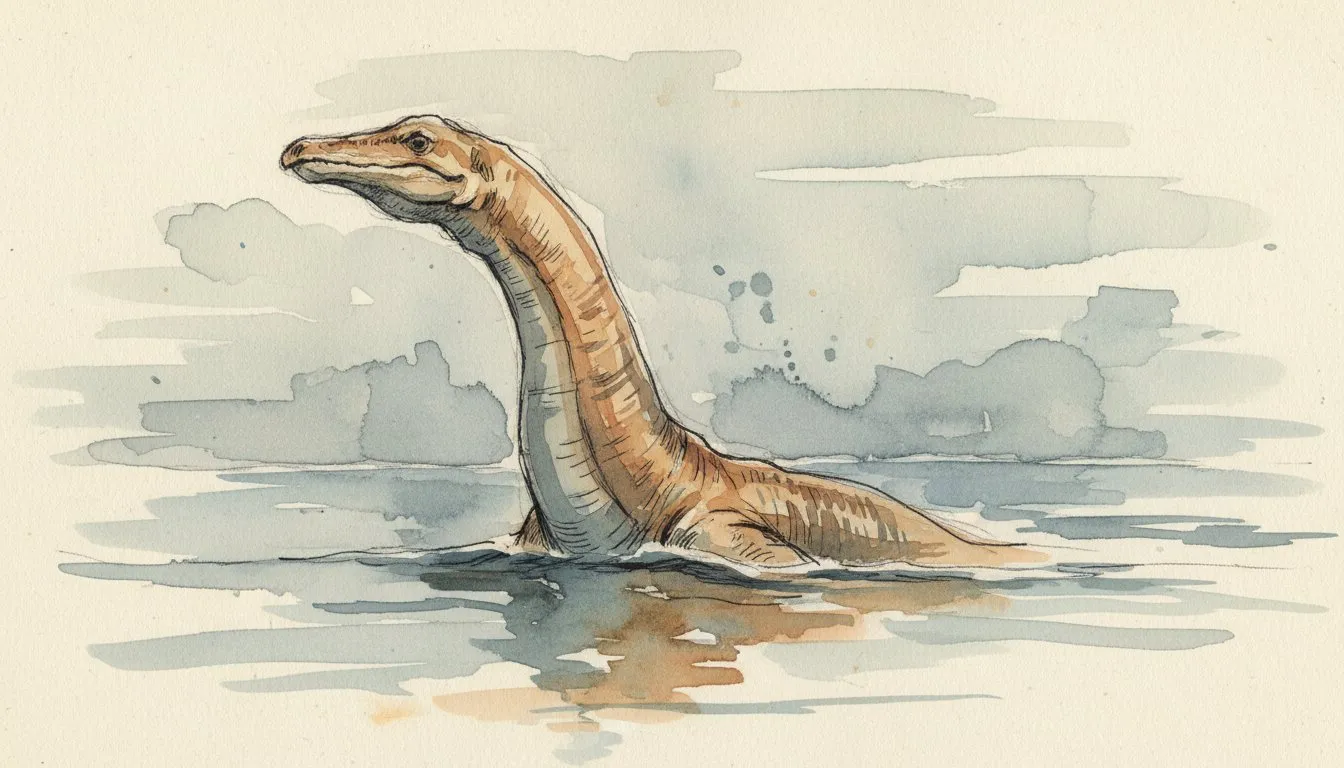
Nahuelito
Also known as: Nahuel Huapi Monster, Patagonian Nessie
Something enormous has been surfacing in an Argentine lake for over a century.
1897
Nahuel Huapi Lake, Patagonia, Argentina
15-45 feet long
Elusive, non-aggressive
Unverified
The Lore
Nahuelito is a large aquatic creature reported in Nahuel Huapi Lake in Patagonia, Argentina. Witnesses describe a serpentine or plesiosaur-like animal with humps that break the surface. Sightings date back to indigenous Mapuche legends and intensified during the early 1900s. Blurry photographs emerged in the 1980s and 1990s, but no conclusive evidence has been produced.
Deep in the Andean lake district of Patagonia, where glacier-fed water fills a fjord-like basin nearly five hundred meters deep, Argentina keeps its own sea serpent. Nahuelito takes its name from Lago Nahuel Huapi, which stretches between snow-draped peaks near the resort town of San Carlos de Bariloche, a lake cold and clear enough to swallow objects the size of ships without a trace. The Mapuche people, whose territory encompassed much of this region before Argentine settlement, held long-standing traditions of a great serpent or cuero, a living hide, inhabiting the deep waters.
Modern reports began accumulating in the early twentieth century as European settlers and tourists moved into the Bariloche area. In 1922 a government expedition was dispatched after repeated sightings of a large, humped creature breaking the surface, led by zoo director Clemente Onelli and armed with harpoons and dynamite. They found nothing, but the publicity anchored Nahuelito in Argentine public consciousness. Witnesses throughout the following century have described something between forty and one hundred and fifty feet long, sometimes serpentine with a line of humps, sometimes plesiosaur-like with a long neck and flippers.
Photographic evidence is scant and contested. A 2006 photograph printed by the newspaper Rio Negro showed a dark shape moving parallel to shore, renewing debate, though skeptics pointed out the ease of misidentifying logs, wind-driven wave trains, or the wakes of the tourist catamarans that cross the lake daily. Bariloche itself has leaned into the legend, selling Nahuelito plush toys and naming businesses after the creature in a tourism economy built equally on ski slopes and monster sightings.
The cryptozoological case for Nahuelito leans on the same glacial-relict hypothesis that shadows Nessie and Ogopogo. The Andean lakes were formed by retreating ice sheets roughly ten thousand years ago, and proponents imagine a surviving population of large aquatic reptiles isolated in this cold, deep system. Biologists counter that such a population would require far too many individuals to remain undetected by sonar sweeps and fishing nets. Still, Nahuel Huapi is genuinely enormous and its depths genuinely unexplored, and Patagonia has a way of keeping its secrets long after lesser landscapes have given theirs up.
Further Reading
No book is devoted to this creature. These are the general references that cover the field, plus a direct search if you want to dig further.
- Cryptozoology A to Z by Loren Coleman and Jerome Clark (1999)
The standard one-volume encyclopedia, roughly two hundred entries covering creatures, investigators, and hoaxes.
- Mysterious Creatures: A Guide to Cryptozoology by George M. Eberhart (2002)
The larger reference guide, stronger on sourcing and on creatures that never reached the popular books.
Search Amazon for Nahuelito books
As an Amazon Associate, Cryptid Vault earns from qualifying purchases. Links open Amazon in a new tab.
Get the Field Notes.
Field notes from the Vault, when there is something worth sending. No spam.
No spam. Unsubscribe anytime.
You might also like
Cuero
It lies flat on the water like a discarded cowhide, until something steps on it.
Minhocao
Entire sections of Brazilian forest have collapsed into tunnels dug by something impossibly large.
Mokele-mbembe
Deep in the Congo Basin, local tribes describe a living dinosaur with total consistency across generations.

Champ
America's own lake monster, surfacing in the waters between Vermont and New York.
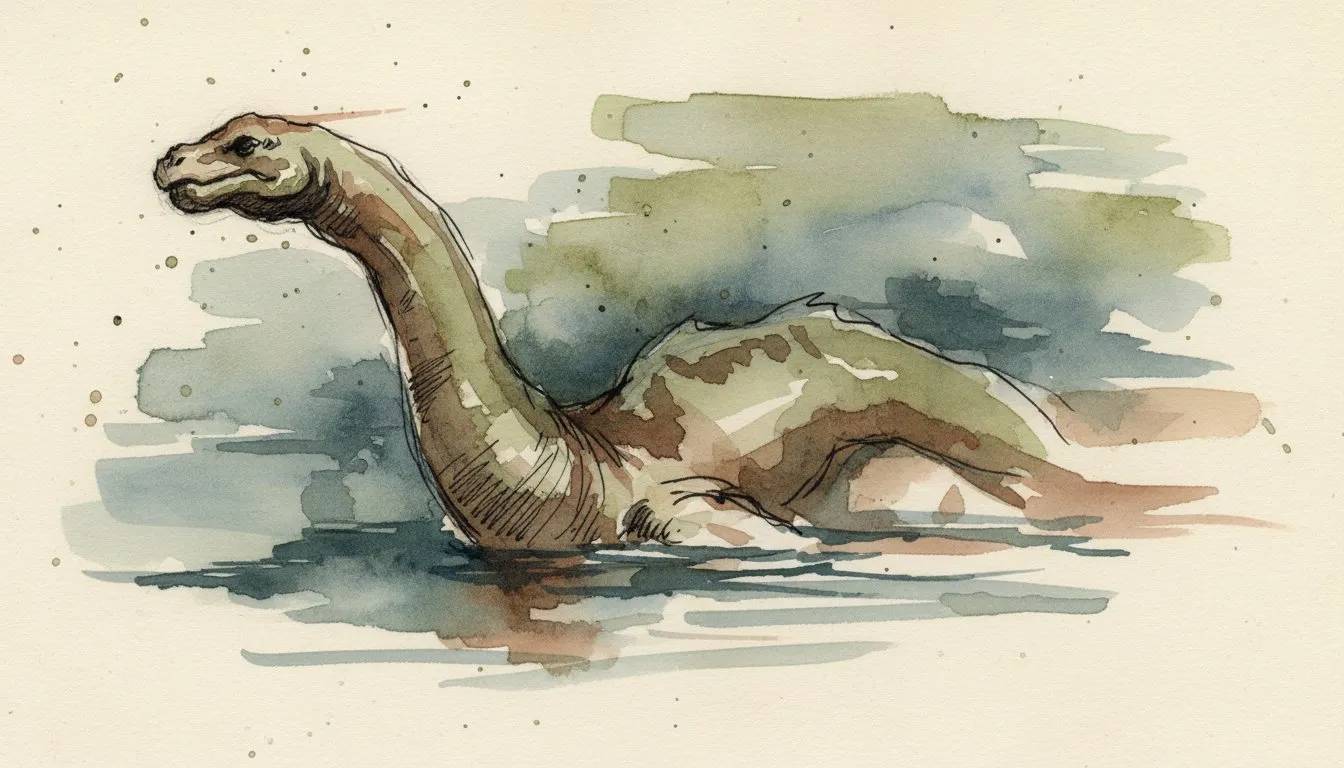
Loch Ness Monster
The legendary lake serpent of Scotland, photographed, sonar-scanned, and never found.
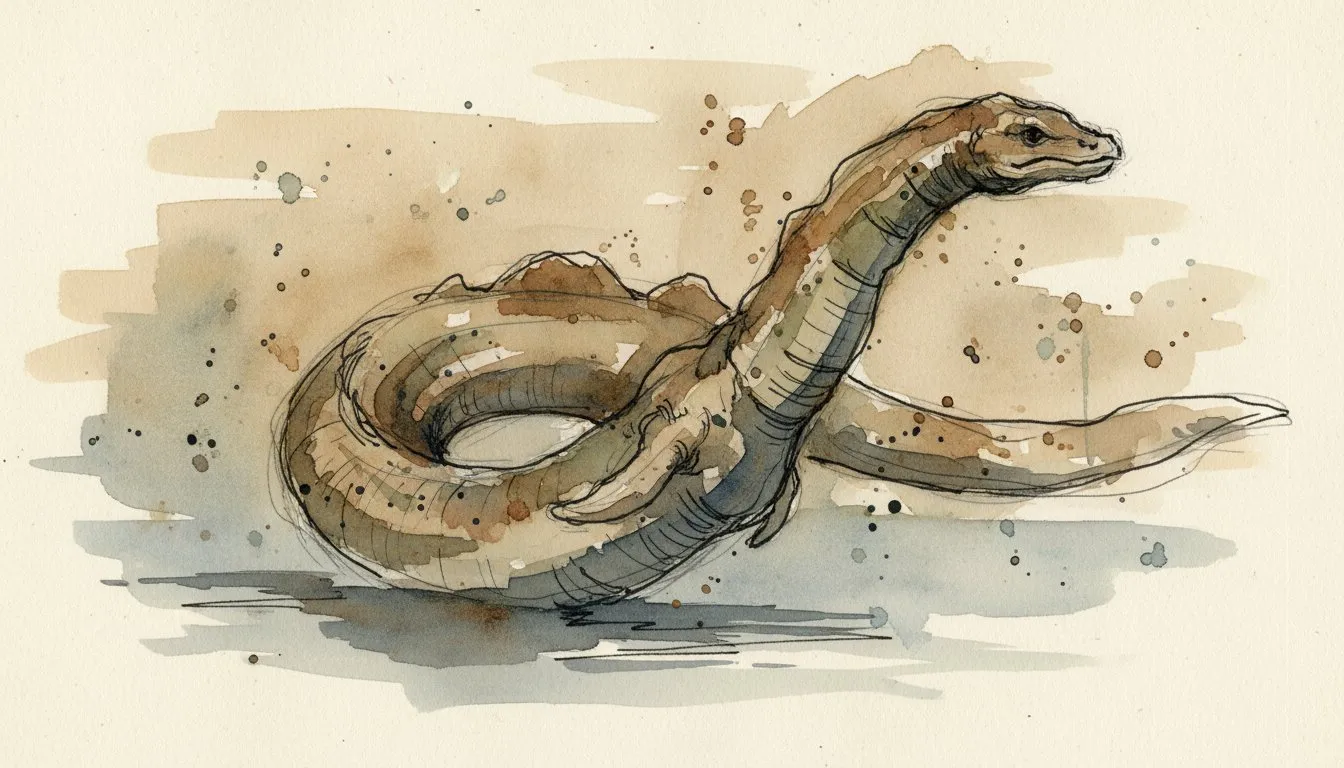
Manipogo
Lake Manitoba's serpentine lake monster has been reported by Indigenous communities for centuries and photographed at least twice.
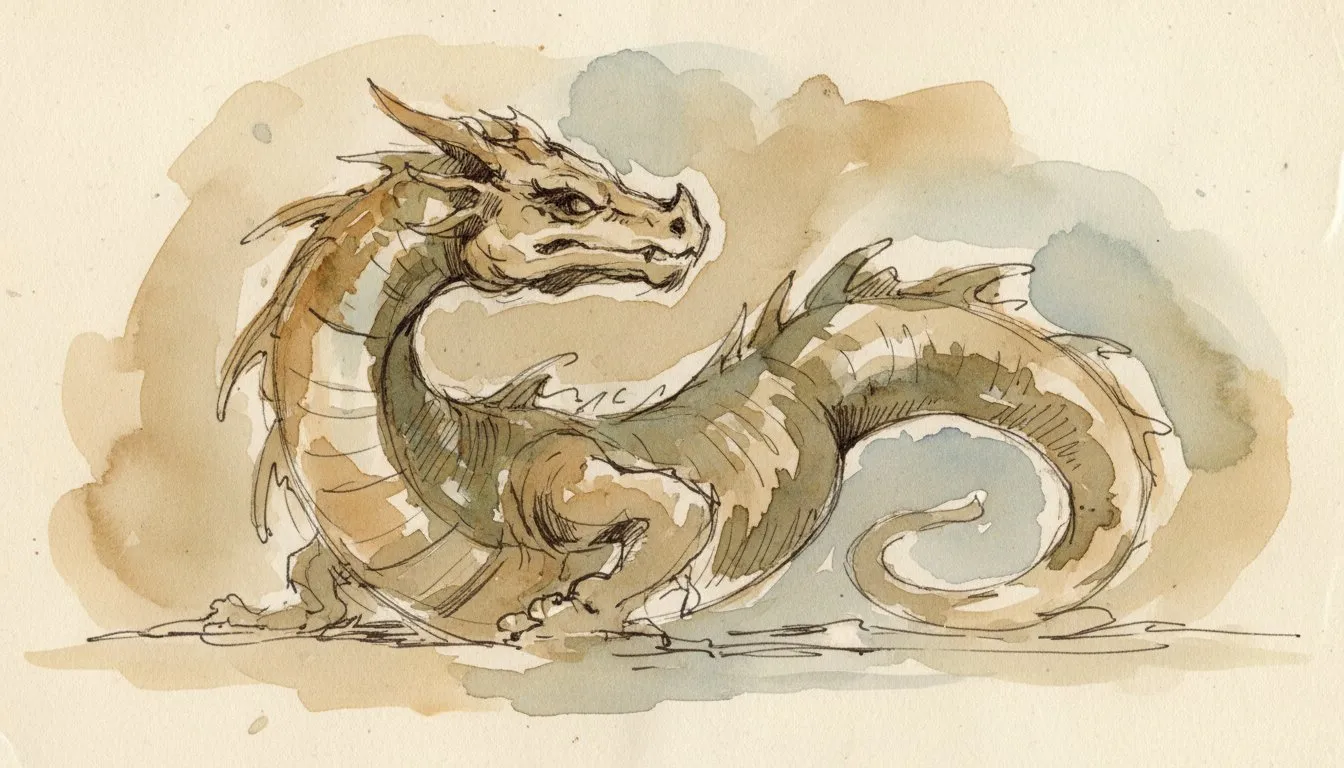
Brosno Dragon
Russia's lake monster reportedly swallowed a Mongol war party's horses whole and has been spotted by modern fishermen with sonar equipment.
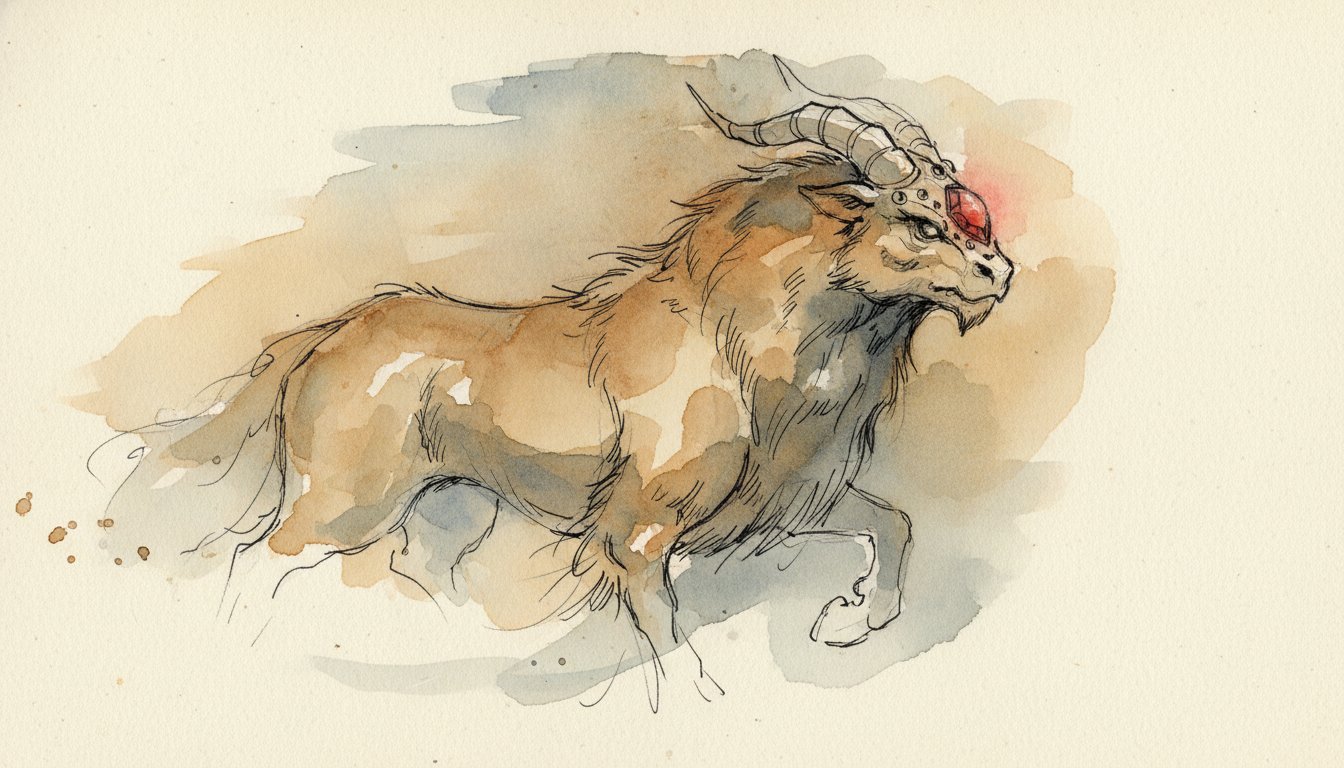
Carbunclo
A small, armored creature with a glowing gemstone embedded in its head, spotted in the Andes at twilight.