

Champ
Also known as: Champy, Lake Champlain Monster
America's own lake monster, surfacing in the waters between Vermont and New York.
Pre-colonial (Abenaki tradition)
Lake Champlain, Vermont/New York
15-25 ft long (est.)
Elusive
Legally protected in VT and NY
The Lore
Champ inhabits Lake Champlain on the border of Vermont and New York. Reports date back to indigenous Abenaki and Iroquois legends. The famous 1977 Mansi photograph shows what appears to be a plesiosaur-like head and neck rising from the water. Both Vermont and New York have passed resolutions protecting Champ from harm.
Lake Champlain stretches 125 miles along the border of Vermont, New York, and Quebec, a glacially carved freshwater lake up to 400 feet deep and connected by the Richelieu River to the St. Lawrence, and from there to the Atlantic. The indigenous Abenaki called the lake Petonbowk, meaning the waters between, and both the Abenaki and the neighboring Iroquois had oral traditions describing a large horned serpent or water-panther living in the lake. Samuel de Champlain, the French explorer for whom the lake is now named, recorded in his 1609 journal a sighting of a large serpent-like creature in the waters, though some modern scholars argue he was describing a longnose gar, a real fish that can exceed six feet in the lake.
The modern Champ phenomenon took shape in the late 19th century. In 1873, the New York Times reported that a railroad crew working along the lake had seen an enormous serpent. That same year, the steamship captain Daniel Merritt reported a 25 to 35 foot creature breaking the surface. P.T. Barnum offered a fifty thousand dollar reward for the body of the creature, a sum large enough to generate dozens of hopeful expeditions. Sightings continued through the 20th century, with reports clustering around Button Bay, Bulwagga Bay, and the waters off Port Henry, New York.
The most famous single piece of evidence is the Sandra Mansi photograph, taken in July 1977 at Saint Albans Bay, Vermont. Mansi, a local resident on a family outing, photographed what appears to be the head and curved neck of a large creature rising several feet out of the water roughly 150 feet from shore. The photograph was not published until 1981. It has been analyzed repeatedly by optical scientists, including J. Richard Greenwell and researchers at the University of Arizona, and while no analysis has identified the object as a known animal or proven it a hoax, the negative has been lost, complicating further study. The photograph remains one of the most studied pieces of cryptid visual evidence in North America.
Champ's political situation is unusually favorable. In 1982, the Vermont House of Representatives passed a resolution protecting any unknown animal in Lake Champlain from harm. In 1983, the New York State Assembly passed a similar resolution. The town of Port Henry has declared itself Champ's official home and holds an annual Champ Day festival. In the early 2000s, researchers from the Fauna Communications Research Institute recorded underwater sounds in the lake that they determined did not match any known species and resembled echolocation clicks. Whether these represent Champ, misidentified fish, or ambient lake acoustics has not been resolved, but the lake continues to produce new reports every summer, and no one has collected Barnum's century-and-a-half-old reward.
Further Reading
Champ is one of the few North American cryptids with a real bookshelf: a sighting catalog compiled by the lake's most devoted searcher, and a university-press history of how a monster became a local economy.
- Champ: Beyond the Legend by Joseph W. Zarzynski (1984)
Zarzynski spent years logging more than 200 reported sightings. This is the catalog every later Champ writer draws on.
- The Untold Story of Champ: A Social History of America's Loch Ness Monster by Robert E. Bartholomew (2012)
A social history from SUNY Press: how the story grew, who profited, and what the famous Mansi photograph does and does not settle.
Search Amazon for Lake Champlain Champ monster books
As an Amazon Associate, Cryptid Vault earns from qualifying purchases. Links open Amazon in a new tab.
Get the Field Notes.
Field notes from the Vault, when there is something worth sending. No spam.
No spam. Unsubscribe anytime.
You might also like
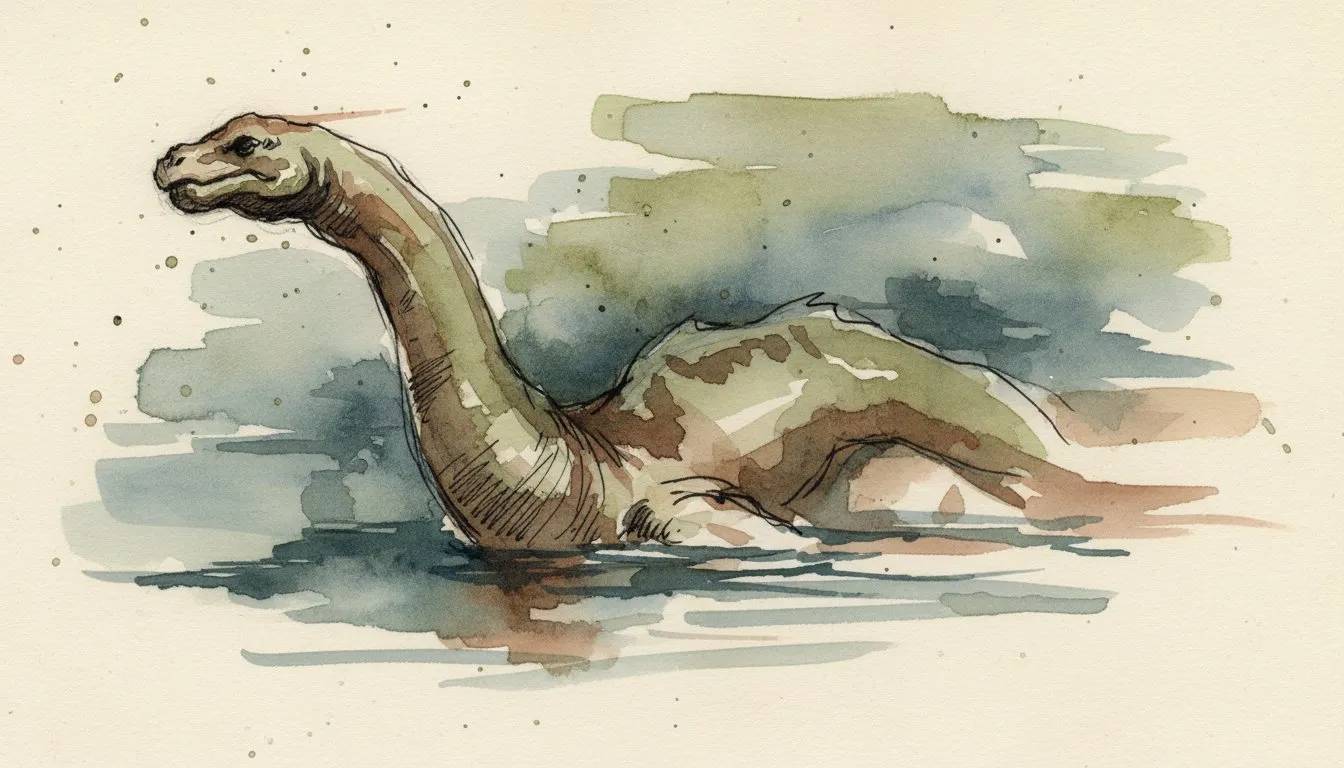
Loch Ness Monster
The legendary lake serpent of Scotland, photographed, sonar-scanned, and never found.
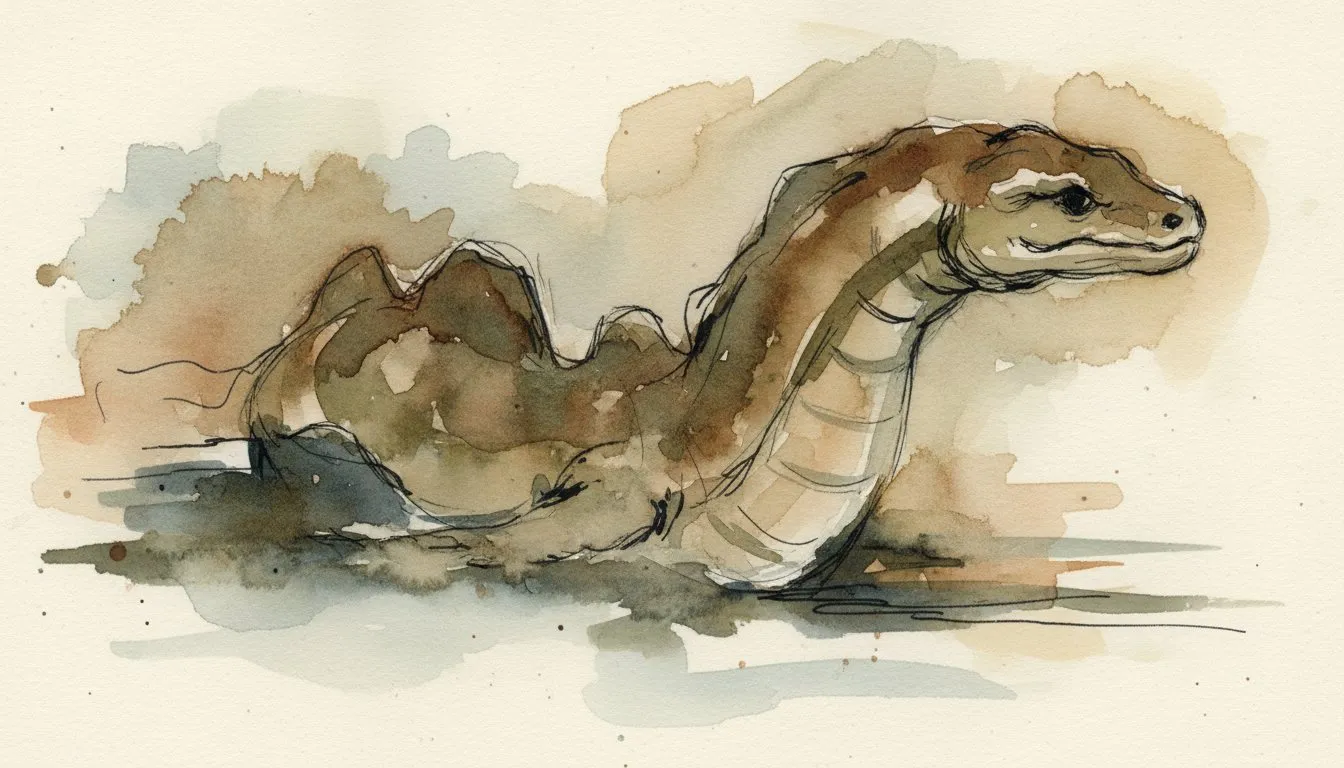
Ogopogo
Canada's answer to Nessie, coiling through the depths of Okanagan Lake.
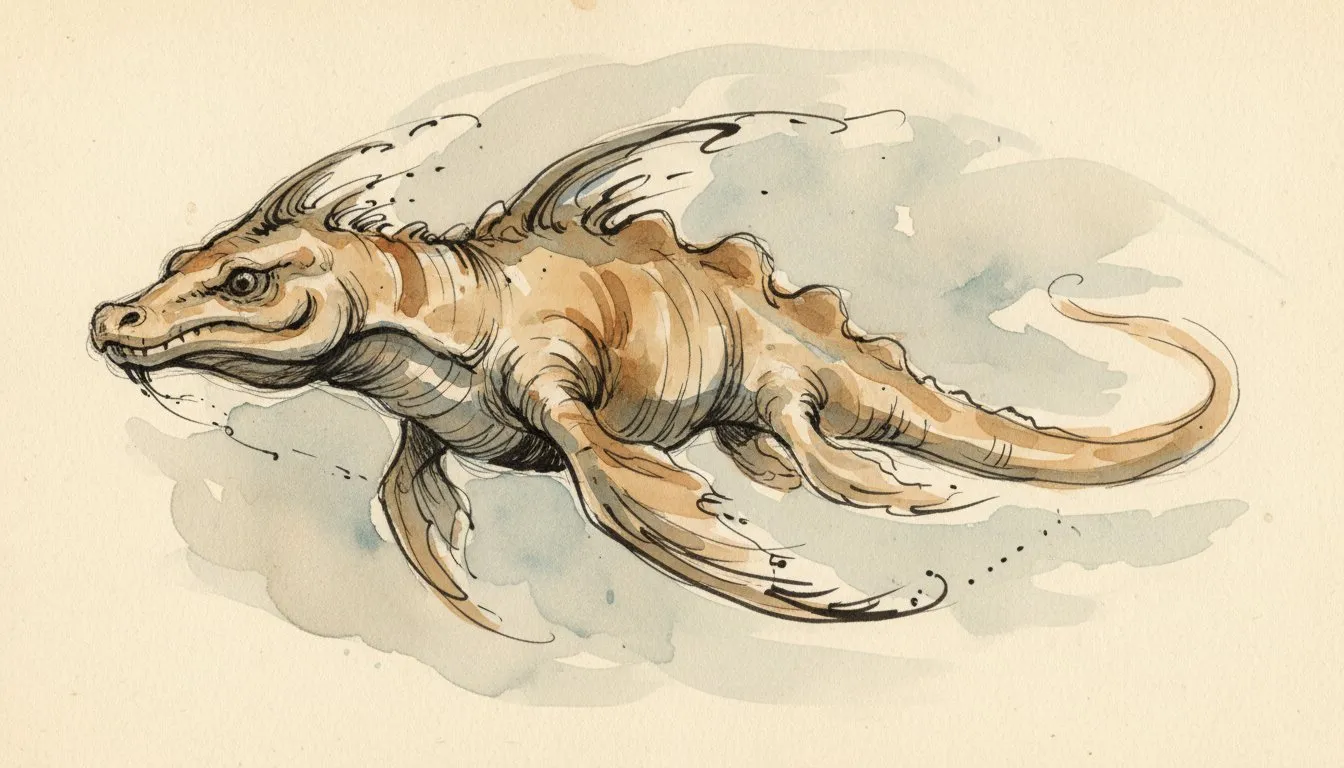
Cadborosaurus
A horse-headed sea serpent weaving through the waters of the Pacific Northwest.
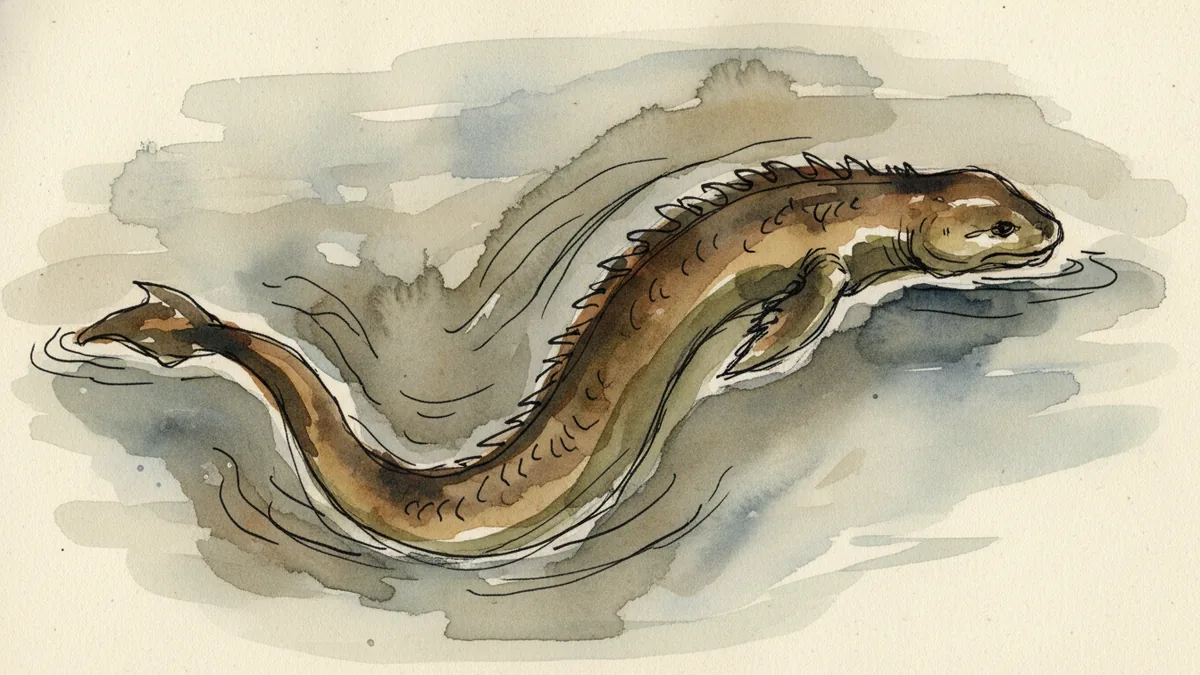
Chessie
A serpentine creature reported in the Chesapeake Bay for half a century, caught on video in 1982.
Alkali Lake Monster
A 40-foot beast in a shallow Nebraska lake, where something that size should have nowhere to hide.
Bear Lake Monster
A serpentine terror of Bear Lake, first reported by Mormon settlers and Shoshone alike.
Memphre
A lake monster lurks in the cross-border waters of Lake Memphremagog, spotted from both the Quebec and Vermont shores.
Tahoe Tessie
A serpentine lake dweller hiding in the frigid depths of Lake Tahoe since Washoe legend.