
Loch Ness Monster
Also known as: Nessie
The legendary lake serpent of Scotland, photographed, sonar-scanned, and never found.
565 AD (Saint Columba account)
Loch Ness, Scottish Highlands
15-40 ft long (est.)
Elusive, non-aggressive
Active sightings continue
The Lore
Nessie is arguably the world's most famous cryptid. Inhabiting the deep, dark waters of Loch Ness in the Scottish Highlands, reports of a large creature date back to the 6th century. The iconic 1934 'Surgeon's Photo' was later revealed as a hoax, but sonar readings and modern sightings keep the legend alive.
The earliest recorded mention of a mysterious creature in the Scottish Highlands near Loch Ness dates to 565 AD. In a biography of Saint Columba, the Irish monk reportedly encountered a beast in the River Ness and commanded it to retreat. For centuries after, locals told stories of a water horse, or "each-uisge," inhabiting the deep loch. But the modern legend began on May 2, 1933, when John and Aldie Mackay reported seeing an enormous creature rolling and plunging in the water. Their account appeared in the Inverness Courier, and the world took notice.
The most iconic image associated with Nessie is the so-called Surgeon's Photograph, published in the Daily Mail on April 21, 1934. Attributed to London gynecologist Robert Kenneth Wilson, it appeared to show a long neck and small head rising from the water. For 60 years it served as the primary visual "proof" of the monster. In 1994, however, the photo was revealed to be a hoax. Christian Spurling confessed on his deathbed that he, along with Marmaduke Wetherell and others, had attached a sculpted head and neck to a toy submarine.
Despite the debunking of that famous image, sightings have continued steadily. In 1954, a fishing boat's sonar detected a large object following the vessel at a depth of 480 feet. In 1972 and 1975, underwater photographs taken by Robert Rines of the Academy of Applied Science appeared to show a diamond-shaped flipper and a long-necked body. These images remain controversial due to digital enhancement and unclear source material.
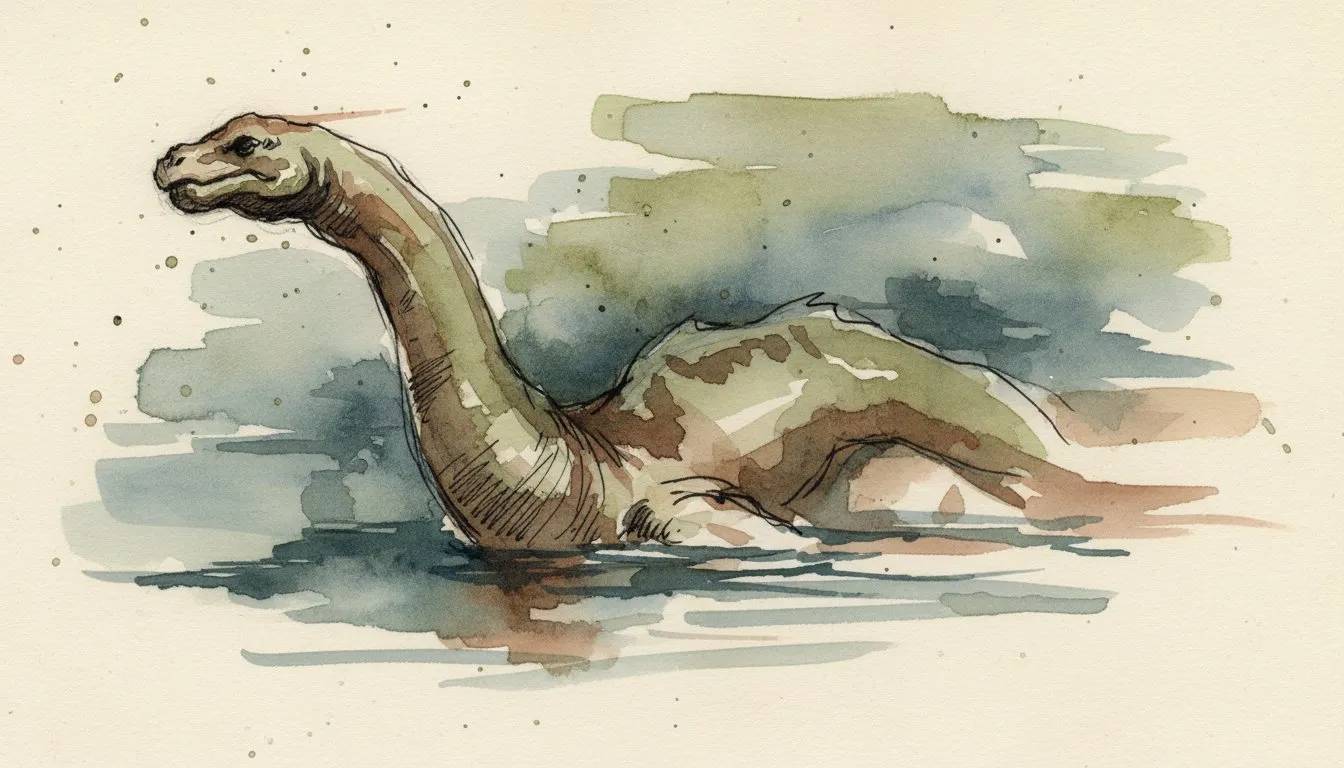
Witnesses most commonly describe a creature 15 to 40 feet long with a long neck, small head, and one or more humps visible above the waterline. Some reports mention flippers. The body is said to be dark gray or black. Loch Ness itself provides a plausible hiding place. It is the largest body of fresh water by volume in Great Britain, stretching 23 miles long, over 750 feet deep, and filled with peat-darkened water that limits visibility to a few feet.
Skeptics suggest sightings can be explained by boat wakes, floating logs, large eels, swimming deer, or optical illusions caused by the loch's unusual surface conditions. A 2019 environmental DNA survey of the loch found no evidence of large reptilian or mammalian DNA but did detect significant amounts of eel DNA, leading researchers to suggest that a very large European eel could account for some sightings. Nessie remains Scotland's most beloved mystery, drawing hundreds of thousands of tourists to the Highlands each year.
Notable Witnesses
- John and Aldie Mackay
- Hugh Gray (first photograph, 1933)
- Robert Kenneth Wilson (Surgeon's Photo, 1934, later debunked)
- Tim Dinsdale (filmed surface wake, 1960)
- Robert Rines (underwater photographs, 1972 and 1975)
- George Spicer (land sighting, 1933)
- Alex Campbell (water bailiff, multiple sightings)
Media Appearances
- Surgeon's Photograph (1934)
- The Private Life of Sherlock Holmes (1970)
- The Water Horse: Legend of the Deep (2007)
- Loch Ness (1996)
- Scooby-Doo and the Loch Ness Monster (2004)
- The Loch (TV, 2017)
- Expedition Unknown: Hunt for the Loch Ness Monster (TV, 2019)
Further Reading
Loch Ness has the longest paper trail of any creature on this site, and the most thoroughly picked-apart evidence. These three cover it end to end: the first book ever written about it, the book that took it apart, and the modern scholarly account.
- The Loch Ness Monster and Others by Rupert T. Gould (1934)
Gould toured the loch by motorcycle in 1934 and collected the eyewitness accounts firsthand, which makes this the closest thing to a primary record from before the legend hardened into its modern shape.
- The Loch Ness Mystery Solved by Ronald Binns (1983)
The skeptical classic. Binns works through the sightings, photographs and film one at a time and argues each is weaker, vaguer or more ordinary than the retellings suggest.
- Abominable Science!: Origins of the Yeti, Nessie, and Other Famous Cryptids by Daniel Loxton and Donald R. Prothero (2013)
Columbia University Press, and the most rigorous modern treatment. Its Nessie chapter traces where the story actually came from rather than only asking whether the animal is there.
Search Amazon for Loch Ness Monster books
As an Amazon Associate, Cryptid Vault earns from qualifying purchases. Links open Amazon in a new tab.
Get the Field Notes.
Field notes from the Vault, when there is something worth sending. No spam.
No spam. Unsubscribe anytime.
You might also like
Ogopogo
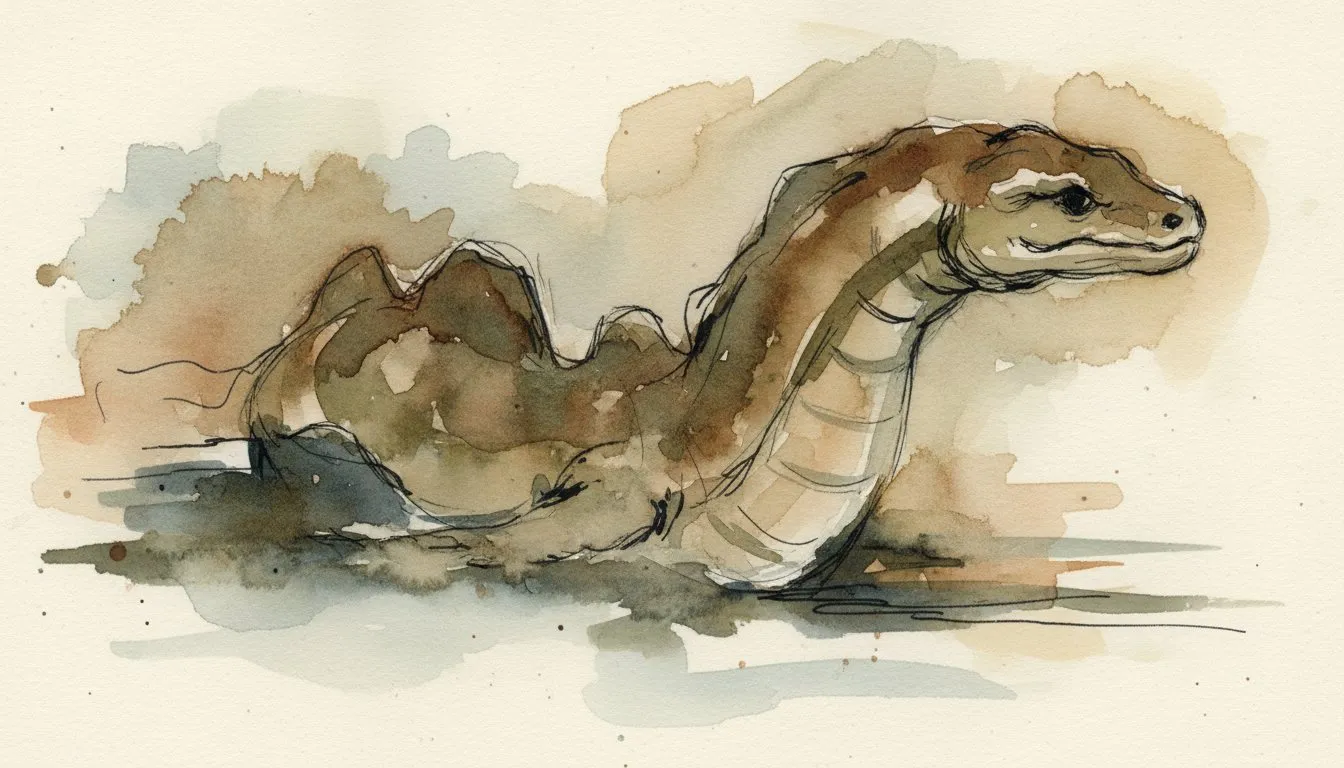
Canada's answer to Nessie, coiling through the depths of Okanagan Lake.

Champ
America's own lake monster, surfacing in the waters between Vermont and New York.
Cadborosaurus
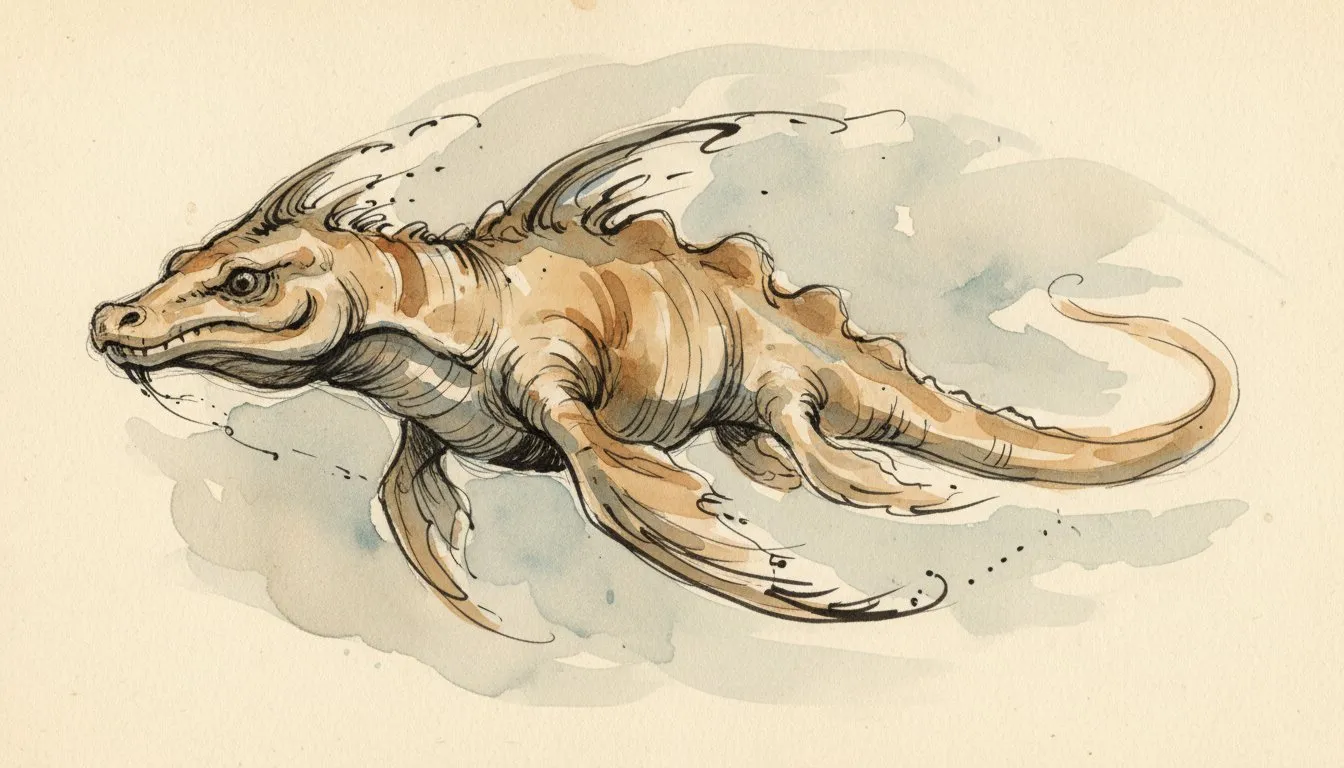
A horse-headed sea serpent weaving through the waters of the Pacific Northwest.
Chessie
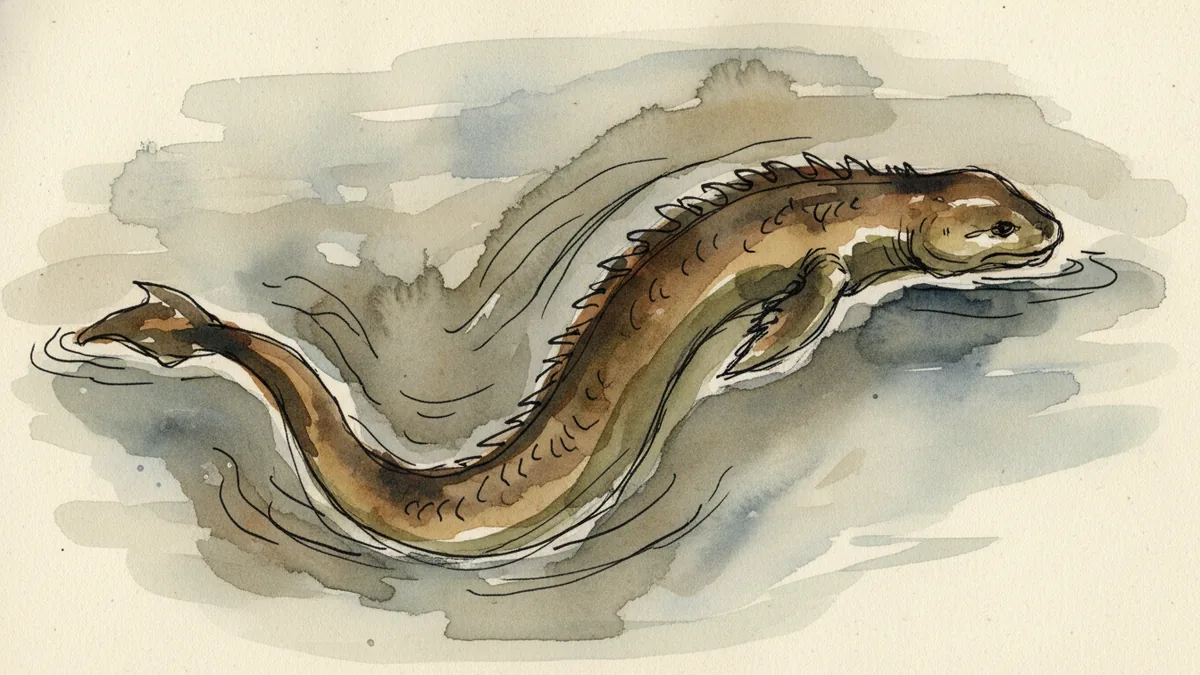
A serpentine creature reported in the Chesapeake Bay for half a century, caught on video in 1982.
Morag
Scotland's other lake monster lurks in the deepest freshwater loch in the British Isles, far from the tourist cameras of Loch Ness.
Nahuelito
Something enormous has been surfacing in an Argentine lake for over a century.
Alkali Lake Monster
A 40-foot beast in a shallow Nebraska lake, where something that size should have nowhere to hide.
Bear Lake Monster
A serpentine terror of Bear Lake, first reported by Mormon settlers and Shoshone alike.