
Minhocao
Also known as: Giant Earthworm, Big Earthworm of Brazil
Entire sections of Brazilian forest have collapsed into tunnels dug by something impossibly large.
1877
Southern Brazil
50-75 feet long
Reclusive
Unverified
The Lore
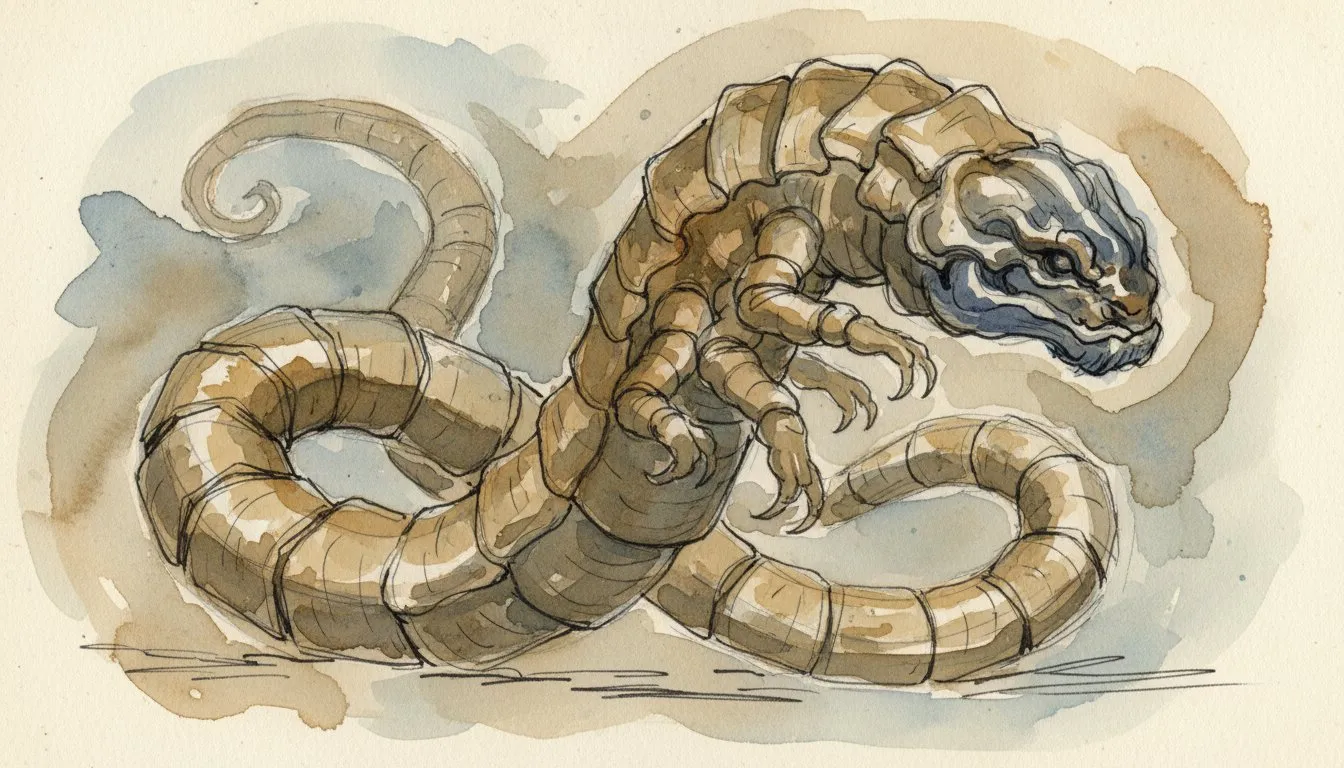
The Minhocao is a massive burrowing creature reported across southern Brazil since the 1800s. Described as a worm or serpent up to 75 feet long with black skin, it supposedly creates enormous trenches and diverts rivers. German naturalist Fritz Muller documented local accounts in 1877. Some researchers speculate it could be a surviving species of giant caecilian or glyptodont.
Few cryptids command as much geological authority as the Minhocao, a creature from the folklore of southern Brazil whose reported activities - collapsed riverbanks, uprooted trees, trenches carved through soft earth - have left physical traces that witnesses insist no ordinary animal could produce. The name derives from the Portuguese word for earthworm, and the Minhocao is described as a gigantic, worm-like or serpentine creature of extraordinary girth, capable of burrowing through waterlogged soil and river mud with devastating efficiency. Reported lengths range from thirty to one hundred and fifty feet, with a body so massive that its passage through the earth can be traced by the furrows it leaves behind.
Naturalist Fritz Muller collected and published the most comprehensive early accounts in 1877, summarizing testimonies from rural communities in the states of Santa Catarina, Sao Paulo, and Goias. One frequently cited account describes a farmer who awoke to find his pine trees toppled and a trench carved through the soft ground near a marsh, with no flood or earthquake to explain the damage. Another account from the Rio dos Cachorros describes a creature surfacing briefly before diving back into the mud, leaving behind a churned wake several yards wide. Muller noted that the descriptions were broadly consistent across communities that had no apparent contact with one another.
Hypotheses about the Minhocao's biological identity have ranged across several taxa. Some researchers have suggested a giant caecilian - a limbless, burrowing amphibian - scaled up to monstrous proportions, though no known caecilian approaches anywhere near the reported size. Others have proposed a gigantic anaconda dwelling in flooded forest margins, an animal that can exceed twenty-five feet in length and is capable of remaining submerged for extended periods. The most speculative proposals invoke Josephoartigasia monesi, the extinct giant pacarana rodent of South America, or even an unknown species of armored fish.
The swampy river margins and forested lowlands of central and southern Brazil remain among the least-surveyed environments on the continent, and new large vertebrate species are periodically described from Amazonian and Atlantic Forest habitats. Whether the Minhocao represents a genuine unknown animal, a greatly exaggerated ordinary creature, or a folkloric explanation for the dramatic erosion events common in Brazil's seasonally flooded landscapes, it remains a compelling fixture of South American natural history and a persistent subject of cryptozoological inquiry.
Notable Witnesses
- Fritz Muller
Further Reading
No book is devoted to this creature. These are the general references that cover the field, plus a direct search if you want to dig further.
- Cryptozoology A to Z by Loren Coleman and Jerome Clark (1999)
The standard one-volume encyclopedia, roughly two hundred entries covering creatures, investigators, and hoaxes.
- Mysterious Creatures: A Guide to Cryptozoology by George M. Eberhart (2002)
The larger reference guide, stronger on sourcing and on creatures that never reached the popular books.
Search Amazon for Minhocao books
As an Amazon Associate, Cryptid Vault earns from qualifying purchases. Links open Amazon in a new tab.
Get the Field Notes.
Field notes from the Vault, when there is something worth sending. No spam.
No spam. Unsubscribe anytime.
You might also like
Yacumama
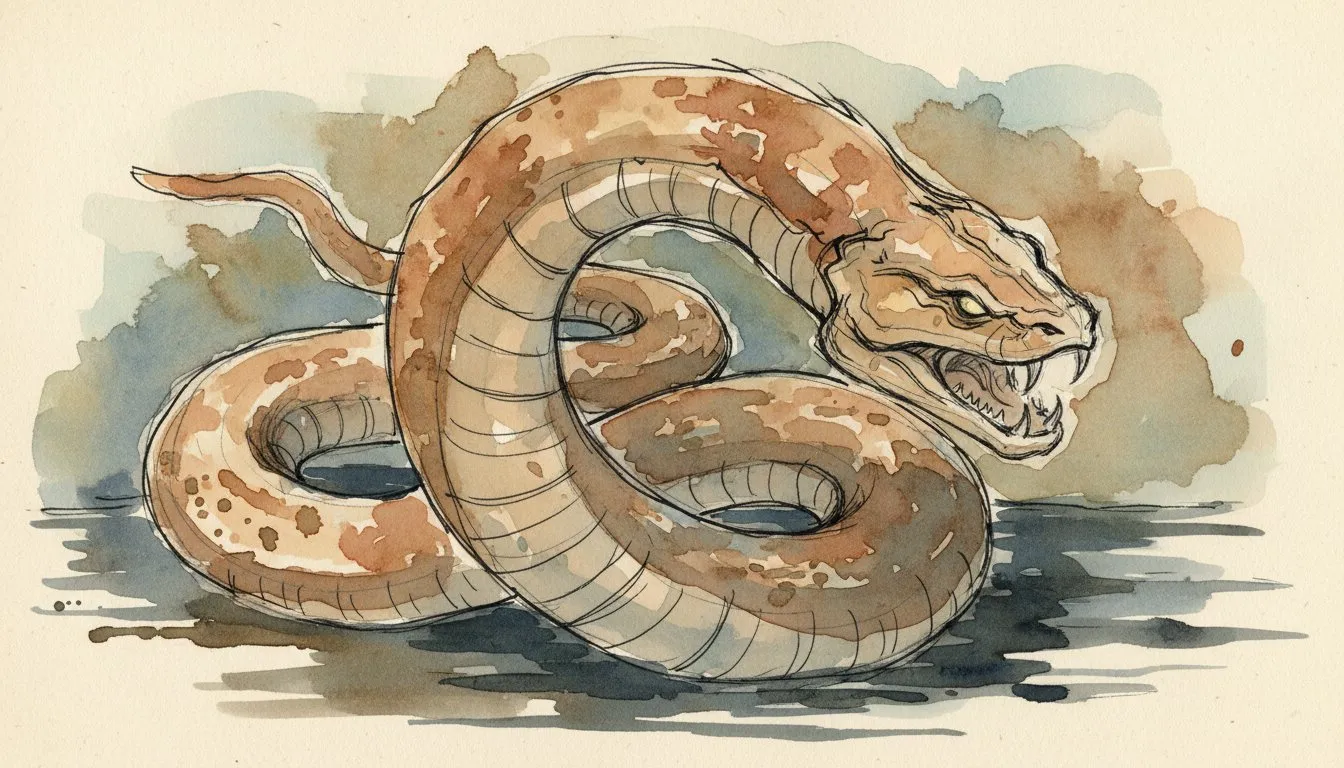
Deep in the Amazon, locals say a snake longer than a river is wide guards the waterways.
Nahuelito
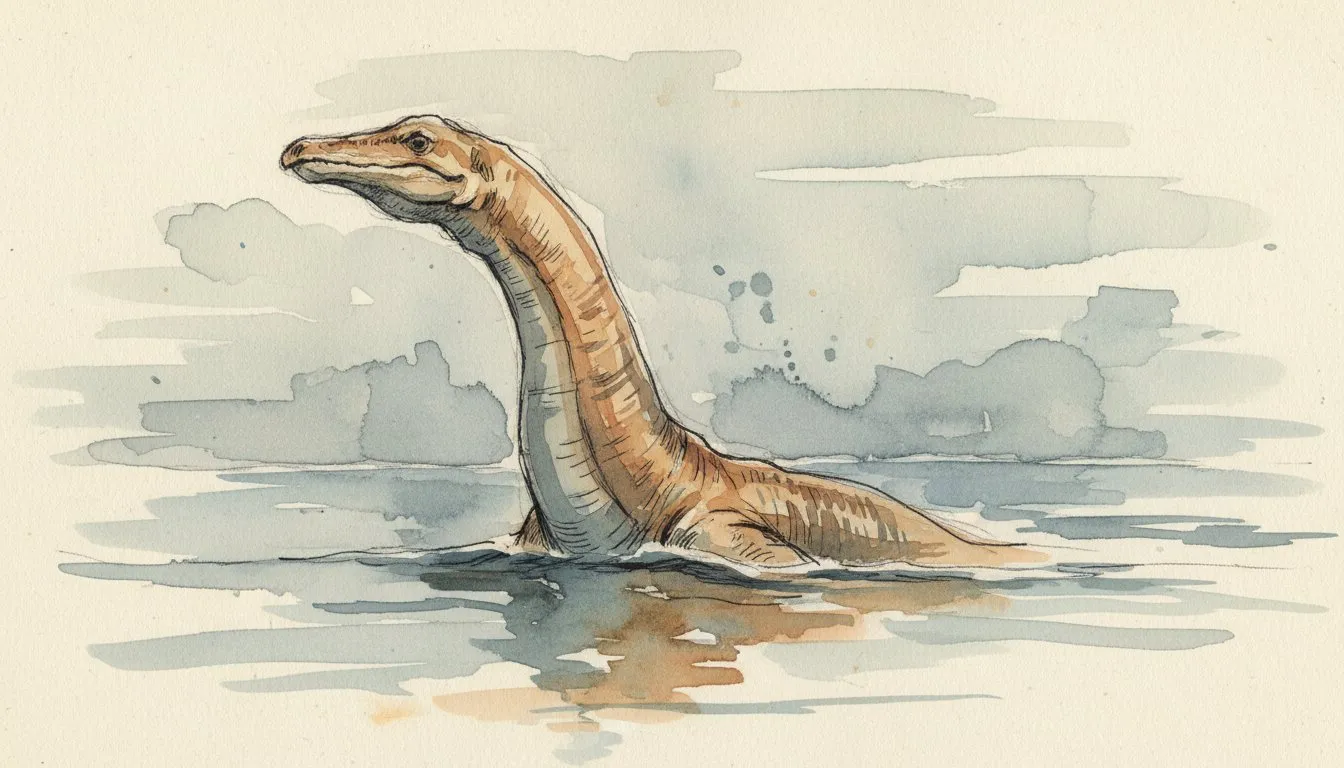
Something enormous has been surfacing in an Argentine lake for over a century.
Mokele-mbembe
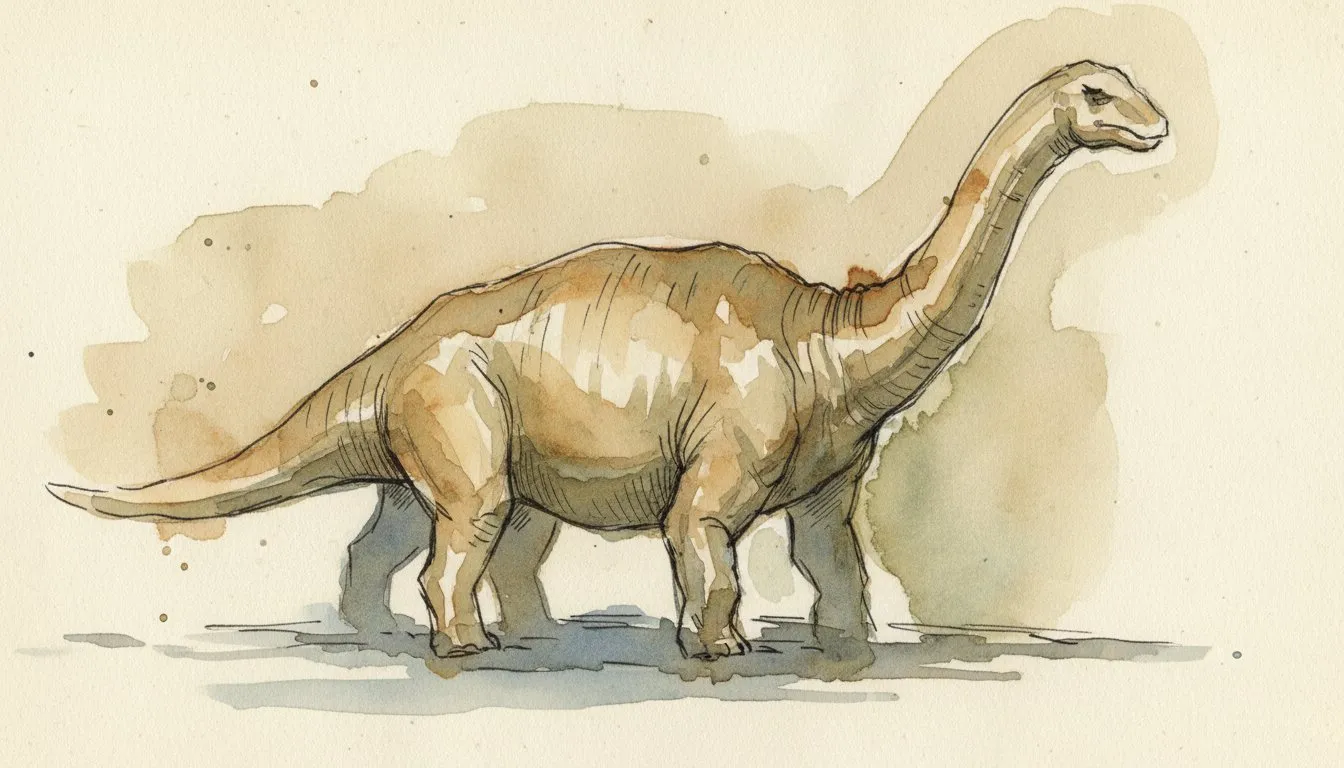
Deep in the Congo Basin, local tribes describe a living dinosaur with total consistency across generations.

Boto
The Amazon's pink river dolphin comes ashore at night disguised as a handsome stranger.
Caipora
Brazilian hunters know this forest spirit punishes anyone who takes more than they need.
Curupira
A flame-haired forest guardian with backward feet, who drives hunters insane by making them walk in circles.
Ninki Nanka
West African elders say that anyone who sees this swamp dragon dies shortly after.
Peuchen
A shapeshifting flying serpent from Chilean forests that drains the blood of livestock from the air.