
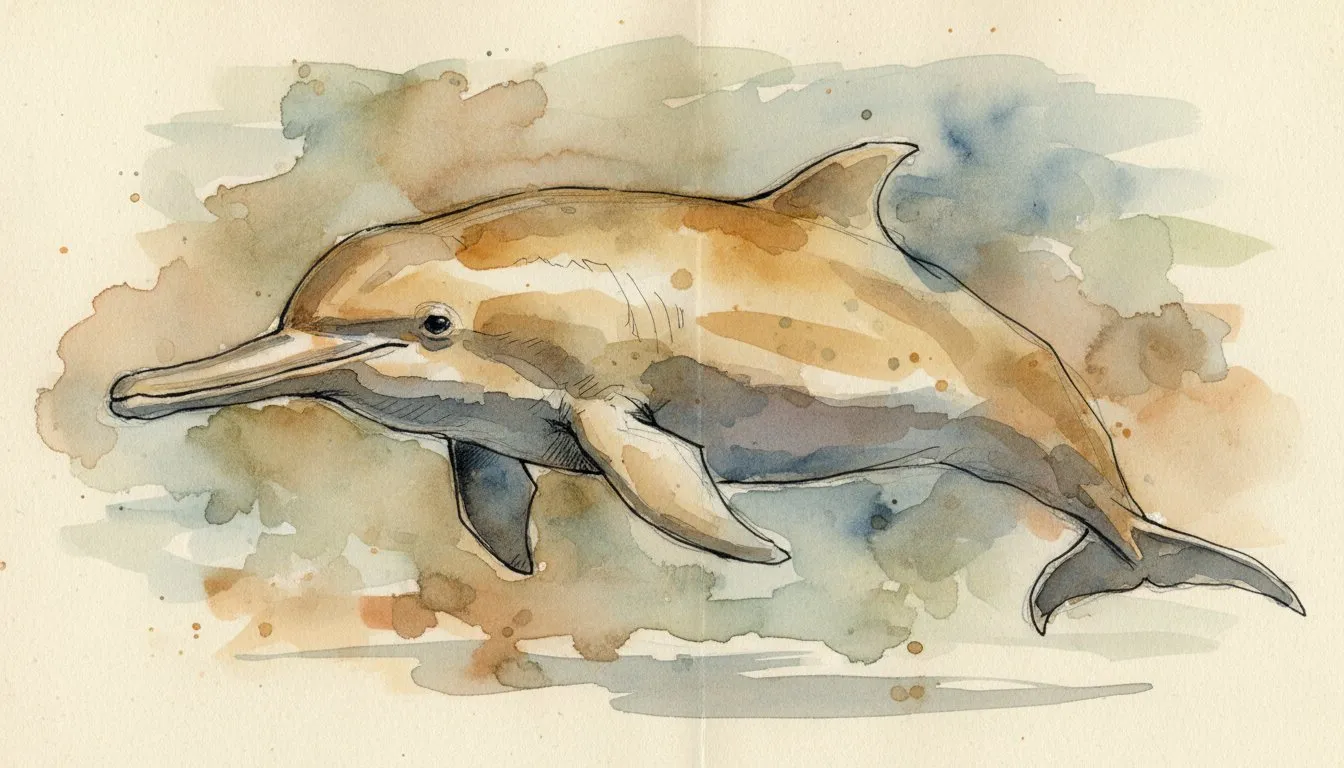
Boto
Also known as: Encantado, Pink Dolphin Man, Boto Encantado
The Amazon's pink river dolphin comes ashore at night disguised as a handsome stranger.
Pre-colonial oral tradition
Amazon River basin, Brazil
Human-sized in land form, 6-8 feet as dolphin
Charming but deceptive
Folklore
The Lore
The Boto Encantado is a shapeshifting creature from Amazonian folklore. By day it swims as an Amazon river dolphin, but at night it transforms into a well-dressed young man who attends parties and seduces women. It always wears a hat to cover its blowhole. In riverside communities, unexplained pregnancies are still sometimes attributed to the Boto.
In the rivers of the Amazon and Orinoco basins, the boto - the Amazon river dolphin (Inia geoffrensis) - is a real and extraordinary animal. Pink in color when mature, intelligent, and capable of remarkable physical flexibility thanks to its unfused neck vertebrae, the boto has inspired one of the most elaborate and erotically charged supernatural traditions in South American folklore. The dolphin itself is beyond dispute. What surrounds it is a mythology of transformation, seduction, and transgression that has shaped Amazonian communities for generations.
According to the tradition that extends across Brazil, Colombia, Peru, Bolivia, and Venezuela, the boto possesses the power to transform into a handsome, fair-skinned man - always dressed in white, always wearing a hat to conceal the blowhole on his head that he cannot fully disguise in human form. This figure, known as the Encantado or simply the Boto in human shape, appears at riverside festivals and dances, seducing women and sometimes men, before disappearing at dawn by returning to the river. Women who become pregnant and cannot name the father are often said to have been visited by the boto.
The tradition serves multiple social functions. It provides an explanation for illegitimate pregnancies in communities where such matters carry heavy stigma. It also protects the dolphins themselves: boto are considered extremely bad luck to harm or kill, and fishermen who harm one are warned to expect misfortune, illness in their family, or fatal river accidents. This cultural protection gave the boto a degree of de facto conservation status in communities where formal wildlife protection was impossible to enforce.
More menacing aspects of boto folklore describe the Encantado as capable of causing madness in those who stare too long at a dolphin, or luring children who play near the water into the river and down to a parallel underwater world called the Encante. The boto's real biology - its pink coloration, flexible neck, and visible presence in rivers where it shares space with human communities daily - makes it an unusually intimate animal to build legend around. The species' conservation status has declined sharply as Amazonian waterways are degraded by pollution and motorized traffic, and with it, some of the traditional beliefs that once afforded these animals an informal but effective layer of protection from human harm.
Media Appearances
- The River of Doubt by Candice Millard
Further Reading
No book is devoted to this creature. These are the general references that cover the field, plus a direct search if you want to dig further.
- Cryptozoology A to Z by Loren Coleman and Jerome Clark (1999)
The standard one-volume encyclopedia, roughly two hundred entries covering creatures, investigators, and hoaxes.
- Mysterious Creatures: A Guide to Cryptozoology by George M. Eberhart (2002)
The larger reference guide, stronger on sourcing and on creatures that never reached the popular books.
As an Amazon Associate, Cryptid Vault earns from qualifying purchases. Links open Amazon in a new tab.
Get the Field Notes.
Field notes from the Vault, when there is something worth sending. No spam.
No spam. Unsubscribe anytime.
You might also like
Caipora
Brazilian hunters know this forest spirit punishes anyone who takes more than they need.
El Cadejo
In Central America, a glowing-eyed dog follows you home at night, but its color decides your fate.
Adze
In Togo, a vampire disguised as a glowing firefly slips through locked doors to feed on the sleeping.
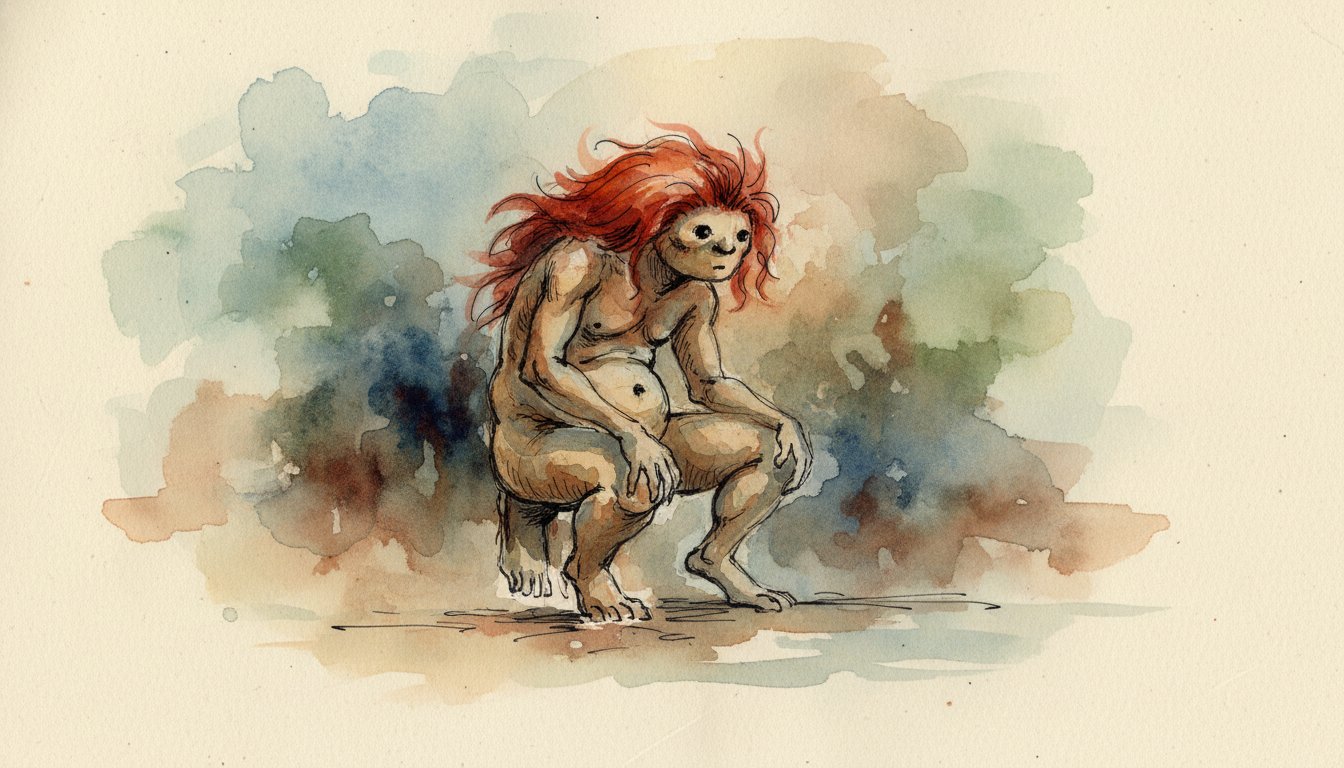
Curupira
A flame-haired forest guardian with backward feet, who drives hunters insane by making them walk in circles.
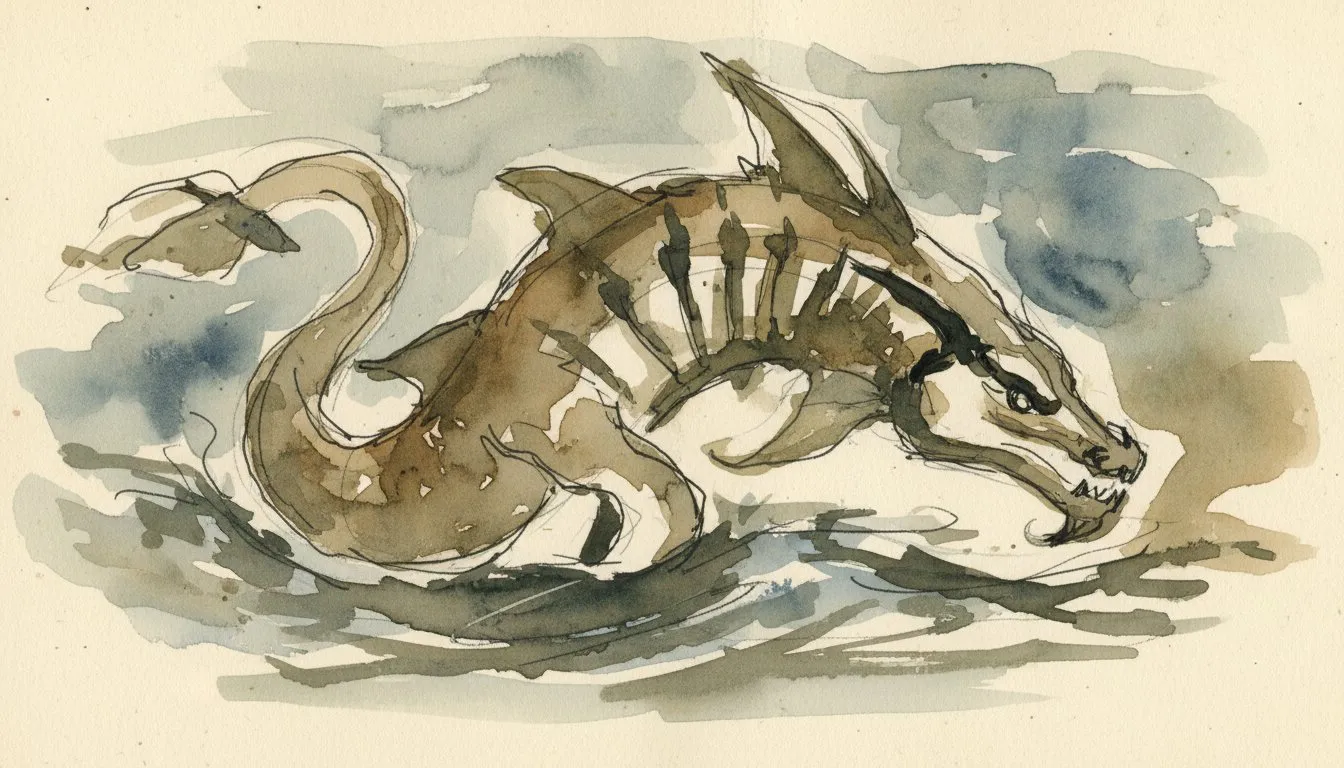
Taniwha
Sacred water guardians of Maori tradition that shape rivers, protect tribes, and sometimes drag the unwary to their doom.
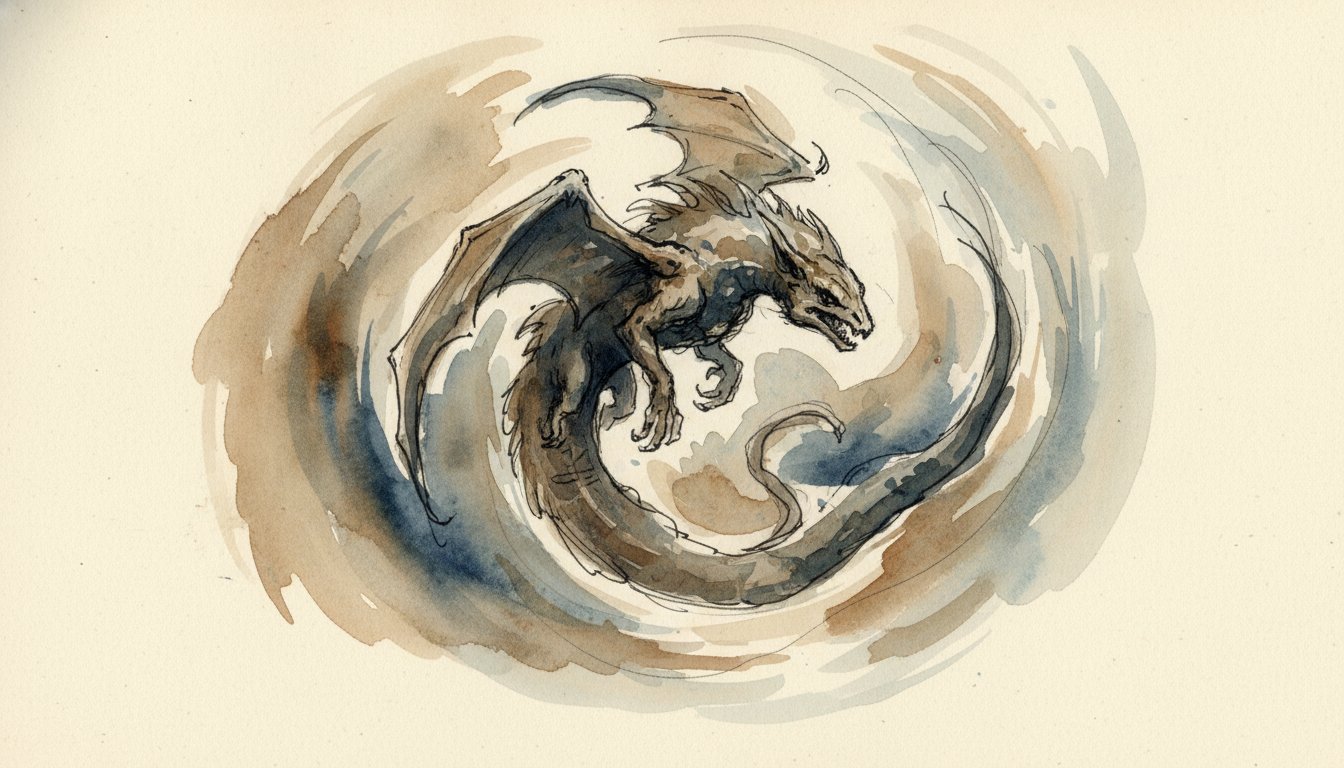
Peuchen
A shapeshifting flying serpent from Chilean forests that drains the blood of livestock from the air.
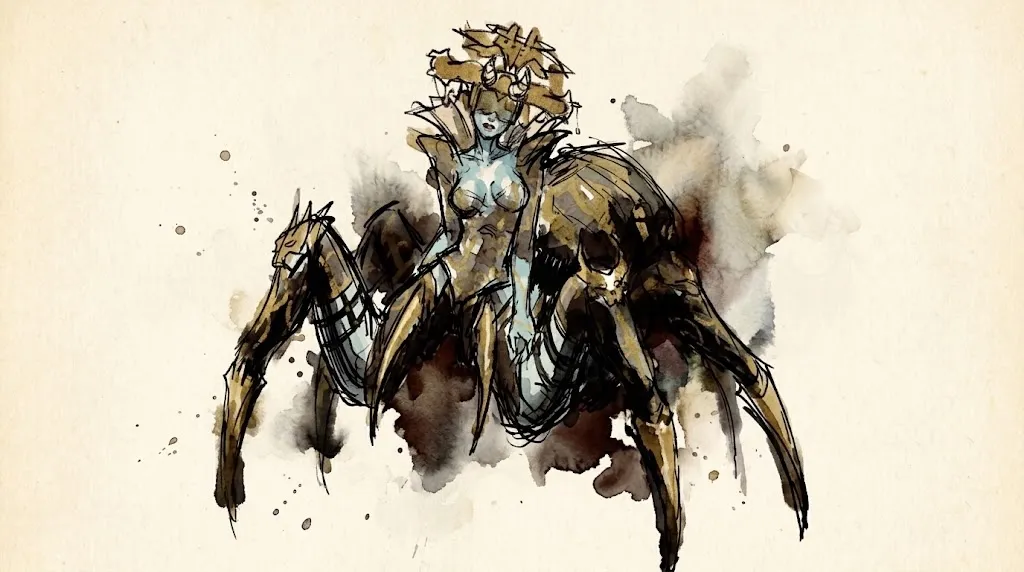
Jorogumo
A 400-year-old spider that takes the form of a beautiful woman to lure men to their death.
Kelpie
A shape-shifting water horse that lures riders to a watery grave in Scottish lochs.