
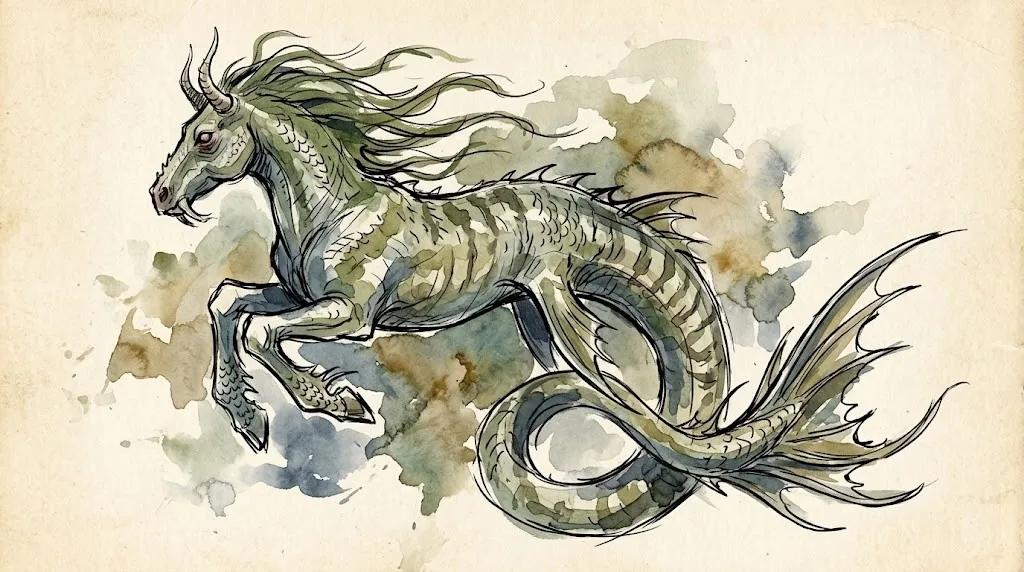
Kelpie
Also known as: Water Horse, Each-Uisge
A shape-shifting water horse that lures riders to a watery grave in Scottish lochs.
Pre-medieval (Celtic tradition)
Scottish Highlands and rivers
Horse-sized (shapeshifting)
Deceptive, lethal
Cultural tradition
The Lore
The Kelpie is a shape-shifting water spirit from Scottish folklore, most commonly appearing as a beautiful horse near rivers and lochs. It tempts travelers to mount it, then its skin becomes adhesive and it drags the rider beneath the water. Some legends say kelpies can take human form. The myth likely served as a warning to keep children away from dangerous waters.
The kelpie is the most widespread of Scotland's water spirits, appearing in folklore from the Highlands to the Lowlands and across nearly every body of fresh water in the country. Its standard form is a fine-looking horse, often grey or black, grazing peacefully near the banks of a river or loch with its mane dripping wet and tangled with waterweed. A tired traveler who approaches and mounts the animal finds their skin instantly fused to its hide, at which point the kelpie bolts into the deepest water and drowns its rider, then devours the body, leaving only the liver or entrails to wash ashore as a warning to others.
The creature can also take human form, usually as a handsome man with hair perpetually damp and stringy with river weeds, or occasionally as a beautiful woman who lures men to the water's edge. In some traditions the kelpie retains hooves in its human guise, visible only to the observant, and in others it can be identified by the sand or kelp caught in its hair no matter how recently it has combed. Capturing a kelpie was said to be possible by seizing its bridle, which would give the owner command over the creature for as long as they held it, though the kelpie would curse any family that forced it into servitude.
Scholars have long read the kelpie as a cautionary tale directed at children and inexperienced travelers, encoding genuine danger about the country's fast rivers, sudden undertows, and bog-edged lochs into a memorable creature that children were unlikely to forget. Scottish waterways kill people every year, and before modern bridges and signage, a folkloric deterrent served a real protective function. Other folklorists note that the kelpie also carried meanings about sexual danger and the risks of trusting surfaces, particularly for young women who might be lured by handsome strangers near the water.
The kelpie has endured as one of Scotland's most recognizable mythological figures. In 2013, sculptor Andy Scott completed The Kelpies in Falkirk, two 30-meter steel horse heads that are now among the largest equine sculptures in the world, drawing over a million visitors a year. J.K. Rowling incorporated kelpies into the Harry Potter bestiary, and they appear across modern fantasy fiction from Susanna Clarke to Diana Wynne Jones. But the older versions of the story, the ones where the water turns red and only the liver is returned, still circulate in Highland villages where the lochs have not become less dangerous just because they have become more photographed.
Further Reading
No book is devoted to this creature. These are the general references that cover the field, plus a direct search if you want to dig further.
- Cryptozoology A to Z by Loren Coleman and Jerome Clark (1999)
The standard one-volume encyclopedia, roughly two hundred entries covering creatures, investigators, and hoaxes.
- Mysterious Creatures: A Guide to Cryptozoology by George M. Eberhart (2002)
The larger reference guide, stronger on sourcing and on creatures that never reached the popular books.
Search Amazon for Kelpie books
As an Amazon Associate, Cryptid Vault earns from qualifying purchases. Links open Amazon in a new tab.
Get the Field Notes.
Field notes from the Vault, when there is something worth sending. No spam.
No spam. Unsubscribe anytime.
You might also like
Loch Ness Monster
The legendary lake serpent of Scotland, photographed, sonar-scanned, and never found.
Bunyip
Australia's lurking water spirit, feared by indigenous peoples for thousands of years.
Kappa
Japan's mischievous water imp with a bowl of power on its head.
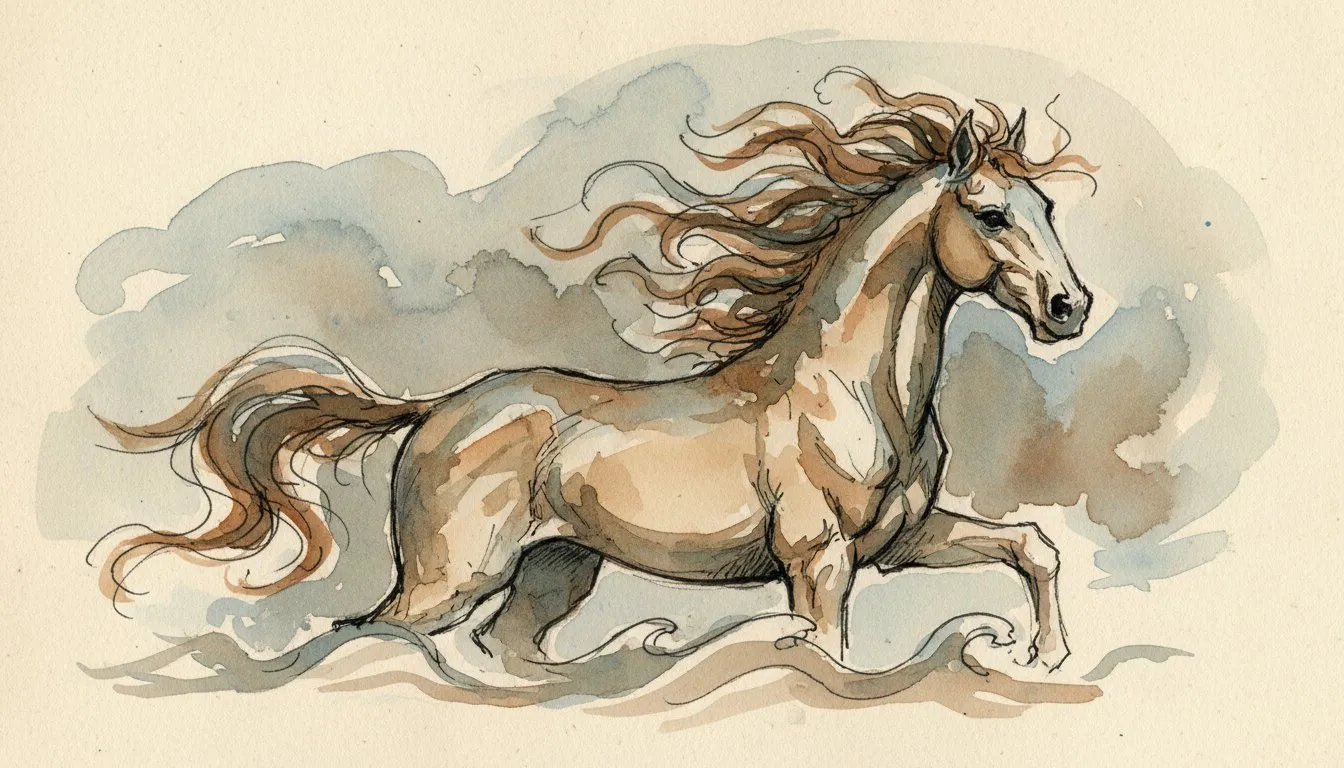
Each-Uisge
This shape-shifting water horse of Scottish lochs lures riders onto its back, then drags them to a watery death.
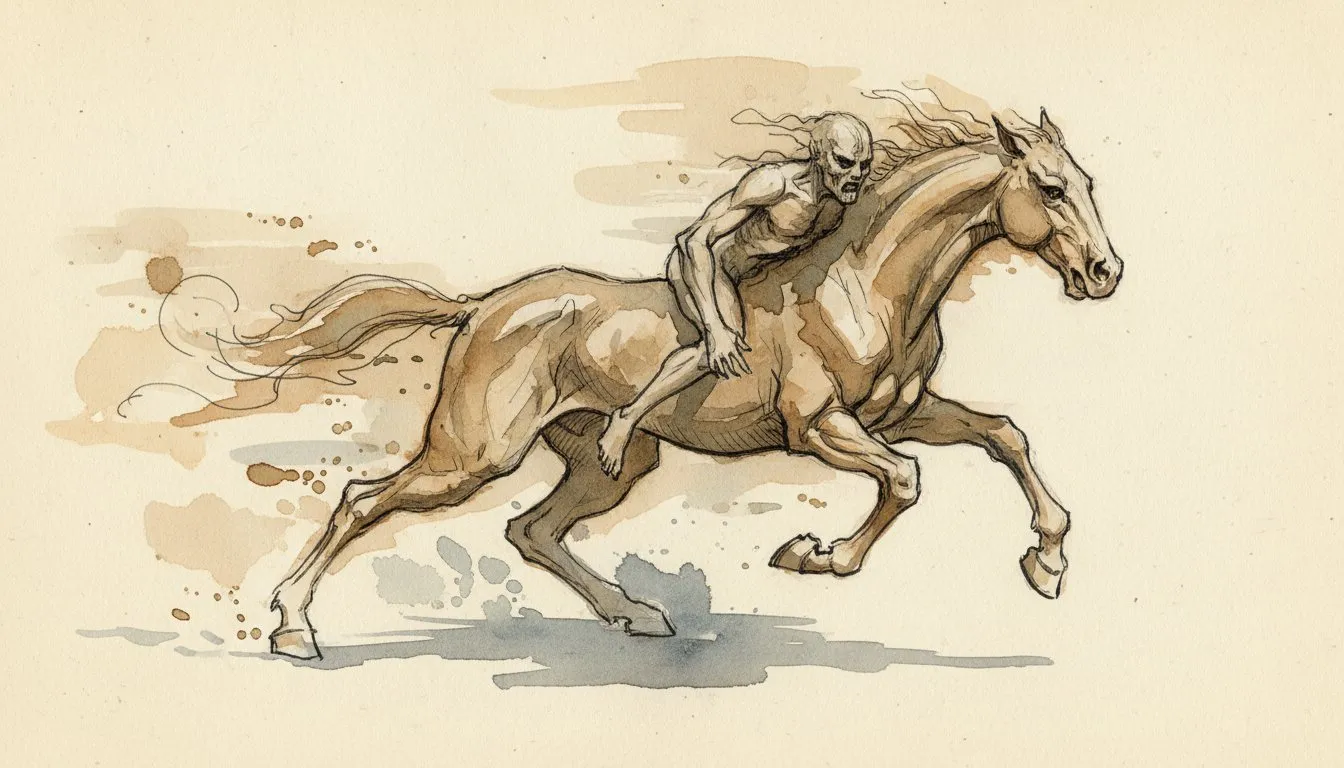
Nuckelavee
A skinless horse-rider hybrid rises from the ocean around Orkney, and its breath alone can wilt crops and sicken entire islands.
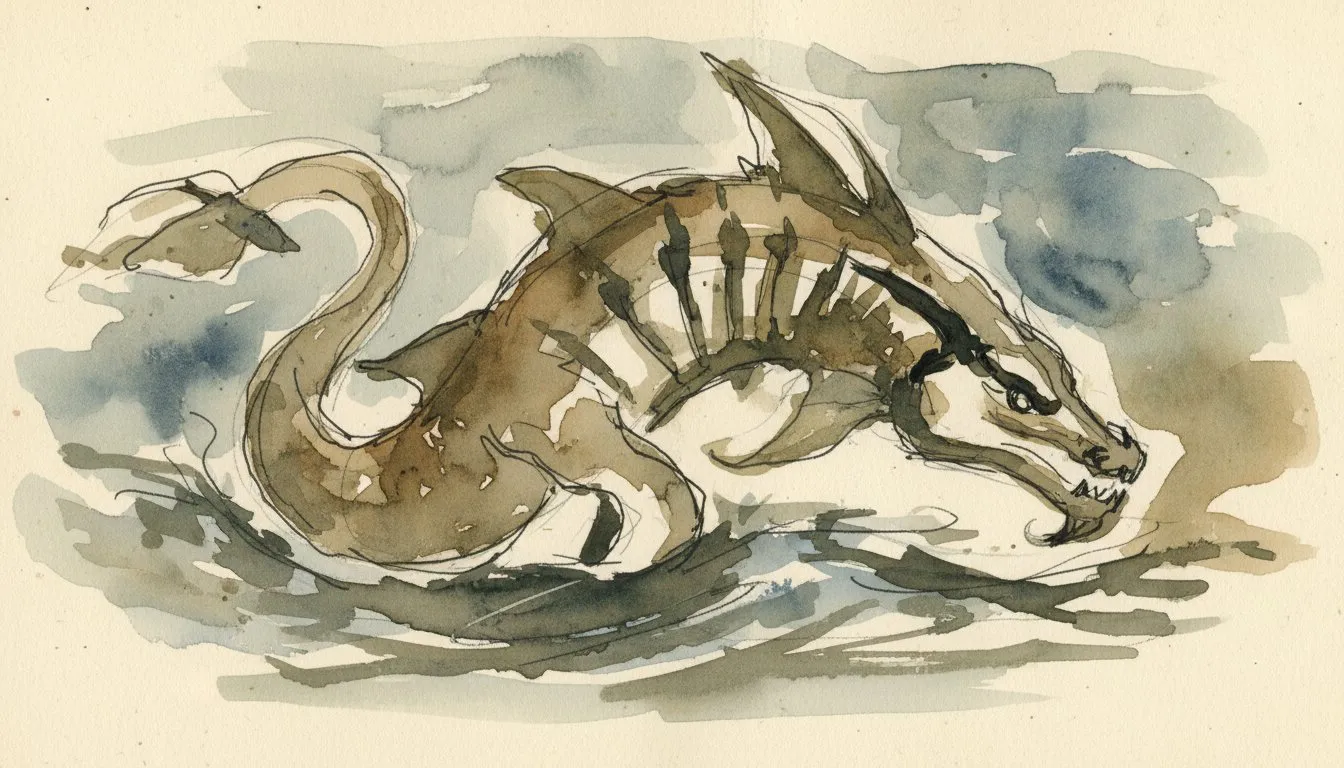
Taniwha
Sacred water guardians of Maori tradition that shape rivers, protect tribes, and sometimes drag the unwary to their doom.
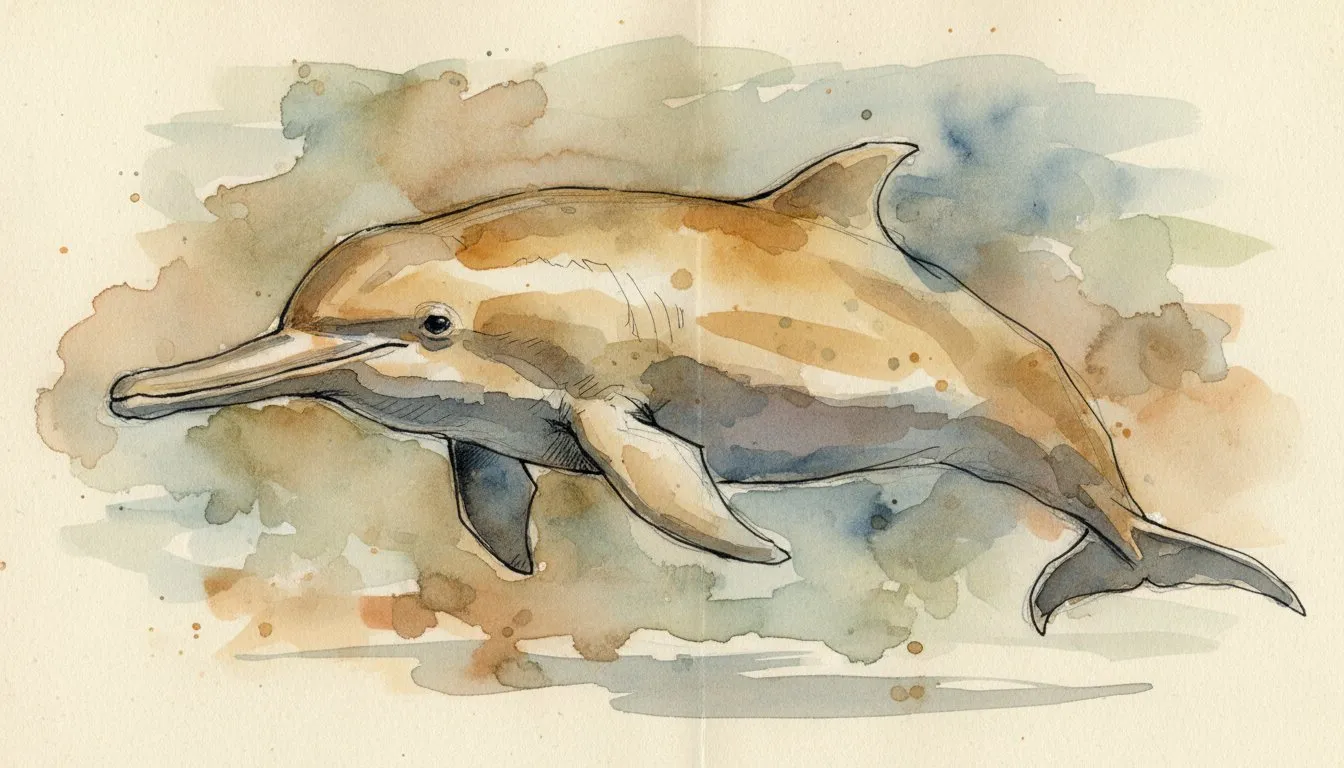
Boto
The Amazon's pink river dolphin comes ashore at night disguised as a handsome stranger.
Jorogumo
A 400-year-old spider that takes the form of a beautiful woman to lure men to their death.